
Getting started:
Korea in a nutshell
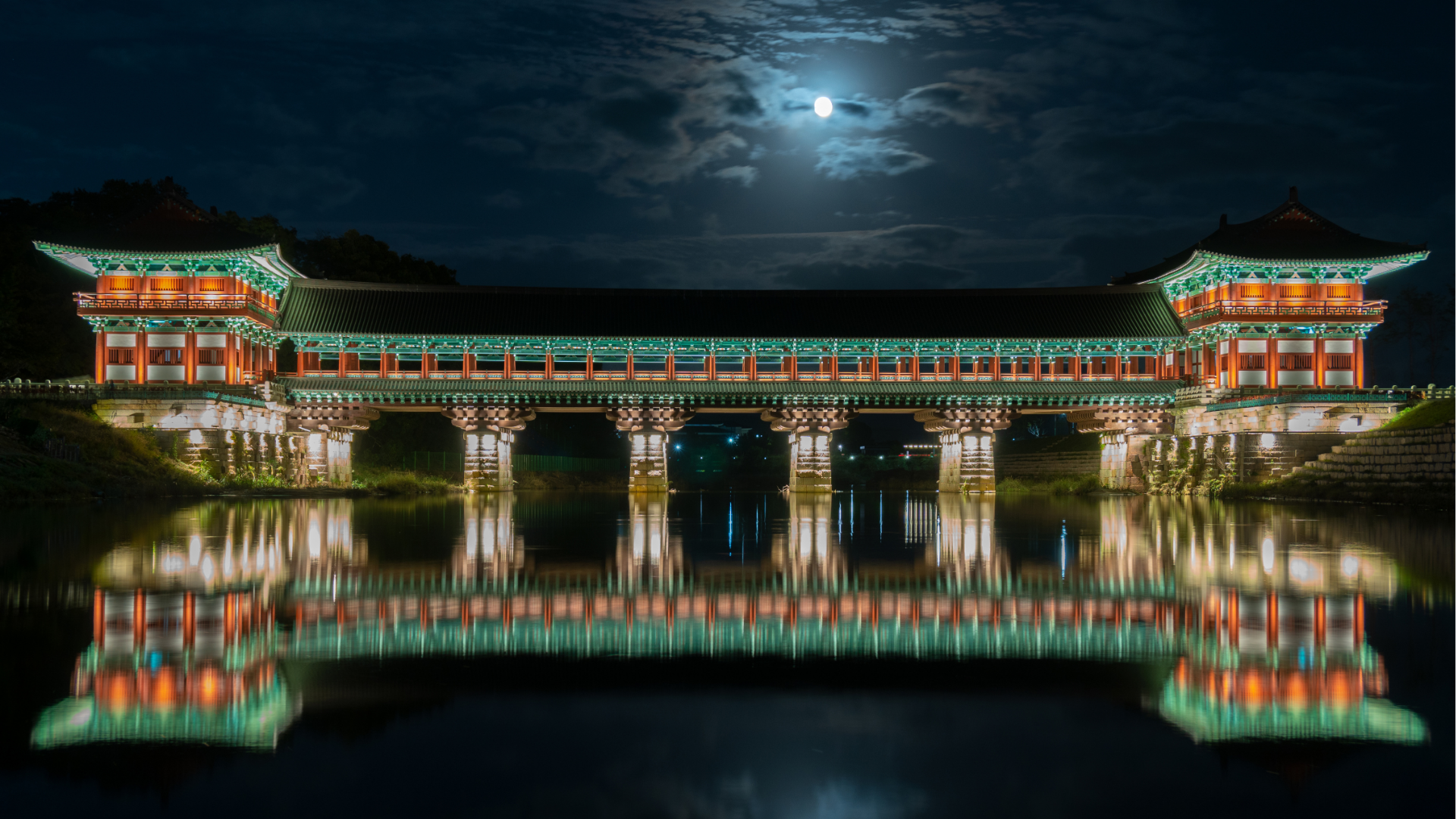
Korea is fast becoming a mainstream travel destination, driven by its global cultural influence, strong culinary identity and creative energy. What sets it apart is the way heritage and modern life coexist seamlessly. Historic palace compounds and Buddhist temples sit within cities that are equally defined by contemporary design, music and film. Rather than presenting old and new as opposites, Korea integrates them into daily life, giving travellers a sense of continuity.
The country is also remarkably easy to experience. High-speed rail links major regions efficiently, urban transport is intuitive and accommodation standards are consistently high. This allows itineraries to move comfortably between neighbourhood exploration, cultural sites and modern districts without logistical strain.
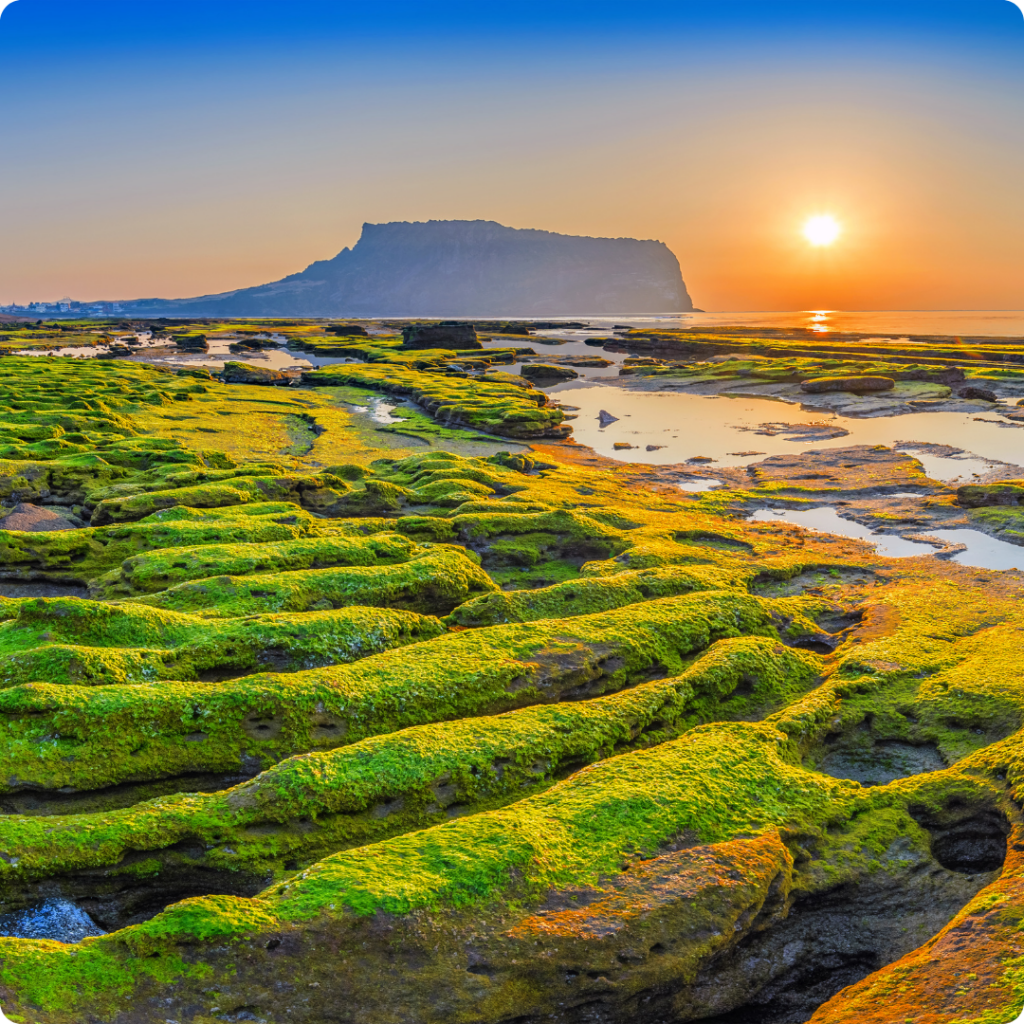
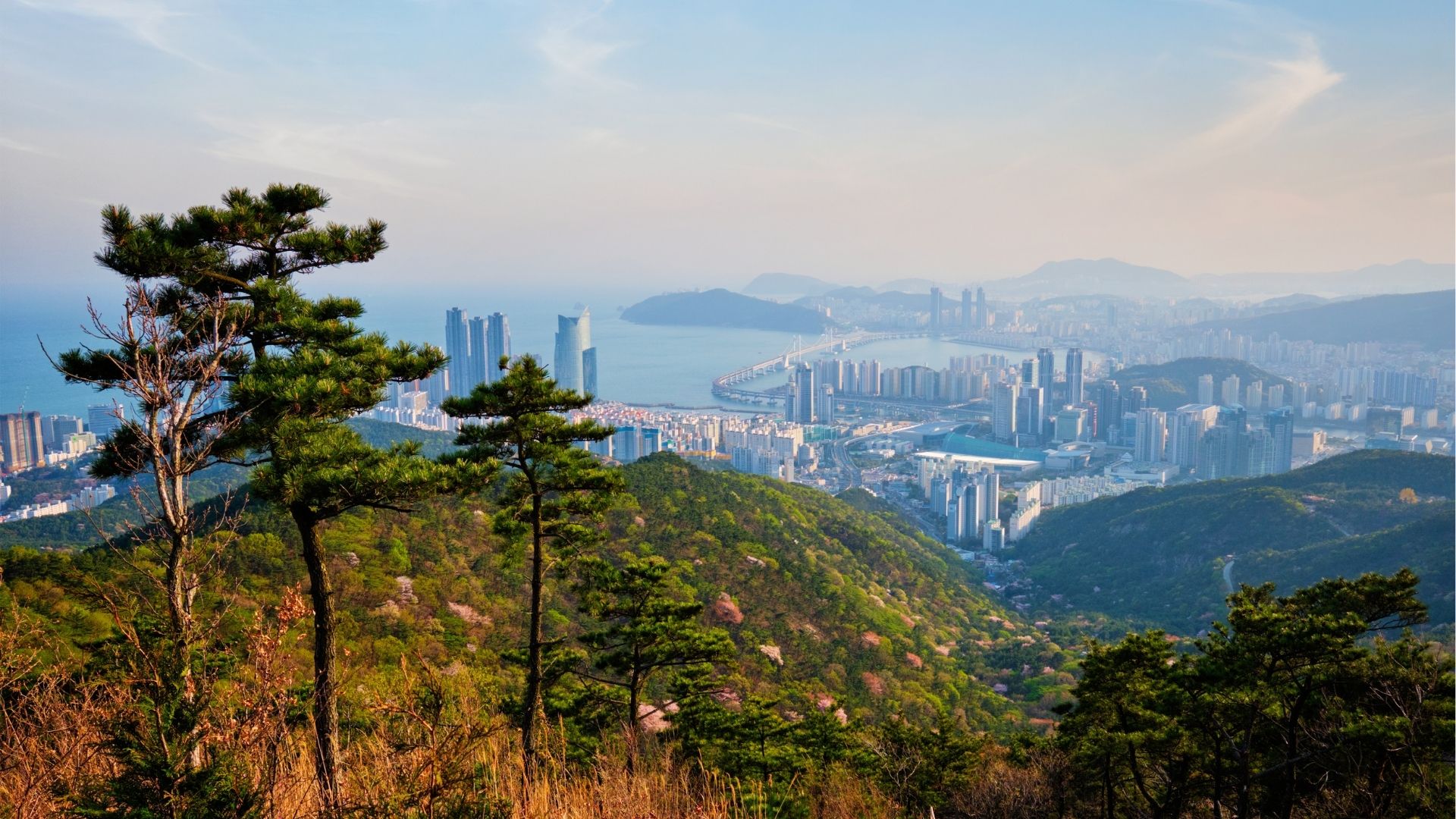
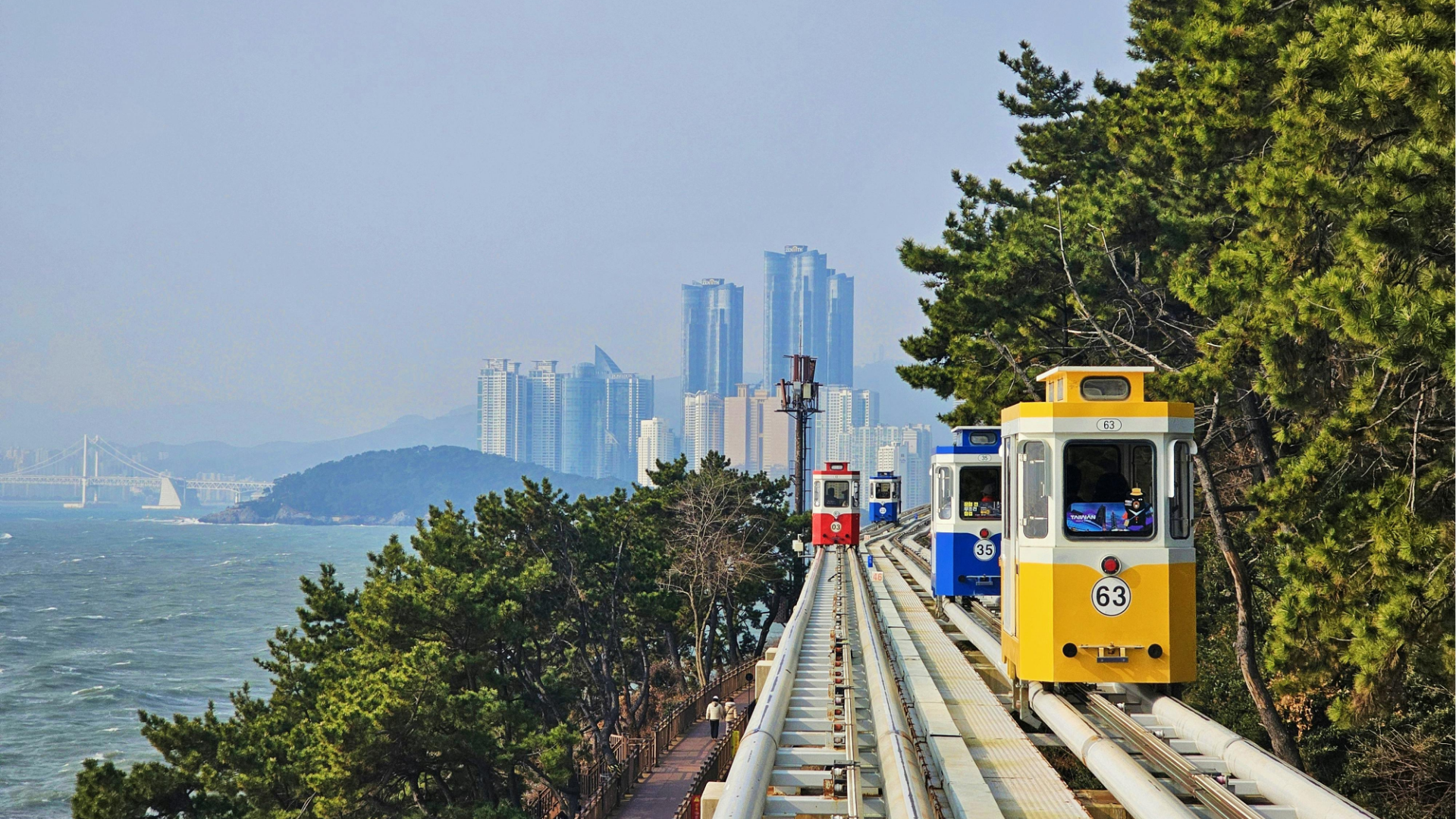
What deepens the journey is the landscape beyond the cities. Mountain backdrops, coastal drives and volcanic island scenery provide natural variation, making it possible to combine heritage, cuisine and outdoor exploration within one cohesive programme.
Korea’s top-selling regions:

Best times to visit Korea
Korea is a four-season destination, with experiences shifting noticeably throughout the year. The changing climate and landscapes create different atmospheres and visual appeal, allowing itineraries to be shaped around scenery, festivals, outdoor activity or cultural depth. This seasonal variation gives travel designers flexibility to align programmes with client interests and preferred travel periods. Learn more in our Korea seasonal guide.
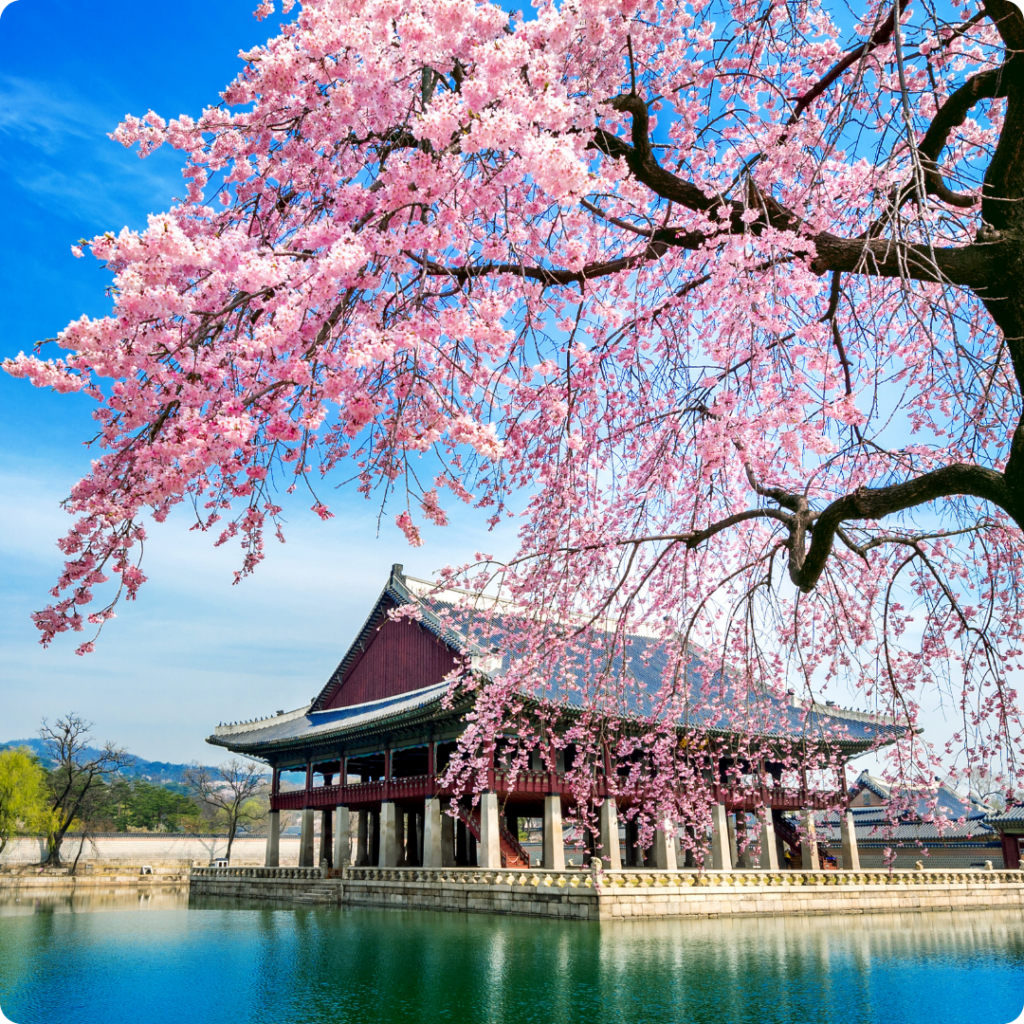
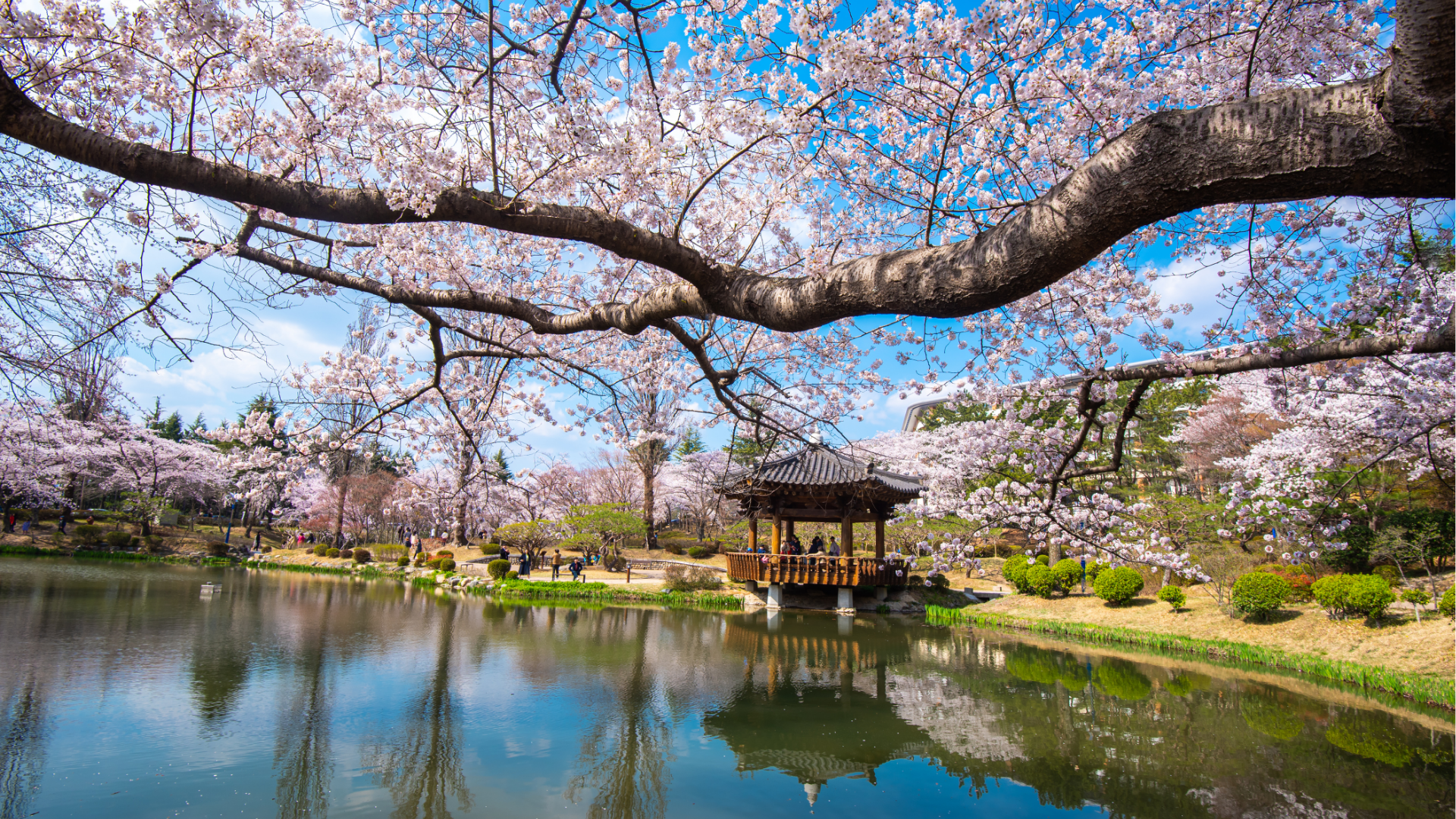
- Spring (April–June): Mild temperatures, cherry blossoms and ideal touring weather.
- Summer (July–August): Warm and humid; lush landscapes and beach season in the south.
- Autumn (September–November): Clear skies and striking foliage, excellent for cultural sites and hiking.
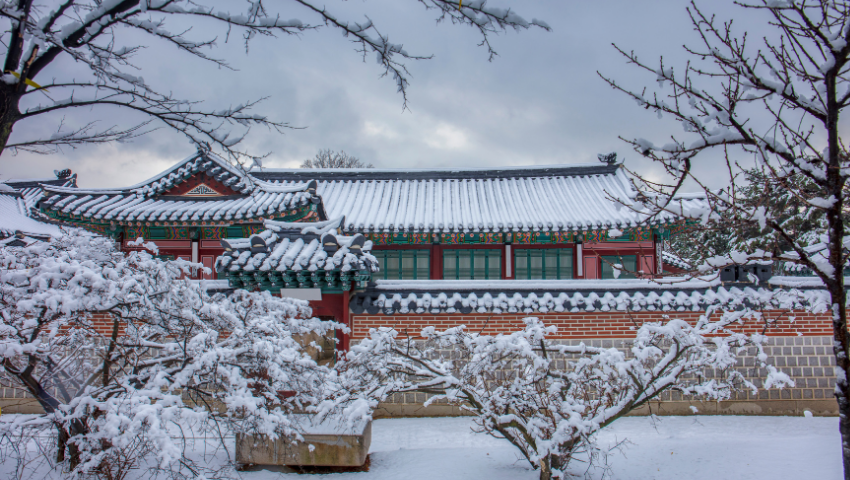
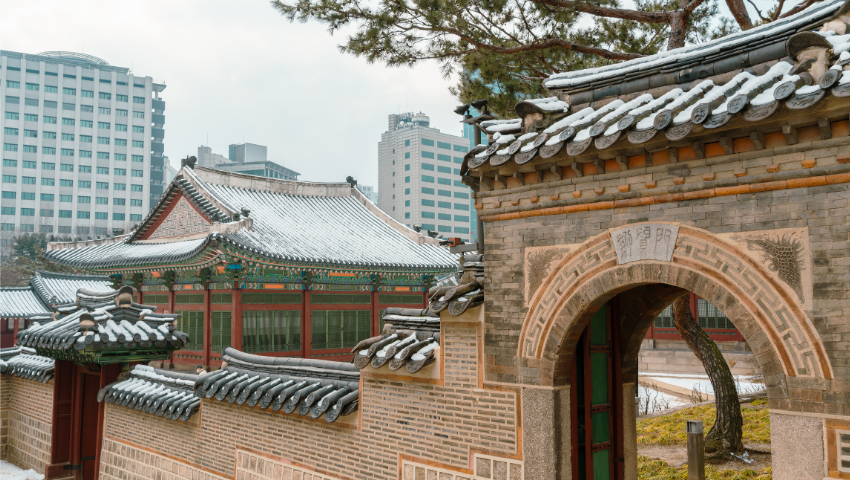
- Winter (December–March): Cold but atmospheric in cities; good for temple stays, market tours, culinary classes and hot spring retreats.
Korea culture & etiquette
Dress
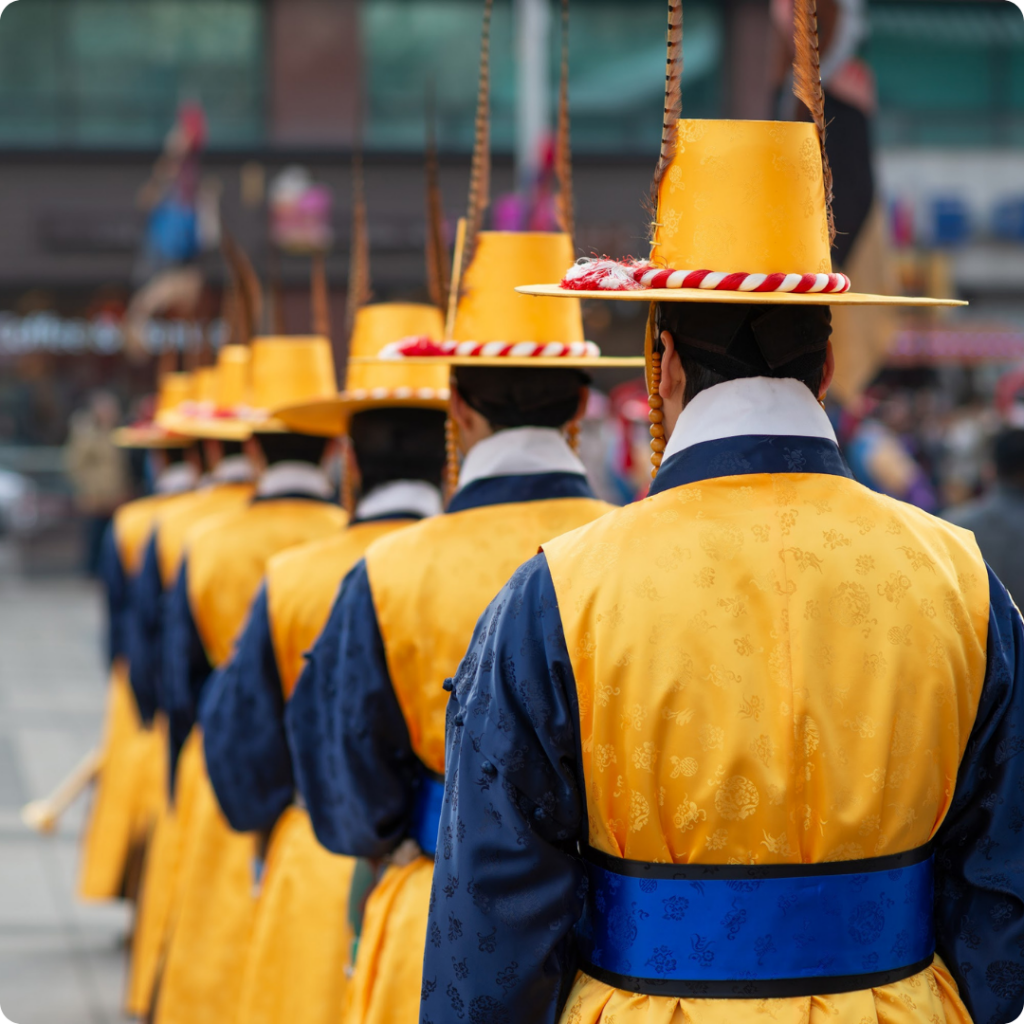
Korea is modern and style-forward, but modest clothing is appreciated when visiting temples, traditional villages or religious sites.
Respect & social norms
Politeness, particularly with elders, remains important in Korean society. Small gestures such as offering or receiving items with two hands are considered respectful.
Dining etiquette
Meals are often shared, particularly in barbecue restaurants and family-style settings. Using both hands when pouring drinks for others is a common sign of courtesy.
Temples & cultural experiences
A quiet and respectful demeanour is expected at temples or during traditional activities such as tea ceremonies or hanok stays. Guides can provide helpful context to ensure clients feel comfortable and informed.
Accommodation insights
Korea’s accommodation landscape spans international luxury brands, contemporary lifestyle hotels and traditional hanok stays, offering strong flexibility across traveller profiles and budgets.
Luxury properties are concentrated in central Seoul, Busan and Jeju, where guests can expect skyline views, refined dining, spa facilities and polished service. Many of these hotels are well positioned for easy access to major cultural sites, shopping districts and transport hubs.
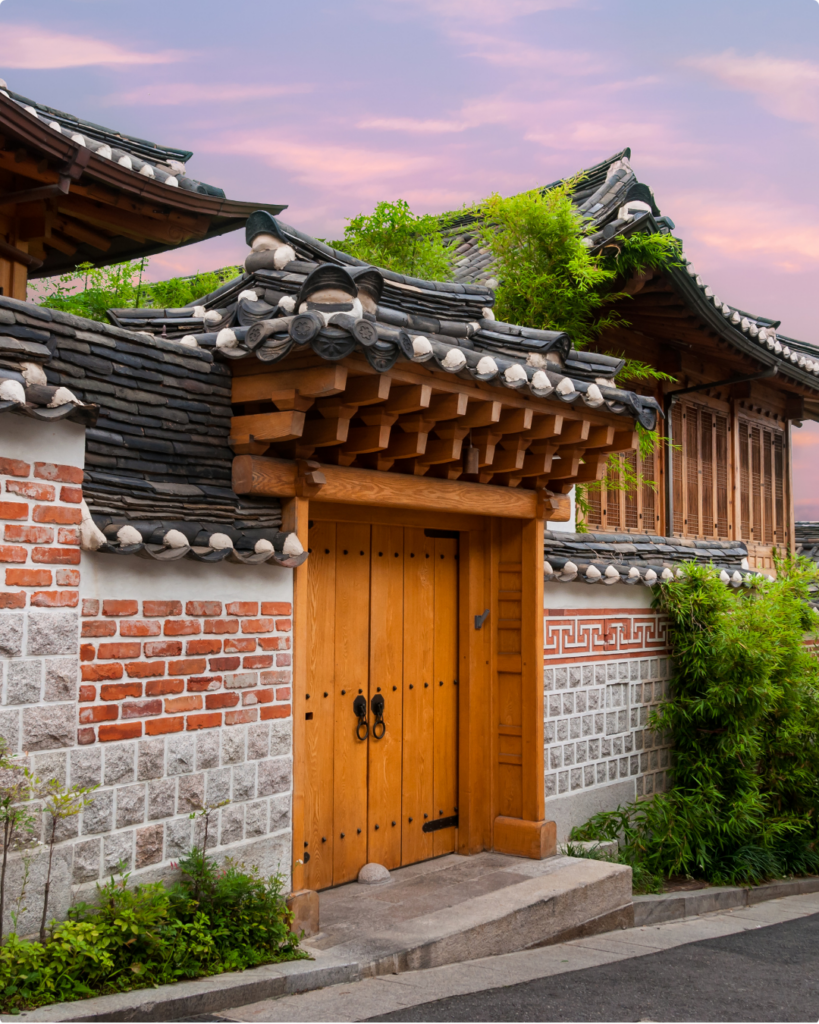
Boutique hotels and hanok stays provide a more intimate sense of place, particularly in areas such as Bukchon in Seoul, Jeonju and Gyeongju. These properties often highlight traditional architecture and design details while maintaining modern comforts.
Across all categories, service standards are consistently high and cleanliness is reliable, making accommodation choices both varied and operationally straightforward.
Dining & cuisine
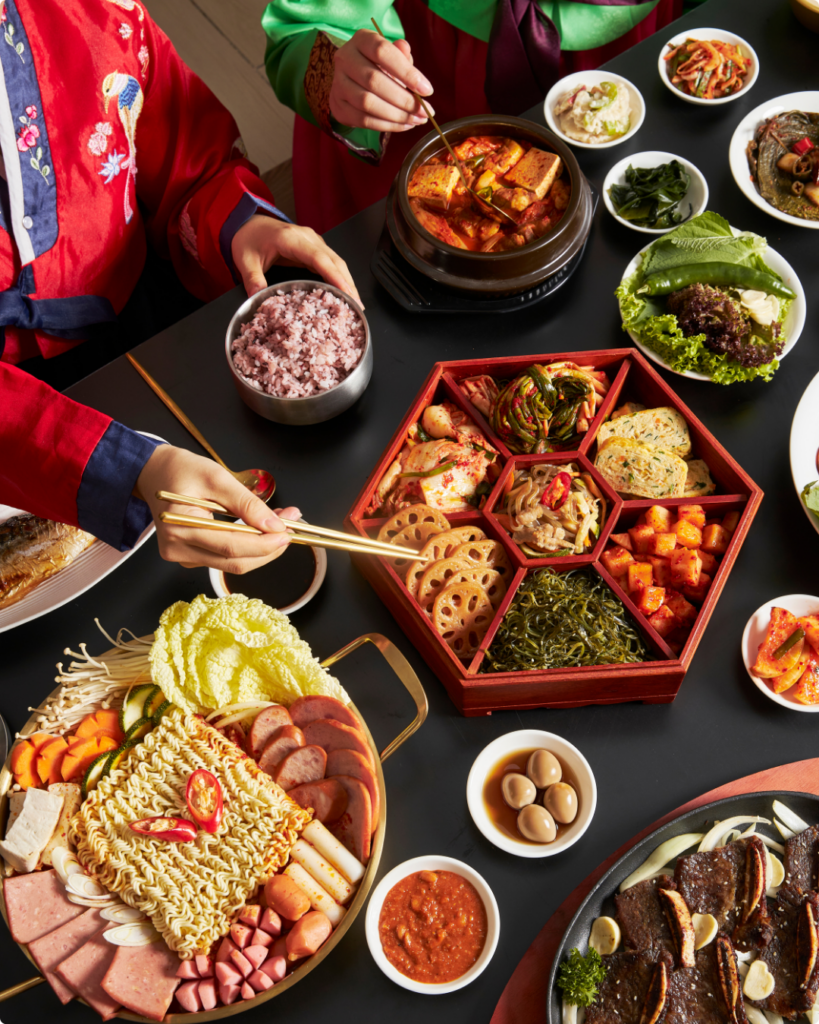
Street food: Night markets and neighbourhood stalls are central to Korean food culture rather than a side attraction. Dishes such as tteokbokki, gimbap and mandu are part of everyday life and work well within guided evening walks or informal tasting experiences. These settings allow travellers to engage directly with local routines and regional flavours.
Korean BBQ: Barbecue restaurants are interactive and social, with diners grilling meats at the table and sharing side dishes known as banchan. This format works particularly well for families, small groups and celebratory dinners, offering both atmosphere and variety.
Temple cuisine: Rooted in Buddhist traditions, temple food is plant-based and seasonal, emphasising balance and natural flavours. It provides a quieter, more contemplative dining experience and can be paired effectively with temple visits or cultural stays.
Contemporary dining: In cities like Seoul, chefs reinterpret Korean ingredients with modern techniques, appealing to travellers interested in refined, design-led restaurants.
Getting in and out of Korea
- Airports: Incheon International Airport is the main gateway, consistently ranked among Asia’s best for service and efficiency.
- Flight connectivity: Extensive direct flights and connections across Asia, Europe, North America and Australia.
- Visas: Many nationalities benefit from visa-free or visa-waiver entry; always confirm before travel. For more information on K-ETA exemptions and e-Arrival cards, head to our blog.
- Local transport: The high-speed KTX rail links Seoul with Busan and other major cities efficiently.
- Regional pairings: Korea combines well with Japan, Vietnam and Southeast Asia itineraries.
Matching Korea with your clients
Korea’s combination of cultural heritage, contemporary creativity and efficient infrastructure makes it adaptable to a wide range of traveller interests.
Luxury travellers:
Korea offers a polished urban experience centred around Seoul and Busan. Design-forward hotels, private guided palace visits, refined dining and premium shopping districts create a programme that feels sophisticated yet culturally grounded.
Cultural travellers:
Dynastic palaces, Confucian academies, Buddhist temples and preserved hanok villages provide accessible historical depth. Guided touring brings context to Korea’s social traditions and long-standing philosophies.
Food-focused travellers:
From neighbourhood markets and Korean barbecue to contemporary restaurants reworking traditional flavours, culinary experiences are varied and easily integrated into daily touring.
Families & multigenerational groups:
Safe cities, efficient transport and compact routing make travel smooth. Palace grounds, interactive museums and hands-on cultural activities appeal across age groups.
Pop culture enthusiasts:
K-pop, film, fashion and design are visible parts of modern Korean identity. Creative districts and filming locations provide clear entry points for younger or trend-aware travellers.
Nature & soft adventure seekers:
Mountain landscapes, coastal scenery and volcanic islands add contrast beyond the cities, with outdoor experiences accessible without long travel times.
Short-stay travellers:
Seoul alone supports a strong three to four night programme. High-speed rail makes adding a secondary city realistic within a week.

Responsible travel & local impact
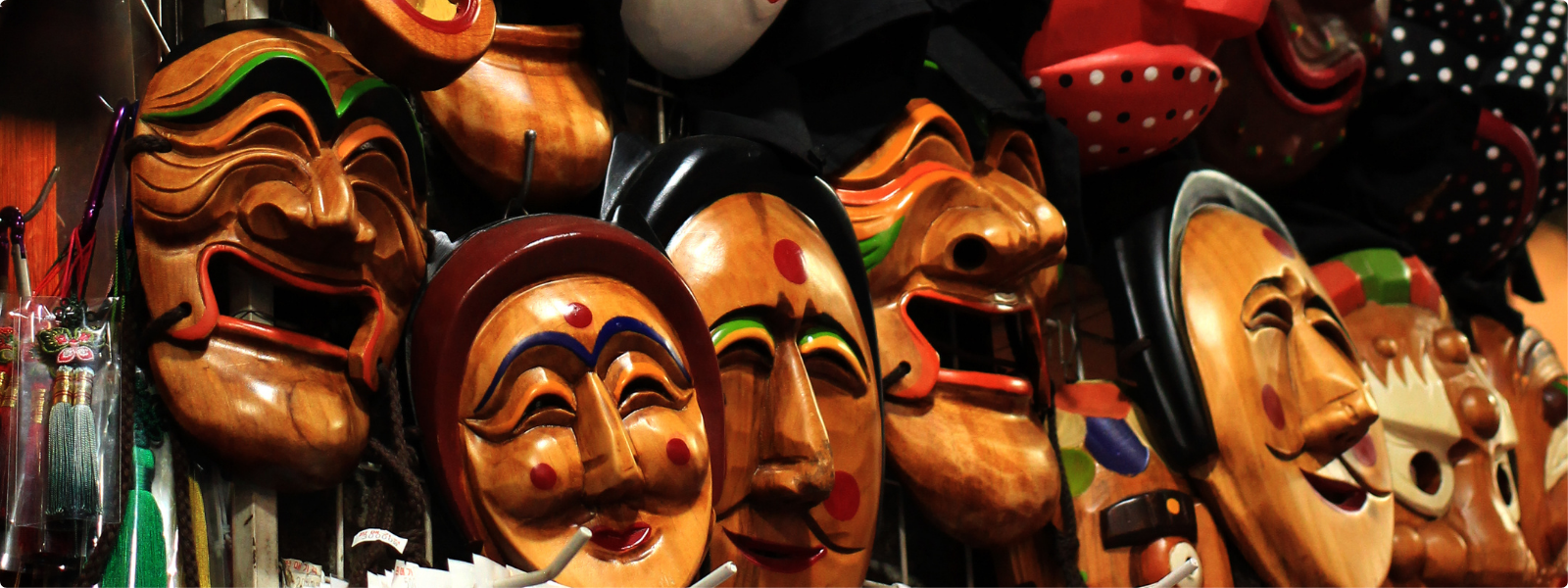
Heritage protection: Korea places strong emphasis on preserving its architectural and cultural legacy. Royal palaces, Confucian academies and traditional hanok villages allow visitors to experience heritage within its original context. Supporting guided visits, craft workshops and hanok stays helps sustain traditional skills and local livelihoods.
Nature & wildlife protection: Mountain ranges, coastal ecosystems and volcanic landscapes are protected through national and provincial parks. Responsible routing and low-impact activities help preserve these environments while still allowing meaningful access to scenic areas.
Community development: Tourism supports regional communities beyond Seoul, particularly in historic cities and coastal areas. Choosing locally-owned hanok stays, neighbourhood restaurants and community-led experiences helps ensure that tourism revenue benefits local residents directly.
Logistics & ground realities
Transport: Public transport is clean, punctual and easy to navigate, with English signage widely available in major cities.
Guides: Experienced local guides add valuable context at palace complexes, Confucian academies and temple sites.
Currency: The South Korean Won (KRW) is used nationwide, with credit cards widely accepted.
Connectivity: Mobile coverage and public Wi-Fi are strong across urban areas and transport hubs.
Healthcare & safety: Korea maintains high safety standards and excellent healthcare facilities, particularly in major cities.
Accessibility: Major cities and transport hubs offer strong accessibility infrastructure, though some historic sites may involve steps or uneven terrain.
Final tips for travel designers:
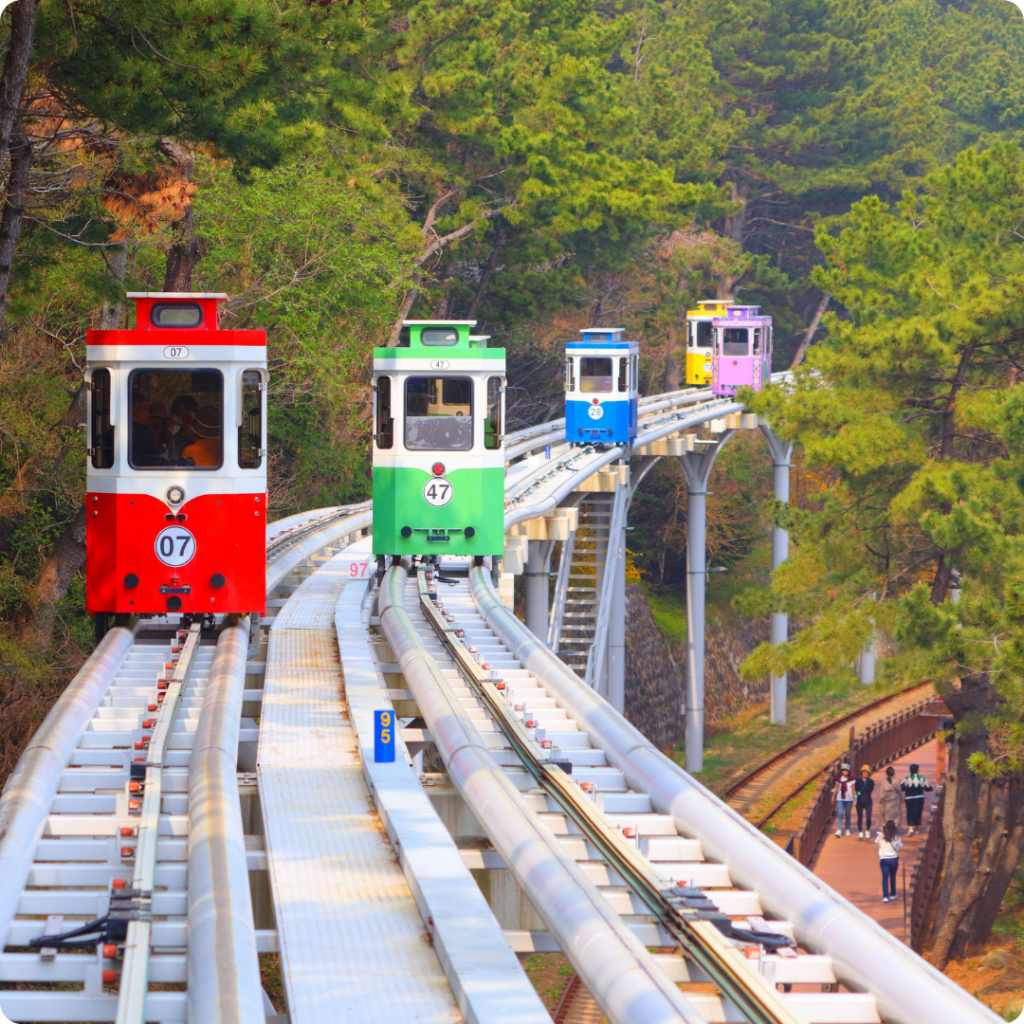
- Define whether the itinerary focuses on heritage, culinary depth or contemporary culture.
- Balance urban energy with rural or coastal contrast.
- Use efficient rail links to maintain programme flow.
- Incorporate experiential elements such as temple stays or market tastings.
- Rely on EXO’s local expertise to pace itineraries thoughtfully around seasonal highlights.
Korea FAQ
Is Korea suitable for first-time Asia travellers?
Yes, particularly for clients seeking strong infrastructure and cultural depth without logistical complexity.
Can Korea be combined with other destinations?
Yes, it pairs well with Japan and other destinations in Southeast Asia.
How long should clients stay?
Seven to ten nights allows for a comprehensive stop in Seoul plus one or two additional regions, but an itinerary is easily extendable to two weeks if visiting Jeju or other secondary cities.
Is Korea expensive?
Mid-range options offer good value; luxury pricing is comparable to other developed Asian destinations.
Is Korea family-friendly?
Yes, cities are safe and attractions are varied.
What should clients pack?
Seasonally appropriate clothing, comfortable walking shoes and modest attire for temple visits.

 " alt="">
  " alt="">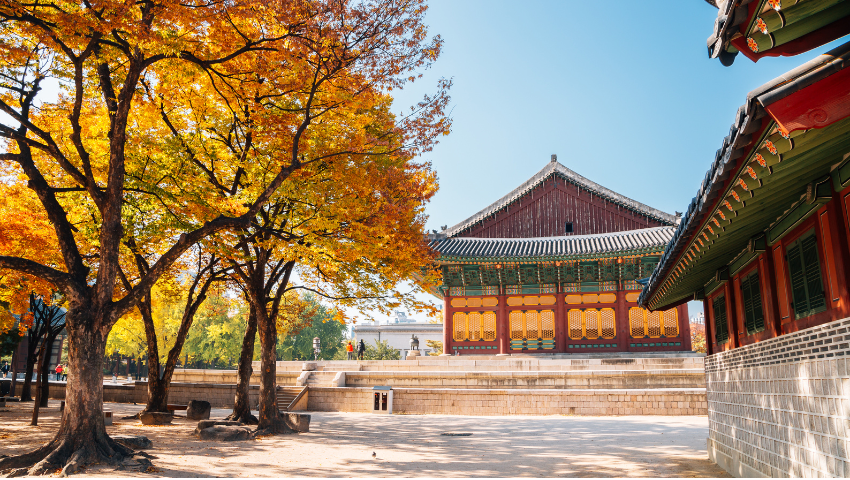
 " alt="">
  " alt="">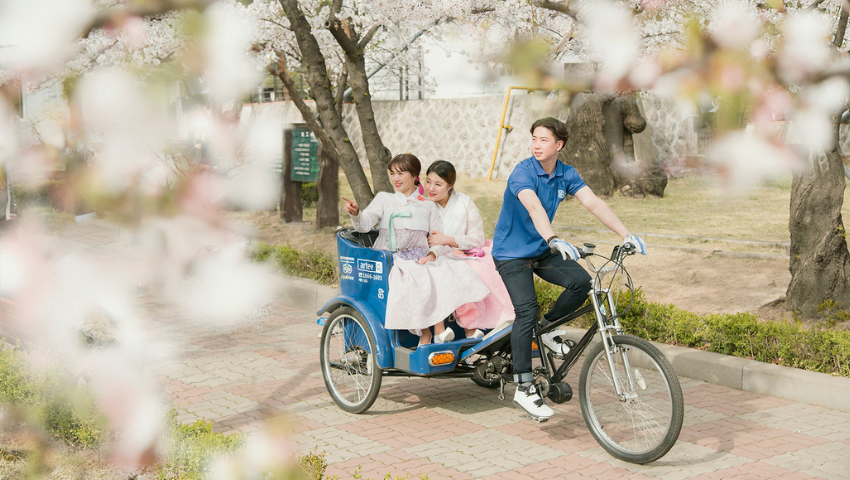
 " alt="">