
Getting started:
Saudi Arabia in a nutshell
Saudi Arabia has emerged as one of the world’s most intriguing travel destinations. Having only recently opened to international tourism, its remarkable landscapes, rich cultural heritage and natural beauty are both easy to access yet off the beaten path. Ancient caravan routes, UNESCO World Heritage sites and traditional oasis settlements exist alongside rapidly developing cities, innovative cultural projects and world-class hospitality.
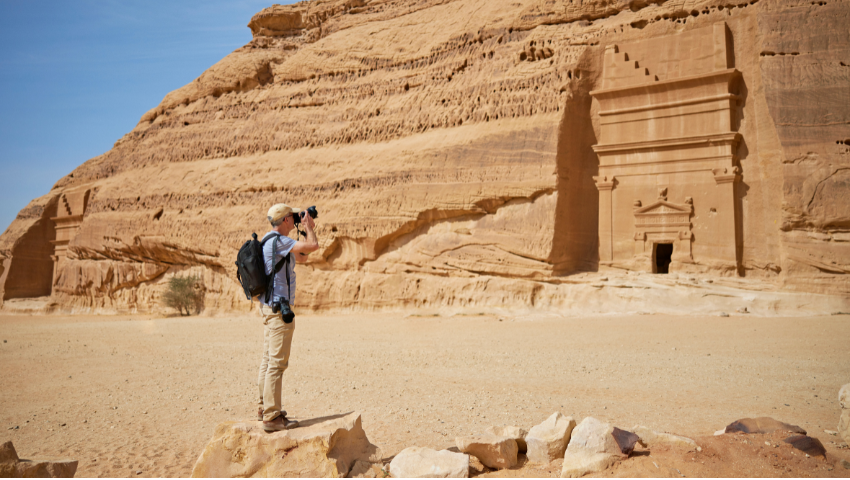
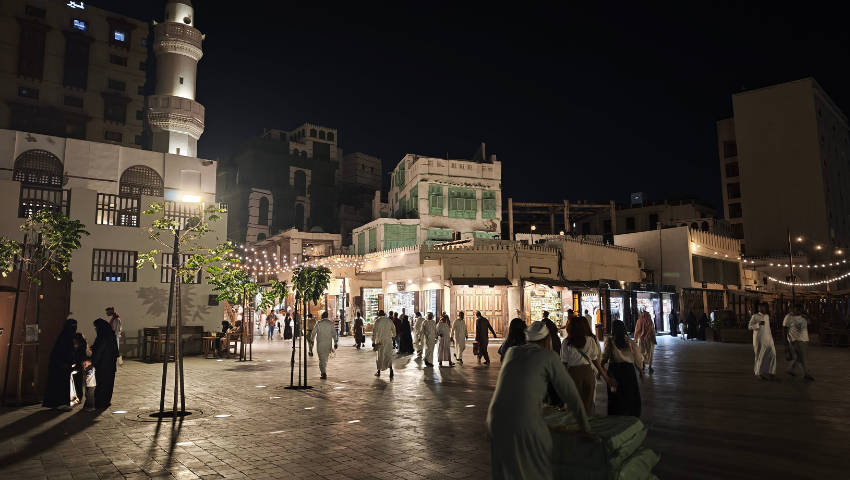
What distinguishes Saudi Arabia is the sense of discovery it offers travellers. Historic mudbrick towns, Nabataean archaeological sites and centuries-old trading ports reflect the country’s deep historical connections across the Arabian Peninsula and beyond. Rather than presenting heritage as something separate from daily life, these traditions remain visible in architecture, crafts, cuisine and social customs across the kingdom.
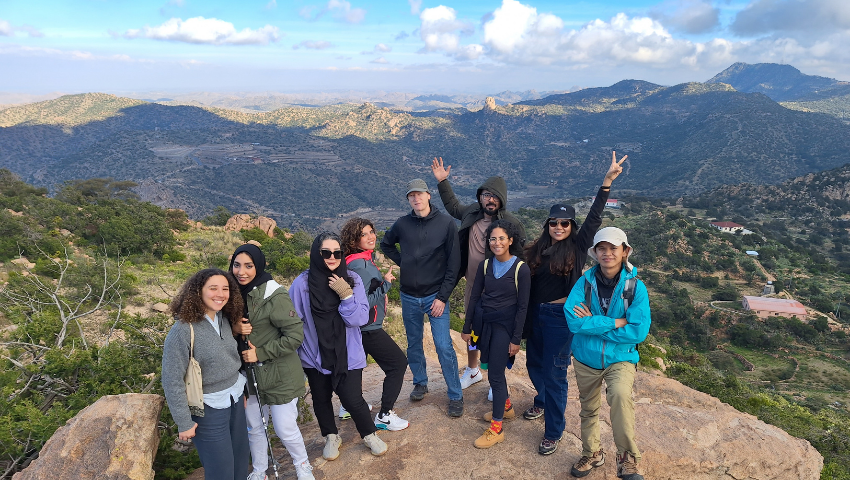
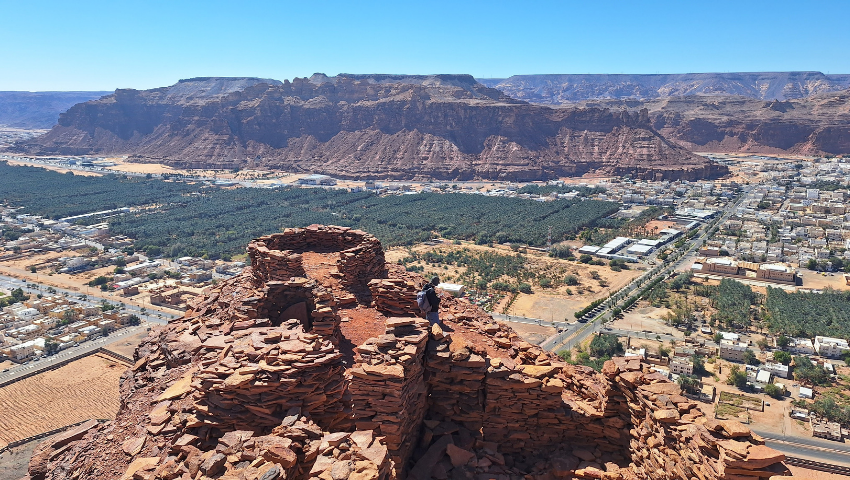
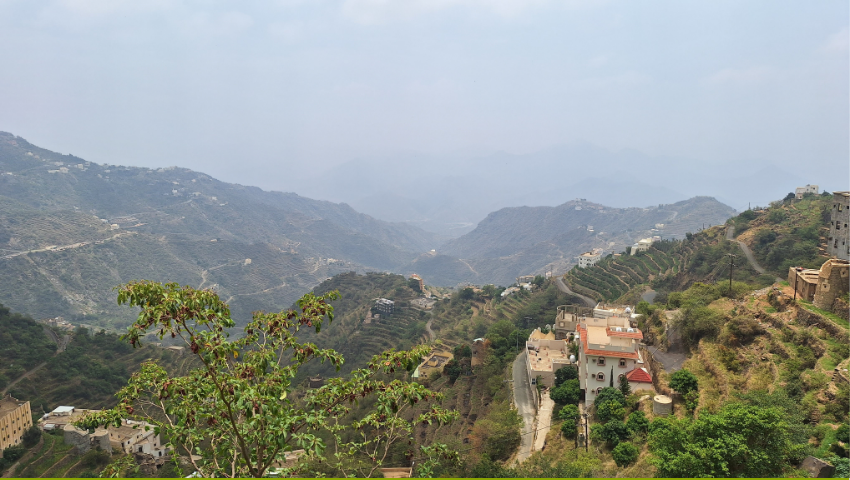
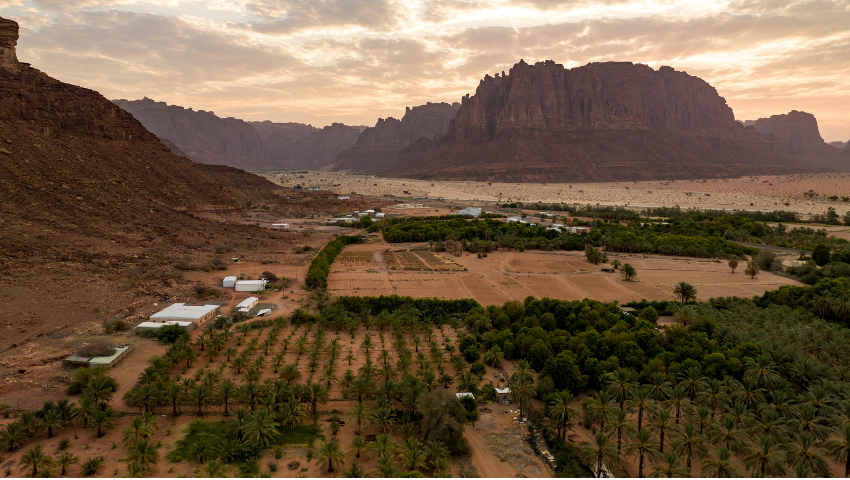
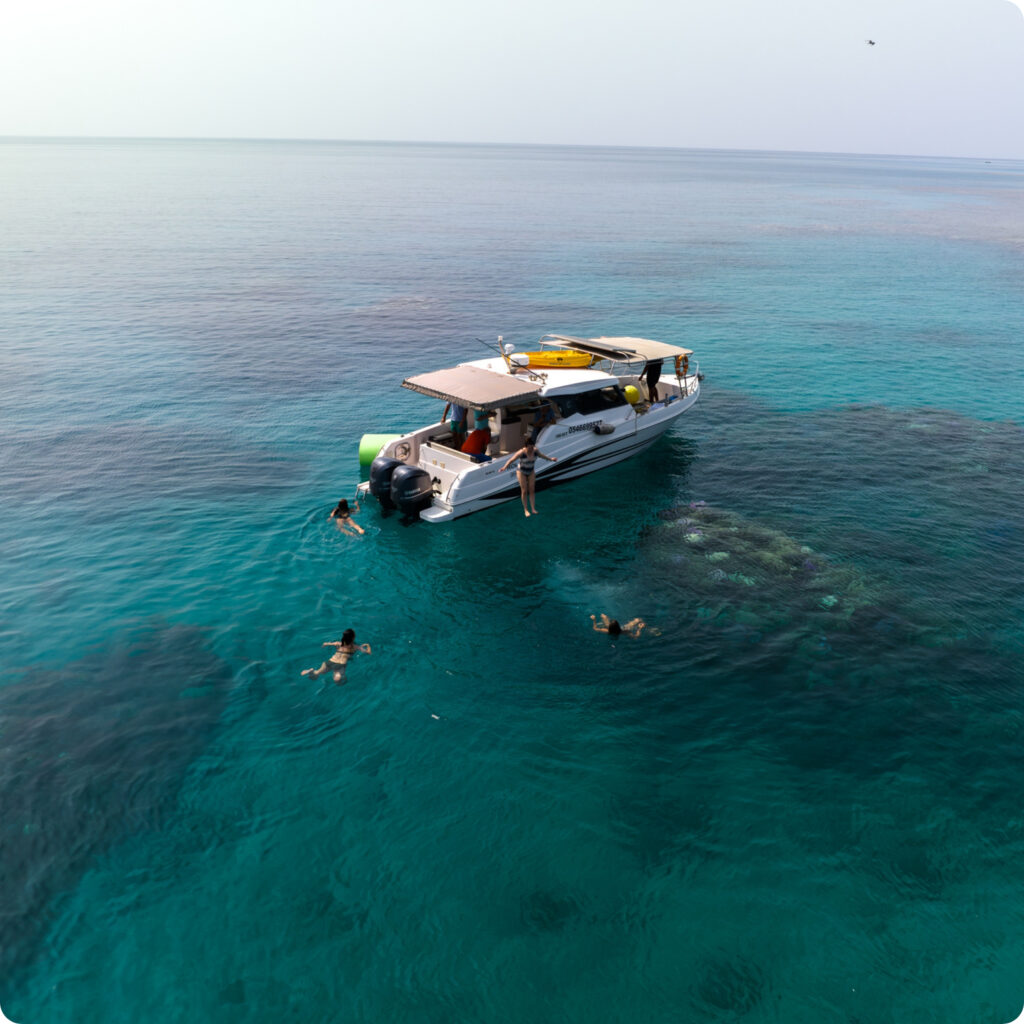
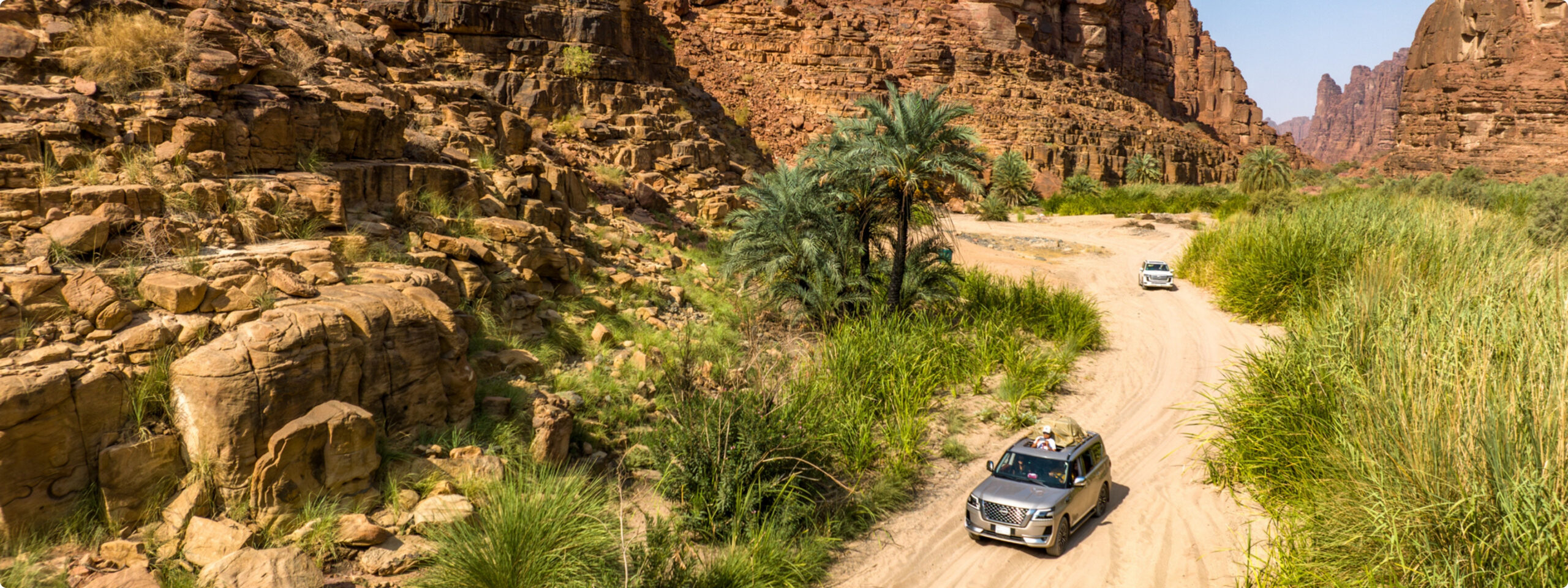
The landscapes add further depth to the experience. Vast deserts, volcanic plateaus, mountain ranges and coral-fringed coastlines create striking contrasts within a single itinerary. From the sandstone formations of AlUla to the cooler highlands of Asir and the Red Sea’s pristine waters, Saudi Arabia offers an environment that feels both dramatic and largely unexplored by international travellers.
Saudi’s top-selling regions:

Best times to visit Saudi Arabia
While Saudi Arabia is known for its arid environs, there is ample opportunity to enjoy comfortable, travel-friendly weather. Here’s what to expect:
Throughout the year: Temperatures can vary significantly between day and night, with hot days often giving way to cooler evenings.
Autumn (October–November): Pleasant temperatures return after summer heat, ideal for city and desert exploration.
Winter (December–February): The most comfortable season for travel, especially in Riyadh and AlUla, with clear skies and cooler days suited to outdoor experiences and archaeological sites.
Spring (March–April): Temperatures rise but remain manageable, particularly in the mountains and along the coast.
Summer (May–September): Very hot in central and northern regions. Coastal areas and the Asir mountains remain milder, while Red Sea resorts are designed for year-round comfort.
Saudi culture & etiquette
Dress
Saudi Arabia maintains conservative cultural norms in most areas. Modest clothing is recommended, particularly in traditional areas and religious sites. Women are not required to wear an abaya, but clothing should cover shoulders and knees.
Respect & social norms
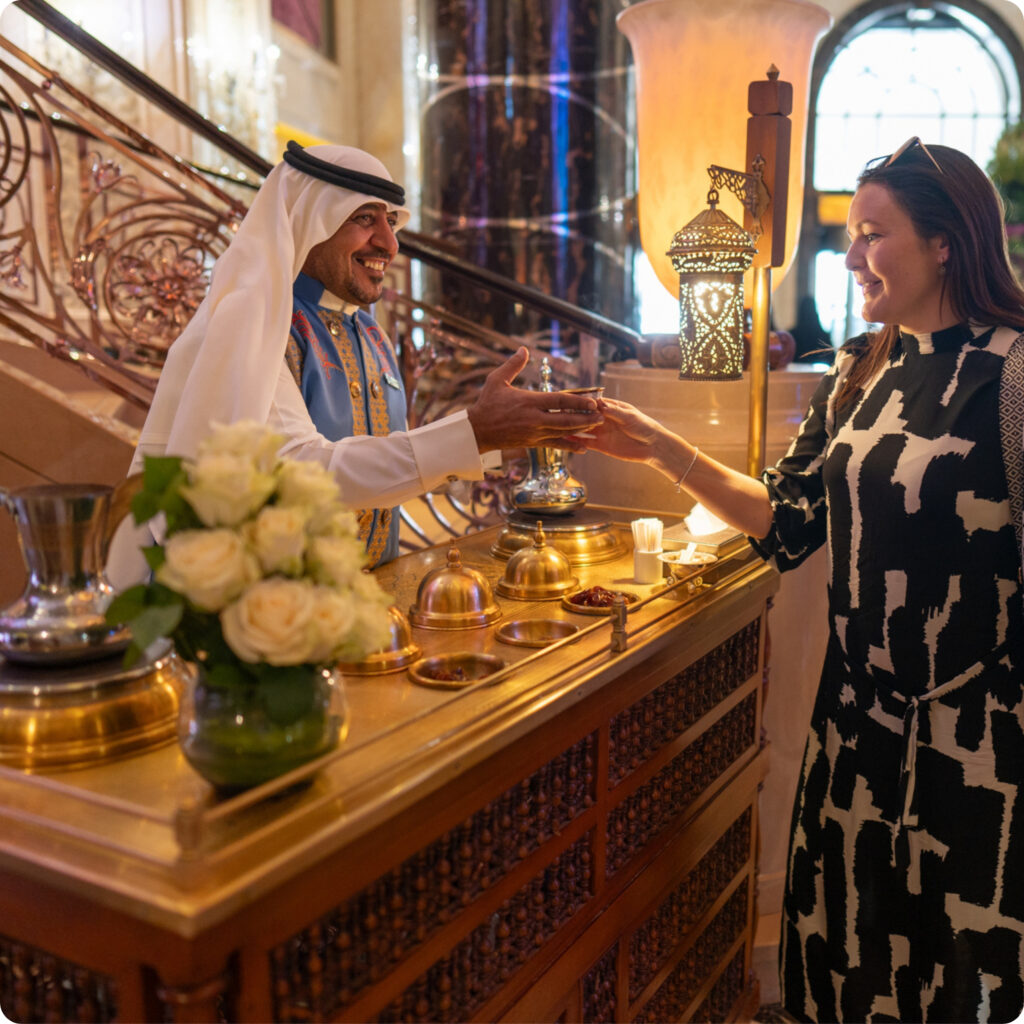
Hospitality is deeply valued in Saudi culture. Greetings are often warm and unhurried, and accepting offered coffee or tea is considered polite.
Dining etiquette
Meals are often communal and centred around shared dishes. Arabic coffee and dates are commonly offered to guests as a gesture of welcome.
Religious sites & cultural spaces
Visitors should maintain a respectful demeanour in mosques, heritage districts and traditional communities. Local guides help provide context around customs and social expectations.
Accommodation insights
Saudi Arabia’s accommodation landscape is evolving rapidly, particularly in major cities and emerging tourism destinations.
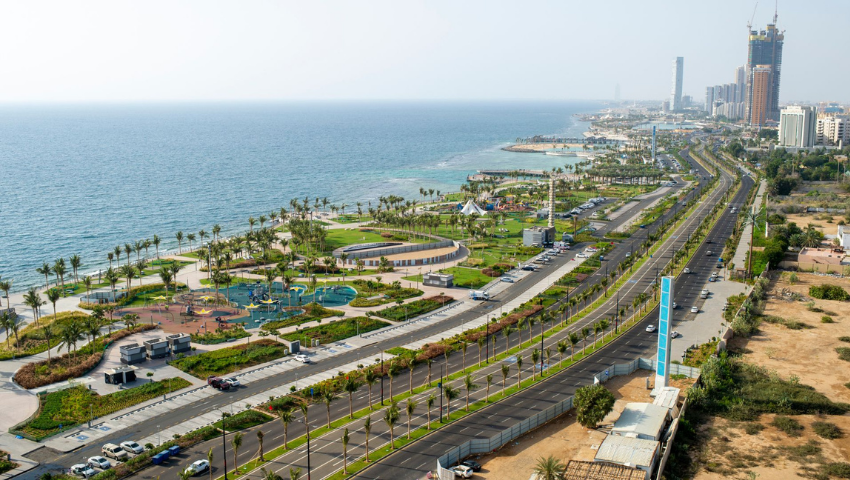
International luxury brands are well represented in Riyadh and Jeddah, offering refined service, contemporary design and strong dining programmes. Many of these properties are centrally located, allowing easy access to museums, cultural districts and historic landmarks.
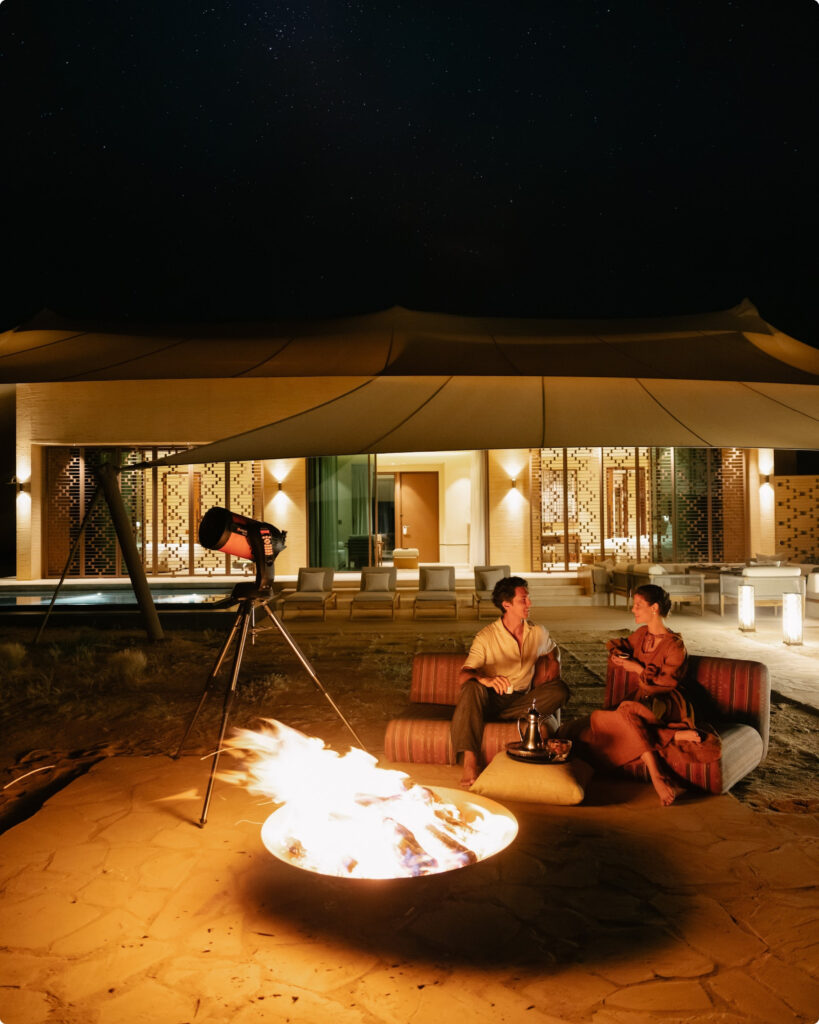
In AlUla and along the Red Sea coast, accommodation experiences focus on immersive desert and nature settings. Carefully designed resorts blend modern comfort with surrounding landscapes, offering experiences such as stargazing, desert exploration and cultural workshops.
Boutique properties and heritage-style lodges are also gradually appearing, particularly in restored historic districts. These offer a more intimate sense of place while maintaining modern hospitality standards.
Dining & cuisine
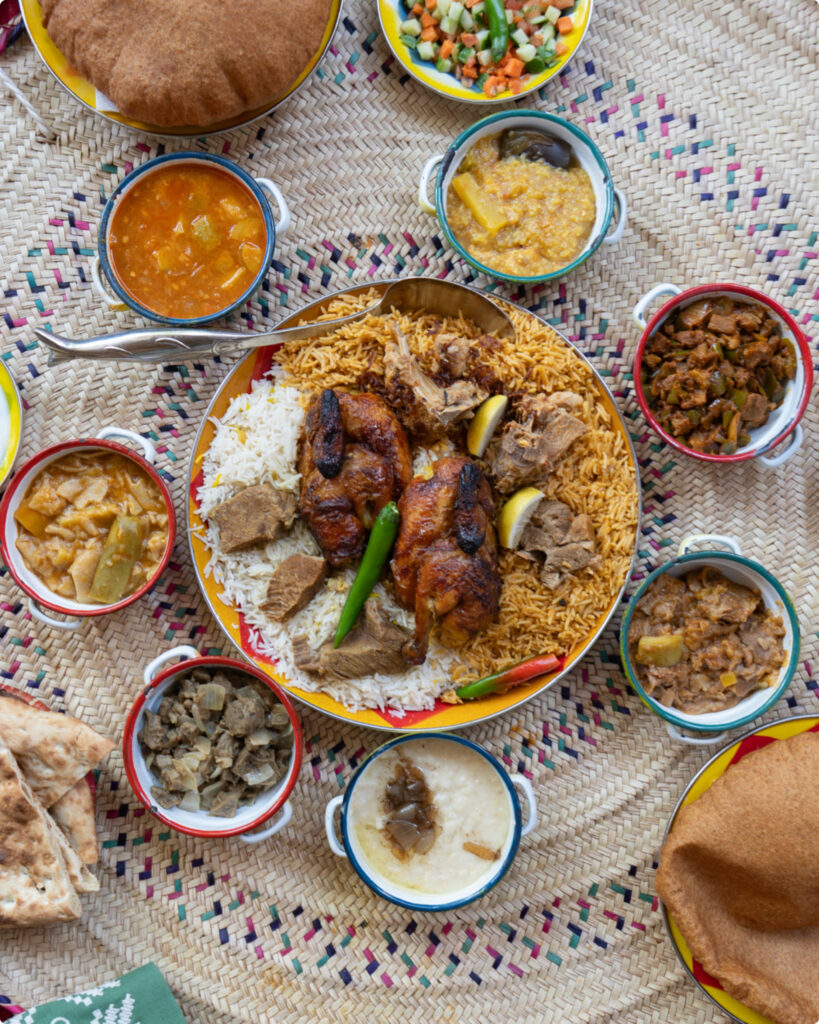
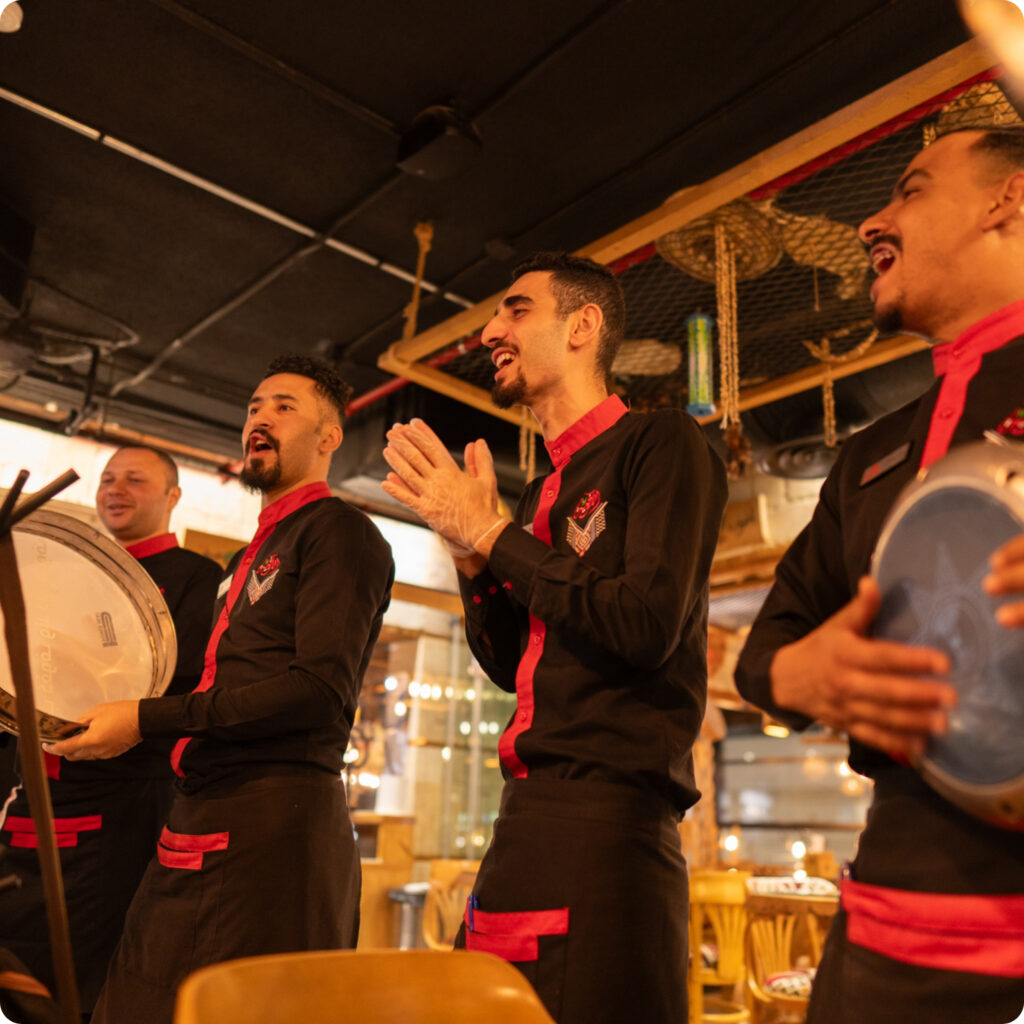
Traditional Saudi cuisine: Meals often feature slow-cooked meats, rice dishes and aromatic spices, reflecting the country’s desert heritage and historic trade connections. Specialities such as kabsa or mandi are central to Saudi dining and are typically shared communally, offering a welcoming introduction to local hospitality and regional flavours.
Arabic coffee culture: Coffee flavoured with cardamom is an important symbol of hospitality in Saudi society. It is traditionally served in small cups alongside dates and offered to guests throughout the day, particularly during greetings or social visits.
Coastal seafood: In cities such as Jeddah, seafood plays a major role in the local cuisine thanks to access to the Red Sea. Grilled fish, shrimp and regional seafood dishes are widely available in both traditional eateries and contemporary restaurants along the coast.
Contemporary dining: Major cities are seeing rapid growth in modern restaurants and international culinary concepts, particularly in Riyadh and Jeddah.
Getting in and out of Saudi Arabia
- Airports: Riyadh’s King Khalid International Airport and Jeddah’s King Abdulaziz International Airport serve as the main international gateways.
- Flight connectivity: Saudi Arabia has extensive air connections across Europe, Asia and the Middle East.
- Visas: Tourist e-visas are now available for many nationalities, making entry considerably easier than in the past.
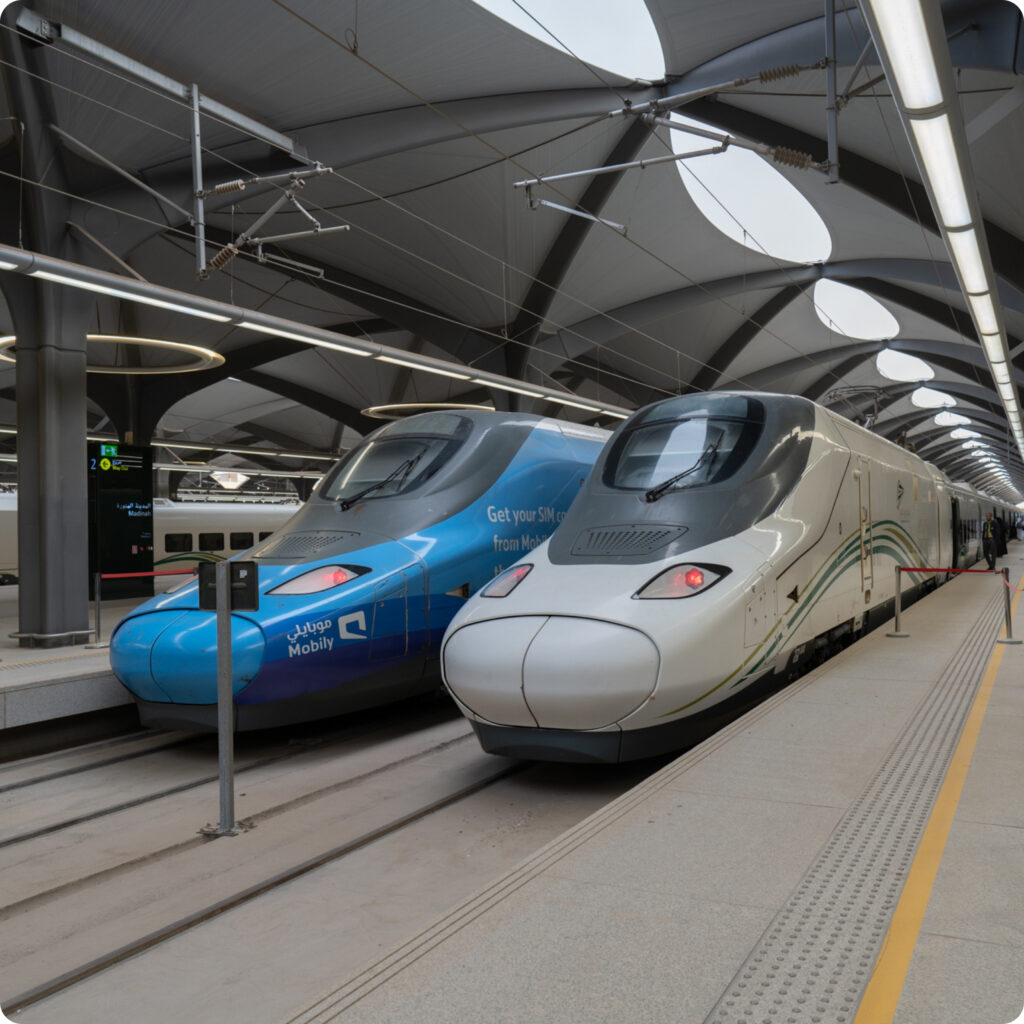
- Domestic travel: Internal flights connect major regions efficiently due to the country’s large size. The high-speed Haramain train also links Jeddah and Medina, offering a comfortable and efficient travel option along the western corridor.
- Regional pairings: Saudi Arabia combines well with Jordan, the UAE and other destinations in the Middle East.
Matching Saudi Arabia with your clients
Saudi Arabia’s blend of heritage, landscapes and emerging cultural projects makes it particularly appealing to travellers seeking new and less explored destinations.
Luxury travellers:
High-end desert resorts, curated archaeological experiences and exclusive cultural access create a distinctive luxury offering, particularly in destinations such as AlUla and the Red Sea coast.
Cultural travellers:
Ancient trade routes, Nabataean tombs, historic Islamic cities and traditional markets provide substantial historical depth and context.
Adventure & landscape enthusiasts:
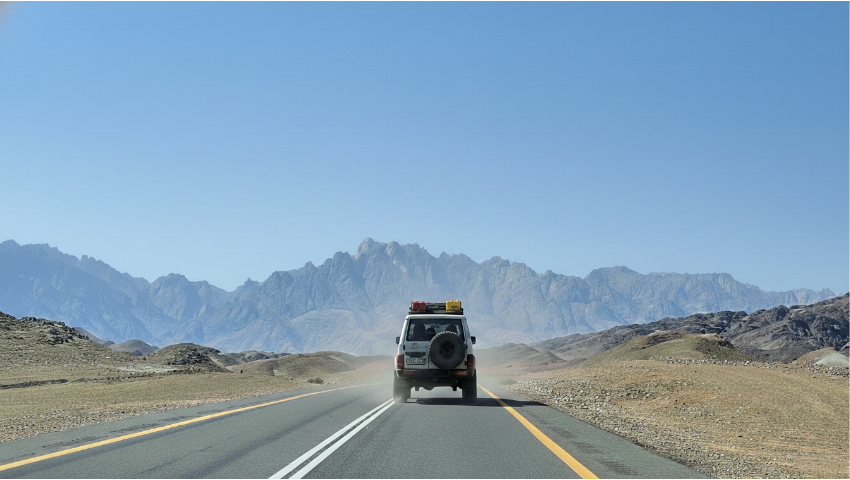
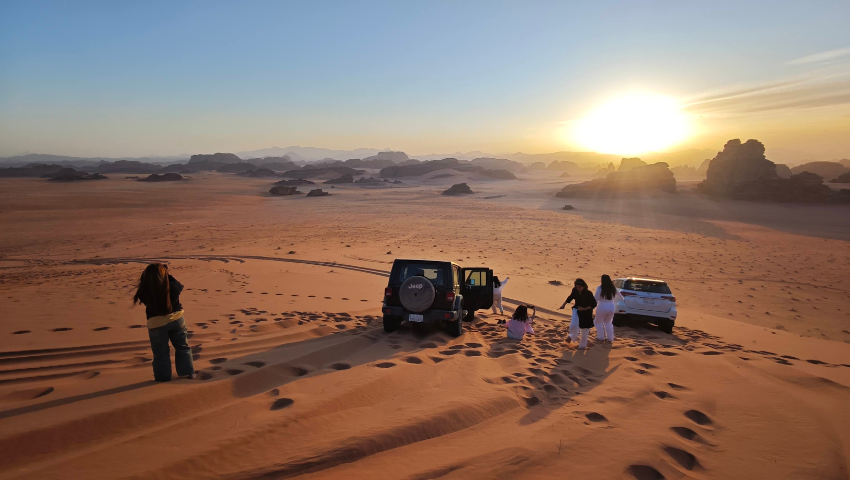
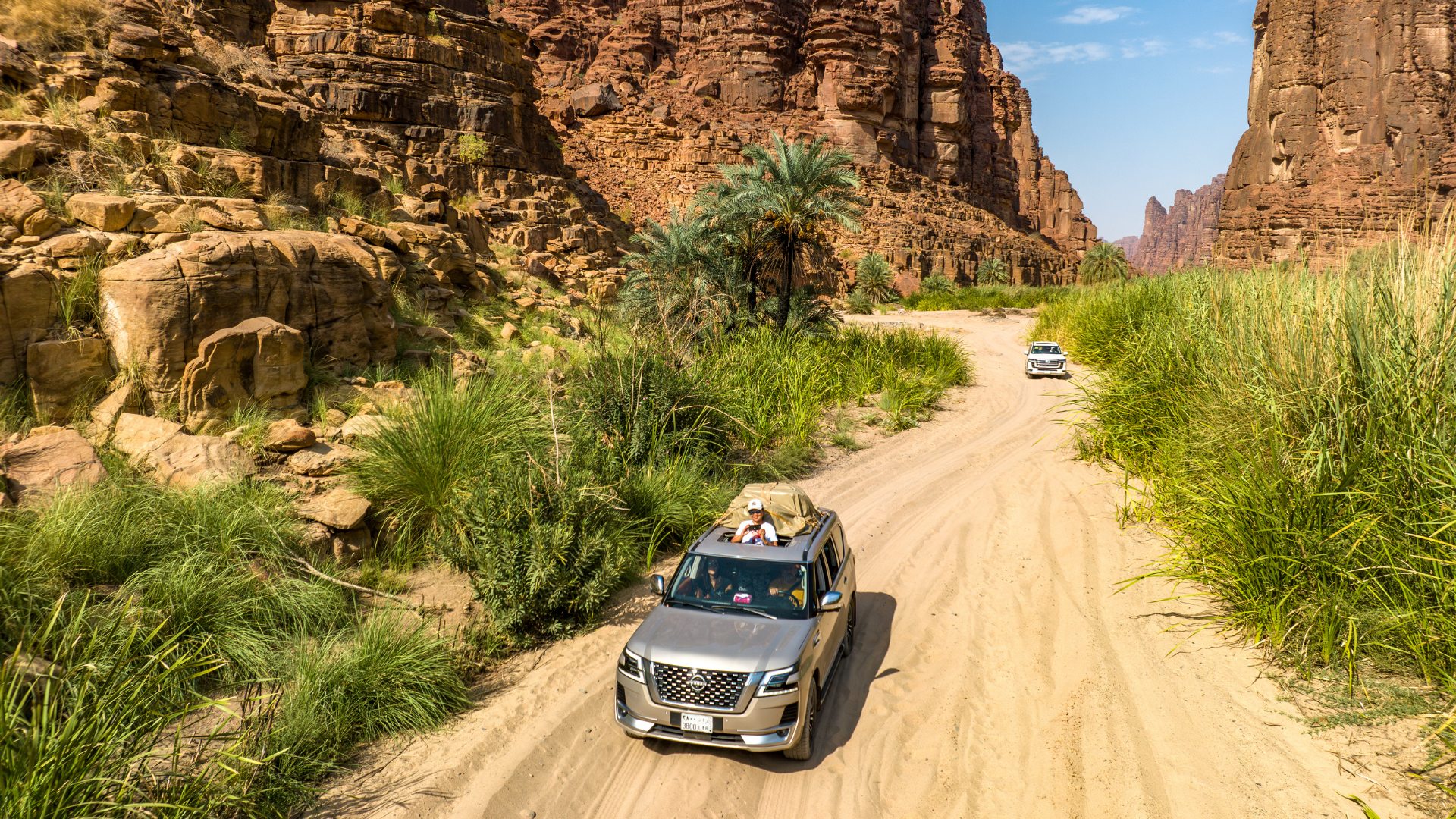
Desert landscapes, volcanic fields, mountain regions and coral reefs offer opportunities for exploration beyond typical cultural touring. Self-drive routes between destinations such as AlUla, Tabuk and Medina can also appeal to travellers who enjoy discovering landscapes at their own pace.
Curious repeat travellers:
Saudi Arabia appeals strongly to travellers who have already visited much of the Middle East and are seeking a new perspective on the region.
Photography-focused travellers:
The dramatic desert formations, historic architecture and wide open landscapes offer exceptional photographic opportunities.
Short-stay travellers:
Cities such as Riyadh or Jeddah can support focused three to four night programmes, while AlUla works well as a highlight within a broader Middle East itinerary.

Responsible travel & local impact
Heritage protection: Saudi Arabia is investing significantly in the preservation and restoration of archaeological and historic sites across the kingdom. Responsible tourism supports these conservation efforts by funding restoration work, archaeological research and heritage interpretation.
Environmental protection: Coastal ecosystems along the Red Sea and desert landscapes across the country are increasingly managed through protected areas and sustainability initiatives. These efforts aim to preserve coral reefs, wildlife habitats and fragile desert environments while allowing visitors to experience them responsibly.
Community development: Tourism is creating new opportunities for local communities through guiding, hospitality and cultural experiences. As the sector grows, these initiatives help ensure tourism supports local livelihoods and encourages the preservation of regional traditions.
Logistics & ground realities
Transport: Domestic flights are often the most efficient option between regions, although the high-speed Haramain train connects Jeddah and Medina, offering a comfortable alternative along the western corridor.
Self-drive options: Saudi Arabia’s modern highways and clear signage make self-drive travel a great alternative. EXO can arrange vehicle rental, accommodation and suggested routes, allowing guests to explore landscapes at their own pace while maintaining logistical support along the way.
Currency: The Saudi Riyal (SAR) is used nationwide, with card payments widely accepted in cities.
Connectivity: Mobile coverage and internet connectivity are strong in major urban centres and developing tourism zones.
Healthcare & safety: Saudi Arabia maintains high healthcare standards and modern medical facilities in major cities.
Final tips for travel designers:
- Focus on combining archaeology, landscapes and emerging cultural projects.
- Balance desert environments with coastal or urban experiences.
- Allow sufficient travel time between regions due to large distances.
- Integrate guided interpretation to enrich visits to heritage sites.
- Rely on EXO’s local expertise to structure itineraries that reveal both historic depth and contemporary change.
Saudi Arabia FAQ
Is Saudi Arabia open to international tourists?
Yes. Saudi Arabia introduced tourist visas in 2019 and now offers e-visas for many nationalities, making travel considerably easier than in the past.
Do travellers need to follow a strict dress code?
Modest dress is recommended in public spaces. Women are not required to wear an abaya, but clothing should cover shoulders and knees out of respect for local customs.
Is alcohol available in Saudi Arabia?
No. Alcohol is not permitted in the country. Hotels and restaurants instead focus on high-quality dining, coffee culture and non-alcoholic beverages.
Is Saudi Arabia safe for travellers?
Saudi Arabia is generally considered a safe destination, particularly in major cities and tourism areas. As with any destination, travellers should follow local guidance and respect cultural norms.
How long should clients stay?
Seven to ten nights allows travellers to combine Riyadh, AlUla and either Jeddah or the Red Sea coast for a balanced introduction to the country.
Can Saudi Arabia be combined with other destinations?
Yes, it pairs well with Jordan, the UAE and other Middle Eastern destinations for travellers exploring the wider region.

 " alt="">