
At a glance
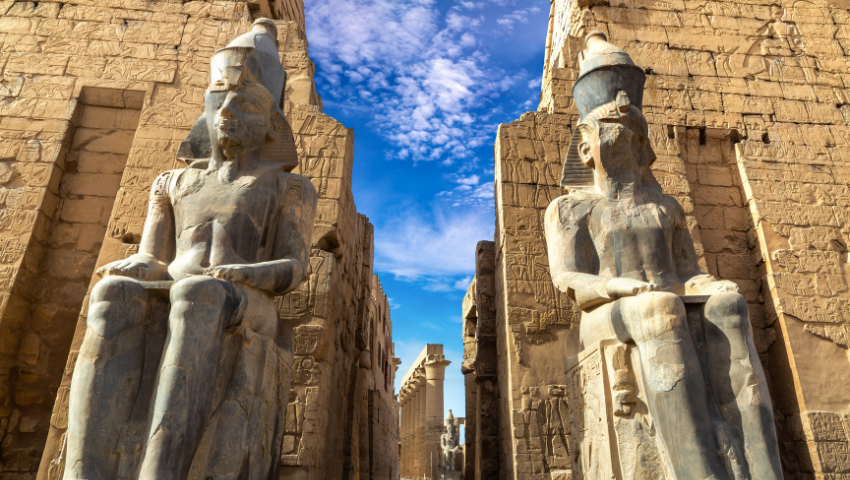
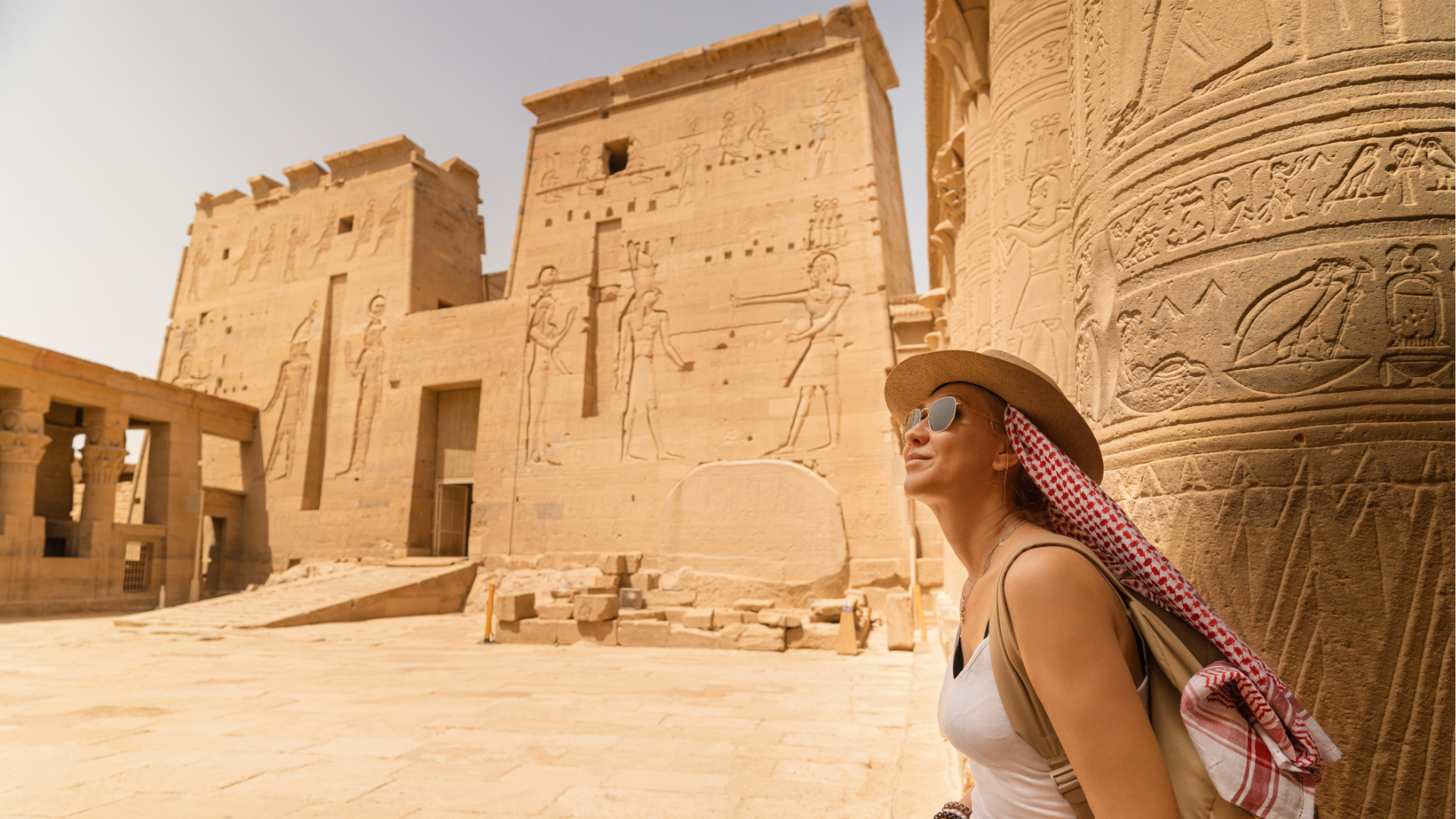
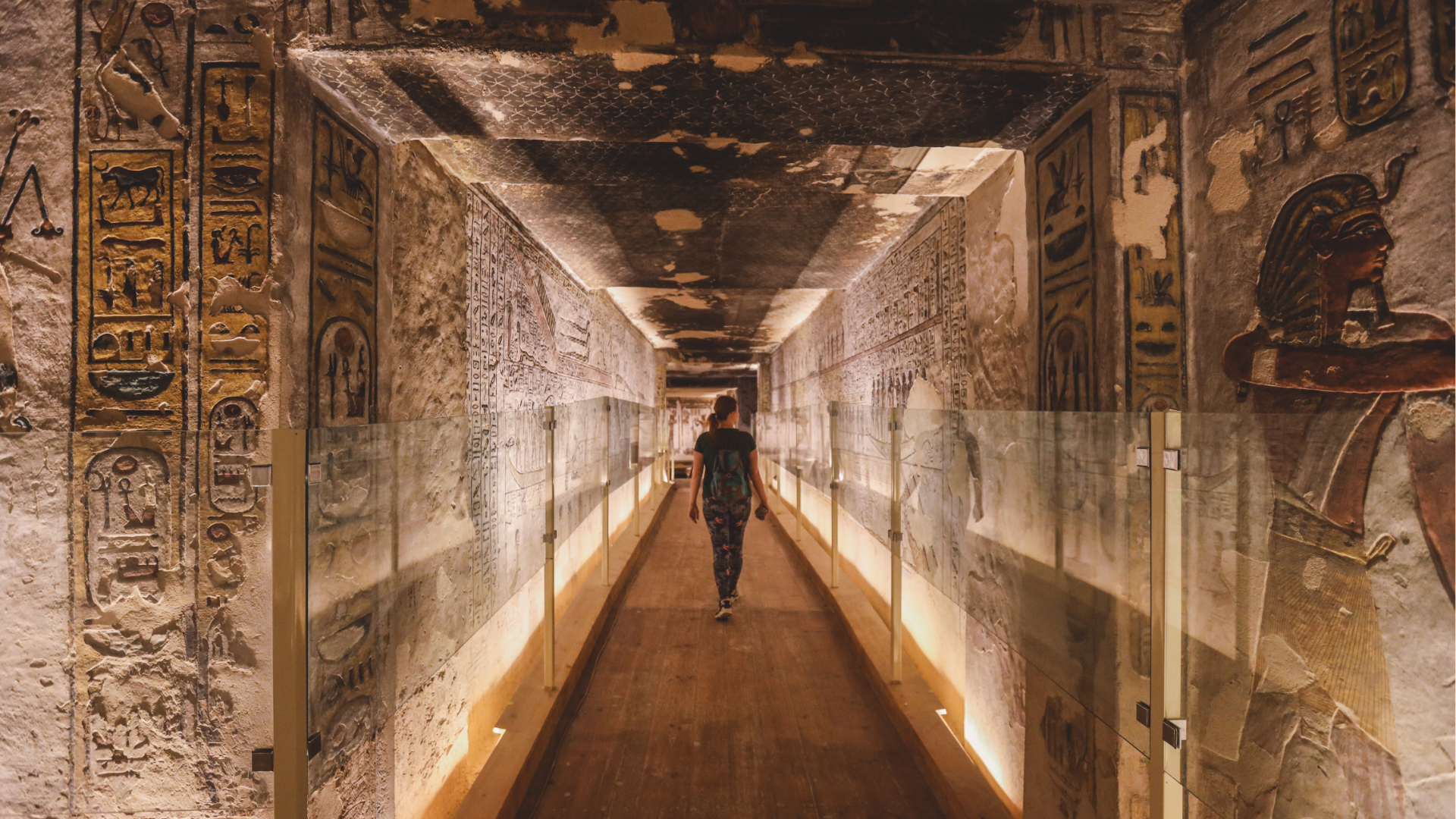
From the pyramids and the Valley of the Kings to the temples of Luxor, Egypt’s major sites are among the world’s most sought-after, but how they are experienced depends heavily on the season, crowd levels and how well the itinerary aligns with regional rhythms. The Mediterranean north, including Alexandria, has a milder coastal character, while much of inland and southern Egypt is hot, dry and desert-influenced, with bigger seasonal swings and more intense summer heat.
For agents, that means seasonal planning is less about asking when Egypt is ‘best’ in general and more about asking what a client can comfortably do at that time of year. A summer enquiry may call for Cairo, Alexandria or the Red Sea. A winter enquiry may comfortably support the classic Cairo, Luxor and Aswan route. A shoulder-season enquiry may open up a much broader mix of cultural, coastal and desert experiences.
At country level, the key distinction is this: winter and the shoulder months are strongest for classic cultural touring, while summer usually calls for a more selective itinerary, especially if Upper Egypt is involved. Coastal areas and the Red Sea remain useful across a broader window, while Alexandria and the Mediterranean coast offer a cooler northern contrast that should not be left out of the national picture.

Planning by holiday period
Spring break (March to April)
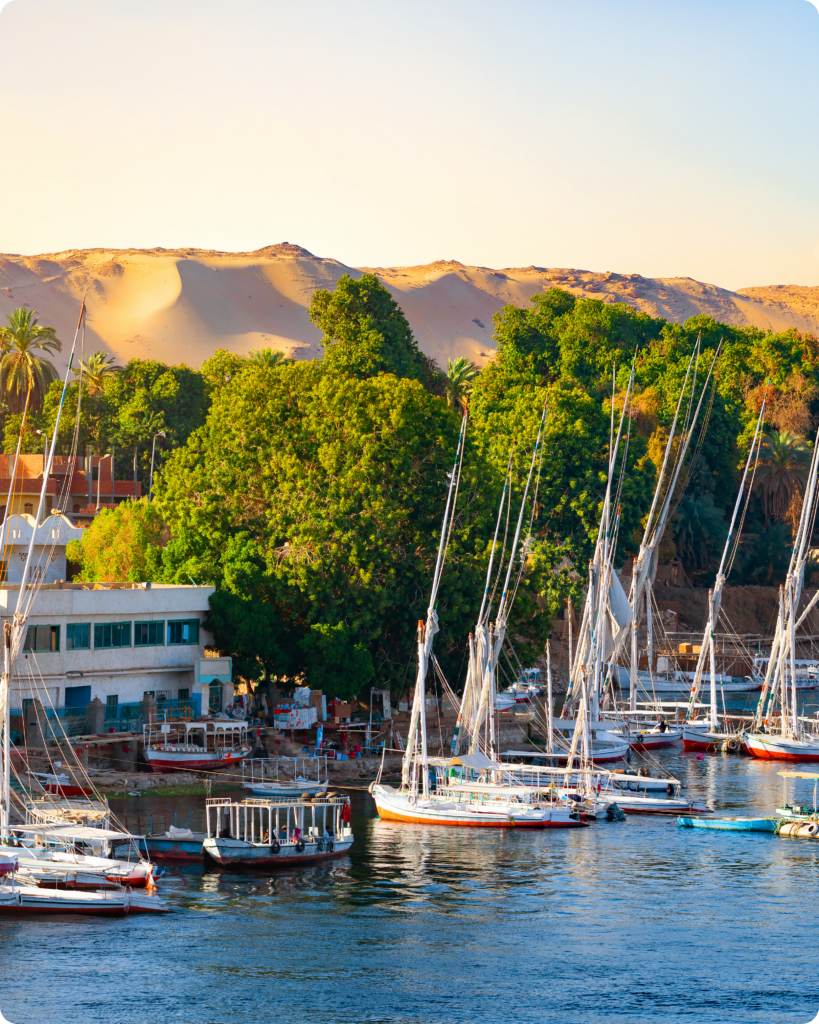
In spring, Egypt’s main cultural route is still very workable, but warmth starts to shape the flow of the day more noticeably. Cairo, Luxor and Aswan remain strong options, though earlier starts, lighter afternoons and a more measured pace help keep the experience comfortable. In cities such as Cairo, air-conditioned museums, galleries and shops also make it easier to build in indoor time without losing momentum.
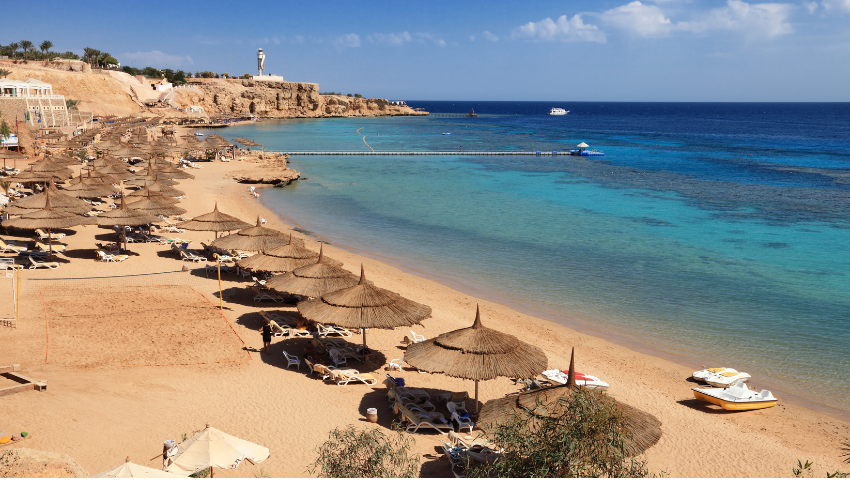
It is also a strong season to balance cultural touring with time by the coast. A Red Sea extension becomes particularly useful here, not only because swimming, snorkelling and diving conditions are increasingly appealing, but because it gives the itinerary a natural shift in pace after the main archaeological route. For families and first-time visitors, that combination often works especially well.
Works especially well for: Classic Egypt with a Red Sea extension, families, first-time visitors, Nile cruises
Set expectations around: Warmer afternoons, the importance of early starts and busier Easter-period demand
Summer (June to August)
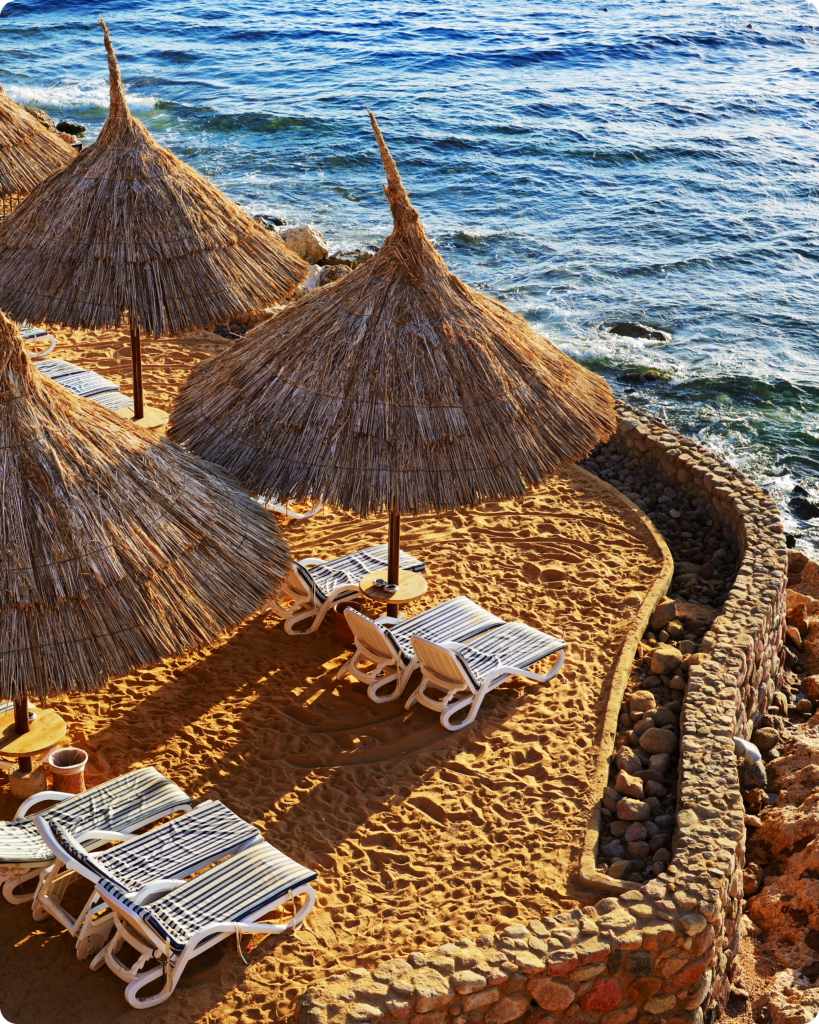
Summer is Egypt’s most selective season. The country is still full of great travel opportunities, but the way it should be sold changes significantly. Long cultural days in Upper Egypt become difficult for most travellers, so this is usually not the most natural time for a classic highlights route.
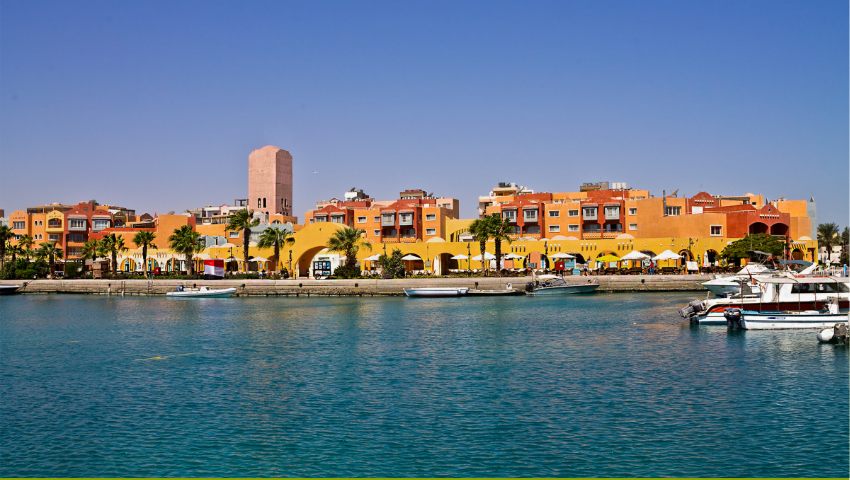
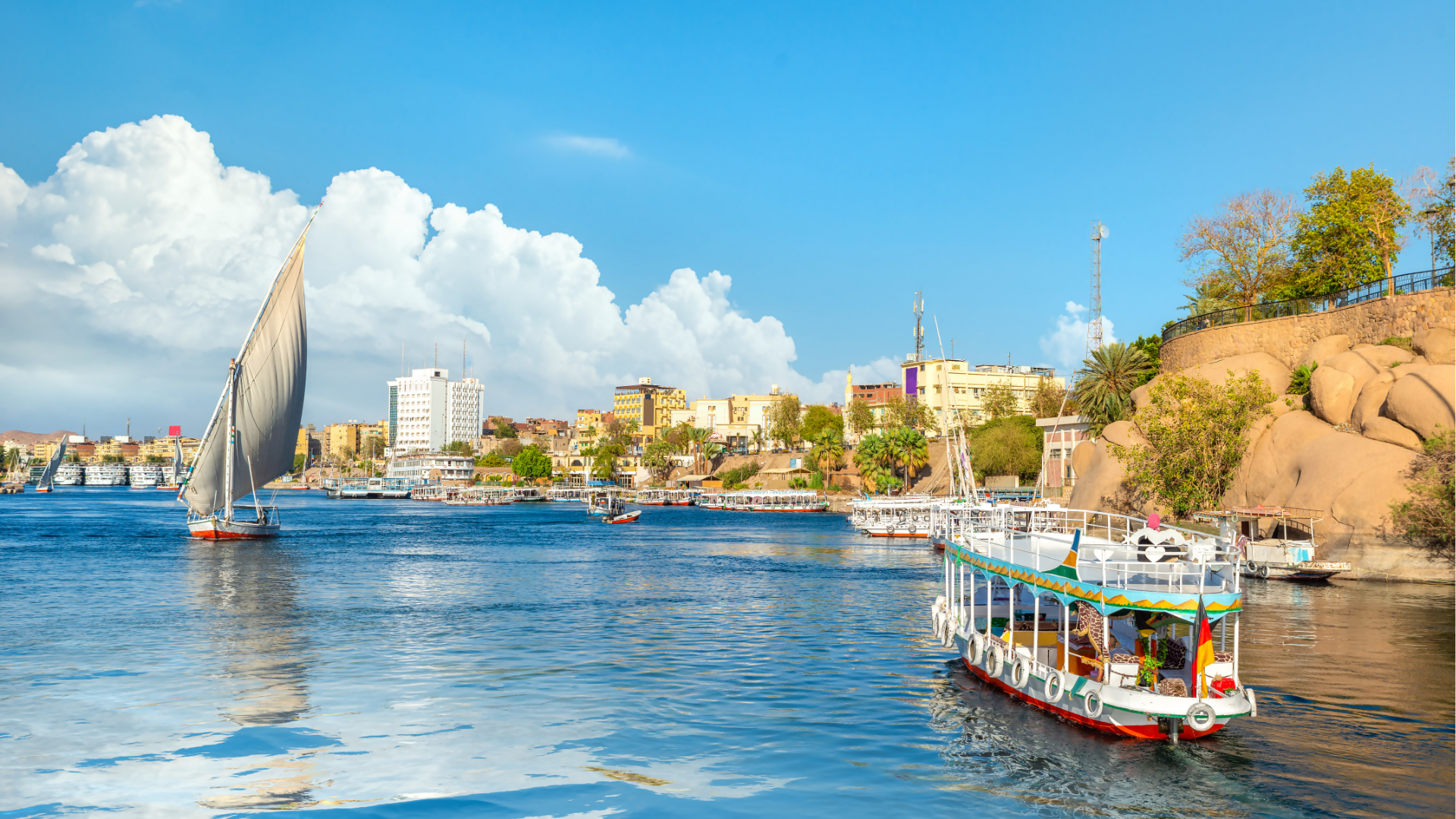
Instead, planning often shifts toward shorter Cairo stays and more time on the coast. In Cairo, this means focusing more heavily on air-conditioned or indoor-led sites, museum time and shorter touring windows rather than long outdoor sequences. The Red Sea becomes one of the clearest summer assets, while the Mediterranean coast and Alexandria can also make sense for clients wanting a cooler northern contrast. South Sinai may also work well, depending on the client’s focus and tolerance for heat.
Works especially well for: Red Sea stays, beach time, diving, shorter Cairo-and-coast combinations, Alexandria or Mediterranean-led summer routing
Set expectations around: Extreme heat in Upper Egypt, shorter sightseeing windows and more selective route-building
Autumn (September to November)
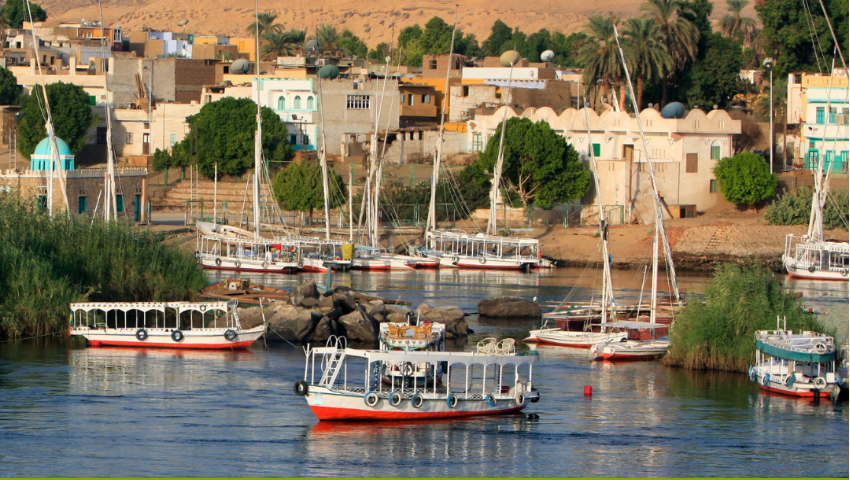
Autumn is a transition season with a strong finish. September can still feel like summer, especially in Upper Egypt, where Luxor and Aswan remain too hot for many travellers earlier in the month. By October and November, Cairo is more comfortable, Upper Egypt begins to open up properly for cultural touring and the Red Sea remains warm enough for a beach extension. This makes autumn one of the most useful windows for combining Cairo, Luxor, Aswan and the coast without the sharper demand pressure of winter.
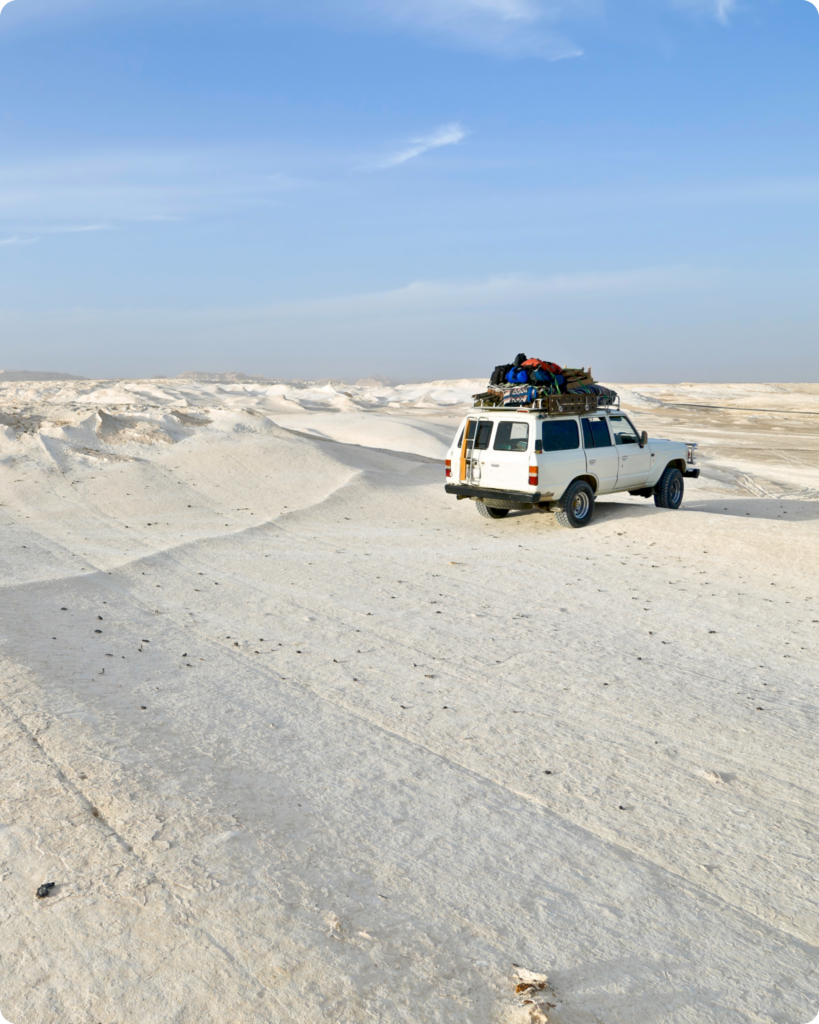
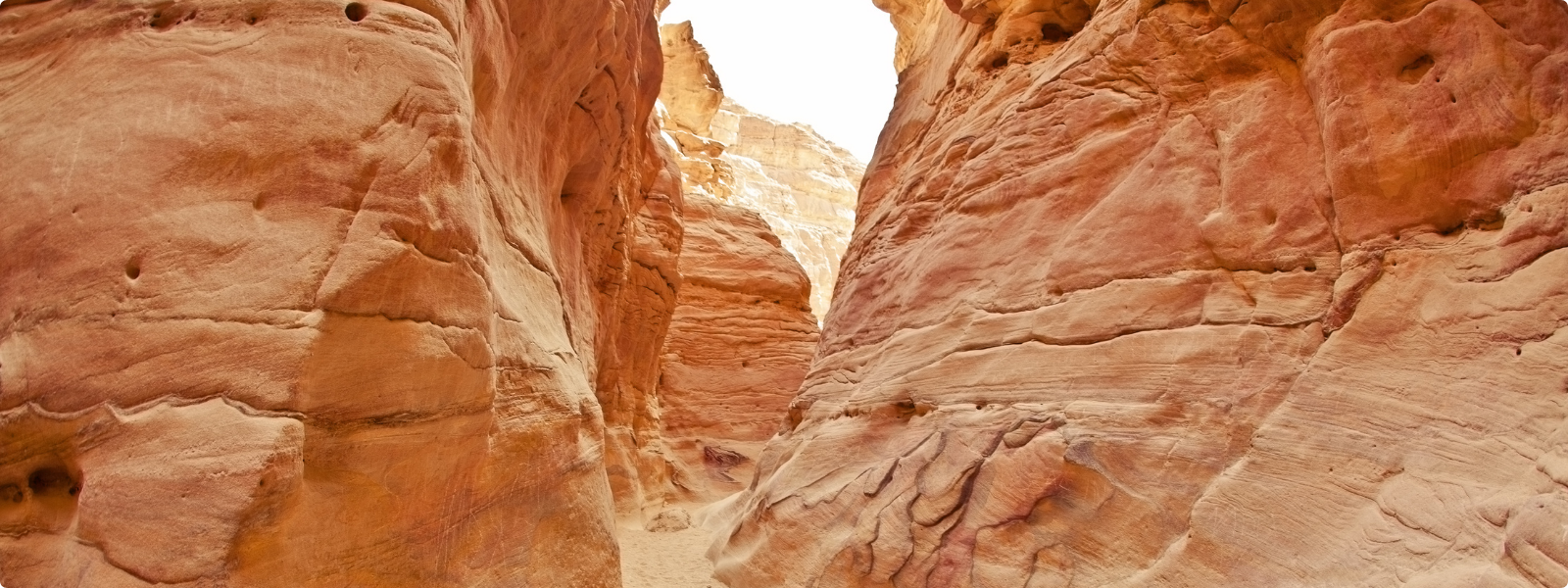
It is also a strong period for travellers looking beyond the classic route. As desert conditions improve, the White Desert and Siwa become more viable for overnight experiences, while Sinai works well for active clients seeking hiking, diving or a less resort-led coastal stay.
Works especially well for: Full Egypt circuits, Nile cruises, mixed culture-and-coast itineraries, wider country combinations
Set expectations around: September still being warm in the south and demand building as the season moves into November
Christmas and Winter Sun (December to February)
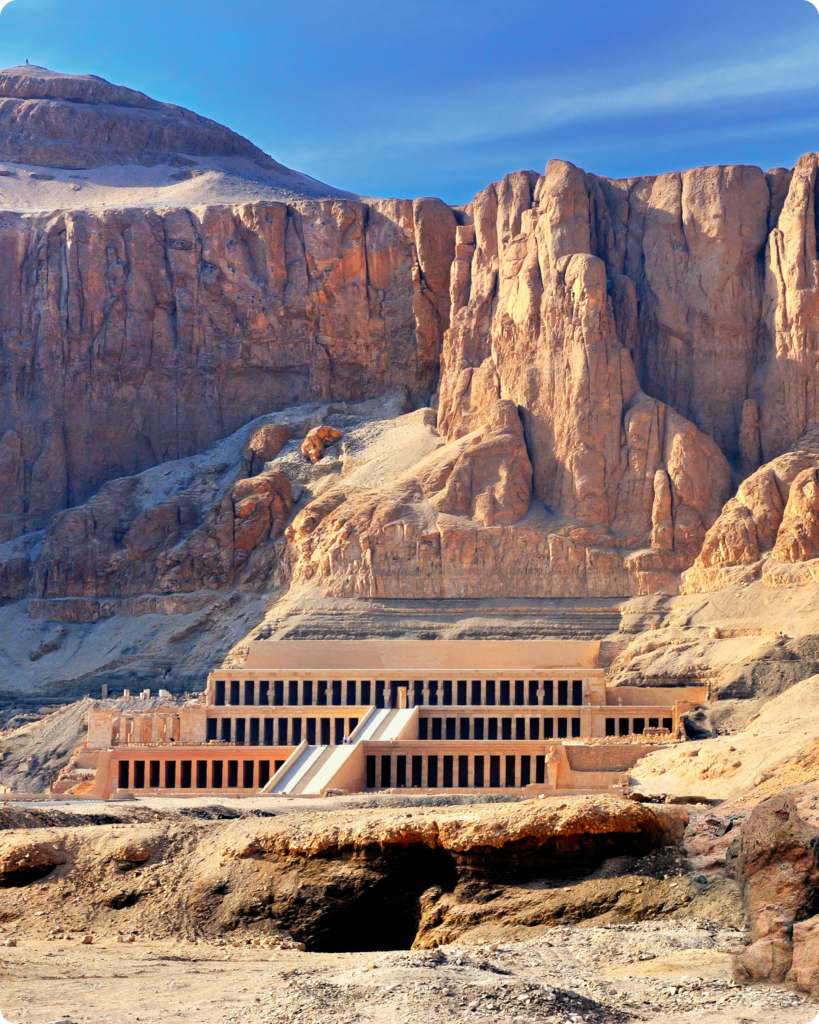
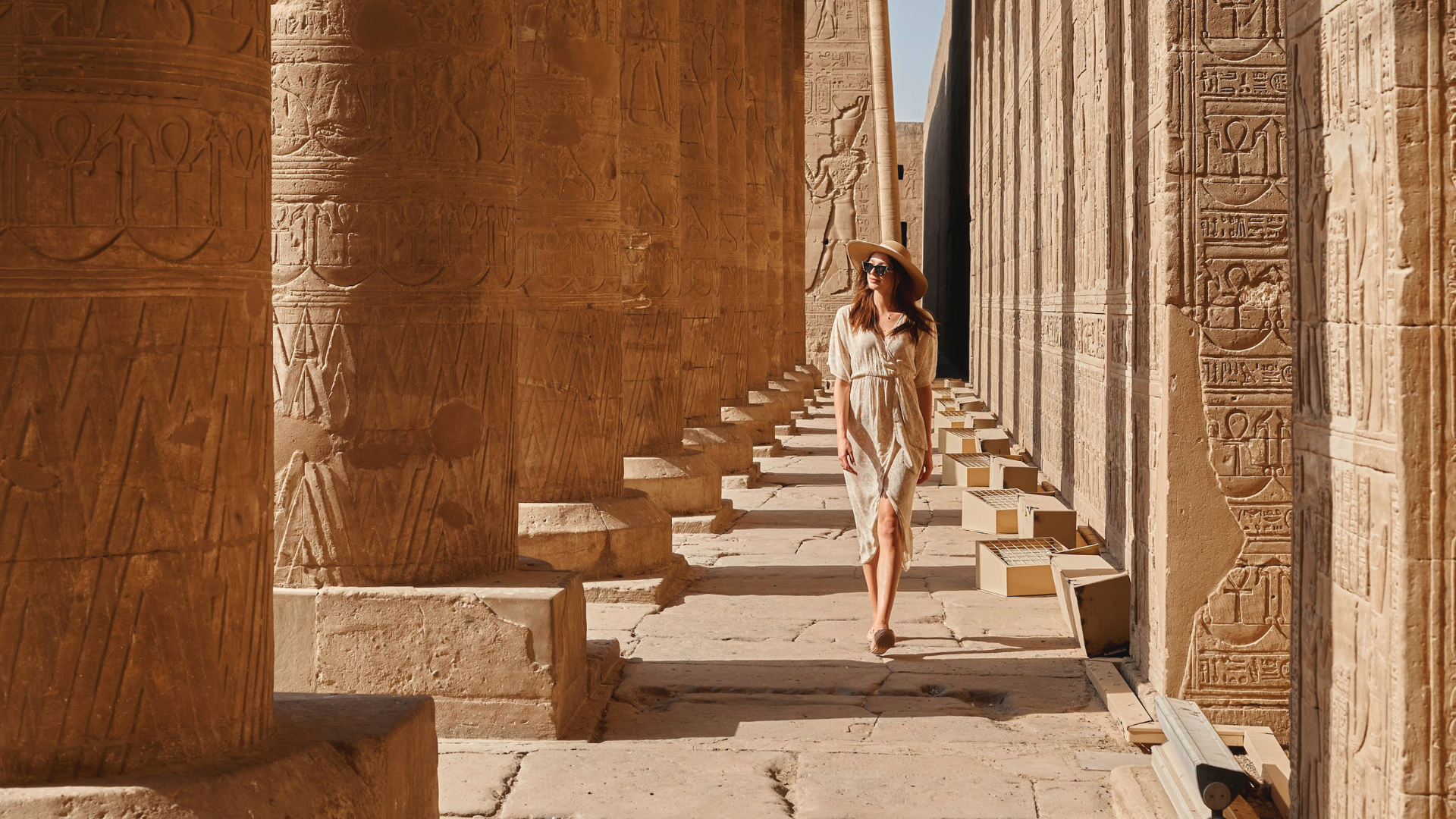
Winter is Egypt’s clearest season for the classic route, with Cairo, Luxor and Aswan at their most comfortable for cultural touring and Nile cruising. It also overlaps with the European Winter Sun travel period, when many clients are looking for warmth and brightness during the colder months at home.
That said, Egypt needs to be positioned carefully within that market. For clients looking for a culture-led winter escape, it works extremely well. For those expecting a more reliably hot, beach-only Winter Sun experience, the Red Sea is the strongest fit, while Cairo, Luxor and Aswan can still feel cool in the evenings. This is also the busiest time of year, with Christmas and New Year bringing higher demand, tighter availability and stronger pricing.
Works especially well for: Classic Cairo, Luxor and Aswan itineraries, Nile cruises, first-time visitors, luxury travel
Set expectations around: Peak demand, earlier booking pressure, premium pricing and cooler evenings

Seasons by client type
Families:
Spring break is often the most natural fit for families, as it aligns well with school holidays while still allowing a comfortable balance between major sites and downtime. The classic route can still be handled well at this time of year, especially with early starts, lighter afternoons and a Red Sea extension to soften the pace for children or older family members.
Honeymooners:
Autumn, especially October and November, is often a particularly strong fit for honeymooners. The weather is becoming more comfortable, the main route is opening up well and the season usually offers more breathing room than the Christmas peak. For couples prioritising privacy, atmosphere and a more unhurried feel, this can be more appealing than the busiest winter weeks.
First-time visitors:
Autumn and winter are usually the clearest seasons for first-time Egypt travellers. These are the periods when the classic route through Cairo, Luxor and Aswan works most smoothly, with fewer seasonal compromises and a stronger chance of delivering the headline experience clients are expecting.
Luxury travellers:
For luxury travellers, seasonality matters less as a standalone idea than in how smoothly the experience comes together for that specific client. The strongest window depends on whether the brief is more culture-led, privacy-led, beach-led or pace-led, but in general the best periods are the ones that support seamless logistics, well-paced touring, strong hotel and cruise availability and the right overall rhythm.
Active travellers:
Autumn is usually the strongest season for active travellers. It is one of the best times for more physically engaged itineraries, whether that means hiking in Sinai, exploring desert landscapes or combining cultural touring with diving and marine-based activity.
Relaxation seekers:
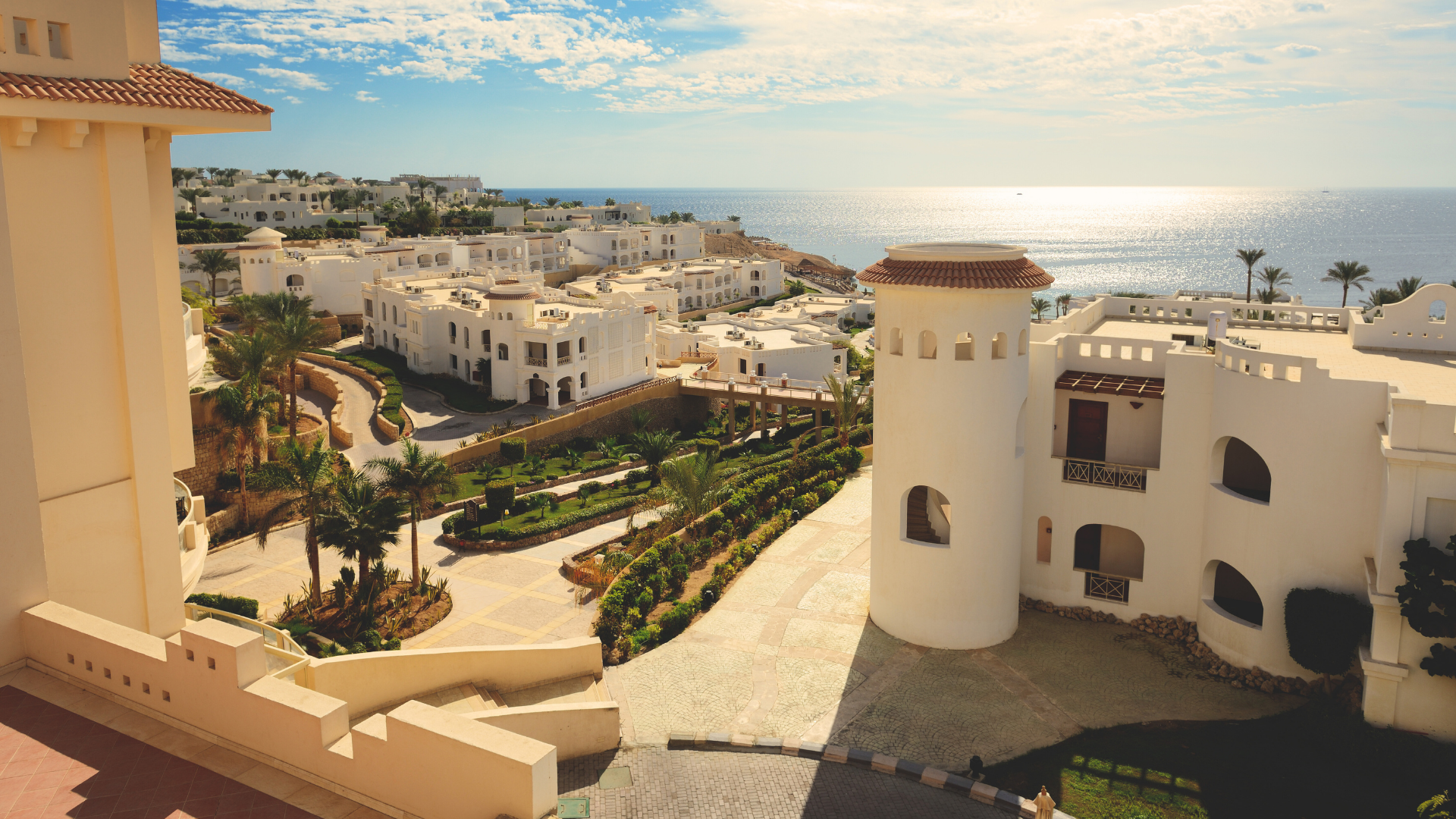
Summer can actually work well for travellers whose priority is warmth, water and a slower pace. Rather than pushing the full classic route, it often makes more sense to position the coast, especially the Red Sea or South Sinai, where the trip can focus more on beach time, marine activity and an easier overall rhythm.
Quick tips
- Ask for the client’s heat tolerance early. This will often determine whether Upper Egypt should stay in the route, be shortened or be dropped entirely.
- Check whether the brief is culture-led or coast-led. That matters more than the month alone, especially in spring and summer.
- Use Cairo to absorb heat better than Luxor or Aswan. It is easier to structure around indoor time, shorter outings and air-conditioned sites.
- In warmer months, shorten the number of major archaeological days in a row. The issue is often not Egypt itself, but too much exposed touring back to back.
Frequently asked questions
What holiday periods should agents plan around?
Christmas/New Year, Easter, GCC school holidays and moving dates such as Eid al-Fitr and Eid al-Adha can all affect pricing, crowd levels and Nile cruise availability.
What should clients expect during Ramadan?
Many hotels and major sites continue operating normally, but dining rhythms, nightlife and local atmospheres may shift, especially in Cairo.
Which months are best for exploring Mount Sinai?
Spring and autumn are generally the most comfortable periods for Mount Sinai, especially for overnight climbs and trekking.
Are Nile cruises affected by seasonality?
Yes. Winter and the shoulder months are the busiest periods for Nile cruising, with stronger demand and less flexibility on premium inventory.
When should agents book Egypt furthest in advance?
Christmas, New Year and Easter-adjacent travel usually require the earliest planning, especially for high-end cruises and luxury properties.
Does sand or desert weather ever affect travel?
Occasionally. Egypt can experience seasonal desert winds and dust storms, particularly in spring, which may affect visibility or outdoor comfort temporarily.
Are there parts of Egypt that become very cold at night?
Yes. Desert areas and the Sinai interior can become surprisingly cold overnight in winter, especially around Mount Sinai and St Catherine’s.
When are the Red Sea’s diving conditions strongest?
Conditions vary by site and traveller preference, but spring and autumn are often especially popular for combining comfortable air temperatures with strong marine visibility.

 " alt="">
  " alt="">
  " alt="">
  " alt="">
  " alt="">
  " alt="">