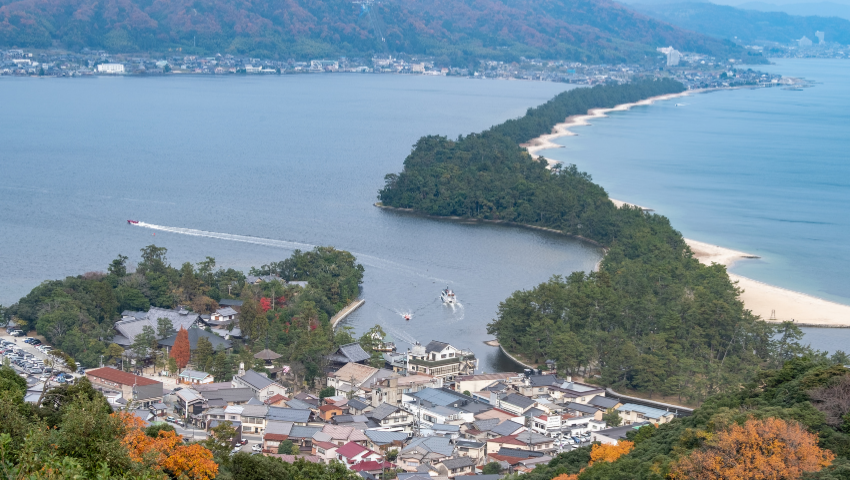

Driving in Japan can be a memorable way to discover the quieter corners of the country. Understanding the basic road rules is key to ensuring a safe and enjoyable journey.
Foreigners wishing to drive in Japan must have an International Driving Permit (IDP). Although regulations vary country to country, IDPs can usually be obtained in travellers’ country of residence for a small fee.
For travellers from certain countries, including Switzerland, Germany, France and Belgium, a Japanese translation of the original licence can be used in lieu of an IDP. EXO can assist in arranging this translated document.
Cars should be reserved in advance, especially during Japan’s peak travel periods. The vast majority of cars are automatic transmission and equipped with full safety features.
Thanks to robust road regulations and enforcement, Japan’s roads are very safe. Keep reading to learn about the main road rules and helpful tips for driving in Japan.


Japan road safety
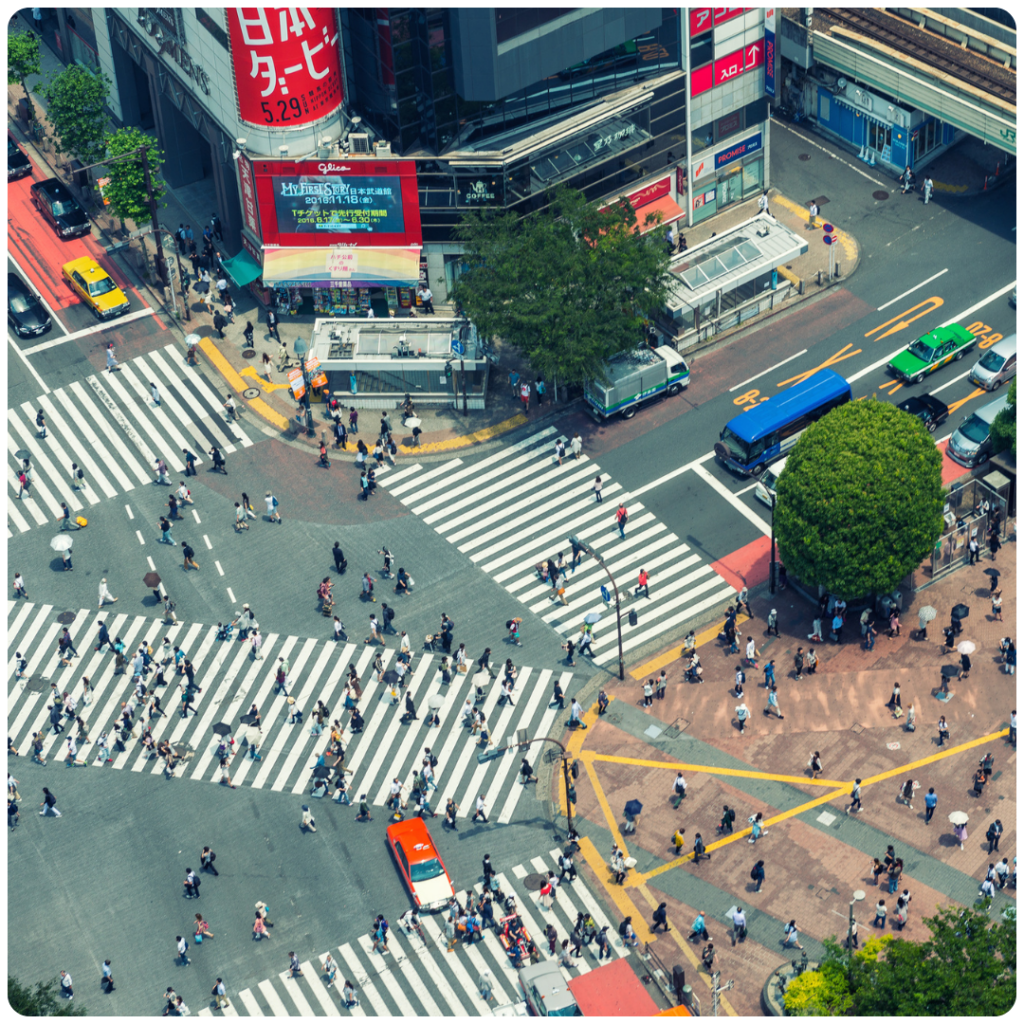
It is important to note that in Japan, vehicles drive on the left side of the road. For drivers accustomed to being on the right side of the road, take special caution at intersections and pedestrian crossings.
Seat belts are mandatory for all passengers, regardless of where they are seated.
It is strictly forbidden to drink and drive in Japan. The extremely low threshold of blood alcohol concentration (0.03%) applies to both drivers of motorised vehicles and bicycles, with violators subjected to severe penalties.
Using a mobile phone while driving is illegal unless using a hands-free device. Penalties can be severe for violations.
Always signal when turning or changing lanes. Japanese drivers often signal their intentions early, and international drivers should also do the same.

Signage and speed limits
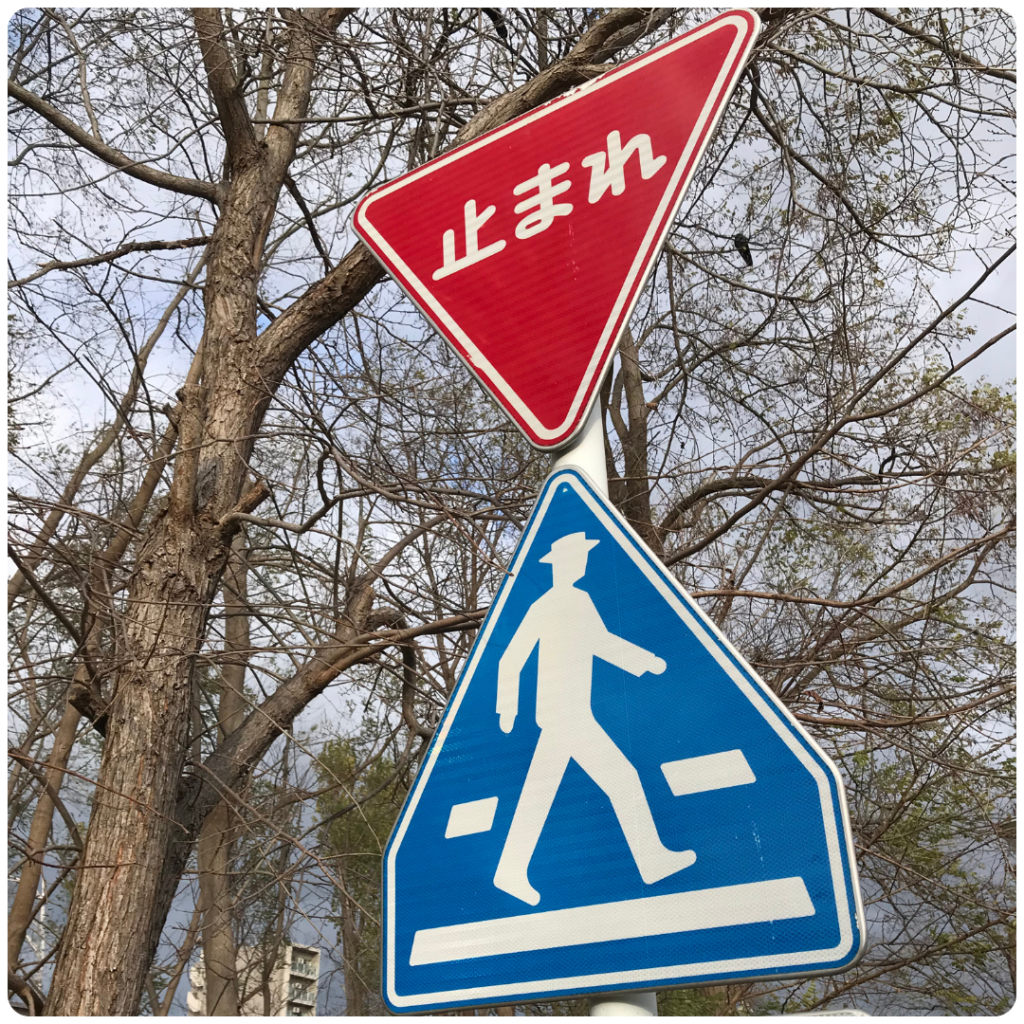
Most road signs will be easily recognisable or marked with English-language translations. The acception to the rule is the stop sign, which is usually a red inverted triangle with the word 止まれ written on it.
Likewise, road markings for lanes are similar to those found in most countries globally. However be aware that the colour yellow often indicates no overtaking zones.
International drivers should also pay attention to traffic signals, especially in urban areas, as they may be positioned differently from what they are accustomed to.
Speed limits are strictly enforced. Look for and follow posted speed limit signs while driving in Japan. A general guideline is:
- Urban areas: Typically 40–50 km/h (25–31 mph).
- Rural roads: 50–60 km/h (31–37 mph).
- Highways: Generally 80–100 km/h (50–62 mph)

Parking and tolls
Parking in Japan requires careful planning, particularly in urban areas.
Designated parking facilities, identified by a ‘P’ sign, include paid lots, multi-storey structures and coin-operated spaces. Parking apps like Navitime and Times Parking are useful for finding available spaces and checking fees in advance.
Avoid no-parking zones, marked by blue circles with red crosses or slashes, to prevent fines or towing. Fees vary by location and can range from a few hundred yen per hour in suburban areas to over 1,000 yen per hour in city centres.
Japan has many toll roads, especially highways. Many rental cars are equipped with an electronic toll collection (ETC) system, which will allow for automatic passing and a cumulative bill issued at the end of the rental period. Alternatively, for cars without ETC, tolls can be paid in cash.
Japan self-drive destinations
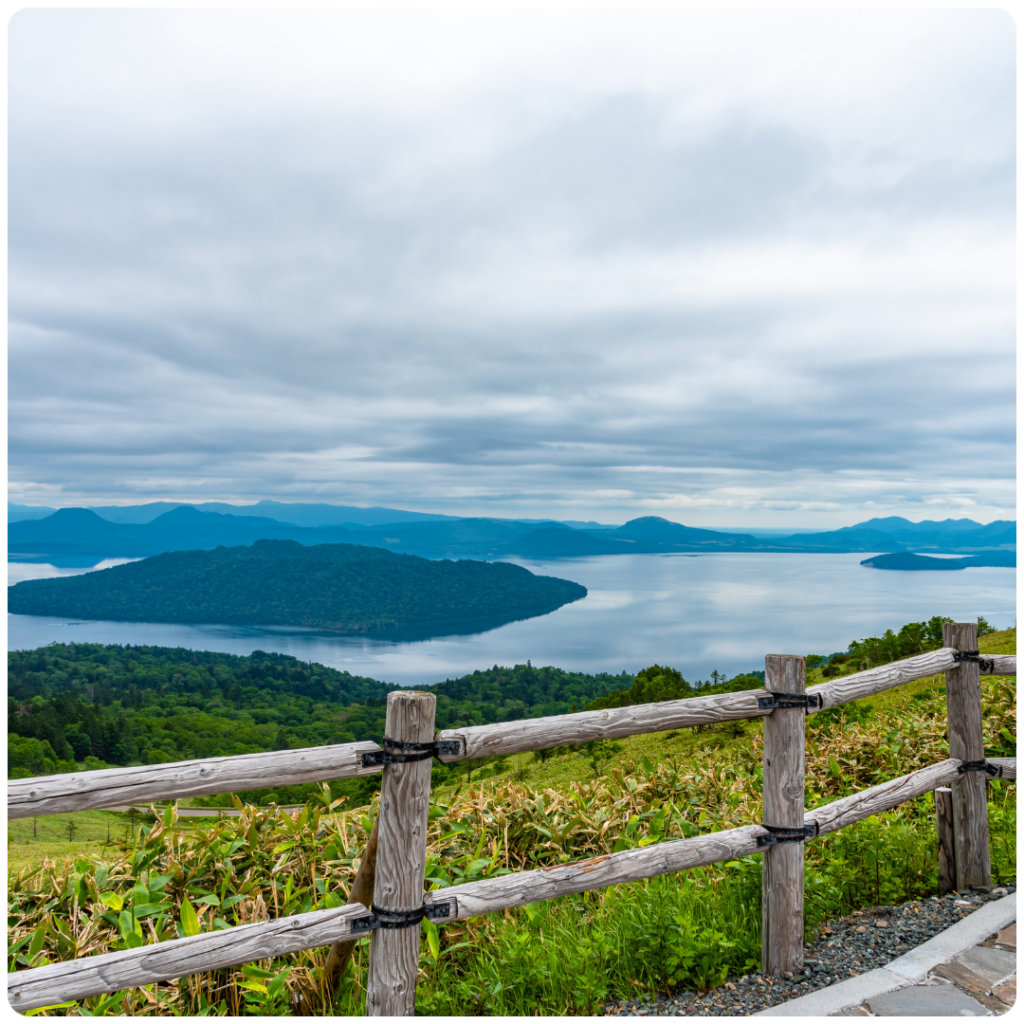
The nature-filled northern Hokkaido region is an ideal setting for a self-drive holiday during the green season (end April to mid-October). EXO recommends driving from Memanbetsu to Sapporo, stopping along the way in three national parks. The route- along easily navigable, scenic roads- gives nature lovers the opportunity to soak up Japan’s diverse landscapes and spot endemic wildlife.
Okinawa Main Island’s scenic coastal route, away from the main expressway, is a great alternative for travellers seeking natural wonders and remote beaches beyond the reach of public transportation.
Or travellers may wish to explore the Japanese countryside by self-drive. Areas such as Kyushu and Shikoku offer rural routes wind through villages and wilderness, providing a contrast to the urban centres.
EXO Travel is a premium Destination Management Company (DMC) providing bespoke travel solutions in Japan and across a growing portfolio of global destinations. Our services range from one-off tours for individual travellers to memorable incentive trips for groups of hundreds or thousands.
Established in 1993, we’ve harnessed in-depth local knowledge and a widely-recognized penchant for authentic, groundbreaking touring to become a leading DMC for the premium travel market. As a Certified B Corporation, EXO is also demonstrably committed to sustainability and using travel as a force for good.

 " alt="">
  " alt="">
  " alt="">
  " alt="">
  " alt="">