



At a glance
- Home to some of the top draws in Egypt: Valley of the Kings, Tutankhamun and the great Ramesside tombs.
- Often described as the world’s greatest open-air museum, Luxor brings ancient Thebes vividly to life
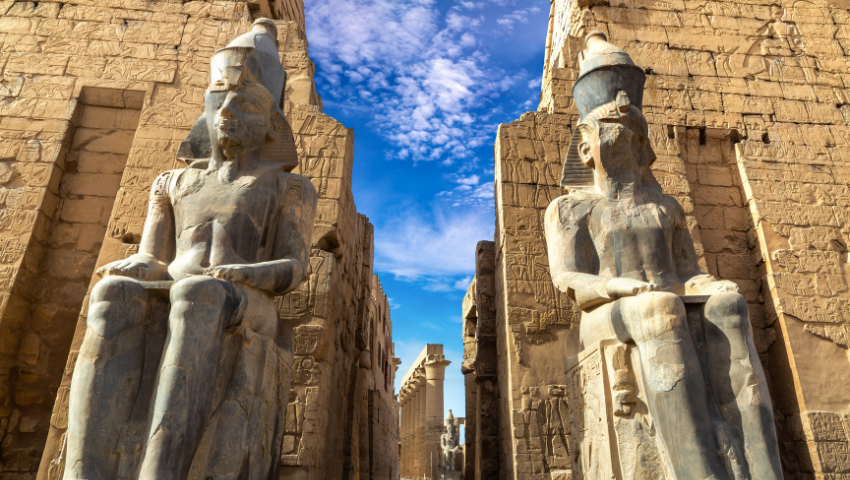
- East Bank highlights include Karnak and Luxor Temple; the West Bank holds the royal necropolis and dramatic desert cliffs
- A hub for Nile cruises, hot-air ballooning and in-depth archaeology with expert Egyptologists
- Accommodation ranges from Nile-view resorts to intimate, characterful stays close to key sites
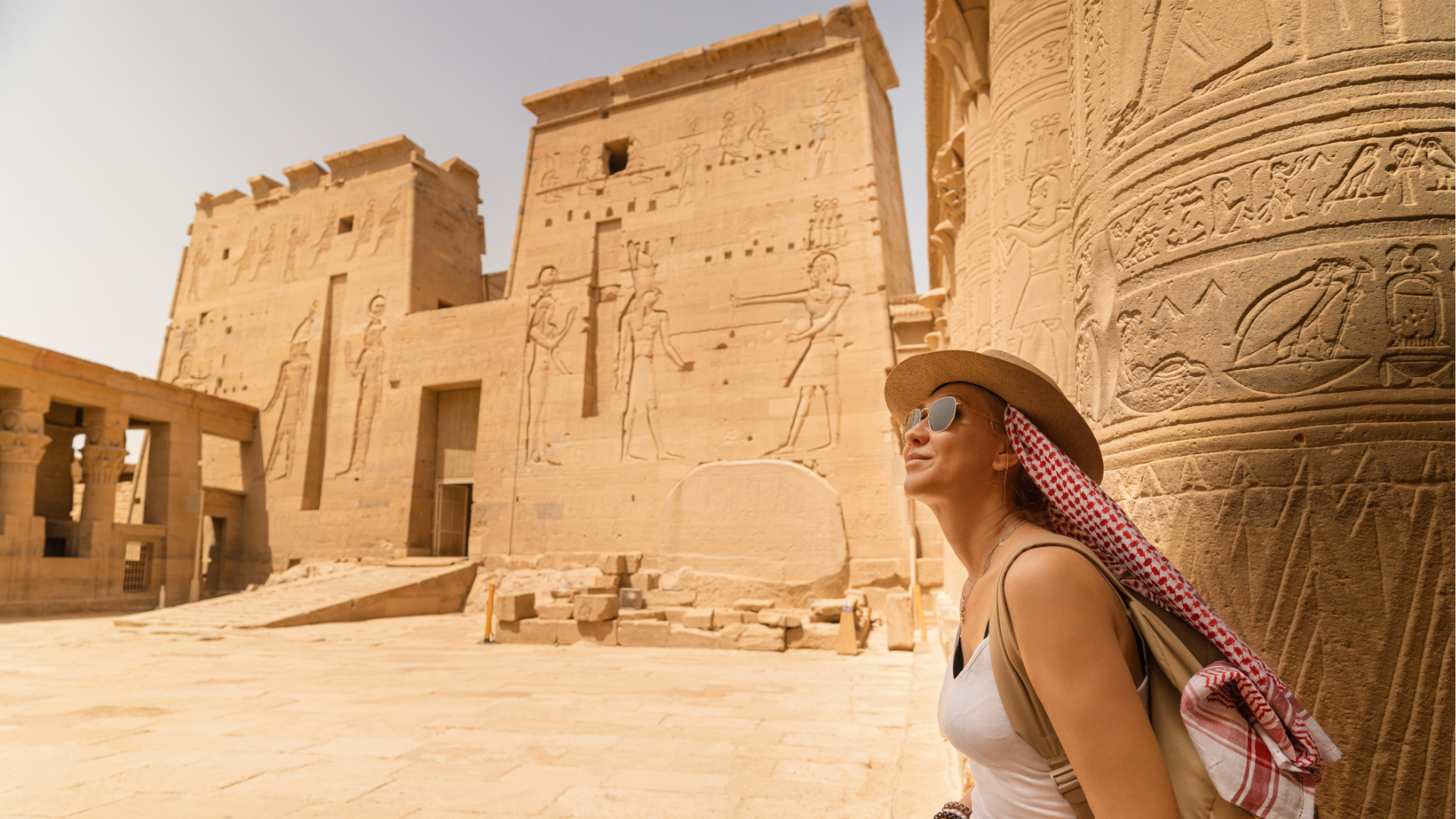
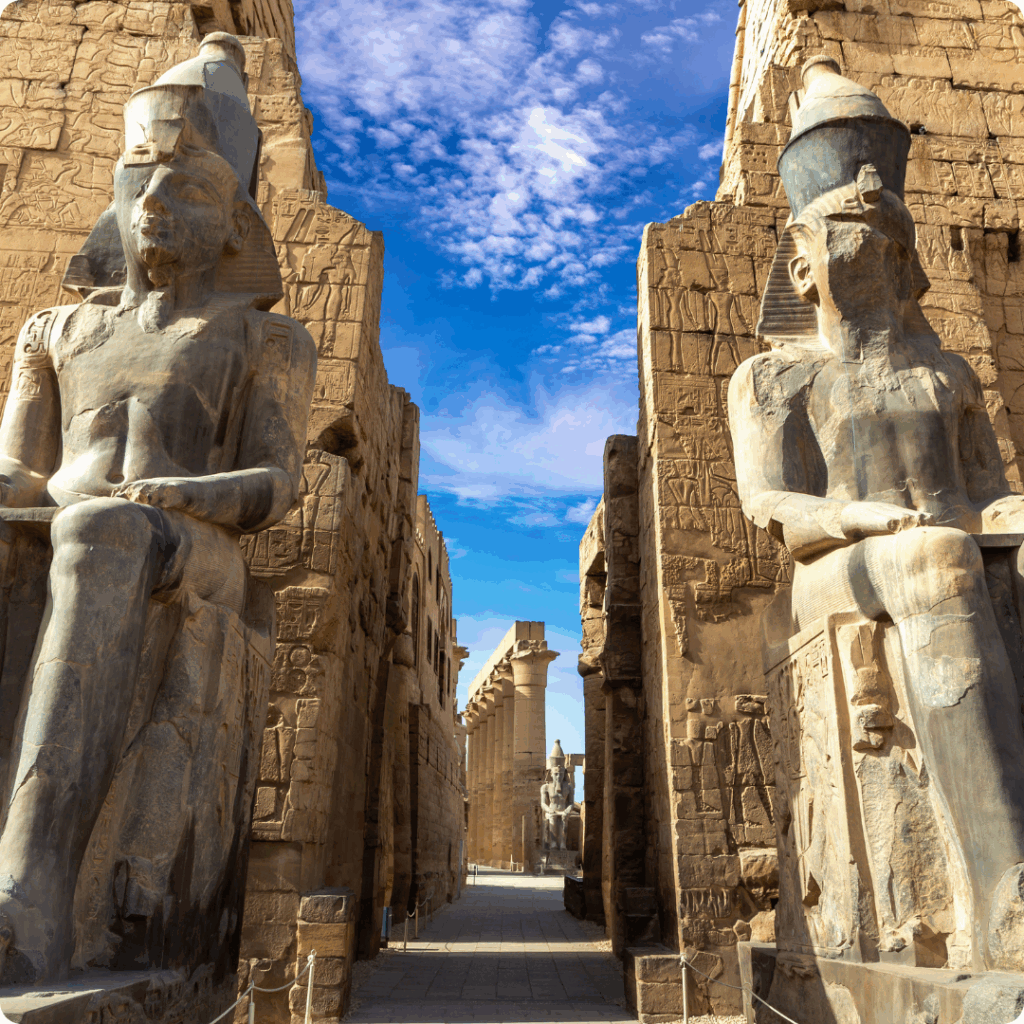
Luxor is the beating heart of ancient Egypt, a city where history seems impossibly close. Known to the ancients as Thebes, it was the capital of the New Kingdom and the stage for some of the civilisation’s greatest achievements. Towering pylons, vast hypostyle halls and intricately painted tombs remain as testament to the ambition of pharaohs like Ramses II and Hatshepsut.
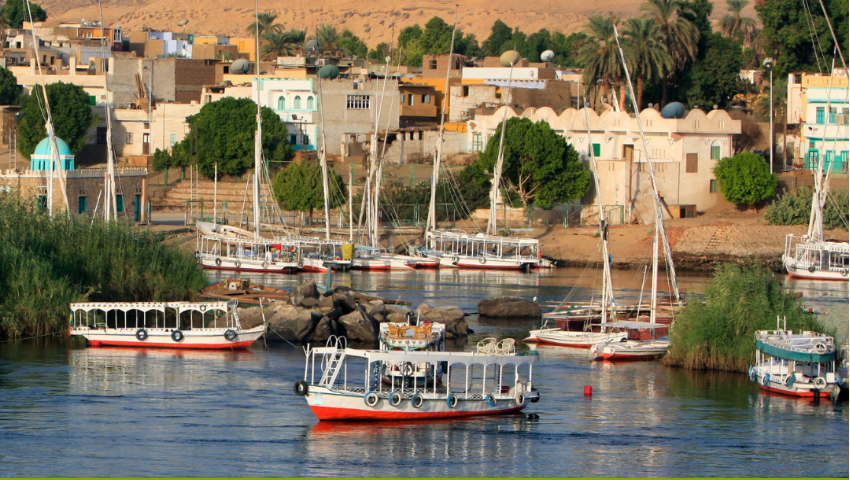
The Nile cleaves the city in two: the lively East Bank, where colossal temples rise among cafés and gardens, and the more contemplative West Bank, where the desert hides royal necropolises beneath golden cliffs. Today, Luxor combines timeless grandeur with the gentle rhythms of river life, making it an unmissable stop on any Egyptian journey.
What kind of travellers is Luxor Suitable for?
- History enthusiasts looking for the richest concentration of Pharaonic sites
- Cultural travellers who value context from expert Egyptologists and quieter, lesser-visited tombs
- Photographers drawn to sandstone glow, desert horizons and sunrise balloon vistas
- Families and educational groups seeking engaging, story-led touring with manageable daily pacing
- Luxury travellers combining river-view resorts or premium cruise cabins with curated access
Seasonality
& when to visit
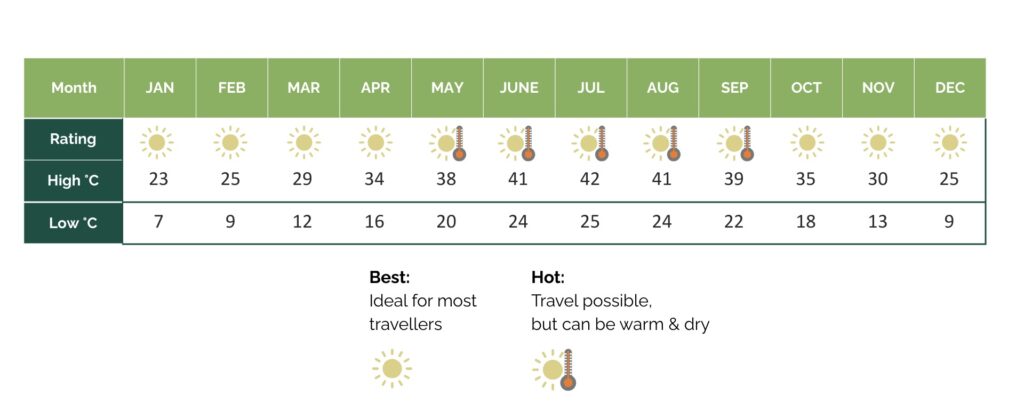
Luxor is best experienced in the cooler months from October to April, when daytime temperatures are pleasant for exploring temples, tombs and the open desert landscapes. Summers (May to September) are extremely hot, often exceeding 40°C, which can be challenging for some travellers. For those who can handle the heat, summer offers quieter sites and fewer crowds. Rain is almost non-existent year-round, making conditions very dry.
Luxor Climate Overview
Luxor holidays & festivals
- Moulid of Abu al-Haggag (date varies): Lively Sufi celebrations with processions around Luxor Temple
- Ramadan and Eid: Shorter hours in the day, vibrant evenings with family gatherings
- Coptic Christmas (7 January) and Coptic Easter: Insight into Egypt’s Christian traditions
Things to do in Luxor
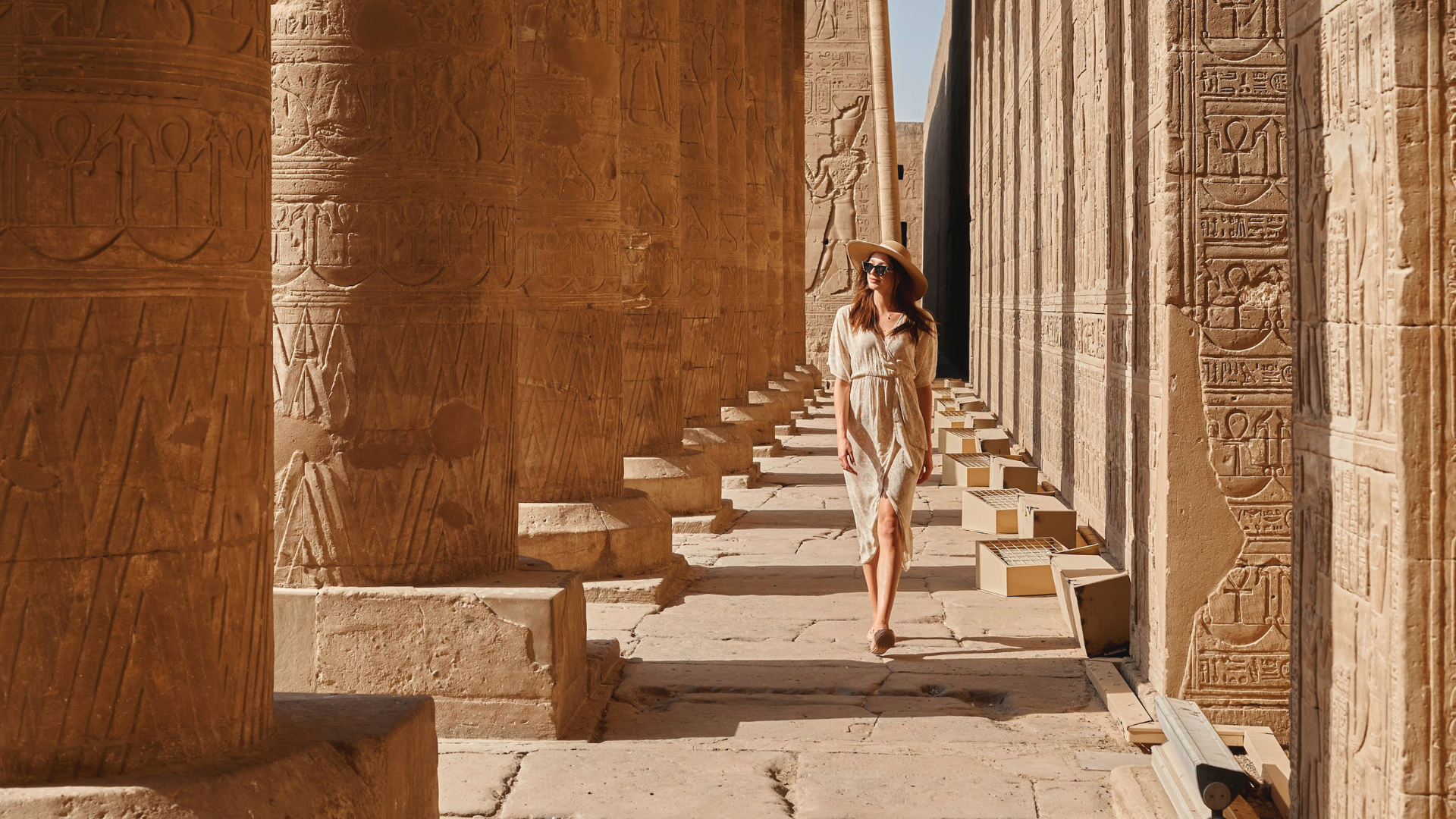
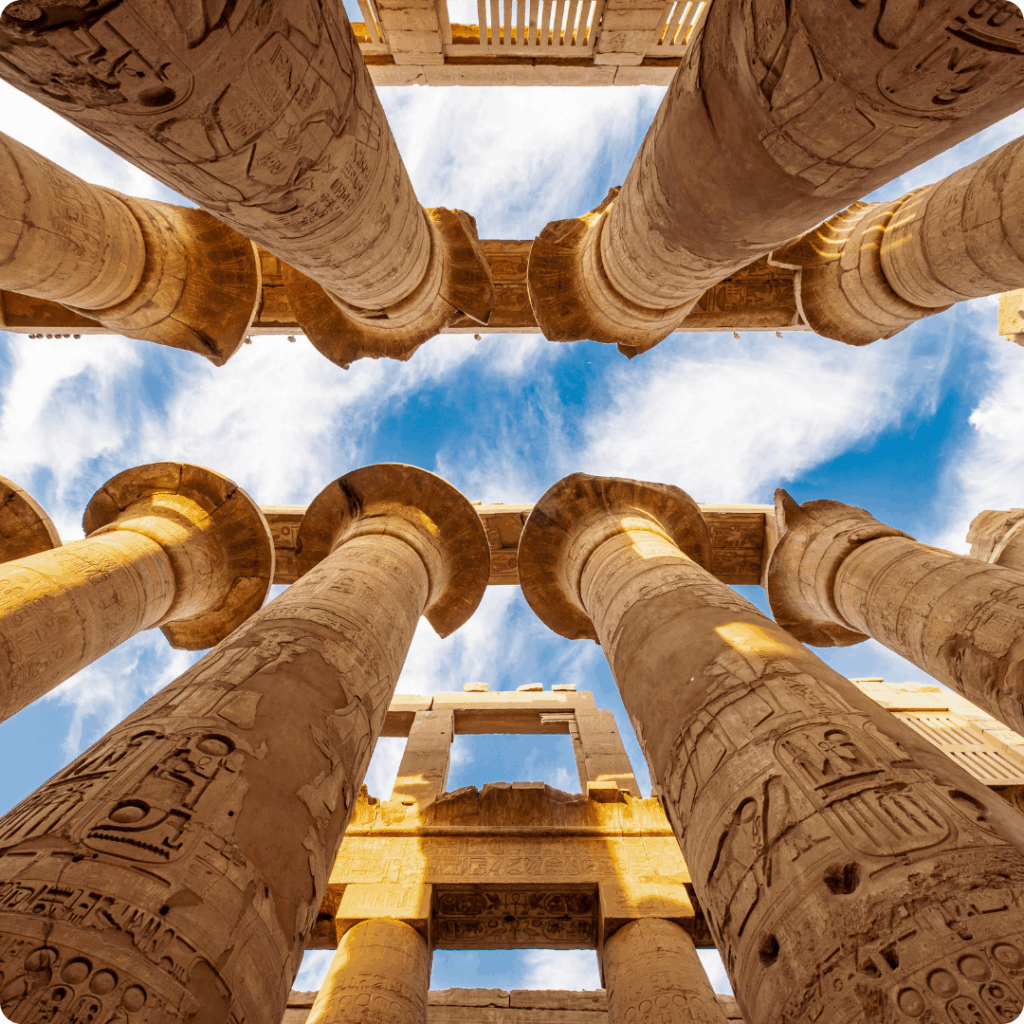
Karnak Temple: Wander hypostyle halls, sacred lakes and precincts that span nearly two millennia of construction
Luxor Temple: Atmospheric by night, linked to Karnak by the restored Avenue of Sphinxes
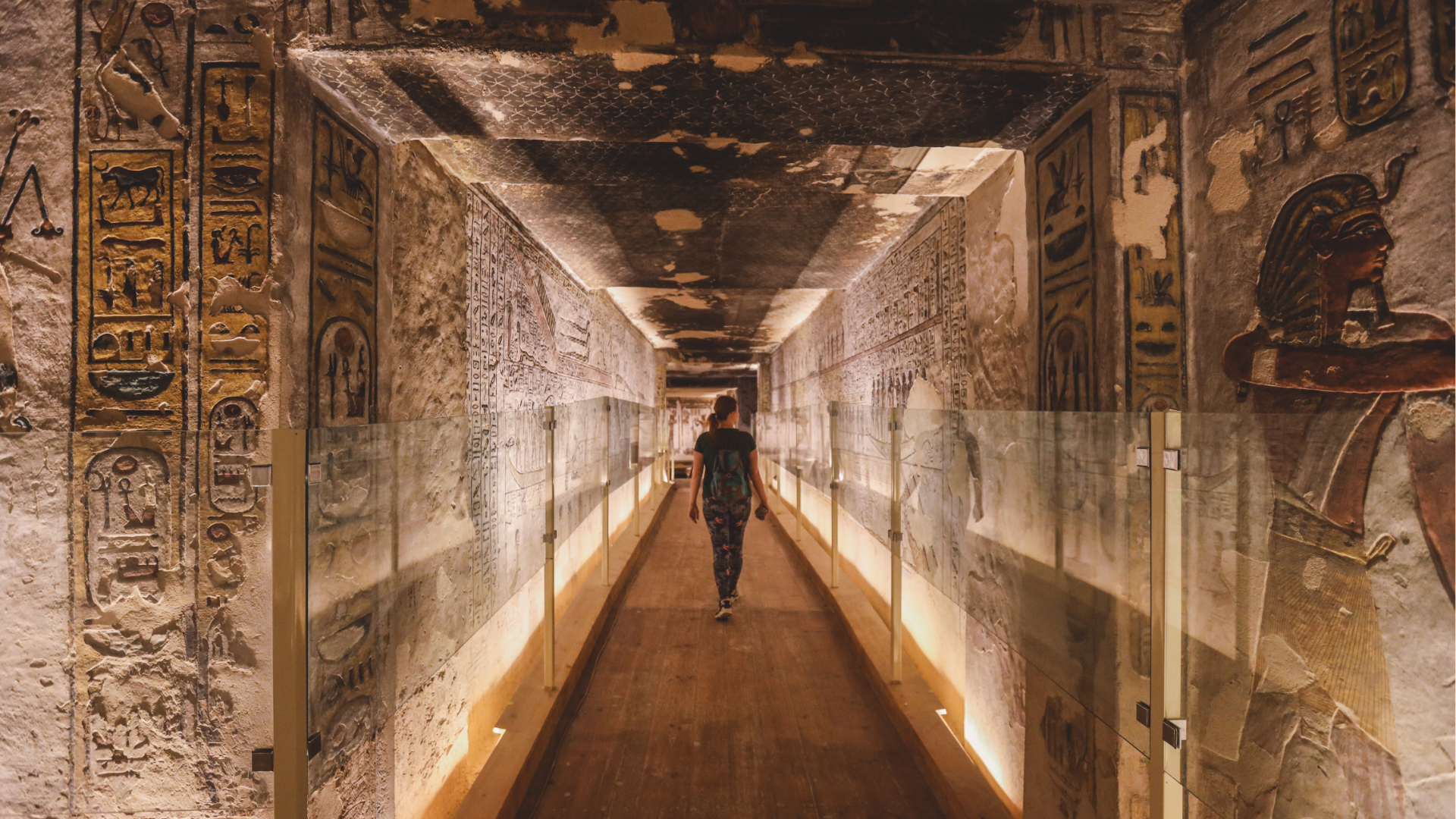
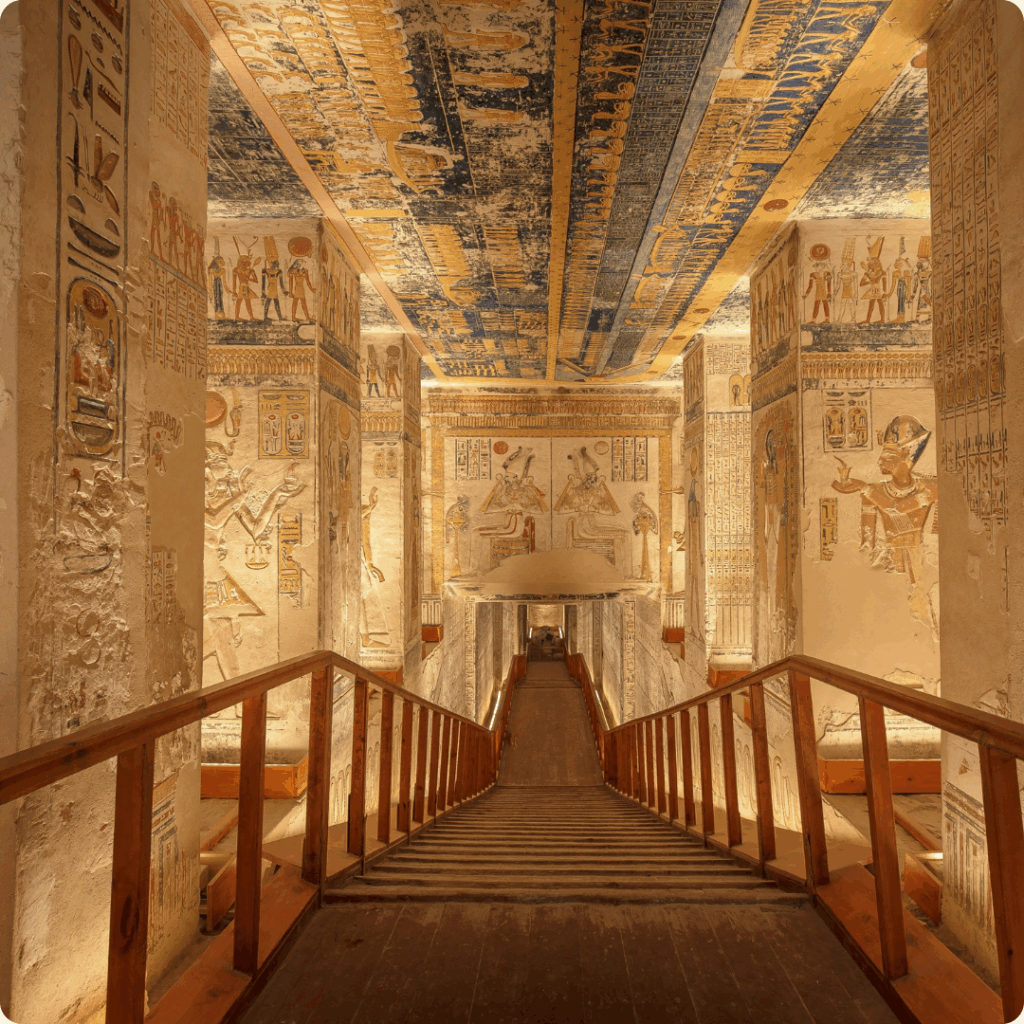
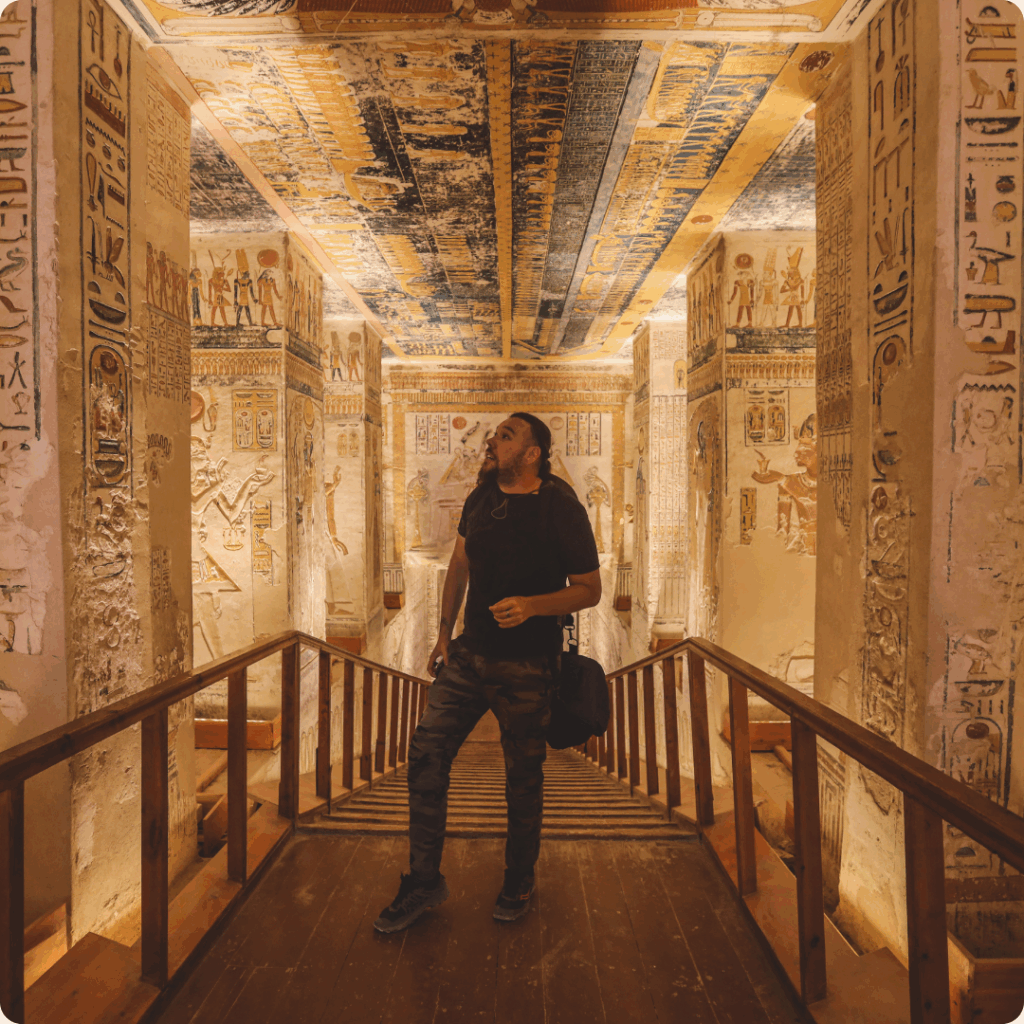
Valley of the Kings: Iconic tombs including Tutankhamun and richly painted chambers such as Ramses VI
Valley of the Queens & Tombs of the Nobles: Superb artistry with fewer crowds; consider Nefertari’s tomb as a premium add-on
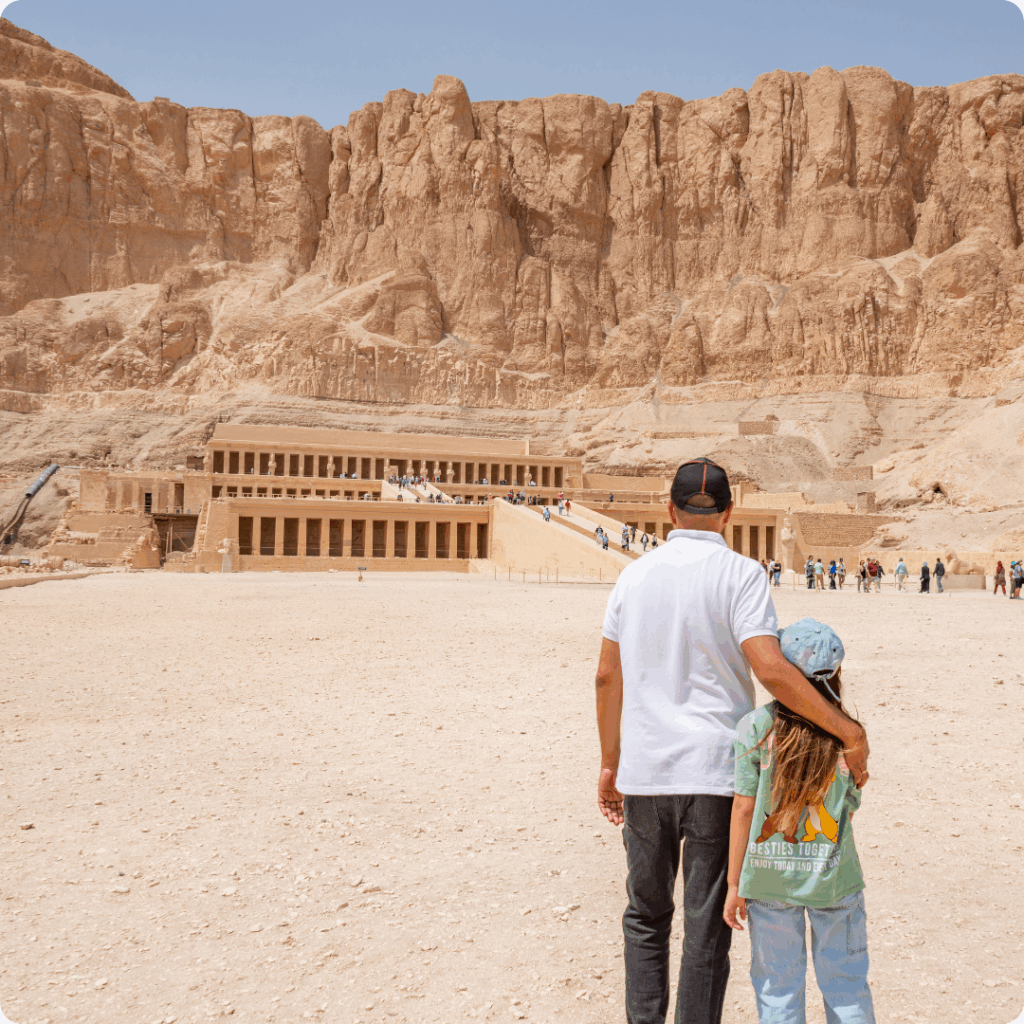
Temple of Hatshepsut: Striking terraced design set against cliffs at Deir el-Bahari
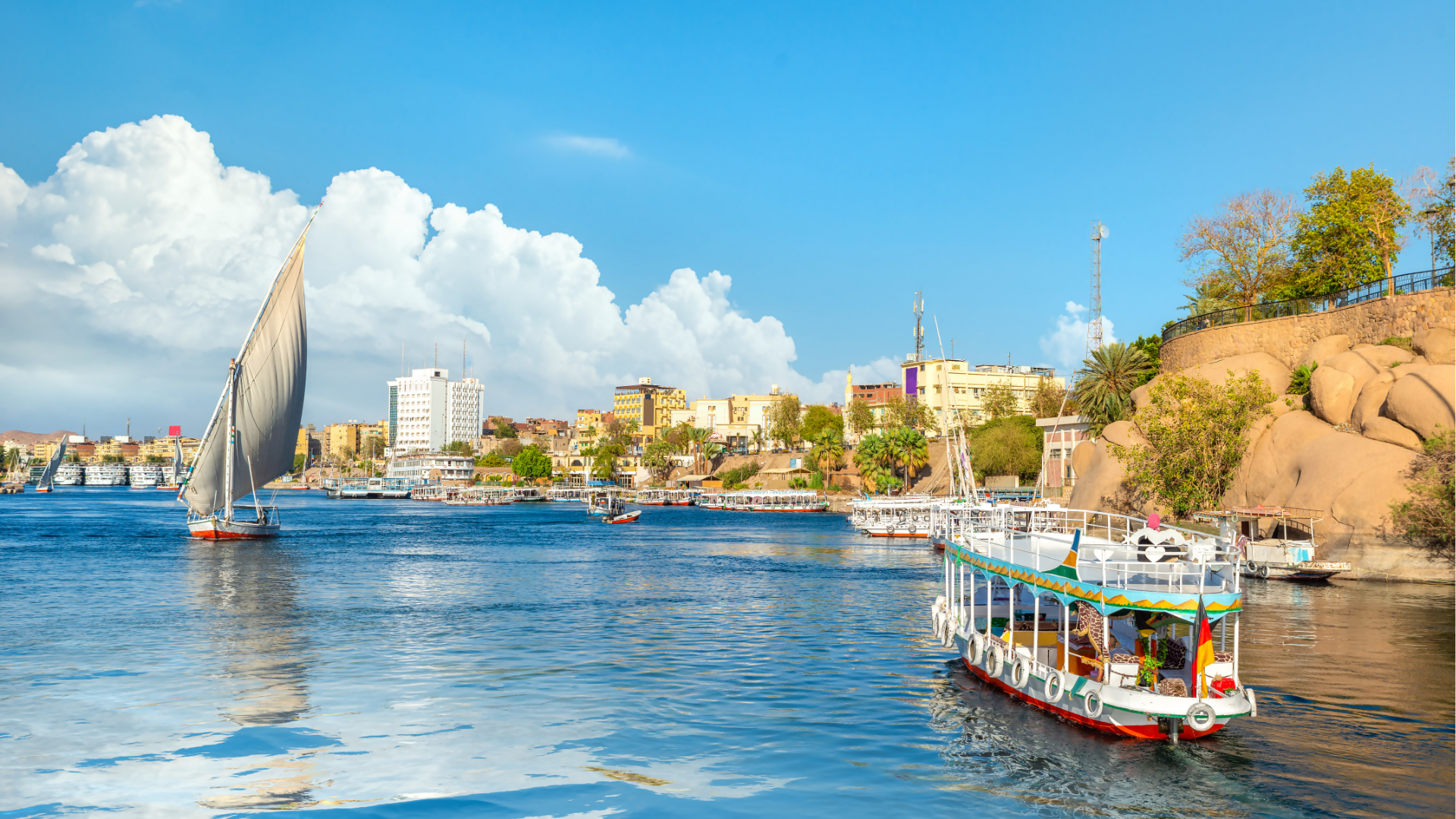
Sunrise ballooning over the West Bank and felucca sails at sunset for classic Nile perspectives
Museums: Compact Luxor Museum and the Mummification Museum for context that enhances site visits
Getting in and out of Luxor
Luxor International Airport is the primary gateway to Upper Egypt, with frequent domestic flights and seasonal international services. The city is also well connected by rail, road and river, making it a flexible base for onward travel:
- To Cairo: 1-hour flight or 9–10 hours by train (day or overnight sleeper).
- To Aswan: 3-hour train or car, or 4–5 hours by Nile cruise.
- To Hurghada/Red Sea: 4 hours by road across the Eastern Desert.
- International flights: Direct links to Cairo, Aswan and Hurghada, plus seasonal connections to Europe and the Gulf.
Luxor - FAQ:
How long should travellers stay in Luxor?
Two to three nights allow for the main highlights. Four nights or more give time for ballooning, less-visited tombs and a slower pace.
Is it better to base on the East or West Bank?
The East Bank offers easier access to restaurants and modern services, while West Bank stays give a quieter atmosphere and proximity to the necropolis.
Are there lesser-known sites worth including?
Yes. The Valley of the Workers (Deir el-Medina), the Ramesseum and the Temple of Medinet Habu see fewer visitors but reward with superb artistry and scale.
How do Nile cruises fit with Luxor stays?
Many itineraries start or finish here, so travellers often spend extra nights on land before or after a cruise to see the full range of sites.
What about accessibility and walking distances?
Most sites involve uneven terrain and some stair climbing. Private guides can adjust pacing, and vehicles are permitted close to many entrances.
When is ballooning over the West Bank possible?
Flights operate year-round, weather permitting, but are particularly stunning in cooler months when skies are clearer.
Your ideal partner for travel in Egypt
EXO designs Luxor programmes that balance insight with ease. From hand-picked Egyptologists and vetted hotels to premium tomb access, sunrise balloons and tailored pacing, we deliver seamless on-the-ground execution and memorable experiences your clients will talk about long after they return.
" alt="">
" alt="">
" alt="">