




 " alt="">
 Hello from Cairo!This month, we are sharing a few new ideas beyond the usual cultural and historical highlights. These include short desert and oasis trips by 4x4 for those looking to explore off the beaten track, as well as hands-on…
 " alt="">
 In this edition, we’re sharing a fresh mix of Egypt product updates, with options for travellers who want iconic sights, time by the Red Sea or a more offbeat look at the destination. Highlights include a new Hurghada beach break,…
 " alt="">
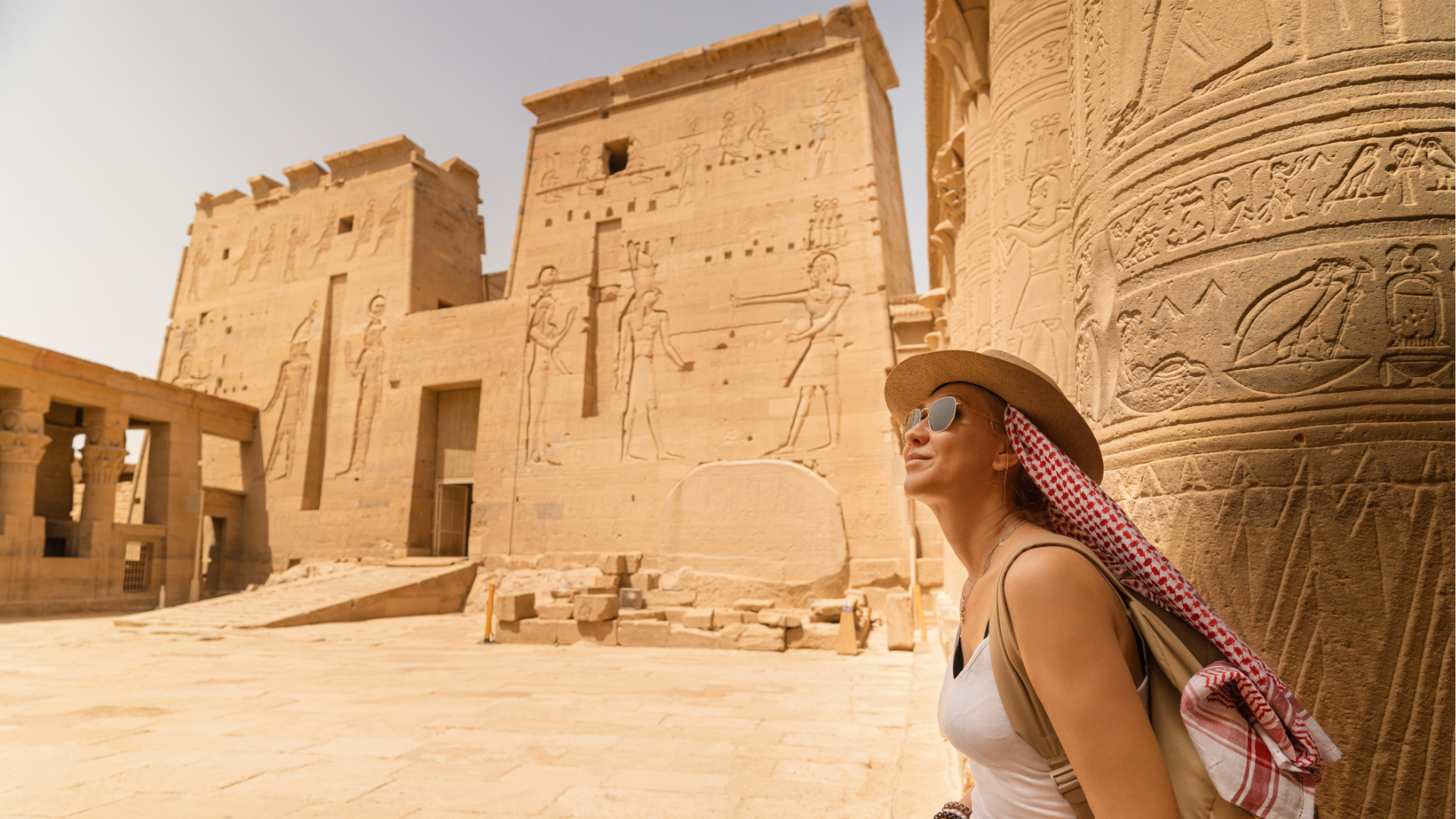
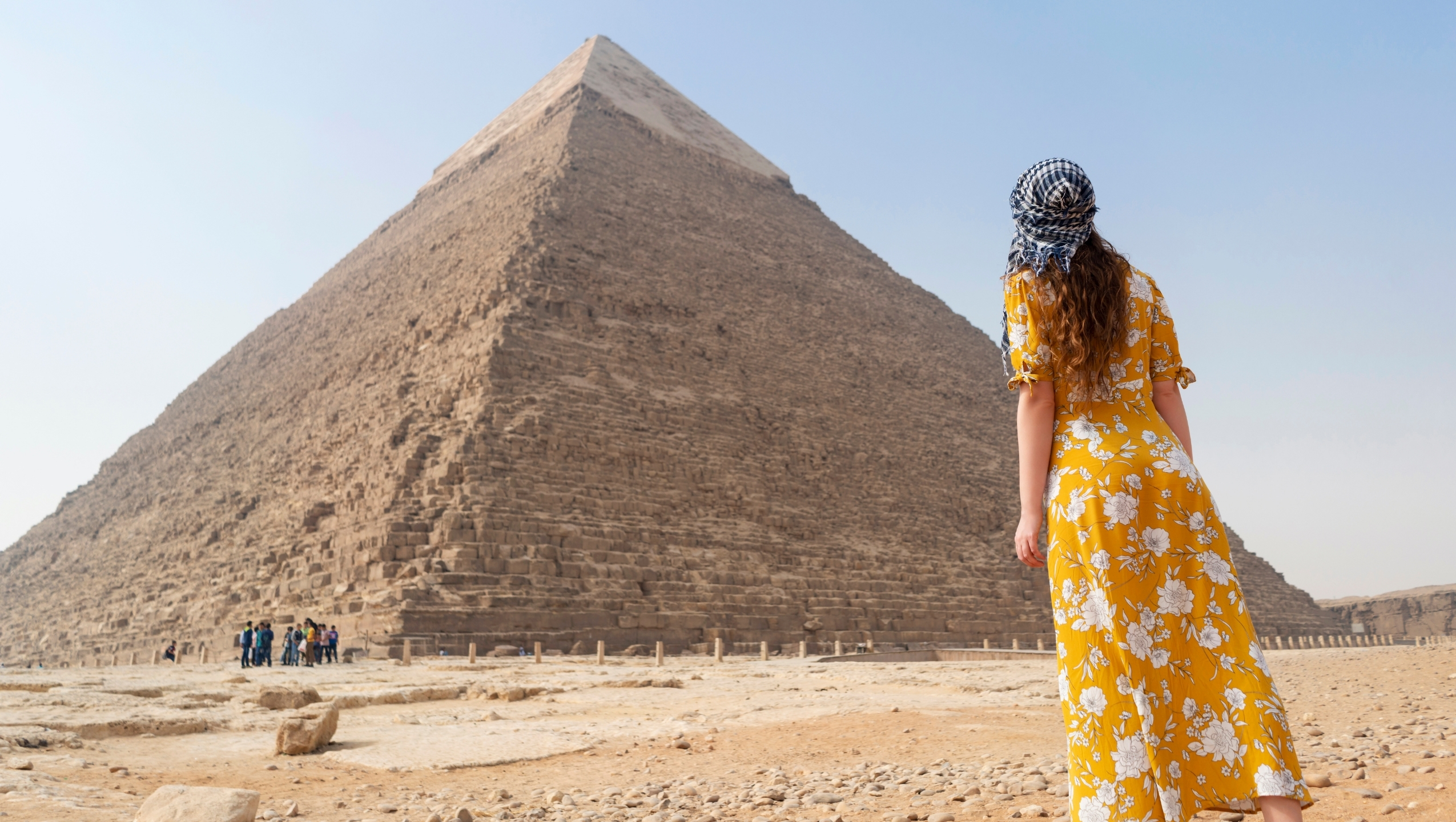
 At a glance From the pyramids and the Valley of the Kings to the temples of Luxor, Egypt’s major sites are among the world’s most sought-after, but how they are experienced depends heavily on the season, crowd levels and how…
 " alt="">
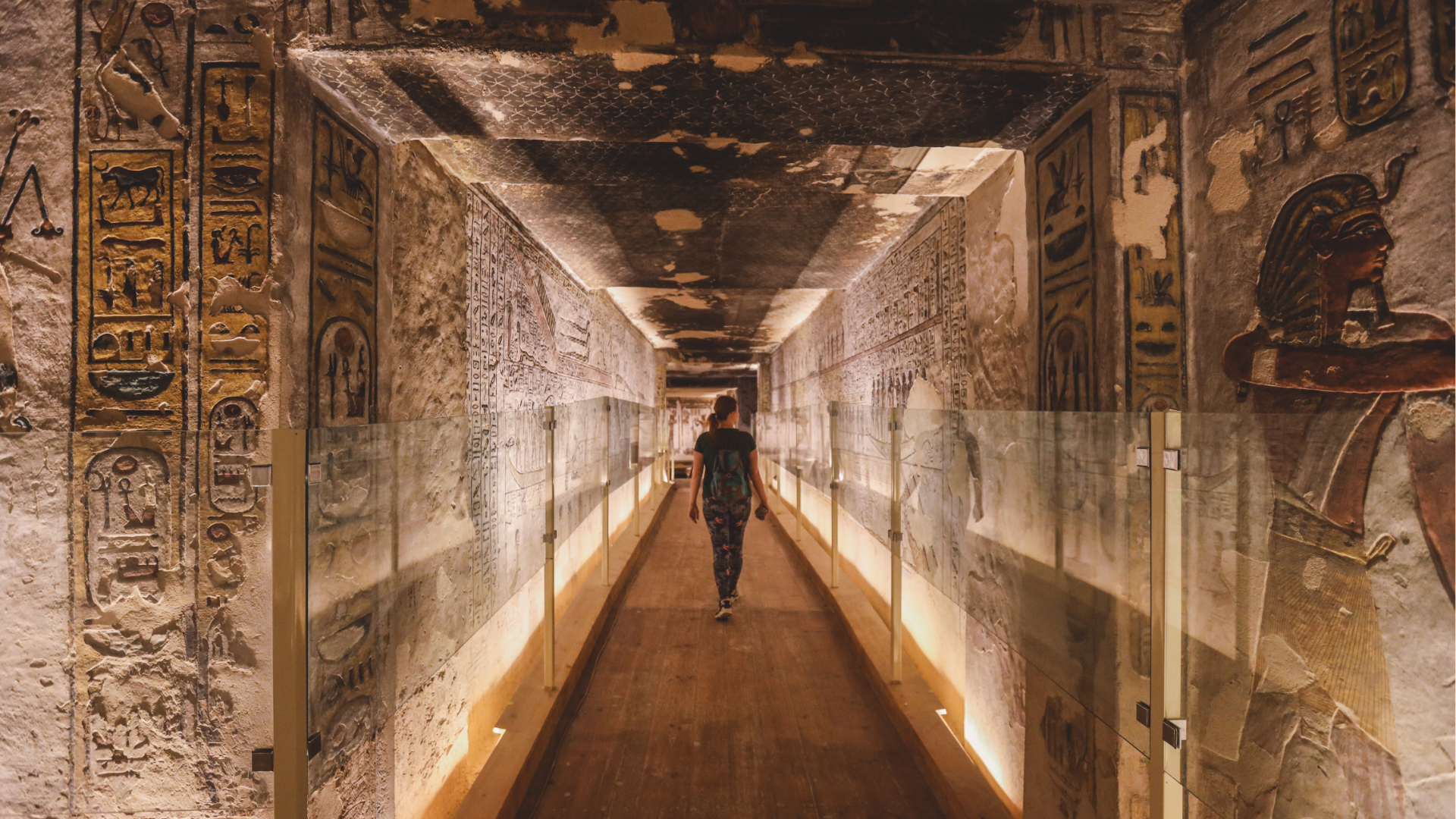
 Welcome to the first Product & Destination Update from EXO Egypt. Since launch, our team on the ground has been busy shaping the foundations of our Egypt portfolio, refining journeys, curating stays and bringing together the building blocks that help…
 " alt="">
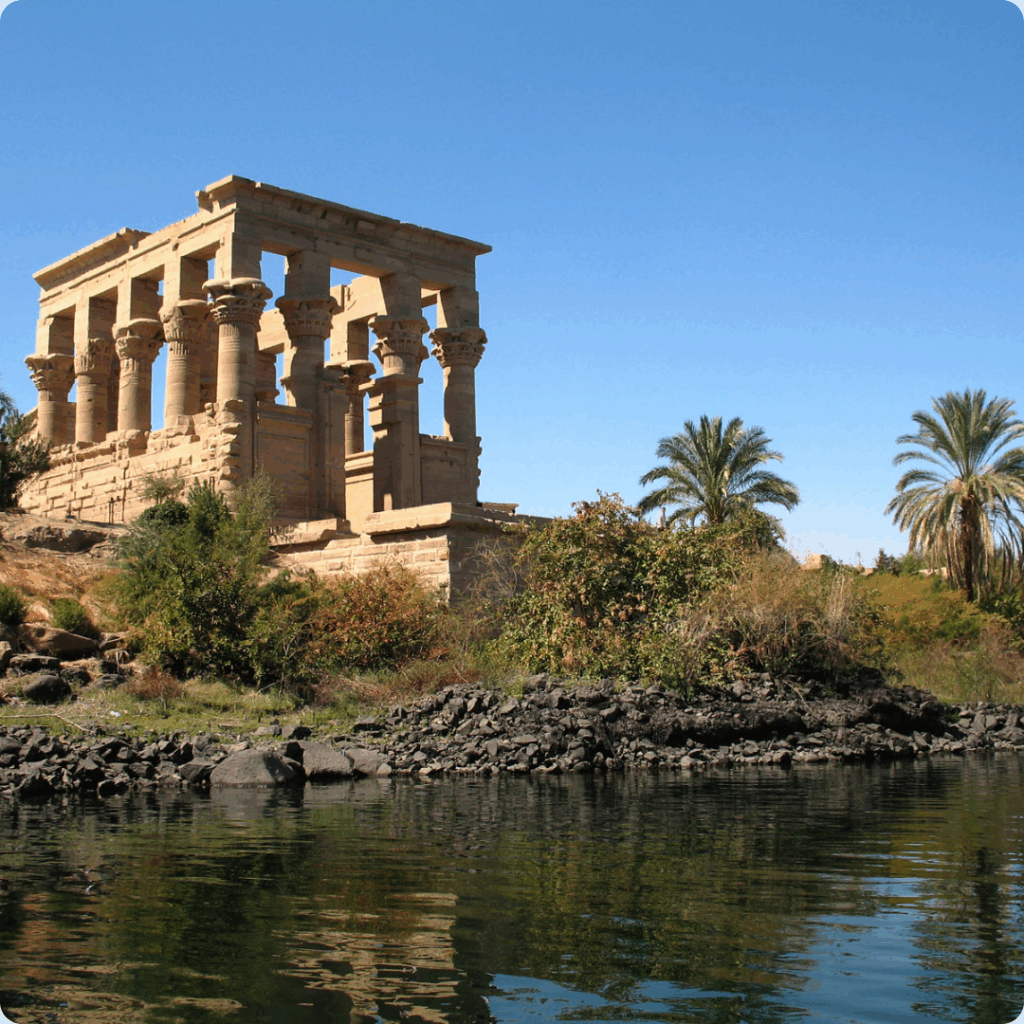
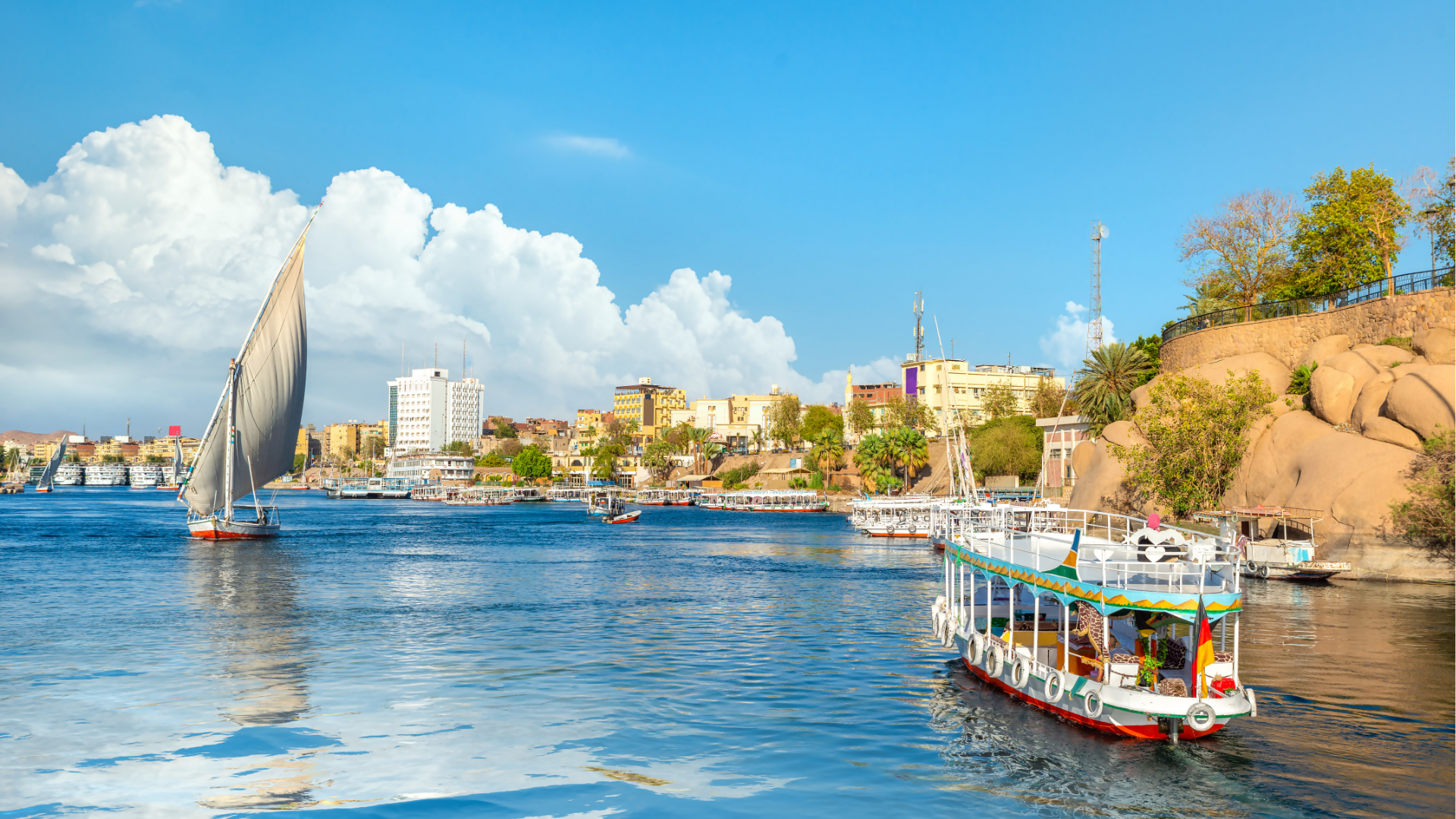
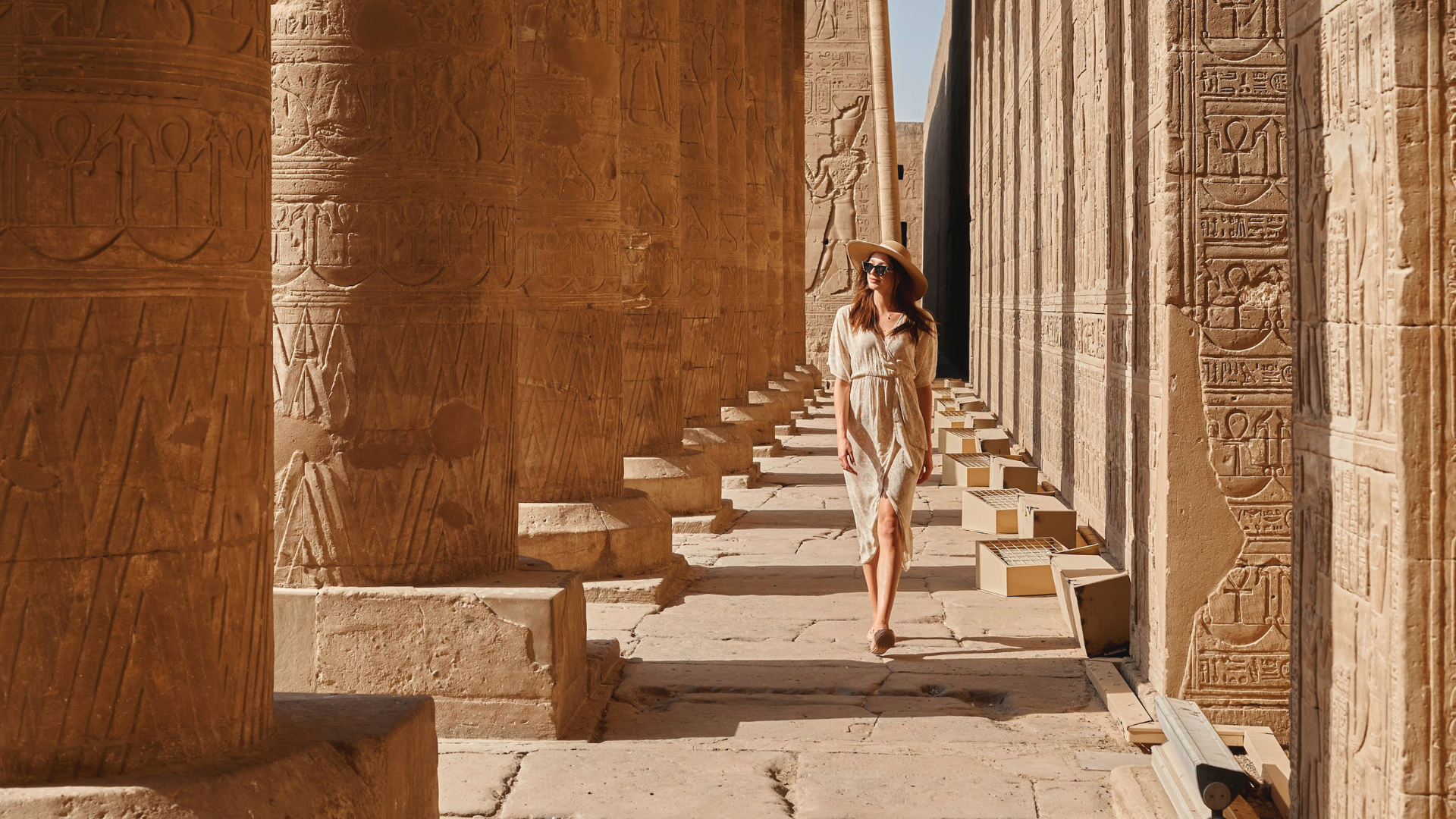
 Egypt’s landscapes are instantly recognisable, yet the same temple, riverbank or desert edge can feel entirely different depending on when they are approached. As the sun moves, colours deepen or fade, shadows lengthen and the energy of each setting shifts…
 " alt="">
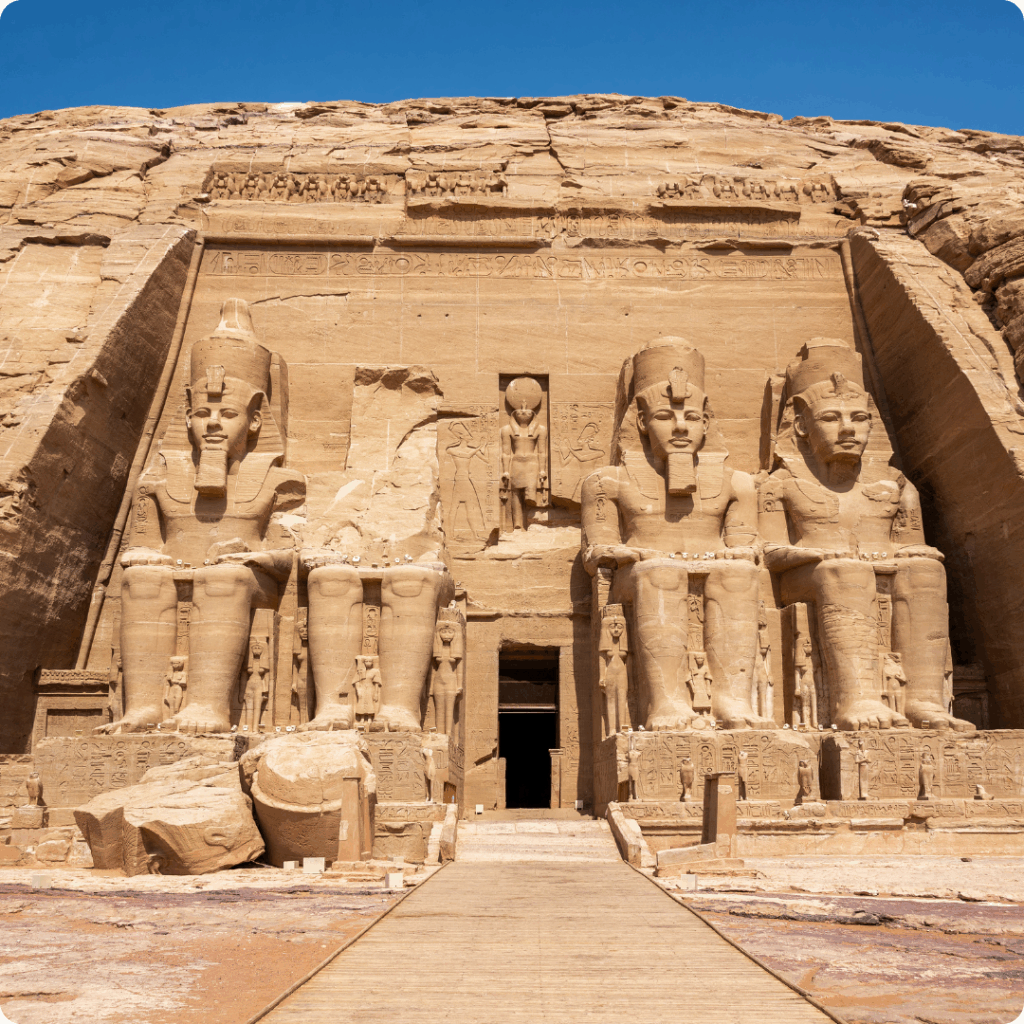
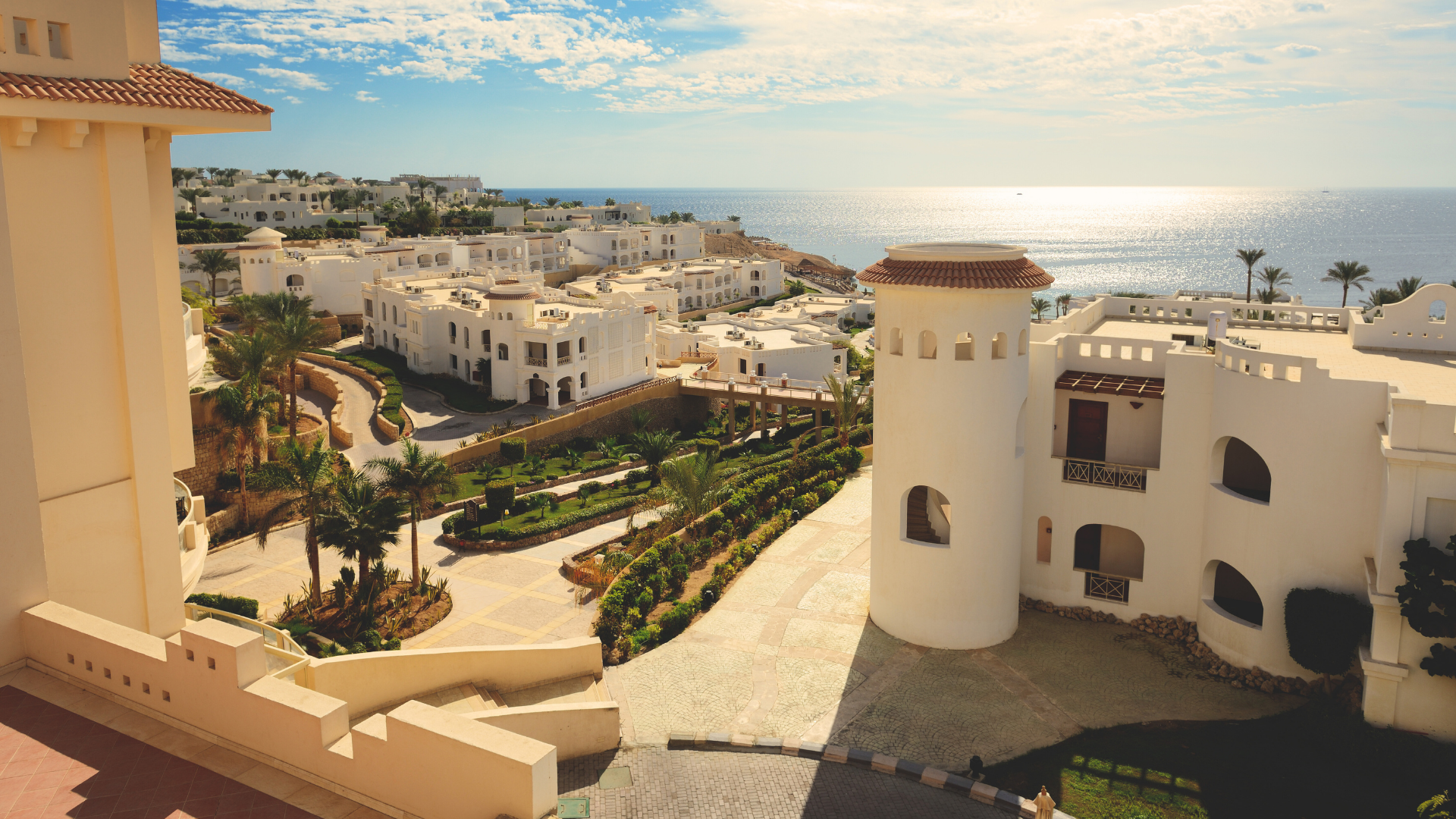
 Egypt is often viewed through a singular lens, defined by its monumental icons and ancient wonders. The Great Pyramids, the Sphinx and the Nile have captivated travellers for centuries. Yet beyond these headline sites lies a country of remarkable depth…
 " alt="">
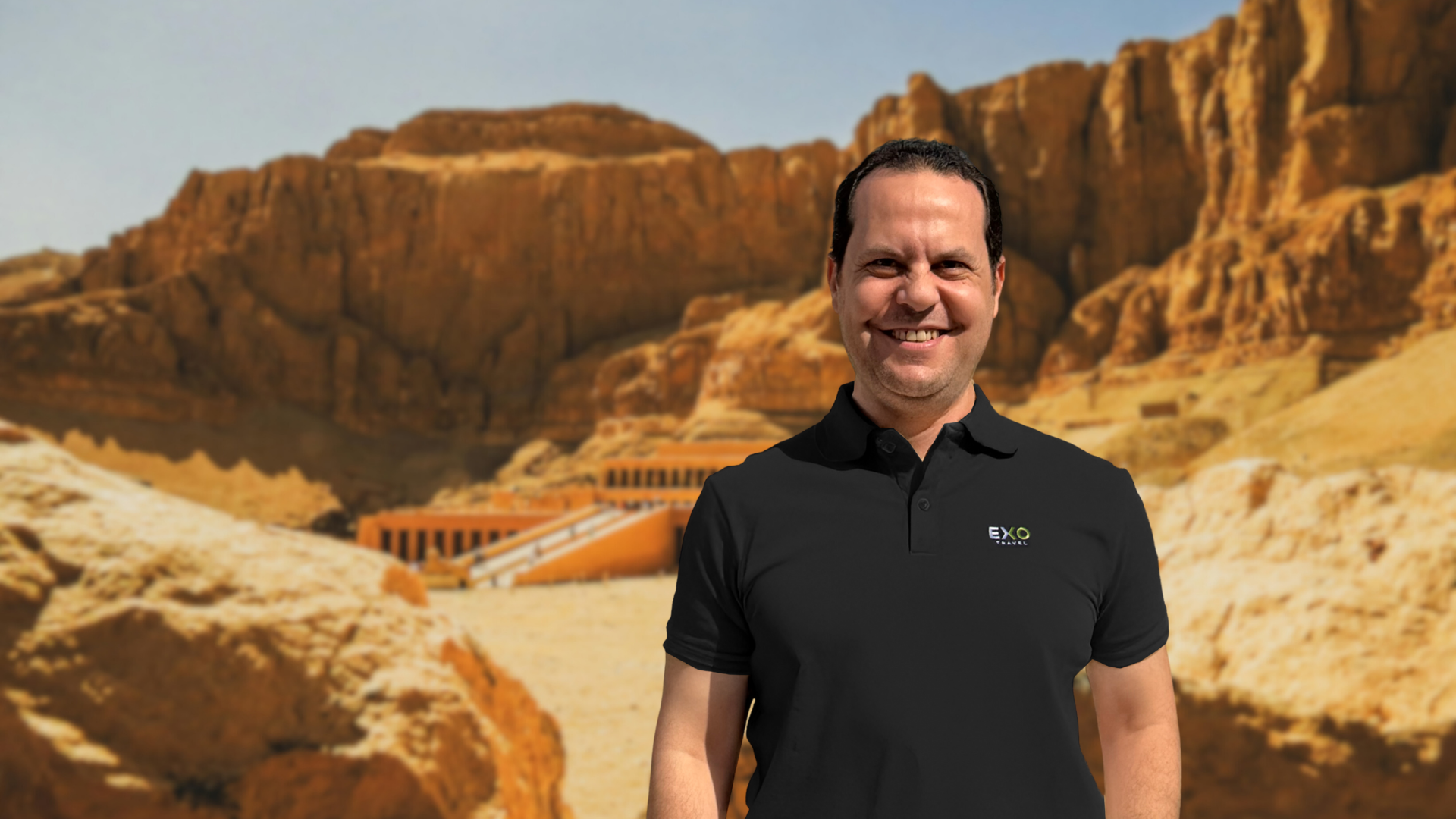
 Get to know Mohamed With 25+ years in global hospitality and luxury travel, Mohamed Ismail has led senior country and general management roles, built and scaled teams and overseen multi-market operations. He holds a Bachelor’s degree and an MBA in…
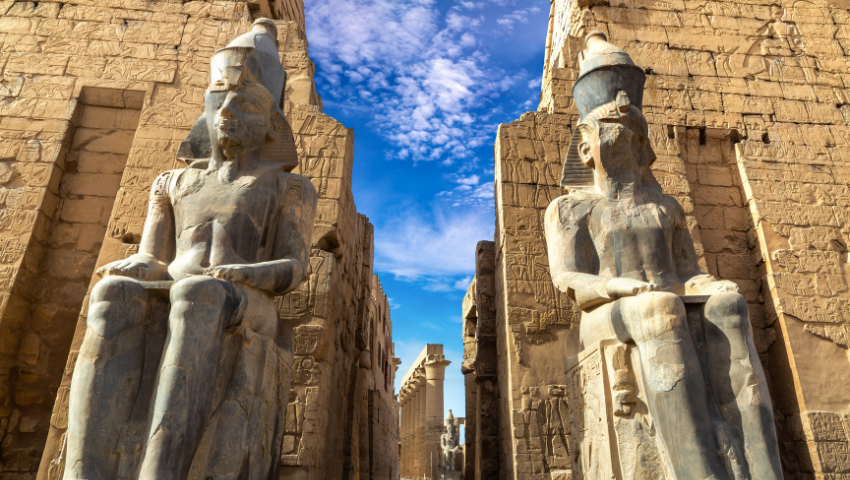
Getting started:Egypt in a nutshellEgypt is not a destination that needs an introduction. For millennia it has lived in the imaginations of people around the world as a symbol of history, mystery and civilisation itself. From the great pyramids rising…
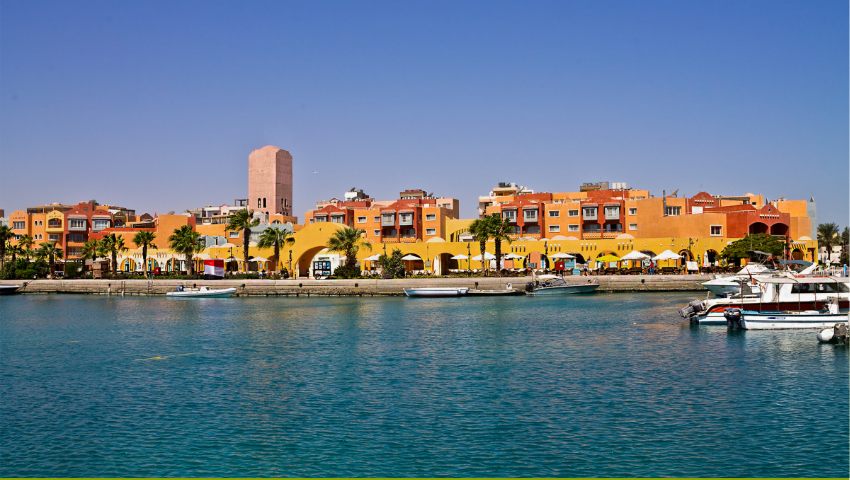
Hurghada & Marsa Alam at a Glance Year-round sunshine and warm watersExcellent diving and snorkelling with colourful coral reefsWide range of resorts from luxury to family-friendlyEasy international access, especially from EuropeLaid-back coastal towns with strong resort infrastructure Hurghada and Marsa…
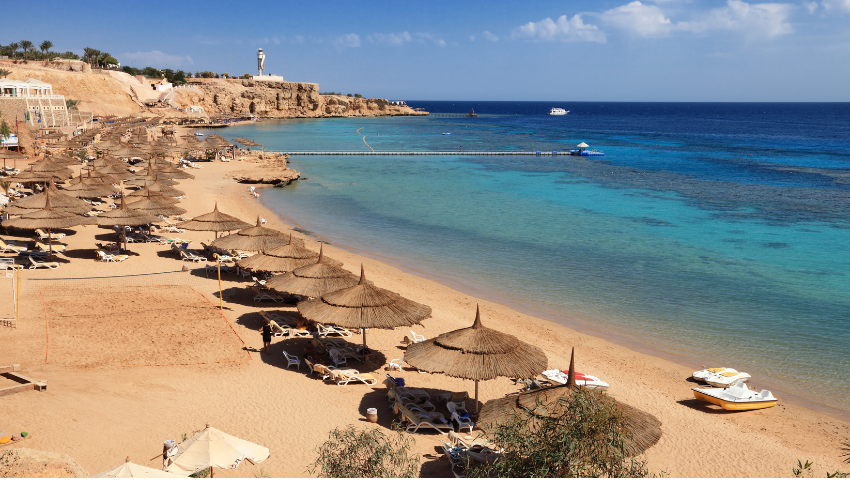
Sharm El Sheikh at a Glance Egypt’s leading Red Sea resort townWorld-class diving and snorkelling in Ras Mohammed and Tiran IslandWide choice of luxury hotels, family resorts and boutique staysYear-round sunshine with mild winters and hot summersDirect international connections from…