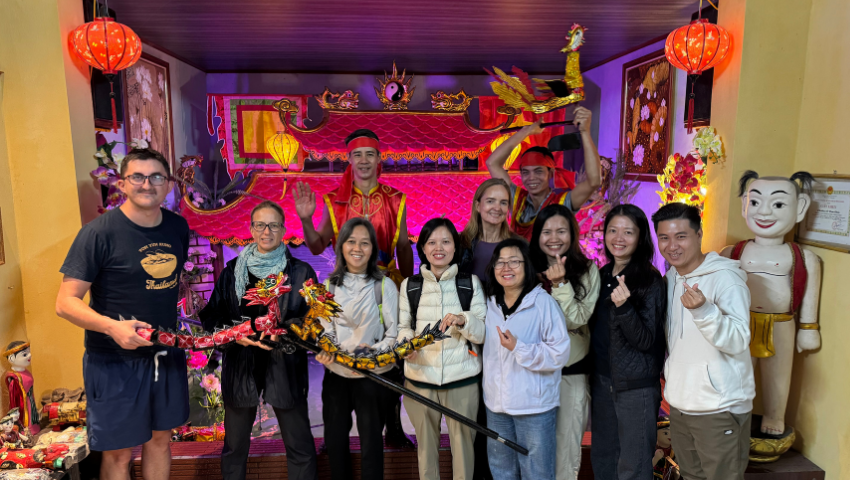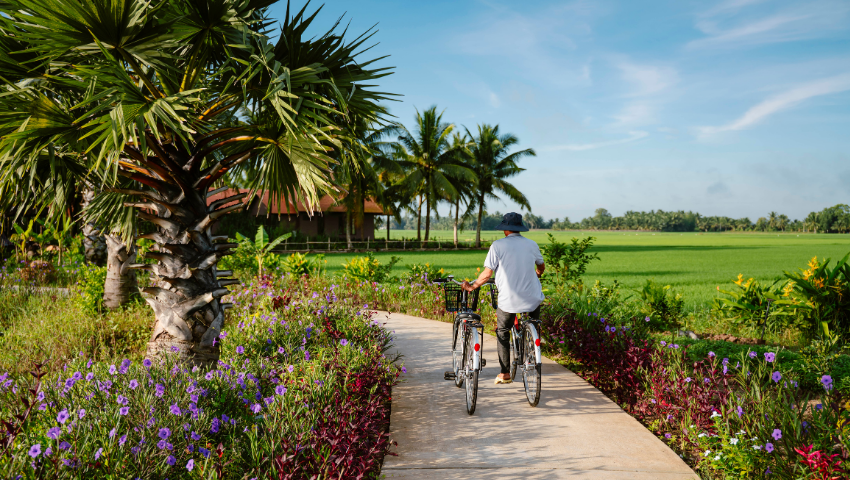

Getting started:
Vietnam in a nutshell
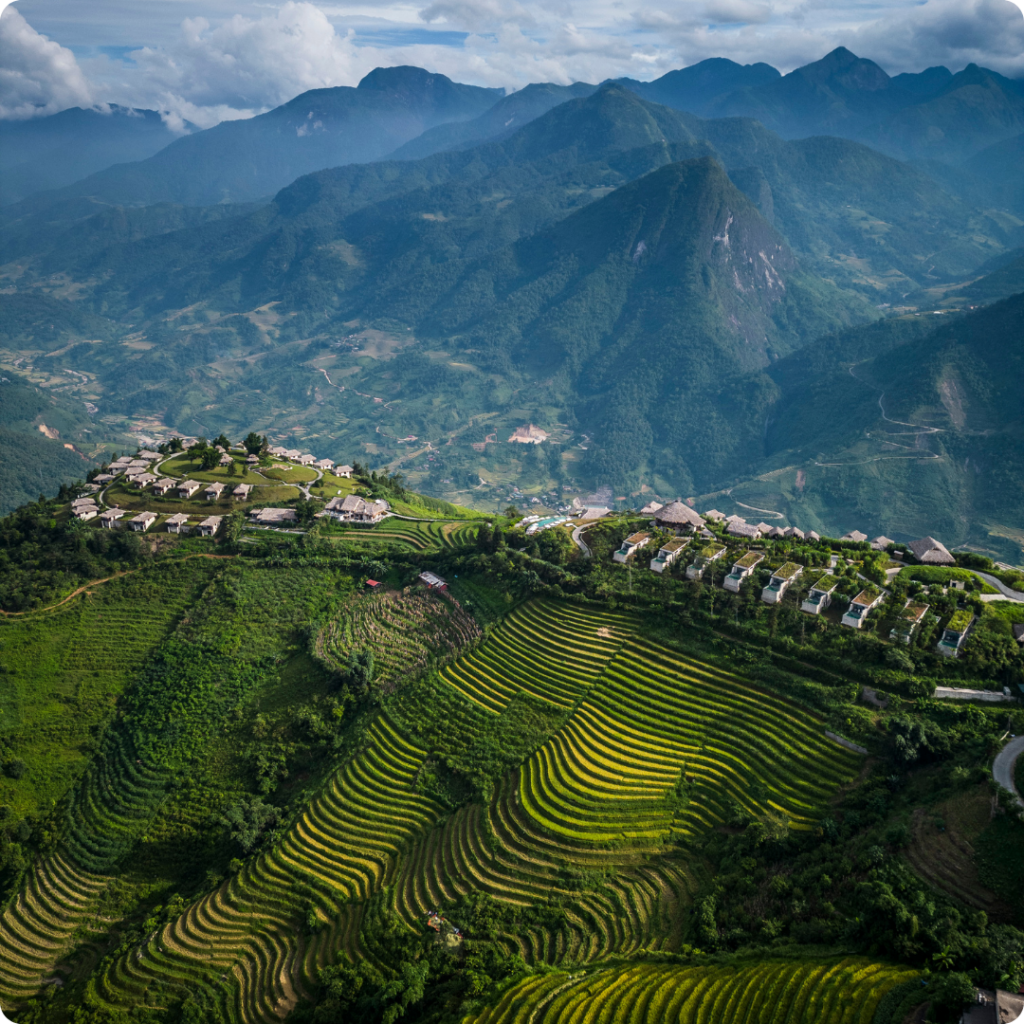
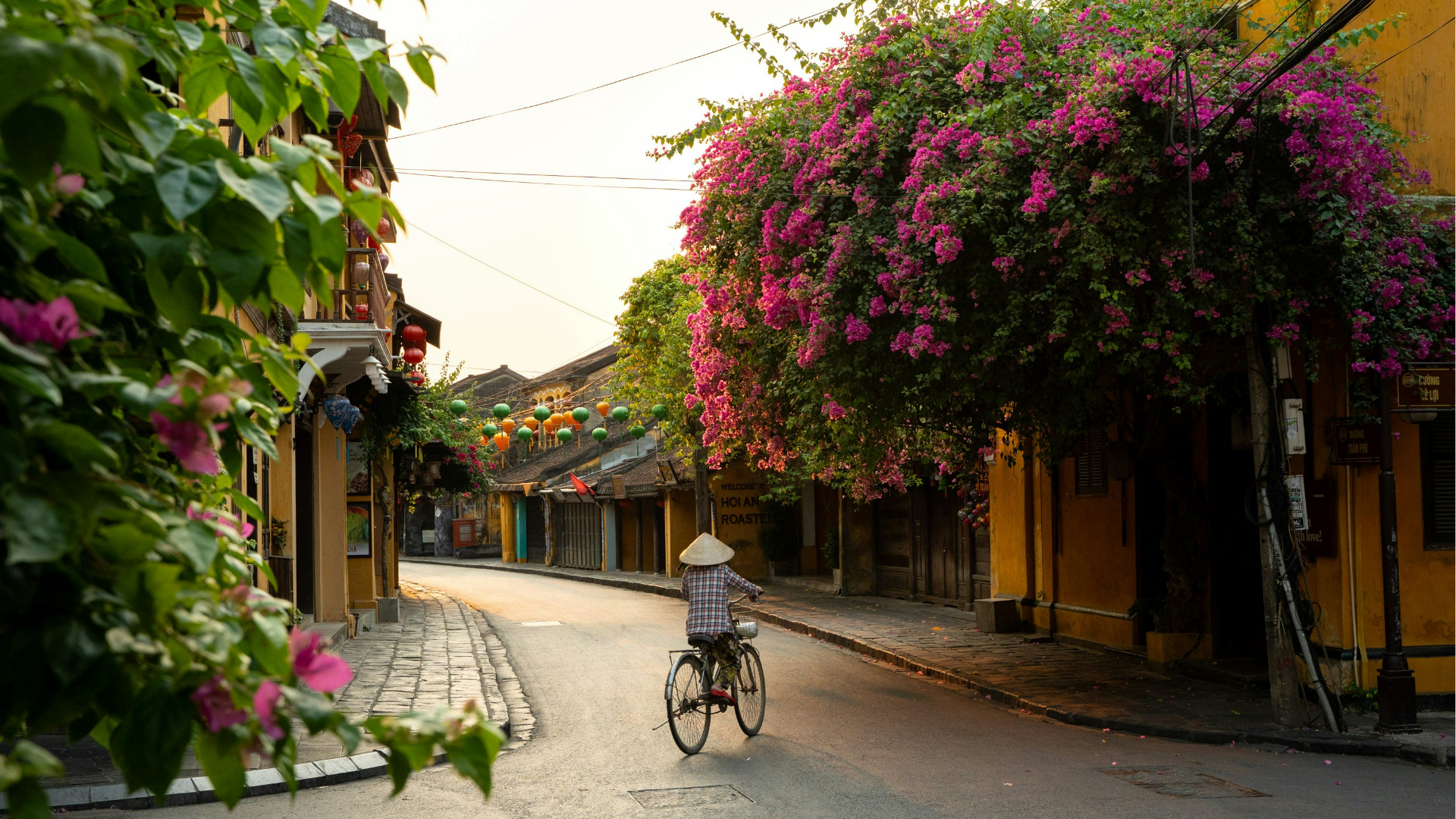
Vietnam is one of Asia’s most versatile destinations, with plenty of interesting options for all types of travellers. All within one journey, travellers might wander through lantern-lit old towns, cruise limestone bays, trek between terraced rice fields or enjoy some of the region’s most exciting cuisine. The country’s geographical diversity means every region has its own story, flavours and visual identity.
Despite its growing popularity, there are still plenty of regions that remain largely untouched and full of authentic encounters awaiting slower pace trips. Travel is smooth and welcoming. Domestic flights link key regions easily, accommodation ranges from boutique riverside hotels to world-class beach resorts, and the culinary scene, whether street food or fine dining, is often a highlight of every trip.
What resonates most with visitors is the warmth of local people and the fascinating cultural layers shaped by dynasties, French-era architecture and ethnic minority heritage. Below, we outline some key tips for matching the right Vietnam itinerary with your clients.
Vietnam’s top-selling regions:

Best times to visit Vietnam
Vietnam spans multiple climate zones, so understanding seasonality is essential for designing the perfect itinerary. To highlight regional nuances, EXO divides the country into three main geographical areas, each with distinct climatic patterns:
North Vietnam: Hanoi, Halong and Lan Ha Bay, Sapa, Ha Giang, Ninh Binh
Central Vietnam: Hue, Danang, Hoi An, Phong Nha, Quy Nhon
Southern Vietnam: Ho Chi Minh City, Mekong Delta, Con Dao, Phu Quoc, Nha Trang
The north experiences four distinct seasons, the south has a more stable warm climate with a defined dry and wet season, while central Vietnam sees moderate temperatures with a pronounced wet–dry pattern and occasional typhoons.
For more information, head to our season-by-season guide for Vietnam.
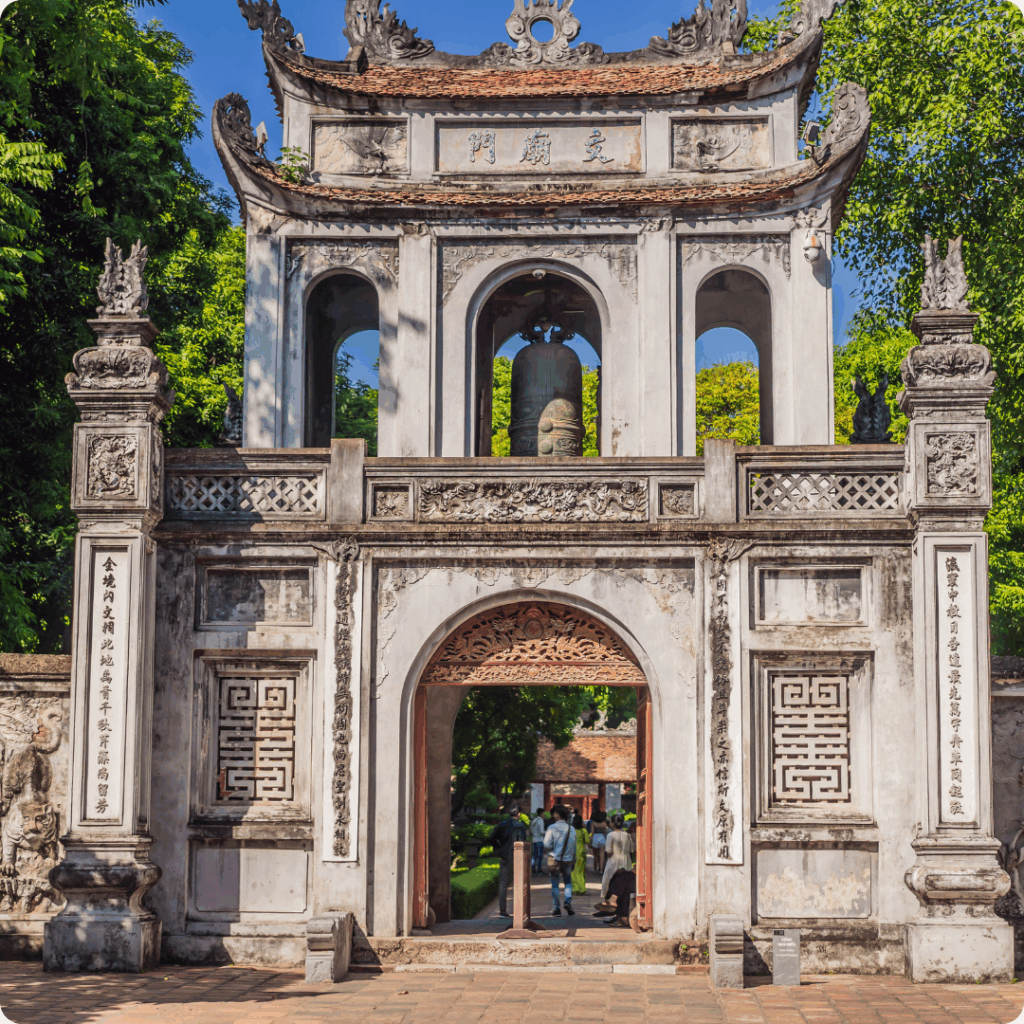
Vietnam culture & etiquette
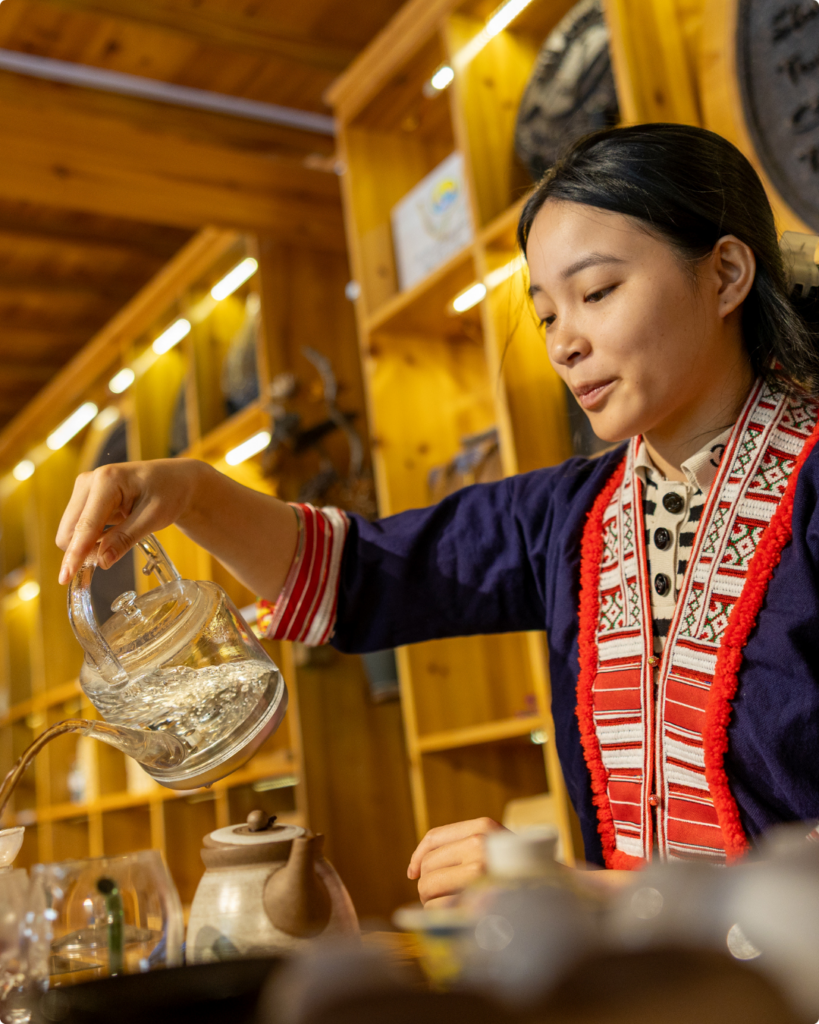
Religious sites:
Temples and historic sites require modest attire, especially in active worship areas. Visitors should avoid stepping over thresholds or disrupting people at prayer.
Street life:
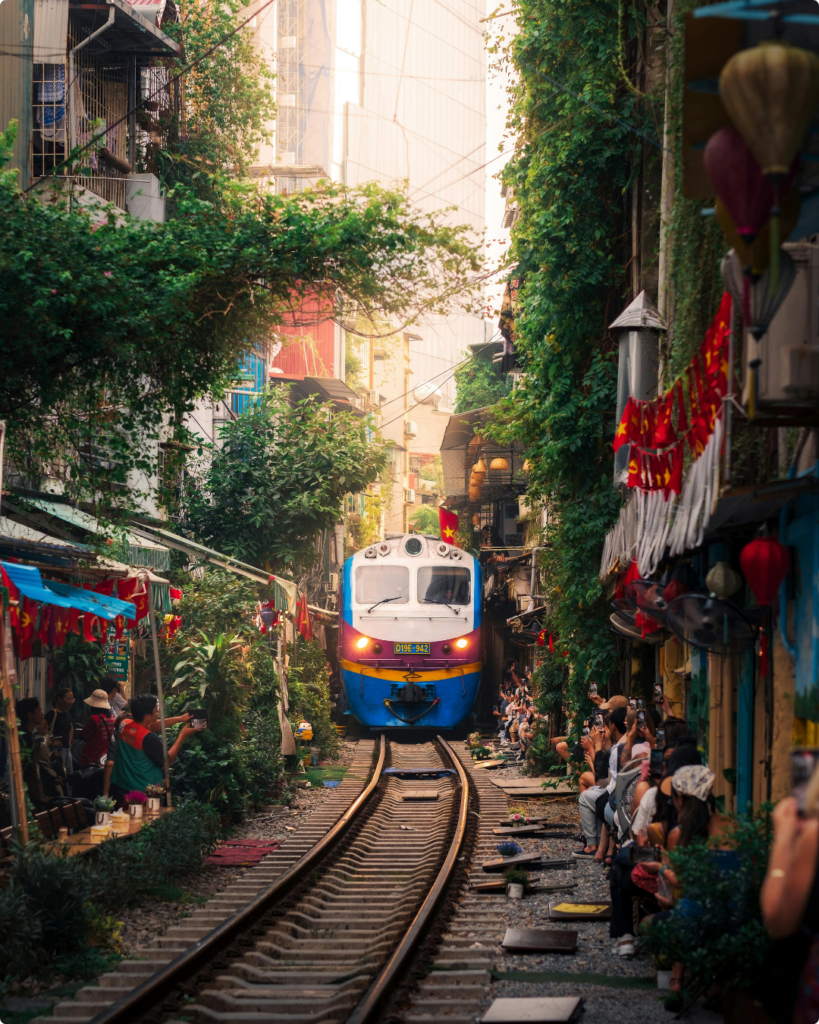
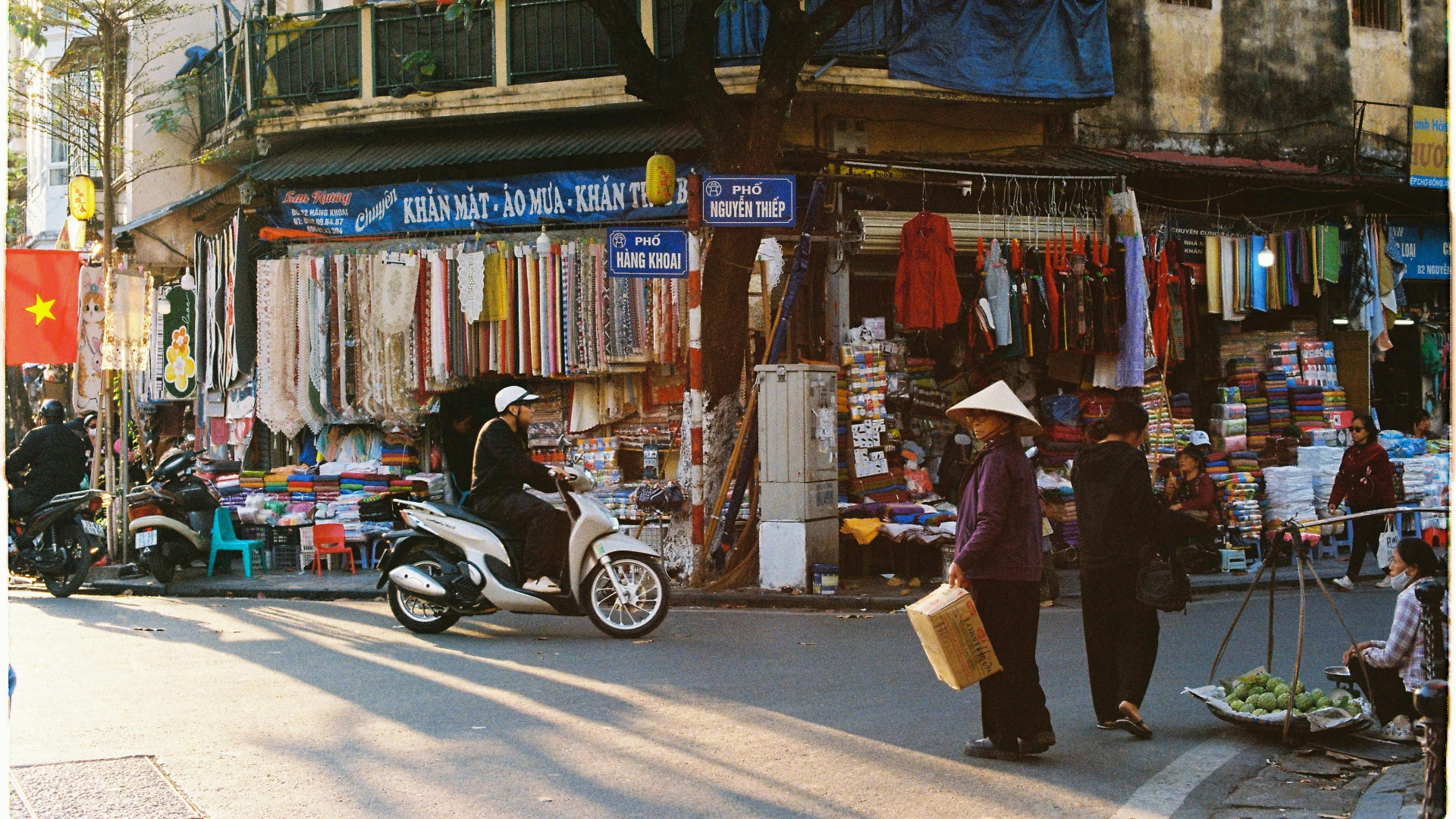
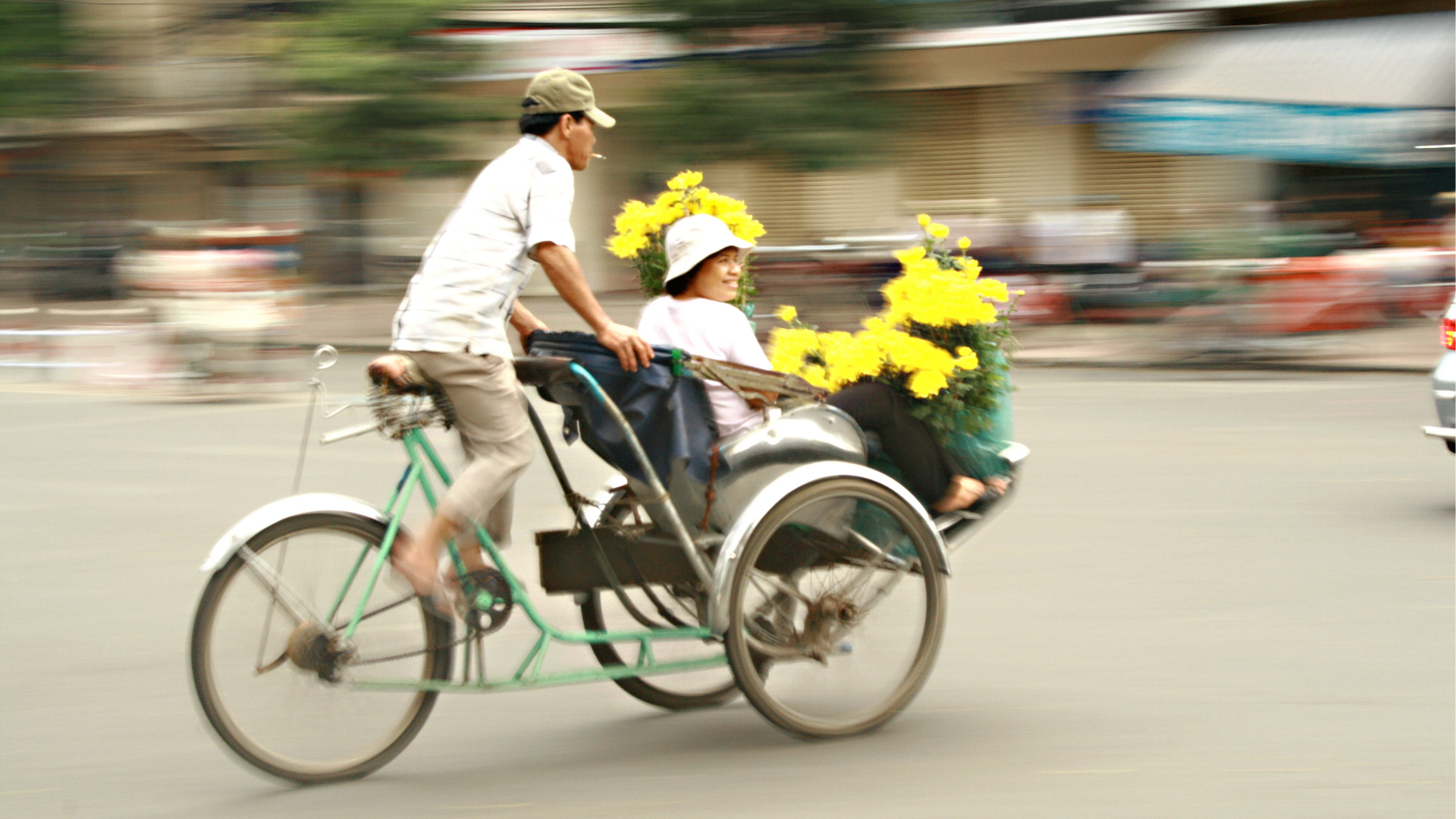
Vietnam’s cities are lively and communal, with markets, cafés and daily activity spilling into pavements and alleyways. Travellers are recommended to embrace the excitement, following the pacing of other locals.
Respectful customs:
Village and home visits often begin with an offer of tea, which is best accepted, even briefly. Photography is generally welcomed in cities, but asking permission in rural areas or among ethnic minority groups shows respect.
Bargaining:
Common as part of market culture but should be light-hearted.
Tipping:
Appreciated for guides, drivers and service staff, reflecting growing norms in the tourism industry.
Accommodation insights
Vietnam’s accommodation offering has expanded significantly over the last years, providing excellent options across all categories. Heritage boutique hotels in Hanoi, Hue and Hoi An are ideal for culture-focused travellers, offering intimate service and architectural character. The central coast and islands such as Phu Yen, Quy Nhon, Phu Quoc and Con Dao host a range of high-end beach resorts with strong wellness, spa and family facilities.
Halong and Lan Ha Bays feature luxury cruises with spacious suites, refined dining and curated activities. In rural regions such as Pu Luong, Mai Chau and the Mekong Delta, eco-lodges and homestays provide immersive experiences and direct engagement with local communities. Families can enjoy the resort infrastructure in Danang, Phu Yen, Quy Nhon and Cam Ranh, while food and design focused travellers gravitate towards stylish lifestyle hotels in Hanoi and Saigon.
Dining & cuisine
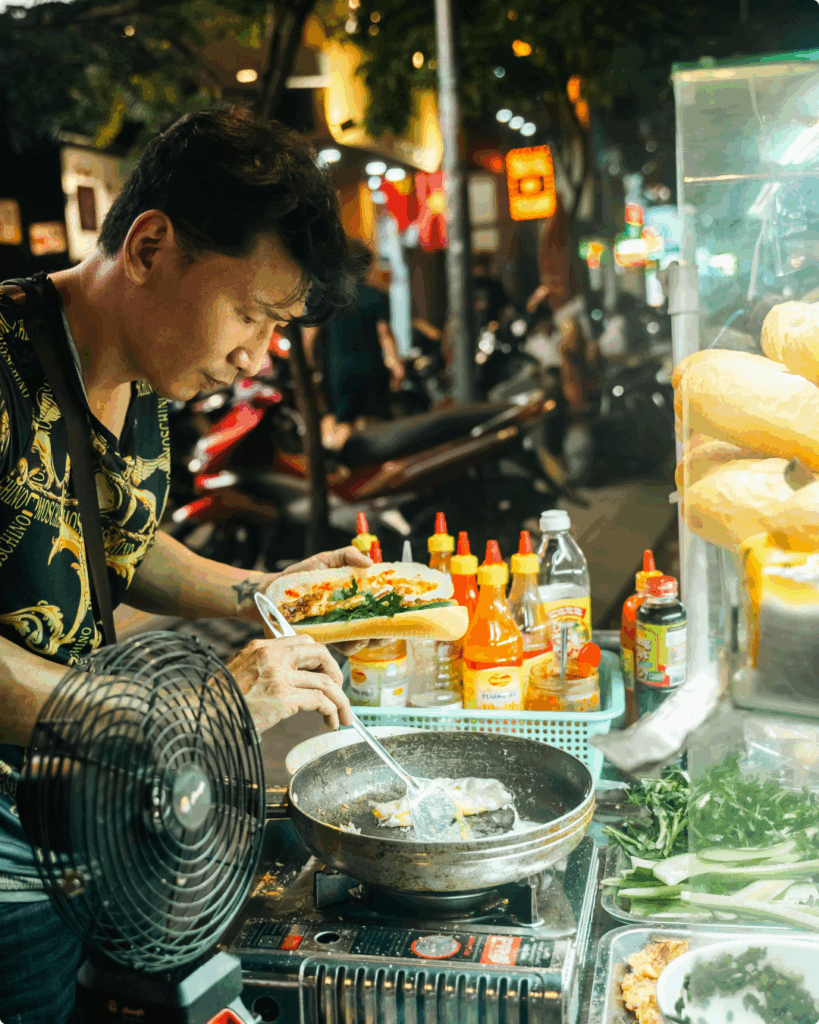
Vietnamese cuisine is shaped by its regional diversity, with each area offering flavours that reflect its climate and local produce.
In the north, dishes tend to be lighter and more delicate, often built around clear broths and fresh herbs. Central Vietnam is known for richer, spicier cooking and refined recipes influenced by the former imperial court. The south features sweeter, more tropical flavours, with abundant fresh vegetables, coconut-based dishes and vibrant street markets offering quick, freshly cooked meals.
Travellers can explore these regional differences through guided street-food tours, visits to local markets, contemporary Vietnamese restaurants and hands-on cooking classes. In major cities and resort areas, hotels and established eateries can usually accommodate most dietary requirements with advance notice, making food-focused travel both accessible and rewarding.
Getting in and out of Vietnam
- Airports: The main international gateways are Hanoi (Noi Bai), Ho Chi Minh City (Tan Son Nhat) and Danang.
- Flight connectivity: Strong regional links with Thailand, Singapore, Malaysia, Cambodia, Laos, Korea and Japan.
- Visas: Many nationalities require an e-visa; processing is straightforward but should be completed prior to arrival.
- Domestic travel: Frequent flights connect major hubs, and improving road networks make overland journeys comfortable.
- Rail: The north–south Reunification Line offers scenic segments for travellers with more time. Additional notable routes include the Vietage luxury carriage between Quy Nhon and Danang, and the Hanoi–Lao Cai service, which serves as the rail gateway to Sapa.
- Border travel: The Mekong Delta facilitates boat routes into Cambodia, while overland crossings exist with Laos and China.


Matching Vietnam with your clients
Vietnam’s range of landscapes, activities and cultural experiences allows it to be matched with a wide variety of traveller profiles.
Luxury travellers:
Boutique hotels in heritage cities, premium coastal resorts and high-end cruises in Halong and Lan Ha make Vietnam strong for bespoke itineraries. Suggest private culinary experiences, meaningful connections with locals, exclusive access to craft workshops or curated market tours.
Adventurers & active travellers:
Trekking in Sapa or Pu Luong, kayaking in Lan Ha Bay and cycling in Hoi An’s countryside appeal to active clients seeking varied terrain.
Romantic couples:
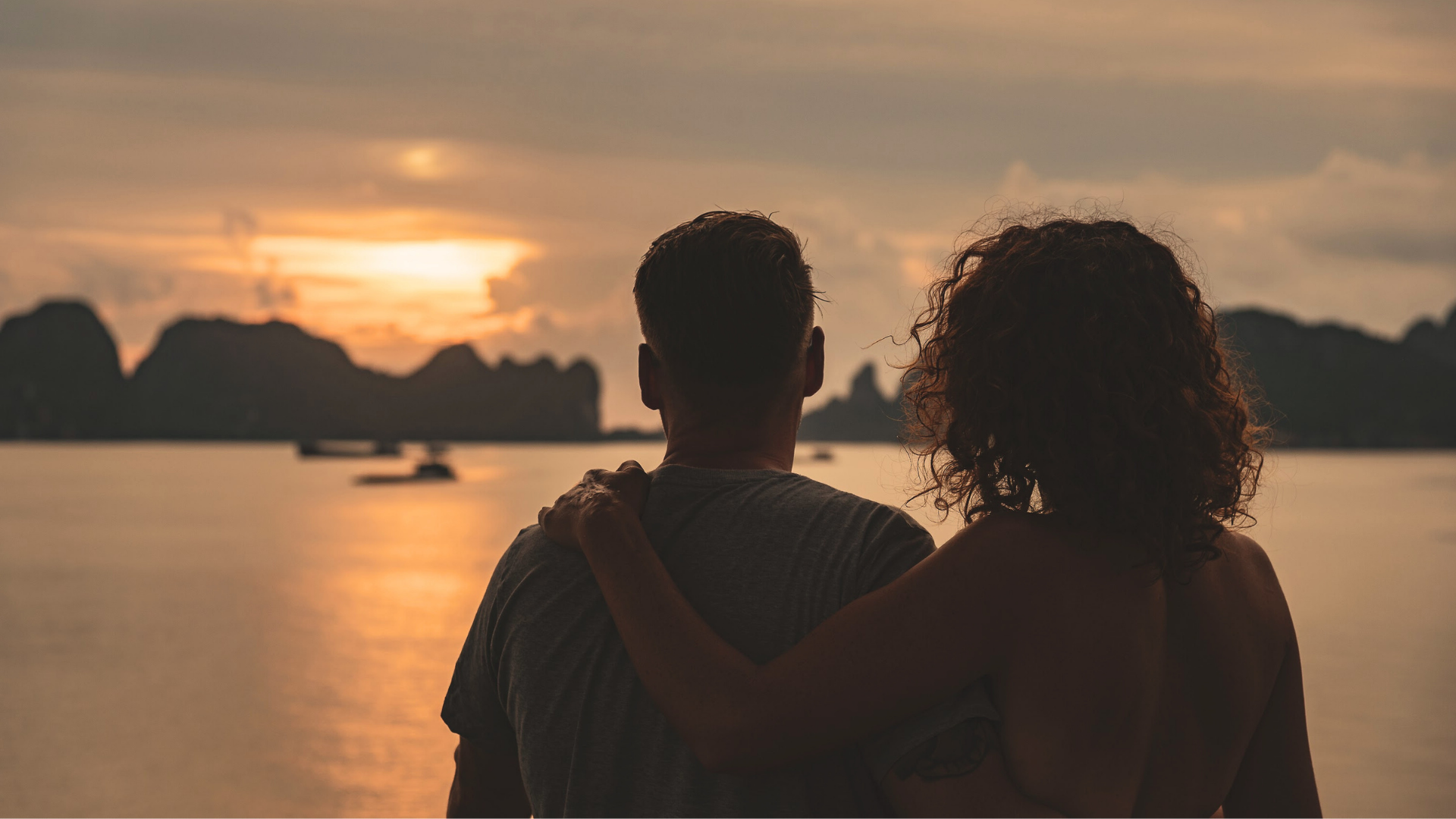
Hoi An’s ambience, quiet cruises, private balcony cabins, spa treatments and beach resorts along the central coast create ideal romantic settings.
Families & multigenerational groups:
Vietnam is easy to navigate, safe and full of family-friendly activities. Cooking classes, cycling through rice fields, lantern-making and gentle market visits suit a range of ages.
Foodies:
Ideal for travellers interested in regional cuisine, street-food tours, noodle workshops, wet markets and fine-dining restaurants showcasing modern Vietnamese cooking.
Cultural travellers:
Hue’s imperial sites, Hanoi’s craft traditions, ethnic minority cultures in northern highlands and historic sites around Ho Chi Minh City provide rich context.
Wellness seekers:
Central Vietnam’s resorts offer excellent spa programmes, yoga, wellness retreats and long stretches of quiet beach.
Repeat or slow travellers:
Encourage extended stays in less-visited regions such as Quy Nhon, Pu Luong, Mai Chau, Phong Nha or the Mekong Delta.
Beach seekers & island escape clients:
Danang, Hoi An, Quy Nhon, Cam Ranh and Phu Quoc offer strong beach options, especially from Feb–Aug in the central region.
Responsible travel & local impact
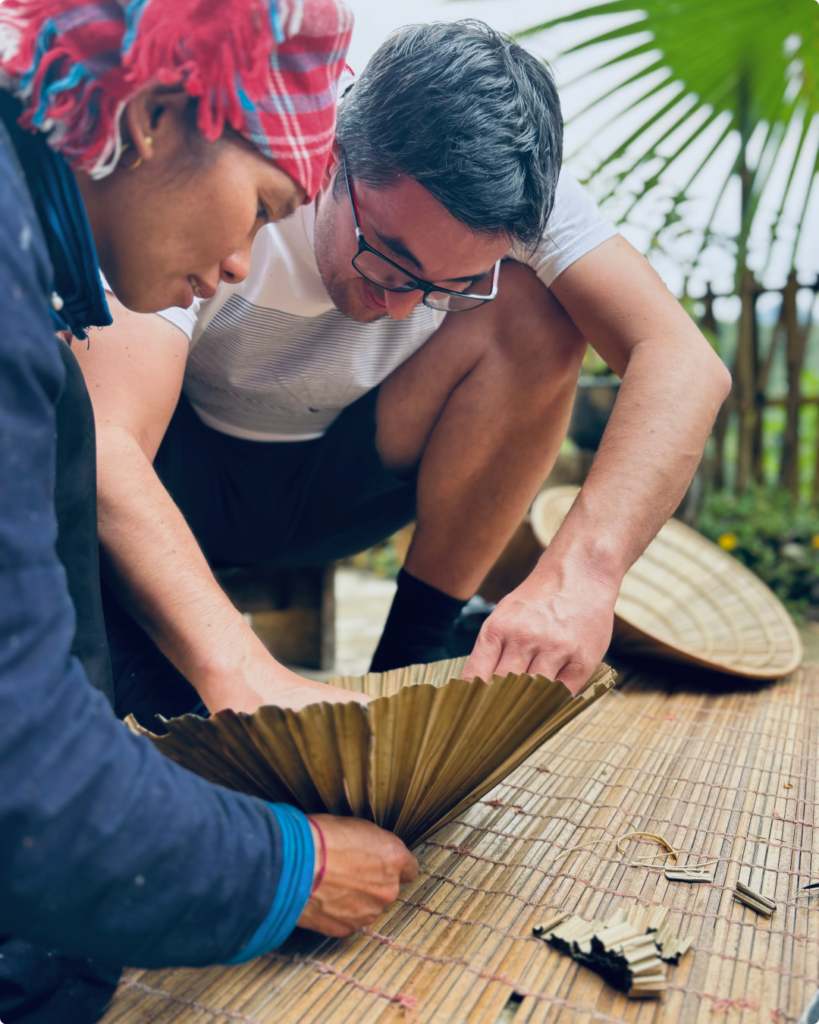
Community Based Tourism: Choose homestays, handicraft workshops and village-led experiences in areas such as Ninh Binh, Mai Chau, Pu Luong and the Mekong to ensure benefits stay within local communities.
Nature & Wildlife Protection: Avoid attractions involving captive or performing animals and instead promote reputable conservation areas like Phong Nha–Ke Bang, Cuc Phuong and Cat Ba.
Cultural sensitivity: Ethnic minority regions in the north have distinct customs, so travellers should follow guide advice on appropriate behaviour, photography and visiting protocols.
Eco-Practices: Encourage refillable water, reduced single-use plastics and reef-safe products, particularly in beach destinations and on Halong/Lan Ha cruises.
Local contribution: Travellers wishing to support further can choose community enterprises, social businesses or vetted NGOs focused on education, conservation and skills development.
Logistics & ground realities
Transport: Private transfers with a local guide are the most reliable way to travel between regions, with domestic flights shortening long distances.
Cruise considerations: Halong and Lan Ha Bay itineraries may adjust due to weather, especially during the July–September storm period.
Currency: Vietnamese dong (VND) is used for most purchases; cards are widely accepted in cities but less common in rural areas.
Connectivity: 4G coverage is strong across major regions, and pocket WiFi can be arranged for travellers if needed.
Healthcare & safety: International-standard clinics are available in Hanoi, Danang and Ho Chi Minh City; filtered or bottled water is recommended.
Accessibility: Modern hotels offer good accessibility, though older buildings, historic sites and rural areas may have uneven terrain or limited facilities.
Final tips for travel designers:
- Vietnam works excellently as a stand-alone destination or combined with Cambodia and Laos.
- Consider regional seasonality carefully when designing itineraries, especially for beach and cruise components.
- Balance city visits with time in rural areas or along the coast for a more complete experience.
- Multi-night stays in central Vietnam help slow the pace and allow guests to enjoy both cultural and coastal elements.
- Utilise EXO’s on-the-ground knowledge for insider experiences, responsible travel options and seamless logistics.
Vietnam FAQ
How long do travellers need to see Vietnam properly?
Ten to fourteen days allows a balanced north–central–south itinerary; shorter trips should focus on one or two regions.
Are Halong and Lan Ha Bay cruises weather dependent?
Yes. Storms, especially from July to September, may affect routing or cause temporary port closures.
Is it easy to manage dietary restrictions in Vietnam?
Yes in cities and hotels, though rural areas may have limited options. Vegetarian dishes are widely available; gluten-free and halal options require advance notice.
How accessible is travel for families?
Very. Vietnam offers easy logistics, varied activities, family rooms and strong resort infrastructure, particularly along the central coast.
Do travellers need guides for rural or ethnic minority areas?
Yes. Guides provide cultural context, help navigate local customs and ensure respectful interactions.
Is Vietnam suitable for travellers who don’t like busy cities?
Yes. Countryside regions such as Ninh Binh, Mai Chau, Pu Luong, Quy Nhon and the Mekong offer quieter alternatives.
When are beaches at their best?
The coast from Danang and Hoi An south to Quy Nhon is usually best from March to September. Further south, the beach season in Nha Trang and Cam Ranh is generally longer, from January to September, while southern islands such as Con Dao and Phu Quoc are best from November to April. With such a long coastline, conditions can vary, so please contact us for more details.
Can travellers easily combine Vietnam with Cambodia or Laos?
Yes. Hanoi, Danang and Ho Chi Minh City have strong regional connections, and the Mekong Delta offers seamless cruise links with Cambodia.
Is tap water safe to drink?
No. Travellers should use bottled or filtered water provided by hotels and cruise boats.
What should travellers pack for Vietnam?
Light clothing, comfortable shoes, sun protection, insect repellent, a scarf for temple visits and layers for cooler northern winters.

 " alt="">
  " alt="">
  " alt="">
  " alt="">
  " alt="">
  " alt="">
 " alt="">