
Getting started:
Egypt in a nutshell
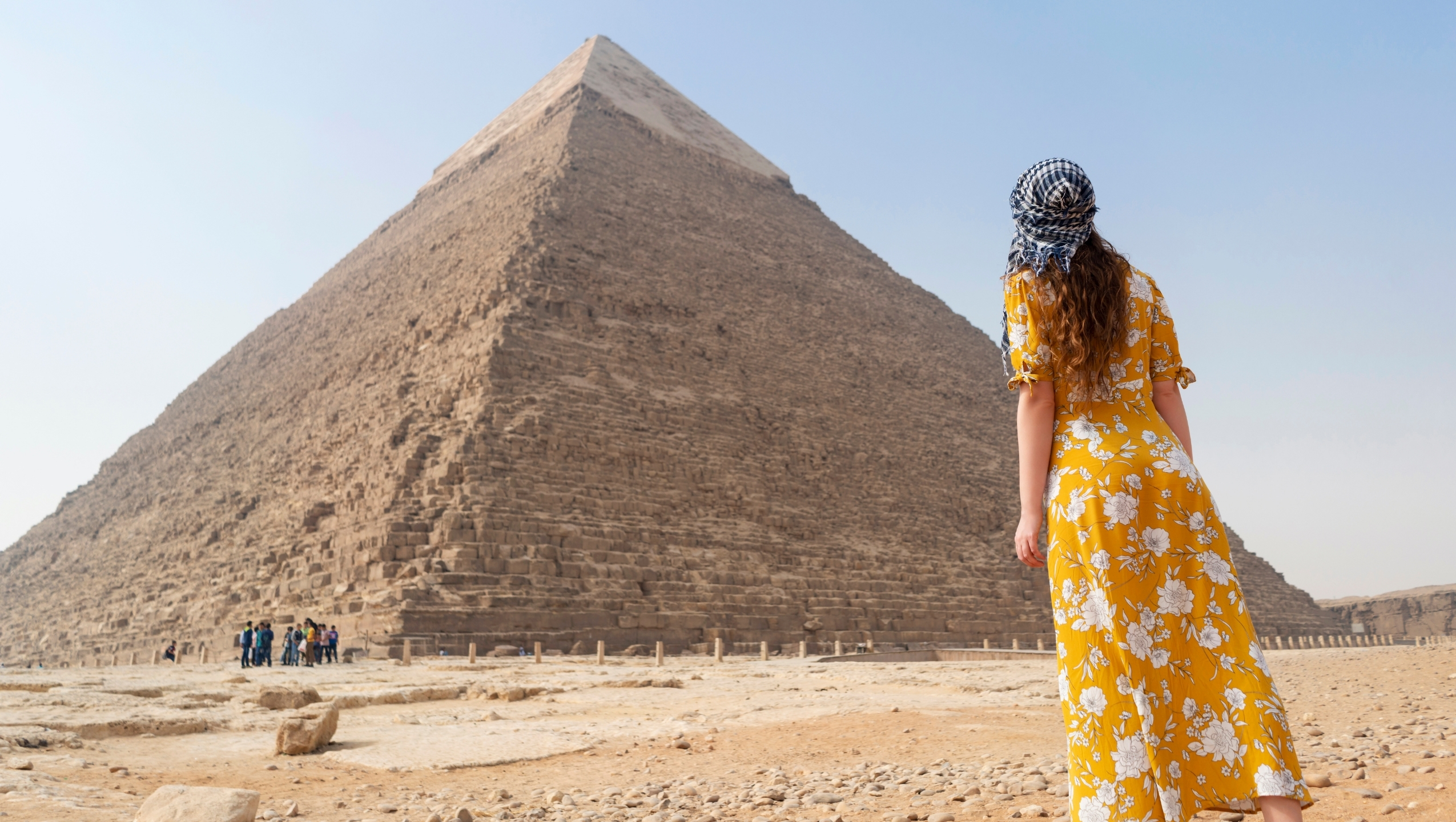
Egypt is not a destination that needs an introduction. For millennia it has lived in the imaginations of people around the world as a symbol of history, mystery and civilisation itself. From the great pyramids rising from the desert to tales of pharaohs, gods and explorers, Egypt has always been larger than life.
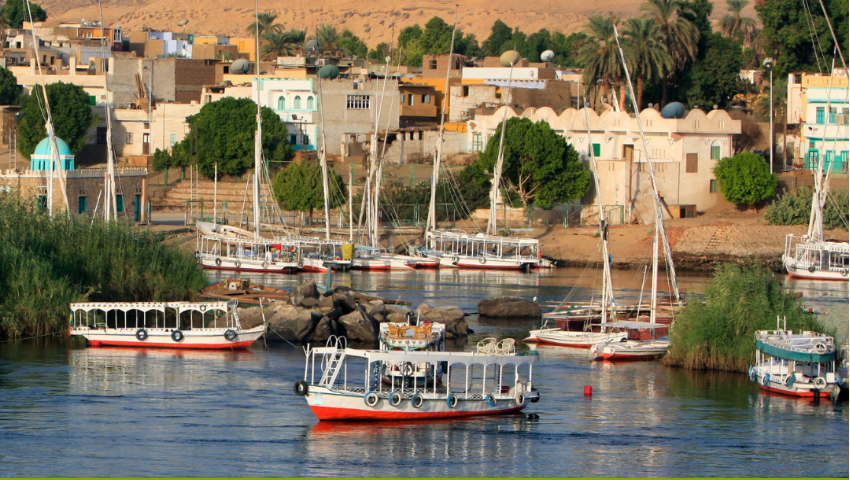
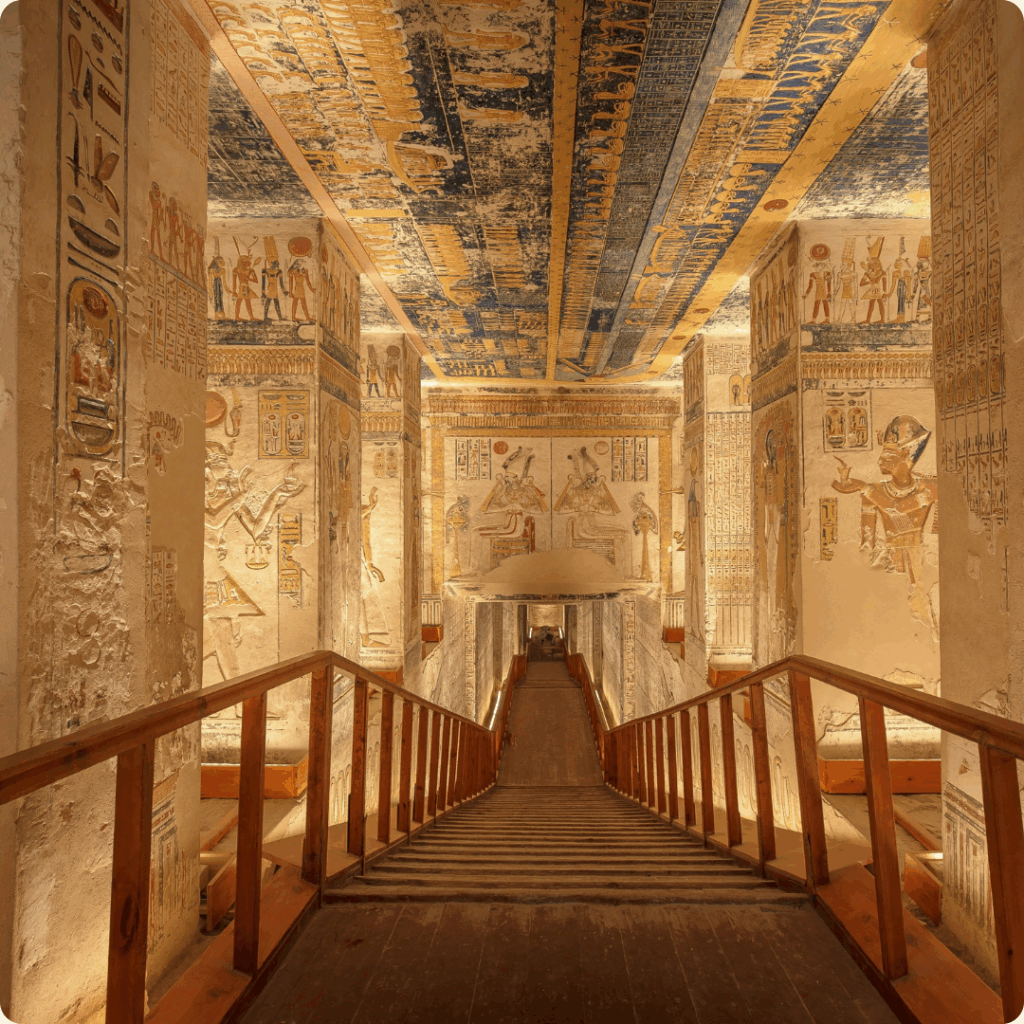
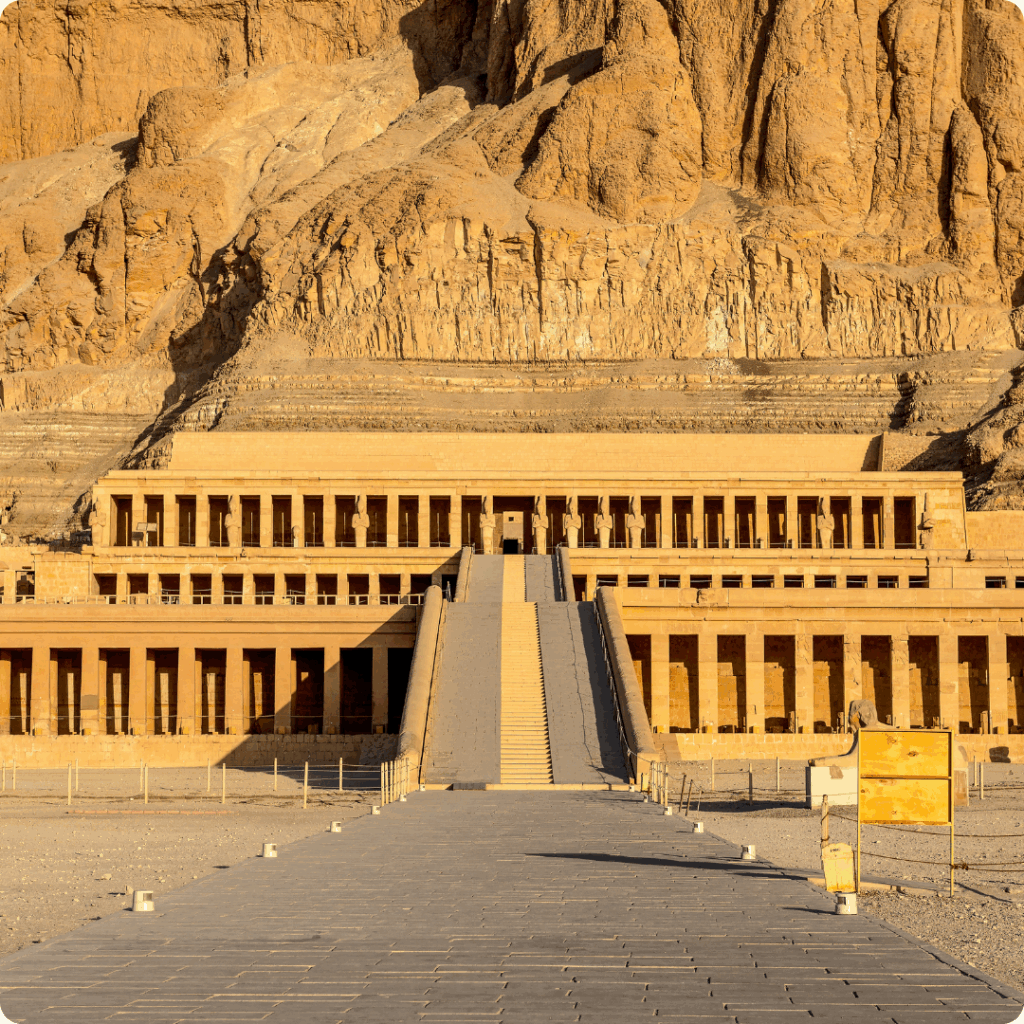
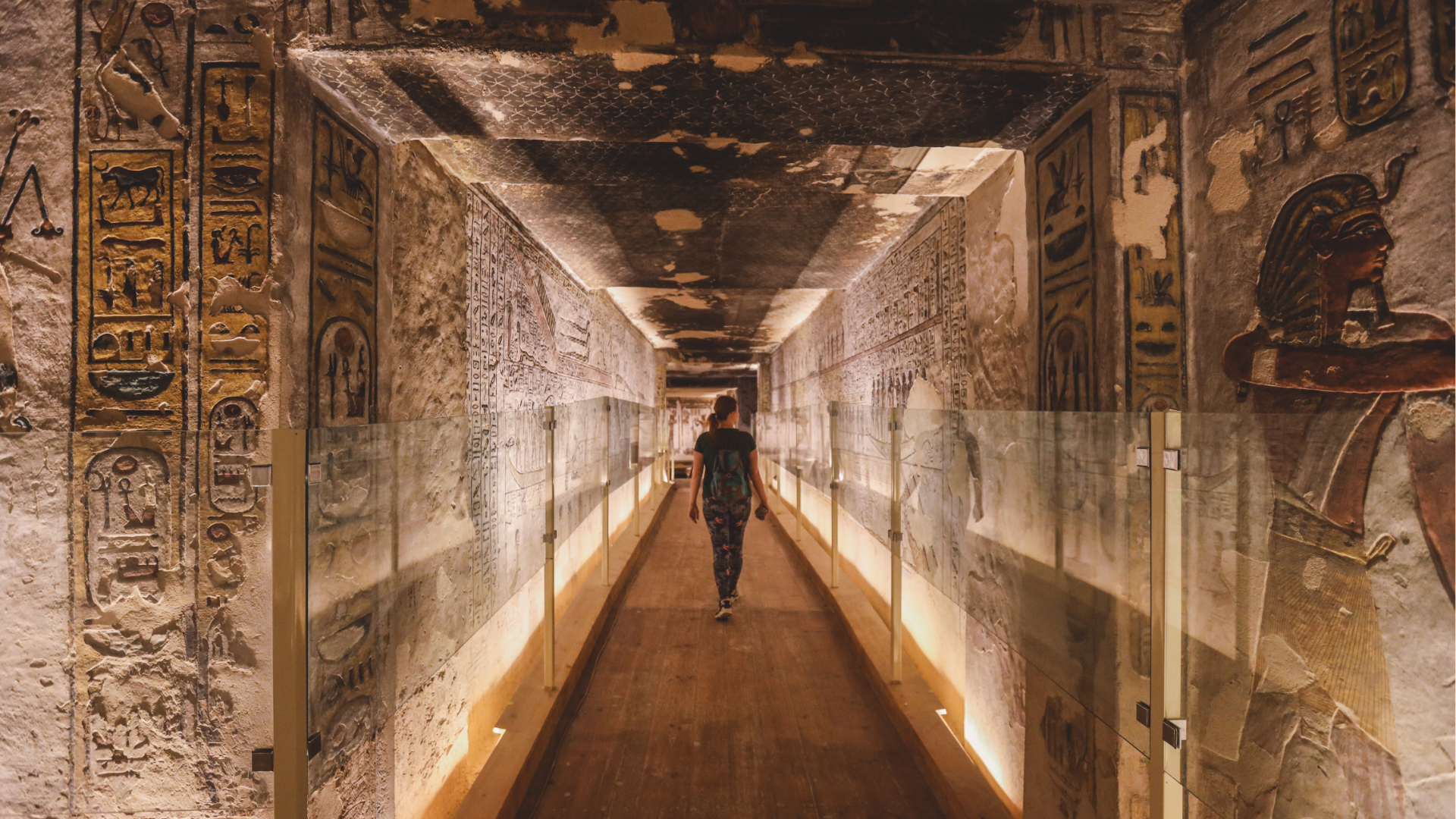
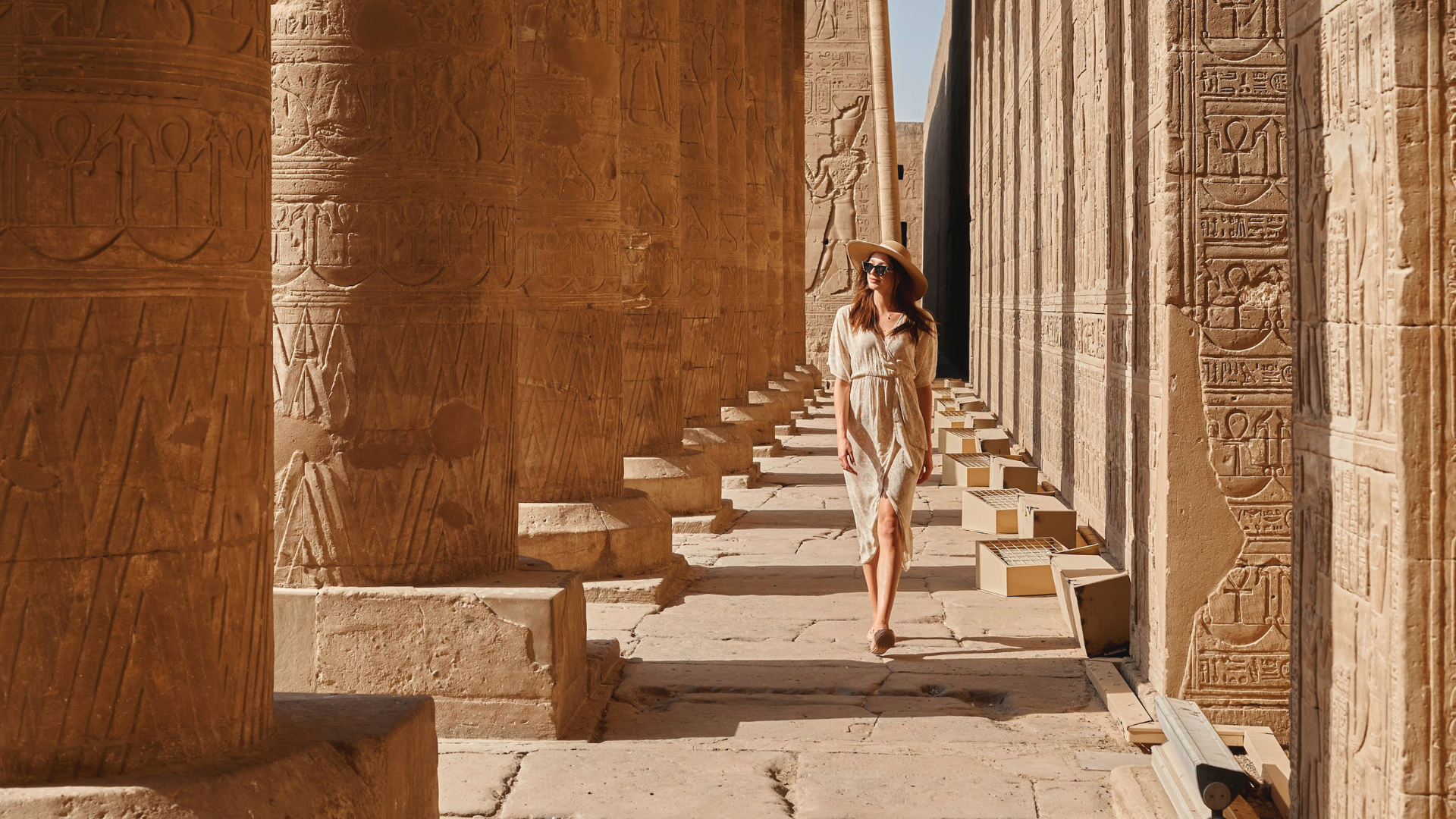
For travellers, a journey here is more than sightseeing, it is a chance to step into the stories that shaped humanity. The temples of Luxor, the Nile flowing endlessly north, the desert oases and the Red Sea coast all bring to life images that have inspired generations. Visiting Egypt allows your clients to transform ancient legends into personal encounters, creating journeys that resonate long after they return home.
Egypt’s top-selling regions:

Best times to visit Egypt
- Spring (March–May): Warm (20–30 °C), green landscapes along the Nile, perfect for sightseeing and desert excursions.
- Autumn (September–November): Comfortable days and cool evenings—excellent for temple visits, Nile cruises, diving and outdoor activities.
- Winter (December–February): Cool mornings and evenings (10–20 °C), sunny days—ideal for exploring historic sites and desert travel.
- Summer (June–August): Very hot in Upper Egypt—limit inland desert or temple visits to early morning or evening. Coastal areas stay relatively pleasant.
Insider Tip: Ramadan’s timing shifts annually—check exact dates in each year. It affects shop and site hours but also provides a culturally rich experience if timed thoughtfully.
Egyptian culture & etiquette
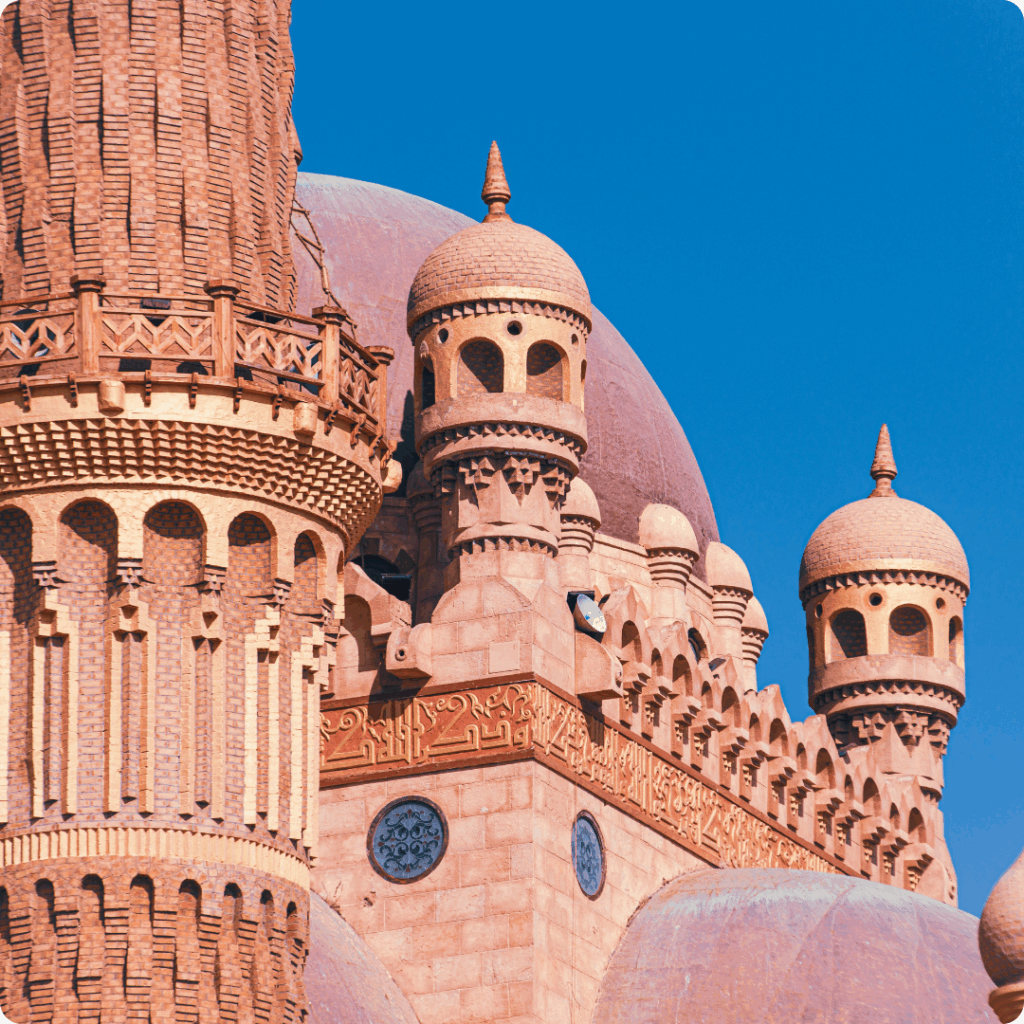
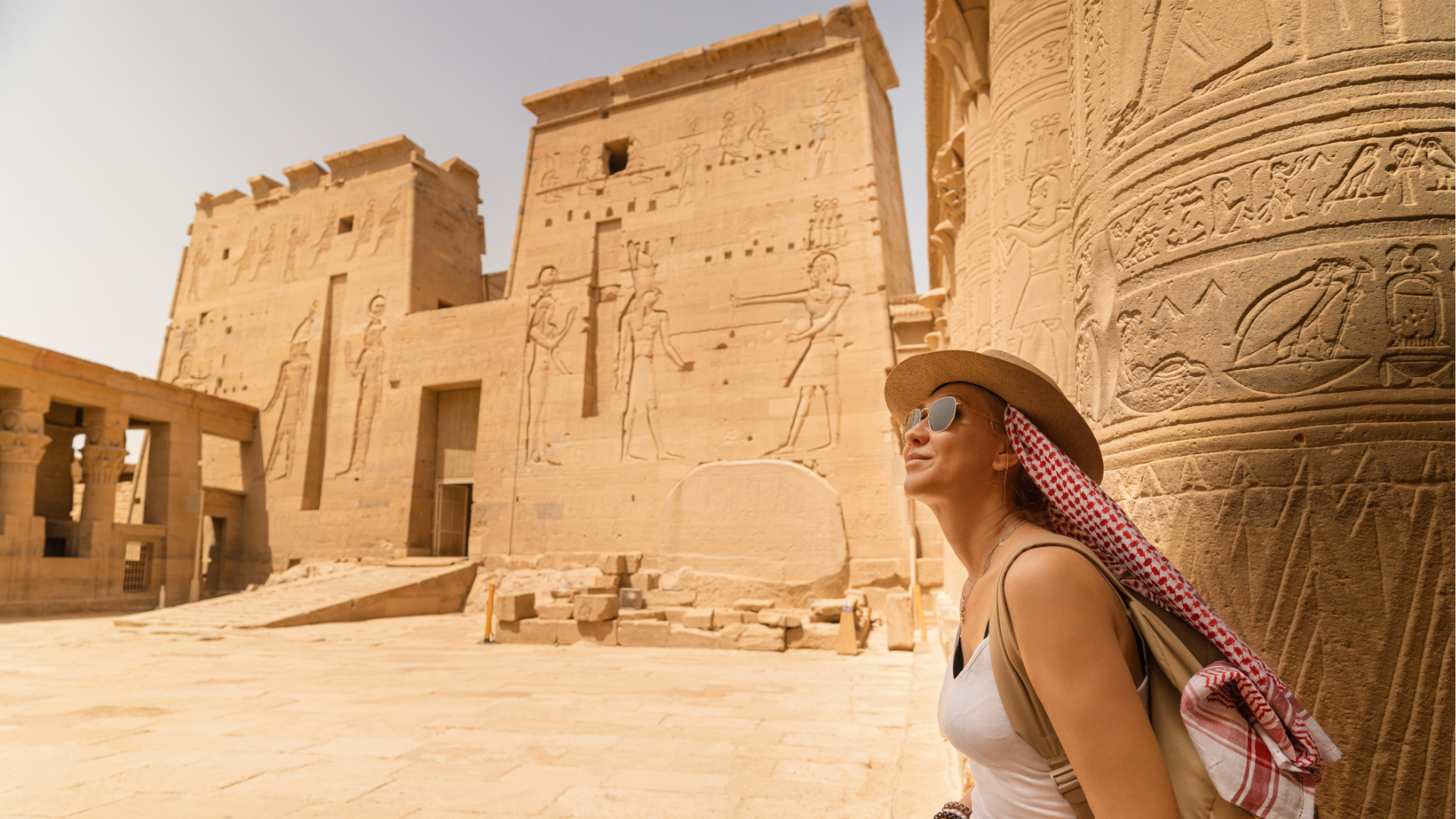
- Dress: Modest clothing is preferred, especially in rural areas and religious sites. Lightweight layers work well during the day, with a shawl for mosque visits.
- Photography: Always ask permission before photographing locals; some religious sites may prohibit photography entirely.
- Tipping: Common and appreciated—guides, drivers, hotel staff, porters (5–10 %) is a useful guideline.
- Mosques: Many are open to non‑Muslims only under specific terms. Respect signage and dress codes.
- Social norms: Conservative in rural areas; urban centers like Cairo and Alexandria are more liberal but discretion is still wise.
Accommodation insights
Egypt offers a striking mix of stays. From palatial Nile‑side heritage hotels, boutique riad‑style lodgings in Aswan or Siwa to eco‑desert camps and modern resorts in Red Sea towns.
- Nile Cruises & Grand Hotels: Cairo, Luxor and Aswan offer refined properties blending tradition and comfort.
- Boutique & Heritage Inns: Smaller, character‑rich options in cities or oases, often set around courtyards with local design touches.
- Desert Camps: Sustainable, authentic Bedouin‑style tents or eco-structures—ideal for romantic getaways or wilderness immersion.
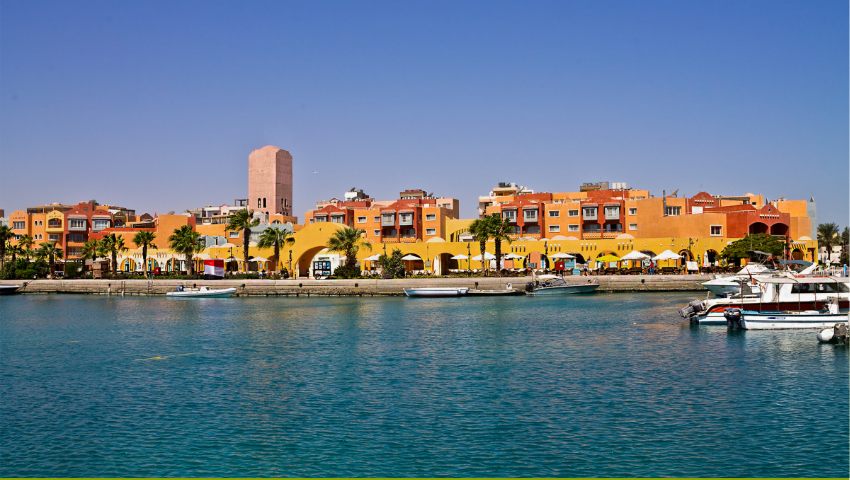
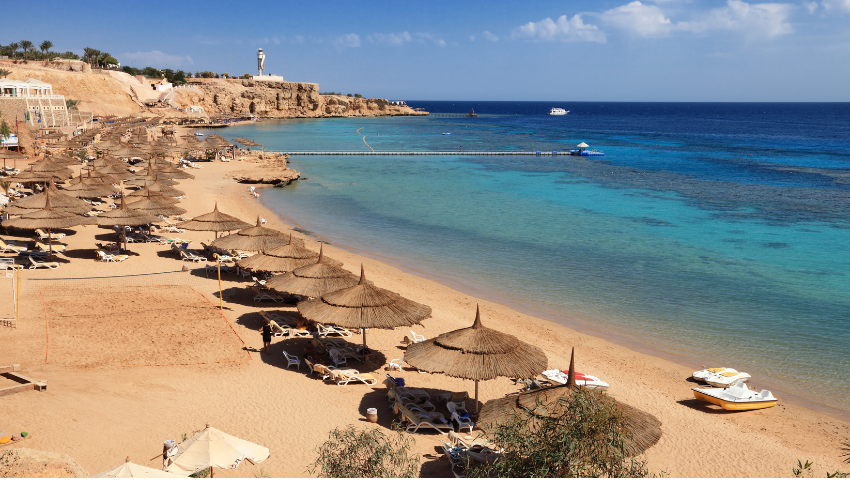
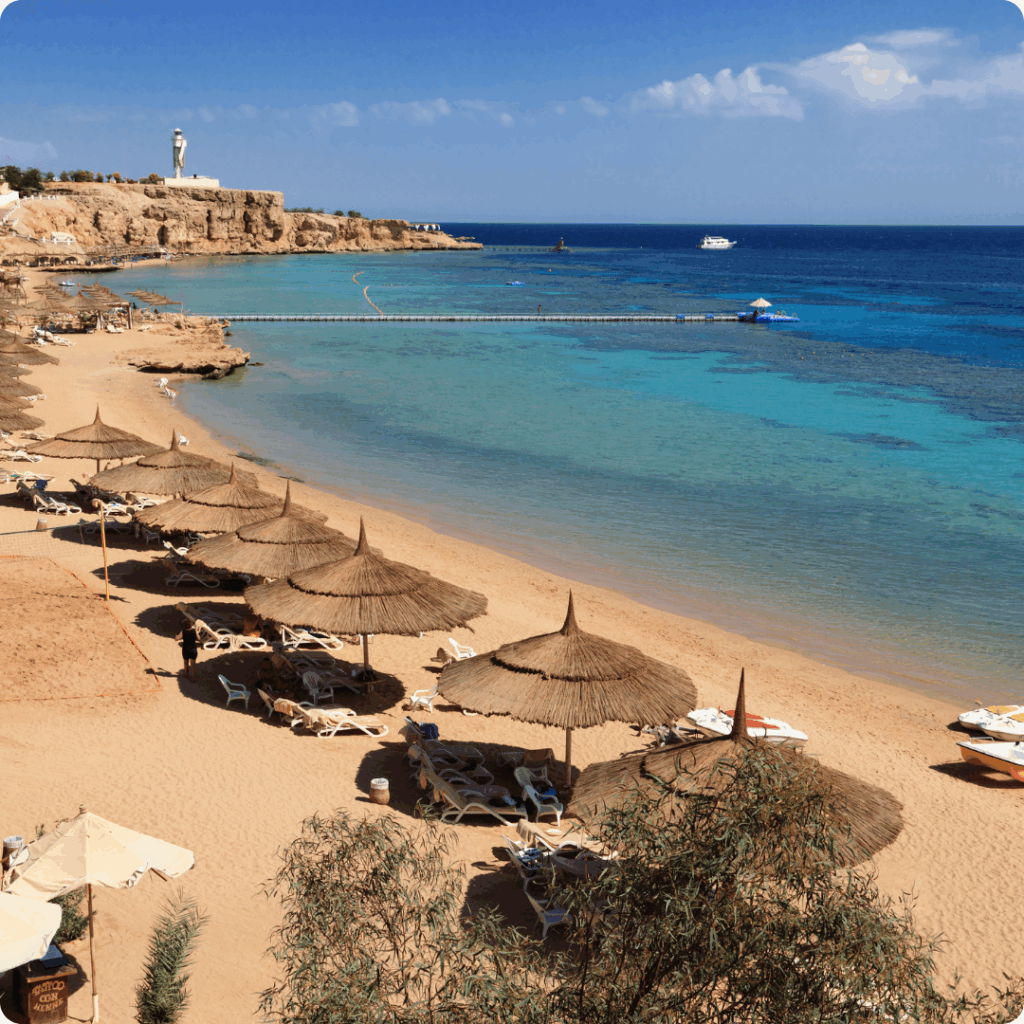
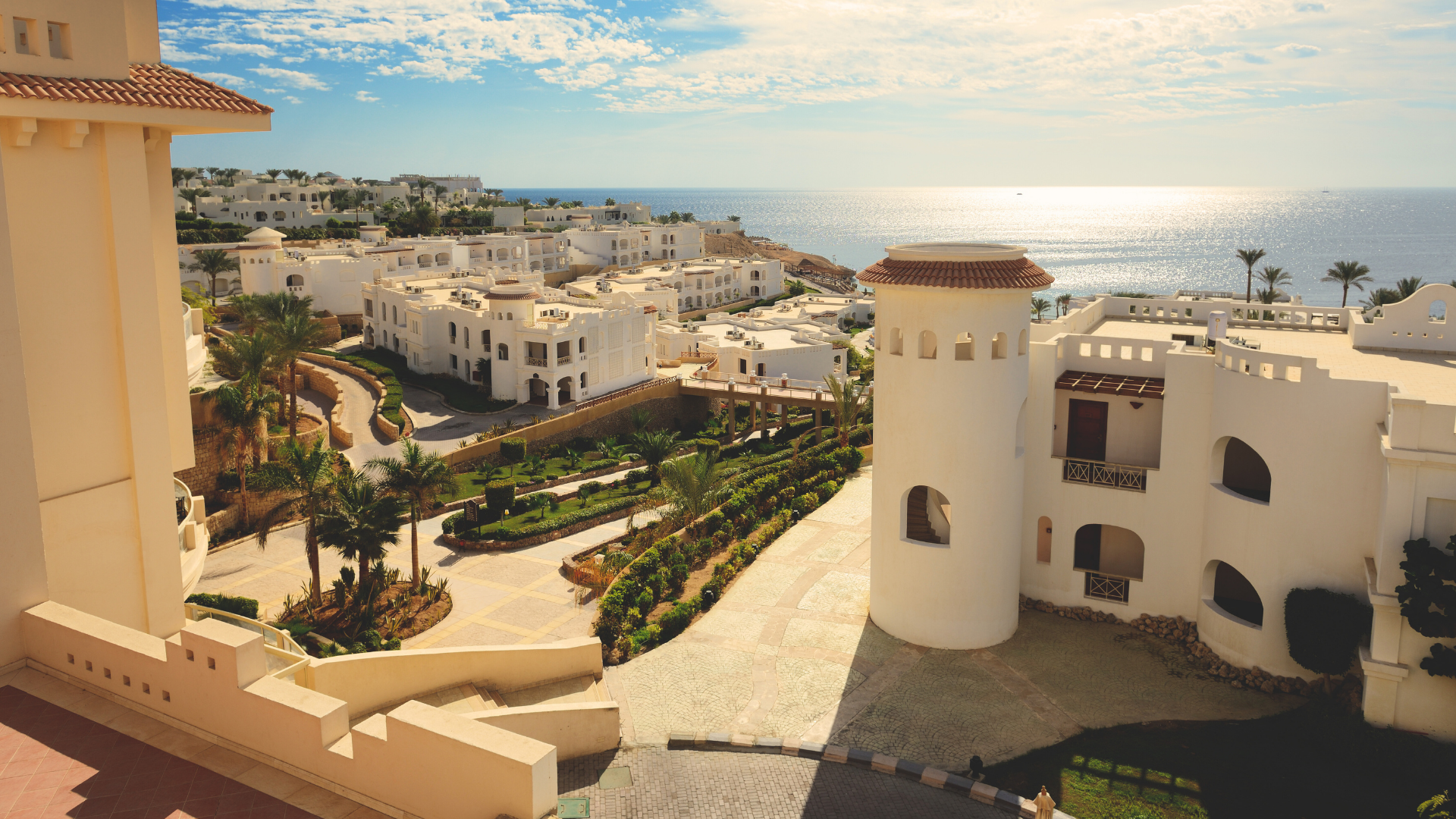
- Beach & Wellness Resorts: High-end resorts with spa offerings in Hurghada, El Gouna, Sharm, Marsa Alam. Great for all‑season escapes.
Dining & Cuisine
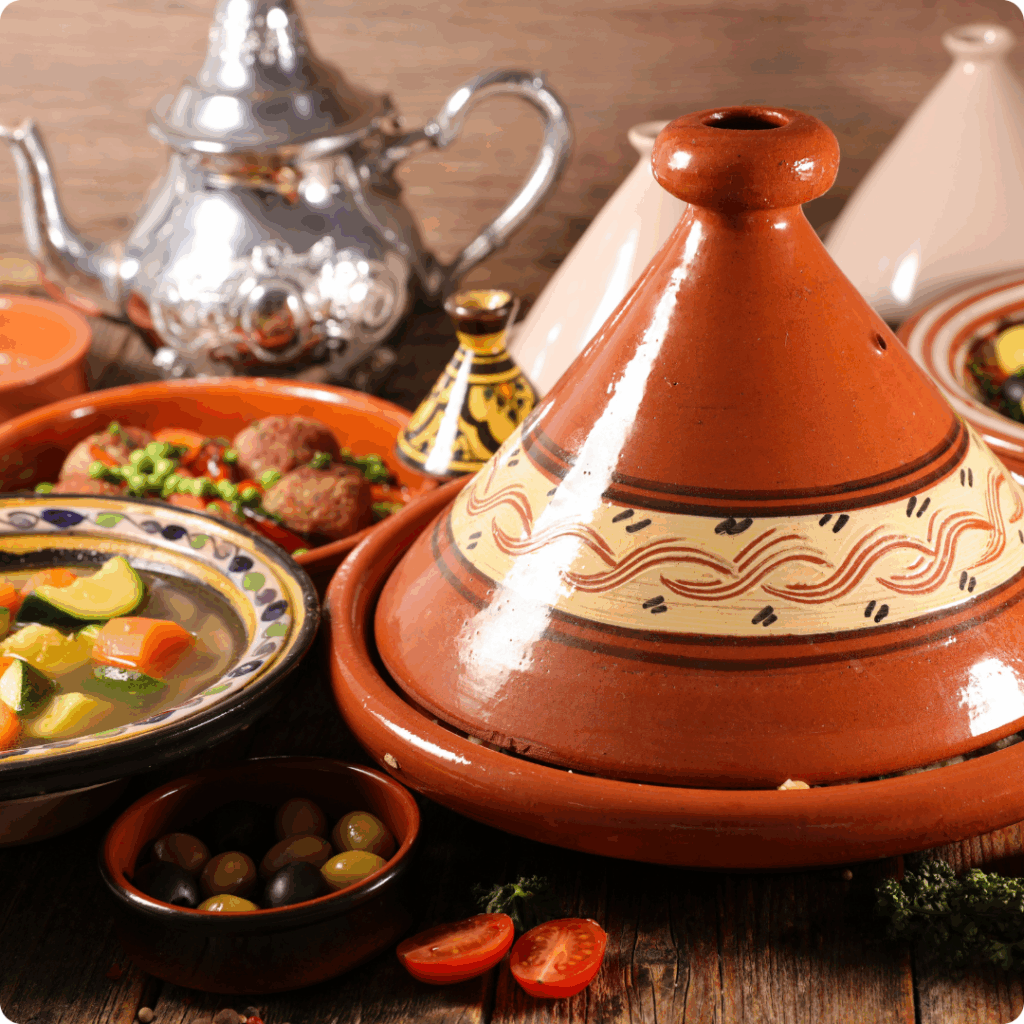
Egypt’s culinary landscape is hearty, varied, and deeply rooted in community.
- Koshari, Ful & Ta‘ameya: Street‐food staples—lentils, chickpeas, rice, slivered onions, fava beans and falafel. Iconic and great for market tastings.
- Grilled Seafood & Meat: Fresh fish in coastal cities, grilled meats and kofta across Egypt.
- Fella Fare & Homestyle Dining: Simple rural or Nile‑side meals—inviting and off‑the‑beaten‑path.
- Upscale & Modern Egyptian: Cairo and resort towns offer contemporary takes on heritage cuisine, rooftop dining or Nile views—and cafés that serve mint tea and local desserts.
Special diets (vegan, gluten‑free) can typically be accommodated—particularly in upper‑end establishments with advance notice.
Getting in and out of Egypt
- Airports: Cairo International (CAI) is the main hub. Luxor (LXR) and Aswan (ASW) serve Upper Egypt. Red Sea coast have well-connected airports too (HRG, SSH, RMF).
- Flight Connectivity: Excellent global connections via Cairo—direct or one-stop flights from Europe, Middle East, Africa and North America.
- Visas: Many nationalities receive e‑visas or visa‑on‑arrival. Always verify for each country ahead of booking.
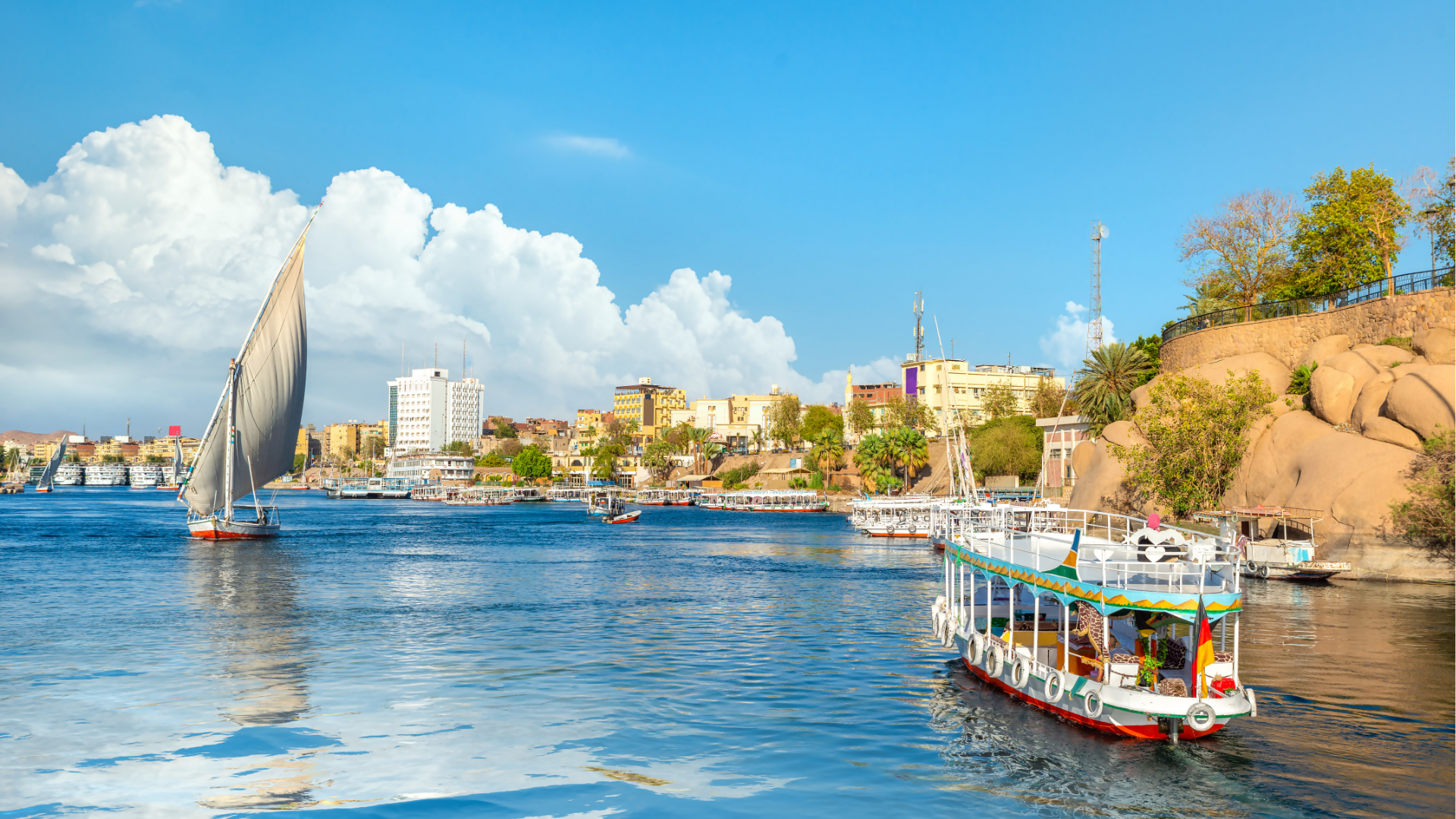
- Domestic Travel: Nile cruises, private transfers and domestic flights are standard for multi-site trips. Road conditions vary—always include buffer times.
- Ferries: Not commonly used for tourism—most coastal inter‑resort transfers are via road or air.
- Arrival Tips: Use pre-arranged help through immigration and customs for a smoother entry, especially during peak seasons.

This section equips you with the practical knowledge and on-the-ground insights needed to confidently sell Egypt—matching the right experiences to the right clients and anticipating questions before they’re asked.
Matching Egypt with your clients
- Luxury Travellers: Offer stays in palatial Nile‑front hotels or private boulevards in Cairo; exclusive Nile cruises with personal chefs; desert camps with premium tents and private dining under the stars.
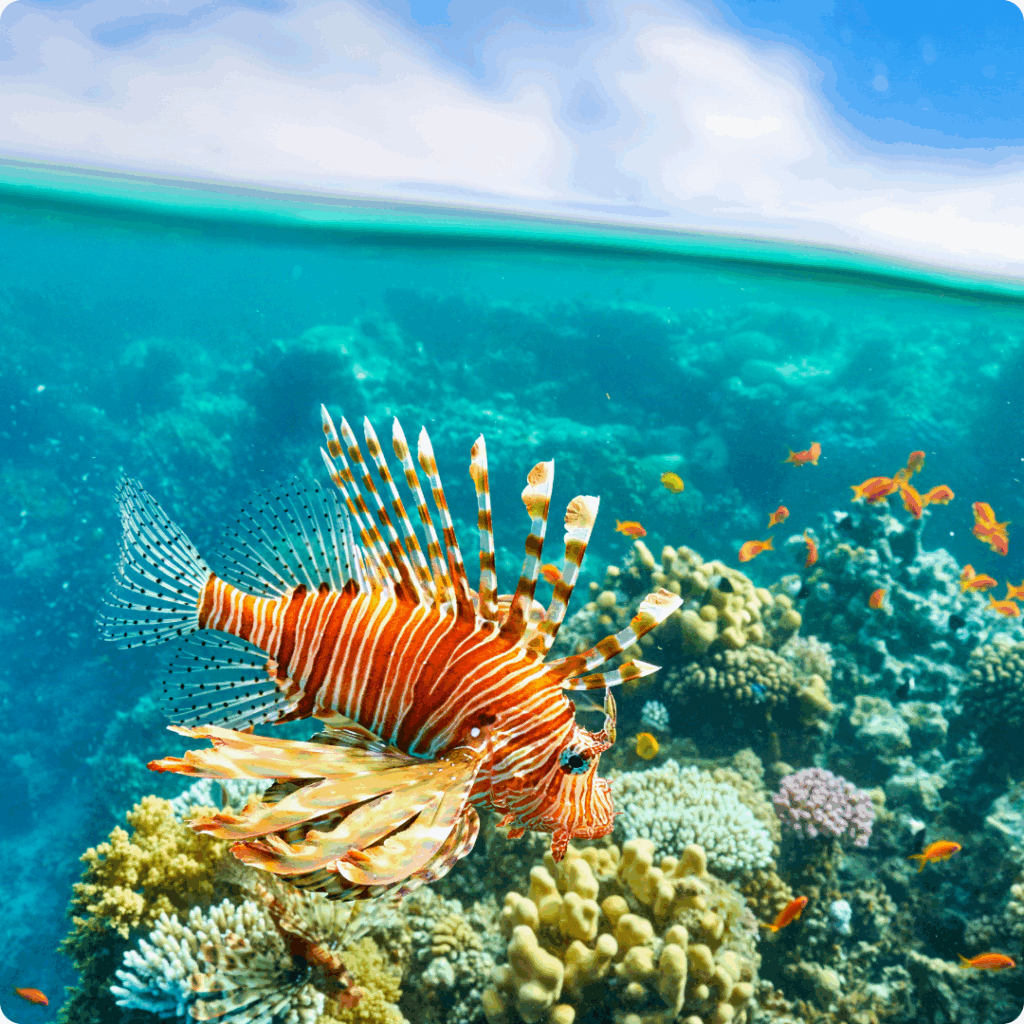
- Adventure-Seekers: Multi-day desert treks, scuba diving in the Red Sea, hot-air ballooning over Luxor, mountain hikes in Sinai or jeep safaris in the White Desert.
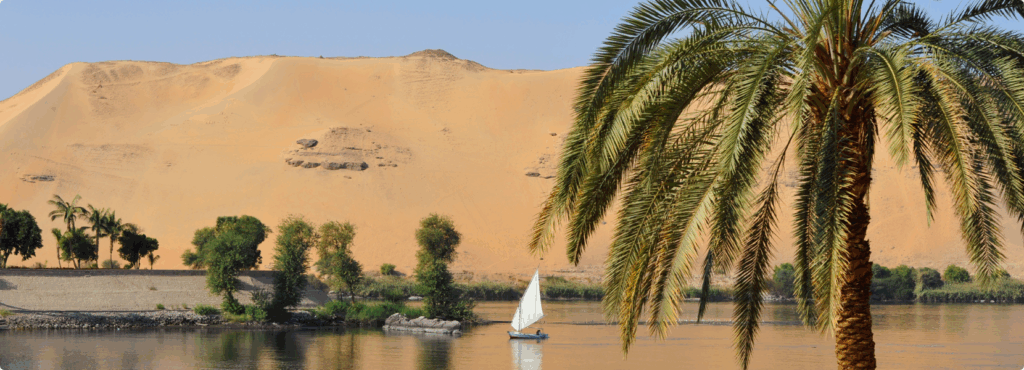
- Romantic Couples: Candlelit dinners aboard a sailboat (felucca), private tours of tombs at dawn, spa treatments or secluded beachfront lodges.
- Families & Multigenerational Groups: Tailored highlights (camel rides, temple scavenger hunts, puppet shows, cook-along koshari classes), accessible Nile cruises and resort-based activities.
- Foodies & Cultural Travellers: Host market tours in Khan el-Khalili, bread-baking visits, traditional music and storytelling evenings, artisan workshop visits—pottery, weaving, glass.
- Wellness Travellers: Resort-based yoga and spa weekends, salt-lake and mud‑therapy in Siwa, meditation in desert camps and coastal retreat offerings.
- Repeat / Slow Travellers: Encourage deeper immersion—longer stays in rural homestays, hands-on community projects, further‑off‑the‑map desert camps or extended stays in oases.
Responsible travel & local impact
- Support Local Artisans: Encourage buying handicrafts directly from local workshops, not middlemen.
- Community-Based Tourism: Promote experiences in villages, home dinners and family-hosted stays in oases or rural towns.
- Ethical Animal Use: Discourage riding with improperly managed camel or horse providers—look for reputable operators that respect animal welfare.
- Ecotourism & Green Practices: Suggest eco-certified lodges or camps, reef‑safe diving operators and waste-reduction initiatives.
- Sustainability Tips: Emphasize water conservation, plastic reduction and respect for archeological and natural sites.
Logistics & ground realities
- Tour Timings: Some major sites are closed during midday heat—plan temple visits early or late for comfort and light.
- Guides: Licensed Egyptologists and multilingual guides are essential for quality.
- Currency & Payments: Egyptian pound (EGP); carry small bills for tips and markets—cards and ATMs work in cities, less so in small towns.
- Connectivity: Wi-Fi is common in hotels and resorts; limited in desert camps—local SIMs are inexpensive.
- Healthcare & Safety: Taps are not drinkable—recommend bottled water or reliable filtered water. Good medical facilities exist in major cities. Egypt is generally safe for travellers—usual precautions recommended.
- Accessibility: Some historic sites have limited wheelchair access—plan ahead and confirm with suppliers.
FAQ Egypt, Final tips for travel designers:
- Aim first for client purpose: is it heritage, relaxation, adventure—or all three?
- Recommend slow travel—the Nile, the desert, oases: Egypt’s depth grows with pace.
- Encourage openness—Egypt’s contrasts and layers often create the most transformative memories.
- Use trusted local partners for seamless operations, insider access and responsible travel experiences.
Can Egypt be combined with Saudi, Jordan or the UAE?
Yes—Cairo, Luxor, or Sharm el‑Sheikh make excellent flight connections to Amman, Dubai, Jeddah and other nearby hubs.
Are private drivers/guides necessary?
Highly recommended—flexibility, insight and comfort especially outside major cities.
What are the visa requirements?
Depends on nationality—many can obtain e‑visas or visas on arrival for 30 days. Always verify ahead of travel.
How safe is Egypt?
Generally safe for tourists with proper precautions. Petty theft can occur as anywhere—advise vigilance.
How easy is it to accommodate special diets?
Easily—especially in mid‑ to high-end hotels and resorts. Still, confirm ahead for dietary restrictions.
What about LGBT travellers?
Egypt is conservative. Discretion is advised, particularly in public and rural areas. International hotels are generally more open.
Child‑friendly options?
Absolutely—family rooms, guided treasure-hunt temple tours, junior cook-along classes, camel rides, safe beaches with lifeguards.
Internet & Phone Connectivity?
Reliable in cities and resorts; patchy in remote desert areas. Local SIM cards are affordable and work well in populated zones.
How do you ensure authentic, non‑touristy experiences?
Partner with vetted operators using local guides, community visits outside mainstream stops, sustainable providers and off‑the‑grid lodging options.
What should clients pack?
Lightweight, breathable clothing plus a scarf/shawl for sun and mosque visits. Closed walking shoes, sunscreen, a light jacket for evenings. Reusable water bottle highly recommended.

 " alt="">
  " alt="">
  " alt="">
  " alt="">
  " alt="">
  " alt="">
  " alt="">