



At a glance
- Cairo is Egypt’s largest city and one of the great metropolises of the Arab world, with over 20 million people.
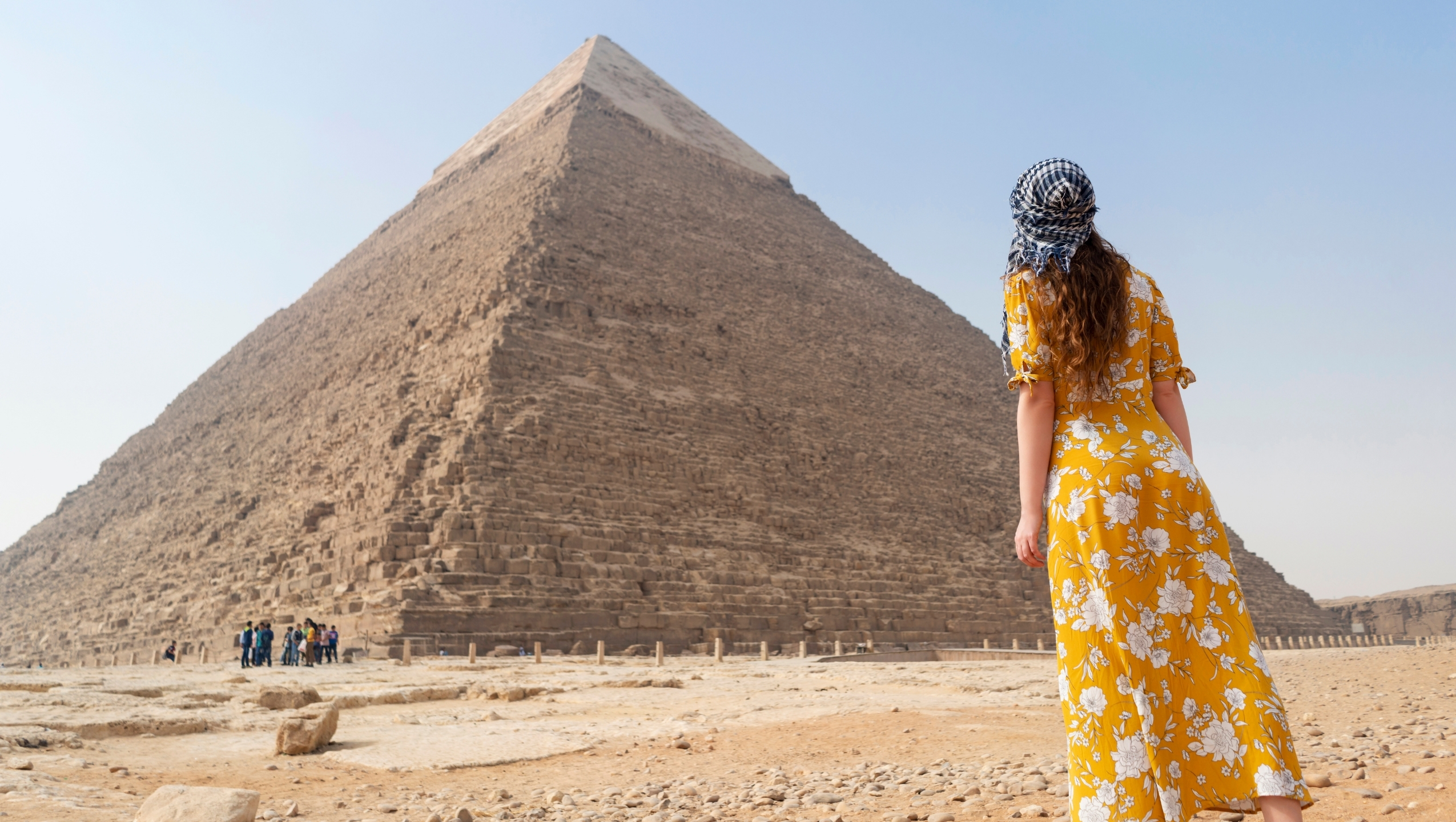
- It is the gateway to the country’s most iconic attractions, including the Pyramids, Sphinx and the Egyptian Museum.
- The city blends ancient history with a thriving contemporary culture of markets, mosques, art galleries and modern cuisine.
- Its location on the Nile makes it the perfect launch point for trips south to Luxor, Aswan and beyond.
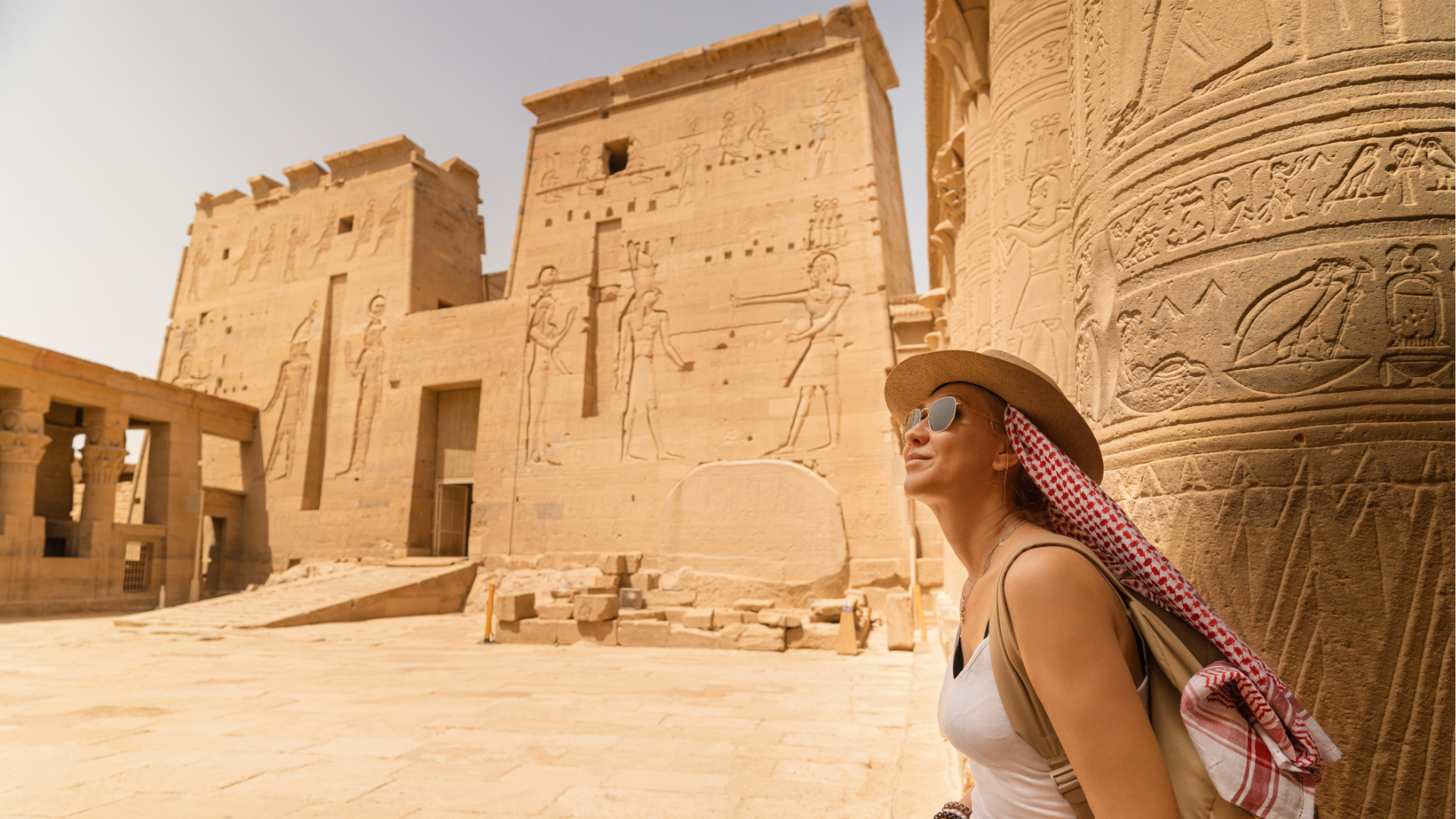
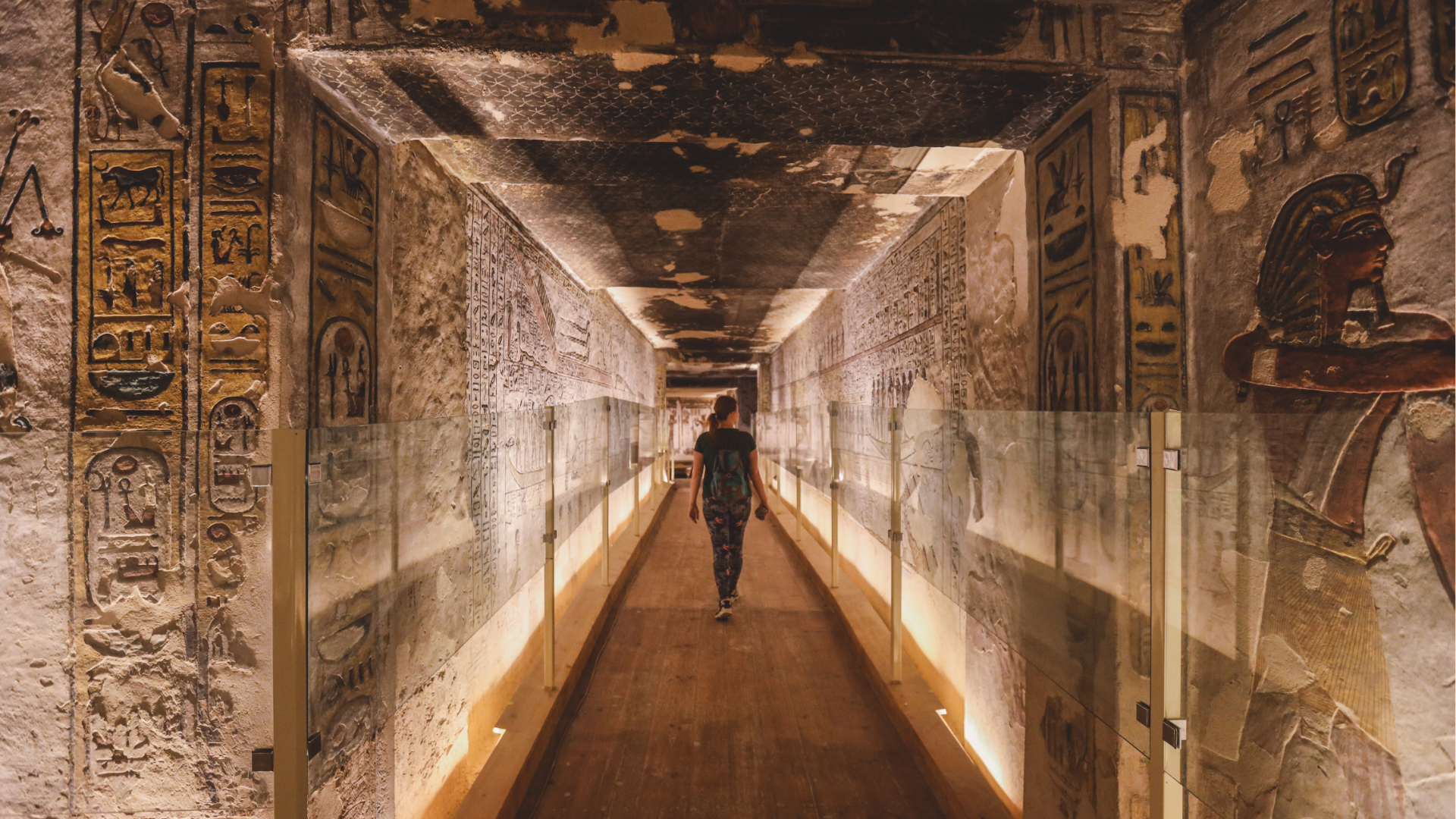
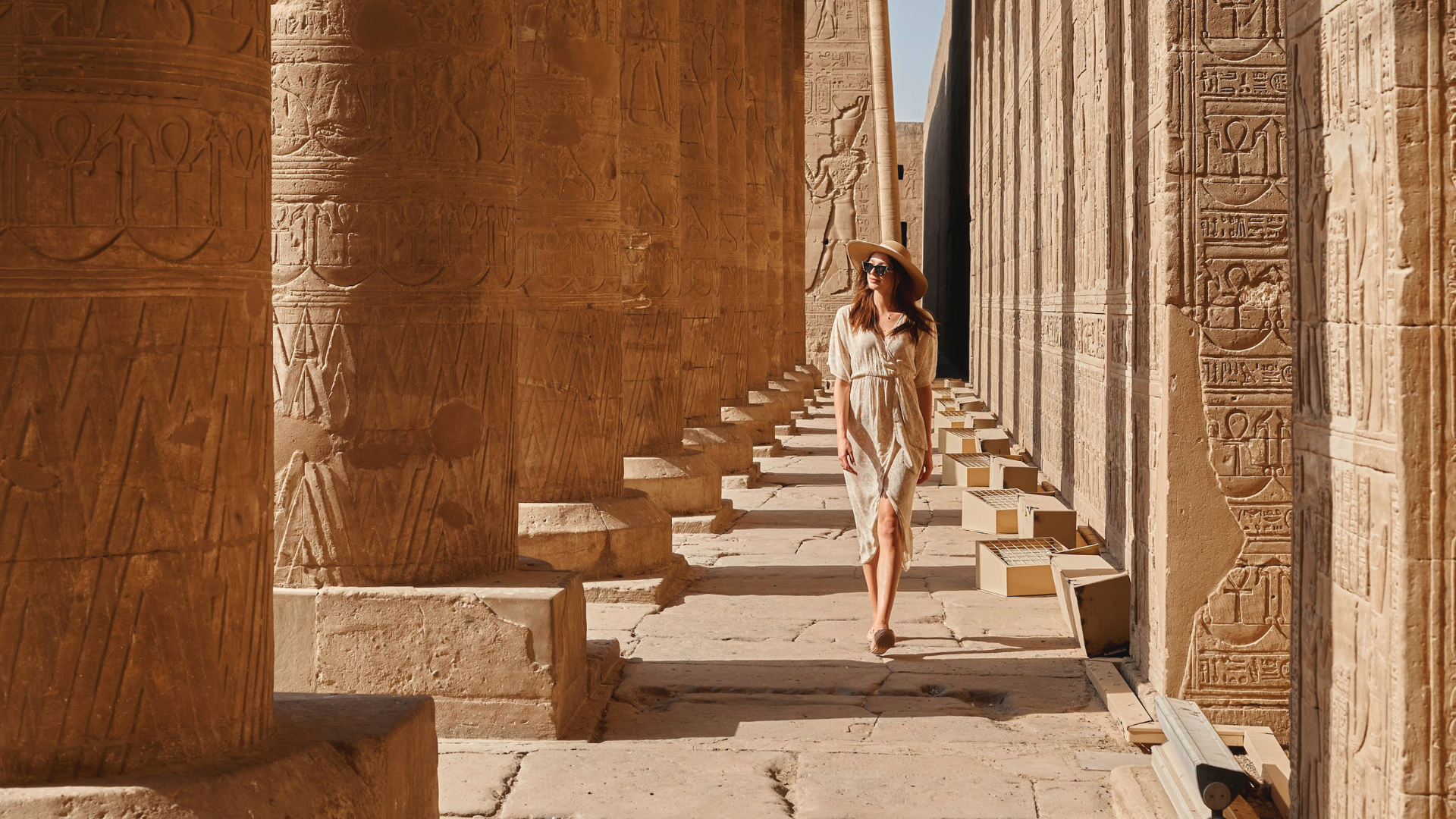
Cairo is a city layered with history and energy, where the world’s most iconic ancient monuments rise beside a modern metropolis of over 20 million people. The Pyramids of Giza and the Sphinx dominate its skyline, while the treasures of the Grand Egyptian Museum showcase more than 5,000 years of civilisation. Yet Cairo is not only about the past — it is also Egypt’s beating heart, a city of bustling souks, riverside promenades, grand boulevards and vibrant neighbourhoods that reveal the country’s contemporary character.
The city’s contrasts are everywhere: Islamic minarets and Coptic churches standing near colonial palaces and modern high-rises; feluccas gliding on the Nile beside dinner cruise boats; family-run eateries sharing the stage with elegant rooftop lounges. Its cultural dynamism makes Cairo more than just a gateway to Egypt’s other wonders — it is a destination in its own right, offering travellers a chance to immerse themselves in the soul of the country. Whether beginning a Nile cruise, exploring desert oases or flying onwards to Luxor, Alexandria or the Red Sea, almost every Egyptian journey passes through Cairo, making it the perfect starting point for exploration.
What kind of travellers is Cairo Suitable for?
- History enthusiasts drawn to the Pyramids, Sphinx, and treasures of Tutankhamun.
- Cultural explorers interested in Islamic art, Coptic churches and vibrant local markets.
- Families looking for a mix of learning and adventure with accessible day trips.
- Urban travellers who thrive on big-city energy, street food and authentic encounters.
- Luxury travellers who want five-star hotels on the Nile paired with curated cultural experiences.
Seasonality
& when to visit
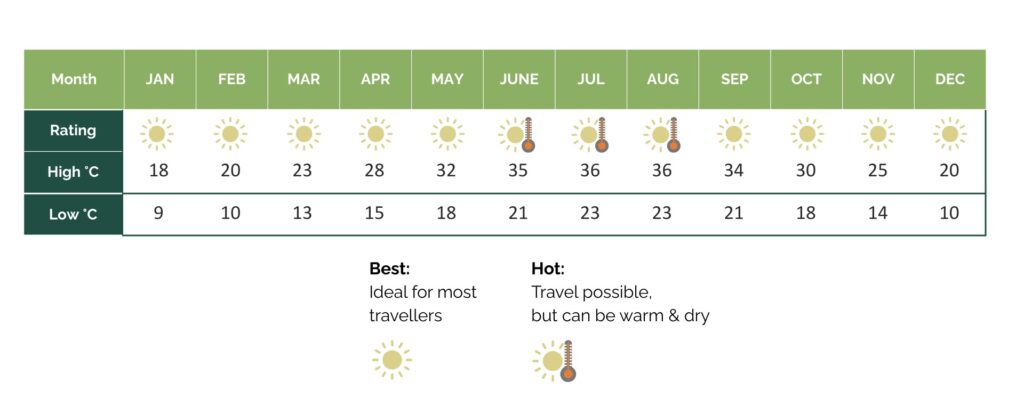
Cairo experiences a desert climate with long, hot summers and mild winters. Spring (March–May) and autumn (September–November) are generally the most pleasant seasons, offering warm but manageable daytime temperatures and cooler evenings. Summer (June–August) can be very hot, often exceeding 35°C, but many cultural sites remain open with fewer crowds, making it an option for travellers who can handle the heat. Winter (December–February) is mild and comfortable, with daytime highs around 18–22°C, though evenings can feel cool.
For clients, the sweet spot is typically the shoulder seasons, when conditions are most favourable for exploring the pyramids, museums, and lively neighbourhoods without the extremes of summer or the larger holiday crowds.
Cairo Climate Overview
Cairo holidays & festivals
Ramadan: A month of fasting that changes annually. Expect shorter hours for some businesses, but evenings come alive with feasting and celebration.
Eid al-Fitr: Marking the end of Ramadan, families gather, sweets are shared, and the streets are festive.
Coptic Christmas (7 January): Celebrated by Egypt’s Christian community, marked with church services and festive meals.
Revolution Day (25 January) and National Day (23 July): Public holidays with parades and events.
Cairo International Film Festival (November): A major cultural event drawing international talent.
Things to do in Cairo
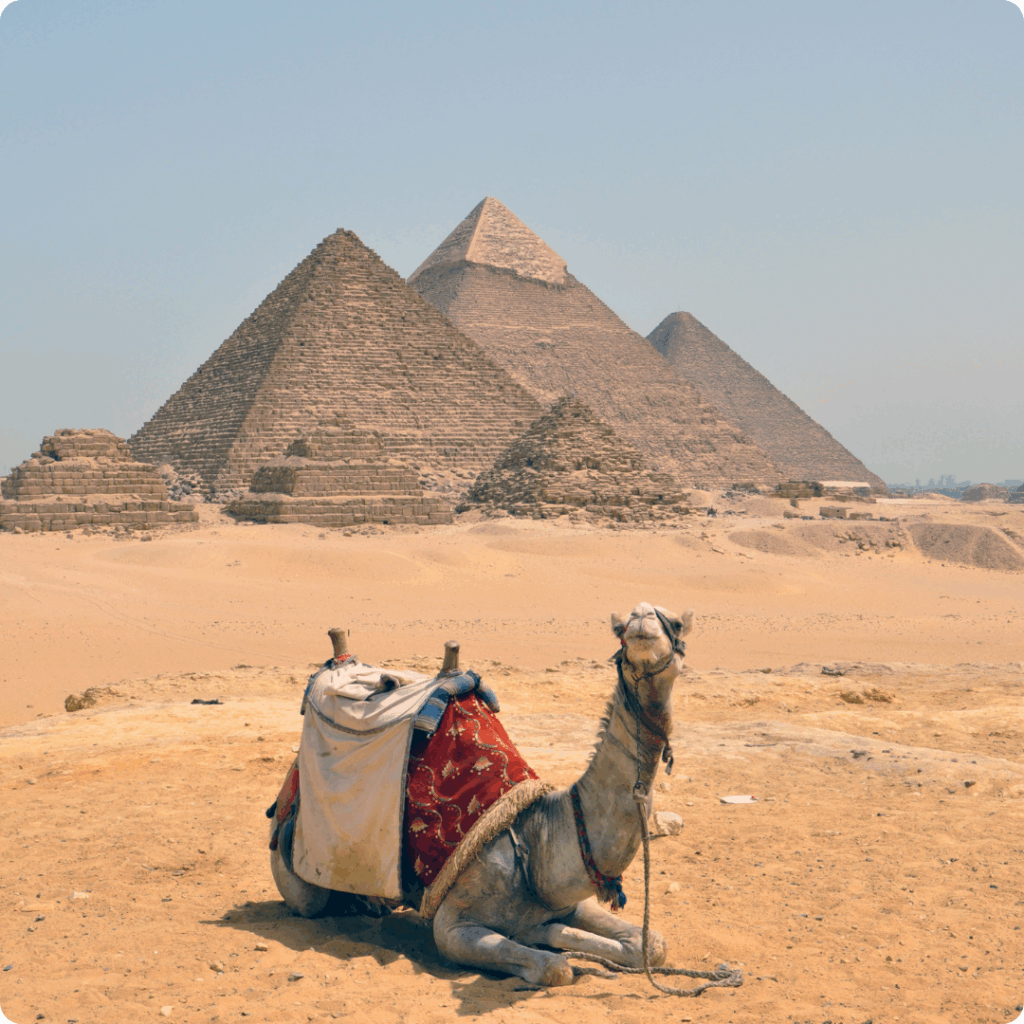
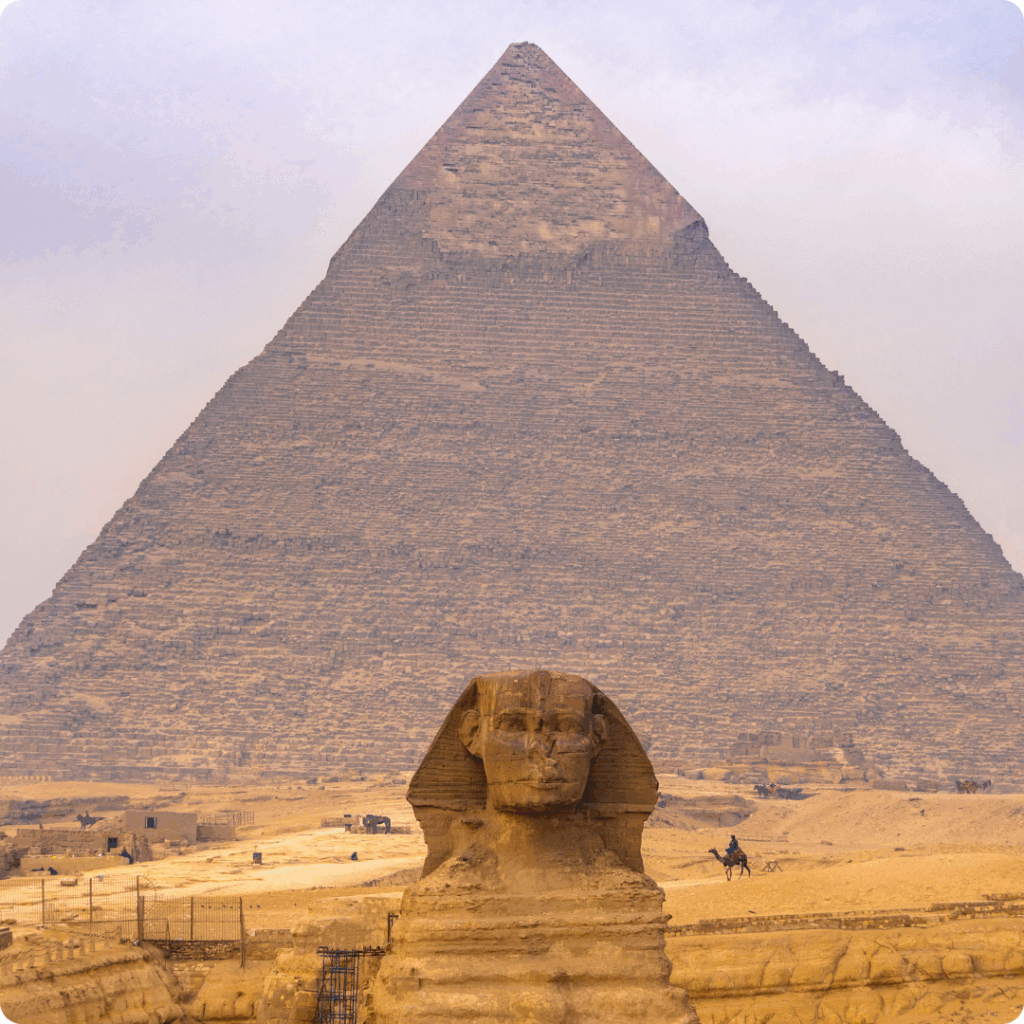
- The Pyramids of Giza & Sphinx: Egypt’s most iconic monuments, accessible within 30 minutes from central Cairo.
- The Egyptian Museum: Home to Tutankhamun’s treasures and thousands of ancient artefacts.
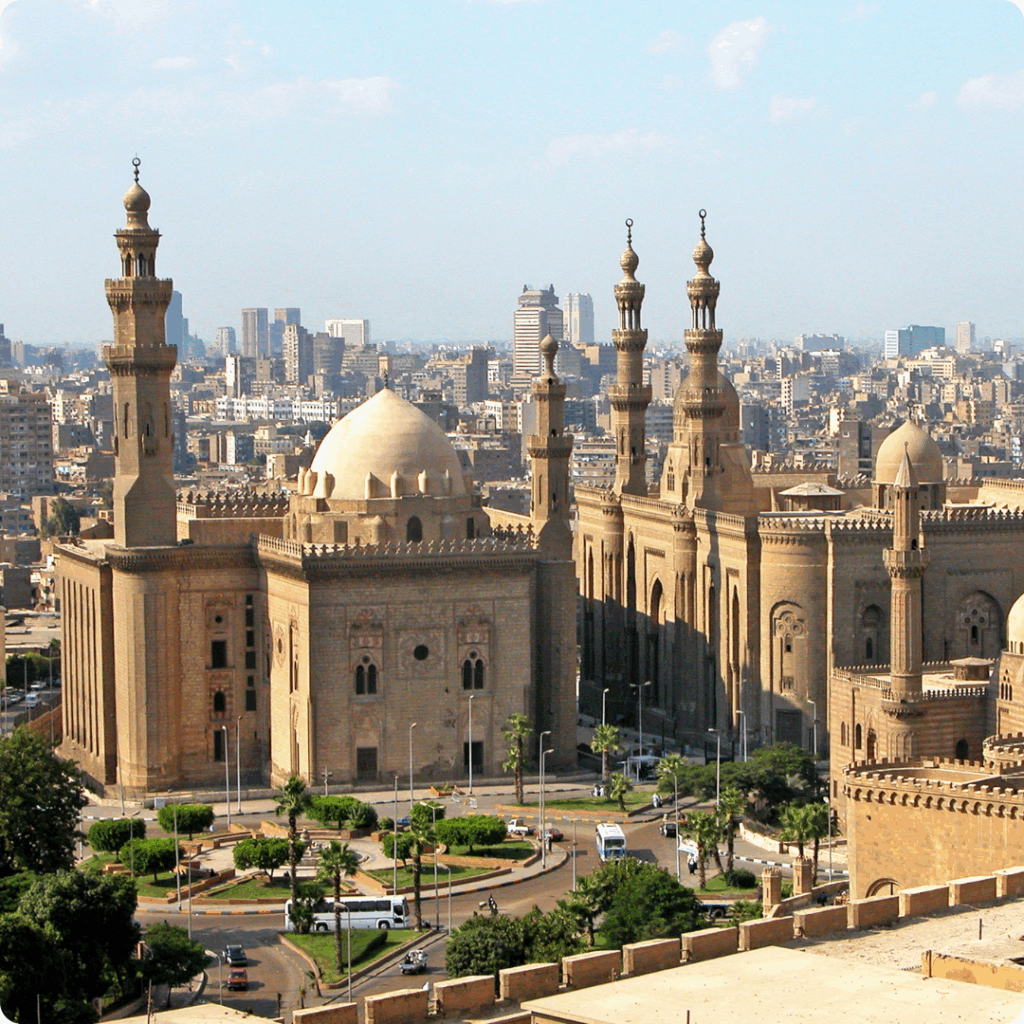
- Islamic Cairo: Historic mosques, minarets and the medieval citadel.
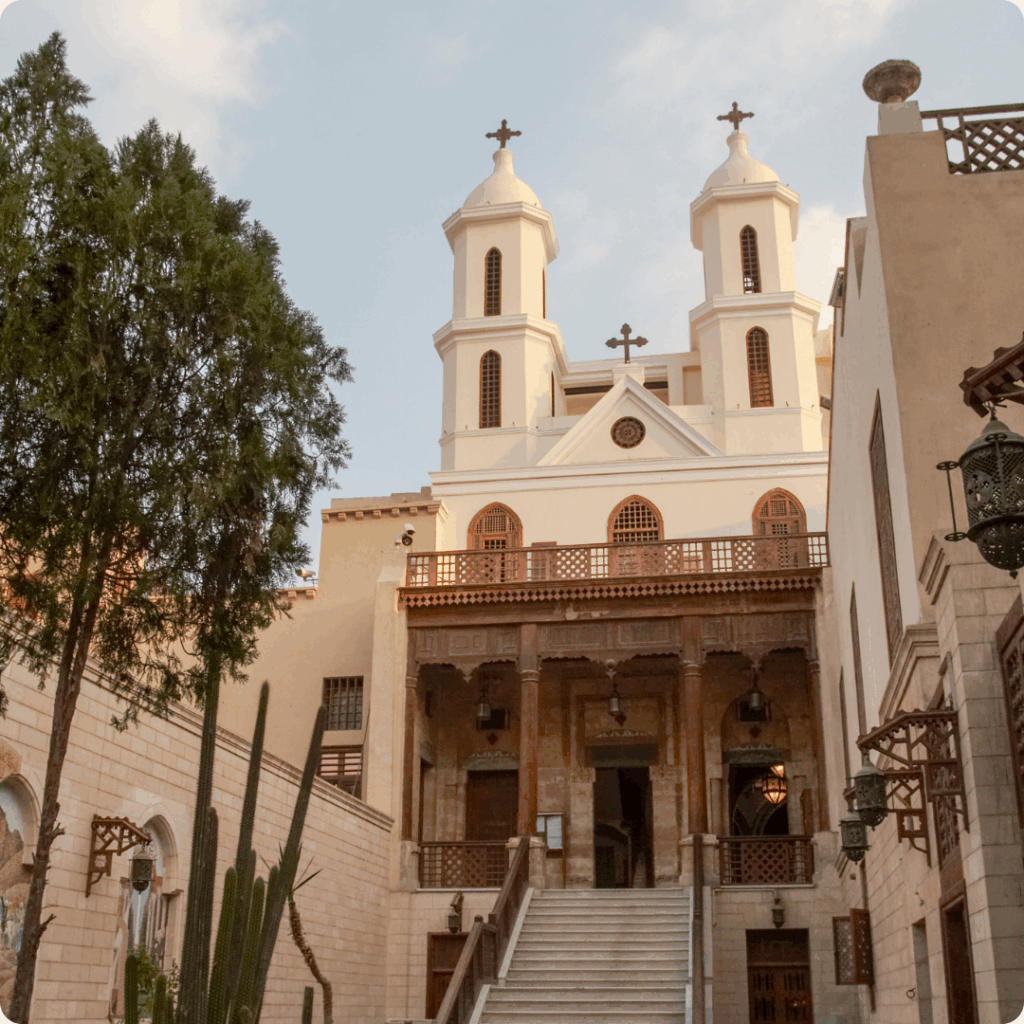
- Coptic Cairo: Churches, synagogues and religious heritage.
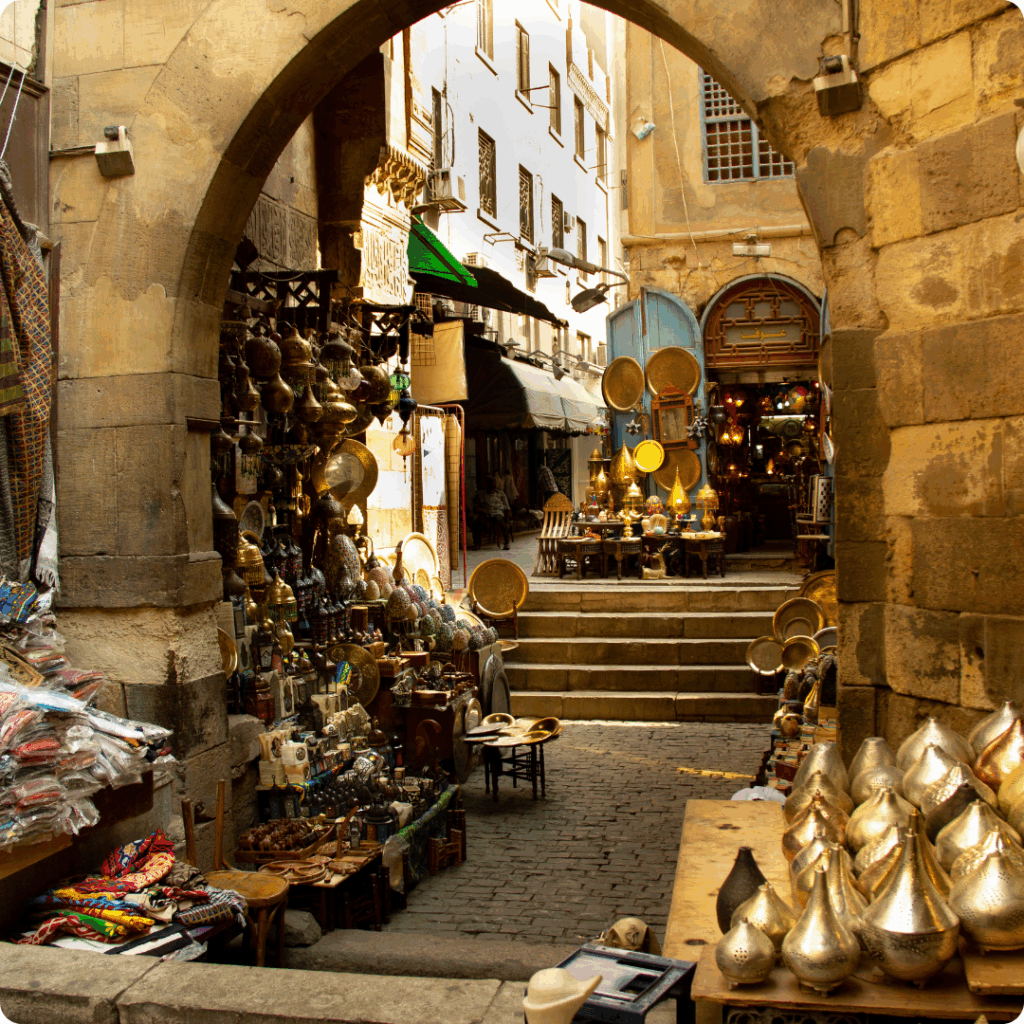
- Khan El Khalili Bazaar: Cairo’s most famous market for crafts, spices and jewellery.
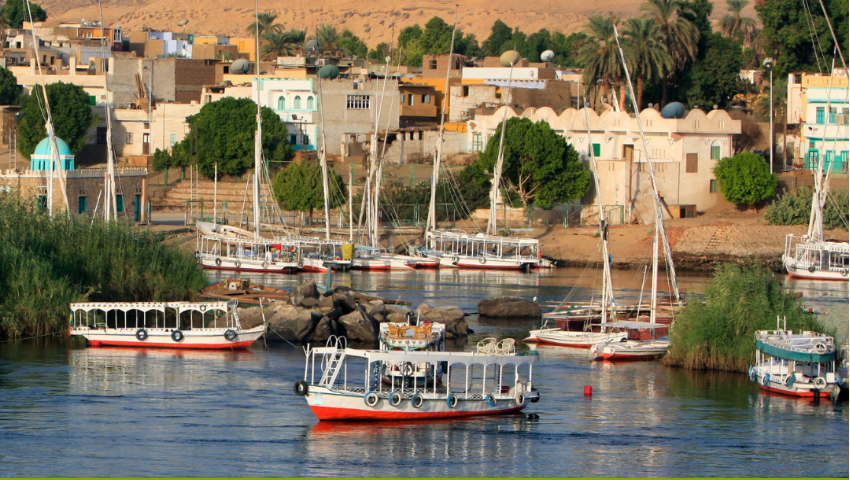
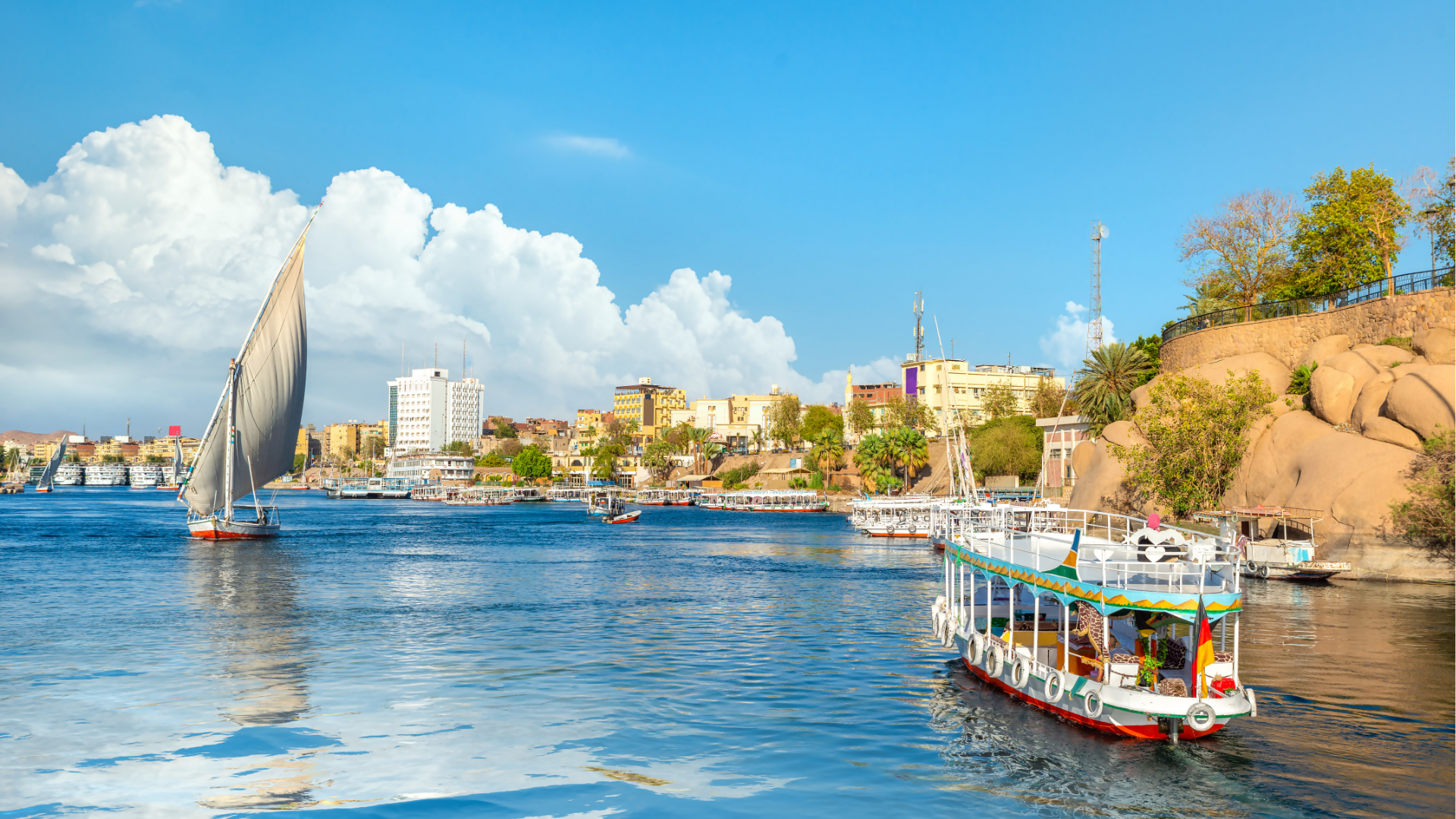
- Nile Cruises & Felucca Rides: A classic way to see the city from the river.
- Contemporary Cairo: Art galleries, trendy cafés and upscale dining in districts like Zamalek.
Getting in and out of Cairo
Cairo International Airport is Egypt’s largest hub with direct connections across Europe, the Middle East, Africa and North America. The city is well-linked to other Egyptian destinations via domestic flights, rail and road:
- To Alexandria: 2.5–3 hours by train or car.
- To Luxor/Aswan: 1–1.5 hour flight or overnight train.
- To the Red Sea: 1-hour flight to Hurghada or Sharm El Sheikh.
Cairo - FAQ:
Is alcohol available? Yes, though not everywhere. Licensed hotel bars, restaurants and select shops serve alcohol, but it is less common in local cafés.
What should clients pack? Lightweight clothing for day, a scarf or shawl for religious sites, comfortable walking shoes and warmer layers for evenings in winter.
Is Cairo safe for travellers? Yes, particularly in tourist areas. Like any major city, petty theft can occur, so advise clients to be cautious with valuables.
How long should clients stay? 2–3 nights is ideal for the highlights, but 4–5 nights allows deeper exploration.
Can clients combine Cairo with other destinations? Absolutely — it is the natural starting point for itineraries linking with Luxor, Aswan, the Red Sea and Alexandria.
Your ideal partner for travel in Egypt
With our deep knowledge of Egypt and on-the-ground expertise, EXO Travel ensures seamless journeys from Cairo and beyond. From expert guides to carefully selected hotels and curated experiences, we equip travel advisors with everything needed to craft memorable itineraries for their clients.
" alt="">
" alt="">
" alt="">