
Getting started:
Singapore in a nutshell
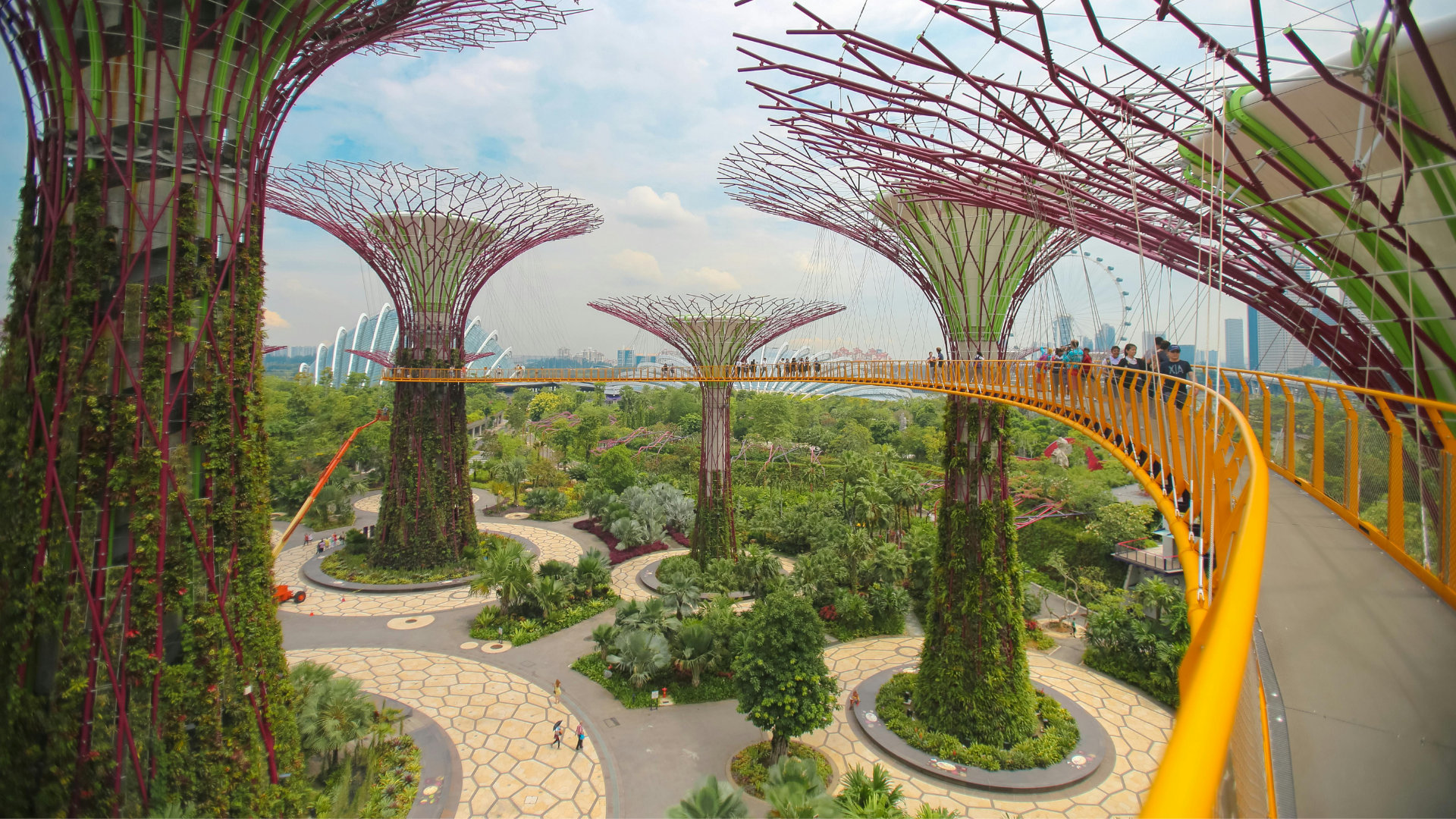
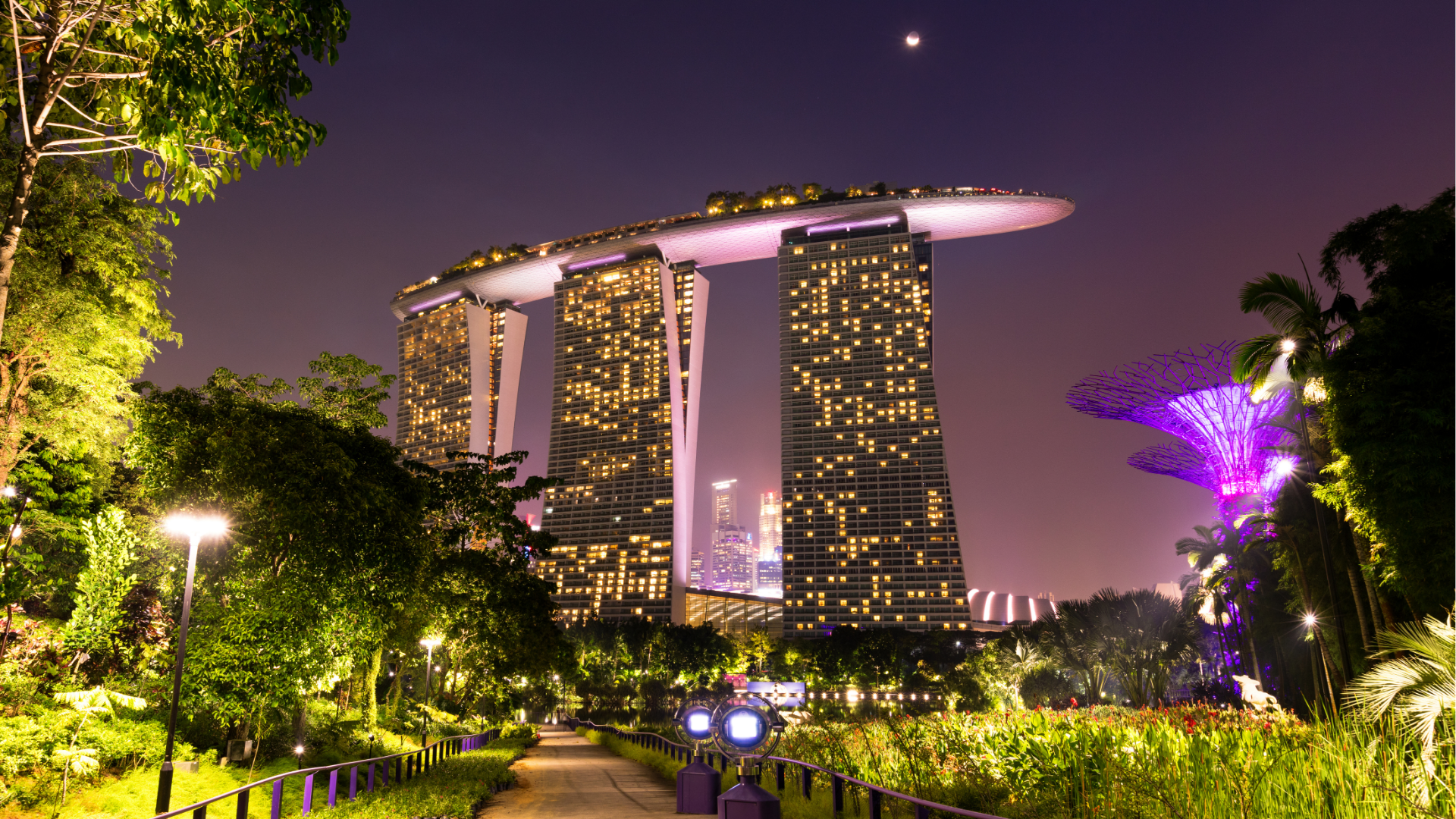
Singapore stands out for the quality and variety of experiences it offers within such a small footprint. Travellers might explore colourful shophouse neighbourhoods, dine under futuristic Supertrees, wander through rainforest-style gardens or sample dishes that reflect the island’s multicultural history. Everything is easily accessible, beautifully managed and incredibly welcoming.
The city is known for its safety, efficiency and outstanding infrastructure. Getting around is simple, hotels range from stylish boutiques to iconic luxury properties and the food culture is a highlight for almost every visitor.
What truly sets Singapore apart is its balance: a city that feels cutting-edge yet grounded in heritage, urban yet full of nature, fast-paced yet surprisingly calm.
Singapore’s top areas:

Best times to visit Singapore
Singapore is a true year-round destination, with a stable tropical climate and very little seasonal disruption to travel plans. Its urban design and indoor attractions make it easy to explore comfortably regardless the month.
February to April: Slightly drier months, ideal for outdoor touring and gardens.
May to August: Warmer and more humid, but excellent for food festivals, events and indoor attractions.
September to January: Short tropical showers are common but rarely disrupt travel; a lively period with cultural celebrations and festive events.
Singapore culture & etiquette
Dress
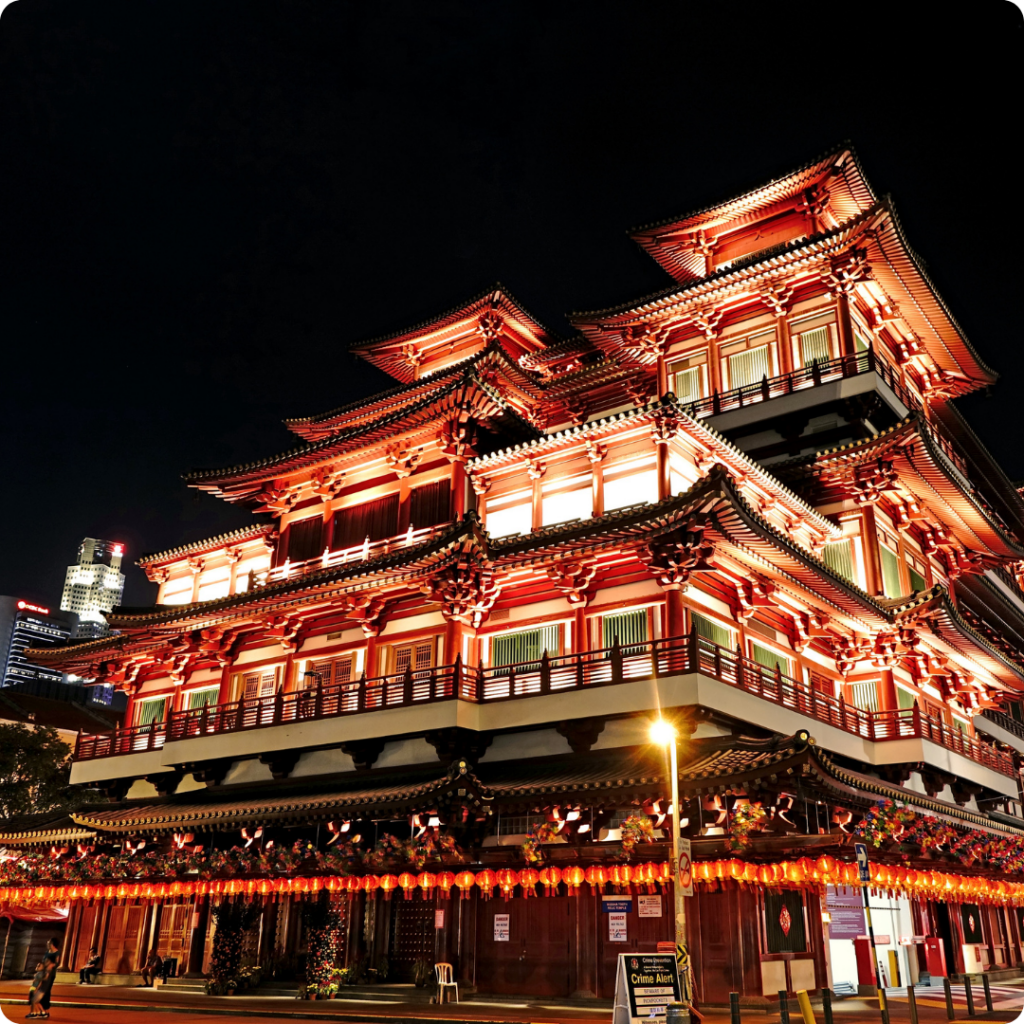
Singapore is a modern and cosmopolitan city, with relaxed dress standards in most public spaces. When visiting mosques, temples and other religious sites, shoulders and knees should be covered and footwear may need to be removed.
Multicultural layers
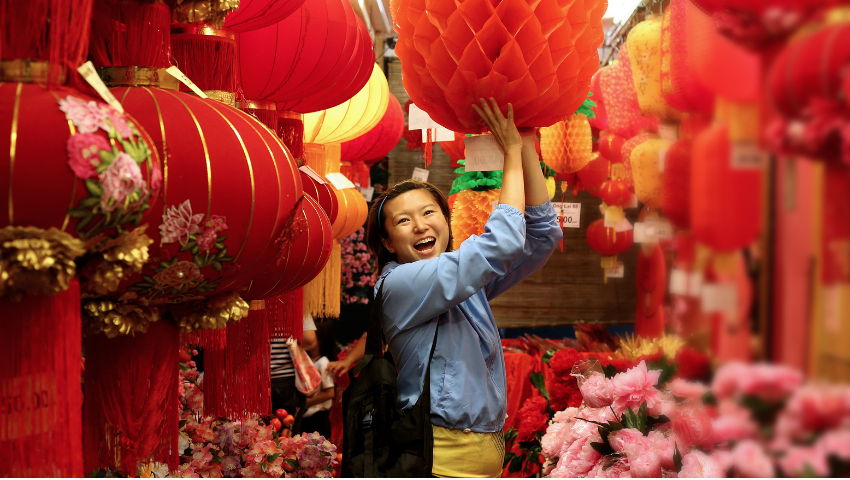
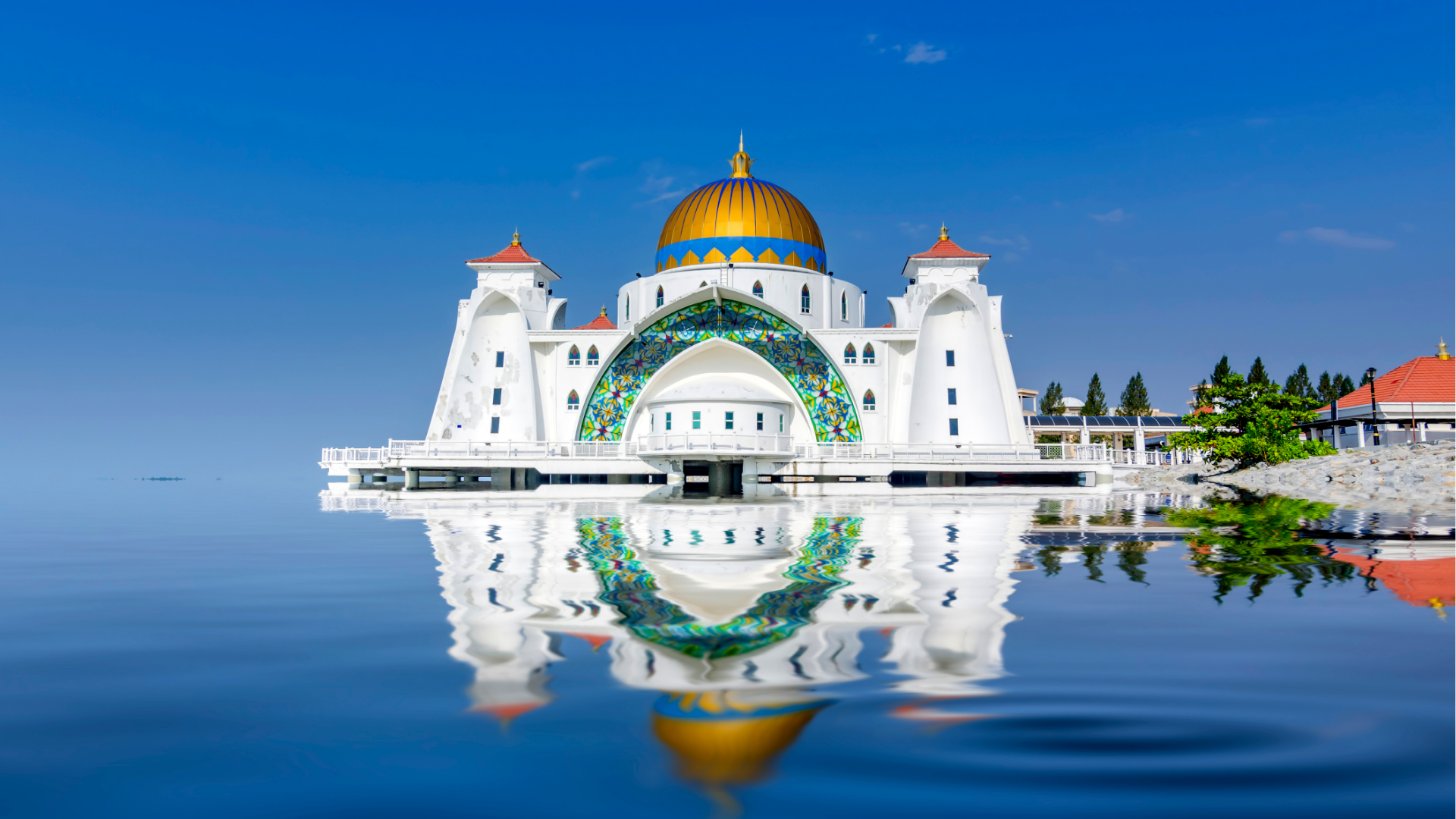
Singapore’s society is shaped by Chinese, Malay, Indian and Peranakan traditions, with a strong emphasis on mutual respect between communities. Travellers should be mindful of religious practices, festival periods and cultural sensitivities, particularly in heritage districts.
Public etiquette
Singapore places a strong emphasis on shared comfort, cleanliness and respect in public spaces. Eating or drinking is not permitted on public transport, and visitors are encouraged to be mindful of local rules around littering and road use.
Accessible beach extensions
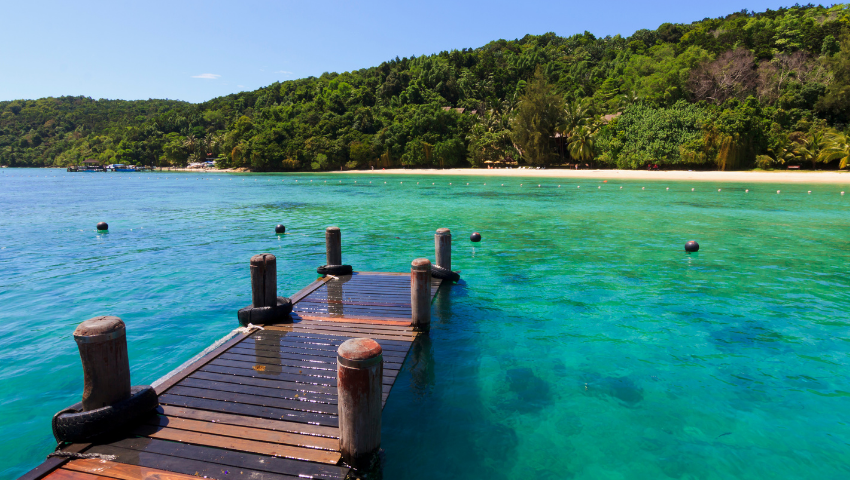
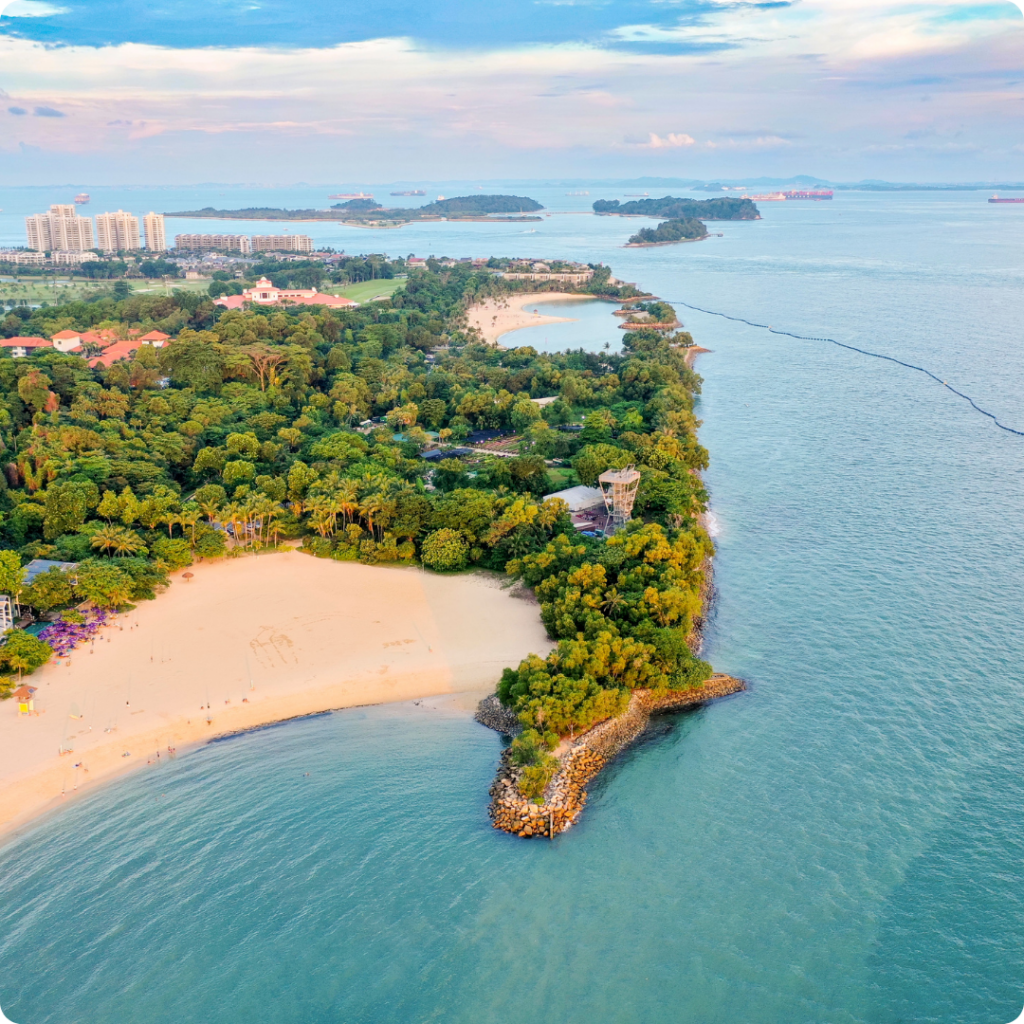
Singapore pairs easily with a short beach extension, adding a change of pace without complicating the itinerary. Sentosa Island is the simplest option, moving from city to coast in minutes while keeping a resort standard that suits both families and luxury travellers. It offers all of the relaxing comforts and activities of a beach escape with the flexibility to dip back into the city for shopping, galleries or an evening out. It is also a useful option when time is tight, as it keeps transfers simple while still delivering a resort-style finish.
For travellers who want a more distinctive island escape, Bintan works as a multi-country add-on with very little travel friction via high-speed ferry. It is ideal for a few nights of downtime after Singapore, with long beach days, spa time and relaxed resort dining. For clients prioritising privacy, Nikoi and Cempedak are the standout choices. Both lean into a sustainability-led approach and natural materials, with an exclusive feel that suits honeymoons, special occasions and high-end travellers who value seclusion over buzz.
Dining & cuisine
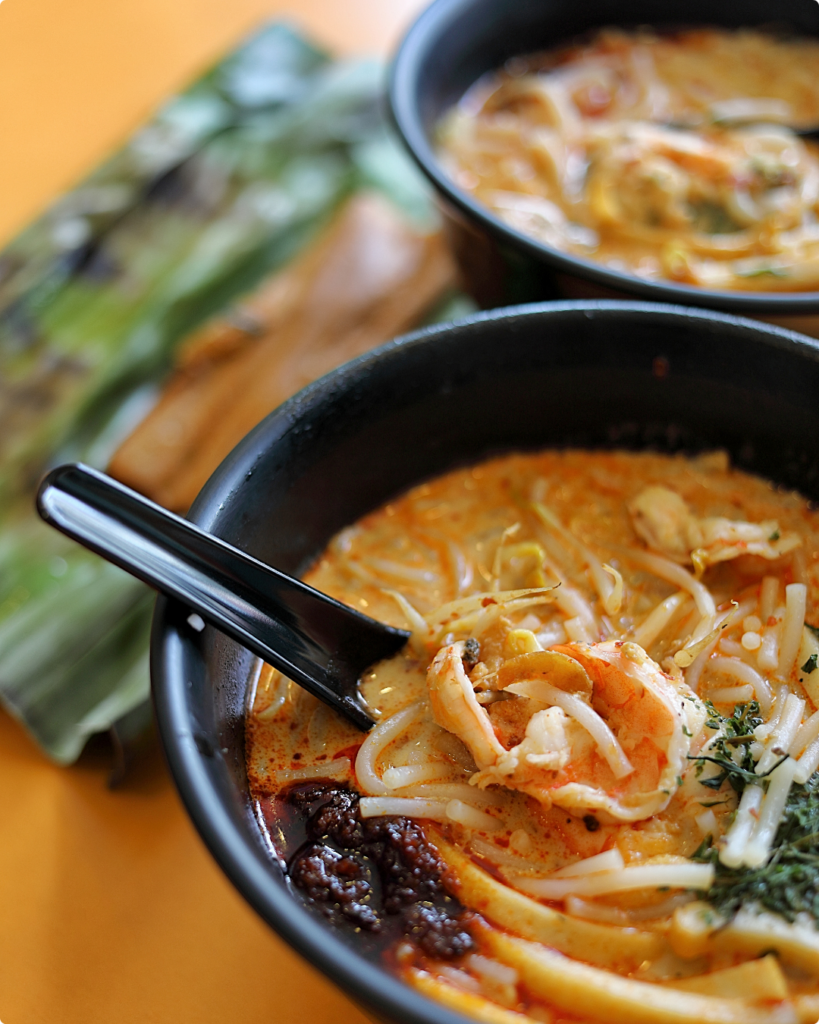
Hawker culture: A UNESCO-recognised cornerstone of Singaporean life, hawker centres bring together Chinese, Malay, Indian and Peranakan traditions in casual, communal settings. Classic dishes such as laksa, chicken rice, roti prata and chilli crab are affordable, flavourful and deeply local, making them ideal for food-focused touring.
Neighbourhood food trails: Areas like Chinatown, Katong and Kampong Gelam are perfect for guided tastings that explore heritage through food.
Contemporary dining: Singapore’s modern dining scene rivals global food capitals, with Michelin-starred restaurants, innovative Asian fusion and chefs reinterpreting traditional flavours in creative ways. Rooftop venues and riverfront dining are particularly atmospheric when exploring higher-end dining.
Dietary needs: Vegetarian, vegan, halal and other dietary requirements are widely accommodated across the city.
Getting in and out of Singapore
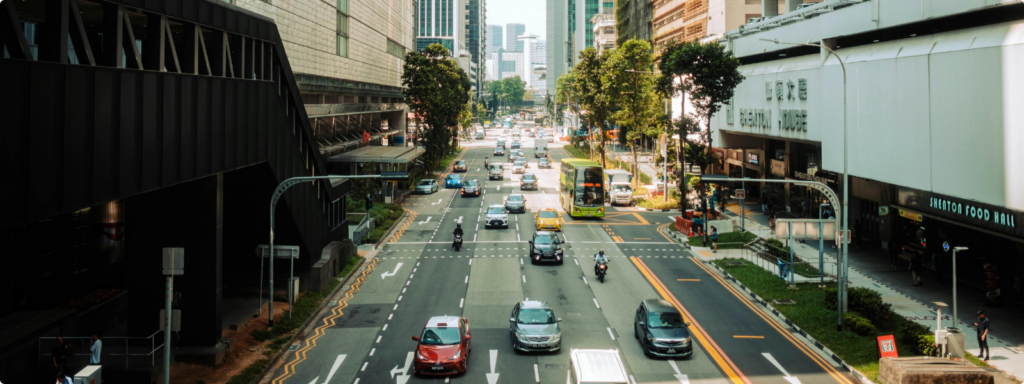
- Airports: Singapore Changi Airport (SIN) is one of the world’s leading aviation hubs, known for its extensive facilities and attractions. For many travellers, it is a highlight in its own right when visiting the country.
- Flight connectivity: Excellent global and regional connections across Asia, Europe, Australia and the Middle East.
- Visas: Many nationalities enjoy visa-free entry; always confirm before travel.
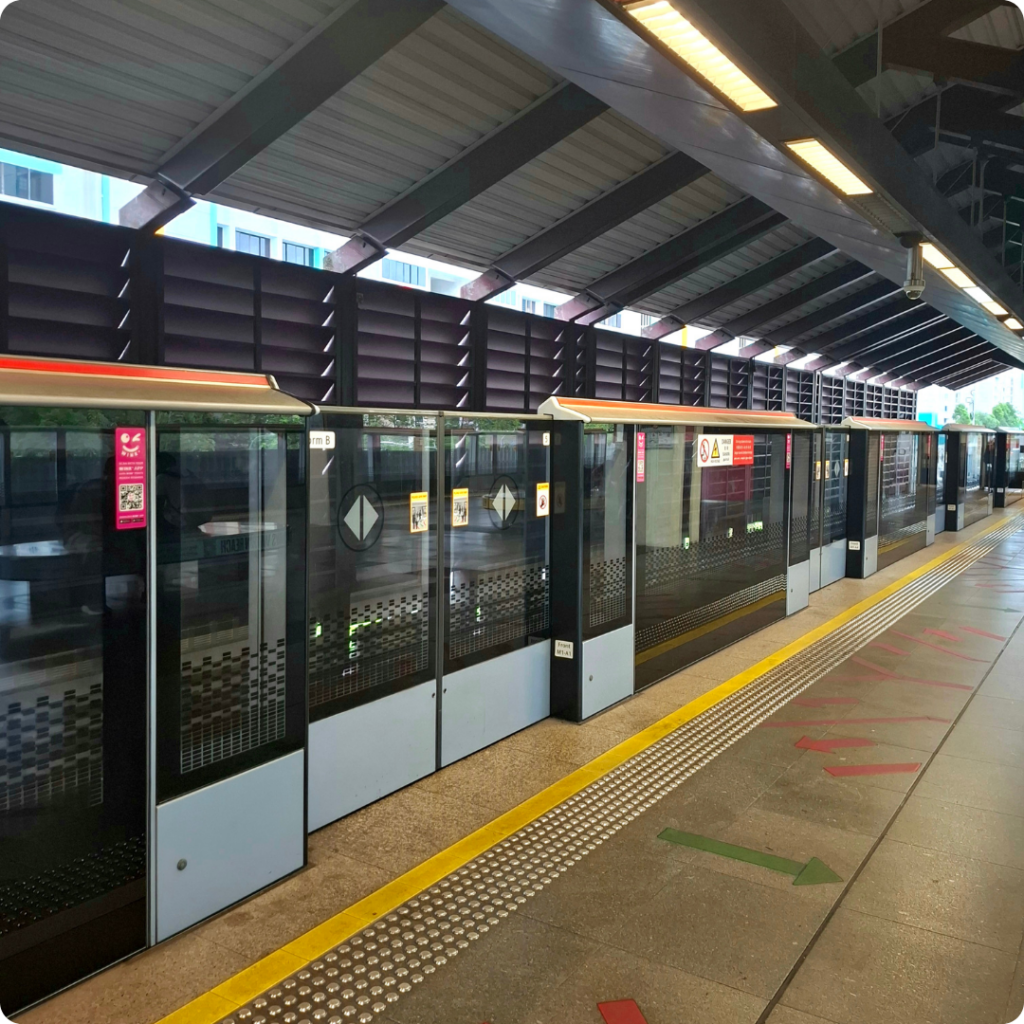
- Local transport: Public transport is clean, efficient and easy to navigate; private transfers are readily available.
- Regional connections: Singapore pairs seamlessly with Malaysia, Indonesia, Thailand and Vietnam.
Matching Singapore with your clients
Singapore’s blend of cultural heritage, modern design and seamless connectivity makes it highly adaptable to different traveller interests, despite its compact size.
Luxury travellers:
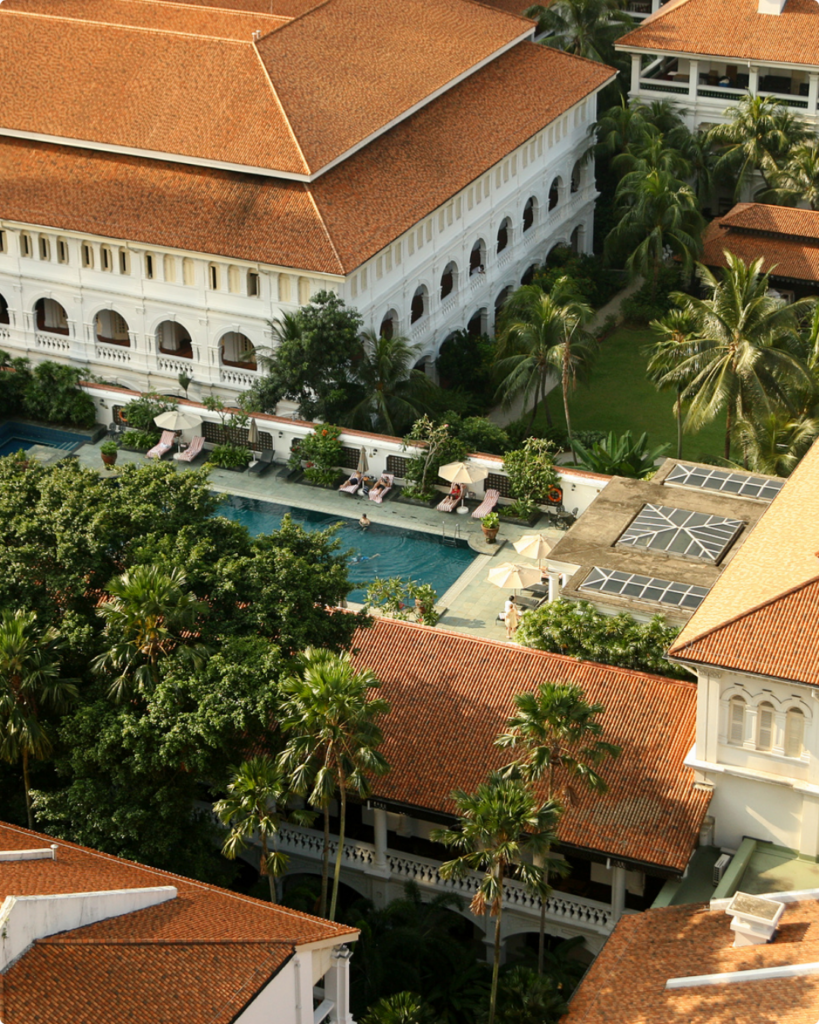
Singapore delivers a sophisticated urban luxury experience, with standout hotels across Marina Bay, Orchard Road and the riverfront. It suits clients who value precision, design-led spaces, exceptional dining and discreet, personalised service.
Cultural travellers:
Distinct neighbourhoods such as Chinatown, Kampong Gelam and Katong offer insight into the city’s Chinese, Malay, Indian and Peranakan roots. Walking tours, religious sites and museums provide an accessible way to understand Singapore’s layered social fabric.
Food-focused travellers:
Few cities rival Singapore for culinary range and quality. Hawker centres, neighbourhood eateries and innovative restaurants allow travellers to move effortlessly between everyday local flavours and world-class dining experiences.
Families & multigenerational groups:
Singapore is particularly easy for families thanks to its safety, compact layout and excellent public transport. Interactive attractions, green spaces and flexible sightseeing make it suitable for all ages.
Design & architecture enthusiasts:
From striking contemporary landmarks to carefully preserved heritage buildings, Singapore showcases how thoughtful urban planning shapes daily life. Design trails and modern cultural spaces appeal to travellers interested in architecture and city innovation.

Responsible travel & local impact
Heritage protection
Singapore’s historic neighbourhoods play an important role in preserving the city’s architectural and cultural legacy. Engaging with heritage-led experiences helps sustain traditional trades, historic buildings and long-standing culinary institutions.
Nature & wildlife protection
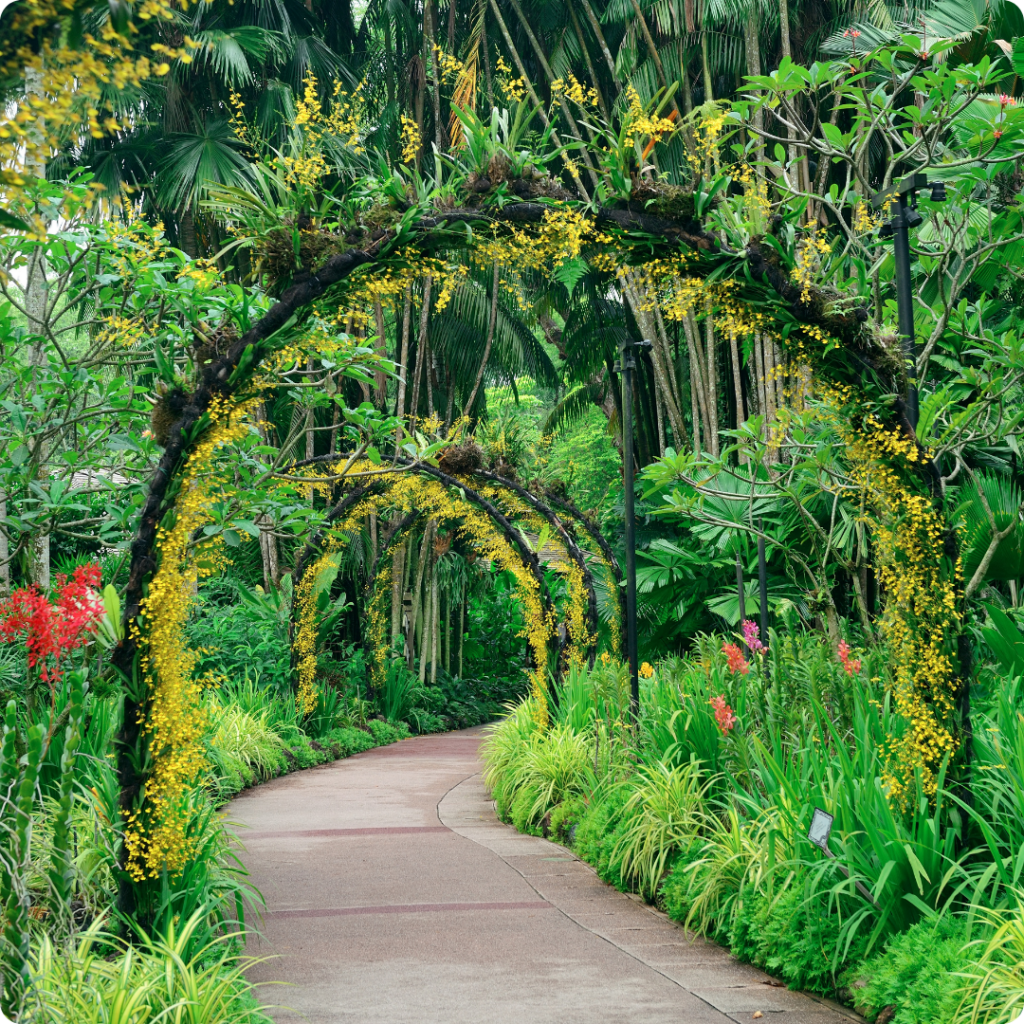
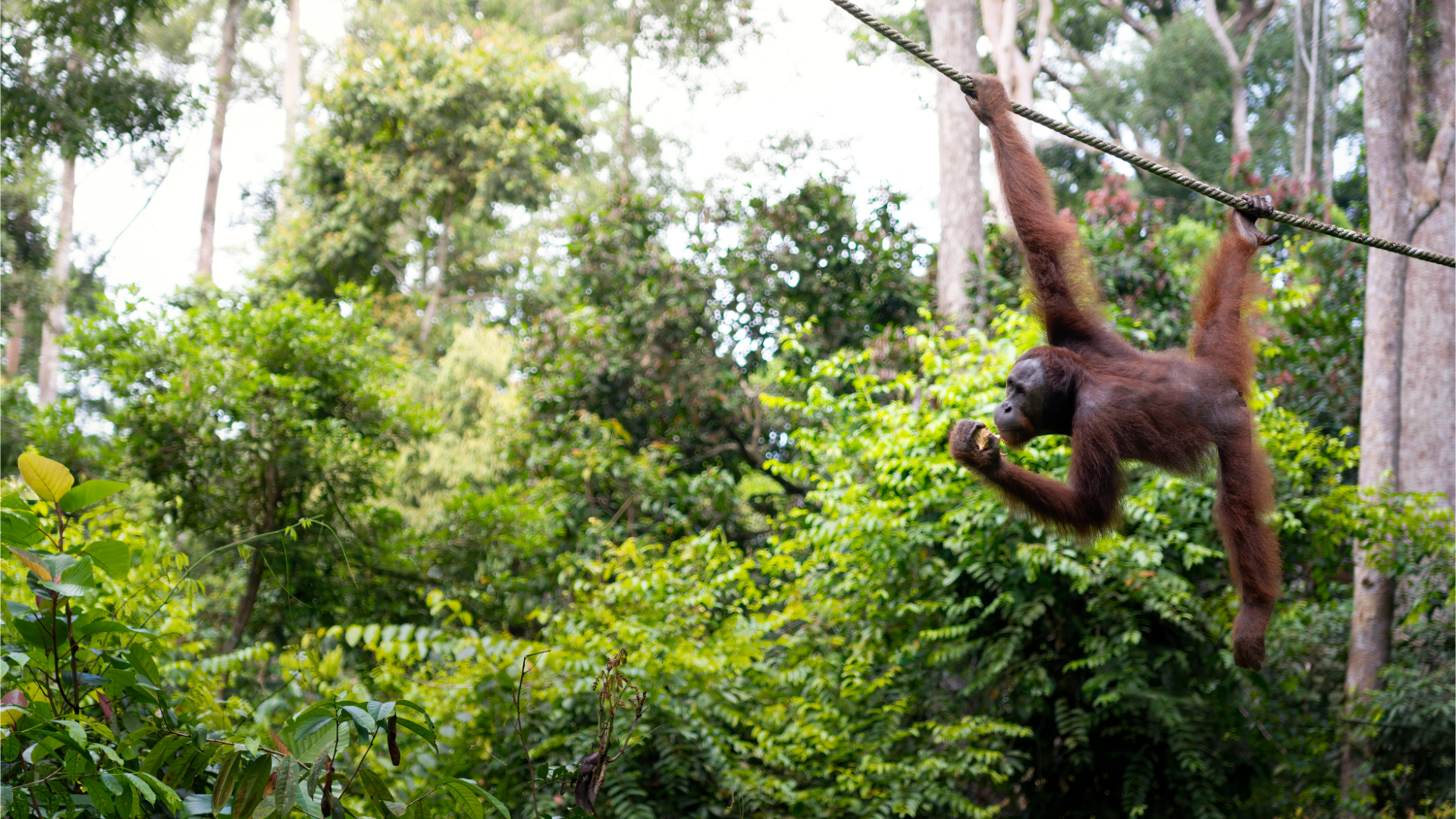
Green urban planning is central to Singapore’s development, with initiatives that integrate nature into the city. Travellers can support these efforts by choosing operators that prioritise sustainability and low-impact alternatives.
Community development
Supporting locally owned businesses is key to maintaining the vibrancy of Singapore’s neighbourhoods. Choosing family-run eateries, independent shops and community-led experiences ensures that tourism revenue benefits local residents directly.
Logistics & ground realities
Transport: Public transport is efficient and reliable; walking is easy in most districts.
Tour timings: Early mornings and evenings suit outdoor touring in warmer months.
Guides: Specialist guides add cultural context, particularly in heritage areas.
Currency: Singapore Dollar (SGD) is used with cards widely accepted.
Connectivity: Excellent Wi-Fi and mobile coverage citywide.
Healthcare & safety: World-class facilities and very high safety standards.
Accessibility: Strong accessibility across hotels, transport and major attractions.
Final tips for travel designers:
- Define the primary focus of the trip, whether culinary exploration, cultural discovery or a short urban escape.
- Structure itineraries around neighbourhood exploration.
- Pair iconic sights with everyday local districts to add depth and contrast.
- Take advantage of Singapore’s excellent infrastructure to keep programmes smooth and efficient.
- Rely on EXO’s local knowledge to create thoughtful, well-balanced city experiences.
Singapore FAQ
Is Singapore suitable for first-time Asia travellers?
Yes, it offers a gentle, highly organised introduction to Southeast Asia.
Can Singapore be combined with other destinations?
Very easily, particularly with Malaysia, Indonesia and Thailand.
How long should clients stay?
Three to four nights is ideal, though longer stays suit food and culture-focused travellers. Those with additional time may also consider extending their journey with a beach stay, creating a balanced programme that combines cultural discovery with time to unwind by the coast.
Is Singapore expensive?
Costs can be high, but there are excellent mid-range dining and accommodation options offering strong value.
Is Singapore family-friendly?
Extremely, it is clean, safe and easy to navigate.
What should clients pack?
Lightweight clothing, comfortable walking shoes and modest attire for religious sites.

 " alt="">
  " alt="">
 " alt="">
  " alt="">