
Getting started:
Japan in a nutshell
Japan has been one of the world’s most sought-after tourism destinations year after year for many reasons. It’s history, told through the stories of samurais, geishas and emperors, is familar, yet leaves much to still uncover. From anime and manga to Godzilla and Nintendo, Japan has equal sway on modern culture, particularly with younger audiences. The food culture, which needs no introduction, is among the world’s most iconic.
The diverse array of experiences available throughout Japan allows it to transform to suit a myriad of interests. Whether history buffs, culture explorers, adventurers or foodies, guests will find no shortage of things to see, do and experience, and these things can often be intertwined in the space of a single day. This accessibility and ease means there is no need for compromise.
However, the aspect of Japan that often resonates most with travellers is not the iconic features, but finer details that feel personal to each traveller. The exercise in patience as one attempts the steady handwork of kintsugi. The feeling of stepping into a steaming hot onsen tub. The hidden symbolism behind a flower carved into a palace roof ornament. These subtleties, embedded within the culture itself through practices of discipline and harmony, reveal themselves as unique forms of luxury.
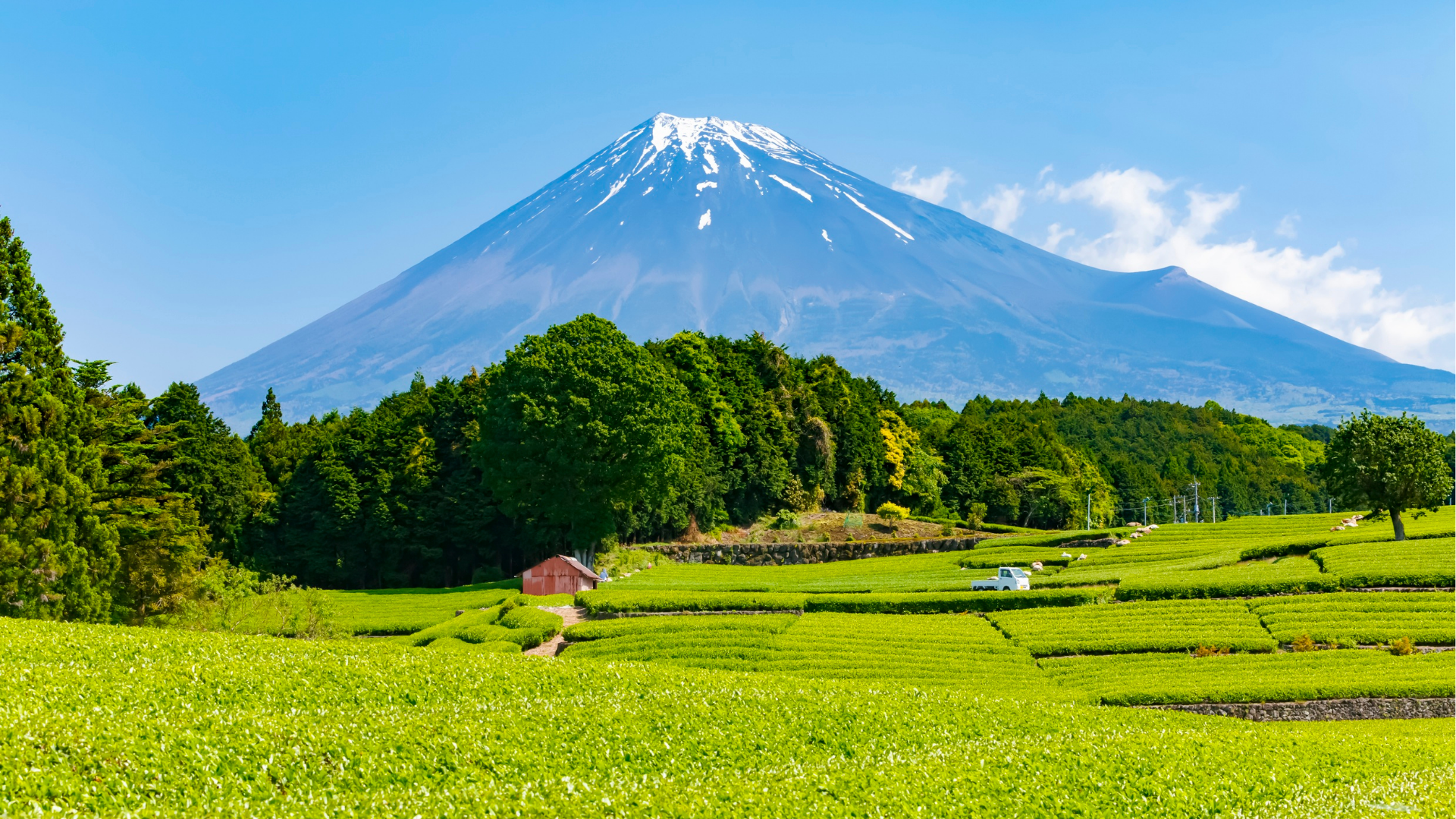
Undoubtedly, its landscapes of snow-tipped mountains, countryside towns and island-dotted seas are the final touch, making for a compelling backdrop to appreciate the small details. Japan is famous for a reason, and rarely disappoints.
Japan’s top-selling regions:

Best times to visit Japan
Spring (March–May): Mild temperatures and cherry blossom season bring some of the country’s most iconic scenery, however, it is also one of the busiest periods to travel, with high demand across major cities.
Summer (June–September): Festival season adds energy across cities and towns, though conditions can be hot and humid. Mountain regions and northern Japan offer more comfortable alternatives.
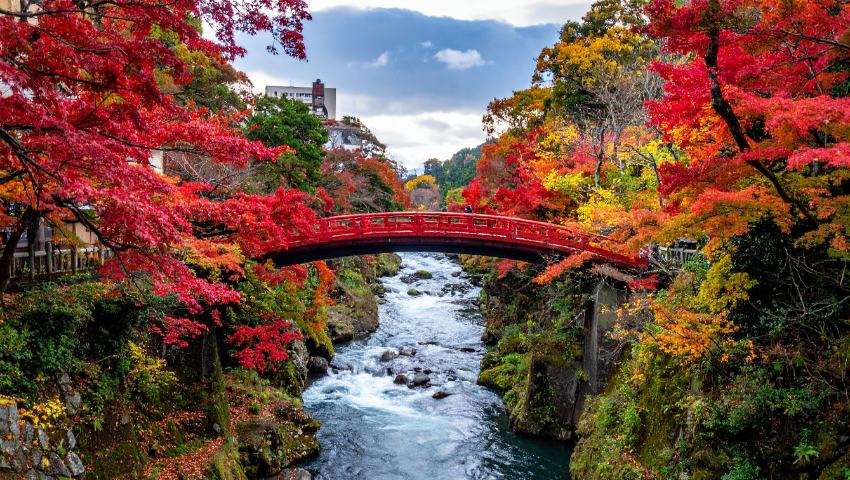
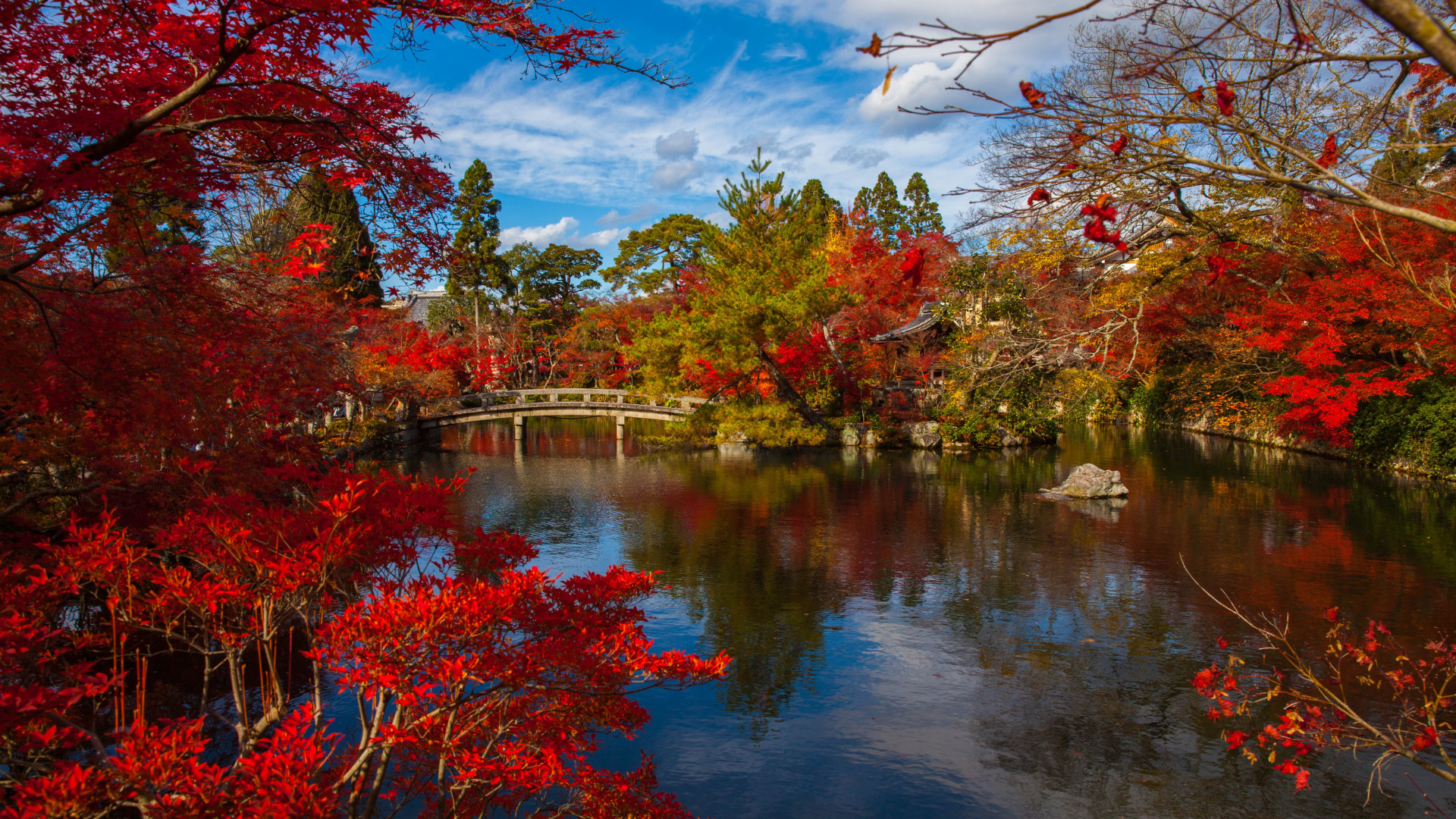
Autumn (September–November): Clear skies and colourful foliage make this one of the most balanced times to visit.
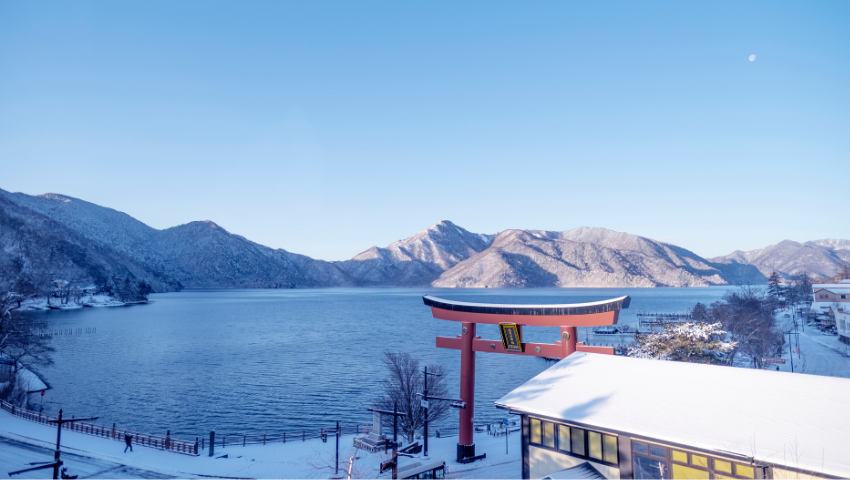
Winter (December–February): Snow transforms northern and alpine regions, while much of the country remains crisp and sunny.
Overall, April, May and October provide the most comfortable weather conditions. For those looking to travel with fewer crowds, February, early March and December offer a calmer alternative, with sunny days despite cooler temperatures.
Japan culture & etiquette
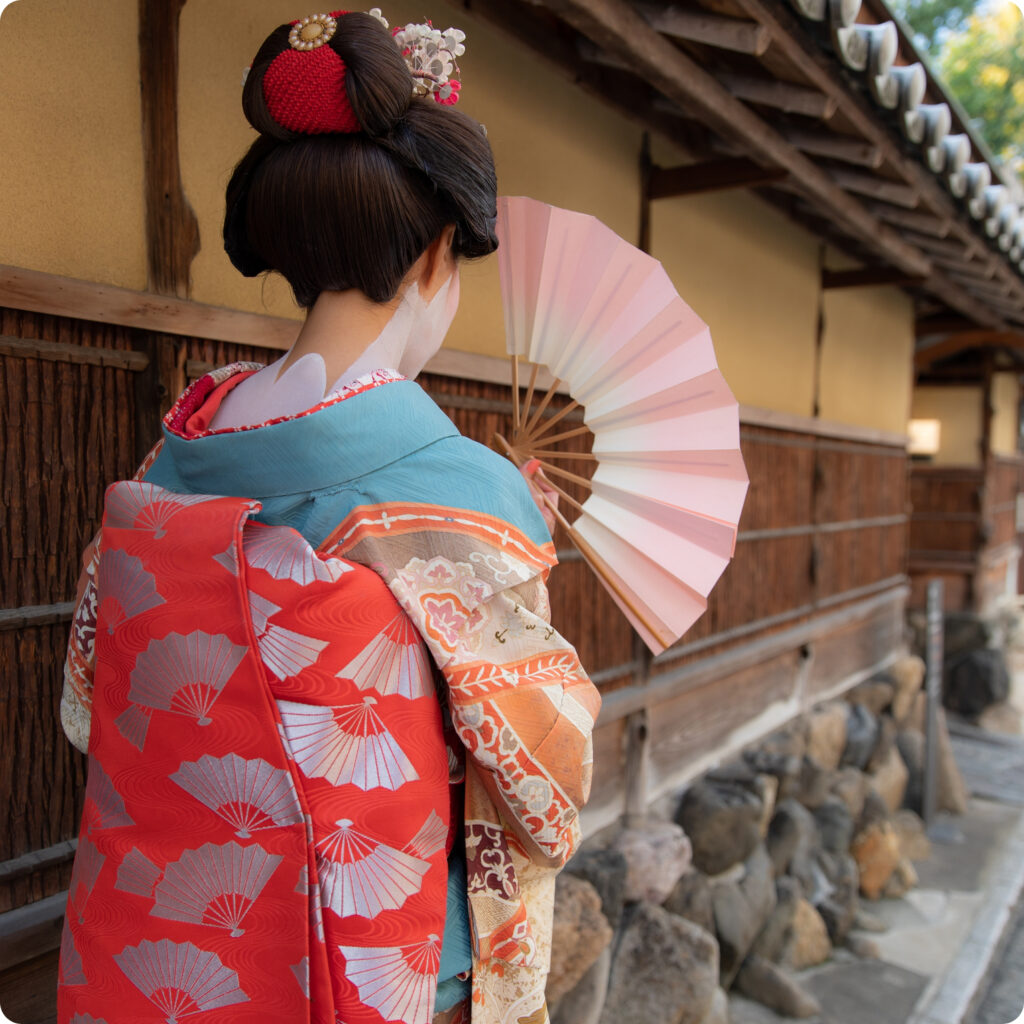
Respect & social norms
Consideration for others shapes everyday life in Japan. Quiet public behaviour, orderly queues and attentiveness to shared spaces are widely observed, creating a calm and respectful environment for travellers.
Greetings
Bowing remains the traditional form of greeting and a sign of respect.
Shoes
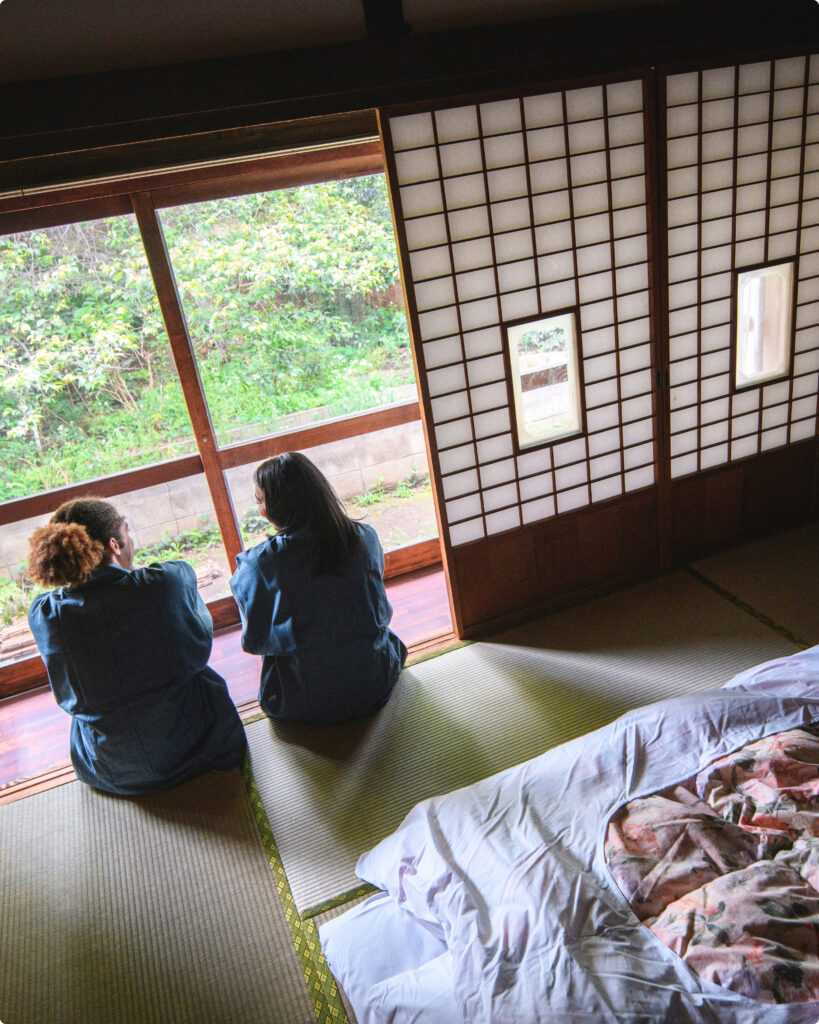
Removing shoes before entering homes, traditional inns and some restaurants or temples is customary. Slippers are typically provided.
For a deeper overview of customs and practical tips, see EXO’s Japan etiquette guide.
Accommodation insights
Japan offers a diverse accommodation landscape that reflects both its hospitality traditions and contemporary design.
Traditional ryokan inns remain one of the most distinctive ways to experience Japanese culture. Guests stay in tatami-mat rooms, sleep on futon bedding and enjoy simple, fresh seasonal meals. Many ryokan are located in hot spring regions and include access to onsen baths, an important element of Japanese wellness culture.
Temple stays, known as shukubo, provide a unique opportunity to stay within active Buddhist temple grounds, particularly around Mount Koya. Guests experience vegetarian monastic cuisine and may observe or participate in morning prayers.
At the higher end, Japan’s luxury accommodation is defined by precision, service and attention to detail. From design-led urban hotels in Tokyo and Kyoto to contemporary retreats set within natural landscapes, these stays focus on space, privacy and a strong sense of place.
Dining & cuisine
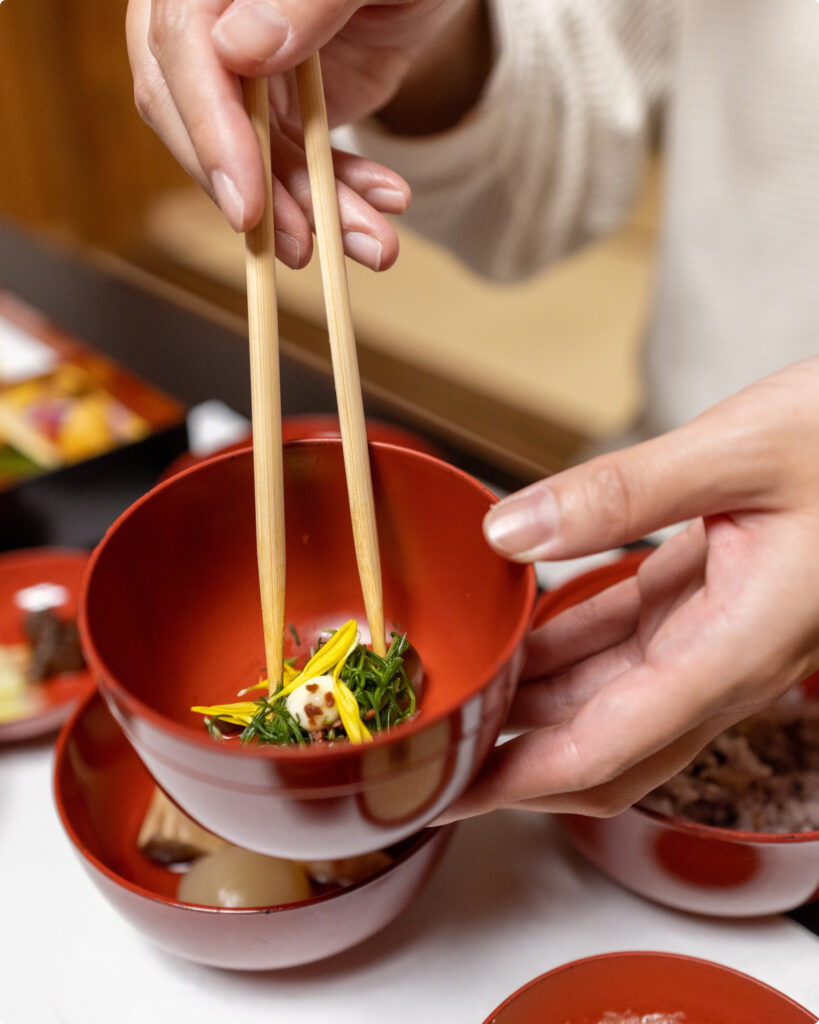
Traditional Japanese cuisine: Japanese cuisine emphasises seasonal ingredients, balance and presentation. Dishes such as sushi, tempura and regional noodle specialities reflect centuries of culinary tradition and attention to detail.
Regional specialities: Each region of Japan has its own distinctive dishes shaped by local ingredients and climate. From Hiroshima-style okonomiyaki to Hokkaido seafood and Osaka street food, culinary diversity is a central part of a Japan travel experience.
Dietary considerations: Dining in Japan is often highly structured, particularly in traditional and high-end settings where menus are pre-set. While some dietary requirements can be considered with advance notice, stricter needs such as vegan diets (especially without dashi) and gluten-free restrictions can be difficult to accommodate and may significantly limit options. Careful planning and clear expectations are important when designing itineraries around these requirements.
Getting in and out of Japan
Airports: Tokyo’s Narita and Haneda airports, along with Osaka’s Kansai International Airport, serve as the main international gateways. Fukuoka and Sapporo are also growing as international entry points, providing convenient access to southern and northern regions of Japan respectively.
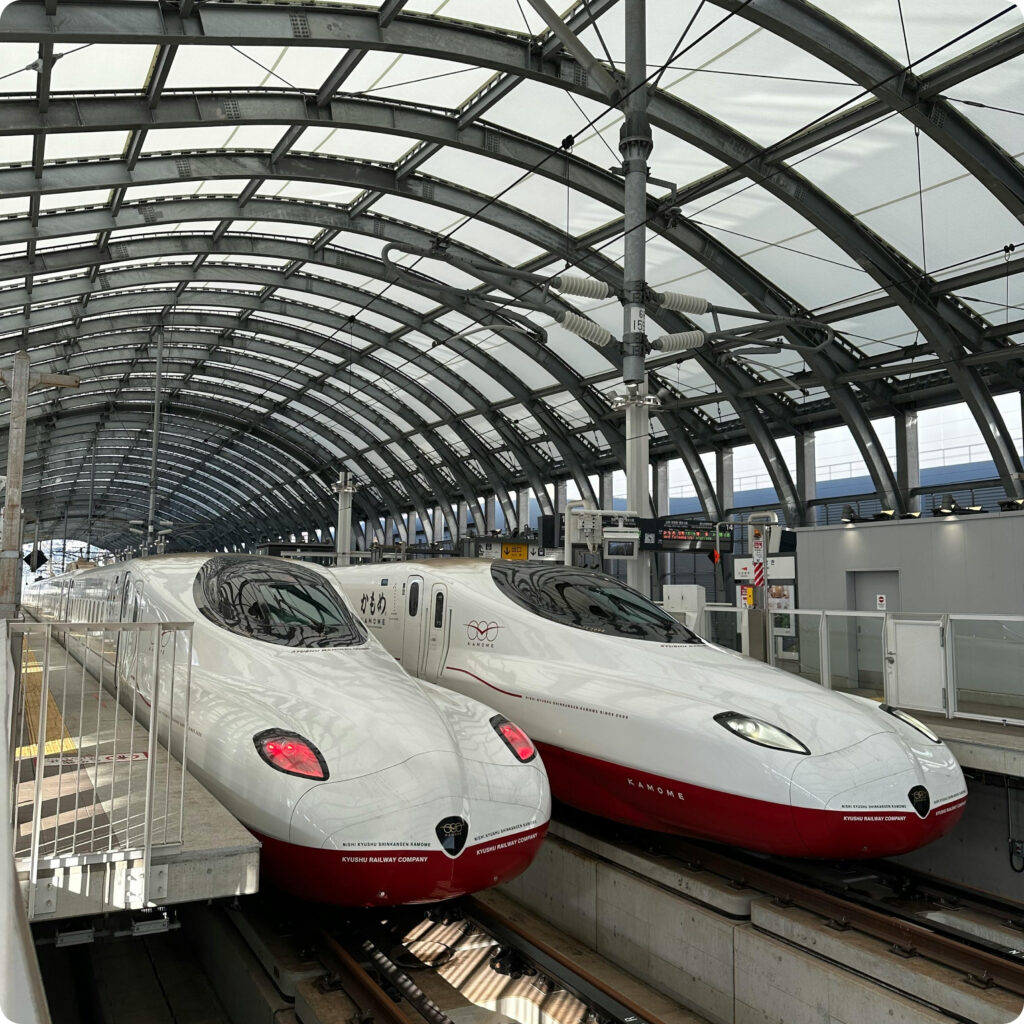
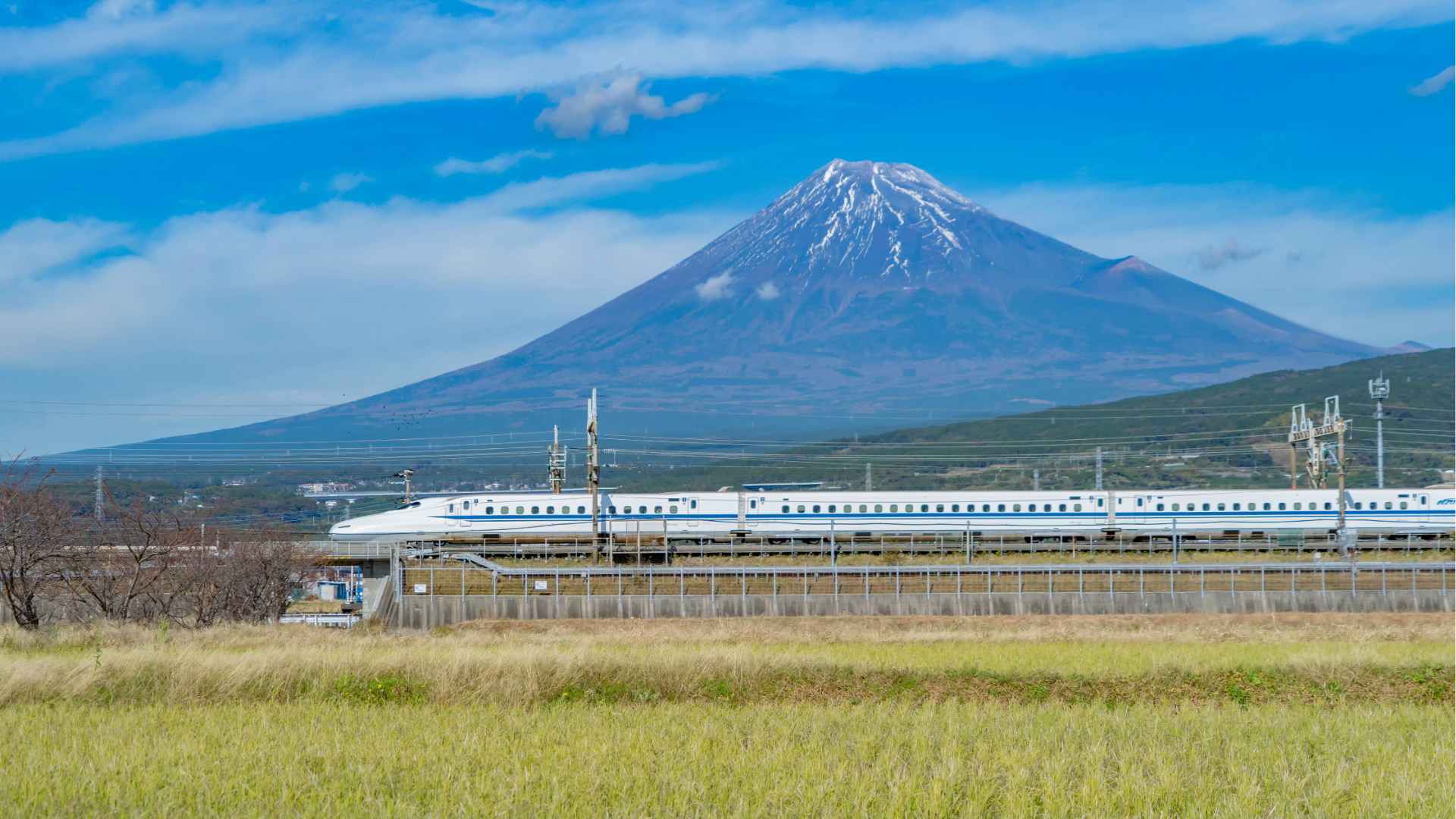
Rail travel: Japan’s renowned high-speed Shinkansen network connects major cities efficiently, making rail travel one of the most comfortable and convenient ways to explore the country.
Luggage: Forwarding services are widely available, allowing travellers to send suitcases ahead to their next hotel and travel between destinations with only a small overnight bag.
Regional pairings: Japan pairs well with destinations such as Korea and many countries in Southeast Asia for travellers exploring a broader Asia itinerary.
Matching Japan with your clients
Luxury travellers:
Japan has a refined style of luxury centred on detail and service rather than excess. Private guides, high-end ryokan stays and exceptional dining allow guests to experience craftsmanship, hospitality and seasonal cuisine at an intimate level.
Cultural travellers:
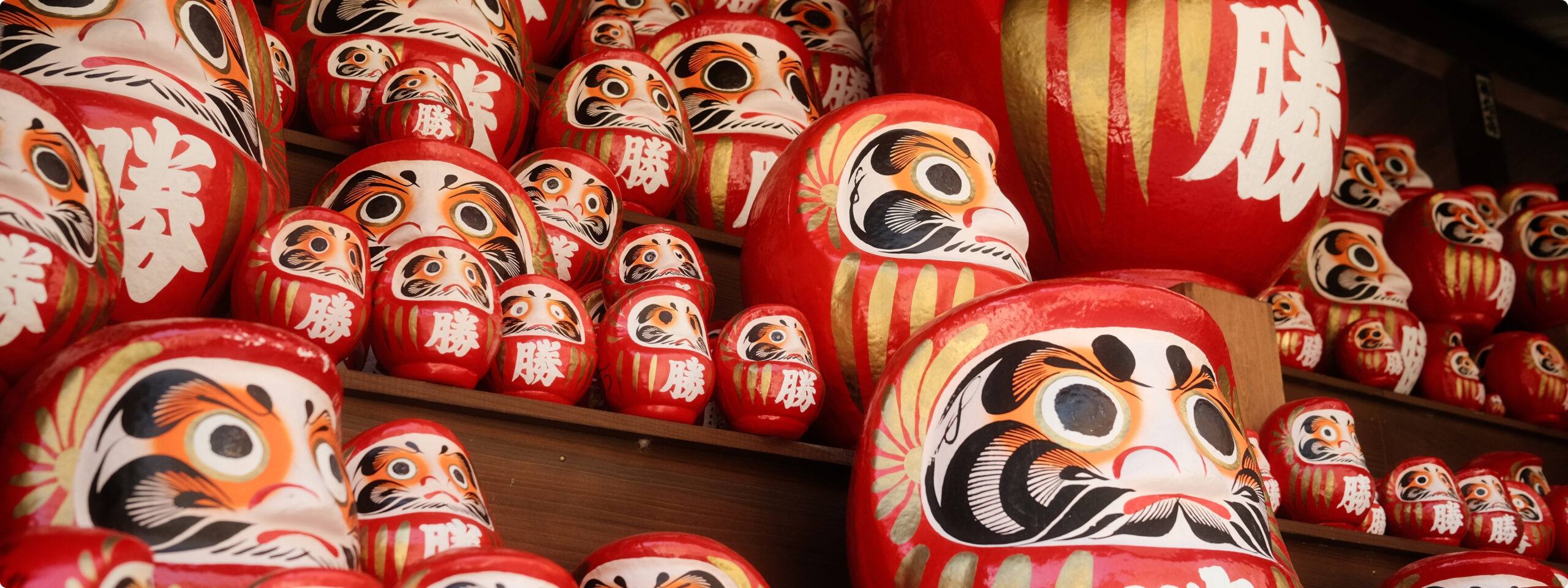
Temples, shrines and preserved historic districts provide insight into traditions that continue to shape daily life. Artisan workshops, tea culture and seasonal festivals add further depth for travellers interested in heritage.
Food-focused travellers:
Cuisine is often a central motivation for visiting Japan. Travellers can explore regional specialities, lively food markets and renowned restaurants, with each destination offering its own culinary identity.
Nature enthusiasts:
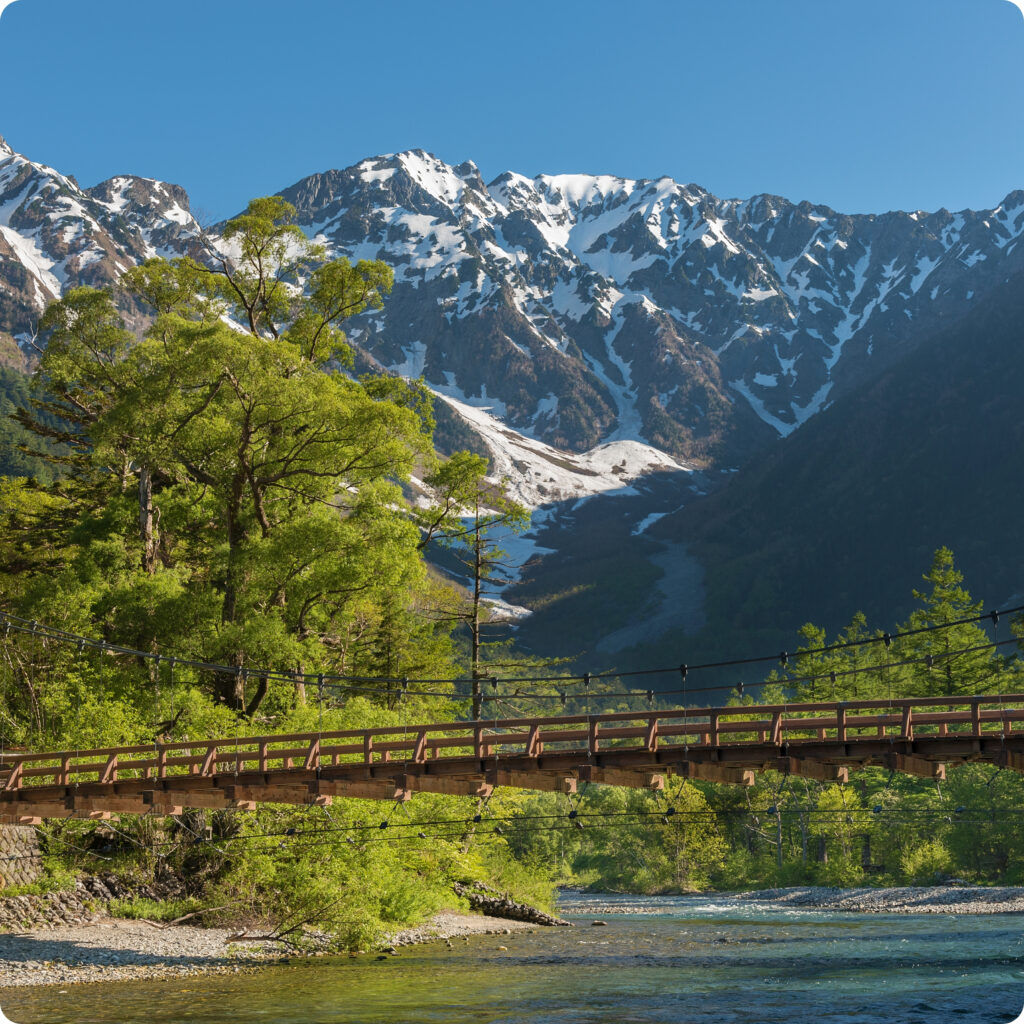
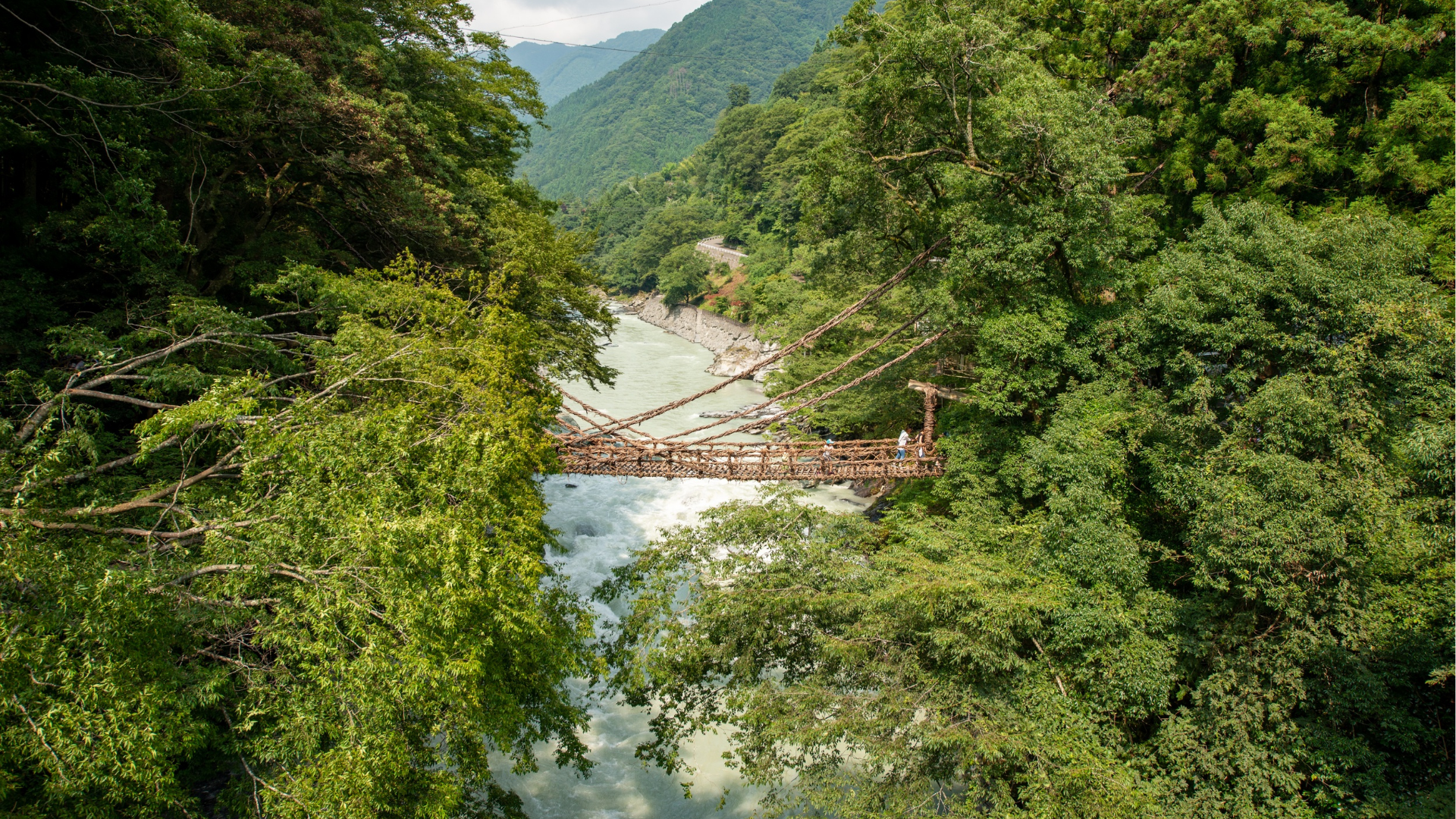
Beyond the cities, the country opens into mountain landscapes, national parks and scenic coastlines. Hot spring towns and walking routes provide opportunities to slow one’s pace and experience Japan’s natural environments.
Photography-focused travellers:
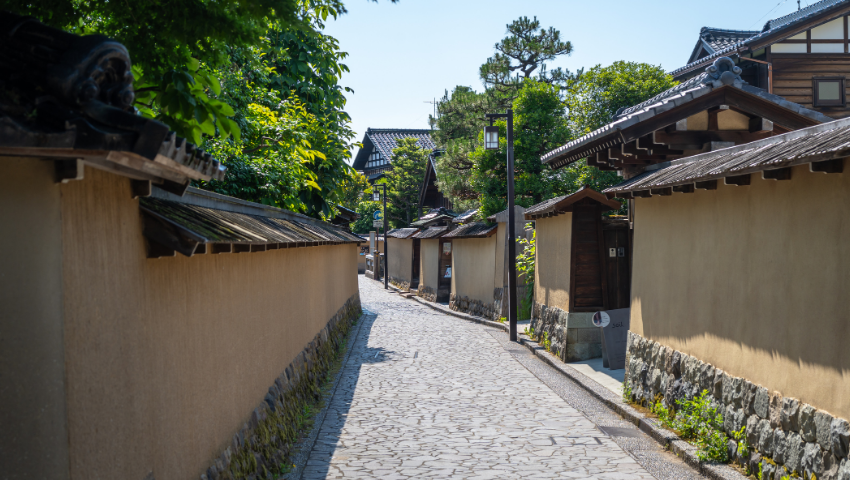
Japan’s changing seasons create constantly shifting scenery. Temple architecture, traditional streets and carefully designed gardens provide visually striking settings throughout the year.
Repeat travellers:
Many visitors return to explore different regions after their first trip. Northern landscapes in Hokkaido, historic towns in the countryside and the subtropical islands of Okinawa reveal entirely different perspectives of the country.

Responsible travel & local impact

Heritage protection: Japan places strong emphasis on preserving its historic temples, shrines and traditional neighbourhoods. Experiences such as traditional craft workshops, tea ceremonies and visits to historic neighbourhoods help sustain cultural practices and support ongoing conservation.
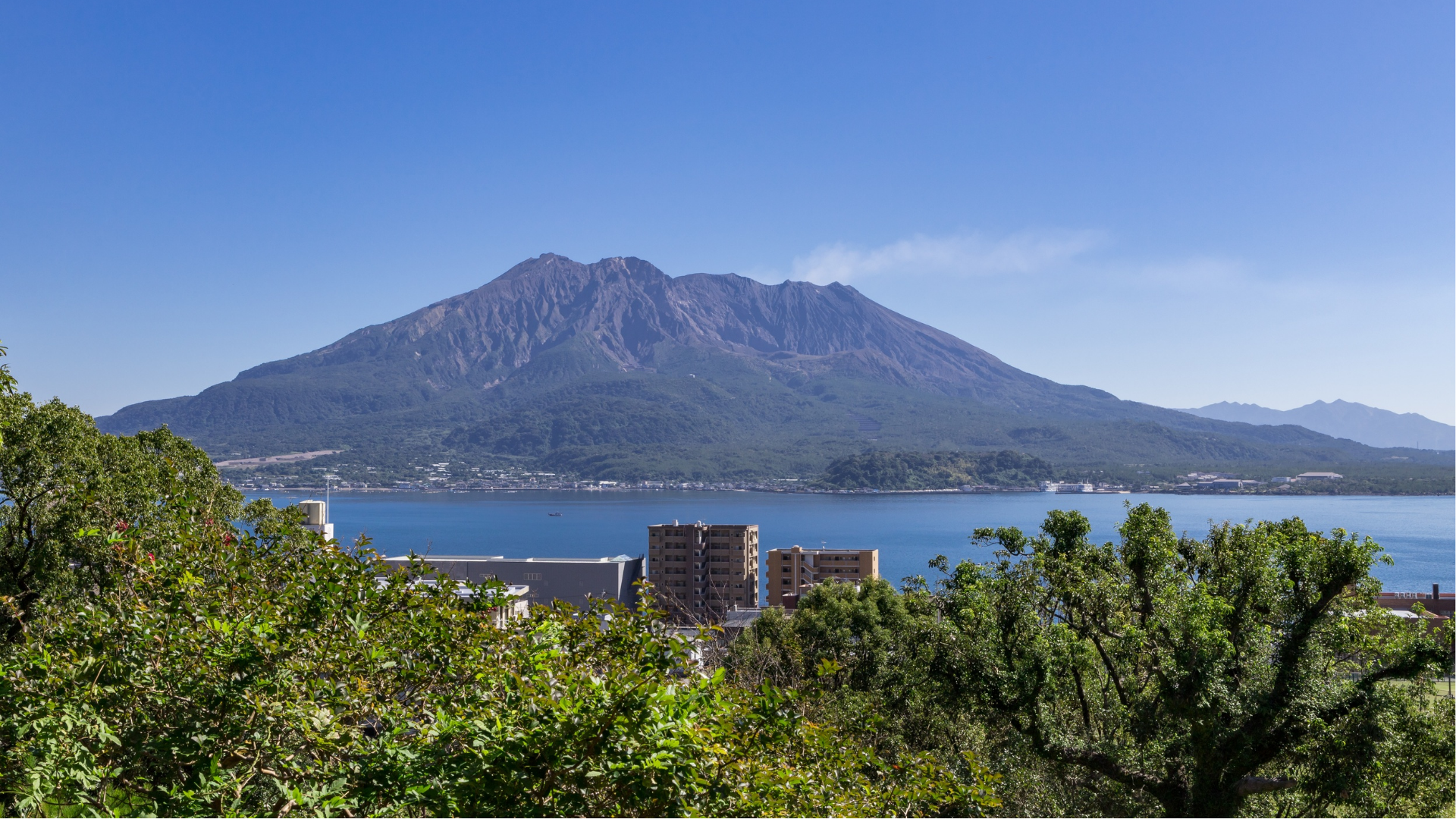
Environmental protection: National parks, coastal ecosystems and mountain environments are actively protected across the country. Responsible tourism helps support conservation initiatives while allowing visitors to experience Japan’s forests, volcanic landscapes and coastal regions in a thoughtful way.
Community development: Exploring destinations outside the Golden Route and limiting time in over crowded places such as Kyoto plays an important role in supporting local communities, particularly as rural areas face population decline. Staying in family-run ryokan, participating in farm stays and visiting artisan workshops helps distribute heavy tourism and sustain traditional livelihoods, particularly in rural areas.
Logistics & ground realities
Transport: Japan’s extensive rail network makes travelling between major cities efficient and comfortable.
Currency: The Japanese Yen (JPY) is used nationwide. Credit cards are now more widely accepted, although many temples, small shops and restaurants in local areas still only accept cash.
Connectivity: Mobile coverage and internet connectivity are strong throughout Japan.
Healthcare & safety: Japan maintains high healthcare standards and modern medical facilities in major cities. The country is widely regarded as one of the safest destinations for international travellers.
Accessibility: Public transport infrastructure is highly developed and increasingly accessible, though some historic temples or rural sites may involve stairs or uneven terrain.
Final tips for travel designers:
- Focus on balancing major cities with quieter cultural regions.
- Promote Japan year round, especially in shoulder season, as there are beautiful bloomings beyond sakura and momiji and each season offers its own unique highlights and landscapes.
- Allow time for slower exploration of historic districts and temple precincts.
- Combine cultural highlights with regional cuisine and traditional accommodation.
- Rely on EXO’s local expertise and logistics to craft itineraries that reveal both iconic sites and lesser-known regional experiences.
Japan FAQ
Is Japan easy to travel around?
Yes. Japan is one of the easiest countries in the world to navigate thanks to its reliable rail network, clear signage and well-organised transport systems. The Shinkansen high-speed train makes travel between major cities efficient and comfortable.
Do travellers need to speak Japanese?
No, but it can be helpful to know basic phrases. While English is not universally spoken, major hotels, transport hubs and many restaurants in tourism areas offer English signage or menus. Guides can provide additional cultural interpretation throughout the journey.
How long should clients stay?
A minimum of 10 days is recommended to explore Japan properly. Shorter trips often feel rushed and limit the depth of the experience, while itineraries of 10 days or more allow for a balance of key highlights and alternative experiences that better reflect the country’s uniqueness.
Is Japan suitable for repeat travellers?
Very much so. Japan’s regional diversity encourages return visits, from northern landscapes in Hokkaido to subtropical islands in Okinawa and historic towns throughout the countryside.

 " alt="">
  " alt="">
  " alt="">
  " alt="">
  " alt="">
  " alt="">