
Getting started:
Thailand in a nutshell
Thailand has maintained its status as one of the most sought after travel destinations in Asia for a reason. It’s cultural depth, natural beauty and everyday warmth allow travellers to experience this beautiful country in a way that feels both enriching and effortless.
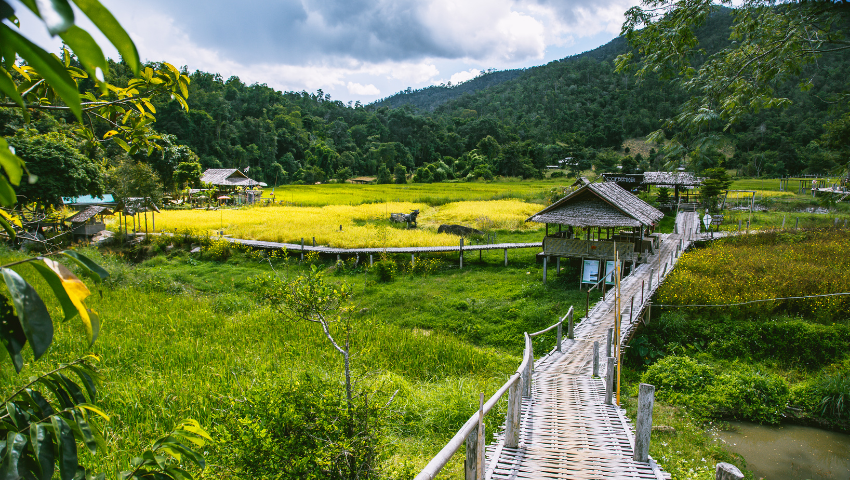
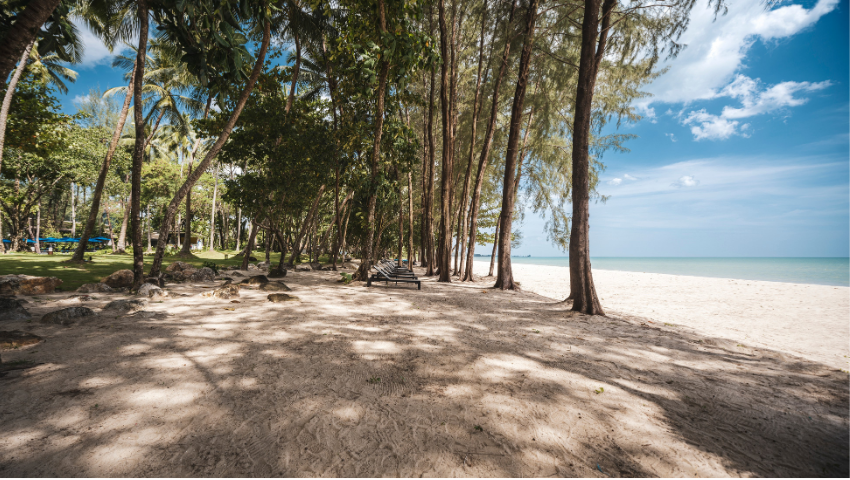
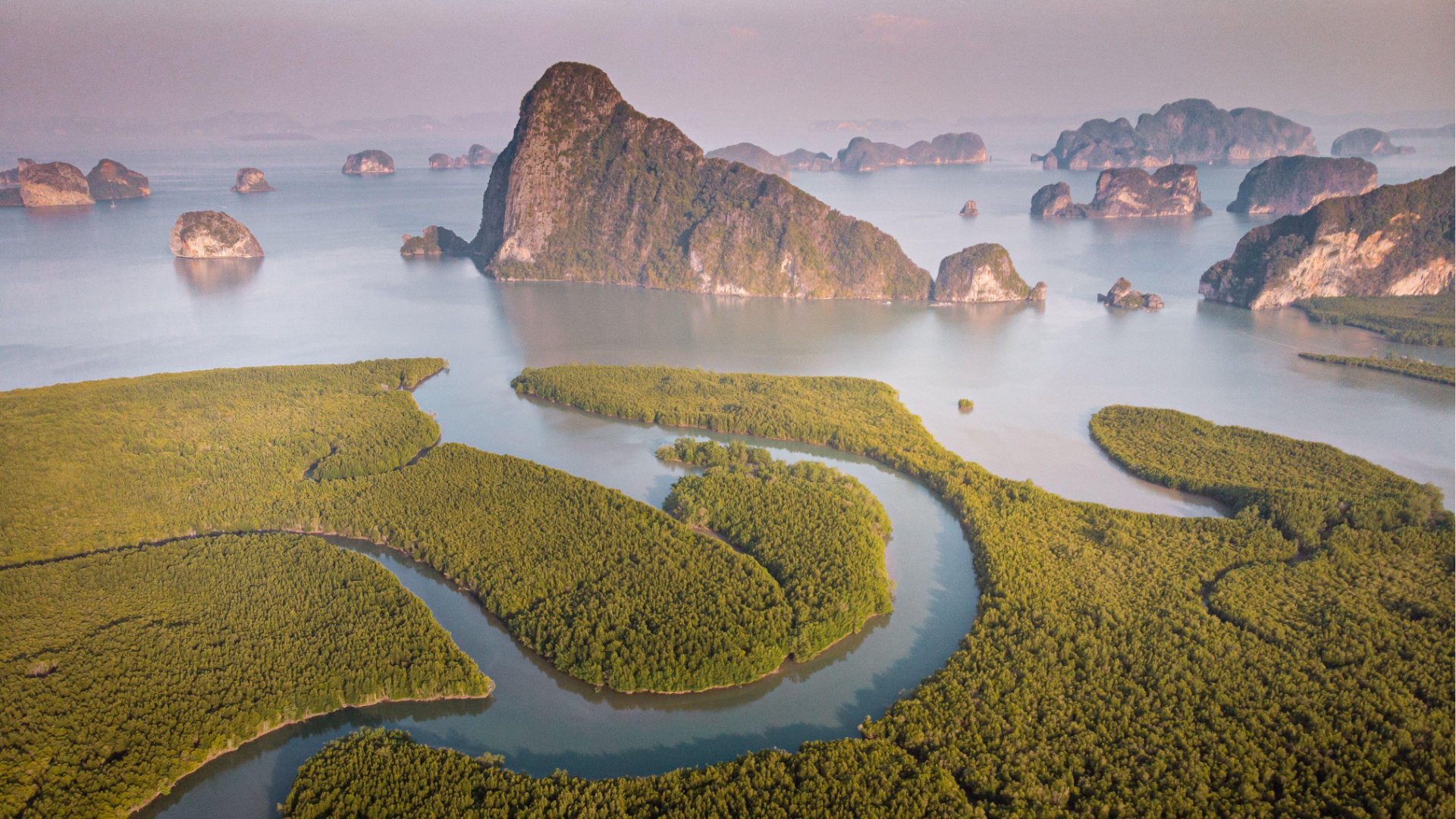
The landscapes and lifestyles are wonderfully varied, with jungle-clad mountains, calm gulf shores, dramatic Andaman coastlines and vibrant urban neighbourhoods that offer something for every type of traveller. Whether clients are looking for soft adventure, restorative wellness, culinary exploration or simple beachside relaxation, Thailand provides the setting, service and infrastucture to make every journey smooth and memorable.
This guide outlines the essential knowledge for positioning Thailand confidently in conversations with your travellers.
Thailand’s top-selling regions:

Best times to visit Thailand
November to February: The most pleasant weather across most of the country, ideal for first-timers and more all encompassing itineraries. Some parts of Northern Thailand may experience seasonal agricultural burning from mid-January to the end of March, so checking in with our team is recommended to help avoid any itinerary disruptions.
March to May: Hotter temperatures; great for beach escapes or shorter city stays.
June to October: Green season brings refreshing rains and lusher landscapes, especially in the north and central regions. Koh Samui and the surrounding Gulf islands, including Koh Phangan and Koh Tao, follow a reversed weather pattern. When most of Thailand is experiencing more rain, these islands are usually dry with plenty of sunshine.
Thailand culture & etiquette
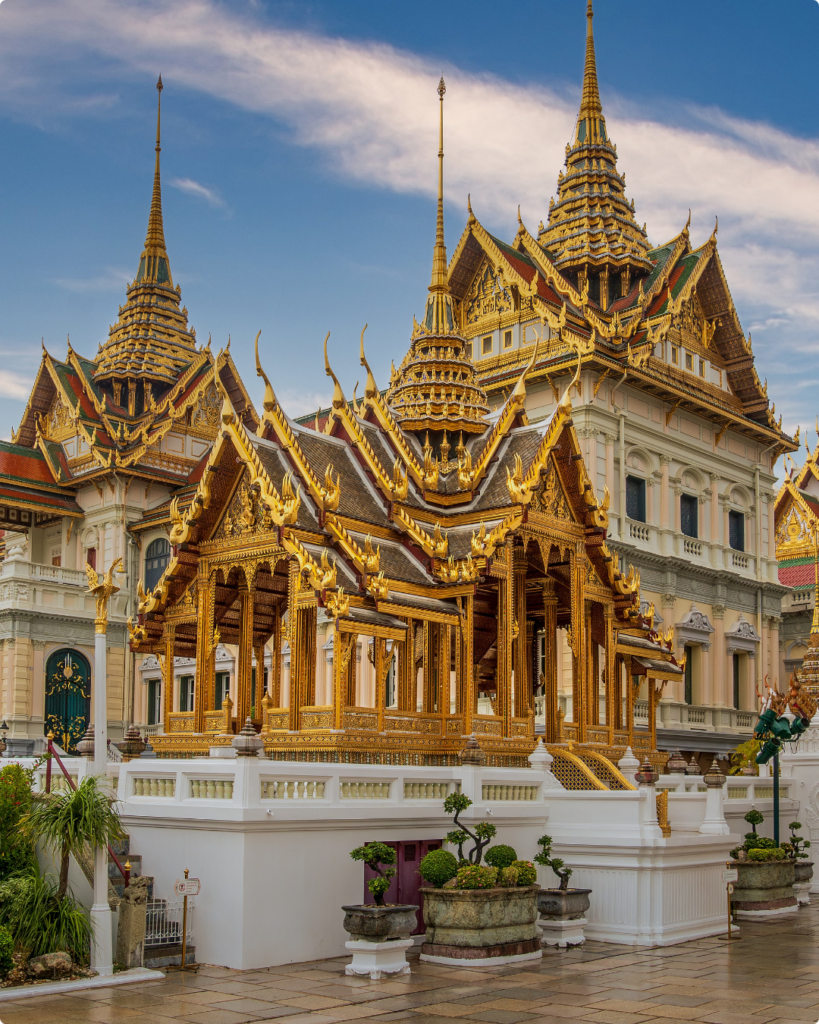
Dress:
Thailand is relatively relaxed when it comes to clothing, especially in cities and beach areas, but shoulders and knees are required to be covered when visiting temples. In rural regions, simple modest attire is appreciated.
Respectful behaviour:
Courtesy in Thailand is shaped by Buddhist values of calmness and respect, so visitors should avoid touching others’ heads and refrain from pointing at people or objects with their feet, as both gestures are considered disrespectful. It is also a culturally common practice to remove shoes when entering temples and private homes.
Photography:
Always ask before photographing monks or hill tribe communities. Some temples restrict flash or interior photography.
Tipping:
Not compulsory but appreciated. Restaurants sometimes include 5–10 % service fee. Porters, guides and drivers welcome small gratuities as well.
Accommodation insights
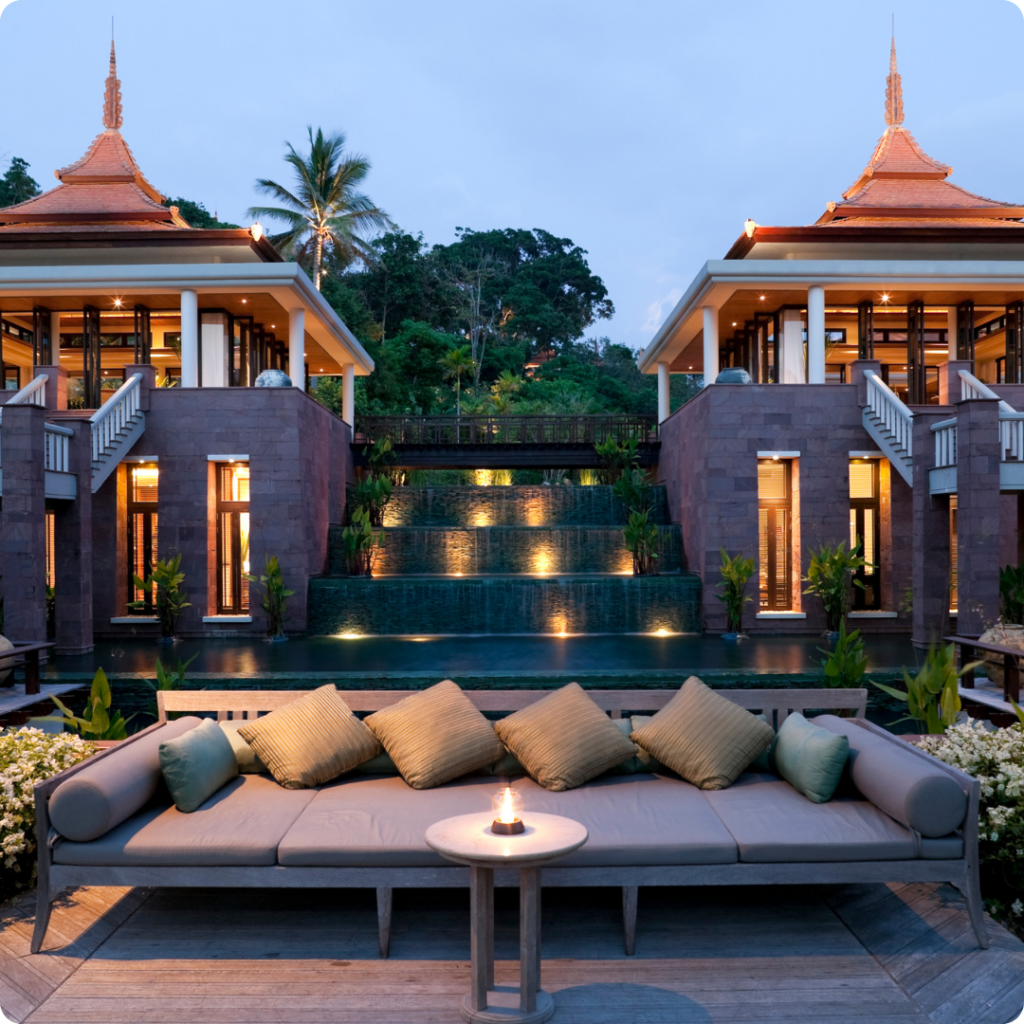
Thailand offers an extensive range of accommodation, from world-class luxury resorts to boutique heritage stays and family-friendly options that suit a wide range of budgets. Premium hotels are found across Bangkok, Chiang Mai and key cultural centres, while Phuket, Krabi, Samui and Khao Lak are known for villa-style beach resorts with refined service and strong wellness programmes.
Characterful boutique and heritage hotels, from traditional Thai design to restored colonial buildings, create intimate stays in cities and historic towns. For nature-led escapes, options include floating bungalows in Khao Sok and jungle lodges in the north. Hua Hin, Samui and Phuket are great destinations for travellers seeking family resorts with kids’ clubs or wellness retreats.
Dining & cuisine
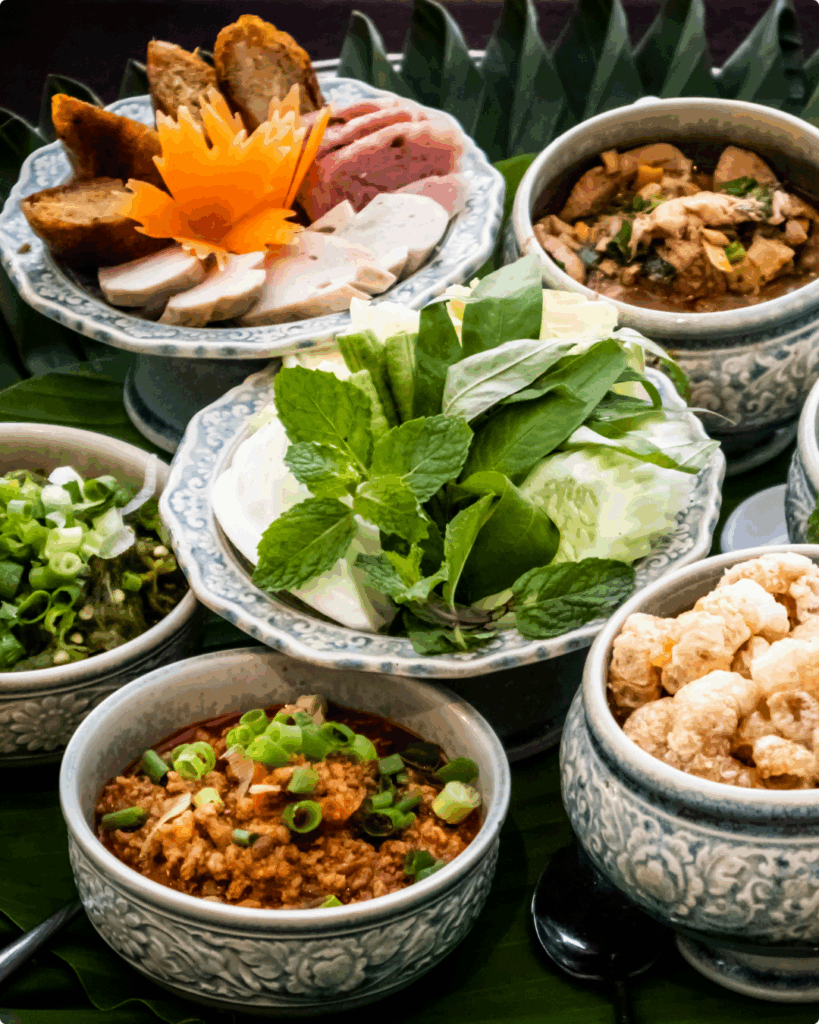
Regional signatures:
Each region of Thailand has its own culinary identity, with Northern Thai dishes leaning toward herbal, aromatic flavours while the south features bolder curries and seafood-rich cuisine.
Street food & night markets:
Street food is an essential part of Thai life and markets offer safe, flavourful and great-value tasting opportunities.
Cooking classes & food experiences:
Market walks, cooking schools and chef-led workshops are excellent additions for clients who want a deeper understanding of Thai ingredients and traditions.
Upscale & modern Thai dining:
Bangkok and Phuket now rival major global food cities, with innovative restaurants, tasting menus and Michelin-recognised chefs reinterpreting traditional flavours in contemporary ways.
Dietary requests:
Thailand is flexible with dietary needs. Vegetarian, vegan and gluten-free meals can usually be accommodated with advance notice, particularly in cities and higher-end hotels.
Getting in and out of Thailand
- Airports: Bangkok (BKK and DMK) is the main international hub, with major airports in Phuket, Chiang Mai, Samui and Krabi.
- Flight connectivity: Excellent links to Europe, the Middle East, Australia and the rest of Asia.
- Visas: Many nationalities receive visa-free entry or visa-on-arrival. Always confirm ahead of travel.
- Domestic travel: Affordable domestic flights and reliable private transfers make multi-region itineraries simple.
- Ferries: Used extensively for island travel in the south and east. Seasonal sea conditions affect schedules.
- Arrival tips: Pre-arranged fast-track services are useful during peak seasons for smoother entry.

Matching Thailand with your clients
Thailand’s range of landscapes and experiences makes it easy to pair with a wide spectrum of traveller types. Here’s how to position the country for different clients and the kinds of experiences you can offer each profile.
Luxury travellers: Thailand’s high-end offerings range from private pool villas in Phuket to intimate riverside suites in Bangkok with exceptional dining and spa programmes. Recommend curated experiences such as after-hours temple visits, private long-tail cruises or exclusive wellness rituals for clients seeking elevated comfort.
Adventurers & active travellers: Trekking in Chiang Mai, kayaking in Krabi, diving in the Similan Islands and cycling through rural villages offer plenty of excitement for active guests. EXO can support with specialist guides, ethical wildlife encounters and tailored routes suited to all ability levels.
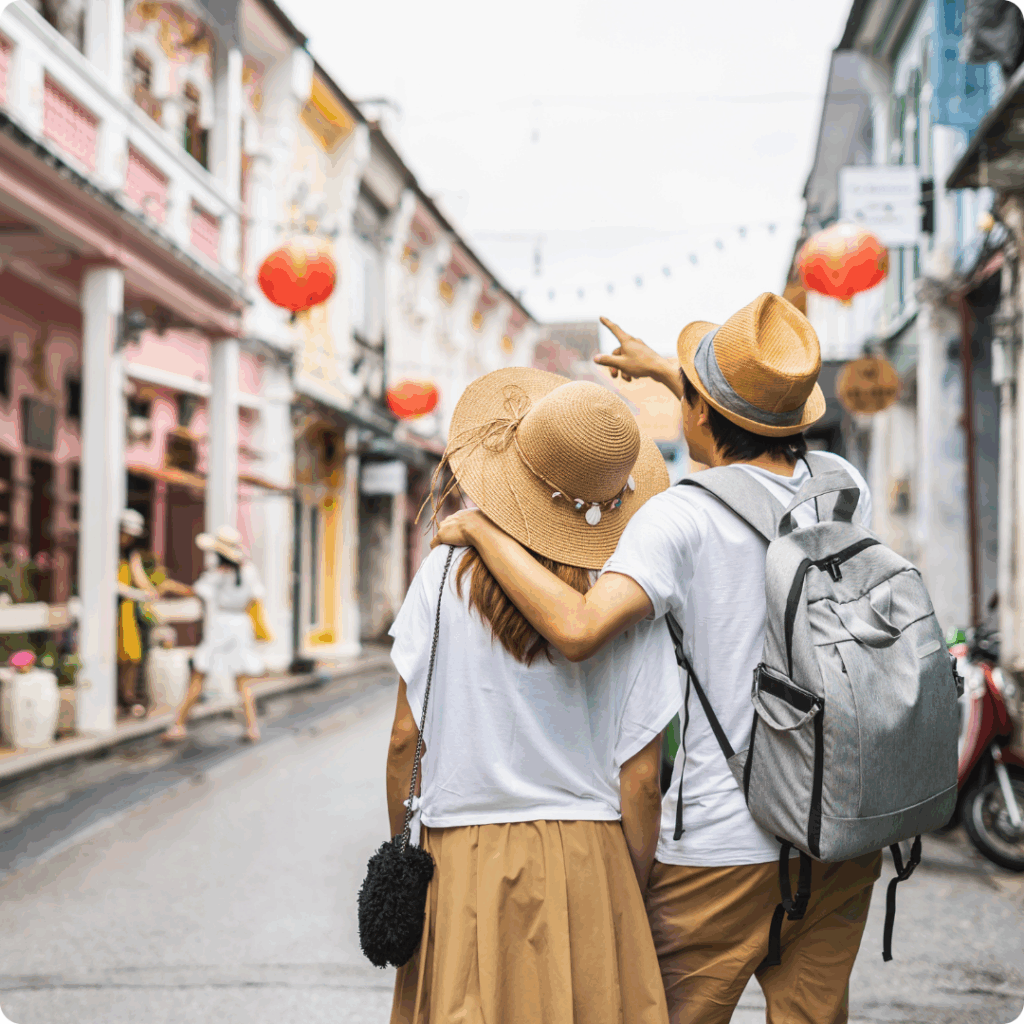
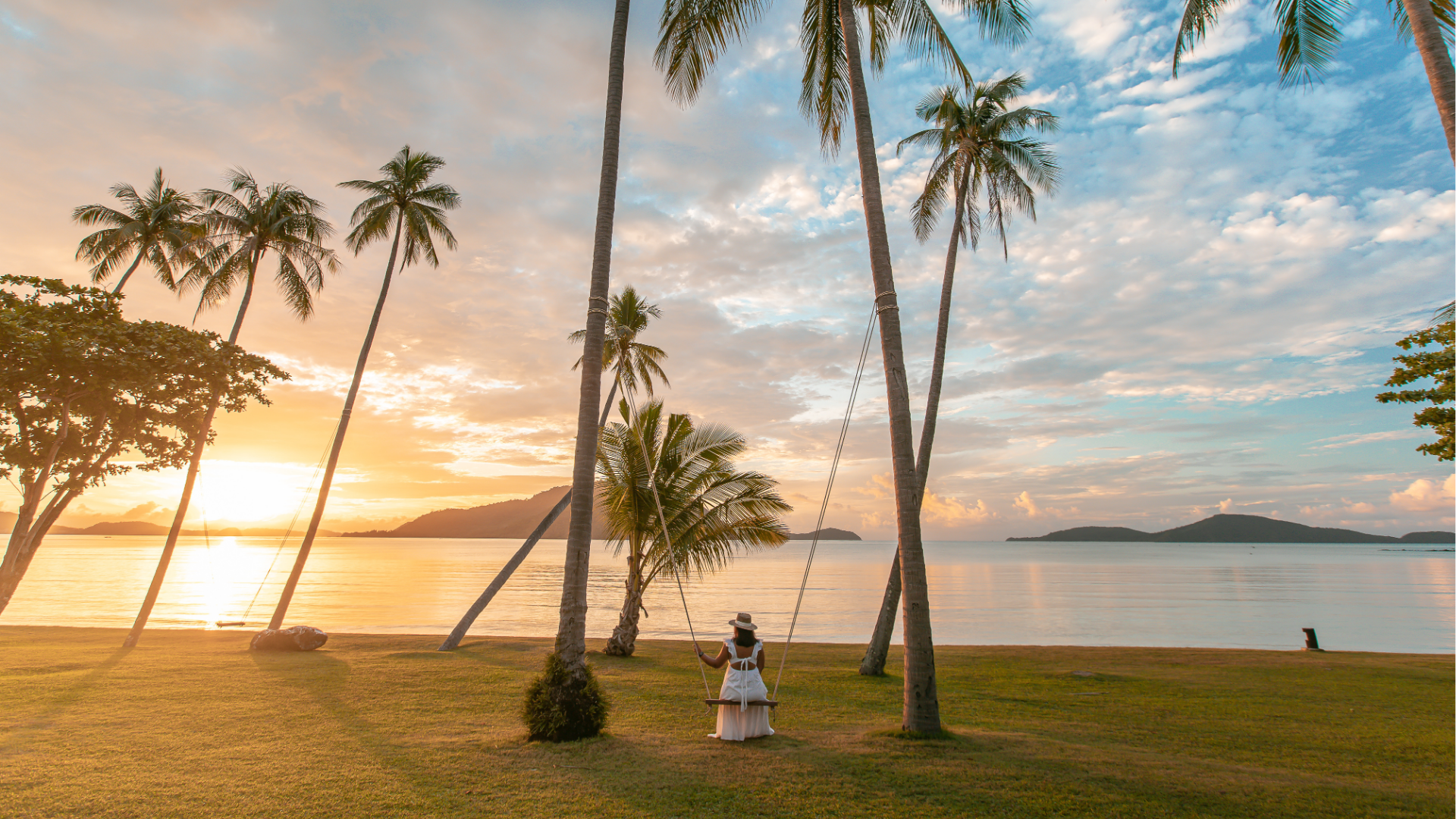
Romantic couples: Thailand’s beaches, boutique hotels and tranquil mountain retreats create the perfect setting for romance. Suggest sunset cruises, private dining on the sand or couples’ spa rituals to craft an intimate, memorable itinerary.
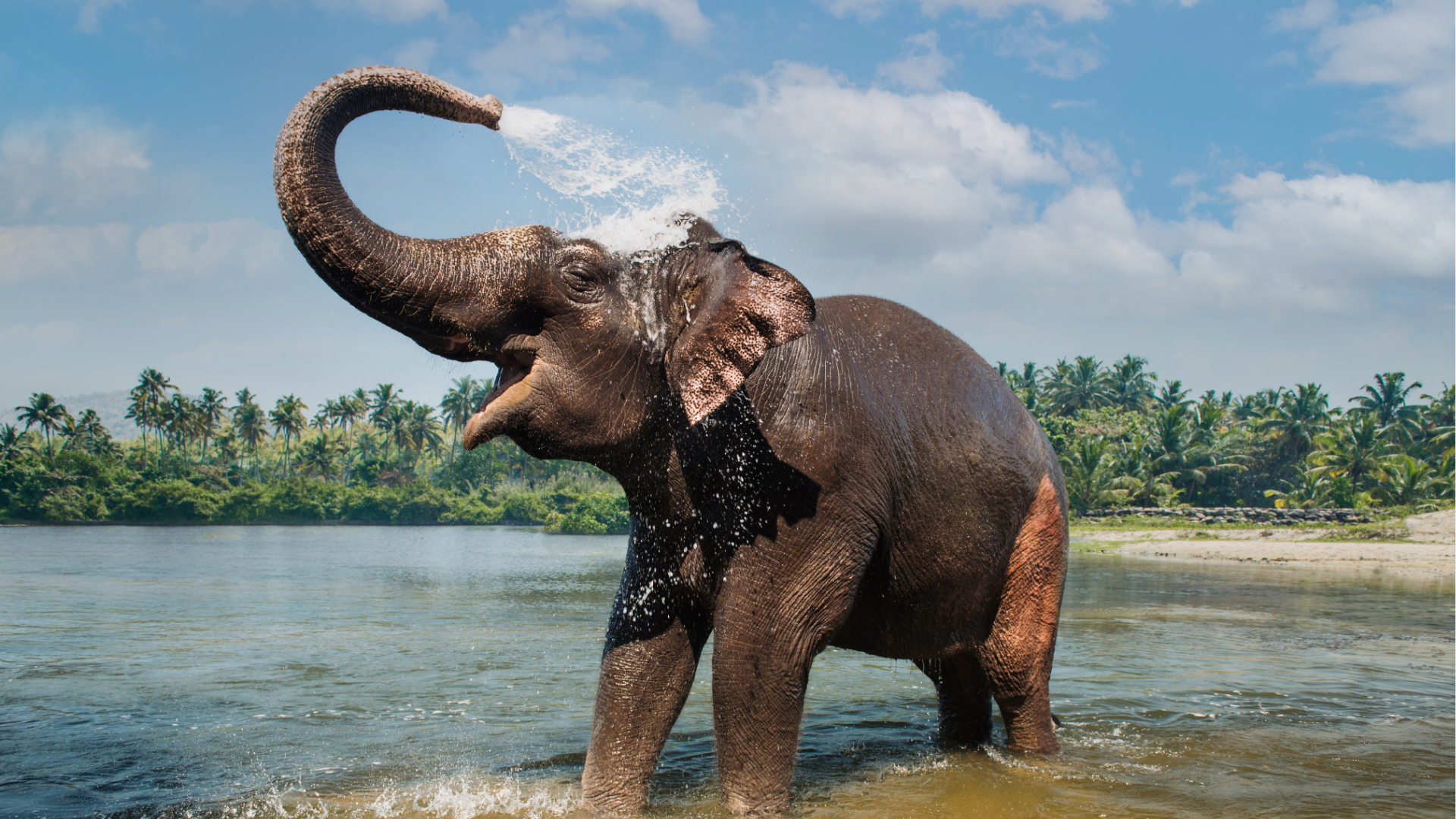
Families & multigenerational groups: Thailand’s safe environment, varied activities and warm hospitality make it ideal for families. Kids love elephant-friendly sanctuaries and snorkelling adventures, while adults appreciate the comfort and convenience of family-friendly resorts.
Foodies: From Bangkok’s street-food alleys to Chiang Mai’s northern markets and seafood feasts in the south, Thailand is paradise for culinary travellers. Add chef-led workshops, market tours or regional tasting sessions to build a flavour-focused journey.
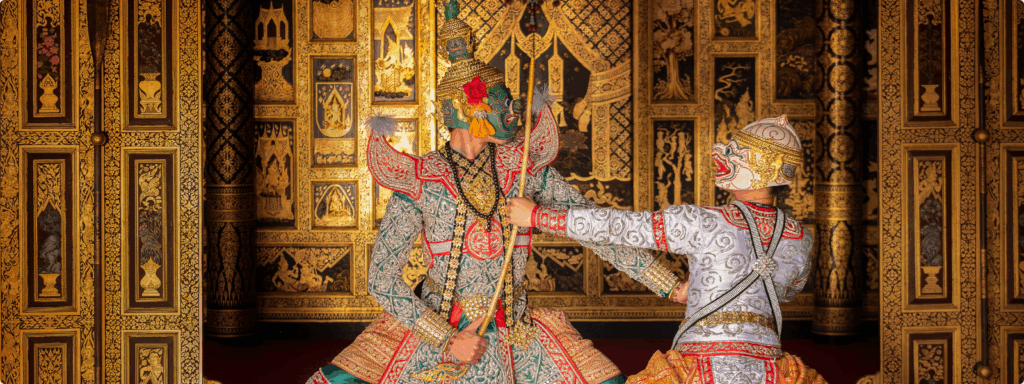
Cultural travellers: Thailand’s heritage is rich and accessible, from Bangkok’s iconic temples to Lanna traditions in Chiang Mai and craft villages across the north. Hands-on workshops, monk blessings and guided neighbourhood walks deepen cultural understanding.
Wellness seekers: Thailand excels in holistic wellness with yoga retreats, luxury spas and healing programmes across the country. Recommend mountain sanctuaries, beachfront wellness resorts or meditation centres for restorative, nature-connected stays.
Repeat or slow travellers: Clients returning to Thailand will enjoy lesser-known regions such as the Eastern Islands, Trang, Satun or rural Chiang Rai. Longer stays, village-based tourism and deeper craft or culinary immersion suit those seeking a slower, more meaningful pace.
Responsible travel & local impact
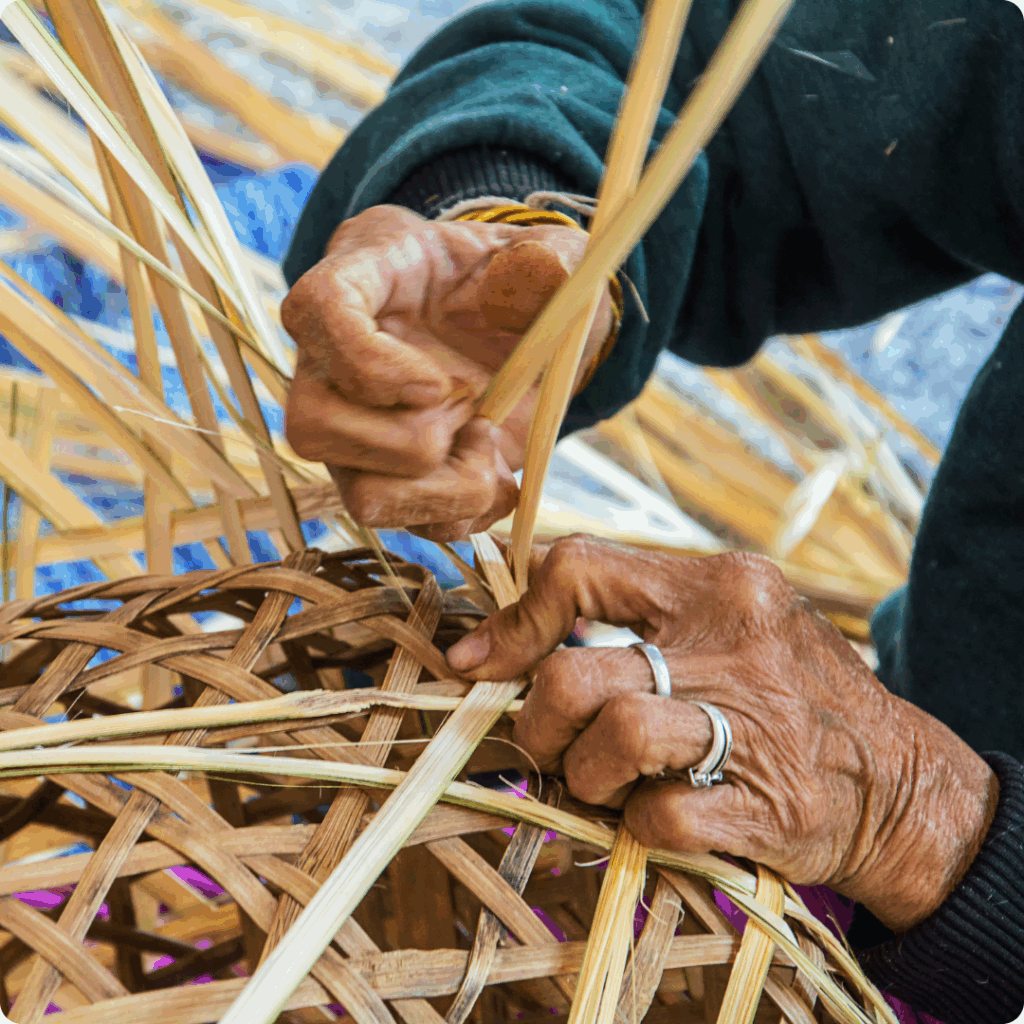
Community Based Tourism: Promote respectful visits to hill tribe villages and locally run activities in Chiang Mai, Chiang Rai and rural provinces.
Nature & Wildlife Protection: Avoid elephant riding. Choose reputable, observation-based sanctuaries.
Heritage Protection: Support protecting time-honoured techniques by encourage purchases from community workshops and fair-trade crafts.
Eco-practices: Highlight plastic-free hotels and properties with sustainable waste management.
Cultural respect: Visitors should dress appropriately at temples and support businesses that protect heritage and nature.
For added guidance, look for the Travel for Good tag on our products to identify how they may benefit people and the planet.
Logistics & ground realities
Transport: Private transfers and domestic flights are most common. Bangkok’s BTS/MRT trains are efficient.
Tour timings: Early mornings are ideal for temples and markets. Avoid outdoor touring midday during the hot season.
Guides: Professional guides enrich the experience with cultural context, regional nuance and local stories.
Currency: Thai Baht (THB). ATMs widely available; cards accepted in urban and resort areas.
Connectivity: Strong mobile and hotel Wi-Fi; rural and island spots may be slower.
Healthcare & safety: Modern hospitals in major cities; bottled or filtered water recommended. Thailand is generally safe with normal precautions.
Accessibility: Major cities and hotels offer accessible facilities; rural sites may have limitations.
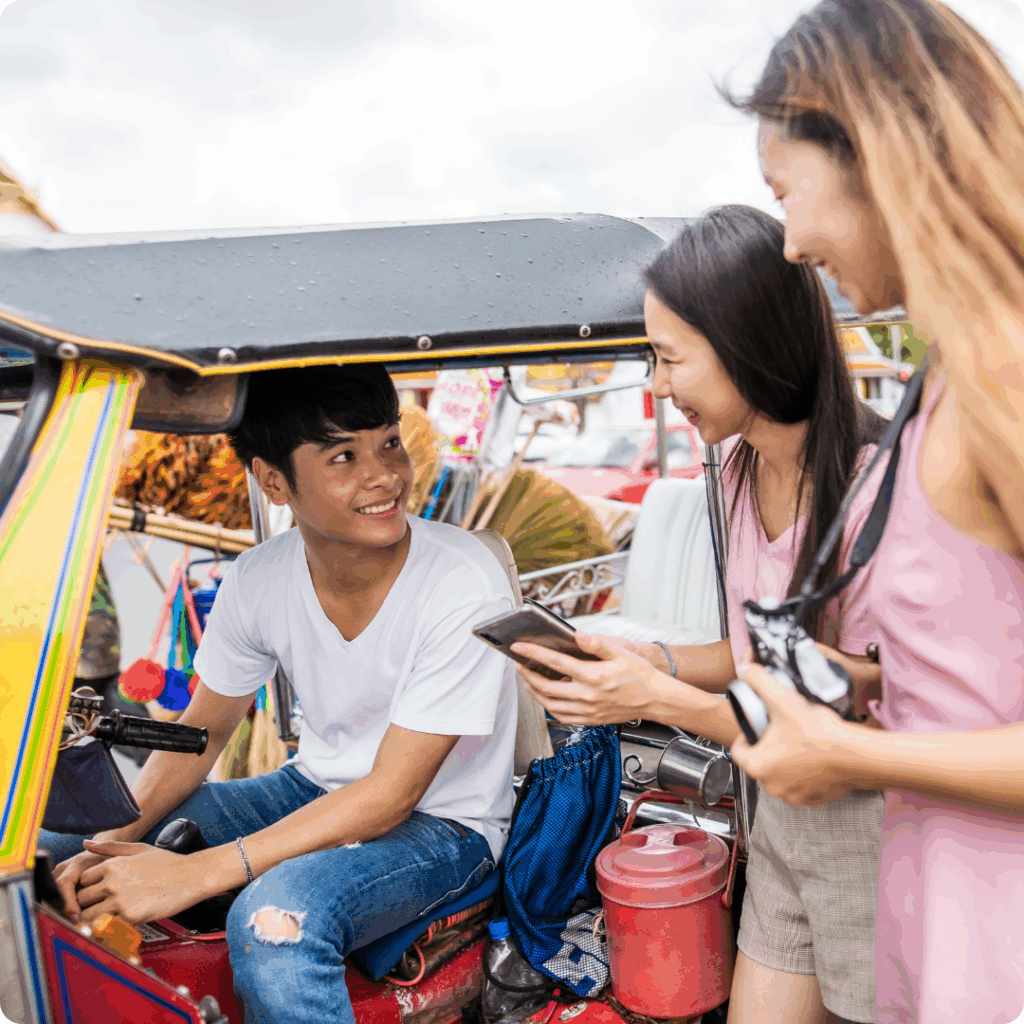
Final tips for travel designers:
- Start with your client’s purpose: culture, nature, coast, wellness or a combination.
- Recommend slower travel. Thailand reveals its depth when travellers aren’t rushed.
- Balance popular highlights with lesser-known provinces for more meaningful itineraries.
- Consider weather patterns carefully when designing multi-region trips.
- Use EXO’s on-the-ground expertise for seamless logistics, insider access and responsible experiences.
Thailand FAQ
Can Thailand be combined with Laos, Cambodia or Vietnam?
Yes — Bangkok is a major regional hub with excellent connections.
Do you need private drivers/guides?
Highly recommended for cultural touring, nature excursions and efficient routing.
Is Thailand safe?
Yes — very safe for tourists. Usual travel awareness applies.
How easy is it to accommodate dietary needs?
Very easy — especially in Bangkok, Chiang Mai and resort areas.
Is Thailand suitable for LGBTQ+ travellers?
Generally welcoming and one of the most LGBTQ-friendly countries in Asia, though discretion is advisable in rural areas.
Is Thailand child-friendly?
Absolutely, it has plenty of family resorts, hands-on activities and safe environments.
What should clients pack?
Breathable clothing, swimwear, comfortable walking shoes, a scarf for temples and reusable water bottles.

 " alt="">
  " alt="">
  " alt="">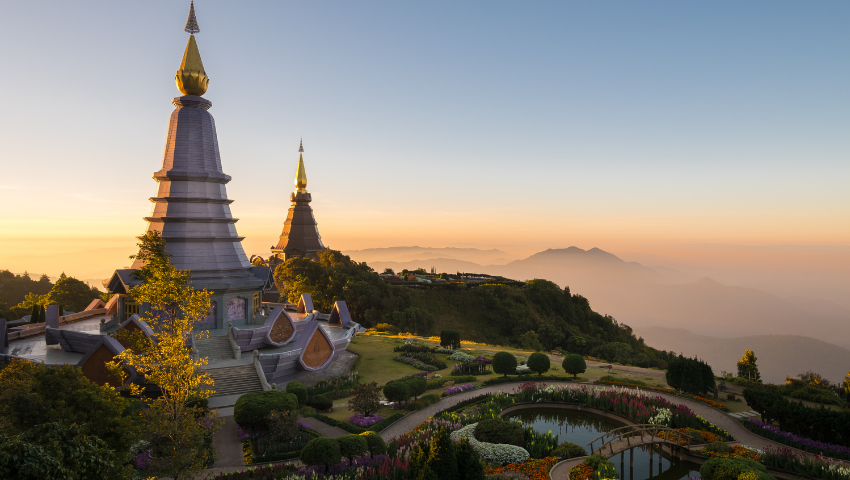
 " alt="">
 " alt="">