



Malaysia’s holidays and cultural traditions

Malaysia’s holidays and cultural traditions

An introduction to Malaysia's most important holidays

Malaysia’s vibrant tapestry of cultures is reflected in its holidays, which celebrate the country’s rich mix of ethnicities, religions and customs.

Malaysia’s unique blend of Malay, Chinese, Indian and indigenous cultures shapes not only its cuisine, architecture, and traditions but also its calendar of holidays.

These celebrations, which vary from religious observances to cultural festivals, offer a window into the country’s diverse heritage.  For travellers, experiencing these festivals provides a special opportunity to witness firsthand the customs, food, and rituals that define this multicultural nation.

Read on to learn more about Malaysia’s key holidays and what travellers can experience.

Lunar New Year: January-February

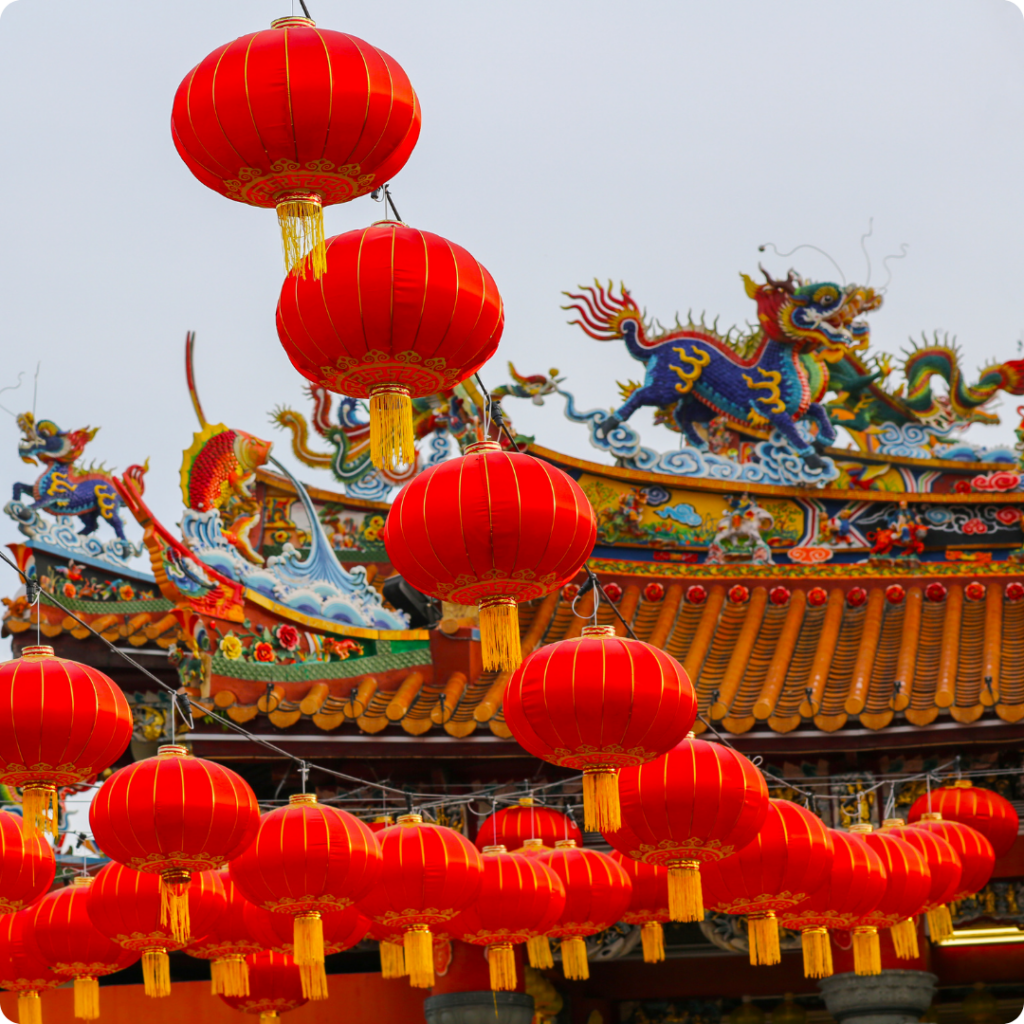
Also known as ‘Chinese New Year’ or the ‘Spring Festival,’ this 15-day celebration brings together millions of Malaysians with Chinese heritage. The holiday follows the Chinese lunar calendar, usually falling in January or February.

What to Expect: Preparations start early, often a month ahead, with homes being cleaned, new clothes bought, gifts prepared, and an abundance of food made. The first three days are the most significant, marked by family and community gatherings filled with food, drink, and festivities.

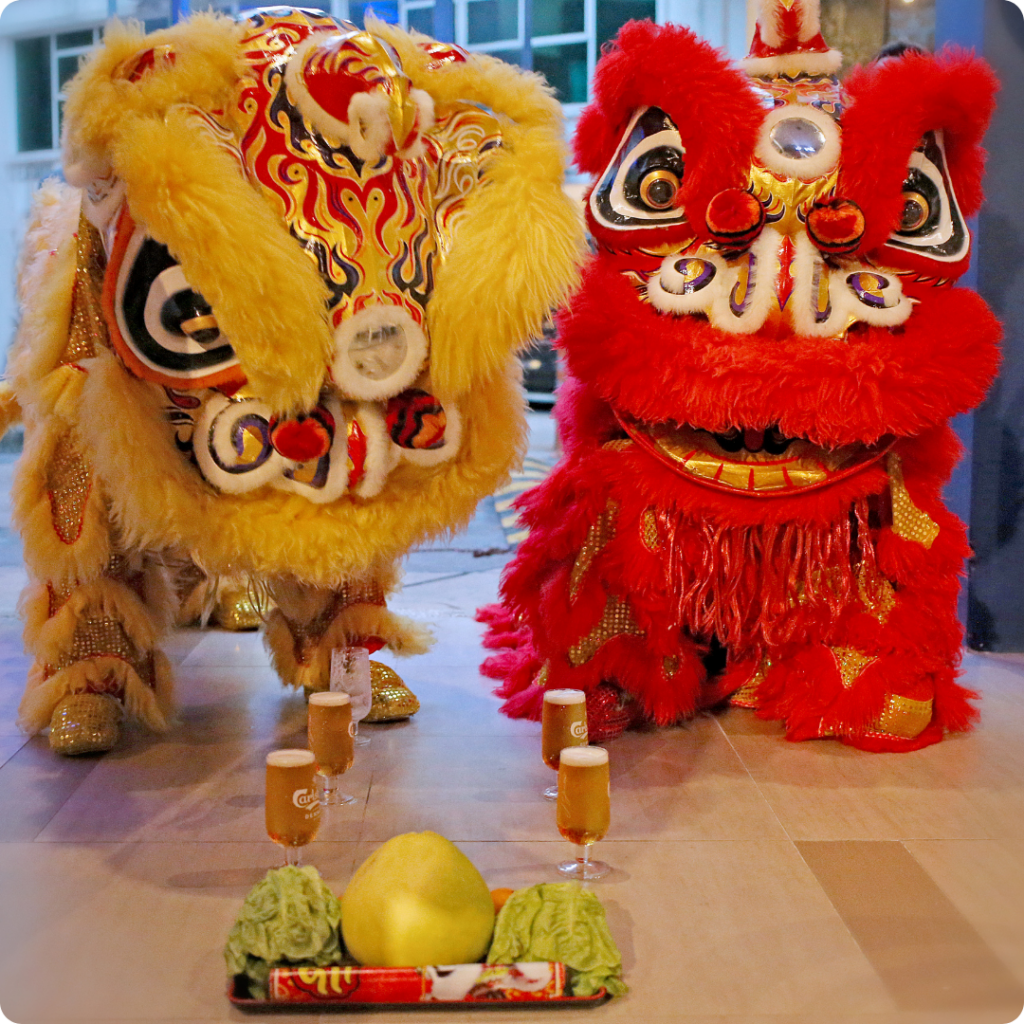
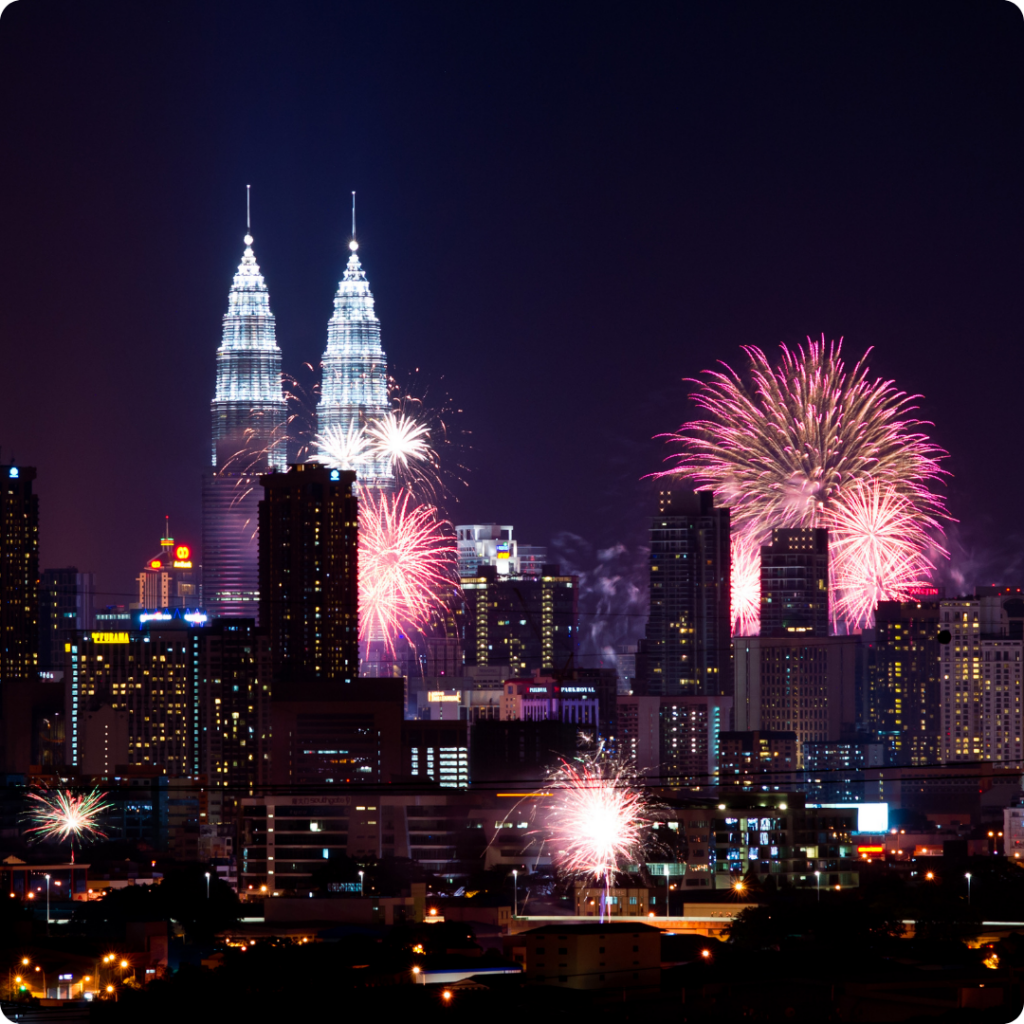
Expect fireworks, dragon dances and other performances, especially in Penang’s Georgetown area and Kuala Lumpur’s Petaling Street. Note that many Malaysians travel home for this occasion, so streets and airports can be crowded.

Thaipusam: February

One of the major Hindu festivals, Thaipusam honours the god of war, Lord Murugan, and usually takes place on a full moon between mid-January and mid-February. This festival celebrates piety and devotion, marking the legend of Murugan’s victory over the demon Surapadaman.

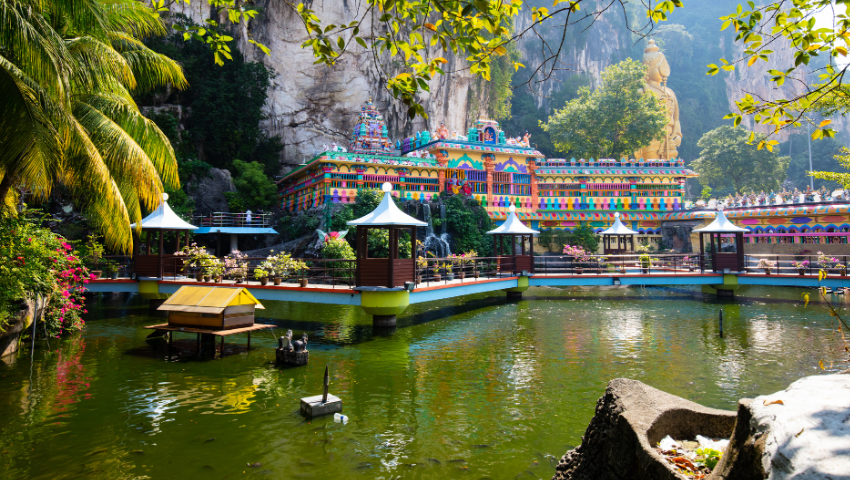
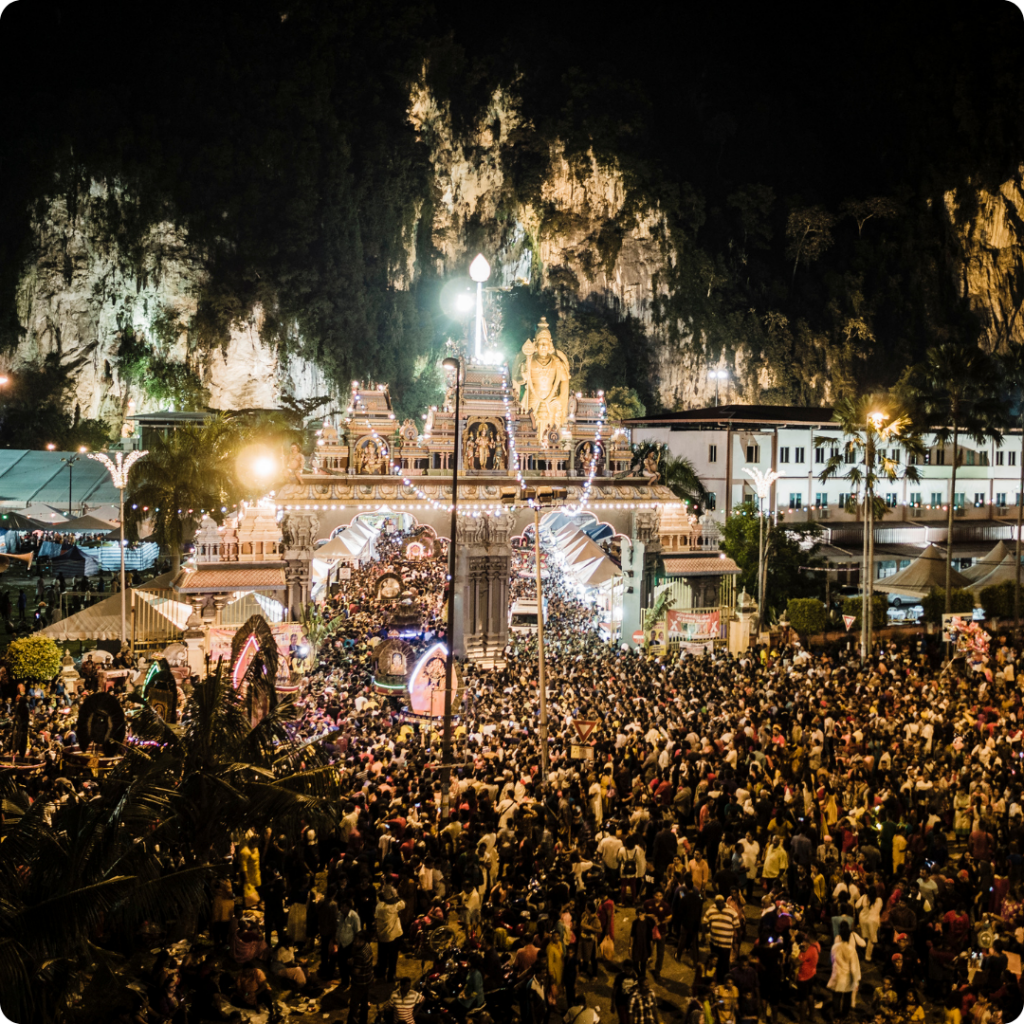
What to Expect: Known for its vivid and unique rituals, devotees engage in acts of penance, like skin piercing with spikes or carrying elaborate structures. In Kuala Lumpur, the festival includes a large procession on the first day, followed by a pilgrimage to Batu Caves the next.

Hindu temples worldwide participate, often providing meals for the underprivileged. Families also gather at home for a small ceremony honouring Murugan, followed by a special meal.

Hari Gawai: June

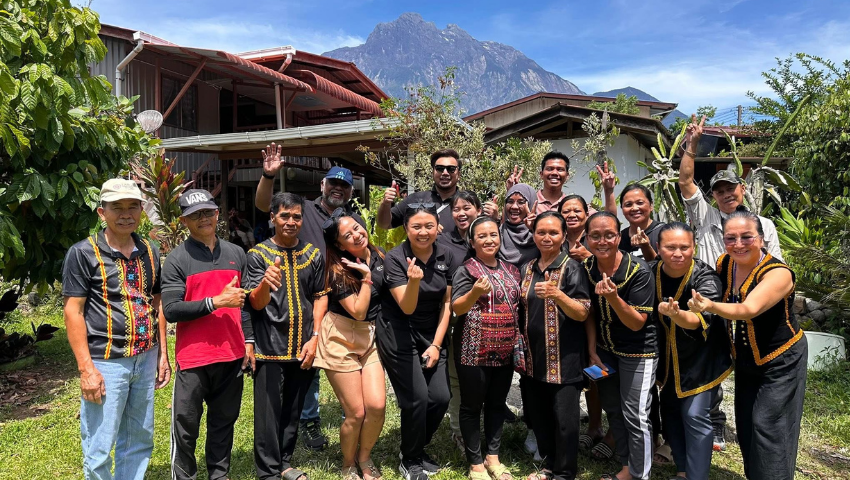
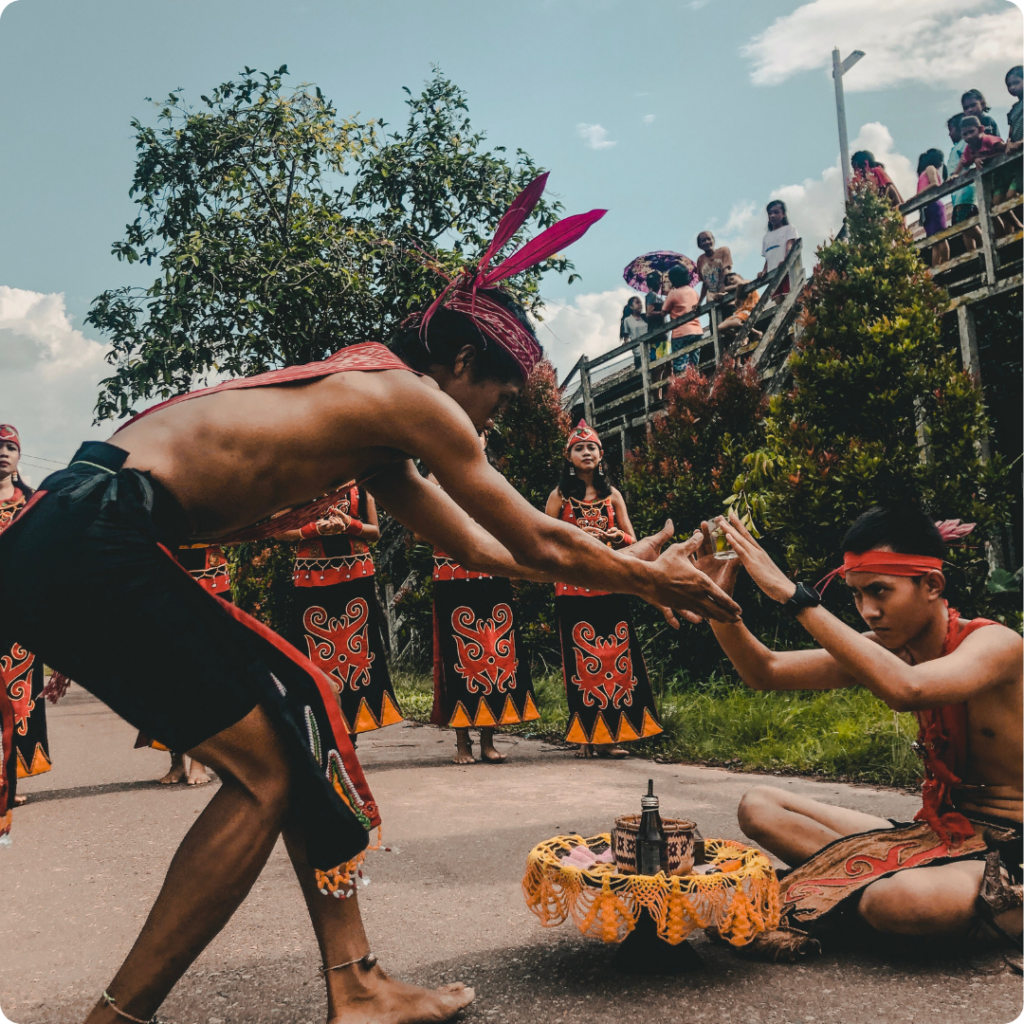
Held annually on 1 June, Hari Gawai is a harvest festival celebrated by the Dayak people of Sarawak, Malaysia, primarily the Iban and Bidayuh communities. This festive occasion honours the rice harvest and marks a time for thanksgiving, as well as a celebration of unity, culture, and renewal for the upcoming agricultural season. 

What to Expect: Festivities kick off with the muai antu rua ritual, which drives away malevolent spirits, setting the stage for good fortune in the coming year. The celebrations include traditional music and dance performances like the ngajat, vibrant costumes, and longhouse gatherings where families and communities share hearty meals together.

Expect to see rice wine (known locally as tuak) offered to guests, a symbolic gesture of hospitality. Many communities also hold thanksgiving ceremonies and blessing rituals led by elders.

Deepavali:  October/November

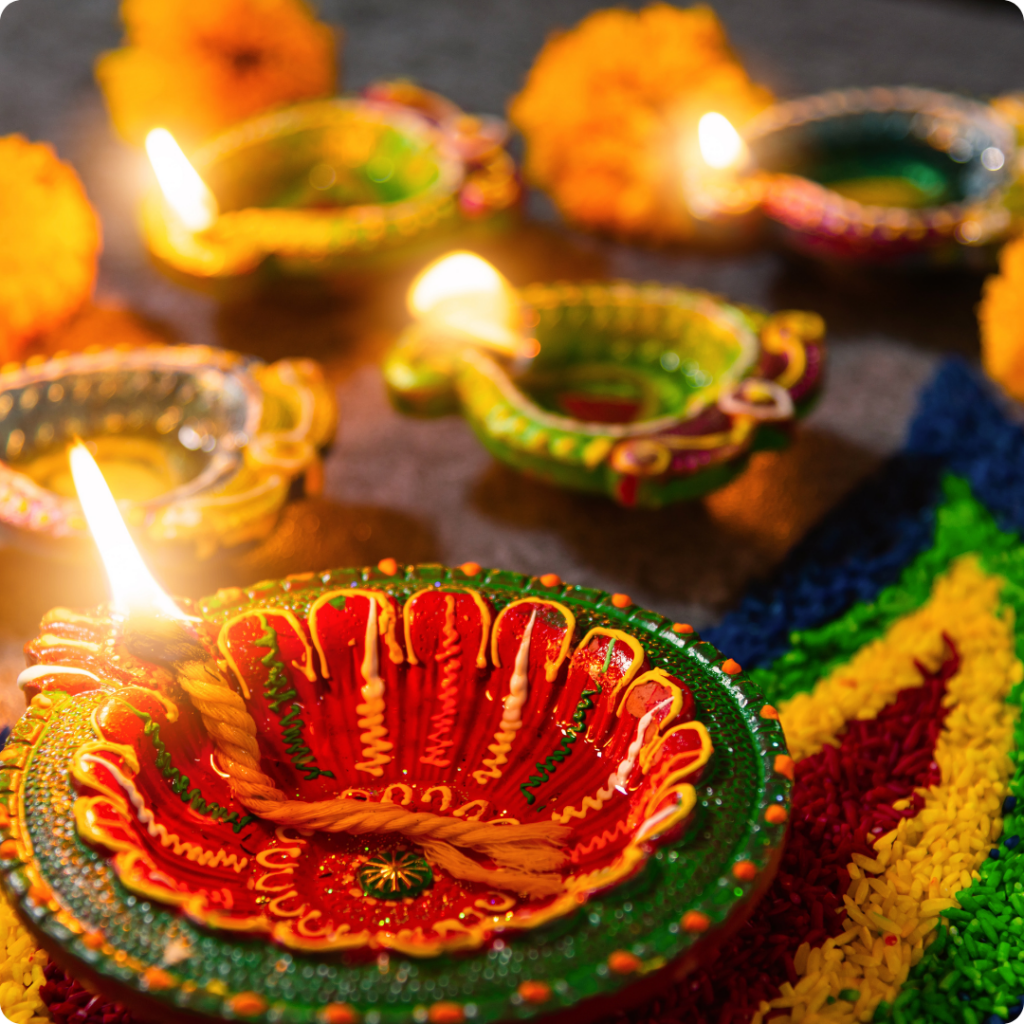
Known as the Festival of Lights, Deepavali is a major Hindu festival celebrated by millions worldwide, including in Malaysia. This joyous occasion symbolises the triumph of light over darkness and good over evil, commemorating Lord Rama’s return to his kingdom after defeating the demon king Ravana. The date of Deepavali varies each year, as it is observed on the new moon of the Hindu lunar month of Kartika, which typically falls between late October and early November.

What to Expect: Homes are decorated with colourful art and oil lamps are placed at entrances to welcome prosperity and dispel darkness. Families gather for prayers, often at temples, where devotees make offerings and perform rituals. Throughout Malaysia, the streets come alive with vibrant processions, traditional music and dance performances as well as vendors selling sweet treats like murukku and laddu.

Other Malaysia public holidays:

  • New Year’s Day – 01 Jan 
  • Federal Territory Day– 01 Feb :  Celebrated in Kuala Lumpur, Putrajaya and Labuan.
  • Labour Day – 01 May 
  • Harvest Festival-  May: A month-long celebration of thanksgiving for the harvest; mainly celebrated in Labuan and Sabah.
  • Agong’s Birthday – 02 June : Celebrating the Malaysian King’s birthday
  • Merdeka Day – 31 Aug : Mark’s the country’s independence from British rule in 1957
  • Prophet Mohammad’s birthday – 05 Sept 
  • Malaysia Day – 16 Sept : Commemorates the founding of the country in 1963
  • Christmas Eve & Christmas Day – 24 & 25 


A range of cultural festivals also occur throughout the year, such as the annual Rainforest Music Festival, Malaysian Moto GP and Kuching Regatta. Although not recognised as public holidays, these are fun cultural experiences for travellers. Reach out to the EXO team for more information on dates and tickets.

EXO Travel is a premium Destination Management Company (DMC) providing bespoke travel solutions across a growing portfolio of global destinations. Our services range from one-off tours for individual travellers to memorable incentive trips for groups of hundreds or thousands.

Established in 1993, we’ve harnessed in-depth local knowledge and a widely-recognized penchant for authentic, groundbreaking touring to become a leading DMC for the premium travel market.  As a Certified B Corporation, EXO is also demonstrably committed to sustainability and using travel as a force for good.

Follow us :

Latest News

Indonesia Product & Destination Update

How EXO Create is Evolving Around Partner Needs

Cruising Indonesia: Boat Styles, Routes and Traveller Fit

Visiting Thailand, Laos and Cambodia during local new year: EXO’s insight

Egypt, Timed Right: Atmosphere, Pacing and Access

Read more...

Malaysia

Get the latest news, travel inspiration and stories from EXO Malaysia
© 2026 All Rights Reserved.