
At a glance
Japan’s spring cherry blossoms and autumn foliage are undeniably special, and for many travellers they are the moments that first inspire a trip. But these peak seasons can also bring stronger demand, higher prices and busier sightseeing, particularly in places such as Tokyo and Kyoto.
Rather than avoiding these peak seasons altogether, EXO recommends venturing beyond the traditional tourist hotspots. Alternatively, for clients open to off-peak travel, visiting during quieter months can be just as rewarding, often revealing a side of Japan that many travellers miss.
Due to its size and geography, different parts of Japan can experience different climates throughout the year. To help guide our recommendations, below we share insights broken down by key areas: Hokkaido, Tohoku and the Japanese Alps, the Golden Route and Southwest Japan and Okinawa. Together, they offer plenty of ways to find the right place at the right time of year.

March to May: Sakura beyond the Golden Route
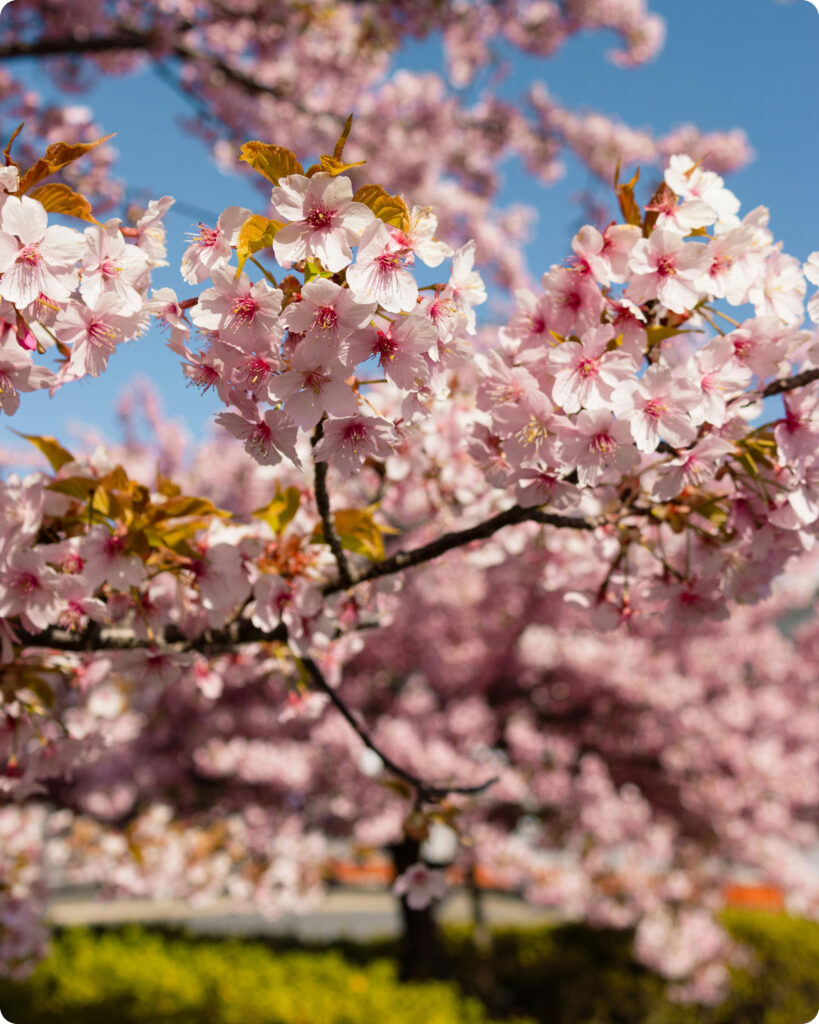
Spring is Japan’s best-known travel season, with cherry blossoms moving gradually north as temperatures rise. Tokyo, Kyoto and much of southwest Japan usually see their main bloom from late March into April, bringing beautiful scenery but also some of the year’s strongest visitor demand. Conditions become progressively warmer through May, when much of the country settles into pleasantly mild weather.
For clients wanting a different take on Japan’s most famous season, EXO recommends looking north to Tohoku and Hokkaido. Their later blossoms can extend the spring experience beyond the busiest weeks on the Golden Route, while historic towns, mountain scenery and fewer international visitors offer a more relaxed way to enjoy the season.
Works especially well for: Cherry blossom journeys, first-time visitors, cultural touring, photographers and couples.
Set expectations around: High demand, changing bloom dates, busier transport and attractions and the need to book well ahead.
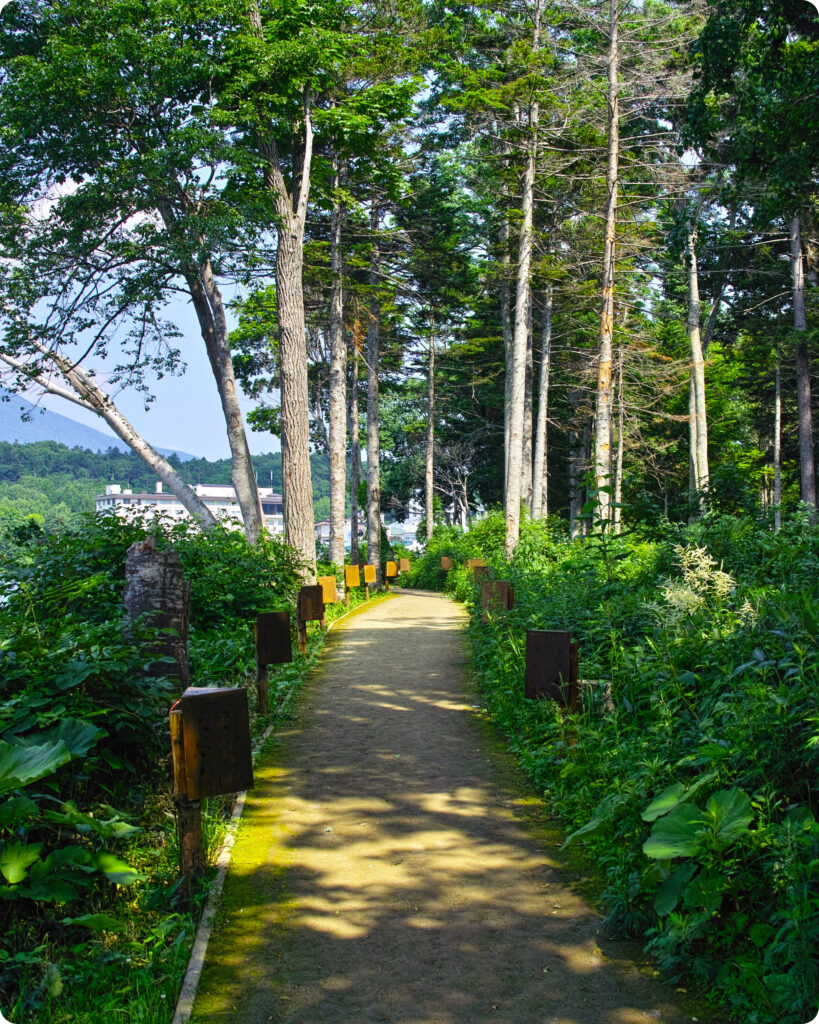
June to August: Cooler summer in Hokkaido
Summer brings lush greenery across Japan, but also higher temperatures and humidity through much of the country. June often begins with wetter conditions before temperatures climb further in July and August. Tokyo, Kyoto and southwest Japan can feel particularly hot, making careful pacing and well-timed indoor experiences important.
Hokkaido is one of Japan’s strongest summer alternatives. Temperatures are generally more comfortable than further south, particularly in the evenings, while the landscapes of eastern Hokkaido are at their greenest. Shiretoko, Kushiro and Akan-Mashu National Parks hold forests, lakes, wetlands and wildlife, creating a very different summer journey from the cities of the Golden Route. The comfortable climate also makes this a strong period for walking and other outdoor experiences.
Works especially well for: Nature-focused travellers, active clients, families, wildlife journeys and repeat visitors.
Set expectations around: Heat and humidity further south, domestic holiday demand and wetter conditions during the earlier part of summer.
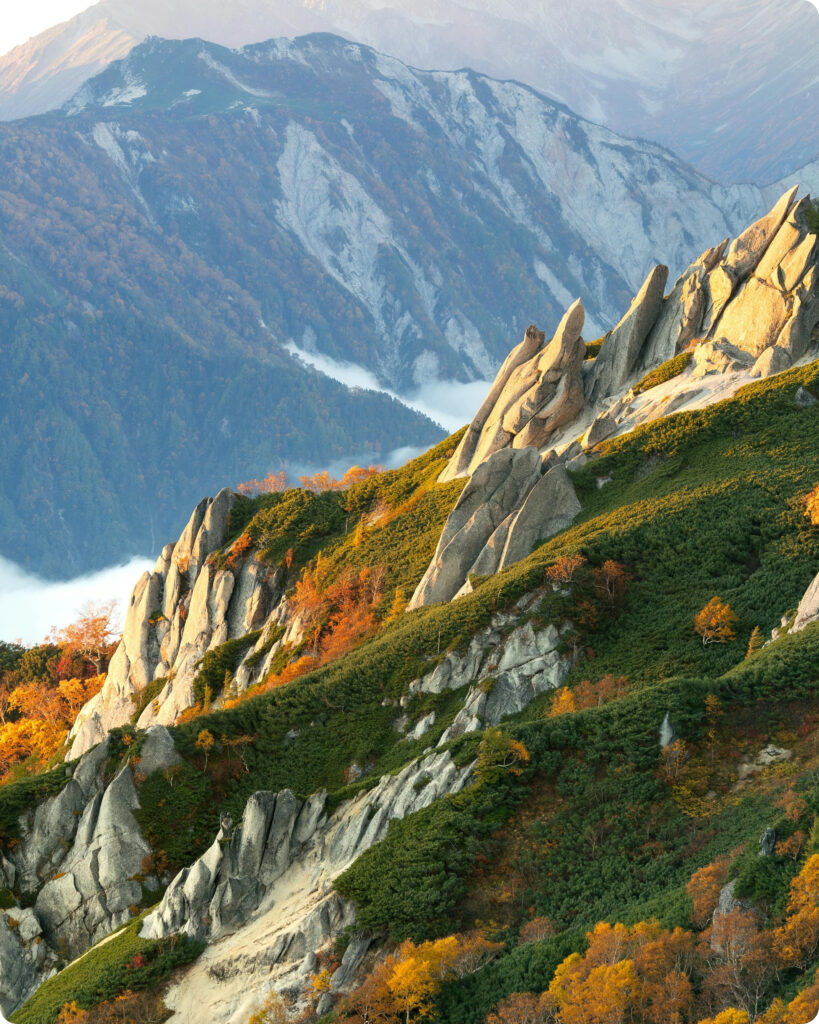
September to November: Autumn in the Japanese Alps
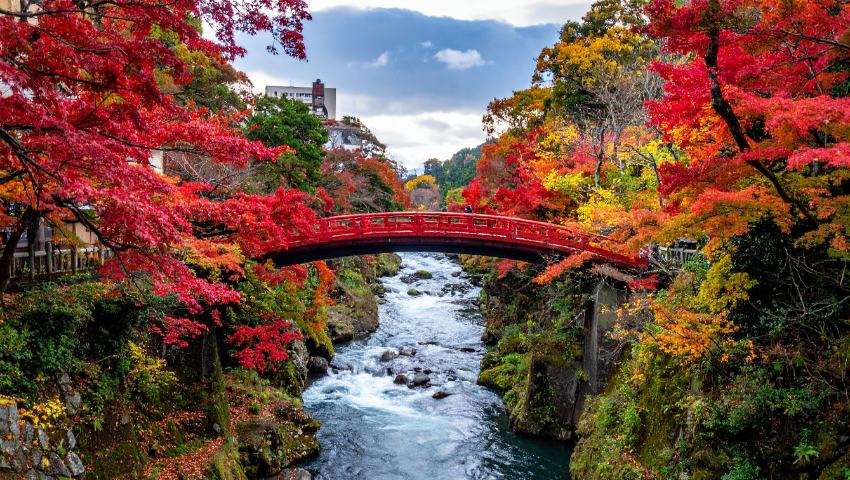
Autumn begins gradually, with September still warm across much of Japan before cooler and drier conditions arrive through October and November. Foliage follows a broad north-to-south progression, beginning earlier in Hokkaido and higher elevations before reaching many of Japan’s major cities later in the season.
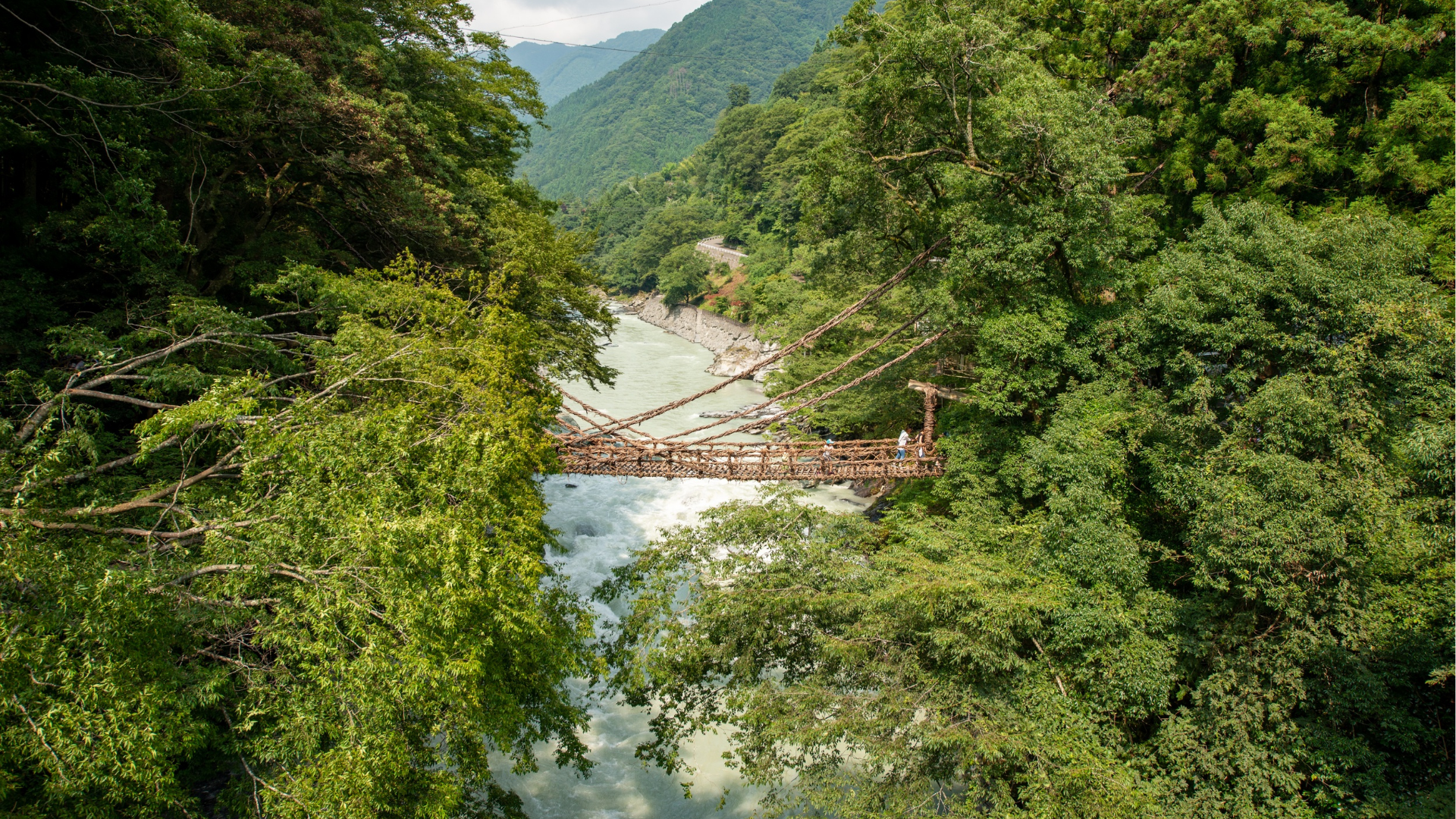
The Japanese Alps are particularly rewarding during this transition, with mountain landscapes turning red, orange and gold ahead of many lower-lying areas. Cooler temperatures are well suited to walking, and destinations through the mountains can combine autumn scenery with traditional towns, rural landscapes and onsen. For clients travelling later in the season, the foliage can then be followed south towards destinations such as Kyoto, extending the autumn experience across a wider itinerary.
Works especially well for: Hiking, scenic journeys, couples, photographers, cultural touring, repeat visitors
Set expectations around: Strong autumn demand, cooler conditions at elevation, changing foliage dates and unsettled weather earlier in the season
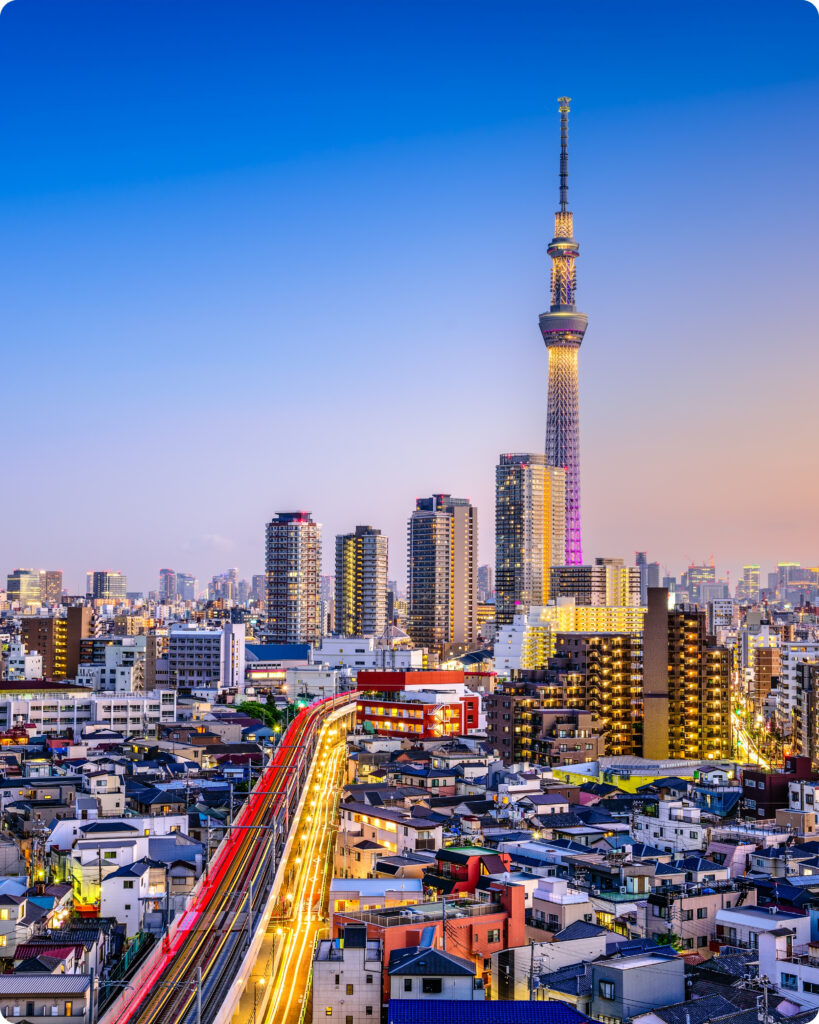
December to February: Winter calm on the Golden Route
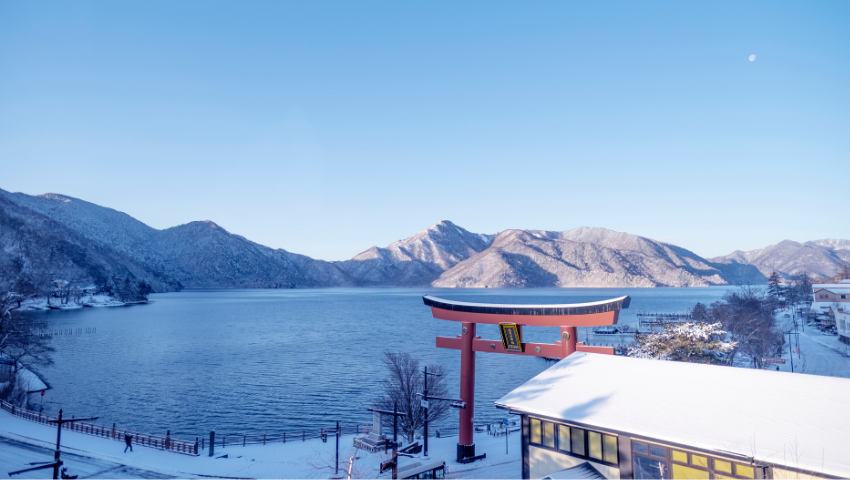
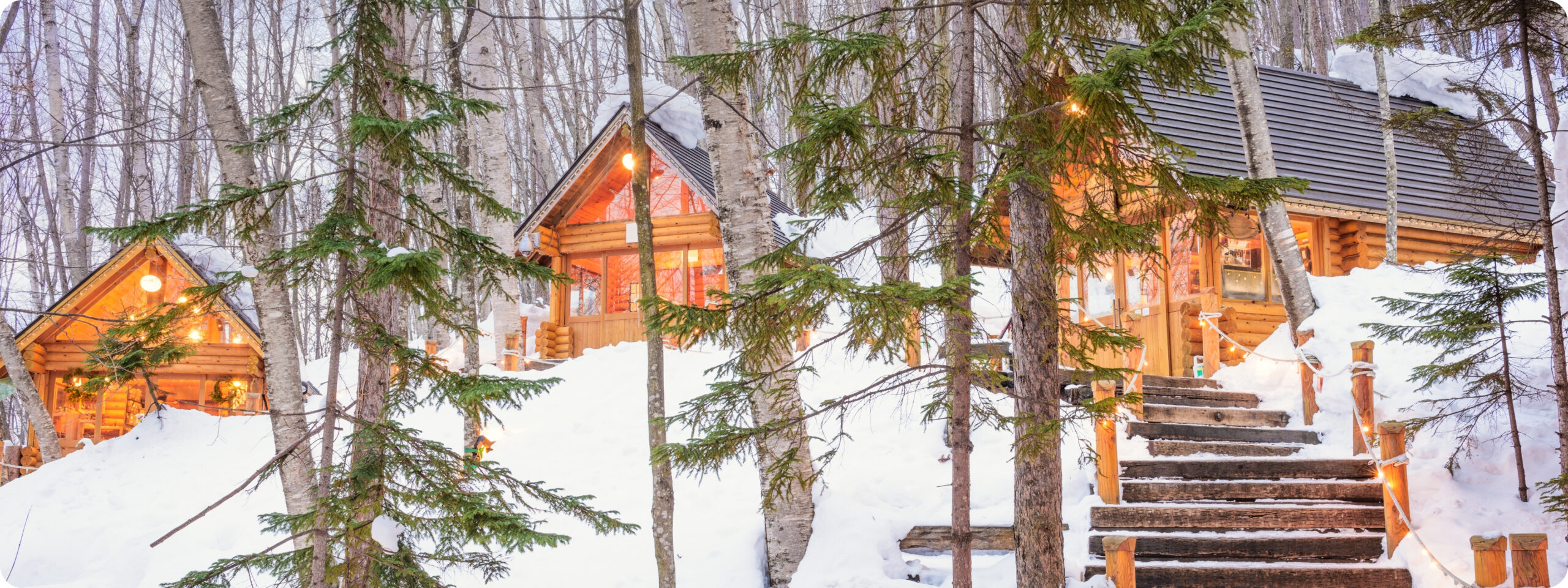
Winter transforms much of Japan, from deep snow in Hokkaido, Tohoku and the Japanese Alps to generally cold but manageable conditions around Tokyo, Kyoto and southwest Japan. Outside the main snow destinations, visitor numbers are often lower than during spring and autumn, creating a noticeably different atmosphere at many of the country’s best-known sights.
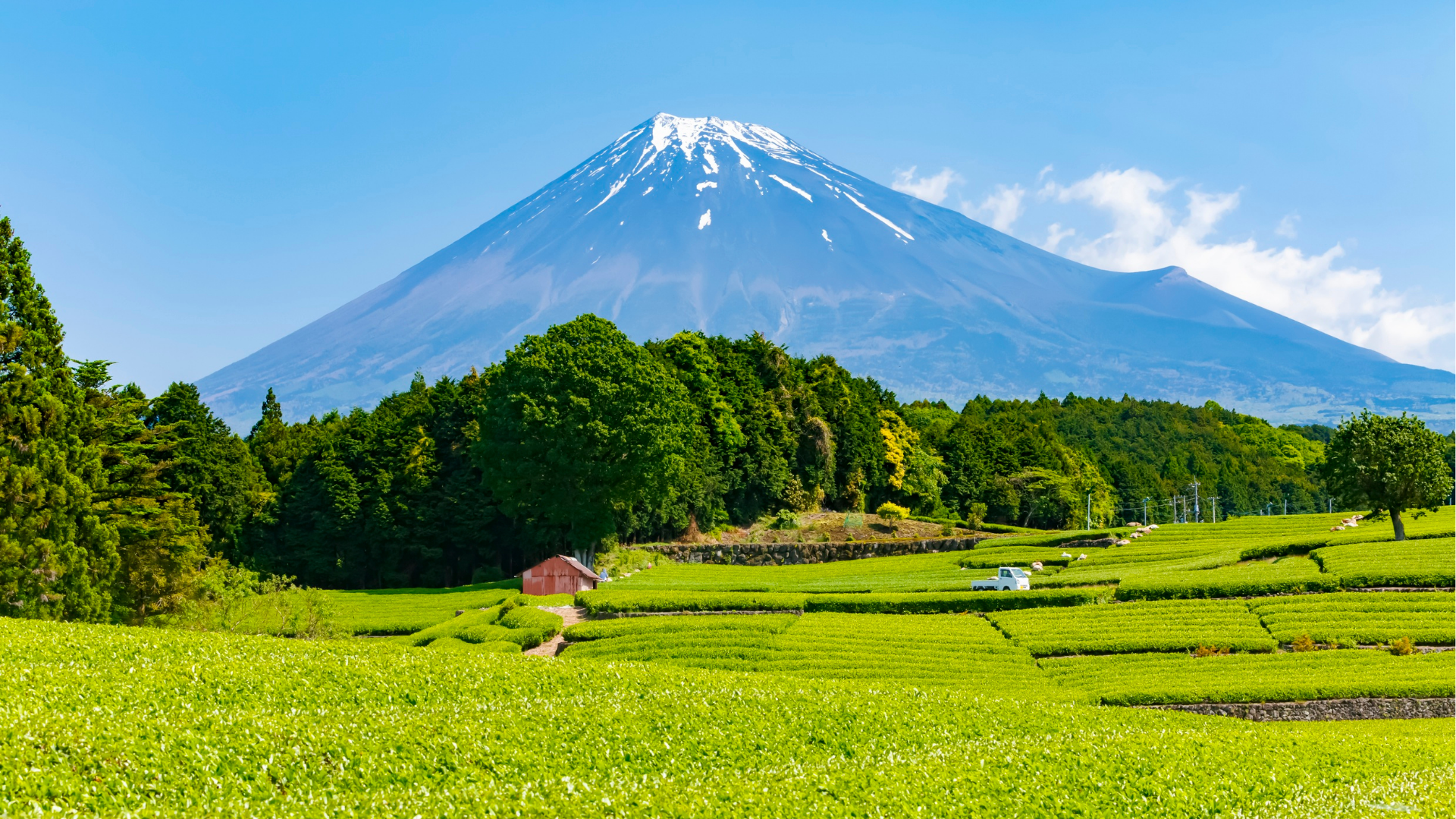
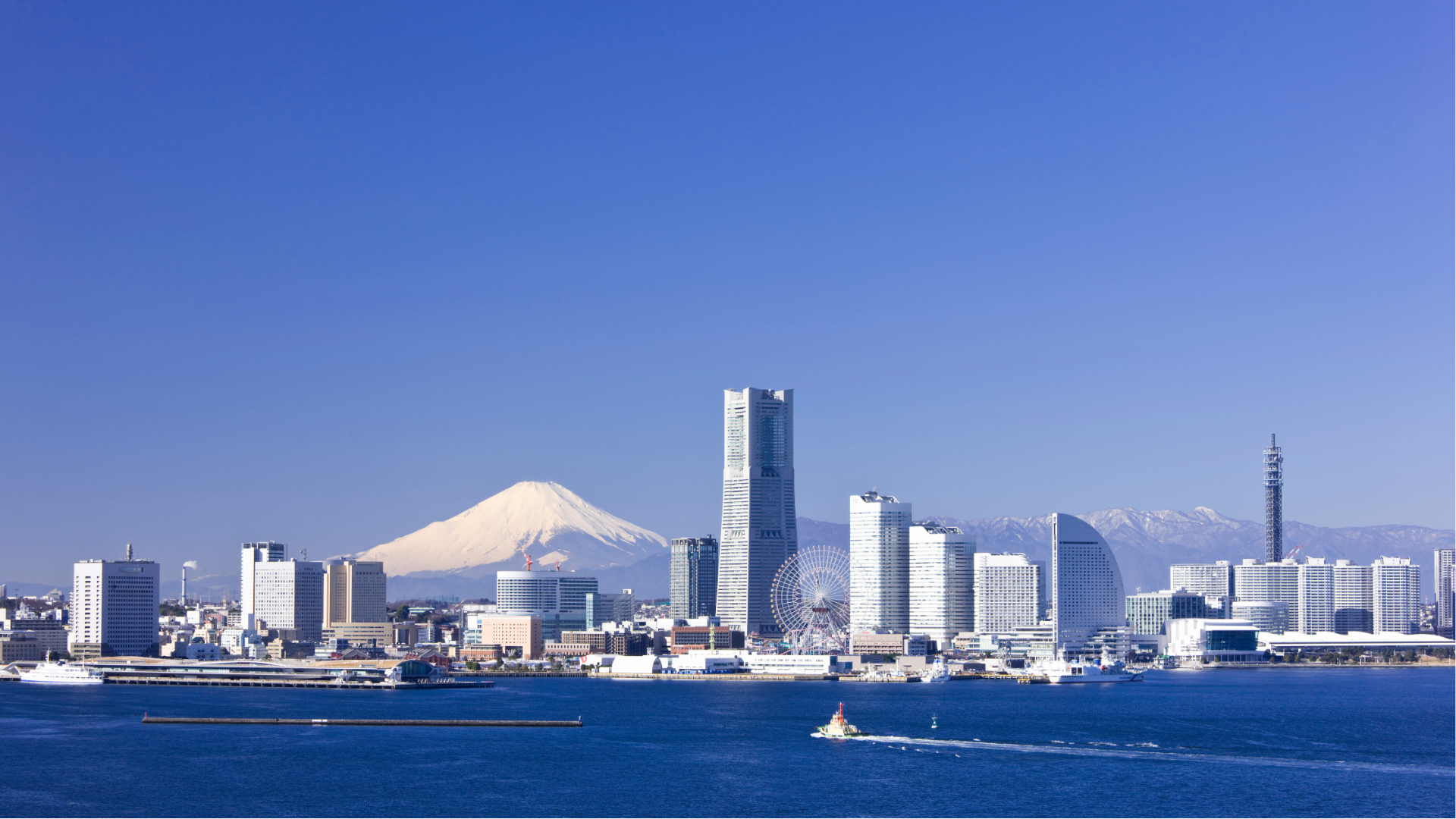
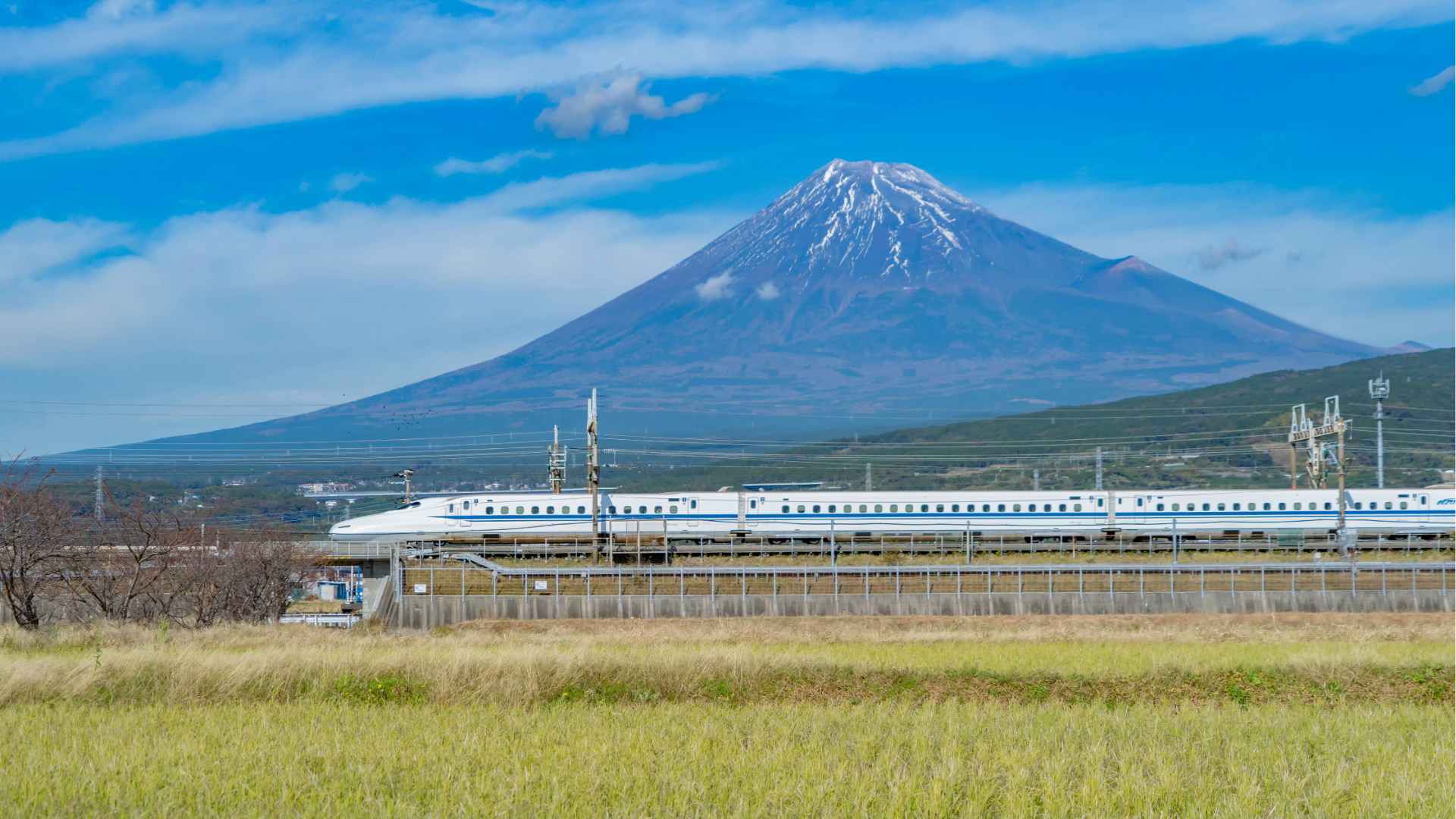
This makes winter a particularly appealing time to revisit the Golden Route. Tokyo, Kyoto and Hakone can be explored with fewer seasonal crowds, while the drier winter air often brings clearer views of Mount Fuji. For clients wanting to add a stronger winter element, stays in snowy mountain areas or hot-spring destinations can easily provide contrast without requiring the entire itinerary to revolve around skiing.
Works especially well for: Cultural touring, first-time visitors, couples, repeat visitors, onsen stays, clients seeking fewer crowds
Set expectations around: Cold temperatures, shorter daylight hours, snow in mountainous areas and stronger demand at dedicated ski destinations

Seasons by client type
Families: Summer school holidays can work especially well when itineraries shift north to Hokkaido, where temperatures are more comfortable for outdoor activities. For spring travel, advisors should be particularly mindful of Golden Week in late April and early May, when domestic travel demand can make transport and accommodation more difficult to secure.
Honeymooners: Rather than defaulting to cherry blossom season, consider autumn or winter, when onsen stays, seasonal cuisine and quieter rural areas can create a more intimate journey. Winter is particularly appealing for couples combining Tokyo or Kyoto with a snowy ryokan or mountain stay.
First-time visitors: The classic Tokyo–Hakone–Kyoto route is easiest to position in spring and autumn, but clients travelling in peak periods should be encouraged to add lesser-visited areas rather than spending the entire journey in the busiest cities. Winter is a strong alternative for those who want the cultural highlights with fewer seasonal crowds.
Luxury travellers: Japan’s most distinctive luxury experiences often have very limited capacity, from small ryokan and specialist guides to private cultural experiences. For spring and autumn, securing these elements early is more important than simply securing five-star hotels; outside peak season, advisors have greater flexibility to build in slower stays and more exclusive experiences.
Active travellers: Match the region to the season rather than treating Japan as one climate. Hokkaido is strongest for summer walking and nature, while the Japanese Alps and Tohoku come into their own in autumn. In spring, higher-altitude trails may still be affected by snow even when conditions in Tokyo and Kyoto feel mild.
Quick tips
- Use Japan’s geography to your advantage. Japan’s seasons do not arrive everywhere at once, allowing advisors to extend opportunities for cherry blossoms, foliage and cooler weather by choosing the right region.
- Book early for spring and autumn. Cherry blossom and foliage periods create some of the strongest demand of the year, particularly in Tokyo, Kyoto and other popular destinations.
Leave room for seasonal variation. Blossom, foliage, snowfall and even summer weather can shift from year to year, so the strongest itineraries do not depend on one exact date or condition.
Frequently asked questions
How early should agents book Japan?
For spring cherry blossom season and peak autumn foliage, preferred hotels, guides and experiences should be secured as early as possible. Demand is particularly strong in Tokyo and Kyoto, while smaller properties and specialist experiences can fill quickly.
Which domestic holidays should agents plan around?
Golden Week in late April and early May, Obon in August and the New Year period can all bring heavier domestic travel, fuller trains and reduced availability. Some businesses also close or operate differently around New Year, so these dates deserve extra attention when confirming itineraries.
How much should clients rely on sakura or foliage forecasts?
Forecasts are useful for guiding expectations, but weather can move peak conditions forward or back. It is better to build a journey around a region that is seasonally strong overall than to promise a particular tree, garden or city at its exact peak.
When can snow affect access rather than enhance the trip?
In Hokkaido, Tohoku and the Japanese Alps, heavy snow can occasionally affect road journeys, hiking routes and access to more remote areas. Some mountain routes also operate seasonally, so winter and early-spring itineraries should be checked carefully rather than planned on summer assumptions.
What should agents consider for coastal and island journeys?
During the late summer and early autumn months, local sea conditions naturally become more variable. From June to October, periodic tropical weather in regions like Okinawa may lead local operators to adjust ferry services, flights or marine excursions out of an abundance of caution. Factoring a day of buffer time or gentle flexibility into island stays helps ensure your clients enjoy a seamless, worry-free trip.

 " alt="">
  " alt="">
  " alt="">
  " alt="">
  " alt="">
  " alt="">
  " alt="">