
As General Manager of EXO Morocco, Ruben Derksen and his team are frequently on the lookout for compelling new ways to experience Morocco that offer a deeper appreciation and understanding of this fascinating country. Crossing mountain passes, driving through remote valleys and stopping in small towns and villages allows them to see what lies beyond the established routes and uncover some of the strongest opportunities for more immersive travel.
In Ruben’s new Hidden Gems of Morocco series, we explore his personal favourites and why he believes they deserve a place in a wider Morocco journey. For the first edition, Ruben takes us south to Taroudant and the Anti-Atlas, where the ochre walls of an ancient city give way to weathered mountains, Amazigh villages, fortified communal granaries and palm-filled oases. It is a region that brings together many of the qualities Ruben loves about Morocco, while remaining remarkably easy to incorporate into the country’s more established routes.

Why Taroudant stands out
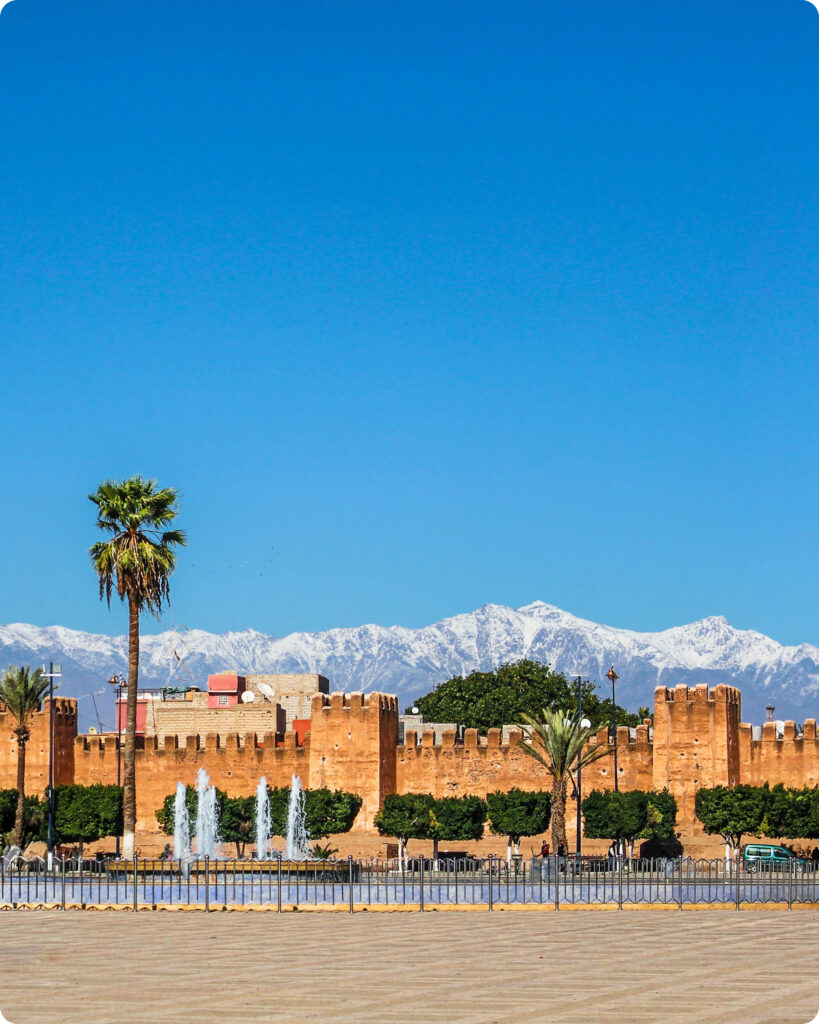
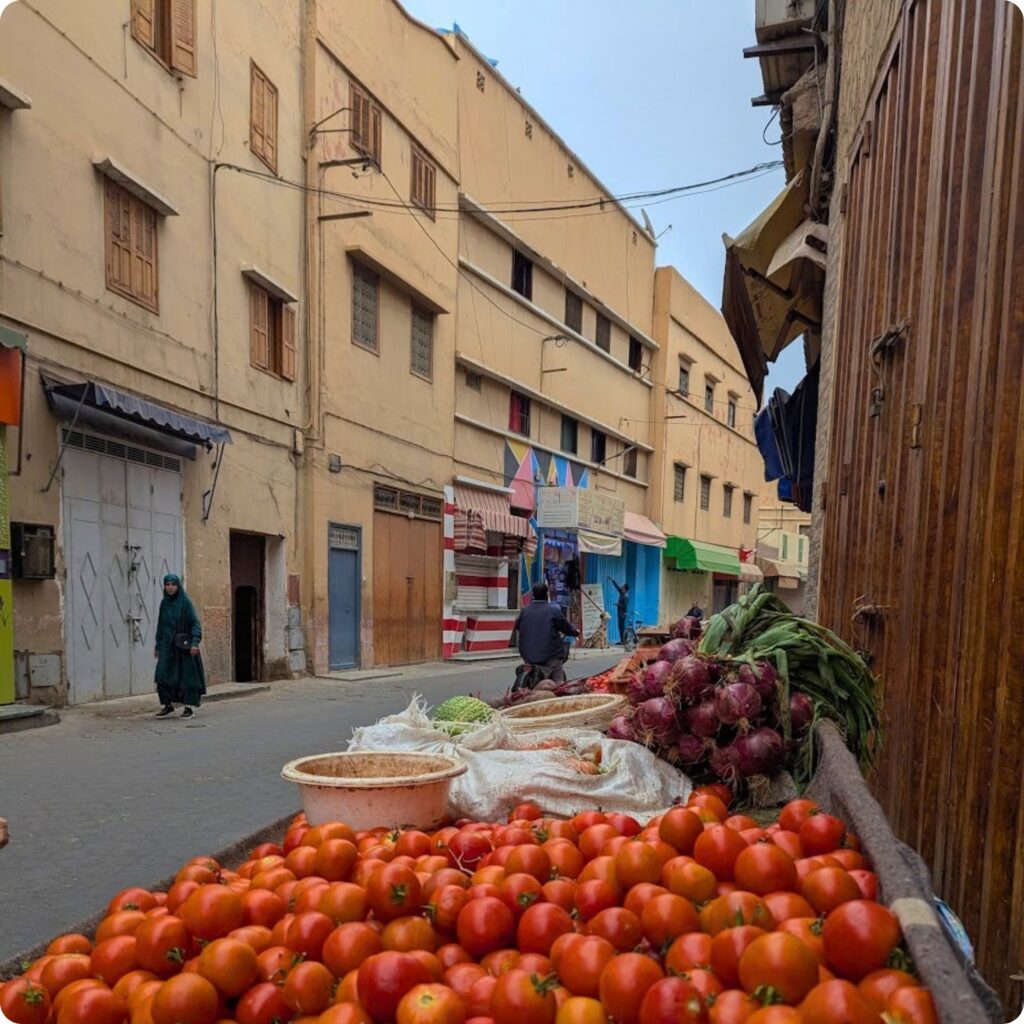
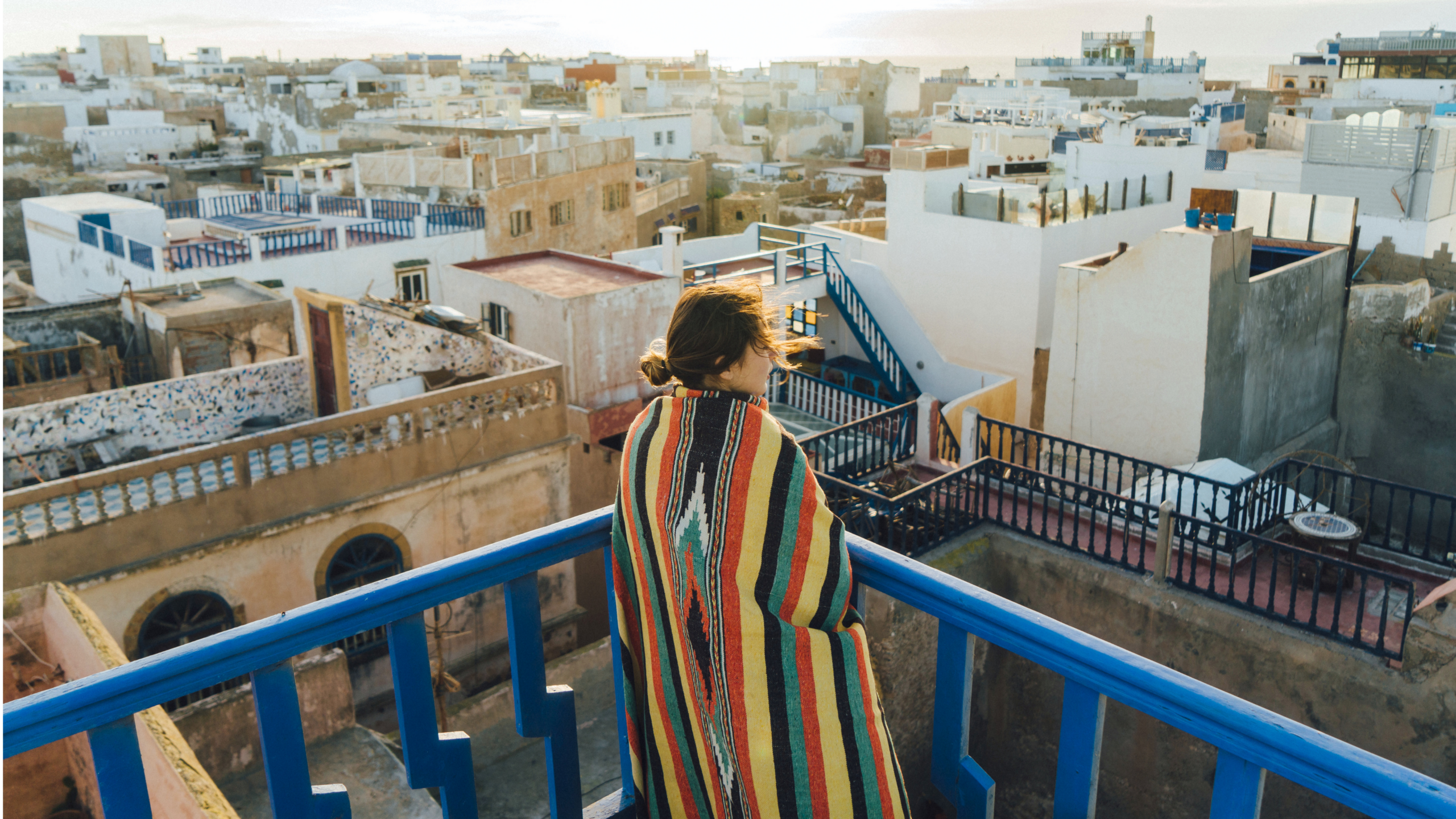
Set within the fertile Souss Valley, Taroudant is often referred to as ‘Little Marrakech’, a comparison inspired by its ochre ramparts and historic medina. Yet the atmosphere is very different. Where Marrakech is defined by bustle, spectacle and constant energy, Taroudant offers more space to slow down and notice the details of daily life, from artisans working in small workshops to markets woven into the rhythm of the city. As Ruben puts it, Taroudant is more about atmosphere than sightseeing, offering a glimpse of urban Morocco away from the intensity of the country’s larger tourism centres.
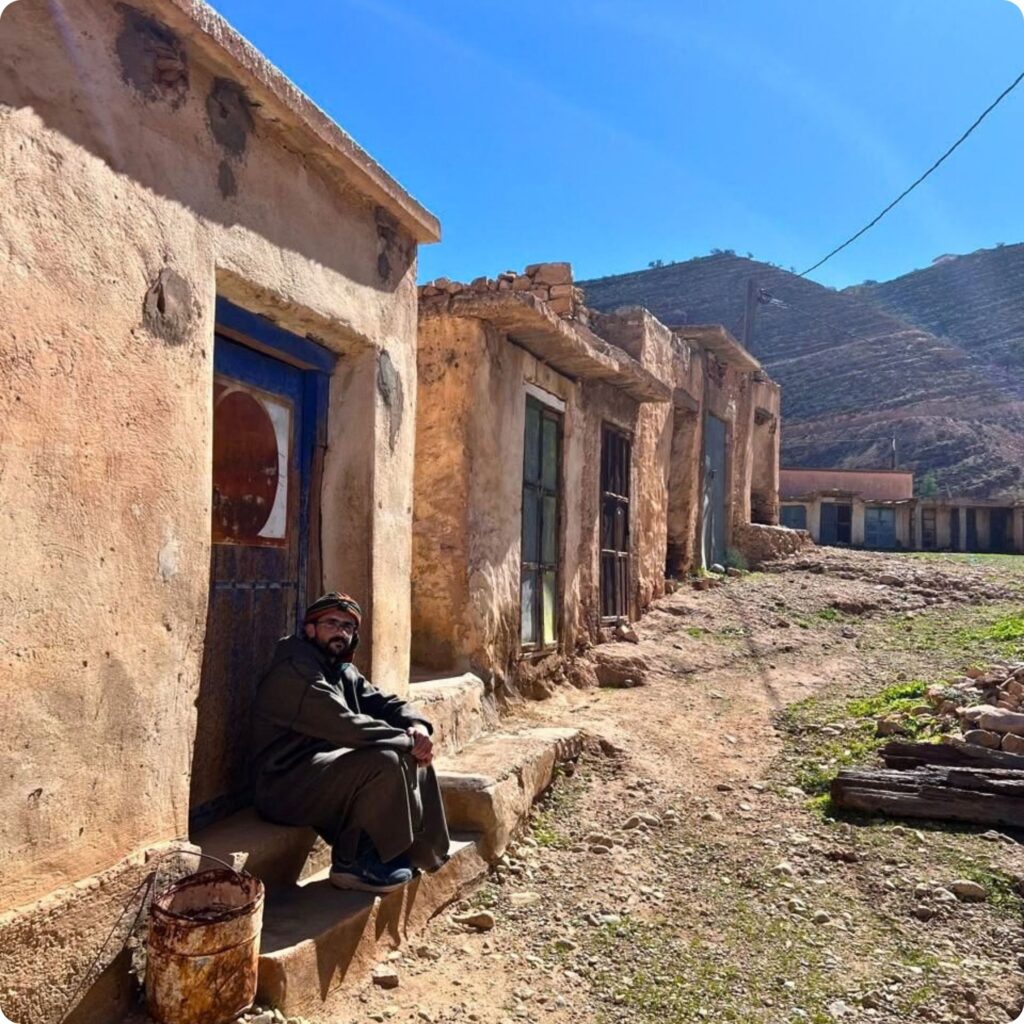
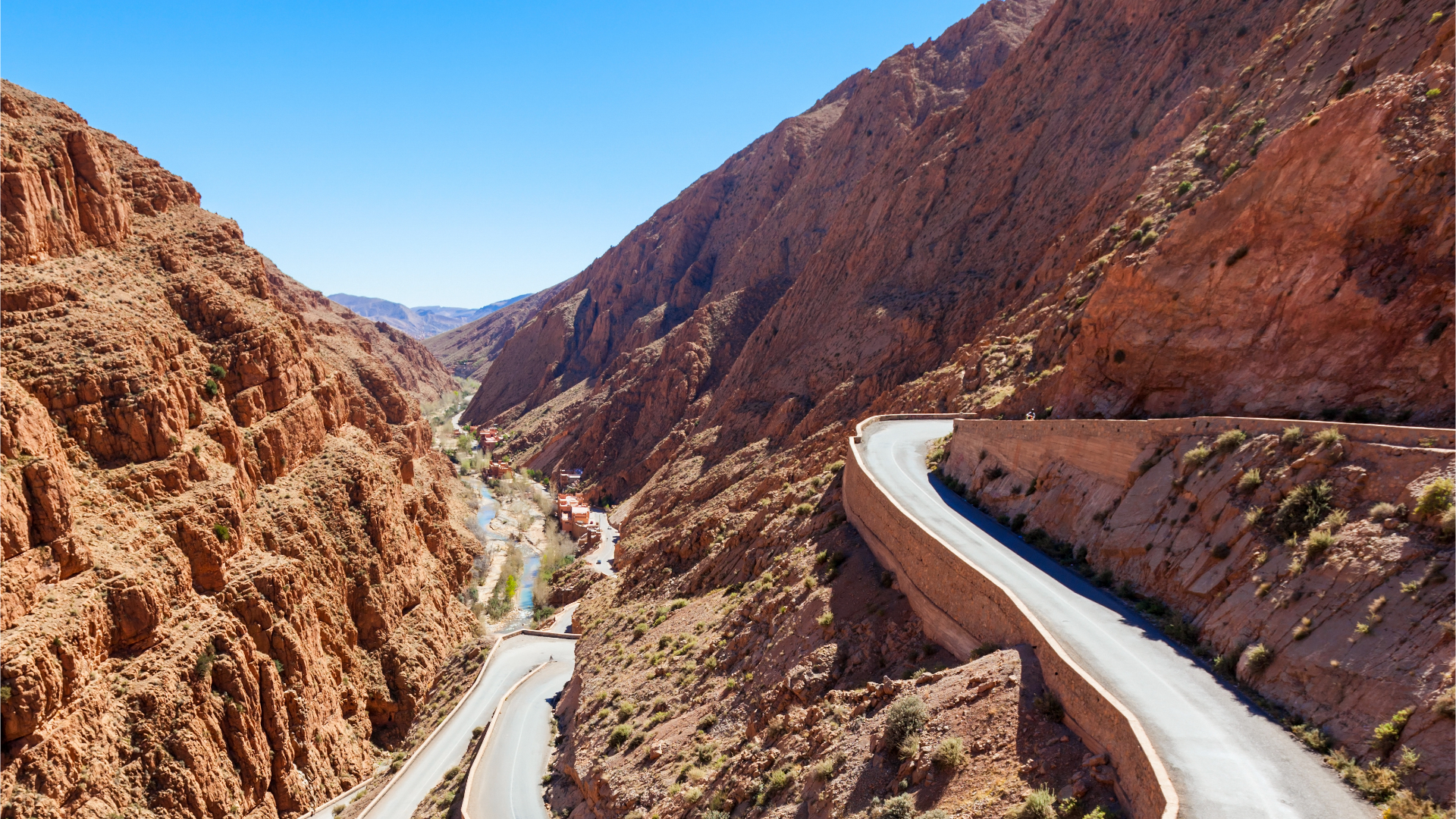
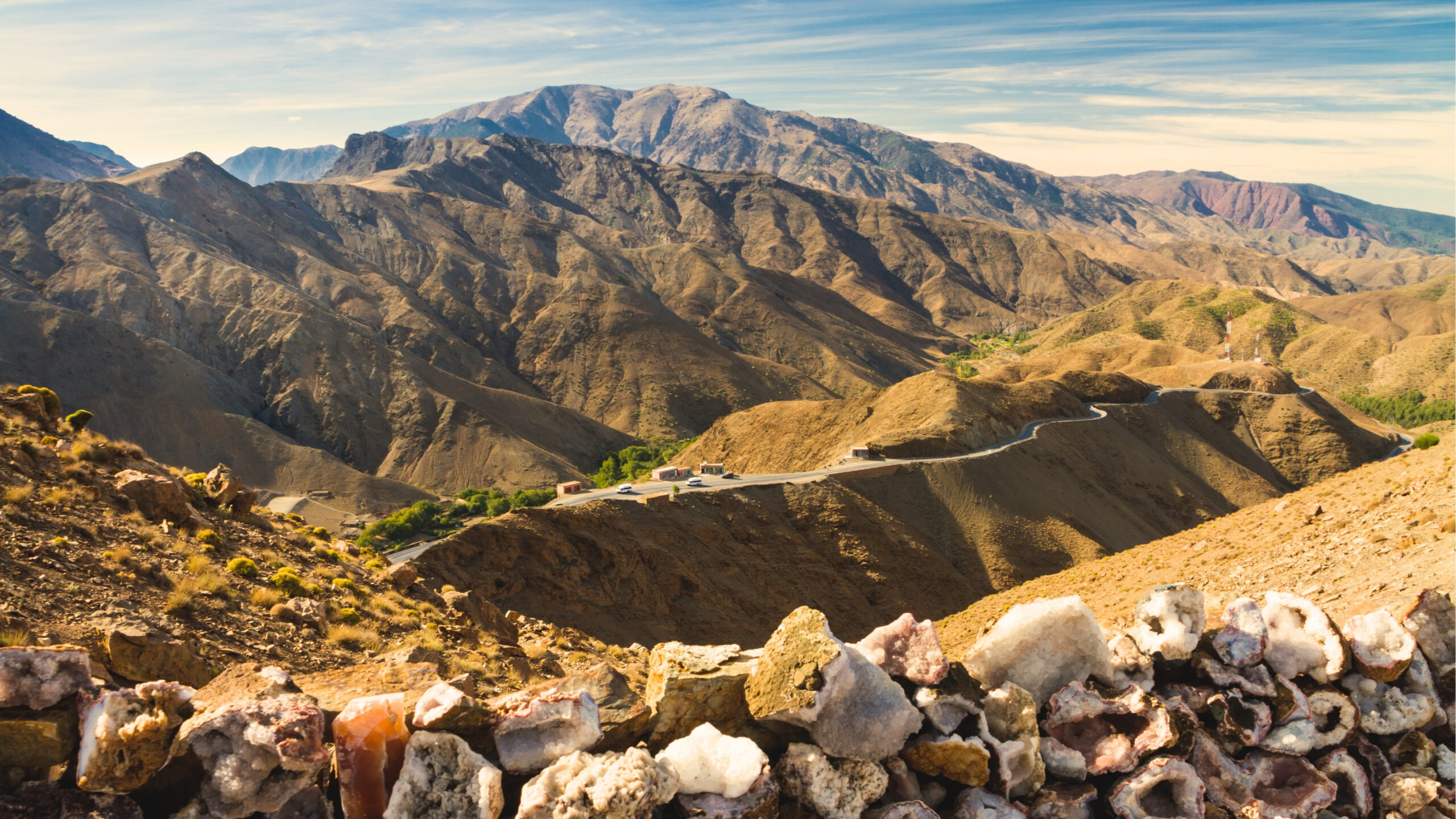
Beyond the city, the Souss Valley gives way to the dry, weathered folds of the Anti-Atlas, where Amazigh villages, old kasbahs and traditional architecture sit among vast stretches of exposed rock. For Ruben, much of the appeal lies in how easily travellers can move from the lived-in character of Taroudant into the wider landscape, gaining a stronger sense of how geography has shaped the history, architecture and communities of southern Morocco.

Key experiences
Life within Taroudant’s walls
A visit to Taroudant starts at its defining feature: six kilometers of towering, ochre-hued ramparts with monumental gates and over 130 defensive towers. Built more than five centuries ago as a powerful Saadian stronghold, these impressive walls still encircle much of the historic city today, creating a clear boundary between the medina and the modern city beyond.
Historically the commercial centre of the Souss Valley, Taroudant’s legacy lives on in its vibrant souks. Leatherwork, Amazigh jewellery, carpets, spices and other regional goods continue to fill the market streets, while small-scale trades and craft traditions connect the city to communities across the surrounding valley and mountains. Moving through the medina therefore offers more than an introduction to its architecture, revealing how Taroudant’s commercial past continues to shape everyday life.
Ancient vaults of the Anti-Atlas
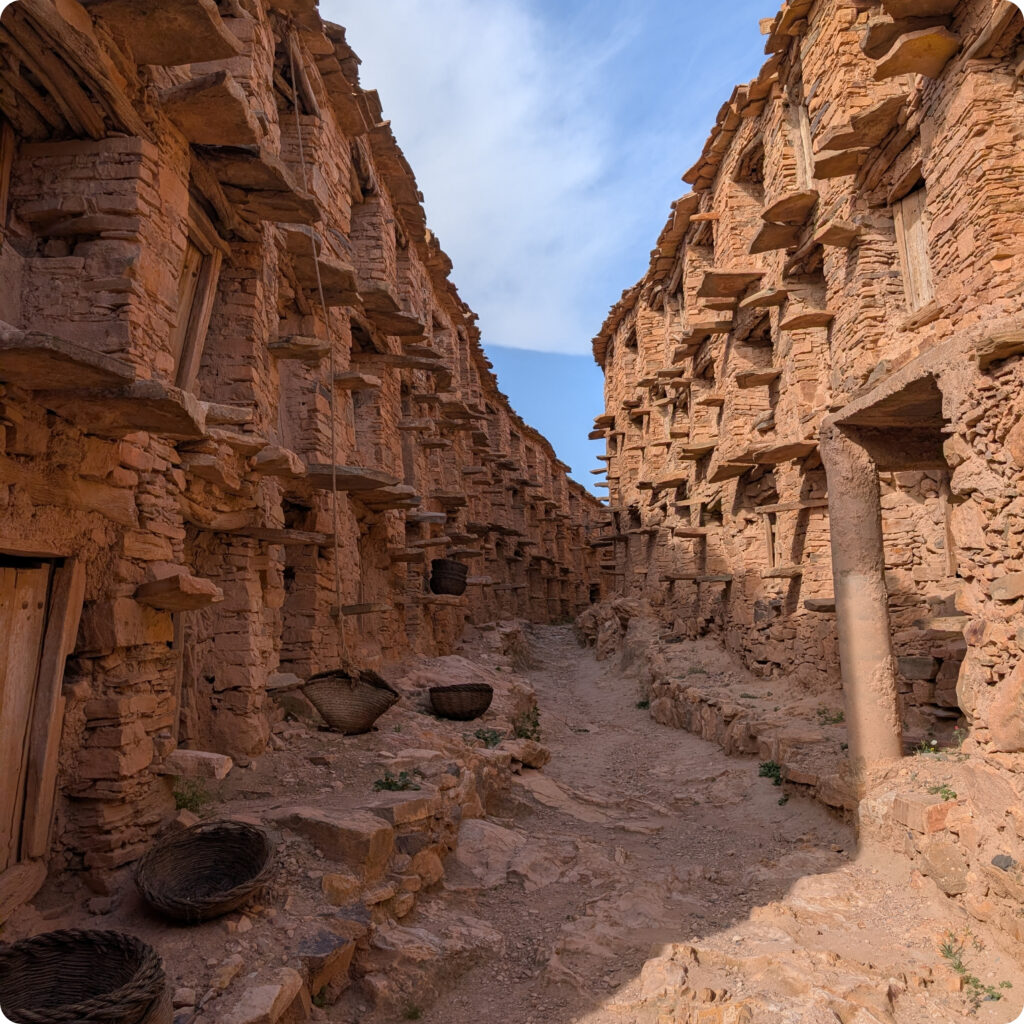
One of Ruben’s favourite discoveries in the region is Agadir Inoumar, a centuries-old fortified communal granary that offers a fascinating window into traditional Amazigh society. Known collectively as igoudar, these structures were far more sophisticated than simple places to store grain, with families keeping food, valuables and important documents within individual secured chambers while the complex itself was collectively managed and protected.
Ruben likens them to an early form of a community bank, and walking through the narrow passages and rows of storage chambers reveal the fascinating ways rural communities protected essential resources. Against the isolated landscapes of the Anti-Atlas, the granary also shows how organised and interconnected these communities were.
An unexpected patch of green
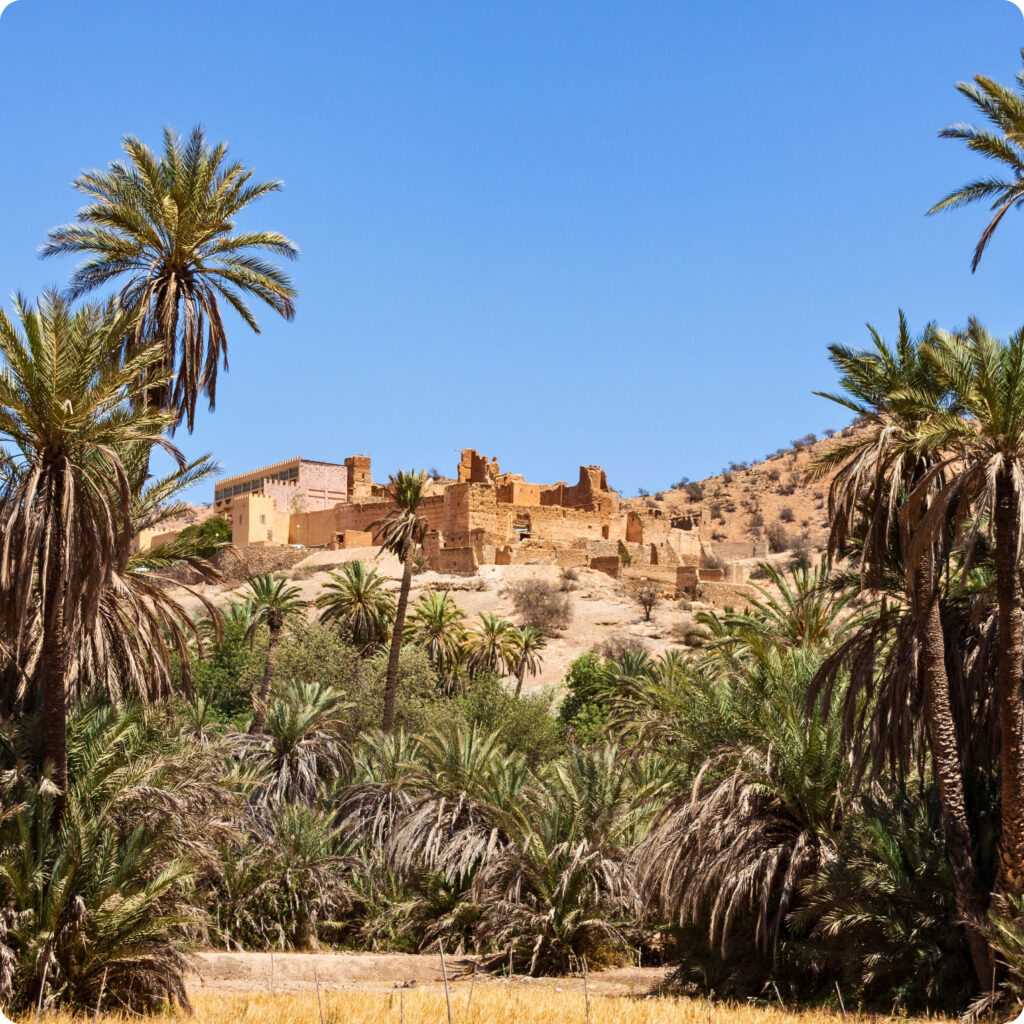
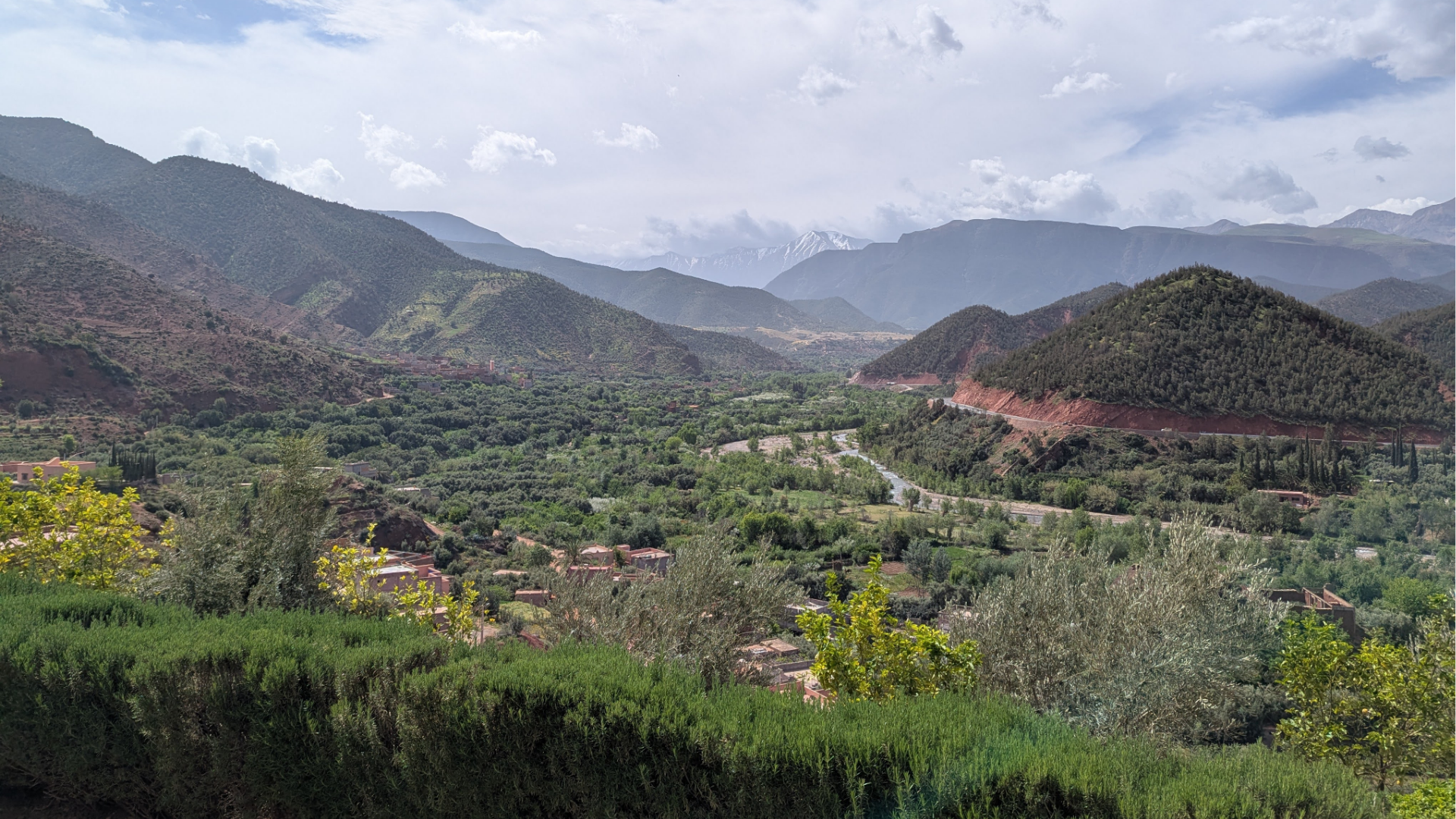
Nearby the exposed rock and dry foothills of the Anti-Atlas, the Tiout Oasis, with its thousands of palms spread across the valley beneath an old kasbah, is a stunning visual contrast. Irrigation channels weave between gardens and agricultural plots while shaded paths lead through the palm groves and surrounding villages, showing how access to water has transformed this otherwise arid landscape.
A guided walk through the oasis, combined with a picnic lunch, creates time to experience this change of scenery at a slower pace. When paired with the visit to Agadir Inoumar, the day begins to tell a much larger story about adaptation to the Anti-Atlas, from the communal systems developed to protect valuable resources to the careful management of water that has allowed agriculture and settlement to flourish.
Where to stay
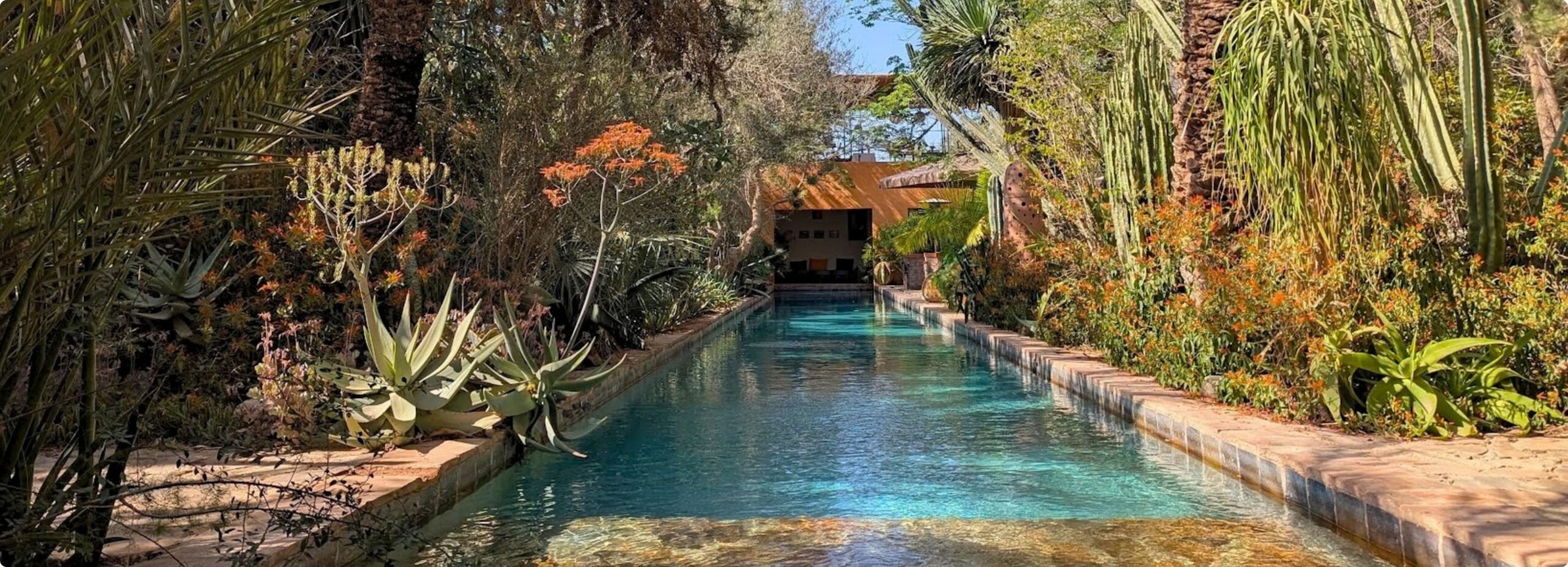
Ruben’s preferred base is Dar Al Hossoun, a design-led ecolodge surrounded by botanical gardens just outside Taroudant’s ancient walls. Hundreds of varieties of desert plants, olive trees, gardens, pools and a spa create a peaceful setting that carries the region’s connection with nature through to the stay itself.
He shares that staying two nights give the region the time it deserves, allowing travellers to explore Taroudant, dedicate a full day to Tiout and the Anti-Atlas and still slow down to enjoy the property rather than treating it simply as an overnight stop.
How to incorporate it into a journey
Part of Taroudant’s appeal is that going beyond Morocco’s classic route does not necessarily mean making a major detour from it. Despite the quieter character of the region, Taroudant sits just 82 kilometres from Agadir and can also connect naturally with journeys nearby.
EXO has developed a three-day, two-night Taroudant and Anti-Atlas extension around this flexibility, making it possible to add the region to several different styles of Morocco journey.
Possible routings include:
- Marrakech → Taroudant & Anti-Atlas → Agadir
- Agadir → Taroudant & Anti-Atlas → Agadir
- Ouarzazate → Taroudant & Anti-Atlas → Agadir
- Zagora → Taroudant & Anti-Atlas → Marrakech or Agadir
Add Taroudant to a Morocco journey
Taroudant and the Anti-Atlas are an easy way to take a Morocco itinerary beyond the familiar. Explore EXO’s Taroudant and Anti-Atlas extension, or get in touch with our team to discuss how it can be incorporated into an upcoming Morocco journey.

 " alt="">
  " alt="">
  " alt="">
  " alt="">
  " alt="">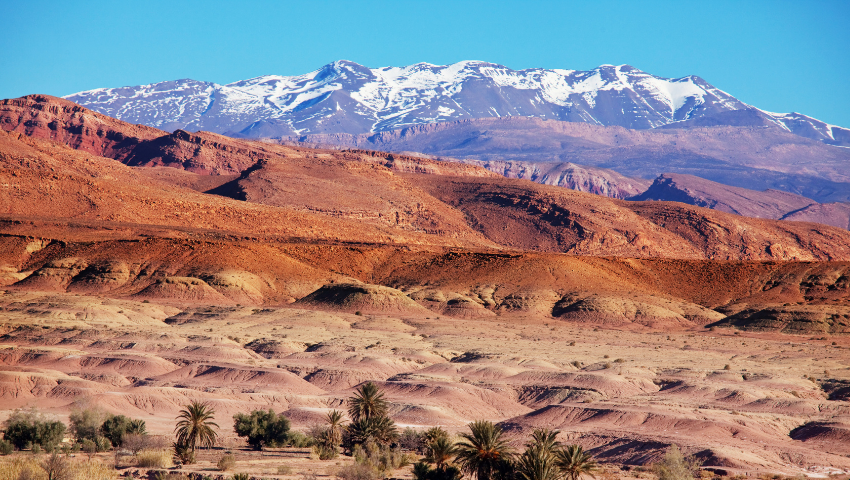
 " alt="">