

At a glance
Laos has two distinct seasons, but both offer compelling reasons to travel. The dry season runs from October to April, bringing clearer skies and cooler conditions, while the green season from May to September transforms the country with lush landscapes, fuller waterfalls and a quieter pace.
Seasonal differences are generally predictable, although Laos’ varied geography means conditions can change between regions. Northern and mountainous areas tend to be cooler, while river plains and southern Laos remain warmer throughout much of the year.
For advisors, this makes Laos relatively straightforward to plan. The main consideration is less about whether to travel and more about matching the season with the experience, from trekking and outdoor exploration to quieter cultural journeys surrounded by the vivid landscapes of the green season.

March to May: Warm days and changing landscapes
March and April are among the warmest months in Laos, with temperatures climbing into the low to mid-30s as the dry season draws to a close. Conditions remain largely dry, making travel easy, although outdoor activities are best planned earlier in the day before the afternoon heat builds. By May, the first rains begin to arrive, bringing some welcome relief and gradually refreshing the landscapes.
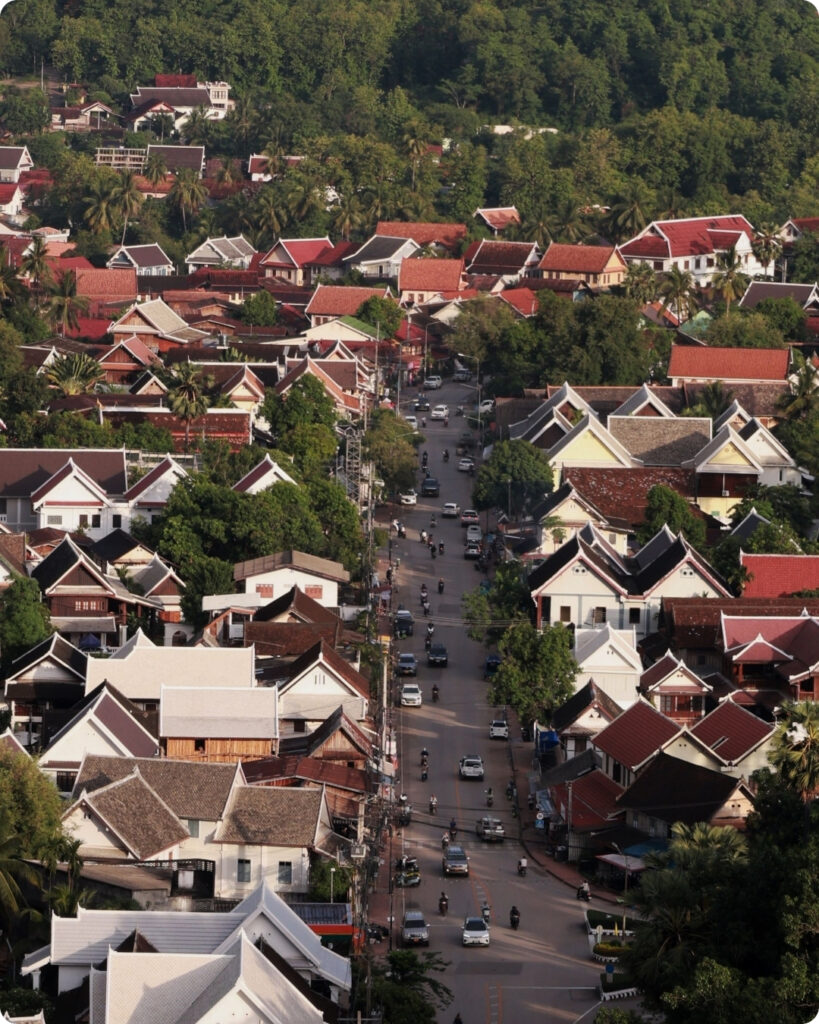
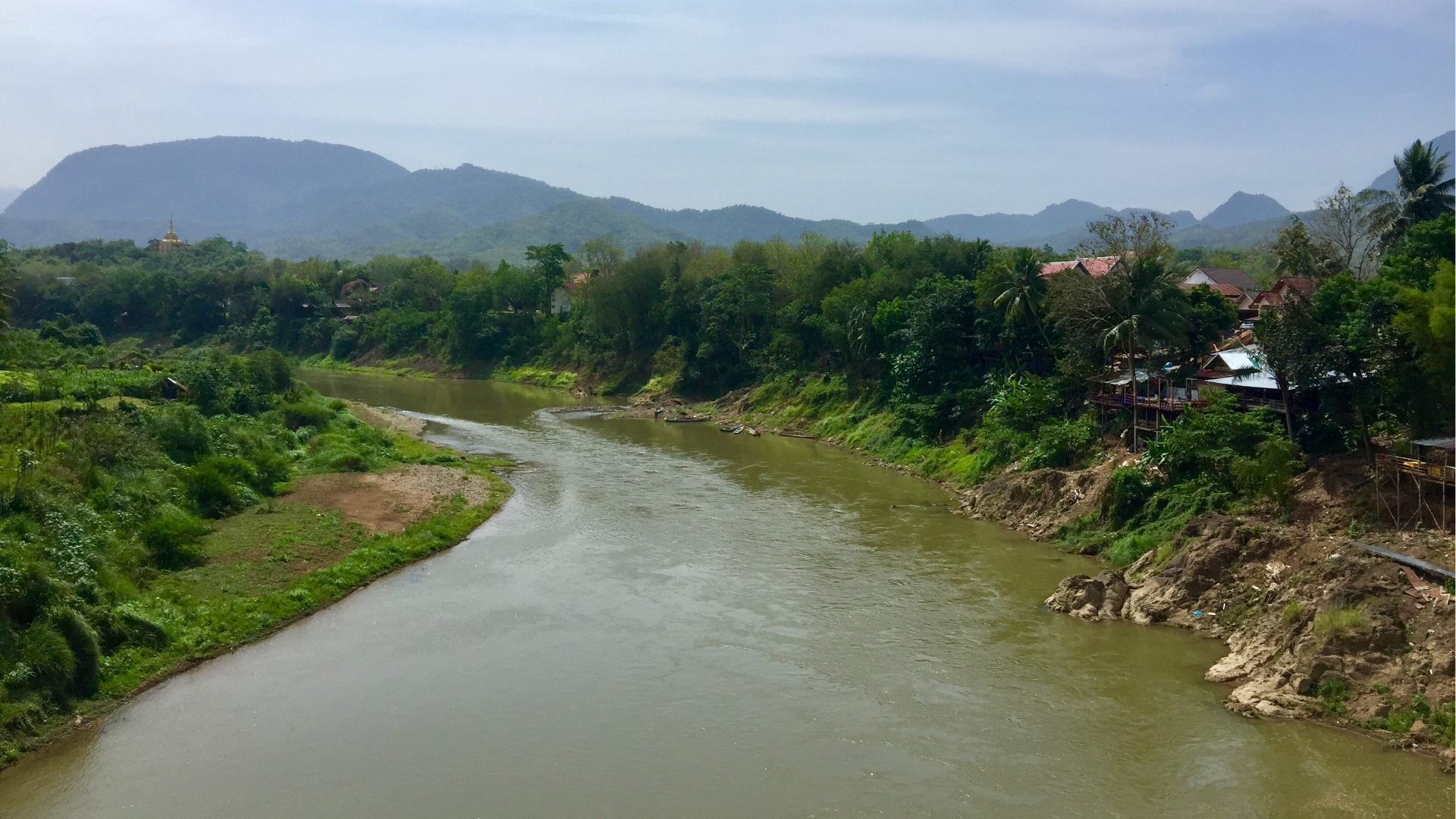
For this period, Luang Prabang is a standout, particularly in April when Pi Mai Lao transforms the city with temple ceremonies, processions and lively water celebrations. Beyond the festival, its slower rhythm suits the warmer weather well, with mornings spent exploring temples and markets and afternoons taken at a gentler pace.
Works especially well for: Cultural journeys, repeat visitors, festival travel, quieter itineraries, travellers comfortable with warmer weather
Set expectations around: Higher temperatures, occasional showers from May and busier conditions around Lao New Year
June to August: Laos at its greenest
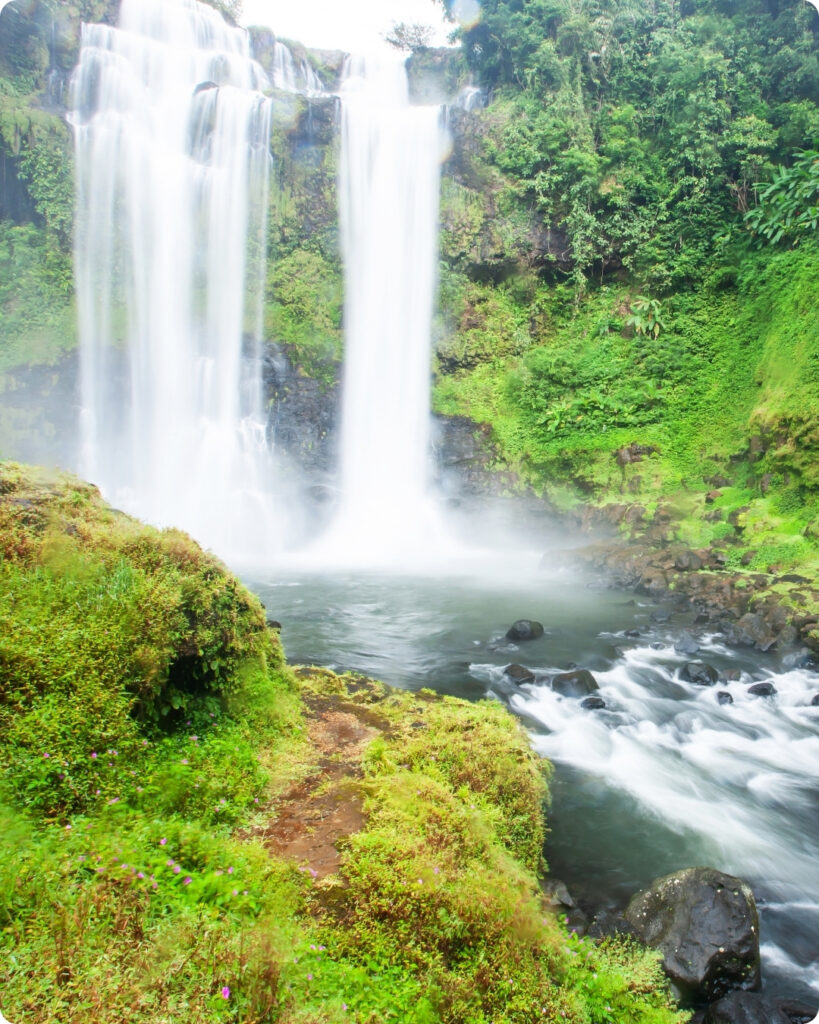
June to August is when Laos’ landscapes really come into their own. Regular rainfall refreshes the countryside, rice fields turn intensely green and waterfalls become increasingly impressive. Showers are often concentrated in the late afternoon or evening rather than lasting all day, creating a very different atmosphere from the drier months.
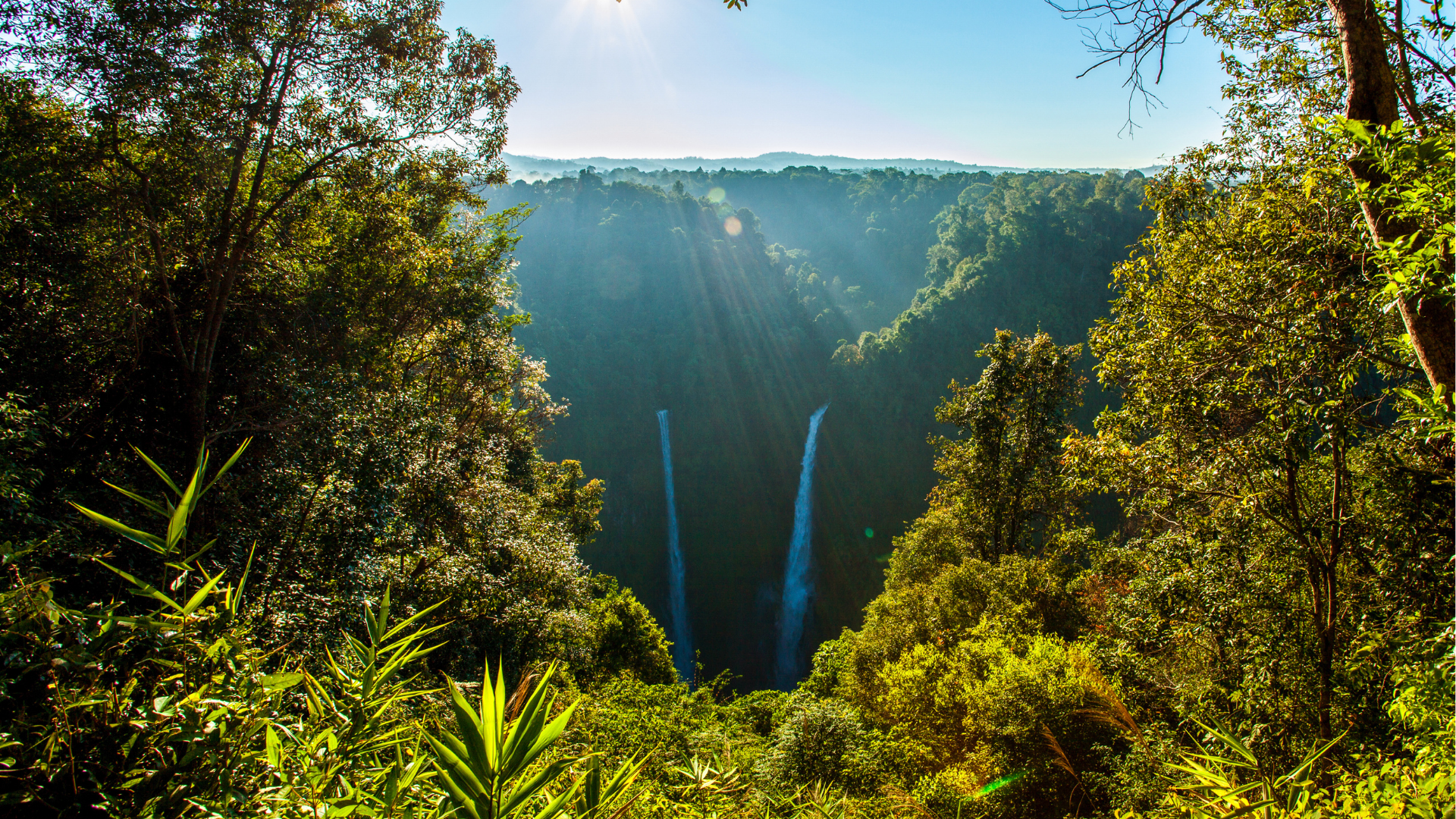
The Bolaven Plateau is particularly rewarding at this time of year. Its elevation brings somewhat cooler conditions than the lowlands, while waterfalls such as Tad Fane and Tad Lo are surrounded by dense green vegetation. Coffee plantations, small villages and the wider landscapes around Pakse also lend themselves well to a slower journey, making southern Laos especially appealing for clients who see the rain as part of the experience rather than something to avoid.
Works especially well for: Nature lovers, couples, photographers, repeat visitors, slower-paced journeys, value-conscious luxury travellers
Set expectations around: Humidity, regular showers, muddier rural routes and the need for some flexibility with outdoor activities
September to November: Fresh landscapes and cooler days
September begins with Laos still firmly in green season, meaning landscapes remain at their most vivid and rainfall continues to keep the countryside fresh. Conditions gradually become drier through October and November, while temperatures grow increasingly comfortable for longer days outdoors.
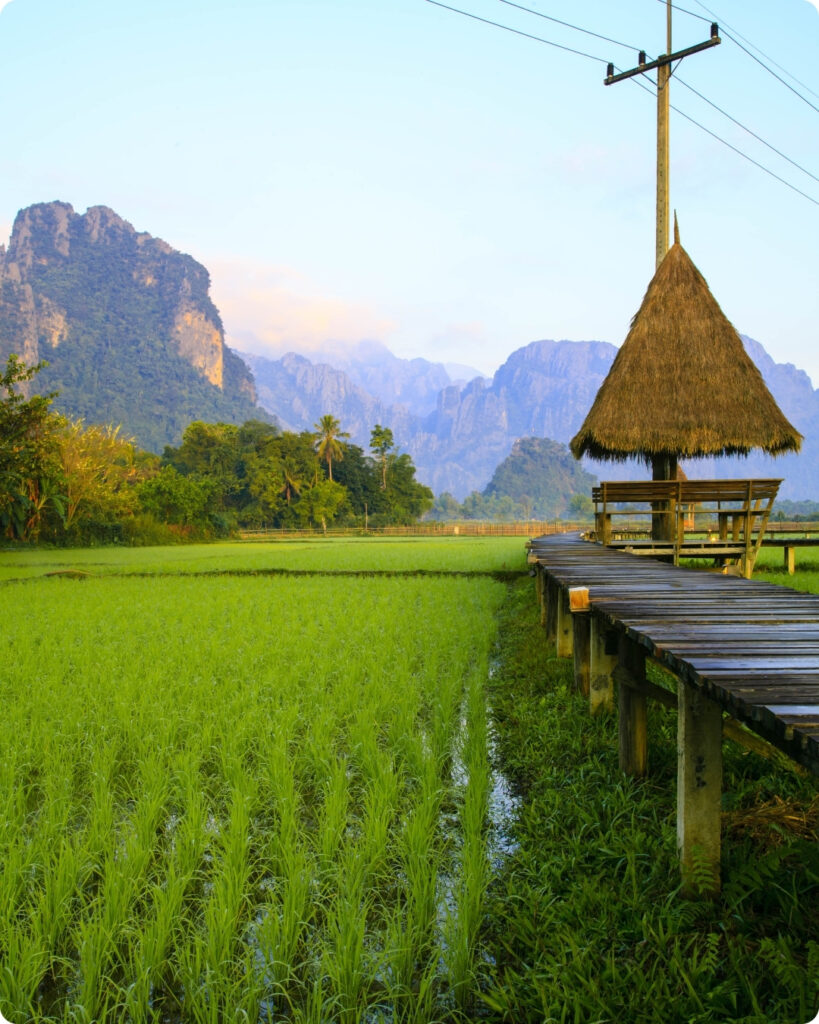
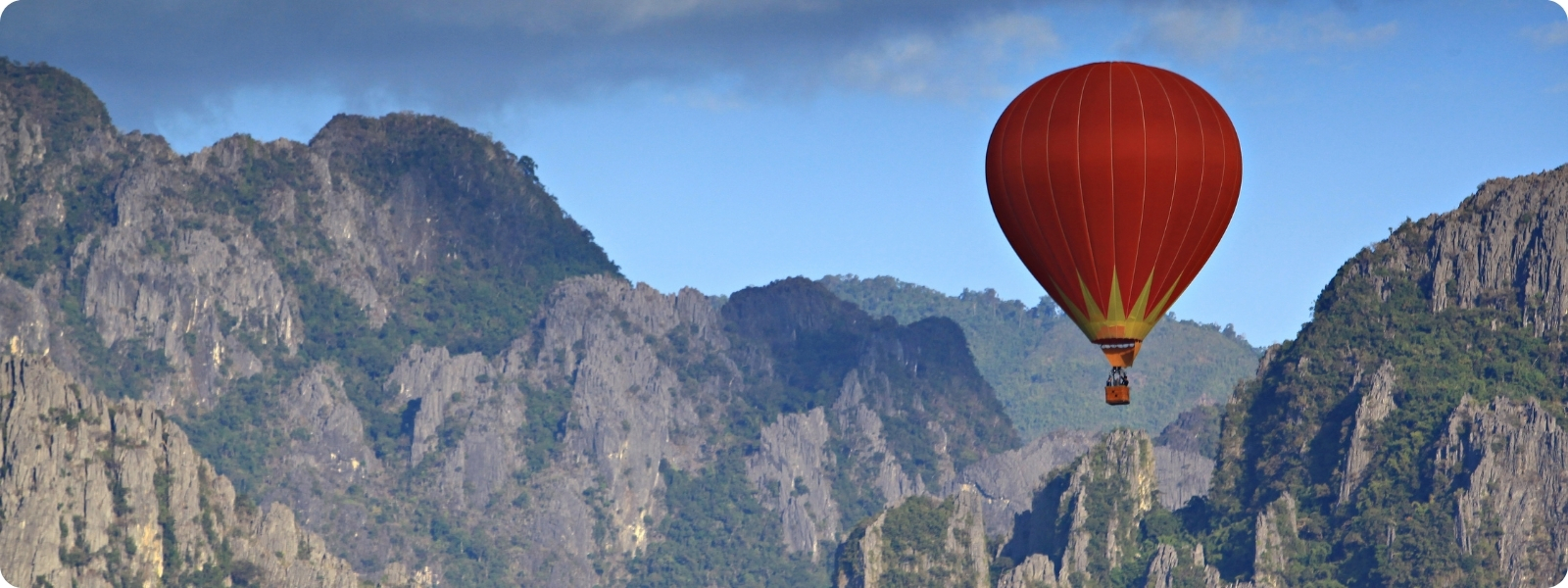
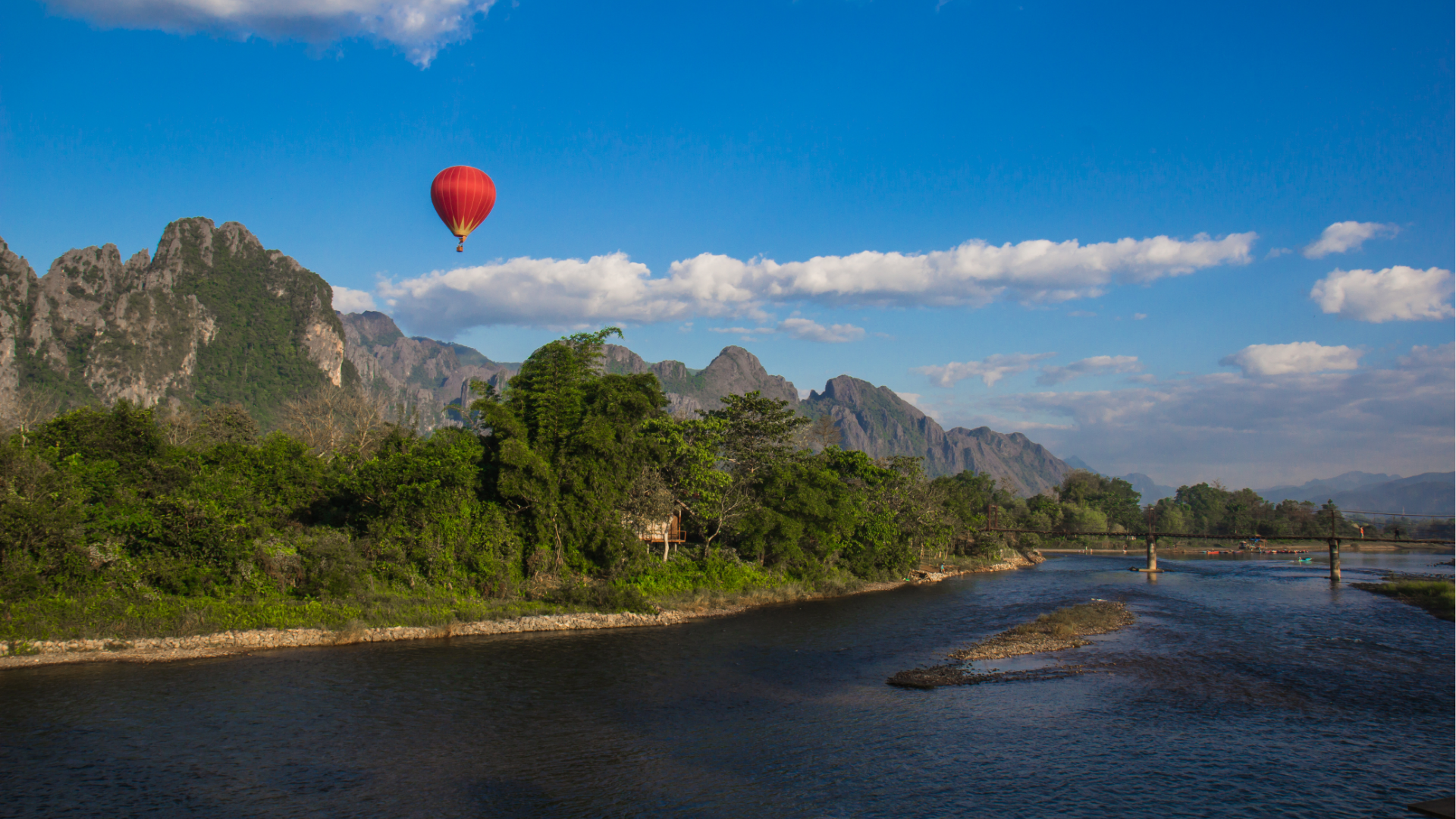
This transition is especially attractive around Vang Vieng, where limestone mountains rise above green rice fields and rural landscapes that still carry the effects of the rainy season. As the weather settles, cycling, walking and other outdoor experiences become easier to incorporate, allowing clients to explore well beyond the town itself. It is a particularly photogenic window that combines the colour of green season with the improving conditions of the months ahead.
Works especially well for: Active travellers, photographers, couples, first-time visitors, scenic journeys
Set expectations around: Rain still possible in September, a gradual transition into dry season and increasing visitor numbers from November
December to February: Slow travel in Southern Laos
December to February brings some of Laos’ most comfortable travelling weather, with dry conditions, lower humidity and cooler temperatures. It is one of the easiest times for longer days outdoors and for journeys that combine sightseeing with cycling, walking and time on the water.
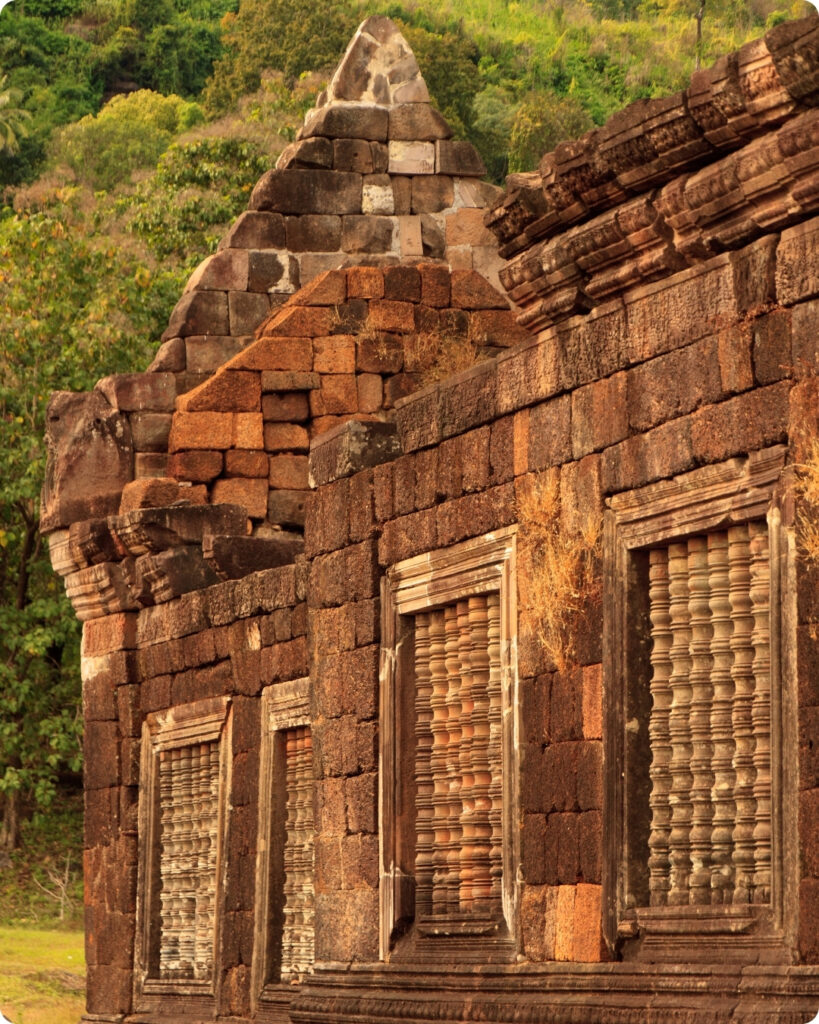
This is a particularly good time to turn the focus south to Champasak and the 4000 Islands. Temperatures are generally pleasant, while lower Mekong water levels reveal more of the small islands and riverbanks that give Si Phan Don its distinctive character. Clients can explore quiet villages by bicycle, travel between islands by boat and combine the region with Wat Phou for a journey that feels notably different from northern Laos.
Works especially well for: First-time visitors, families, active travellers, northern Laos, comprehensive itineraries
Set expectations around: Peak-season demand, cooler mornings and evenings in elevated areas and the importance of booking ahead

Seasons by client type
Families: December to February is particularly easy for families, with comfortable weather and reliable conditions for sightseeing and outdoor activities. Green season can also work well for families happy to travel at a more relaxed pace and embrace occasional rain.
Honeymooners: The cooler dry season is ideal for couples looking to combine boutique stays, cultural touring and time in the countryside. Green season offers a different appeal, with fewer visitors, particularly lush scenery and attractive hotel offers.
First-time visitors: November to February is the most straightforward period for a first journey, especially for clients combining Luang Prabang with other parts of northern or southern Laos. Conditions are comfortable and allow plenty of flexibility in how the itinerary is built.
Luxury travellers: Laos works well for luxury travellers throughout the year. Peak season provides the strongest overall weather, while green season can bring quieter hotels, a more private atmosphere and opportunities to add extra indulgence through seasonal offers.
Active travellers: October to February is particularly strong for trekking, cycling and other outdoor experiences thanks to cooler temperatures and drier conditions. Green season offers spectacular scenery but requires greater flexibility around trails and rural access.
Quick tips
- Do not write off the green season. Laos is especially beautiful from May to September, when waterfalls are fuller, countryside is intensely green and visitor numbers are lower.
- Book ahead for the cooler months. Mid-November to early February is Laos’ main peak season, particularly in Luang Prabang and at smaller characterful hotels.
- Think about elevation. Northern Laos and areas such as the Bolaven Plateau can become much cooler than clients may expect during December and January.
- Keep the pace slower in April. Higher temperatures make early starts, leisurely lunches and well-timed breaks particularly worthwhile.
- Use the quieter months strategically. Green season works particularly well for clients who value atmosphere, scenery and fewer crowds over consistently dry weather.
Frequently asked questions
How early should agents book Laos?
For peak travel from November to February, booking several months ahead is recommended, particularly for smaller hotels, specialist guides and river cruises. Christmas, New Year and other popular holiday periods should be secured as early as possible.
When is the best time for a Mekong cruise?
October to March generally offers the most reliable conditions for longer Mekong journeys, particularly in northern Laos. River levels and operating schedules can vary through the year, so cruise availability should always be checked when planning.
How does Lao New Year affect travel?
Pi Mai Lao takes place in April and is one of the country’s biggest celebrations. Water festivities, temple visits and community celebrations create a lively atmosphere, particularly in Luang Prabang. It can be a wonderful time to experience Laos, but demand increases and normal schedules may change, so itineraries should be planned with the festivities in mind.
When should agents encourage clients to explore beyond Luang Prabang?
Throughout the year, but particularly during the dry season when overland exploration is easier. Northern Laos offers mountain landscapes, trekking and smaller communities, while the south combines the Bolaven Plateau, caves, temples and river islands. For peak-season travellers, extending the journey beyond Luang Prabang is also a good way to experience a quieter side of the country.

 " alt="">
  " alt="">
 " alt="">
  " alt="">


