

From gracious Geisha to savoury sushi, discover the cultural and culinary icons of Japan. Follow a food trail through Osaka, prepare noodles in Tokyo and discover buddhist cuisine in Koya-san. Then get a dose of culture in UNESCO-filled Kyoto, explore the south of Japan tastes in Fukuoka and witness age-old traditions at every turn.

Itinerary
📍 Distance and journey time (approximation): Narita International Airport (NRT) to Central Tokyo: 1.5 h Haneda International Airport (HND) to Central Tokyo: 50 min
Upon arrival to Tokyo’s airport, our representative will be waiting to assist with transport to the hotel in Tokyo via private vehicle.
The stay will be at the Mandarin Oriental Tokyo, with 9 restaurants, lounge and bar in the facility, including French, tapas, Cantonese, world-class sushi and world famous pizza bar, it’s the perfect choice for every gourmet.
After the check-in, the rest of the day is at leisure.
Overnight in Tokyo at the Mandarin Oriental
Inclusions:
📍 Time: Start (guide tour): 08:30 Duration: 8 h *including pick-up/drop-off and transit times
This morning, accompany a local guide on a visit to Tokyo's Tsukiji Outer Market, the world-famous market filled with traditional shops and top-quality sushi restaurants. While the iconic inner wholesale fish market has been relocated to Toyosu, the outer market remains a lively center for visitors and locals alike to enjoy delicious food, and purchase kitchenware and other local specialties.
Grab some fresh sushi at a nearby stall or restaurant before continuing to Hama-Rikyu Teien. Once the private garden of an Edo-period lord, the tranquil compound is now open to the public.
Its wide collection of seasonal flowers and the contrast with the nearby skyscrapers make it one of the most visited gardens in Tokyo.
From the park, travel to Asakusa, a part of Tokyo’s shitamachi or old town. Asakusa is the city’s oldest Geisha district and also home to Senso-ji, Tokyo’s oldest Buddhist temple. The streets around Senso-ji feature many traditional shops and are a delight to wander through.
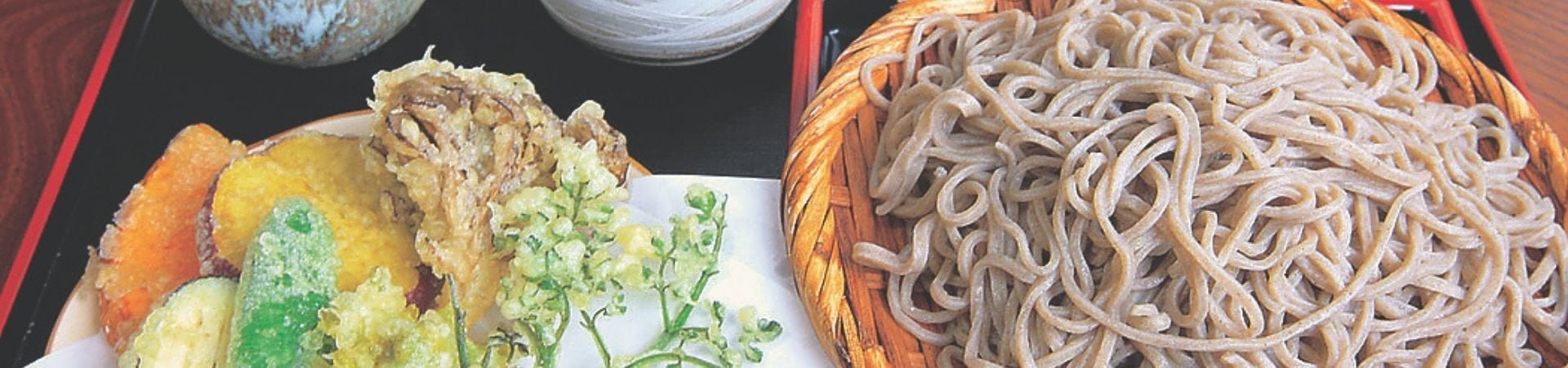
Around noon, stop by one of the local restaurants for lunch. Although there’s a variety of food to choose from, Asakusa is more known for its best-tasting tempura.
From Asakusa, continue a short walk to Kappabashi, the so-called Kitchenware Town lined with dozens of specialized stores for knives, Japanese tableware, and even food replicas.
Last stop is in Ueno’s Ameyoko-cho, a former black market that sprang up after WWII. It is now a bustling shopping alley filled with food stalls that make it a great place to try some local snacks.
Overnight in Tokyo at the Mandarin Oriental
Inclusions:
☕ Breakfast
📍 Time (soba making): Start: TBA Duration: 3.5h Time (geisha dinner) Start: TBA (Anytime between 17:00 -21:00) Duration: 2 hours
Begin the day with a hands-on culinary adventure. Head to the centre of Tokyo for a uniquely Japanese culinary experience. Step into the Tsukiji Soba Academy, a culinary training centre dedicated solely to the production of traditional soba noodles.
Meet with the founder of the school or one of its master chefs for an introduction to soba. Be introduced to the technique used by Soba Academy, called mazumizu, which dictates a simple but fluid process.
Then watch a short demonstration by the ‘sobatician’, watching as they carefully sift the buckwheat, add water, and then mix in a steady rhythm. Lend a hand in the mixing, then help knead it out, folding and kneading several times to get the right consistency. The instructor will then demonstrate the proper flattening technique, guiding the process of rolling the dough to a precise 1.5 mm thickness. Then comes the biggest challenge yet the most important step: cutting the noodles. Use a special tool to precisely cut each individual noodle to 1.6 mm in width. It can take years to master this technique but it is fun to try it out!
At the end of the process the soba noodles will be cooked and served up for lunch. Eat tachigui style, the traditional belief that standing up is the best way to enjoy these delicious noodles. After this insightful soba making class in Tokyo, say farewell to the chefs and depart the Academy.
The rest of the day is at leisure until the evening experience.
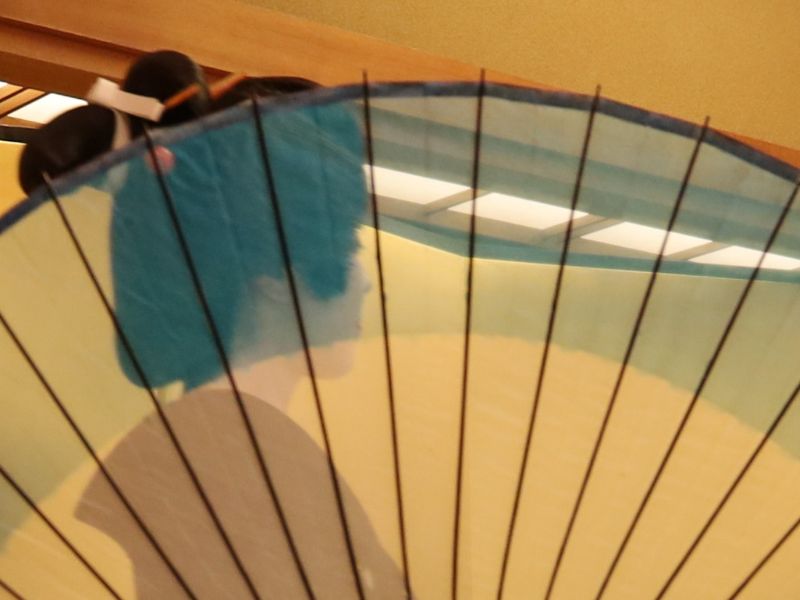
Despite Tokyo being known as a modern metropolis, it has a surprise to offer; tonight get ready to dive deeper into Japanese tradition inside the capital city, by experiencing one of its most important aspects: geisha culture. Have an unforgettable night watching geisha performing traditional arts and music. Through this rare interactive experience, learn about their culture and personal stories while enjoying authentic Japanese cuisine.
Tonight’s experience takes place in Kagurazaka, one of Tokyo’s most traditional neighbourhoods famous for its historical connection to the historic Edo period and geisha culture.
Meet a local guide in front of tonight’s venue and get ready to step inside the geisha world. Enjoy an authentic geisha performance showcasing traditional dance or live music. Engage with the geisha through traditional fun games. With the help the English-speaking guide, ask questions and learn all about their culture and personal stories, through this unique first-hand experience.
The meeting and performance with geisha will be accompanied by a traditional Japanese meal and all you can drink menu including Japanese sake, beer, and soft drinks based on preference.
Overnight in Tokyo at the Mandarin Oriental
Inclusions:
☕ Breakfast, 🥘 Lunch, 🍗 Dinner
📍 Time: Start (night-time cemetery tour): 19:00 Duration: approx. 1.5h (including bus back to central Koyasan)Journey times: Tokyo Station to Shin Osaka Station: 2.5 h Central Osaka to Koyasan Station: approx. 1.5 h
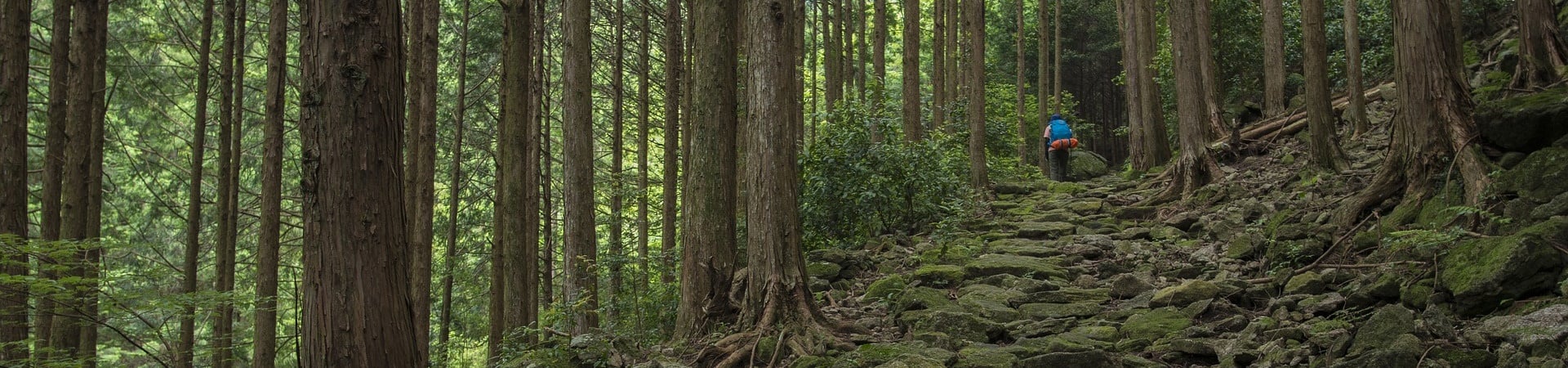
After breakfast leave Tokyo for Koyasan via Osaka where you will meet your driver. Pass through river valleys and forested slopes as the car snakes its way into the mountains of Wakayama Prefecture, once thought to be home to ancient gods of nature.
Welcome to Koyasan, a small community of over 100 temples of the secretive Shingon sect of esoteric Buddhism. This mountain enclave has endured for over 1,200 years, and remains a fascinating relic of a time when religion governed the politics and daily life of historic Japan.
Upon arrival, guests are escorted to their shukubo (temple lodging) for the evening.
Suggested Afternoon Sightseeing Itinerary:
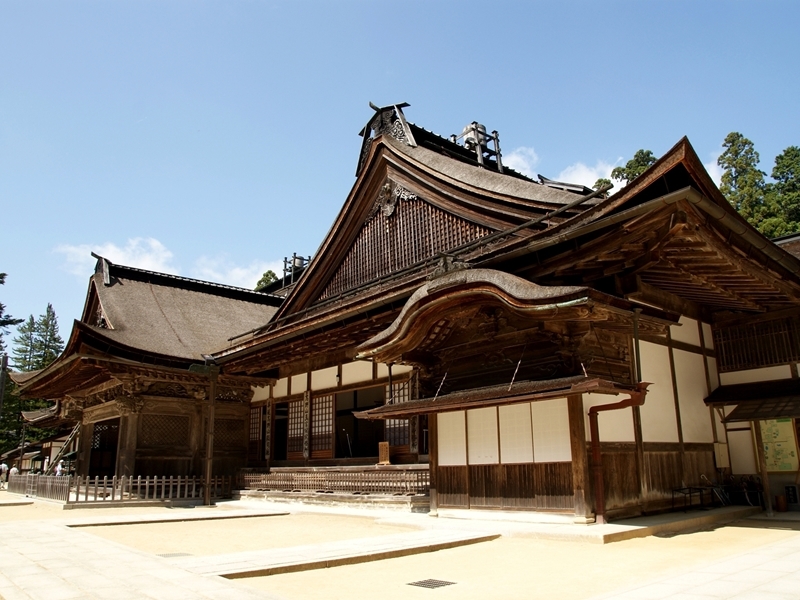
Stroll through the Danjo Garan complex, a collection of temple buildings in the heart of Koyasan. Enter the brightly painted Konpon Daito Pagoda, which houses an awe-inspiring altar flanked by towering statues. Nearby is the Kondo Hall, a massive wooden structure where priests gather for services.
Visit Kongobuji, the head temple of Shingon Buddhism. Peek into beautifully decorated historic rooms and see the cavernous wooden kitchen where meals are still prepared for monks on special occasions.
After this remarkable journey through the spiritual past of Japan, A delicious shojin ryori vegetarian Buddhist dinner will be served at the shukubo in a delightfully traditional atmosphere.
As the evening nears, prepare for a fascinating night tour of Okunoin Cemetery, Japan’s most storied graveyard. This resting place of priests and samurai is home to countless legends, ancient cedar trees, and abundant wildlife.
Check-in for the tour between 18:30 and 19:00 at TAIRA, a café directly across the street from Eko-in Temple on the main street in Koyasan. The tour departs at 19:00, when a priest will guide the group to the entrance of Okunoin Cemetery.
The cemetery itself is not spooky, but meditative and atmospheric. With a history reaching back almost 1200 years, there are plenty of amazing sights and fascinating legends to learn from the guide on this approximately 1 hour walk. This is not a “ghost tour” but a respectful look at Buddhist practices and Koyasan’s history.
On lucky evenings, guests may even see local wildlife like flying squirrels, fireflies, and owls.
Walk past ancient graves covered in centuries of moss before reaching the mausoleum of Kobo Daishi, the founder of Koyasan. He rests here not dead and buried, but in “eternal meditation.” The priest will explain the great significance that Kobo Daishi had on Japanese history and culture, and then chant a solemn prayer.
The tour will disband at the far end of the cemetery. Guests can walk back to their temple lodging on their own, or take a bus at no additional charge.
Overnight in Koyasan at Soji-In or similar
Inclusions:
☕ Breakfast, 🍗 Dinner
📍 Time: Start: 13:00 or 15:30 Duration: 2 hJourney times: Koyasan to Central Kyoto: approx. 2.5 h
Suggested Morning Activity:
Join the optional morning prayer service at the temple lodging, to hear the priests chant and drum as they greet the morning. Vegetarian breakfast is served after the service.
When the time to depart Koyasan approaches, meet the driver at the temple lodging and travel by car to Kyoto.
Join a local master for a quintessentially Japanese experience: a tea ceremony in Kyoto. Inside the tea master’s private residence, be clothed in an exquisite kimono and get an in-depth introduction into the customs and history of this ritualistic ceremony. Learn about the correlation between tea ceremonies and Zen Buddhism while preparing and pouring tea the traditional way.
Today’s activity can begin at 13:00 or 15:30. Take a closer look at one of Japan’s quintessential arts: the tea ceremony. Meet with a tea master in a private abode for an interactive cultural experience. Hear how the master studied for years to perfect the art of sado, or tea ceremony.
Before preparing the tea, get an introduction to Japan’s traditional and iconic attire – the kimono. After being helped into the magnificent garment, learn about the history of the ceremony. Explore its roots and find out how the rituals practised in the ceremony are closely related to the beliefs of Zen Buddhism. Then it is time to prepare the tea. Follow the master through the motions step-by-step, learning the reasons for each and every movement.
Once the tea is ready, the serving process begins. As with the preparation, the serving of the tea is also steeped in meaningful rituals. Before sipping the tea, delicate and delightful traditional Japanese confectioneries known as wagashi are eaten, sweetening the tongue to make the matcha tea taste less bitter, and creating a mouthful of harmony in the process.
After sipping the healthy brew, return the kimono and bid farewell to the tea master, taking away lasting memories of this incredible glimpse into Japanese culture and tradition.
Optional Evening Tour: Homestyle Culinary Walk
Meet the guide at 18:30 in front of the famed Minamiza Kabuki Theatre and head out into the night for stops at up to three restaurants that all include food and drinks.
Begin with a walk through Gion, the historic geisha district. When evening falls, the streets are lit by lanterns and the traditional wooden building take on a charming glow. There is always the chance to spot a few geisha as they dart through the alleys on their way to meet clients.
Arrive at the first restaurant, a quiet members-only homestyle-cooking establishment run solo by a delightful woman with a passion for good food. This is the kind of place that is normally closed to walk-in and tourists, but the guide will have a reservation prepared. The menu here is mainly obanzai cuisine, an ever-changing assortment of small dishes focusing on daily market-fresh fresh vegetables. Look forward to cooked-to-order delicacies like simmered fish, stewed vegetables with chicken, slow-cooked miso beef, and the owner’s signature dish of lightly fried dumplings inside a slice of eggplant instead of dough.
Next, walk over the Kamogawa River to the Pontocho District, another geisha neighbourhood. Things are a bit livelier here, and a stop at a Kyoto-style izakaya (Japanese gastropub) awaits. A young couple operates this restaurant, greeting customers while keeping busy in the open kitchen preparing their original recipes. The specialty here is duck, long considered a classic Kyoto dish, and the menu has plenty of other options as well focused on vegetable and meat dishes cooked with rich dashi fish broth.
All restaurants include options for both alcoholic non-alcoholic drinks.
For guests who are still hungry after the two delicious restaurants, a final stop for a shime can be arranged. Shime (pronounced “she-may”) refers to a carb-heavy final dish to top off a night of eating, so that the space in your stomach can be saved for the good stuff first. Tonight’s Kyoto-style shime is classic bowl of soba buckwheat noodles. A final short walk through the district is an option for guests who are full, perhaps with a stop for a casual dessert of traditional Kyoto sweets.
After eating your way through two Kyoto districts, part ways with the guide and continue exploring the city’s nightlife independently. (D)
Time:
Start: 18:30
Duration: approx. 3 h
Overnight in Kyoto at The Mitsui
Inclusions:
☕ Breakfast
📍 Time: Start (guided tour): 09:00 Duration: 8 h *including pick-up/drop-off and transit times
Today’s tour starts with a visit to one of Kyoto’s most iconic sites: the Fushimi Inari Shinto Shrine. A lavishly decorated building houses the goddess of rice, and thousands of orange torii gates stretch up the mountainside in long tunnels. Unlike any other shrine in Japan, this is an ideal spot to understand how Shintoism is tied to respect for nature.
Board a train to Sanjusangendo, a stunning Buddhist temple often overlooked by tourists. A mesmerizing display of 1001 life-sized golden Buddhist statues awaits inside the world’s longest wooden building, sure to be one of the most memorable sights of the entire trip.
After lunch, travel to Nijo Castle, an ornamental palace built for the shogun in the early 1600s. The beautiful building is known for its finely painted walls and “chirping nightingale” floors that squeak under the feet of intruders. Walk the halls, see the audience chambers, and experience what it was like to visit the military ruler of Japan in the classic era of samurai.
Hop aboard the subway for a short ride to the eastern foothills of Kyoto. The final location of today is Nanzenji Zen Temple, a quiet retreat where monks have lived in peaceful repose since 1291. See the famous Zen rock garden whose meaning is left up to the viewer. Is it meant to be islands in a calm ocean, or a depiction of wild animals crossing a raging river?
After a full day of sightseeing, part ways with the guide and return to the hotel or continue to explore independently.
Overnight in Kyoto at The Mitsui
Inclusions:
☕ Breakfast
📍 Time: Start: 10:00 0r 13:30 Duration: 3h
Begin by meeting the guide at 10:00 or 13:30 at the hotel and travel together to Nishiki area.
Enter Nishiki Market, Kyoto’s legendary mile-long covered shopping street. For centuries, this has been considered “Kyoto’s kitchen” where the city’s best cooks can find the freshest ingredients.
After shopping for today’s ingredients, stop at a small lantern shop not normally open to tourists. For nine generations, traditional bamboo and paper lanterns have been crafted here. Say hello to the craftsmen and see their wares up close.
After a short walk, arrive at a renovated machiya, a traditional Japanese townhouse. Elegant and modern in style, this is the venue for today’s cooking lesson.
Begin with a casual sake tasting, trying a few different types and selecting the one that best suits your taste.
Enter the kitchen and learn how to prepare three kinds of rolled sushi. From traditional maki handrolls to cute temari sushi balls, a delicate touch and a lot of fun go into creating these delicious rolls. Miso soup, a side dish, and dessert will also be prepared by guests.
Finish by enjoying the delicious handmade meal.
Part ways with the instructor and continue to explore the city independently.
Overnight in Kyoto at The Mitsui
Inclusions:
☕ Breakfast, 🥘 Lunch
📍 Time: Start (activity): 15:20 Duration: 3.5 hJourney times: Kyoto Station to Hakata Station: 3 h
After breakfast, get on the bullet train to Fukuoka, the Kyushu culinary capital and prepare for an afternoon tour discovering the taste of the city.
Today’s tour starts at 15:20. Meet a foodie guide for a journey through the streets of Fukuoka to learn about the food culture in one of the best Japanese cities for cuisine. The first stop will be the fish market to see how local people choose the freshest ingredients to put on the table. Here, sample a variety of dried and deep fried food.
Move on to the basement floor of a department store, known as “depachika”, where delicatessens, confectioners, and other food counters are located, before experiencing a stand-up eating shop. Learn about this interesting way of enjoying food, popular especially among busy salarymen with no time to sit down for a meal.
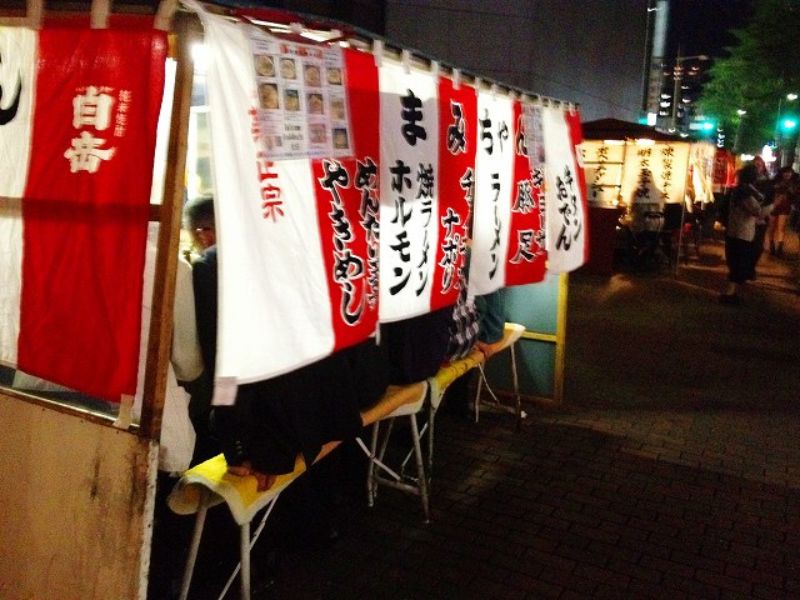
The final stop will be at the famous yatai street food stalls, part of the culture of Fukuoka, where it’s easy to strike up conversations with other customers. There are nearly 100 yatai in Fukuoka and they open in the early evening, offering both traditional Japanese dishes such as tempura and oden, as well as local Fukuoka cuisine.
Part ways with the guide and continue exploring the Fukuoka nightlife independently.
Overnight in Fukuoka at The Ritz Carlton
Inclusions:
☕ Breakfast, 🍗 Dinner
Today is a self-guided day.
Suggested itinerary
This morning explore Dazaifu, a city established in the 7th century which became the location of the Kyushu government for more than 500 years. Additionally, Dazaifu held an important role for Japan’s diplomatic relations and its defense.
The first stop will be the famous Dazaifu Tenmangu Shrine, which was built on the site of Sugawara Michizane’s grave. All Tenmangu shrines in Japan are dedicated to Michizane’s spirit, which makes this the most important Tenmangu shrine in Japan, together with Kitano Tenmangu in Kyoto.
Continue to Komyozenji Temple, which was established in the middle of the Kamakura period by a member of the Rinzai sect of Japanese Buddhism. It is especially famous for its two Japanese gardens, the front garden and the rear garden. While the front garden is composed of fifteen rocks, the rear garden includes a lot of plants and moss as well as rocks and pebbles, resembling land and water.
Distance and journey time (approximation):
Fukuoka to Dazaifu: 30 h by train
Note: Roundtrip train tickets to Dazaifu can be arranged at an additional cost.
Suggested Optional Tour: Explore Fukuoka by Bike
This morning, get on a speed cross bike and prepare for a pleasant, flat ride to explore the city of Fukuoka with a local guide.
The first destination is the Hakata old town, the home of Fukuoka’s two biggest festivals, Hakata Gion Yamakasa and Hakata Dontaku, which the guide can tell stories about. Several temples and shrines are located here, and the guide will offer explanations about the difference of Shinto and Buddhism from a local’s perspective. Continue cycling down backstreets to get a glimpse of local life before arriving in the park housing the ruins of Fukuoka Castle.
Learn about the history of the town at the Korokan Historical Museum and enjoy the passing of the season at the pleasant Ohori Park before reaching the seaside. Take a spin along the coast, refreshed by the sea breeze.
After the cycling, recover energy with a delicious ramen lunch in a local restaurant. Hakata ramen is of the tonkotsu variety (pork bone broth ramen), which originated in the city and is now considered by many to be the best ramen in Japan!
Return the bikes and part ways with the guide. Continue exploring Fukuoka on foot or return to the hotel.
Time:
Start (guided tour): 09:00
Duration: 4.5h
Overnight in Fukuoka at The Ritz Carlton
Inclusions:
☕ Breakfast
📍 Time: Start: 18:00 Duration: approx. 3 hDistances and journey time: Hakata Station to Osaka Station: 2.5 h
The rest of the day is at leisure until the scheduled departure to Osaka. After checking into the hotel, start exploring the lively streets of Osaka, Japan’s culinary capital. Osaka’s flamboyance, fun-loving people, and amazing food make up for what it lacks in tourist attractions.
Meet the guide at 18:30 in front of Tenma Station and head out into the night for stops at three restaurants that all include food and drinks.
Work up an appetite with a short walk through Japan’s longest shopping street. The covered arcade here is deliciously retro, and the guide will bring guests into a local market to see what Osakans shop for to prepare daily meals.
Move on to the first restaurant, a working-class tachinomi (standing tapas bar) that exudes Osakan charm. Businessmen crowd around the large central bar, eating and drinking as they stand shoulder to shoulder. Guests will have a private table away from the crowd a bit, but with a good view of the action. The menu here is filled with favourites like slow cooked miso beef, freshly pickled fish, and steamed chicken with tangy ponzu sauce.
Next, stop at an izakaya (Japanese gastropub), where the main course is kushikatsu, crispy fired skewers of meat, vegetables, shrimp, and other ingredients. Dip them in rich sauce and wash it down with a choice from a wide selection of sake. Sashimi and other options are available as well.
Last up is a lively homestyle-cooking establishment specializing in yakitori chicken skewers and oden, a beloved pot of vegetables, tofu, and fish simmered in rich broth. This is Japanese soul food that pairs well with a final drink of beer or sake.
All restaurants include options for both alcoholic non-alcoholic drinks.
After three delicious stops, part ways with the guide and continue exploring the city’s nightlife independently.
Overnight in Osaka at The Four Seasons
Inclusions:
☕ Breakfast, 🍗 Dinner
📍 Time: Start (guided tour): 09:00 Duration: 8 h *including pick-up/drop-off and transit times
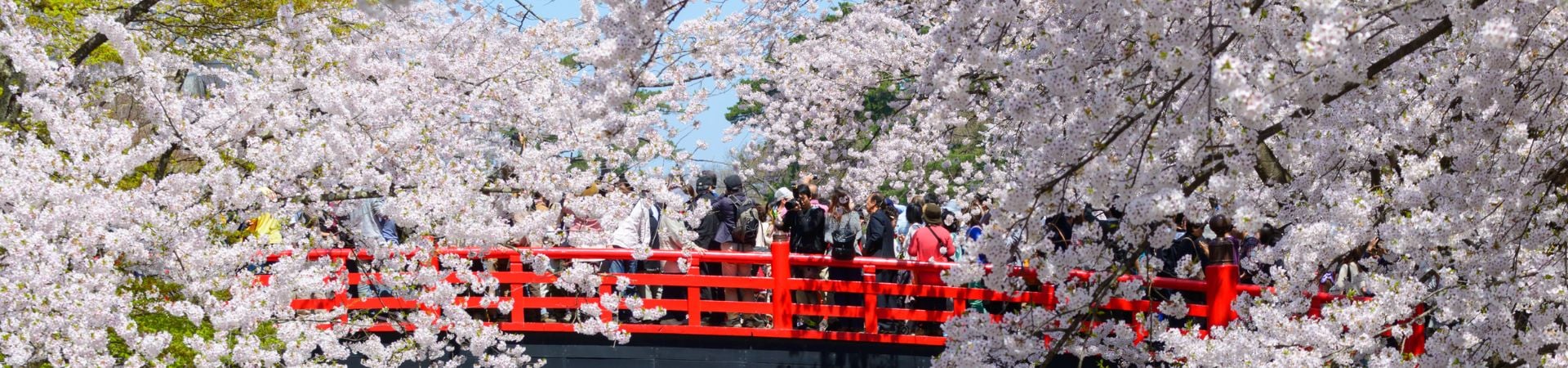
The first stop of the morning is at Osaka Castle, one of the most visited places in the city for its history, architectural design, and cherry blossom trees all abloom in spring. Aside from the artefacts on display and the view of the city from its topmost floor, the surrounding garden and moats make the castle one of the must-see places in the city.
This is followed by a scenic cruise along Okawa River, which offers views of Nakanoshima Park and the red-bricked Mint Museum. In spring, the riverbanks of Okawa are lined with cherry blossom trees, making the trip more spectacular.
Return to Namba area for a better feel of the “Osakan vibe.” The afternoon tour includes a walk through the busy streets of Dotonbori, which has long-been referred to as Osaka’s entertainment district and restaurant mecca. Although not as well-visited as the main shopping and dining arcade, the backstreets of Dotonbori still has a few hidden gems that can be a bit surprising.
One of these is the Kamigata Ukiyo-e Museum, the sole museum in the world that has permanent displays of the Kamigata-style ukiyo-e or woodblock-printed books and paintings. The regions of Osaka and Kyoto were used to be called Kamigata because of the prosperous industry in woodblock printing.
Another interesting spot is Hozen-ji Yokocho, an area with narrow alleys filled with more than 60 traditional restaurants and izakaya. At the end of one of these alleys is Hozen-ji Temple, wherein worshippers splash water on the statue of the deity instead of tossing coins as offering.
Overnight in Osaka at The Four Seasons
Inclusions:
☕ Breakfast
📍 Distance and journey time (approximation): Central to Kansai Airport (KIX): 2 h
The rest of the day is at leisure until the included private transfer to Kansai International Airport.
Inclusions:
☕ Breakfast
You might also like...
Here is a selection of products that may also fit the needs of your client.
Become a partnerYou might also like...
Here is a selection of products that may also fit the needs of your client.
Become a partner

Get in touch
Our sales team is on hand to ensure that the process of working with us is as smooth as possible. If you should have any questions, feel free to reach out to them.
Sophie Rowley
Sales Director - EuropeEXO Sales Team

Amanda Pilar
Director of Sales - Americas & ANZSales

Maya Caspary
Sales Manager - Germany, Austria, SwitzerlandEXO Sales Team

Vicky Sampson
EXO Sales Team

Rubby Alvarez
Sales Manager - Latin AmericaEXO Sales Team

Nick Ghosh
Chief Commercial OfficerEXO Sales Team

Alex Shaw
Sales Manager - Northern EuropeEXO Sales Team
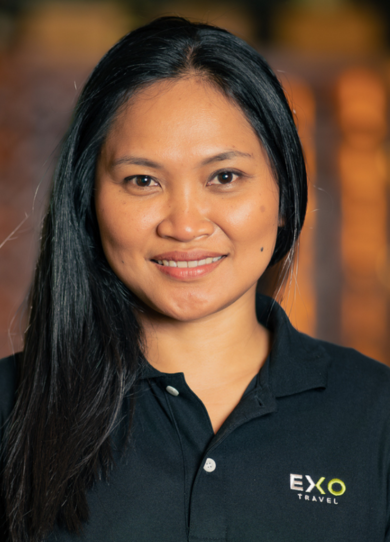
Pantanida Jantsakool Pitz
General Manager - German MarketEXO Sales Team

Kate Winslow
Sales Manager - North AmericaEXO Sales Team