
At a glance
For many travellers, Indonesia begins and ends with Bali, with the island’s dry season from May to September often determining when to visit. While these months offer favourable conditions for beaches and outdoor exploration, they also bring stronger demand and higher prices, particularly during the European summer holidays.
Yet Indonesia’s vast archipelago offers far more seasonal variety. Across its thousands of islands, differences in geography and climate mean that while some regions experience heavy rainfall, others are entering their most favourable period for travel. Cultural festivals, wildlife encounters and changing sea conditions also create opportunities that extend beyond the conventional dry season.
Rather than approaching Indonesia as a destination with one ideal time to visit, EXO recommends matching each region’s seasonal strengths with different traveller interests. Below, we explore how the seasons unfold across the archipelago, highlighting lesser-known destinations and experiences that open up new possibilities for travel throughout the year.

March to May: Bali and Lombok's marine wonders
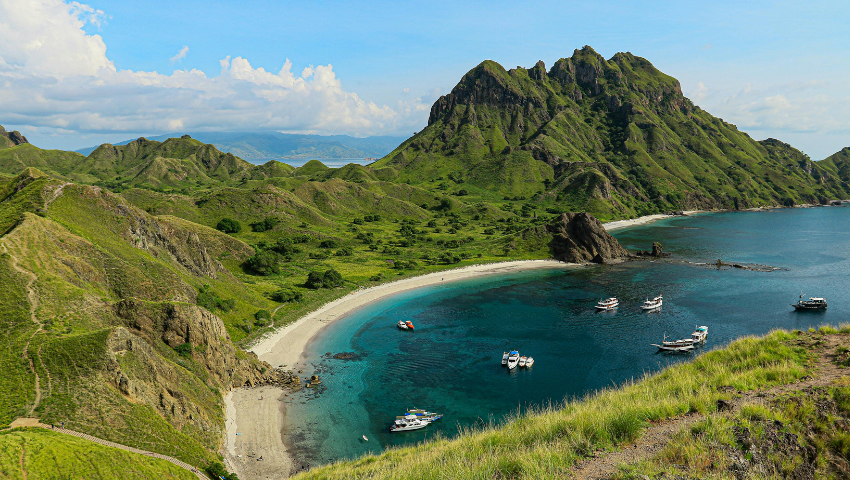
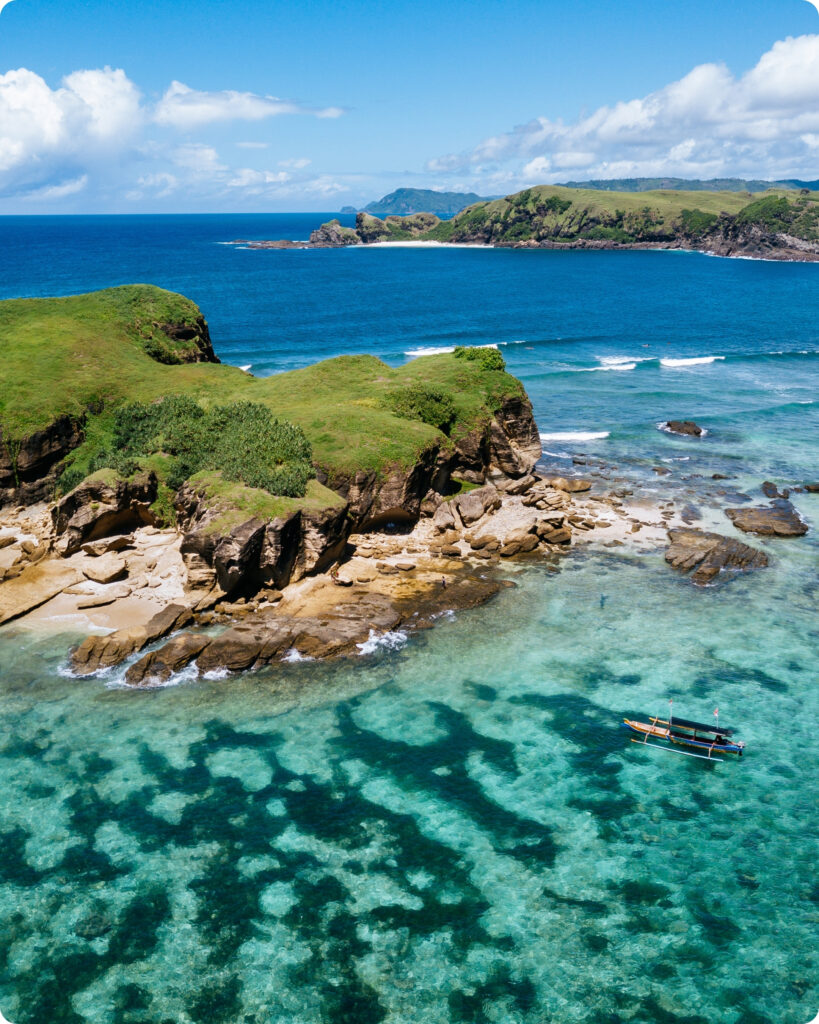
March to May marks the transition into dry season across much of southern Indonesia, improving conditions for beach holidays and coastal exploration. In Bali, rainfall gradually eases and May offers some of the most favourable beach weather of the year with fewer visitors than during the peak summer months. Meanwhile, Sumba’s high season begins in May, especially during its traditional Pasola Festival, featuring ceremonial horseback competitions in February and March.
For clients looking to make the most of these conditions, EXO recommends Bali’s beaches and coastal retreats, where the quieter atmosphere allows for a more relaxed stay. Alternatively, neighbouring Lombok and the Gili Islands become increasingly appealing towards May, with improving conditions for beach stays, snorkelling and island exploration.
Works especially well for: Quieter Bali beach holidays, clients seeking fewer crowds, luxury coastal escapes, diving and snorkelling in Lombok
Set expectations around: Occasional tropical showers, humidity, varying sea conditions and the gradual transition into Bali’s dry season.
June to August: Sumba & Kalimantan outdoor exploration
June to August brings some of the driest conditions to Bali, Java, Flores and Sumba, making this an excellent period for outdoor exploration. However, international summer holidays also bring peak-season demand to Bali and Flores, where overland tours are particularly popular. In contrast, the Banda Islands experience challenging monsoon conditions, with rough seas disrupting boat transfers and flights, and many tourism services suspending operations during this period.
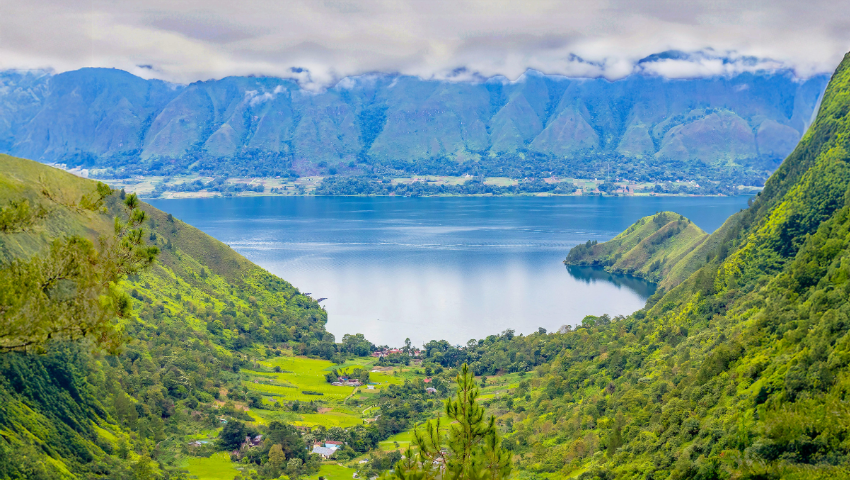
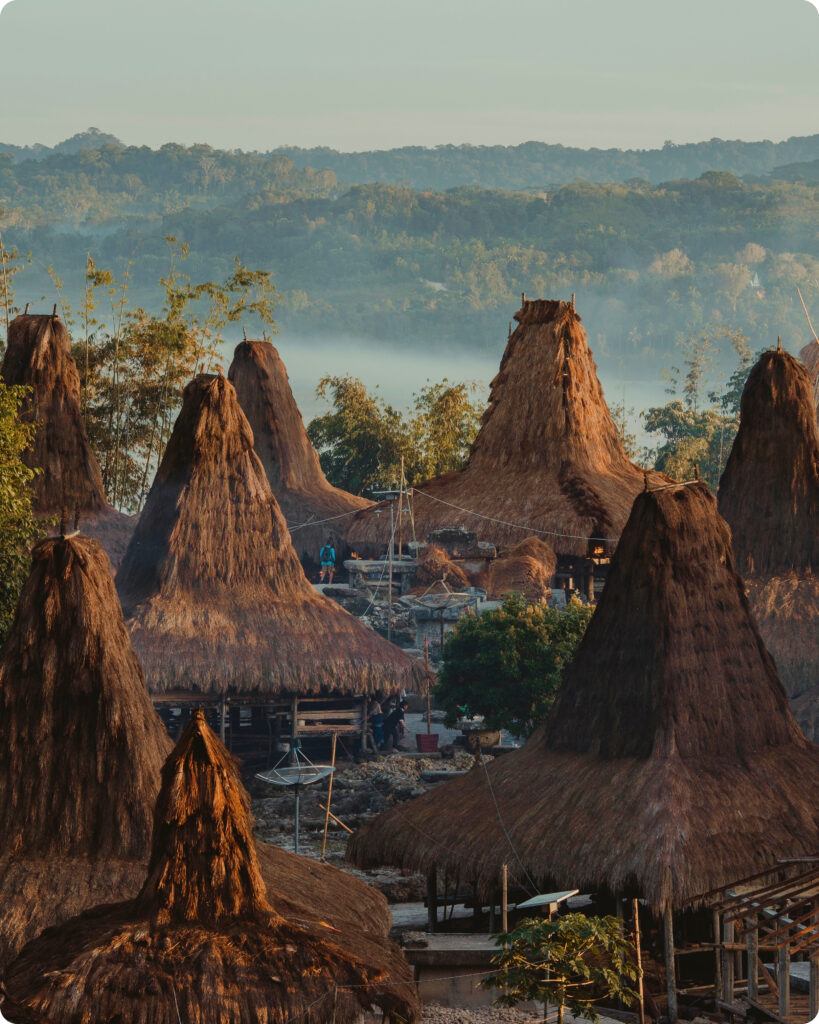
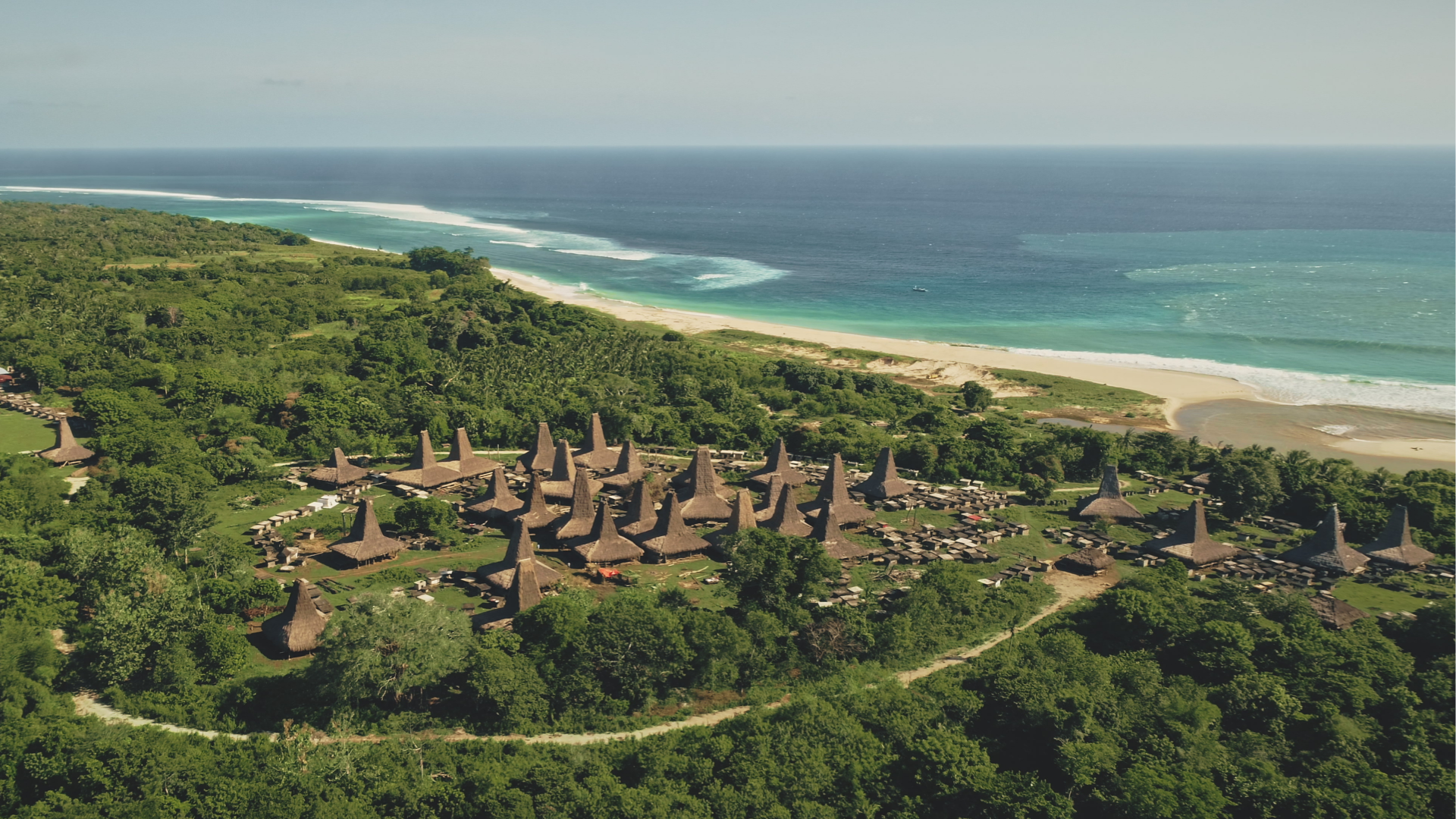
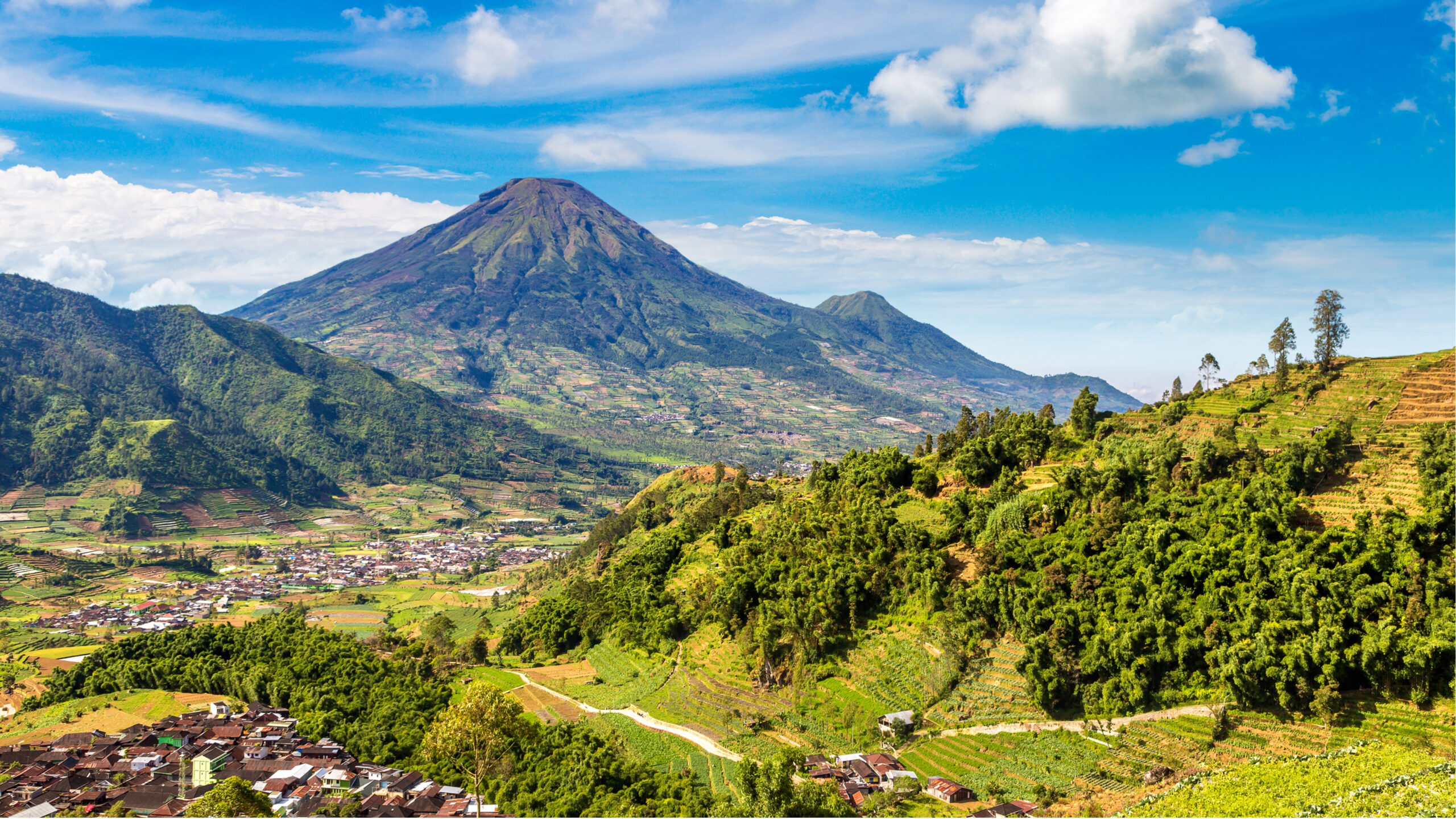
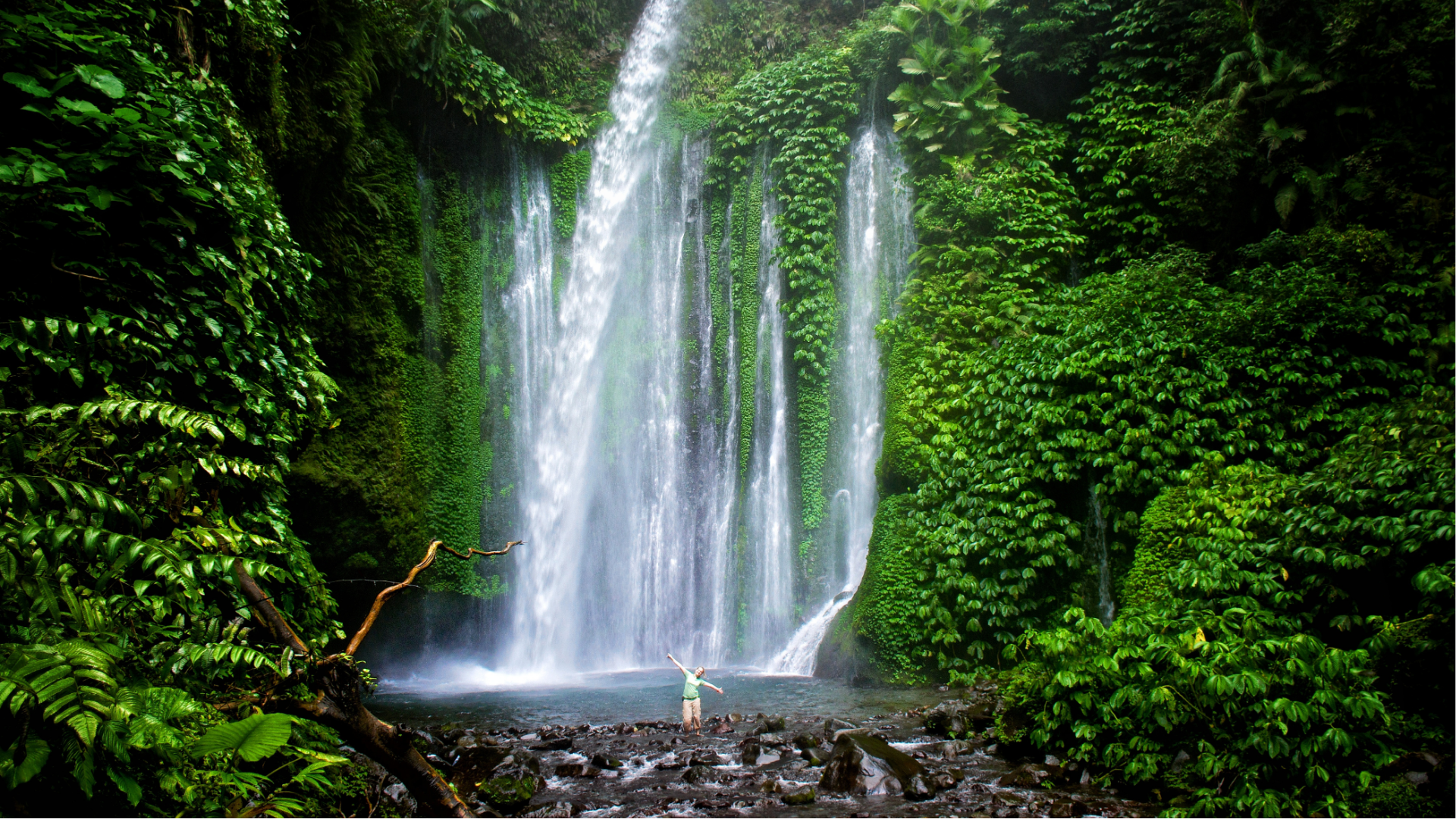
For clients looking beyond the popular destinations, EXO recommends Sumba, where dry conditions favour exploring traditional villages, remote coastlines and savannah landscapes. Further west, Kalimantan and Sumatra are particularly rewarding from June to September, when lower rainfall makes rainforest exploration, jungle trails and wildlife encounters more manageable.
Works especially well for: Active travellers, rainforest wildlife, volcano trekking and repeat visitors.
Set expectations around: Peak-season demand in Bali and Flores, limited availability for popular overland tours, cooler mountain temperatures and the importance of booking ahead.
September to November: Sulawesi's highland landscapes
September to November marks the transition from dry to wet season across much of southern Indonesia, with September offering particularly favourable conditions before rainfall gradually increases. As summer crowds begin to ease, this is an excellent opportunity to explore Bali, Java and other popular destinations with fewer visitors while still enjoying generally good weather.
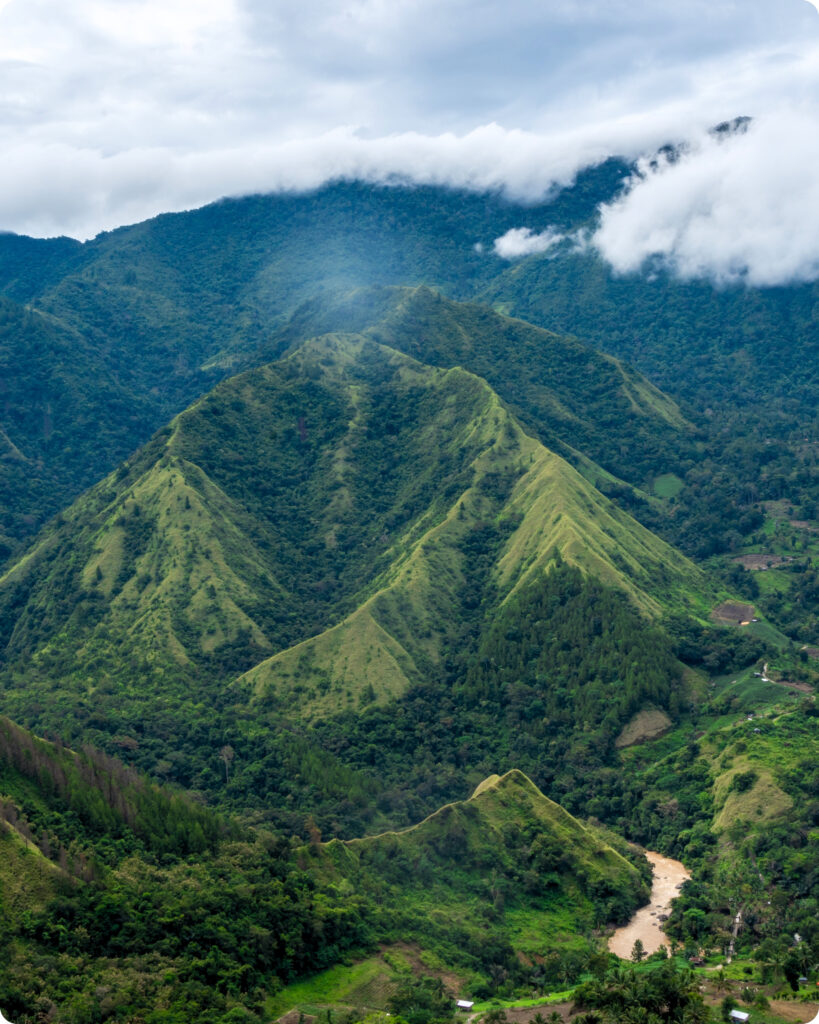
For clients looking further off the beaten path, EXO recommends Toraja in Sulawesi during September and early October, when lingering dry-season conditions favour exploring its traditional villages and highland landscapes without the peak summer crowds. Further east, the Banda Islands in Maluku become particularly appealing as seasonal winds ease, creating more favourable conditions for island-hopping, diving and discovering the region’s historic spice-trading heritage.
Works especially well for: Cultural travellers, photographers, couples, divers, slow travellers and repeat visitors.
Set expectations around: Increasing rainfall later in the season, changing sea conditions, regional climate differences and the need for flexibility with outdoor activities.
December to February: Raja Ampat's marine paradise
December to February brings the wet season to much of southern Indonesia, with frequent tropical showers, higher humidity and conditions that can affect boat transfers and island activities. However, this period also presents opportunities to experience Indonesia differently, particularly through slower cultural journeys and destinations with contrasting seasonal patterns.
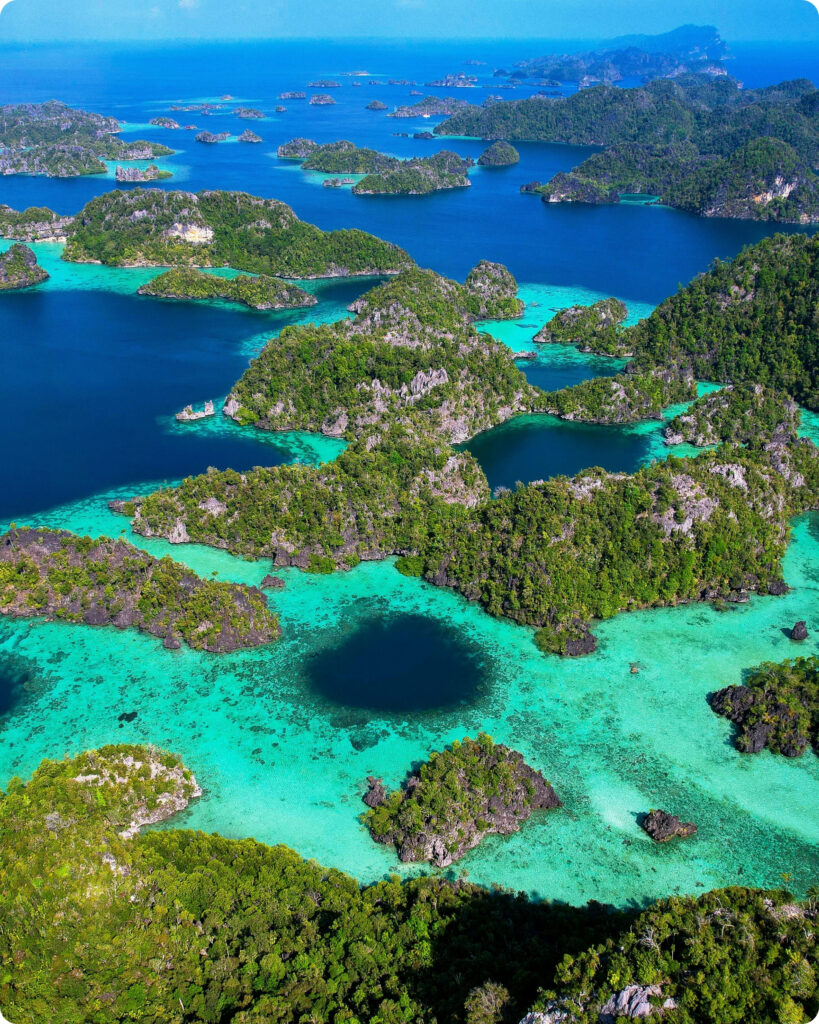
For clients visiting Bali and Java, EXO recommends focusing on inland cultural experiences.. These allow for greater flexibility around the weather, although heavy rainfall can still affect outdoor activities and road travel. Alternatively, Raja Ampat offers some of its most favourable marine conditions between October and April, making this an excellent period for exploring its extraordinary coral reefs and remote islands.
Works especially well for: Cultural immersion, wellness retreats, slow travellers, diving, snorkelling and marine enthusiasts.
Set expectations around: Heavy rainfall and possible travel disruptions in Bali and Java, particularly for boat transfers and outdoor activities, as well as peak holiday demand over Christmas and New Year.

Seasons by client type
Families: With June to August coinciding with school holidays and Indonesia’s peak travel season, early booking is essential. Bali and Lombok are particularly suitable for younger children thanks to accessible beaches and hands-on cultural activities, while Flores and Kalimantan bring more adventurous wildlife encounters for older children, including Komodo dragons and orangutans.
Honeymooners: Couples seeking romantic beach escapes without Bali’s peak summer crowds should consider May, June or September. For greater privacy, Sumba’s secluded retreats are particularly appealing during the dry season, while Raja Ampat is a compelling alternative between October and April for those drawn to remote islands and marine experiences.
First-time visitors: Rather than covering too many islands, focus on Bali and Java for a balance of culture, nature and coastal relaxation. April to June and September to October are particularly rewarding, with generally favourable weather and fewer visitors than the height of summer. Allow sufficient time for domestic transfers when combining destinations.
Luxury travellers: For clients prioritising exclusivity, September to November is an attractive period for quieter stays in Bali and marine journeys in eastern Indonesia. Alternatively, December to February lends itself to private cultural experiences and wellness retreats in Bali or remote luxury stays in Raja Ampat. Limited accommodation capacity and seasonal sea conditions make advance planning essential.
Active travellers: June to September brings generally drier conditions for trekking and wildlife exploration, from Java’s volcanoes to the rainforests of Kalimantan and Sumatra. Divers should plan around regional marine seasons instead, with Lombok particularly appealing from March to May and September to November, and Raja Ampat from October to April.
Quick tips
- Use Indonesia’s geography to your advantage. Bali, Java and much of eastern Indonesia are generally driest from May to September, while Raja Ampat and Lombok have different favourable marine periods, allowing advisors to recommend rewarding journeys throughout the year.
- Book early for July and August. International summer holidays create strong demand in Bali and other popular destinations. Smaller luxury lodges, specialist guides and remote island accommodation can fill particularly quickly.
- Allow flexibility for marine journeys. Sea conditions vary considerably by region and season, sometimes independently of rainfall. Build additional time into itineraries involving boat transfers, diving and remote islands, particularly before international flights.
Frequently asked questions
How early should agents book Indonesia?
For July and August, preferred hotels, remote lodges and specialist experiences should be secured well in advance, particularly in Bali, Sumba and Flores. Christmas and New Year also bring strong demand, while exclusive marine journeys and limited-capacity accommodation may require early planning regardless of season.
Which domestic holidays should agents plan around?
Lebaran, marking the end of Ramadan, brings significant domestic travel and increased demand for transport and accommodation. Nyepi, Bali’s annual Day of Silence, also requires special consideration due to island-wide restrictions on travel and activities.
Are there cultural experiences that are specific to certain times of year?
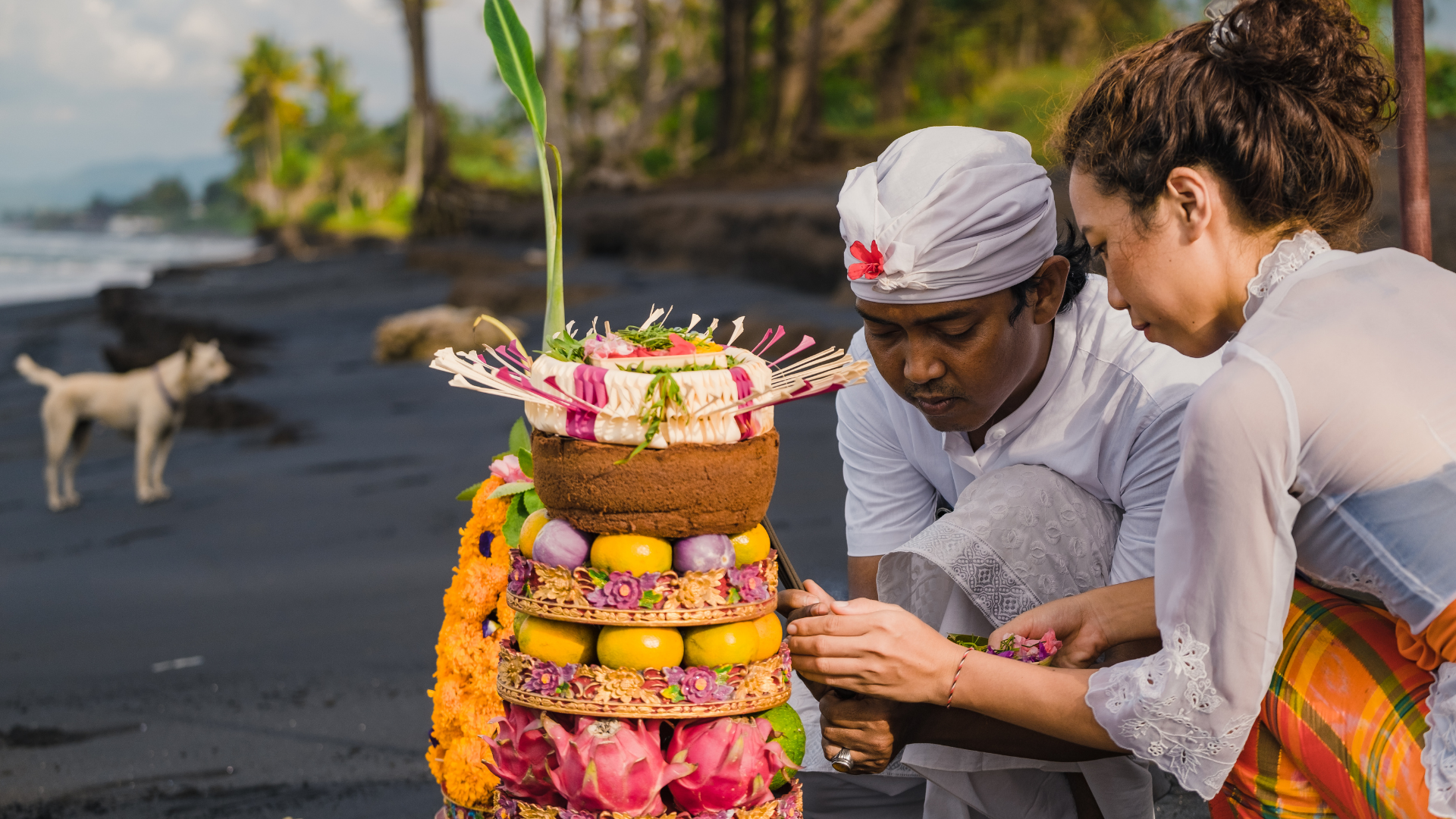
Yes, several of Indonesia’s most distinctive cultural traditions take place during specific periods. Sumba’s Pasola Festival, held around February and March, features ceremonial horseback competitions rooted in local ancestral traditions.
In Tana Toraja, South Sulawesi, June to September is an important period for cultural ceremonies, with July and August typically seeing the highest concentration of elaborate traditional funerals. From late August into September, some communities also observe the Ma’nene ancestral ritual, during which families clean and dress the preserved remains of their ancestors. Dates vary by village and family, so advance planning and local guidance are essential for arranging respectful visits.
Is Indonesia worth visiting during the rainy season?
Absolutely. Although Bali and Java experience wetter conditions from December to February, cultural touring, wellness retreats and slower journeys can remain rewarding. Raja Ampat also offers an appealing alternative during these months, with generally more favourable conditions for marine exploration.
When is the best time for diving and marine experiences?
Conditions vary considerably between regions. Raja Ampat is generally strongest from October to April, while Lombok offers particularly favourable diving conditions from March to May and September to November. Komodo and North Sulawesi also offer diving opportunities throughout much of the year, although currents, visibility and sea conditions vary seasonally. Local marine guidance is essential when planning.
What should agents consider for inter-island travel?
Domestic flights are usually the most efficient way to travel between major islands, while boats are essential for reaching many remote destinations. Seasonal winds, swell and heavy rainfall can occasionally affect services. Allowing buffer time between marine transfers and international flights helps minimise disruption.

 " alt="">
  " alt="">
  " alt="">
  " alt="">
  " alt="">
  " alt="">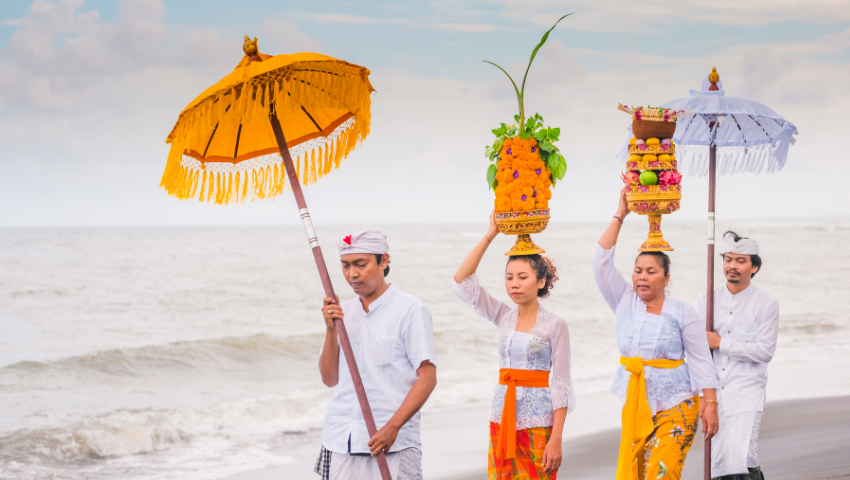
 " alt="">