
At a glance
Korea experiences four distinct seasons, each bringing its own charm to the landscape and offering opportunities for exploration throughout the year. The country’s relatively small size ensures that these seasonal changes are uniform across most regions, with slight differences between the mountainous interior and the coastal areas. This predictability makes it easy to plan a Korea holiday around preferred weather conditions and activities.
Spring brings softness and colour to the landscapes, with cherry blossoms, fresh greenery and mild conditions creating a beautiful setting for temples, city walks and island escapes. Summer turns attention toward the coast, mountains and greener countryside, while autumn adds depth through clear skies, vivid foliage and some of the year’s most comfortable touring conditions. Winter brings another side of Korea entirely, with snow-covered mountains, sauna or jimjilbang, festive city scenes and a quieter, more atmospheric rhythm.
This seasonal variety gives advisors several strong ways to shape a Korea journey throughout the year, planning around the feeling clients want from their trip and the experiences that suit their travel window. Some journeys may lean into scenery and outdoor discovery, while others can focus on food, culture, wellness, soft adventure or slower-paced exploration. The sections below break this down by key holiday period, with practical guidance on what works especially well and what expectations to set with clients.

Planning by holiday period
Spring break (March to April)
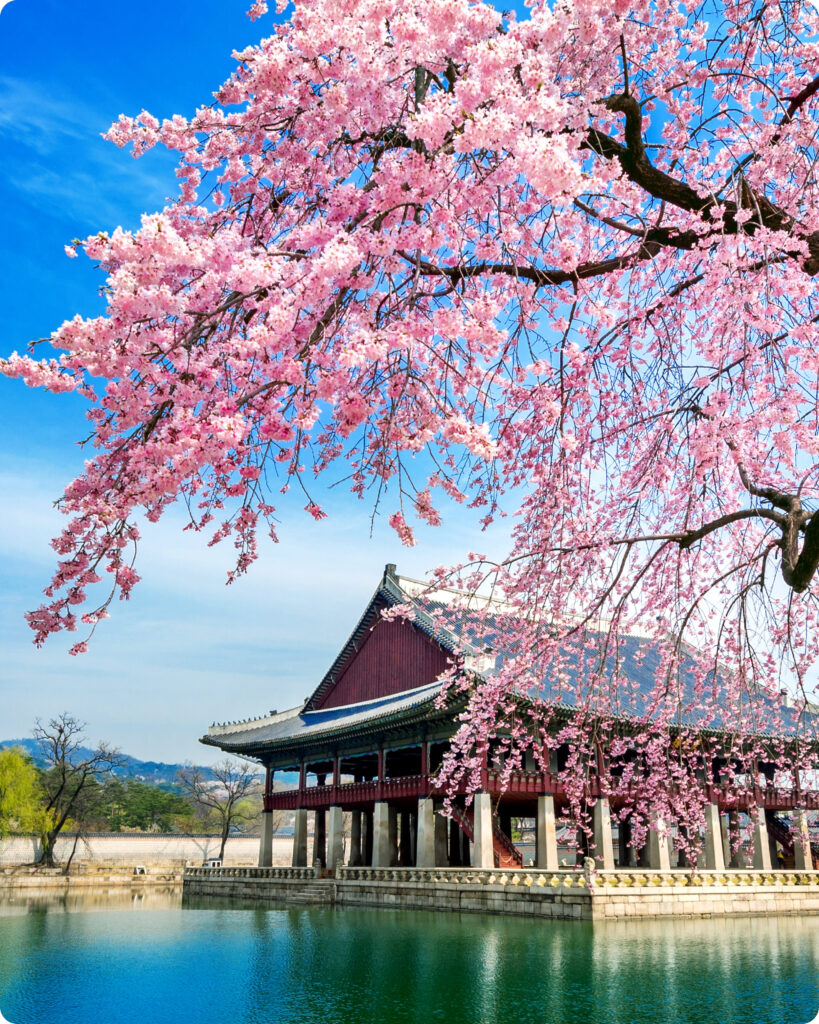
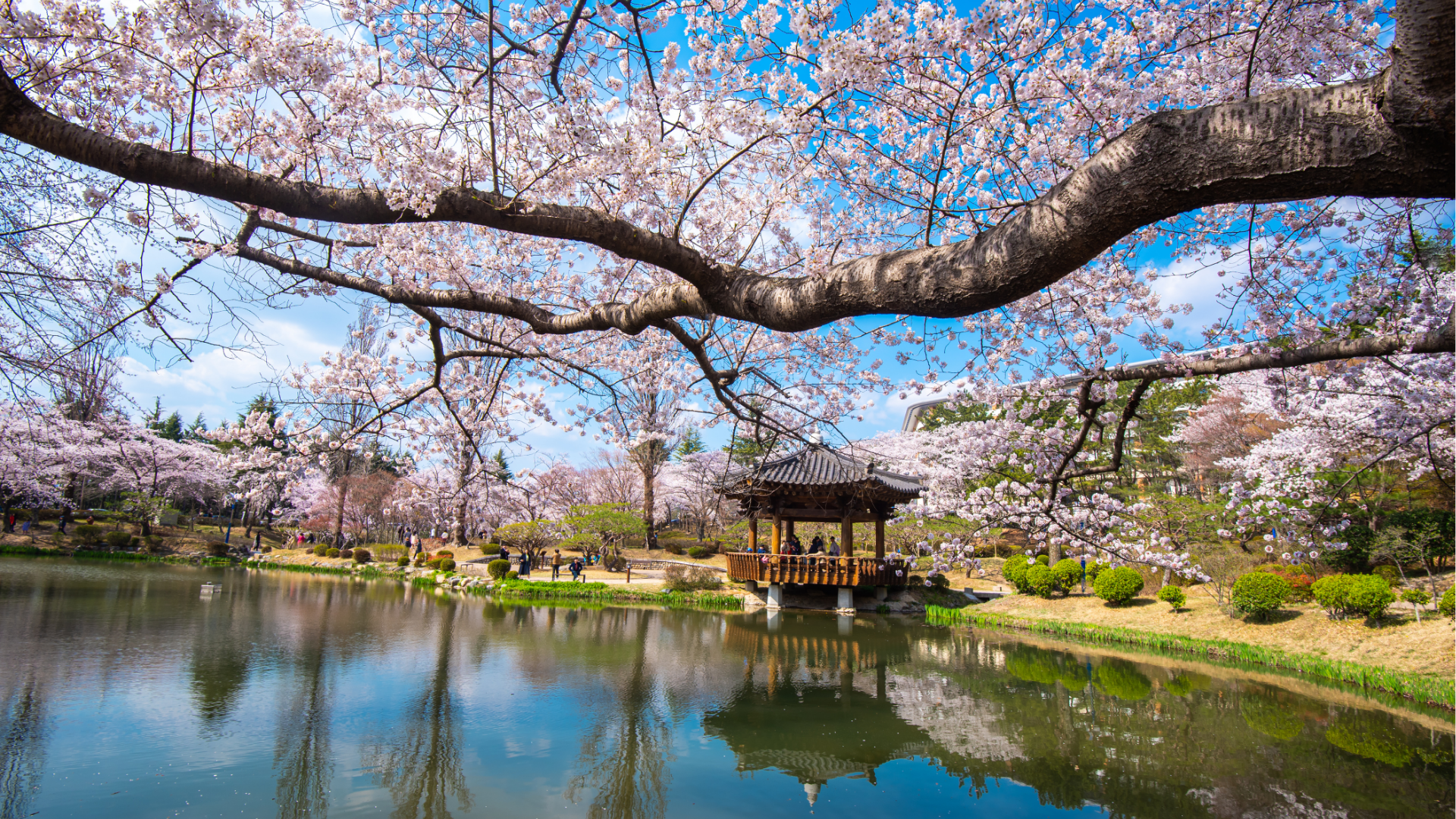
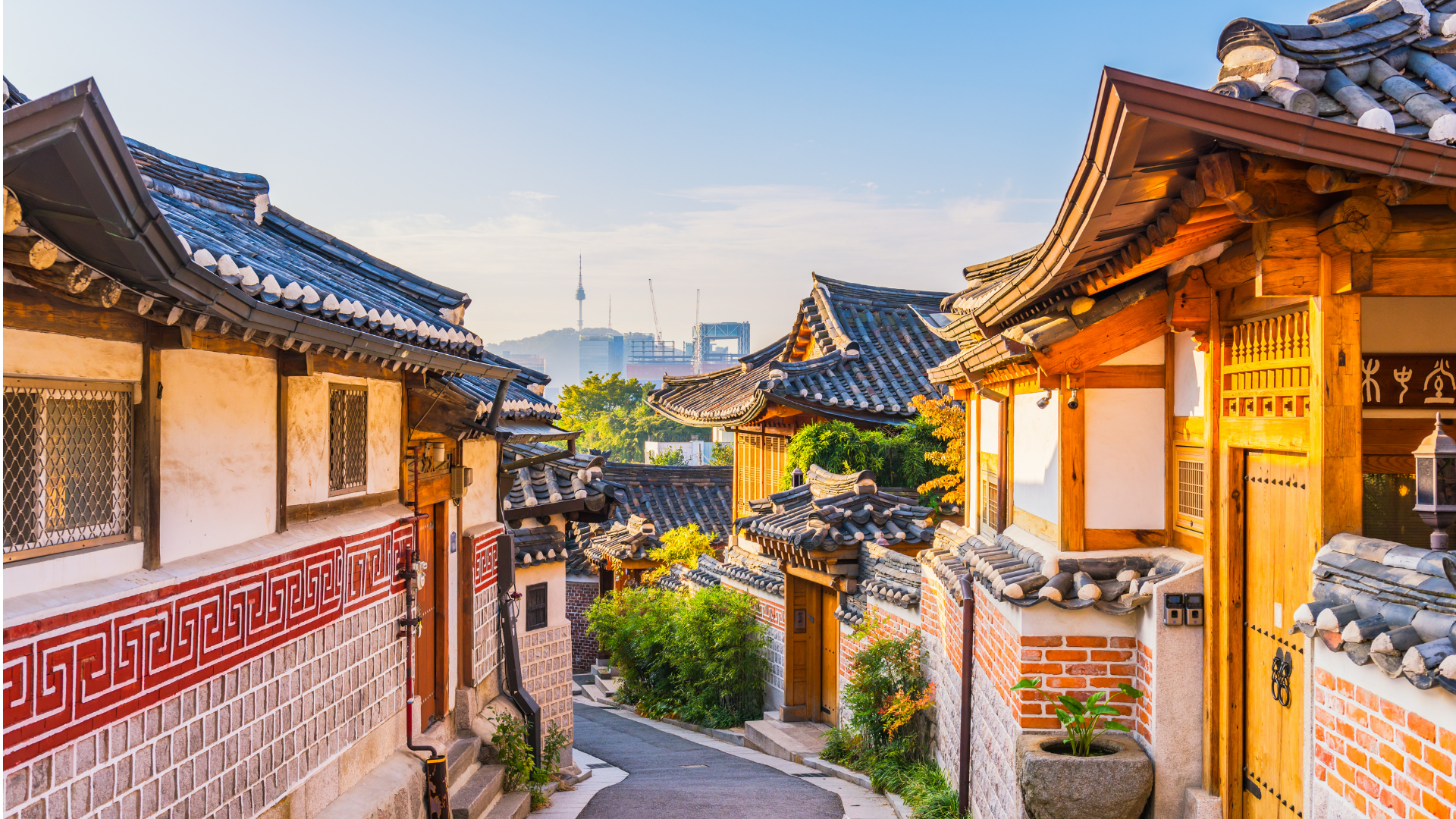
Spring break falls during one of Korea’s most anticipated travel periods, as the country moves from winter into blossom season. March can still feel crisp in the mornings and evenings, but temperatures gradually become milder, making city walks, temple visits and outdoor touring increasingly comfortable. By late March and April, cherry blossoms begin appearing across the country, adding a memorable seasonal layer to palaces, historic neighbourhoods, gardens and scenic routes.
It is also one of Korea’s busiest travel windows, particularly in April when demand rises around peak blossom viewing. Seoraksan National Park and Jeju Island are especially rewarding for spring hiking as the landscapes become fresh and green. Advisors should build itineraries around the wider spring experience, combining seasonal scenery with culture, food, festivals and outdoor discovery.
Works especially well for: Cherry blossom-focused travel, hiking, spring festivals, first-time visitors
Set expectations around: Variable blossom timing, cool mornings and evenings, April demand and the need to book early
Summer (June to August)
Summer brings Korea’s warmest and greenest season into focus, with a livelier rhythm across the cities, coast and countryside. Seoul remains rewarding when days are planned carefully, balancing palaces, markets and neighbourhood walks with museums, cafés, design districts and food experiences. Rather than overloading the route with exposed sightseeing, this is a period where comfort, pacing and variety become especially important.
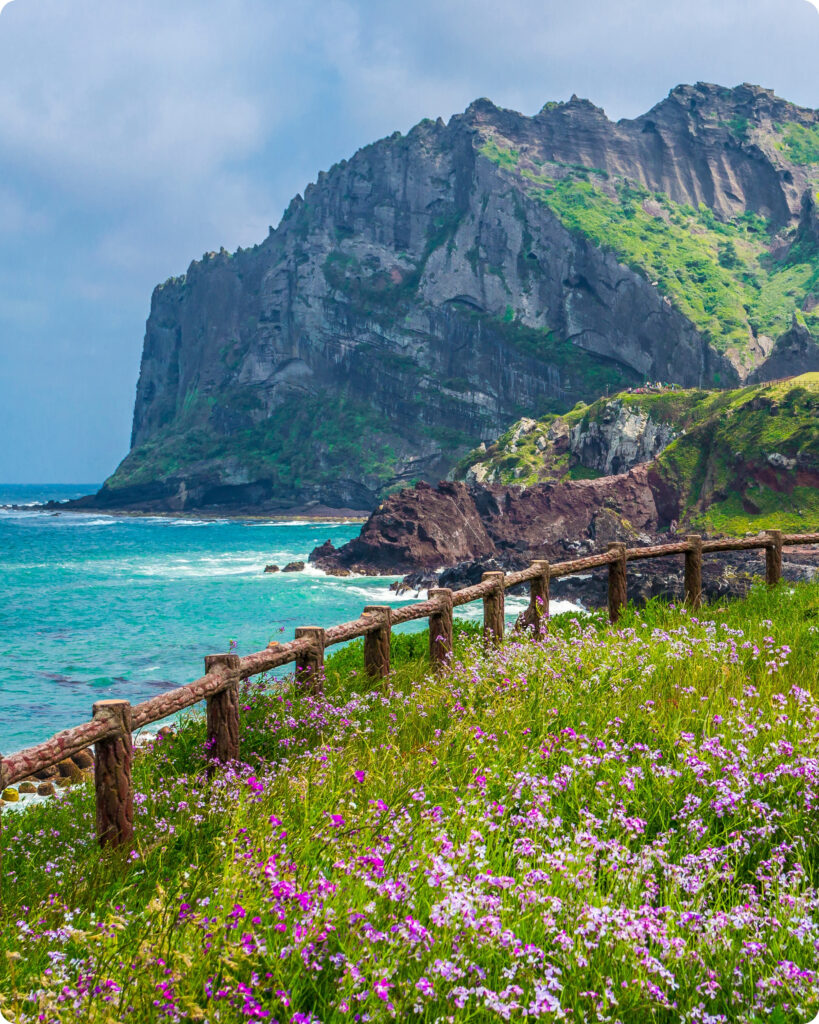
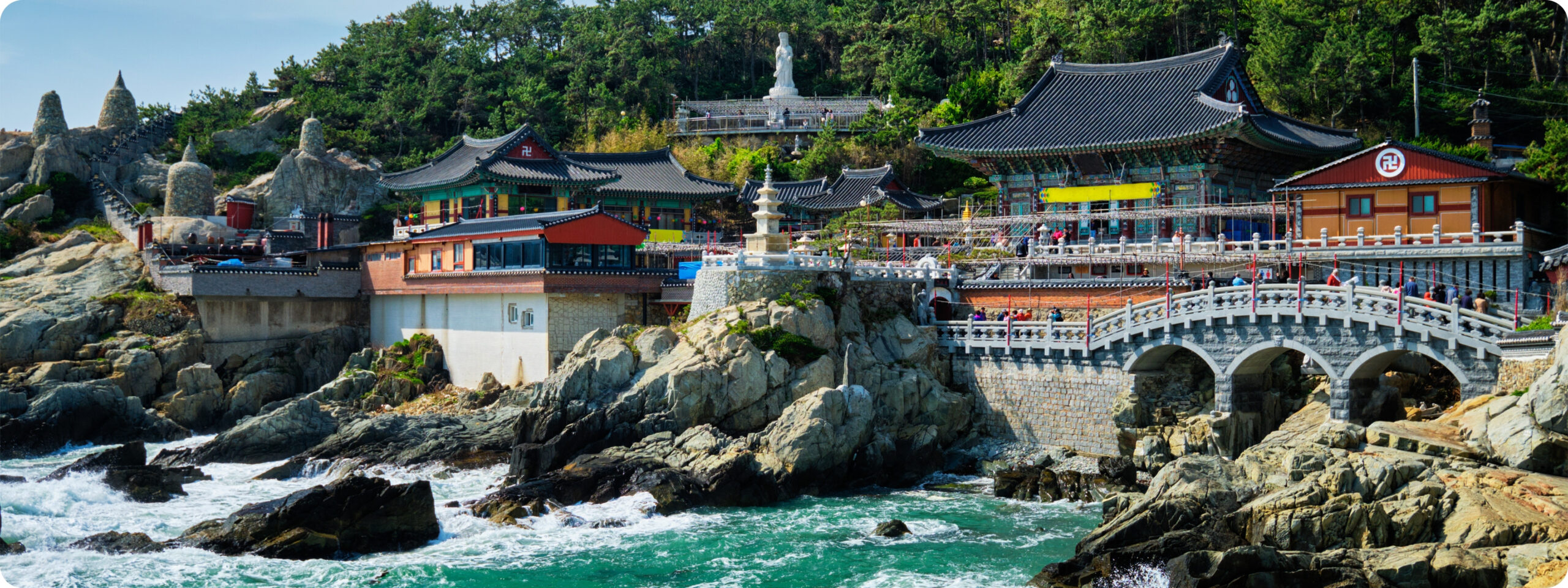
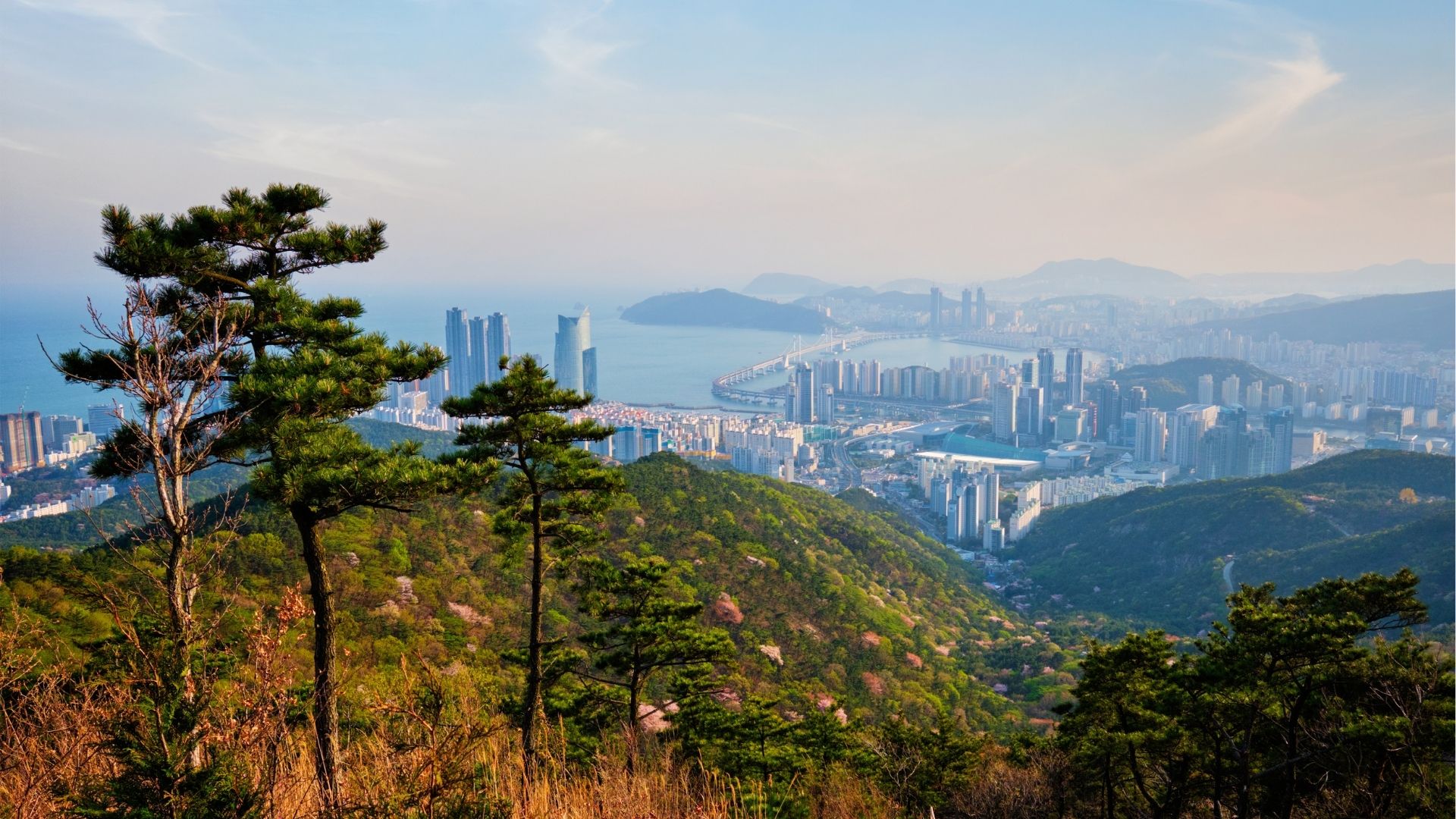
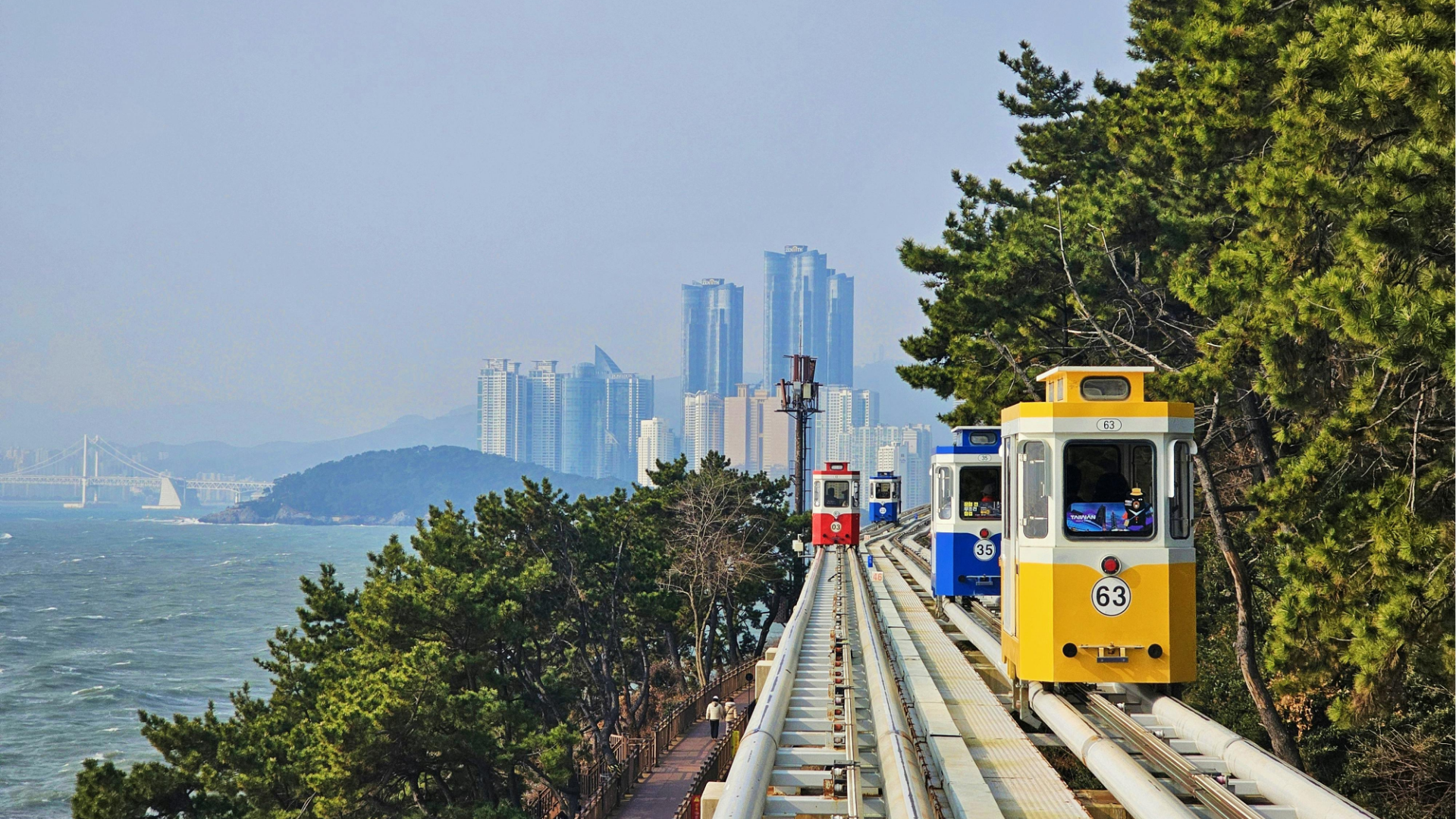
It is also one of the best times to bring Korea’s coast and mountains into stronger focus. Busan’s Haeundae Beach is one of the country’s most popular summer coastal destinations, while Jeju Island combines beaches with volcanic landscapes, tea fields, waterfalls and green inland scenery. June can be a useful shoulder moment, July is often wetter and more humid, and August tends to bring stronger domestic holiday demand.
Works especially well for: Coastal stays, families, food-focused travel, mountain escapes, rural excursions, contemporary city culture
Set expectations around: Heat, humidity, July rain, domestic school holiday demand and the need for flexible pacing
Autumn (September to November)
Autumn is one of Korea’s strongest all-round travel periods, with cooler temperatures, clearer skies and landscapes that gradually turn gold, orange and red. September can still carry some warmth and humidity, but conditions become increasingly comfortable. By October and November, the weather is ideal for walking, cultural touring and outdoor exploration, making this one of the easiest windows for first-time visitors and multi-region itineraries.
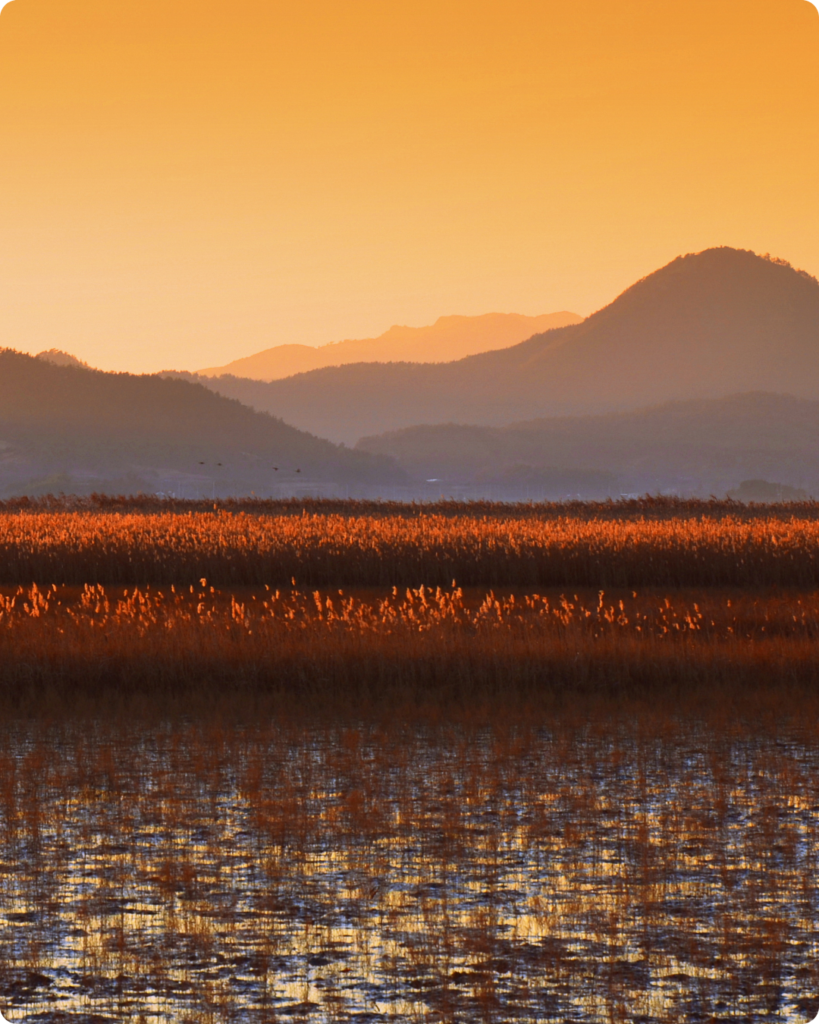
It is a strong period for planning Korea in almost any direction. Foliage-focused routes can include hiking Inwangsan Mountain or visiting Suncheon Wetland Bay to see the birds before the long migration. Advisors should remind clients to pack layers, as elevated areas and coastal cities can feel cooler than urban centres, with noticeable changes between daytime and evening temperatures.
Works especially well for: First-time Korea journeys, foliage-focused travel, national parks, walking tours, photography, multi-region itineraries
Set expectations around: Peak foliage demand, cooler evenings, regional temperature variation and the need to pack layers
Christmas and Winter Sun (December to February)
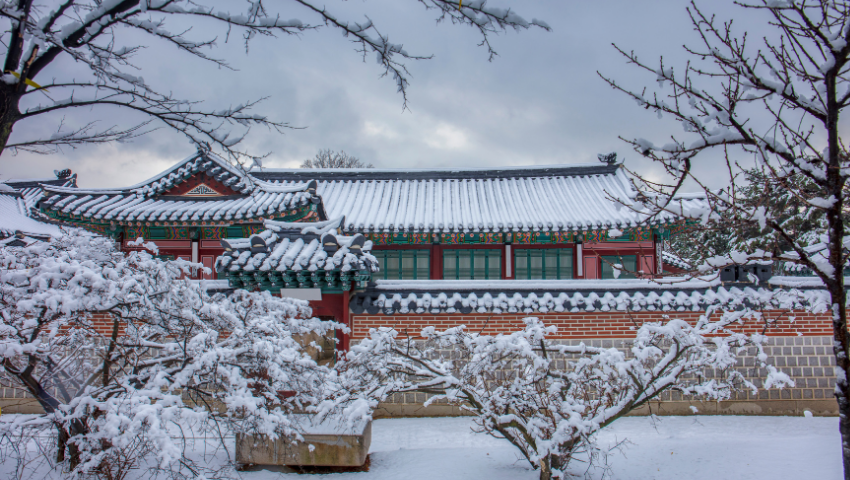
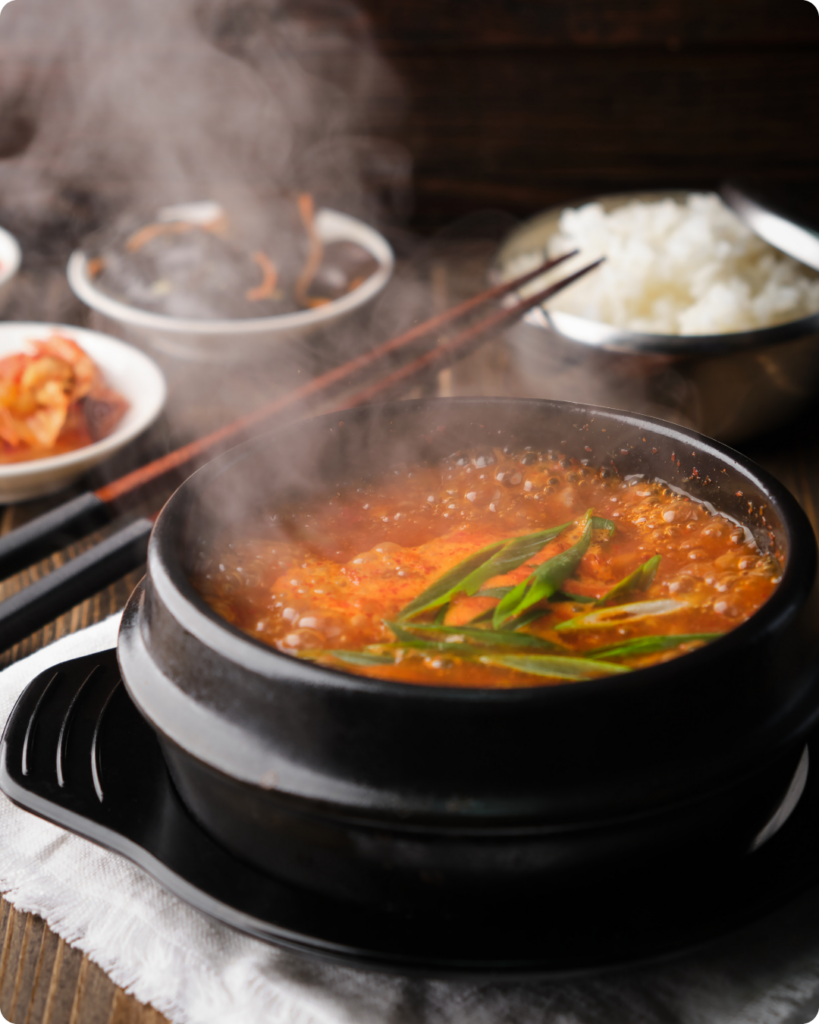
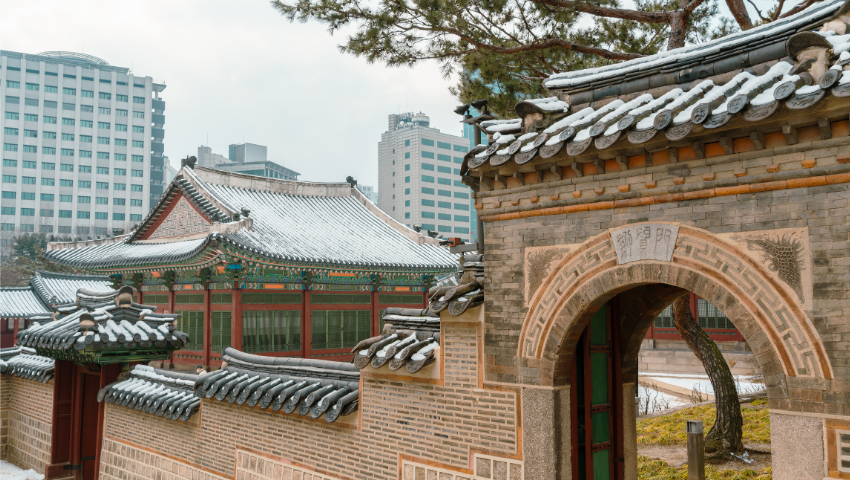
Winter brings a crisp, colder version of Korea, with snow in the mountains and occasional snowfall adding a beautiful seasonal layer to cities and heritage sites. Seoul can be cold, but it remains highly rewarding when the rhythm is planned well, with museums, markets, galleries, cafés, festive lights and warming food culture helping shape each day. Rather than positioning winter as a compromise, advisors can lead with the atmosphere it creates.
It is also a strong season for Korea’s wellness and K-beauty experiences, from saunas and bathhouses to head spas, skincare rituals and slower self-care moments between sightseeing. Winter can also reward clients with fewer crowds and softer low-season pricing outside peak holiday dates, provided expectations are clear around cold temperatures and shorter daylight hours.
Works especially well for: City stays, spa days, museums, festive trips, repeat visitors
Set expectations around: Cold temperatures, shorter daylight hours, snow or ice, warm clothing and peak demand around Christmas and New Year

Seasons by client type
Families: Korea is great for families, but spring and autumn work particularly well, with comfortable weather making sightseeing, hands-on cultural activities and light outdoor time easier to balance. Summer can also work well for school-holiday travel when the route leans into Busan, Jeju, coastal stays and flexible city days.
Honeymooners: Spring and autumn are the strongest seasons for honeymooners, with blossoms, foliage, scenic walks and atmospheric stays creating a natural sense of occasion. Winter can also work beautifully for couples drawn to snow, spa time, boutique hotels and cosy food experiences.
First-time visitors: First-time visitors are best planned in spring or autumn, when Seoul, heritage sites, nature and regional extensions combine most comfortably. These seasons allow Korea’s classic contrasts to come through clearly, with enough variety for the journey to feel complete without becoming too demanding.
Luxury travellers: Luxury travellers are strongest in spring, autumn and winter, when private guiding, fine dining, wellness and design-led stays can be paired with either peak seasonal scenery or quieter, more atmospheric conditions. Summer can also be appealing when designed around strong hotels, private transfers, coastal stays and a more relaxed pace.
Active travellers: Active travellers are best matched to spring and autumn, when hiking, cycling, national parks and long walking days are supported by both comfortable weather and strong scenery.
Relaxation seekers: Relaxation seekers are strongest in winter, spring and autumn, when Korea’s slower experiences feel naturally supported by the season. Winter lends itself to saunas, wellness hotels, cafés and cosy city stays, while spring and autumn are better for gentle walks, scenic stays and food-led cultural touring.
Solo travellers: Solo travellers can do especially well in Korea’s shoulder months, particularly March and September, when the destination feels a little quieter but still highly rewarding. These periods often allow for more flexible planning, easier movement through popular sites and a comfortable balance of city culture, food and light outdoor exploration.
Quick tips
Lead with Korea’s four distinct seasons. Each period offers a different reason to travel, from blossoms and foliage to beaches, national parks, spas and snow.
Book early for spring and autumn. April blossoms and peak autumn foliage are among Korea’s most popular travel moments, so hotels, guides and key experiences need advance planning.
- Use food and wellness to balance the season. Korea’s culinary culture, cafés, markets, K-beauty and spas can add depth when days need to be softened around weather or pacing.
- Plan peak nature moments with flexibility. Blossoms, foliage and snow add strong appeal, but weather patterns can shift, so avoid making one exact date or location carry the itinerary.
Frequently asked questions
Which regions work best as seasonal extensions from Seoul?
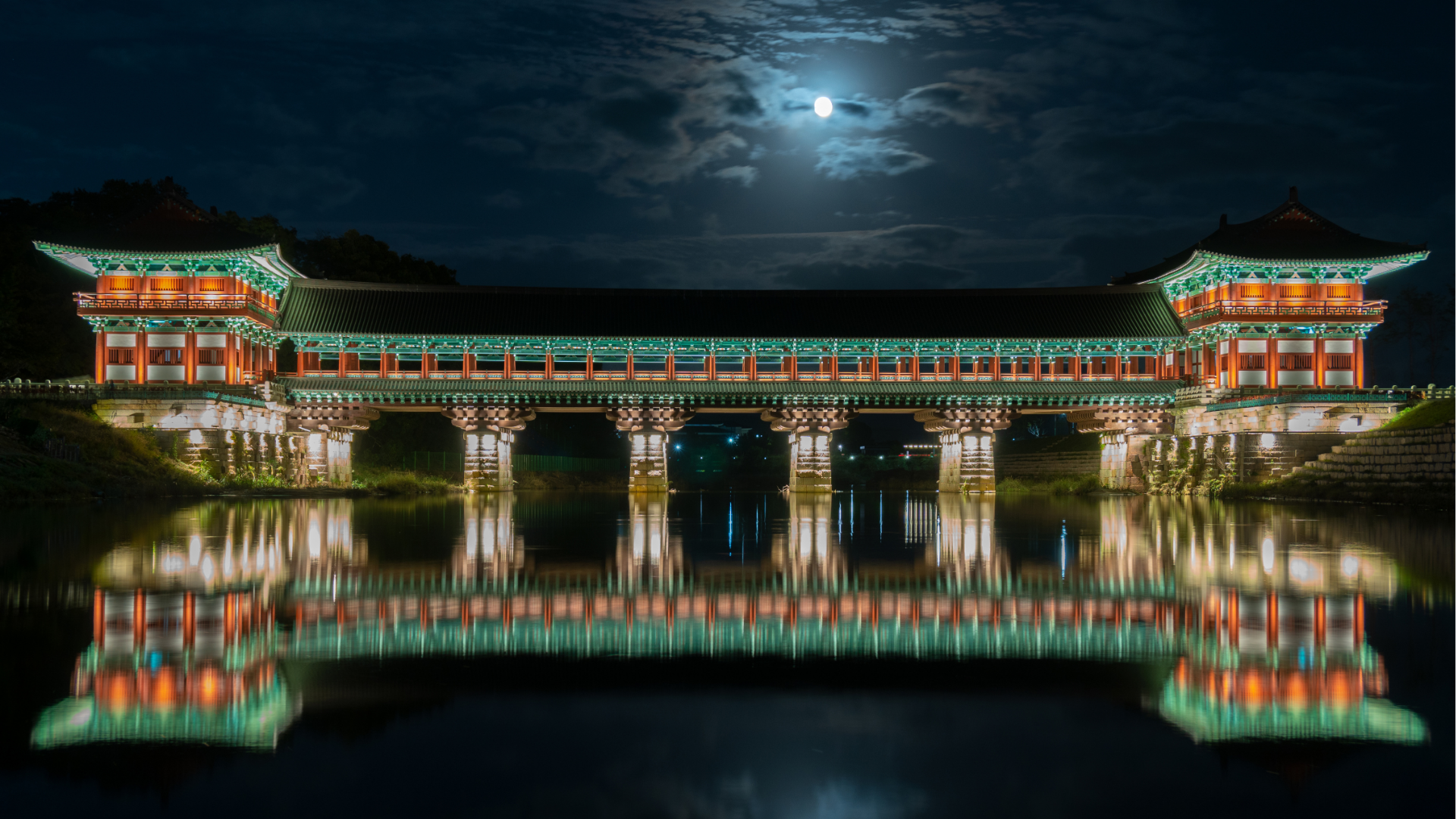
Gyeongju is useful year-round for heritage and depth, but feels especially rewarding in spring and autumn when outdoor temple and historic site visits are more comfortable. Busan works well when clients want coastal energy, food and markets, particularly in warmer months. Jeju is strongest when the itinerary needs a slower scenic chapter, with island landscapes, volcanic trails and coastal views adding contrast to the mainland.
What should agents know about public holidays in Korea?
Major holidays such as Chuseok and Seollal can change the rhythm of travel, with stronger domestic movement, tighter transport and some closures. Agents should check dates before confirming the route, avoid unnecessary transfers during peak movement and use those periods carefully rather than treating them like normal travel days.
Which season works best for clients who want fewer crowds?
Winter can be useful for clients who value quieter cultural sites, softer pacing and a more atmospheric city experience. Early summer or late autumn can also work well depending on the route, but agents should still check local holidays, school breaks and peak weekends, as domestic demand can affect specific destinations.
How should agents plan Korea for clients who want nature but not heavy hiking?
Korea can offer a strong nature element without requiring demanding activity. Jeju, gardens, coastal walks, temple settings, river islands and scenic viewpoints can all provide seasonal landscapes with a gentler pace, especially in spring and autumn.
What should agents consider when planning Korea for repeat visitors?
Repeat visitors may appreciate a more seasonal or regional focus rather than another classic route. Depending on timing, this could mean autumn landscapes, Jeju’s slower pace, Busan’s food scene, winter wellness, national parks, temple stays or deeper neighbourhood exploration in Seoul.

 " alt="">
  " alt="">
  " alt="">
  " alt="">
  " alt="">
 " alt="">