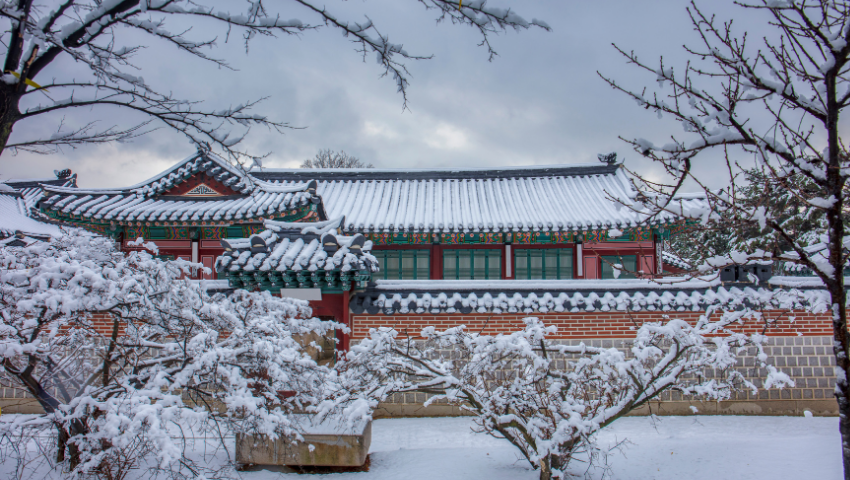

In Korea, hiking is about far more than reaching a summit. For cities such as Busan and Gyeongju, the mountains are closely tied to local identity, with surrounding landscapes reflecting layers of folklore, Buddhist heritage and traditions that have developed around the trails themselves.
The climb, the viewpoints and even the descent all carry their own rituals, creating opportunities to experience another side of Korean culture through makgeolli, shared meals and simple post-hike traditions. These moments are often just as important as the walk itself, revealing how hiking fits into everyday social life as well as the country’s relationship with its natural landscapes.
Below, we highlight some of our newest experiences designed to immerse travellers in Korea’s hiking culture, while also exploring the cultural context and opportunities for deeper discovery behind them. Together, they offer a richer way to experience Korea on foot.

A different view of Korea
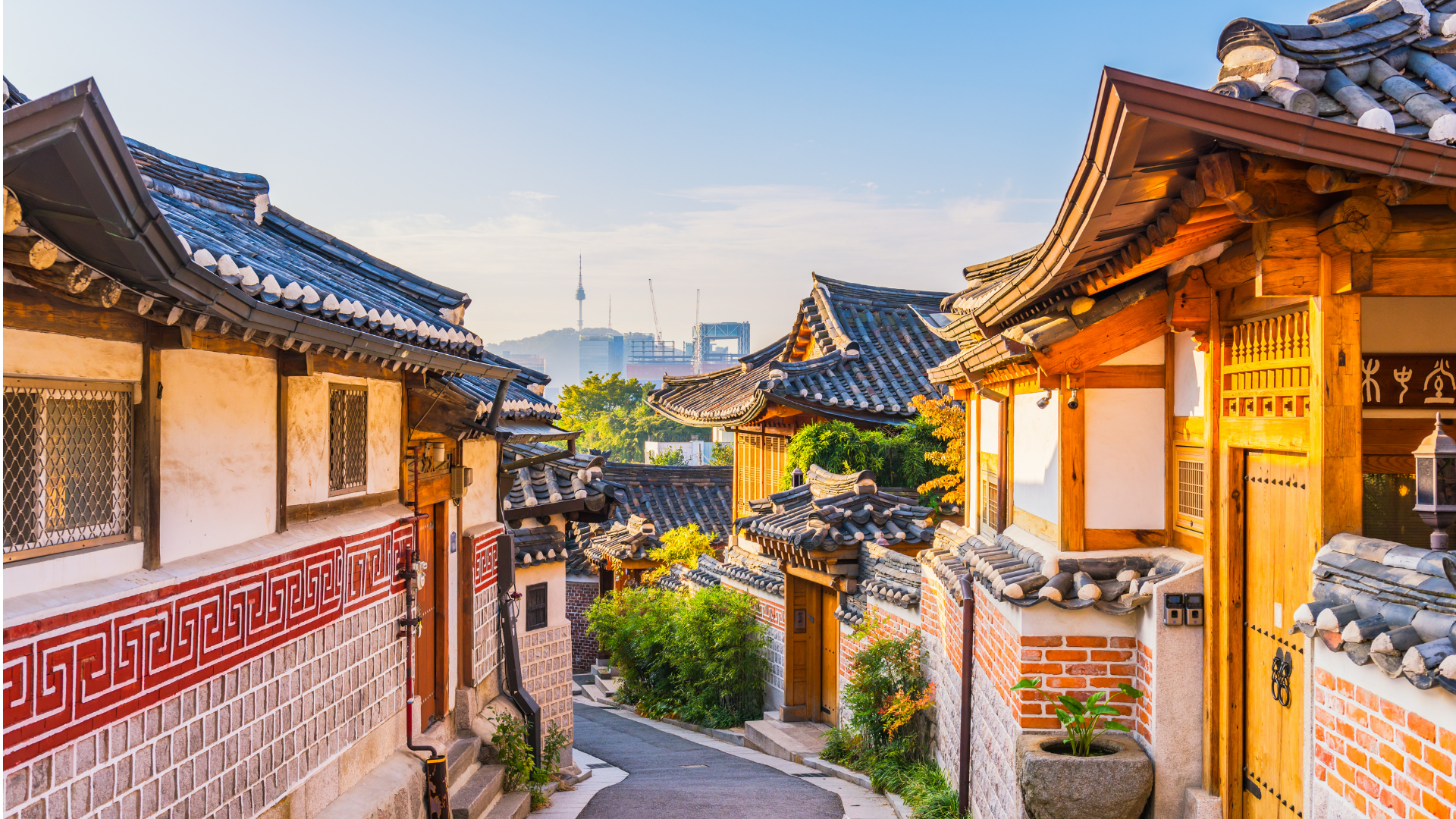
Hiking offers a particularly revealing way to understand how Korea’s cities sit within the landscapes around them. In Seoul, the Seoul K-Hike & K-Tradition experience begins on Inwangsan, where forested paths and fortress walls lead to views across Gyeongbokgung Palace, the Han River and the surrounding ridges. Descending into Seochon and the historic centre then allows travellers to connect that wider view with the neighbourhoods, palaces and cultural sites that define the capital at street level.
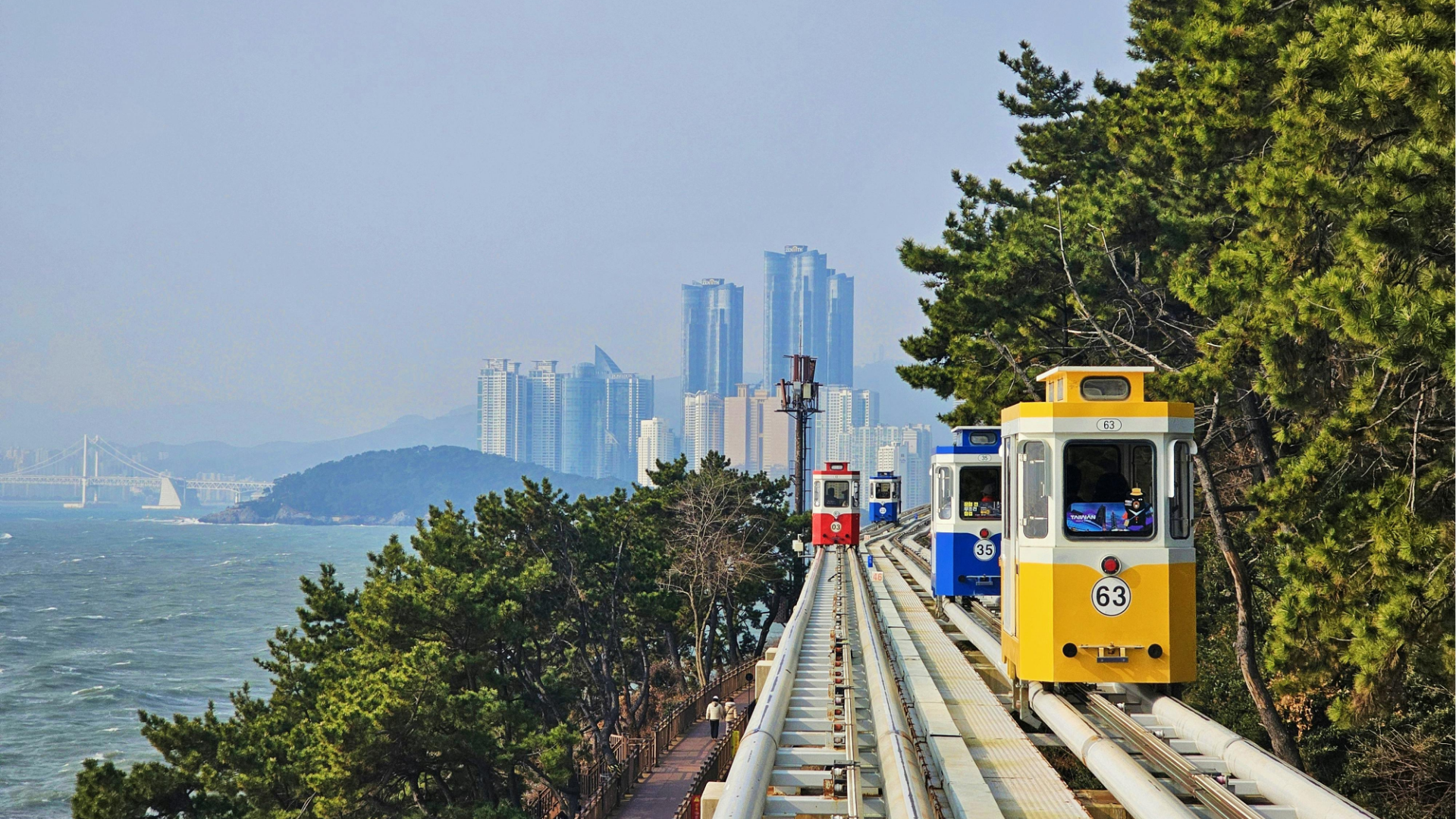
That same idea takes on a coastal dimension in Busan. Jangsan frames Haeundae Beach and Gwangan Bridge, Bongnaesan looks across Busan Port while Geumjeongsan introduces the city’s historic fortress landscape. Seen from above, the relationship between land and water becomes much clearer, as does the way Busan has expanded between the sea and the mountains behind it. In both cities, hiking offers not just scenery but a more complete sense of place.
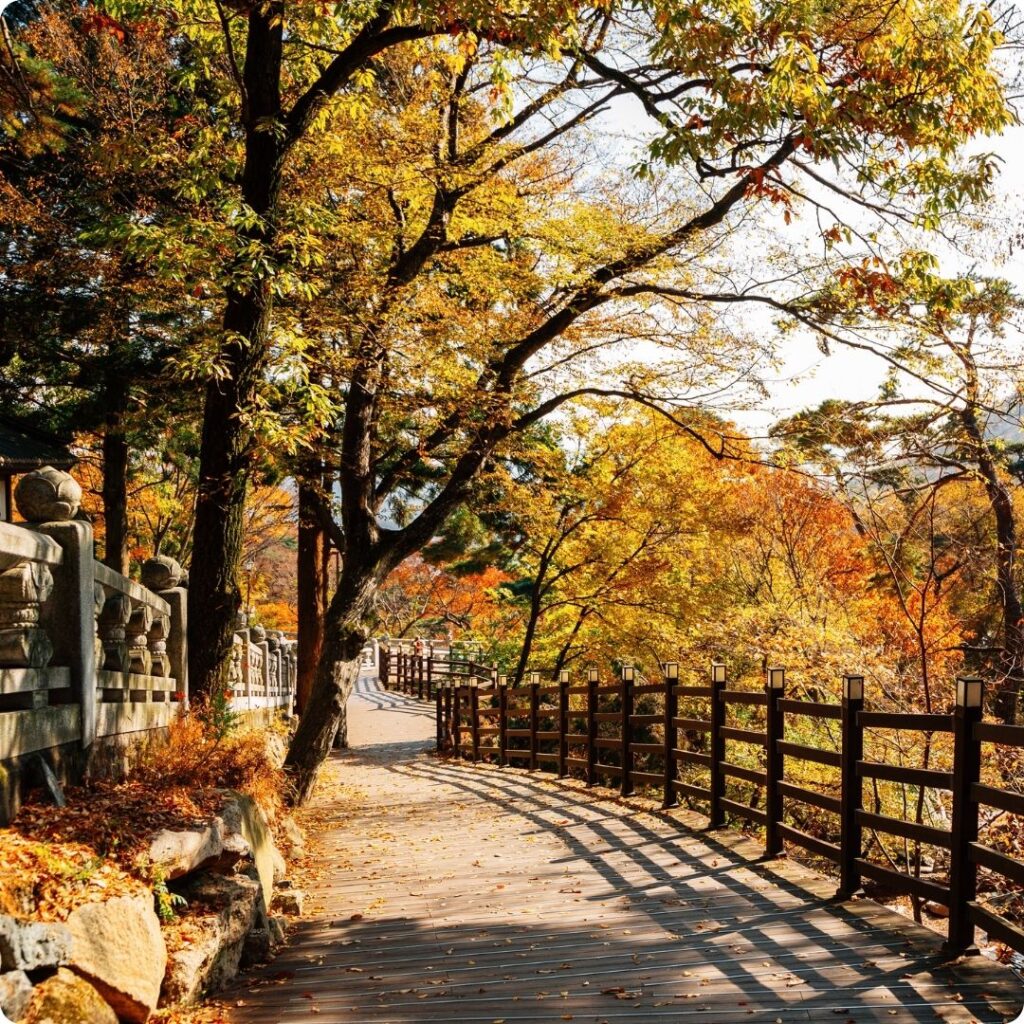

The rituals around the trail
One of the most distinctive aspects of hiking in Korea is the social ritual that follows the descent. Meals, snacks and drinks are often part of the outing, with makgeolli, Korea’s traditional rice wine, closely tied to this custom. Its earthy, lightly sweet flavour and low alcohol content make it a familiar companion to mountain walks, traditionally enjoyed with simple dishes such as pajeon or other savoury snacks.
This is woven naturally into several of our new experiences. The Busan Geumjeongsan Hiking & Makgeolli Experience finishes with banchan and locally made makgeolli in a secluded mountain village, while the Busan Bongnaesan Hiking with Local Lunch experience continues to Gukje Market for a traditional meal. The Busan Jangsan Mountain Hiking & Makgeolli Tasting experience goes deeper into the tradition with a local brewery visit, offering context on how makgeolli is made before lunch.
The mountain after dark
The Busan Bongnaesan Night Hiking experience reveals a completely different side of the mountain. In daylight, the forest paths and coastal views are easy to read; after dark, they become more atmospheric and immersive. Travellers follow the trail by flashlight, moving through pockets of shadow and quiet before emerging at viewpoints overlooking Busan Port, the surrounding bridges and the city lights below.
At the summit, the experience deliberately remains simple: classic Korean hiking snacks, including instant noodles, are enjoyed in the cool evening air before the descent. Eating together above the illuminated city gives the outing a distinctly local rhythm. The night adds a sense of occasion and intimacy, offering travellers a glimpse of how the mountain can be experienced as a place for quiet adventure, conversation and ritual after the city has begun to glow.

Walking through ancient heritage
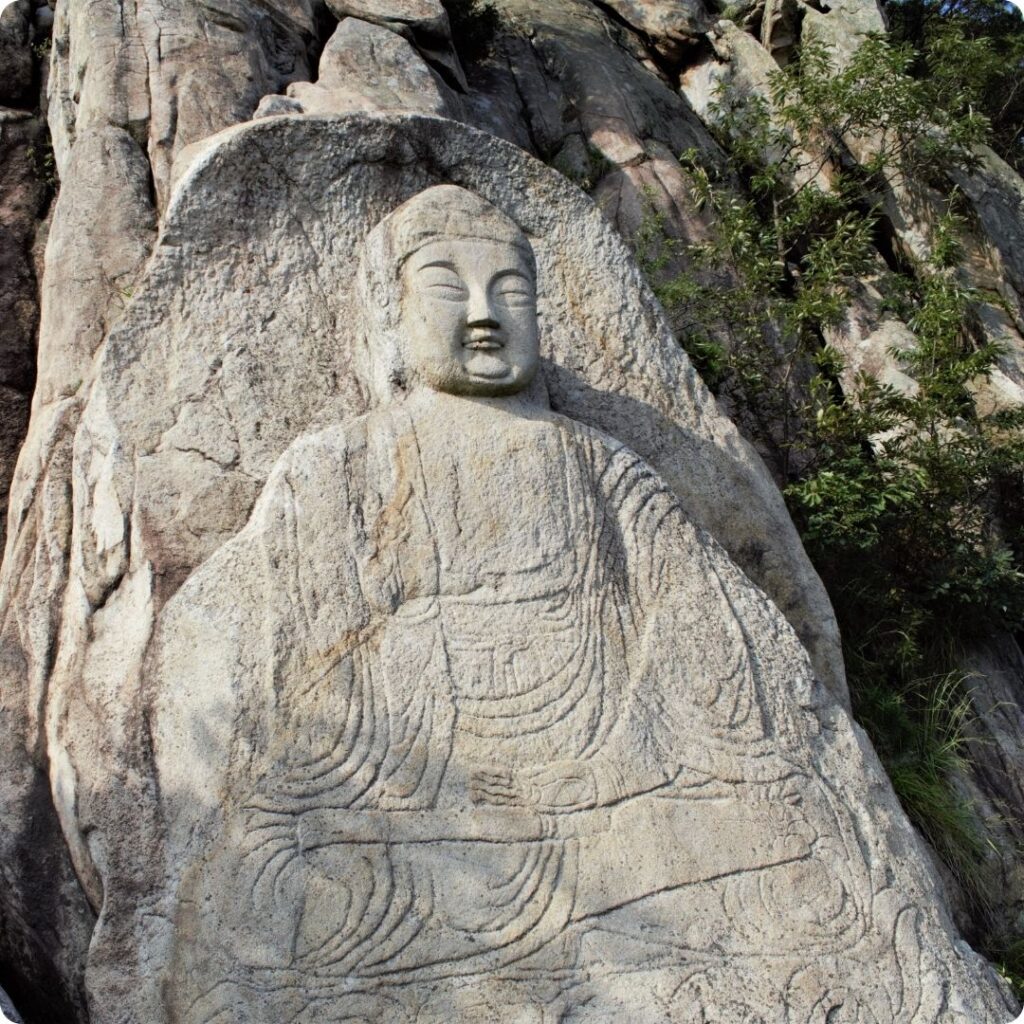
In Gyeongju, hiking becomes a direct route into the city’s ancient past. Namsan Mountain is scattered with more than 100 temples, 80 stone Buddha statues and 60 stone pagodas, many of them encountered along the trails themselves. The Hiking Ancient Buddhist Trails on Namsan Mountain experience follows these traces through the mountain, connecting travellers more closely with the Buddhist and Silla legacy embedded across its slopes.
The Gyeongju Hiking & Makgeolli Adventure expands that perspective into a full-day journey. After trekking through Namsan’s historic stone carvings and pagodas, travellers continue to the royal burial mounds of Daereungwon and UNESCO-listed Yangdong Traditional Village before joining a hands-on makgeolli brewing class and traditional Korean meal. The progression from sacred landscape and royal history to a living culinary tradition creates a broader picture of Gyeongju, connecting different expressions of heritage.

More than an active experience
What makes these experiences particularly versatile is that they do not require Korea to be positioned primarily as an adventure destination. The collection ranges from half-day hikes close to the city to evening outings and fuller cultural journeys, making it possible to introduce time on the trails according to a traveller’s interests, pace and appetite for activity.
Whether looking back across Busan from a mountain ridge, encountering Buddhist carvings on Namsan or sharing makgeolli after the descent, each experience uses hiking to reveal something deeper about the destination and the traditions that continue around its mountains.

 " alt="">
 " alt="">
  " alt="">
  " alt="">
 " alt="">