




 " alt="">
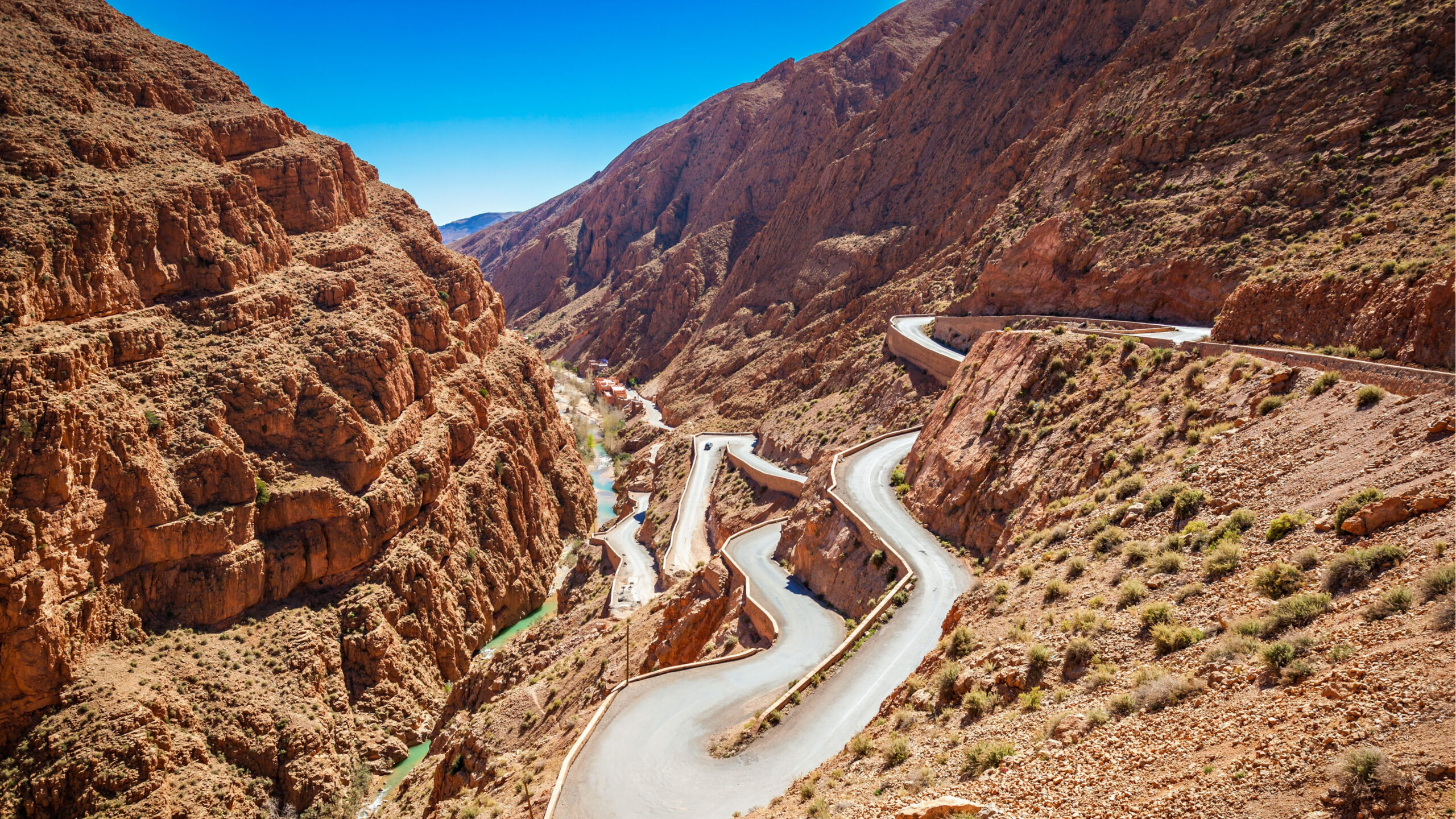
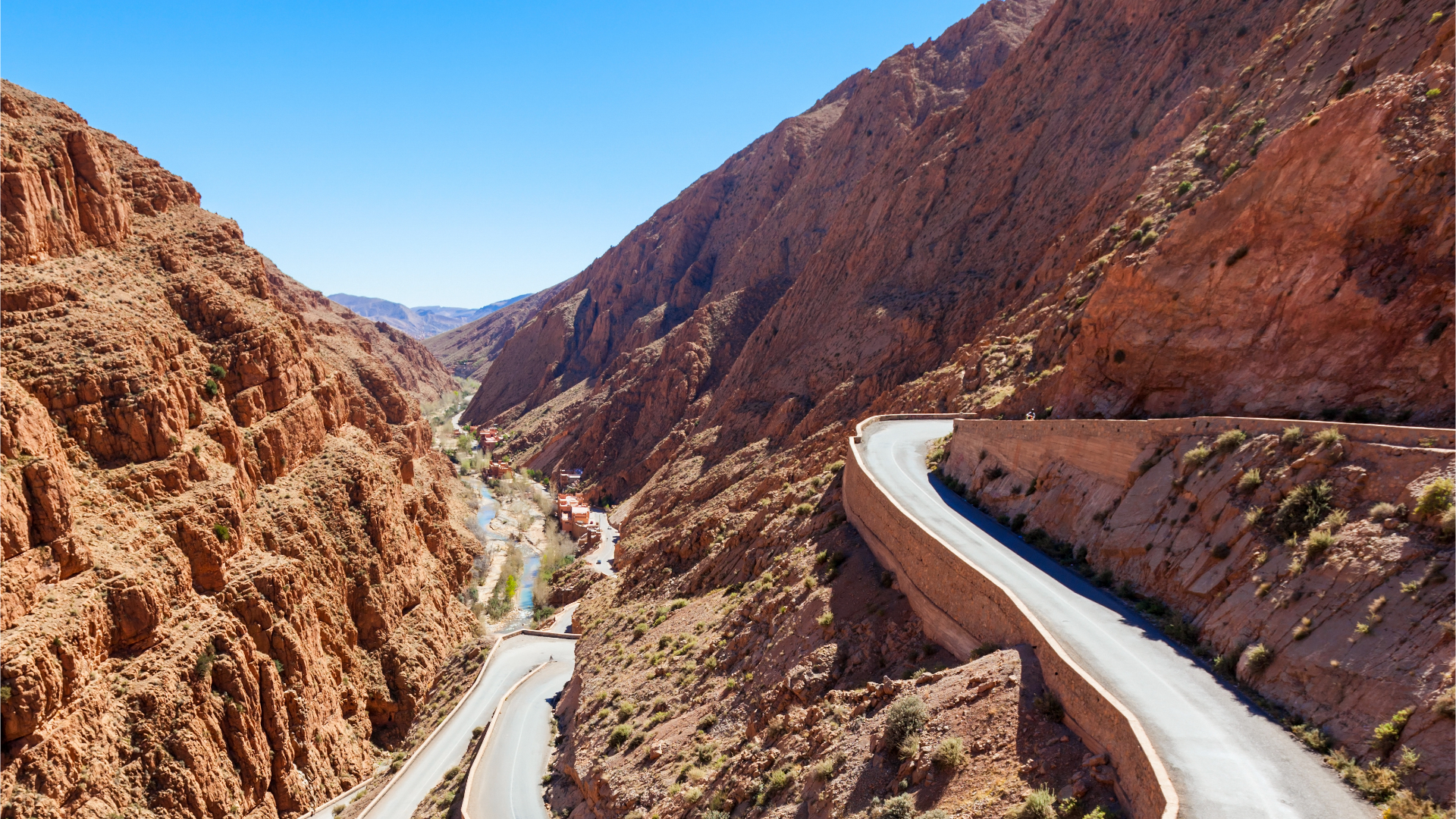
 For many travellers heading south from Marrakech, Dades is little more than an overnight stop on the way to the Sahara. Yet the Dades Valley is far more than a scenic passage towards the desert, with dramatic rock formations, ancient…
 " alt="">
 As General Manager of EXO Morocco, Ruben Derksen and his team are frequently on the lookout for compelling new ways to experience Morocco that offer a deeper appreciation and understanding of this fascinating country. Crossing mountain passes, driving through remote…
 " alt="">
 As late summer transitions toward the autumn high season, we’re focusing on scenic mountain crafts, epicurean coastal escapes and top-tier luxury stays that define slow living. Inside this edition:Fresh experiences: Berber craft traditions in Ourika Valley, a private seafood cruise in…
 " alt="">
 Warm hello from Morocco! There is a beautiful shift happening in Morocco right now. In the west, the arrival of the modern Théâtre Royal de Rabat, the elegant Waldorf Astoria Rabat Salé and the soaring Burj Mohammed VI are redefining…
 " alt="">
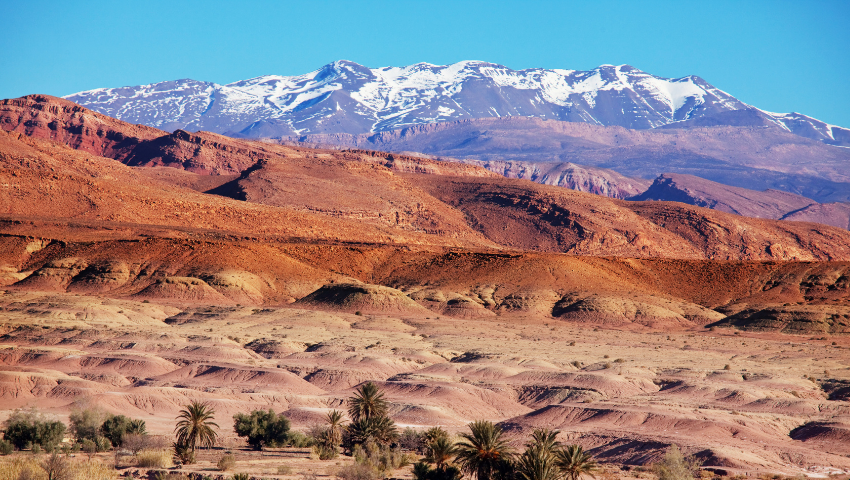
 At a glance Morocco’s weather and seasonal patterns are shaped less by one uniform climate and more by the variety of its regions. Cities, coast, mountains and desert all sit within relatively easy reach, but they do not behave the…
 " alt="">
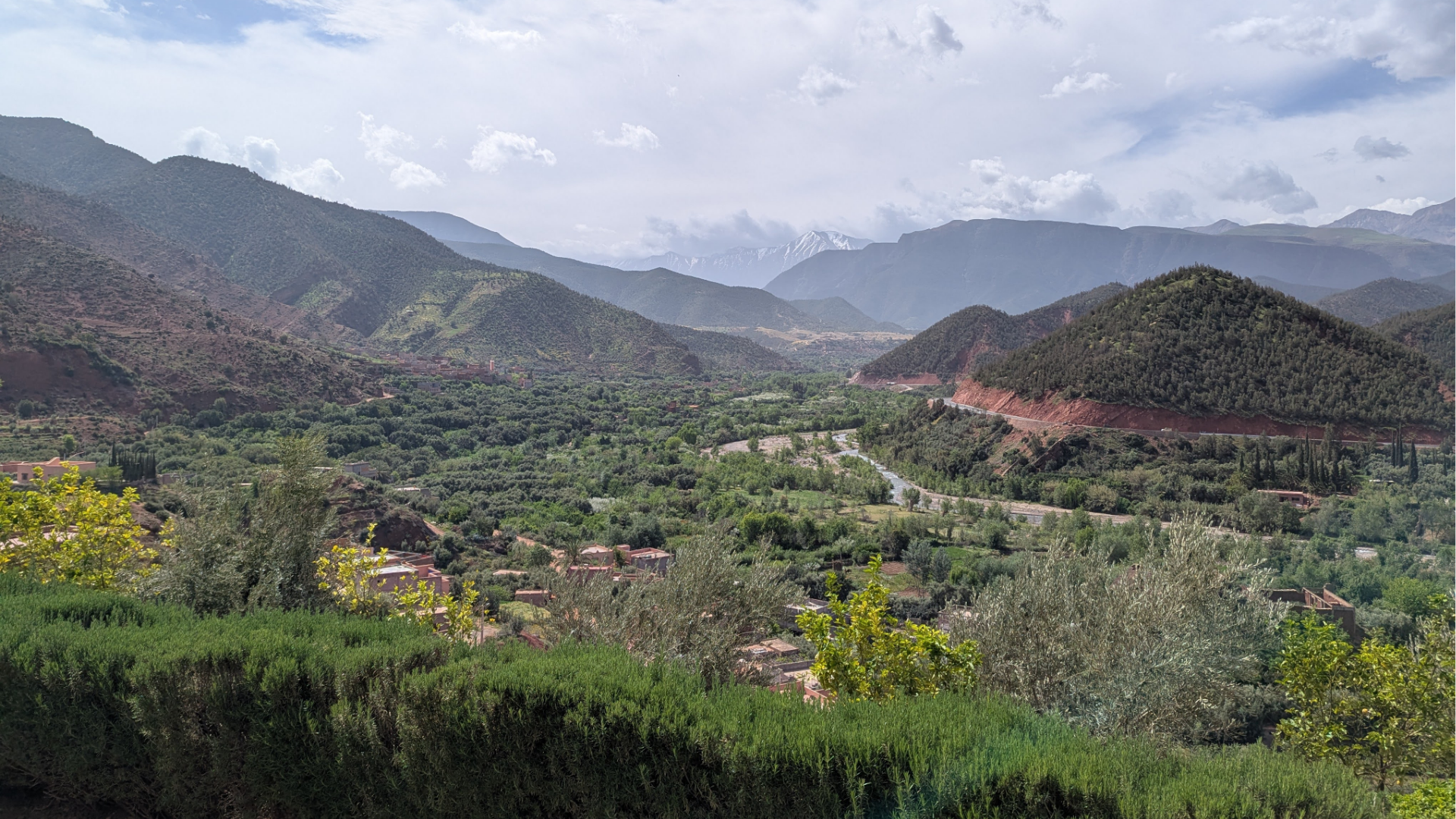
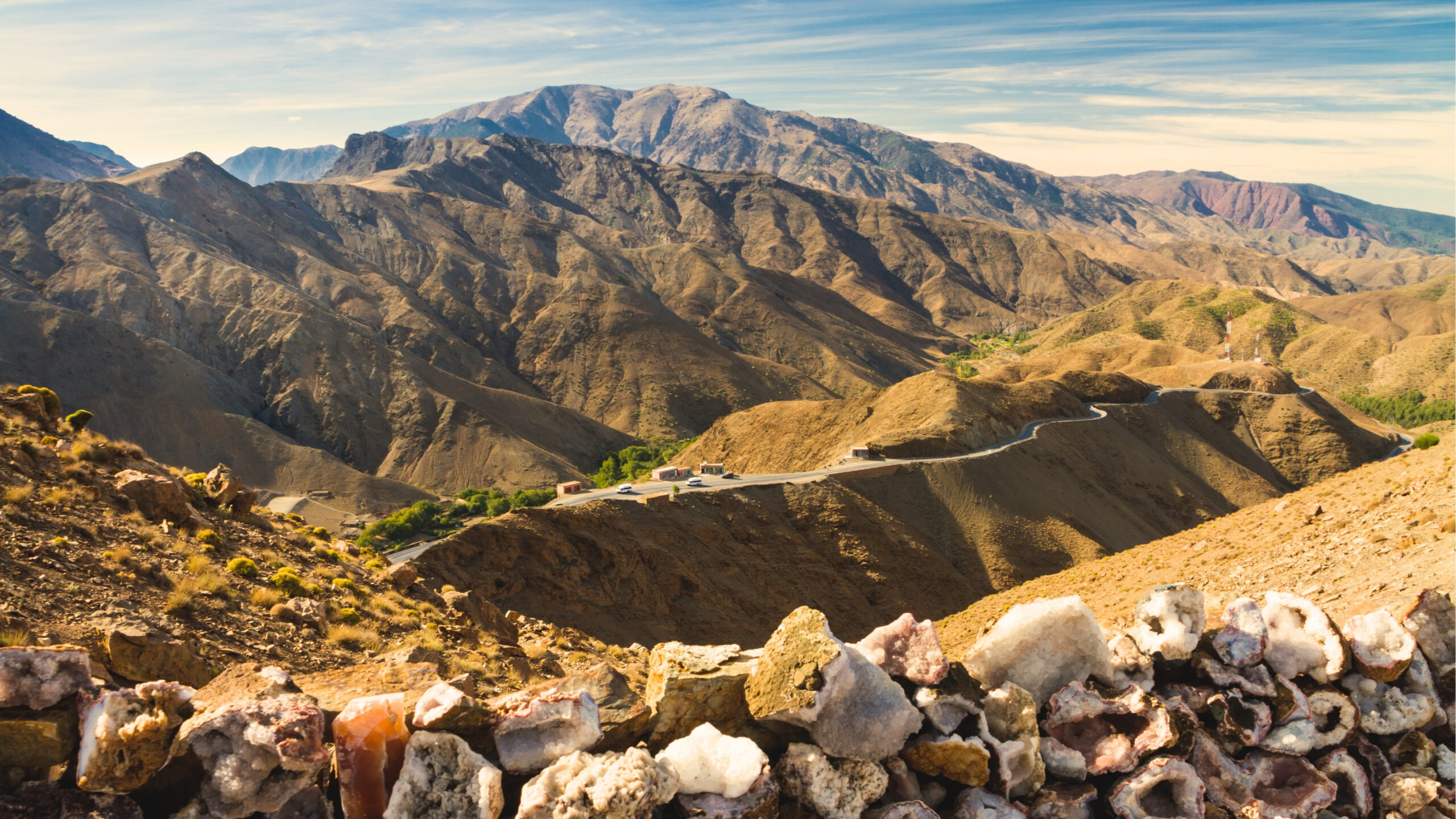
 Although still off the beaten path, the High Atlas Mountains have become one of Morocco's most compelling and sought-after destinations for immersive, experience-led travel. Just 1.5 hours from Marrakech, this dramatic mountain range is an increasingly natural addition to Morocco…
Warm hello from Morocco! It’s hard to believe it’s been 6 months since we launched EXO Morocco and we couldn’t have done it without your wonderful support! As Ramadan is here, we’re sharing the hidden heart of Marrakech through our Sufi Music…
 " alt="">
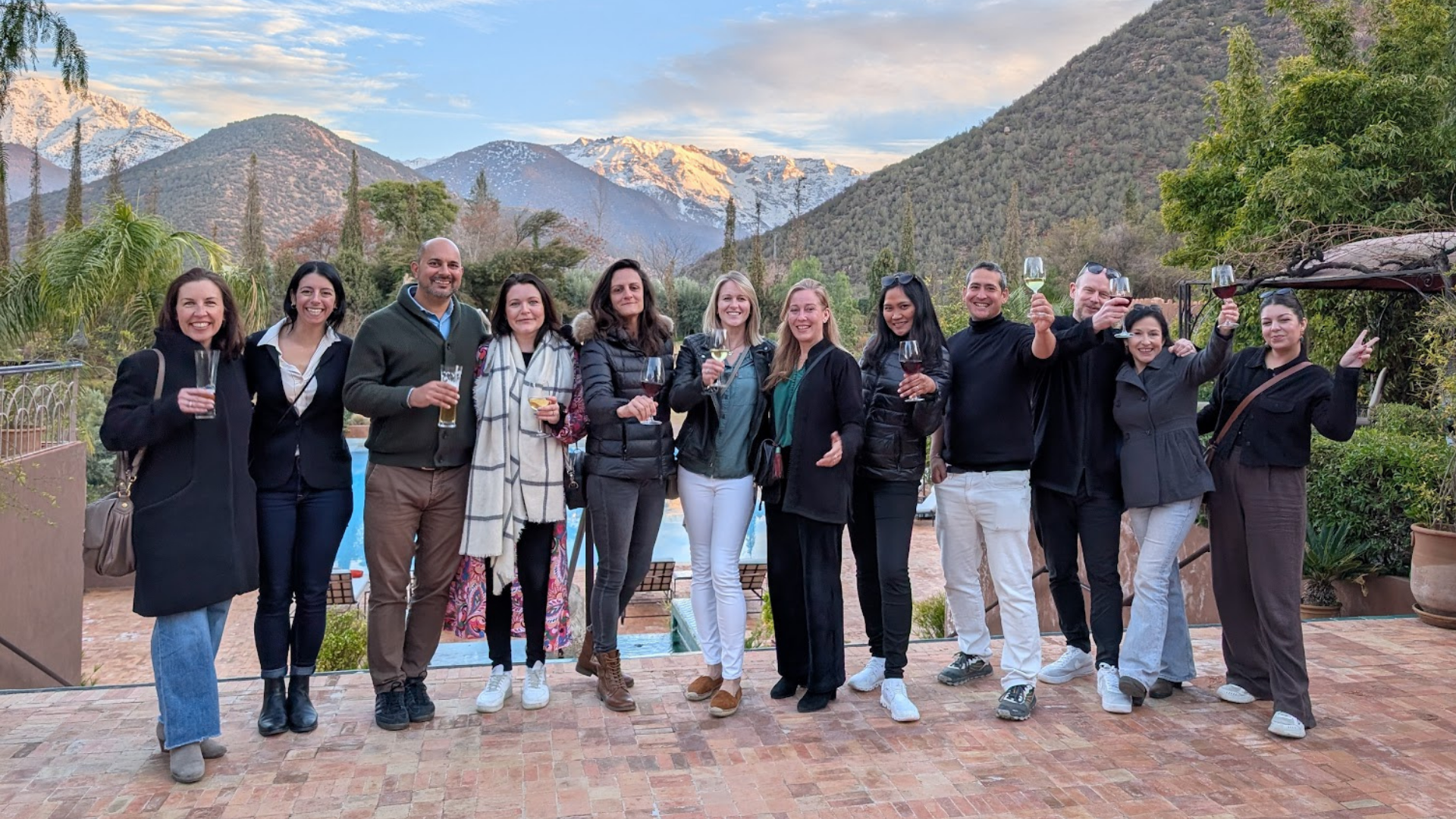
 EXO’s Sales Team travelled to Morocco for this year’s Sales Academy to experience the destination first-hand and see the groundwork our local team has been laying. Moving through Marrakech, the Atlas Mountains and beyond, the group found themselves continually surprised…
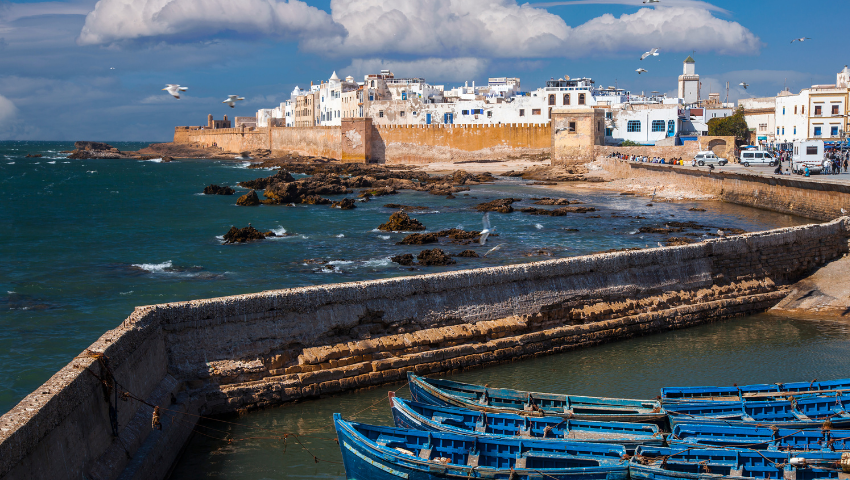
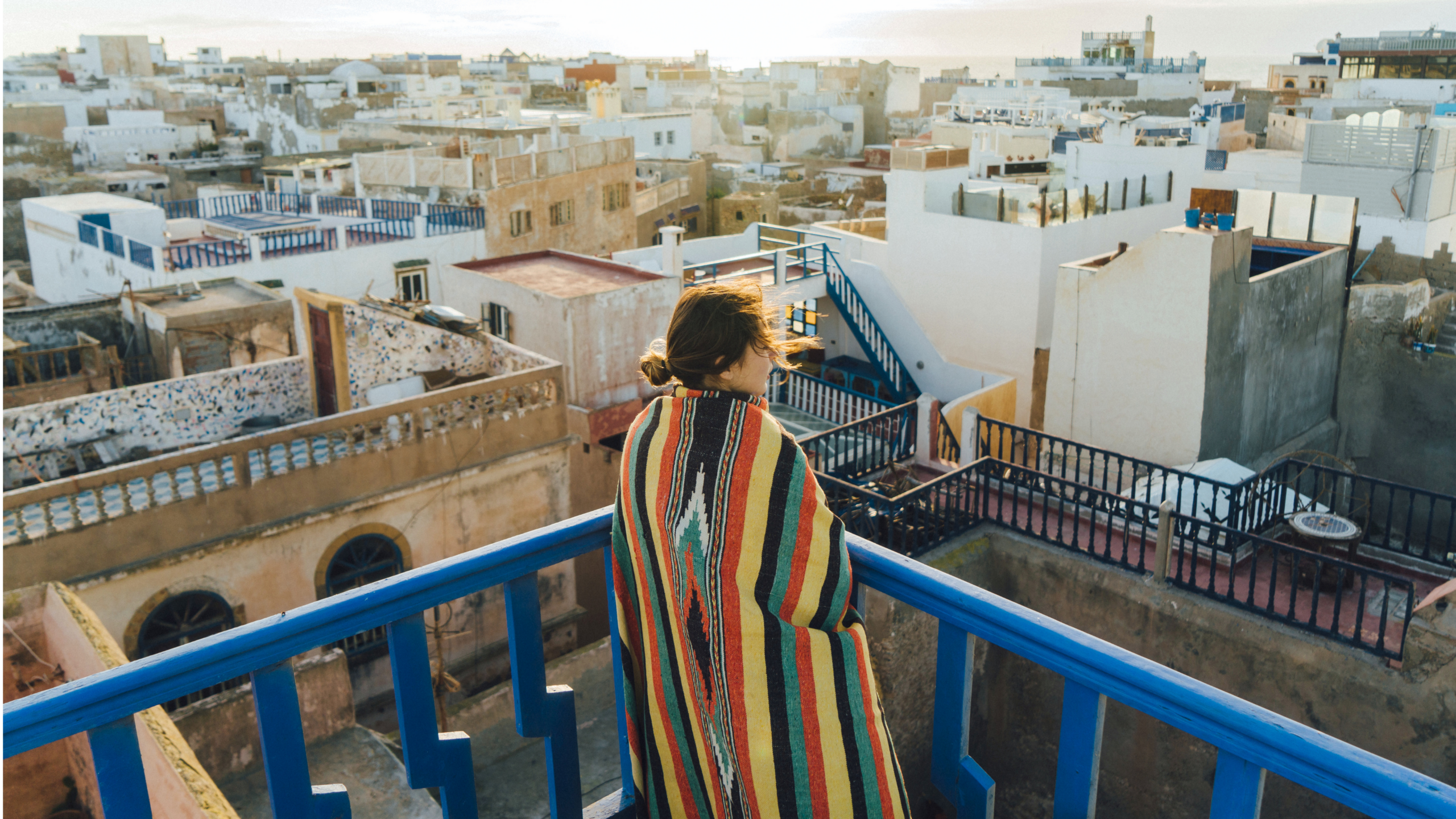
Spotlight on Essaouira: A wonderful seaside gem This month, the focus turns to Essaouira, an easy-going Atlantic coast escape that pairs naturally with Marrakech, adding a slower rhythm before or after the city. Need a quick steer on where Essaouira…
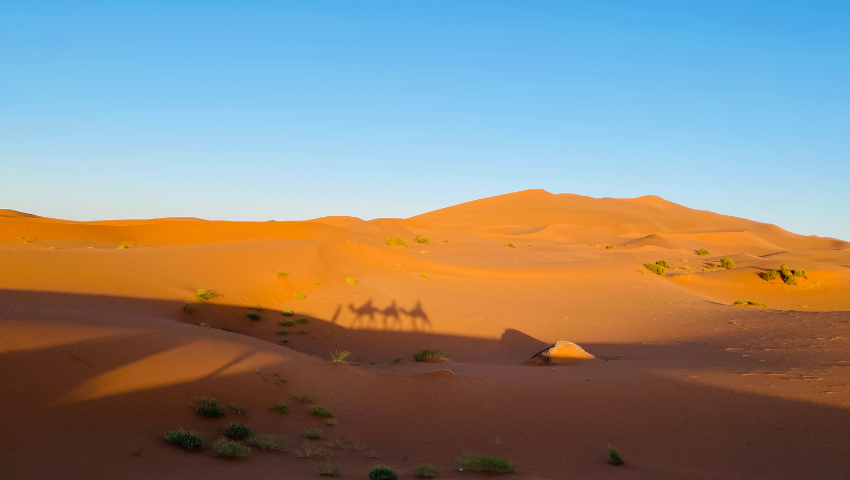
Skoura is one of those places that makes you glad you packed a bike helmet. Out here on the palm-fringed edge of the desert, cycling isn’t a sideshow – it’s the way the place reveals itself. You pedal out on…