
Getting started:
Indonesia in a nutshell
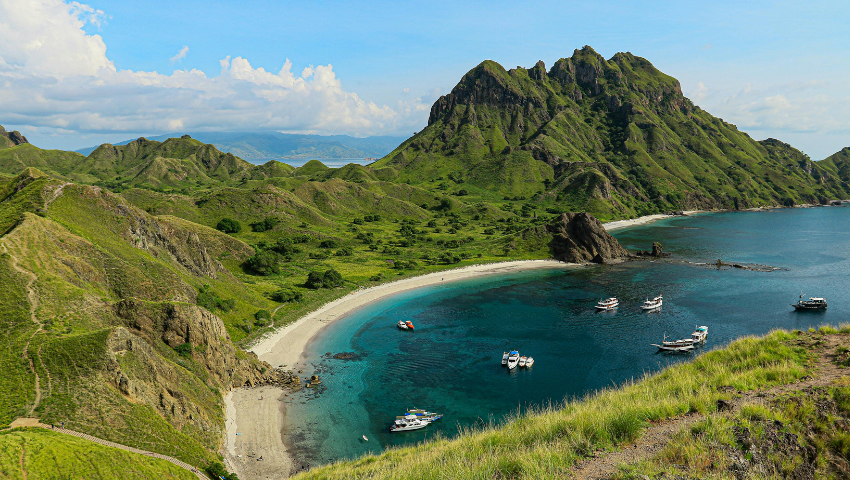
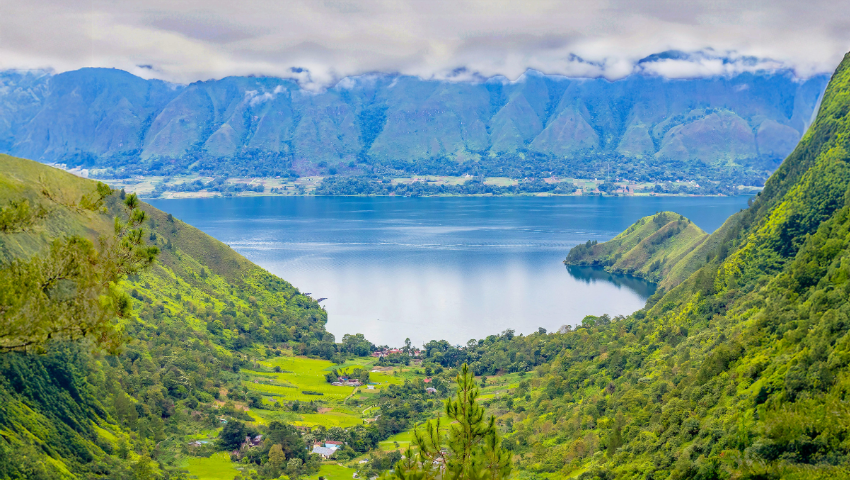
Indonesia offers an exceptional breadth of travel experiences shaped by both geography and culture. With thousands of islands spread across a vast archipelago, travellers move between very different environments, belief systems and ways of life, from volcanic highlands and rainforests to coastal communities and coral reefs.
While Bali often acts as an entry point, Indonesia’s appeal stretches far beyond its most familiar destinations. Remote islands, wildlife-rich marine zones and culturally rich highlands invite travellers to explore at a slower, more immersive pace. Travel off the beaten path in Indonesia requires thoughtful planning, but rewards guests with authenticity, scale and a sense of discovery that few destinations can match.
For clients seeking culture, nature and adventure often combined within a single journey, Indonesia offers exceptional depth and flexibility. This guide outlines the essential knowledge for positioning Indonesia confidently in conversations with your travellers.
Indonesia’s top-selling regions:

Best times to visit Indonesia
Indonesia is a year-round destination, but travel planning benefits from understanding regional weather patterns across the archipelago.
May to October:
Dry season across most of the country, ideal for outdoor activities, diving and overland travel.
November to April:
Green season brings warmer temperatures and occasional heavy rain, especially January to February. Travel remains possible with good planning, and landscapes are at their most lush.
Seasonal considerations:
Sea conditions vary significantly by region and month, affecting diving, liveaboards and island transfers. Eastern Indonesia and remote islands are more weather-sensitive, while domestic flights remain the most reliable mode of transport year-round. Rural road conditions can be affected during peak rains, particularly in less-developed regions.

Indonesia culture & etiquette
Dress:
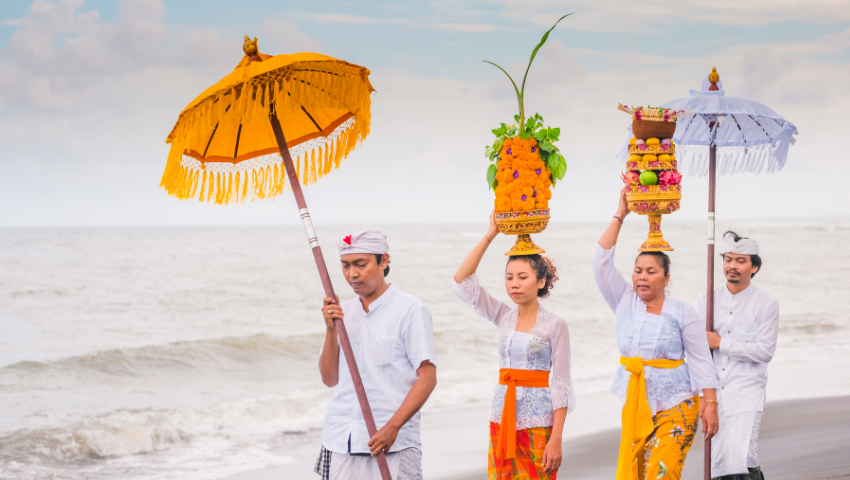
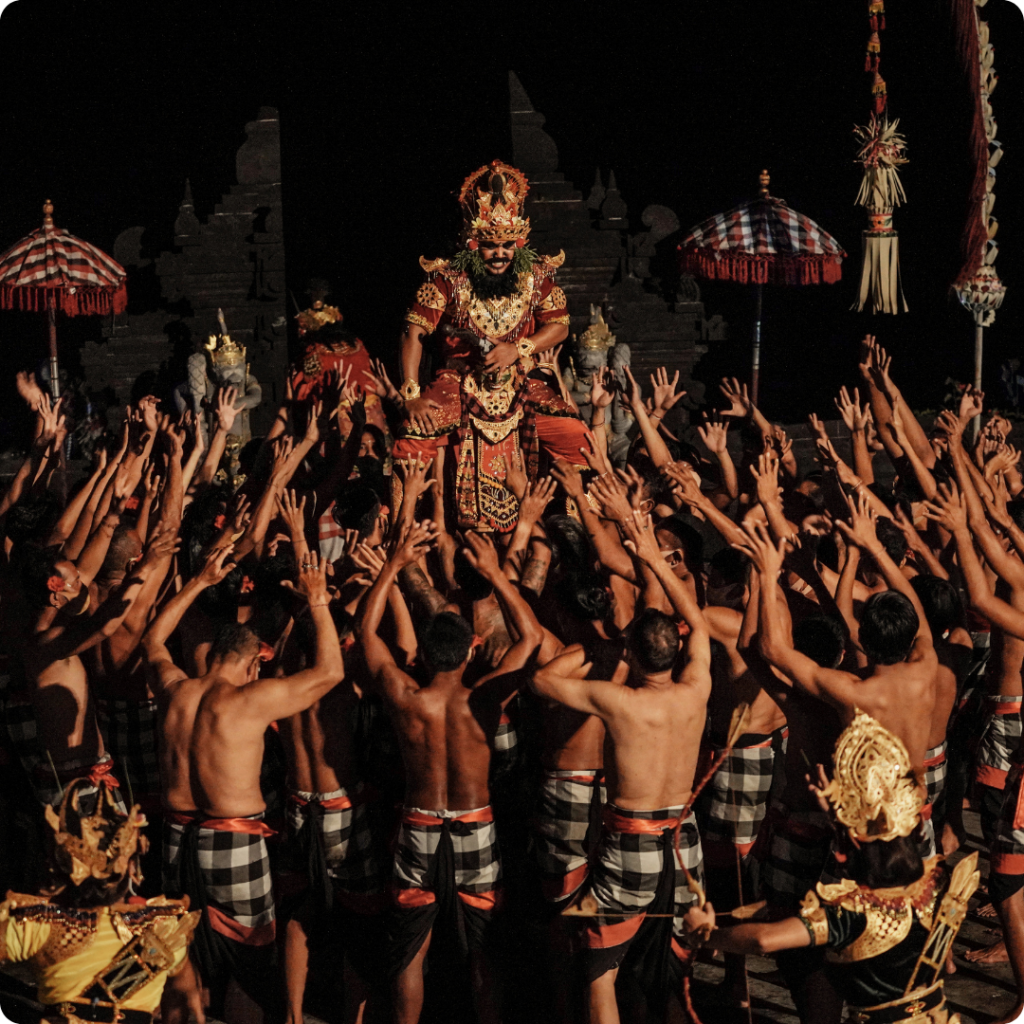
While dress standards are casual in many parts of Indonesia, especially near the coast, modest clothing covering shoulders and knees should be worn at temples, mosques and when visiting rural communities.
Religious sensitivity:
Indonesia is predominantly Muslim, though Hinduism, Christianity and indigenous belief systems are practiced widely depending on the region. Visitors should be mindful of prayer times, religious holidays and local customs, especially in more conservative areas.
Photography:
Always ask before photographing people, especially during rituals or in traditional villages.
Accommodation insights
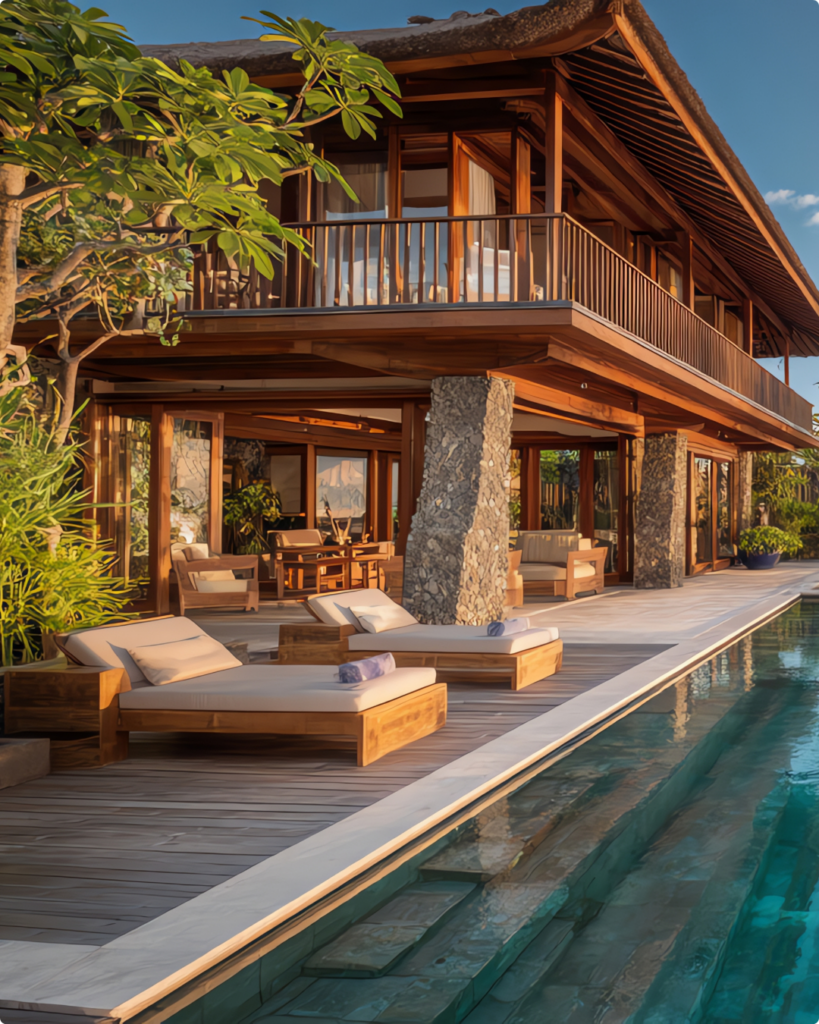
Indonesia’s accommodation landscape is diverse and increasingly refined, ranging from simple community-based stays to world-class eco-luxury lodges.
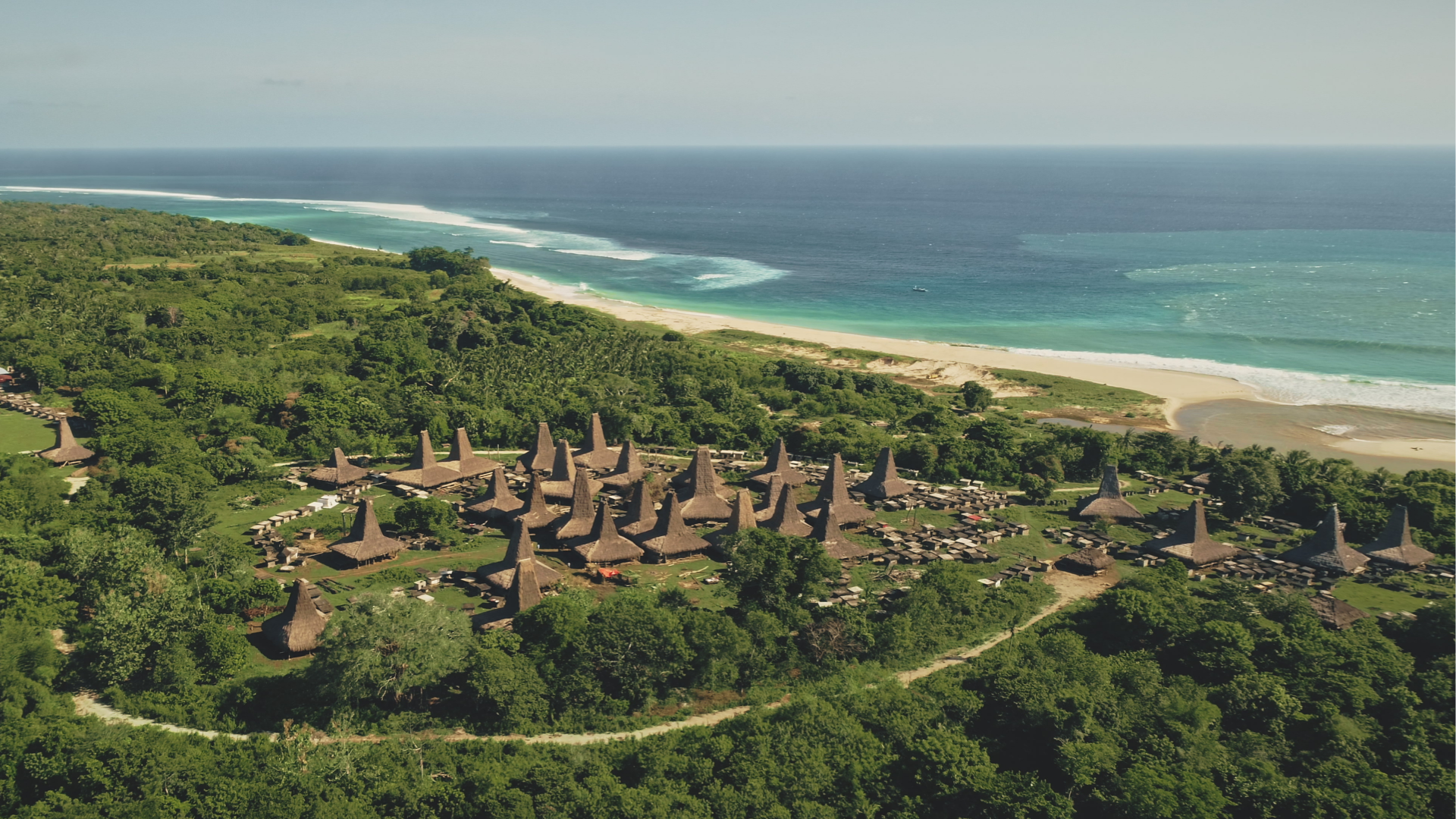
High-end properties are a defining feature in destinations such as Sumba, North Bali and select marine regions, where architecture, sustainability and cultural integration are central to the guest experience. These lodges often provide exceptional privacy, personalised service and curated access to local traditions.
Elsewhere, boutique hotels and small resorts offer comfortable, character-rich stays, particularly in cultural centres and regional hubs. Eco-lodges and dive resorts play an important role in Flores, Sulawesi and Maluku, supporting nature-based travel while minimising environmental impact. Family-friendly accommodation is most widely available in Bali, with more limited but growing options in other regions
Dining & Cuisine
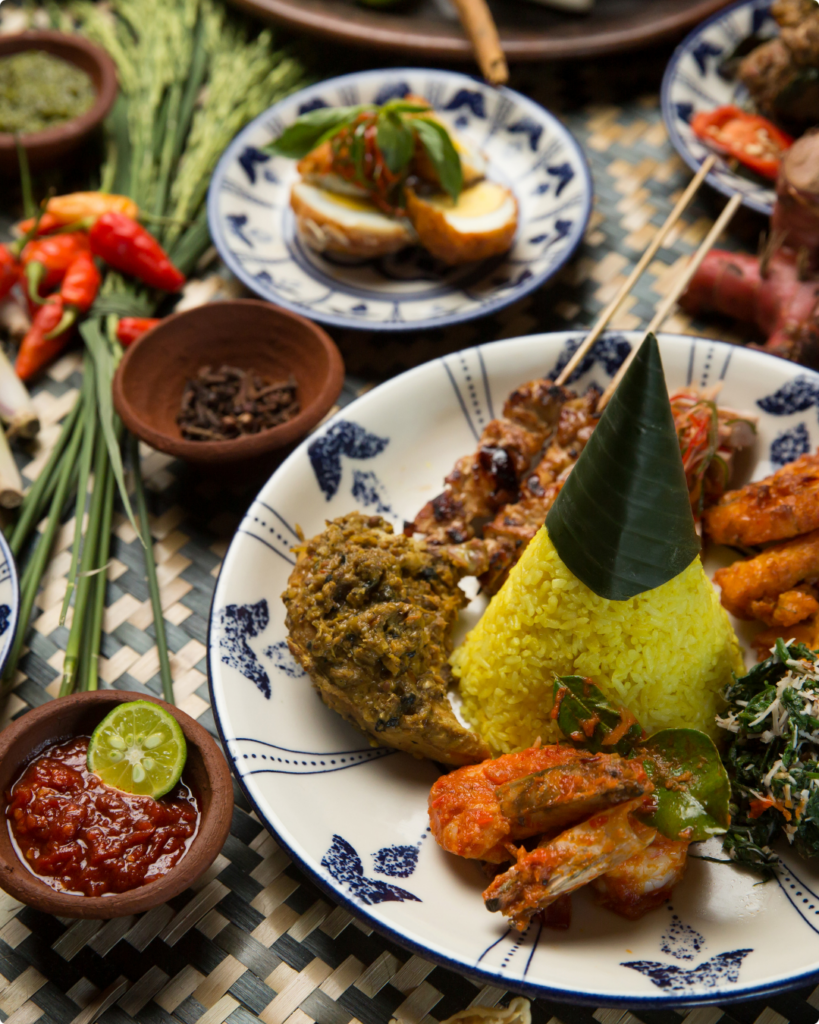
Regional Diversity:
Indonesian cuisine varies dramatically by island, shaped by spice routes, religious traditions and local produce. Flavours range from mild and coconut-based to richly spiced and chilli-forward.
Local & Immersive Meals:
Village meals, home-hosted dining and market visits offer insight into everyday life and regional food traditions. These experiences often highlight seasonal ingredients and traditional cooking methods.
Seafood & Island Cuisine:
Coastal and island regions focus heavily on grilled fish, seafood curries and coconut-based dishes, often served simply and fresh from the sea.
Spice Heritage:
Maluku and eastern Indonesia are deeply tied to the historic spice trade, with cloves, nutmeg and mace still shaping local cuisine and food storytelling today.
Dietary Requests:
Vegetarian options are widely available, and halal food is common across most regions. Gluten-free meals can be arranged with advance notice, though options are more limited outside major centres.
Getting in and out of Indonesia
- Airports: Jakarta (CGK) and Denpasar (DPS) are the main international gateways, with regional airports across the archipelago.
- Flight Connectivity: Strong links with Asia, Australia, the Middle East and Europe.
- Visas: Many nationalities qualify for visa-free entry or visa-on-arrival; always confirm before booking.
- Domestic Travel: Flights are the most efficient way to move between islands. Boat travel is common in marine regions.
Matching Indonesia with your clients
Indonesia’s vast scale, cultural richness and biodiversity allow it to be tailored to a wide range of traveller profiles, from luxury seekers to adventurous explorers and slow travellers.
Luxury travellers:
Eco-luxury lodges in Sumba and North Bali deliver privacy, striking architecture and thoughtful service rooted in place. Position Indonesia for luxury clients seeking design-led stays, cultural access and immersive experiences rather than traditional resort-style indulgence.
Adventurers & active travellers:
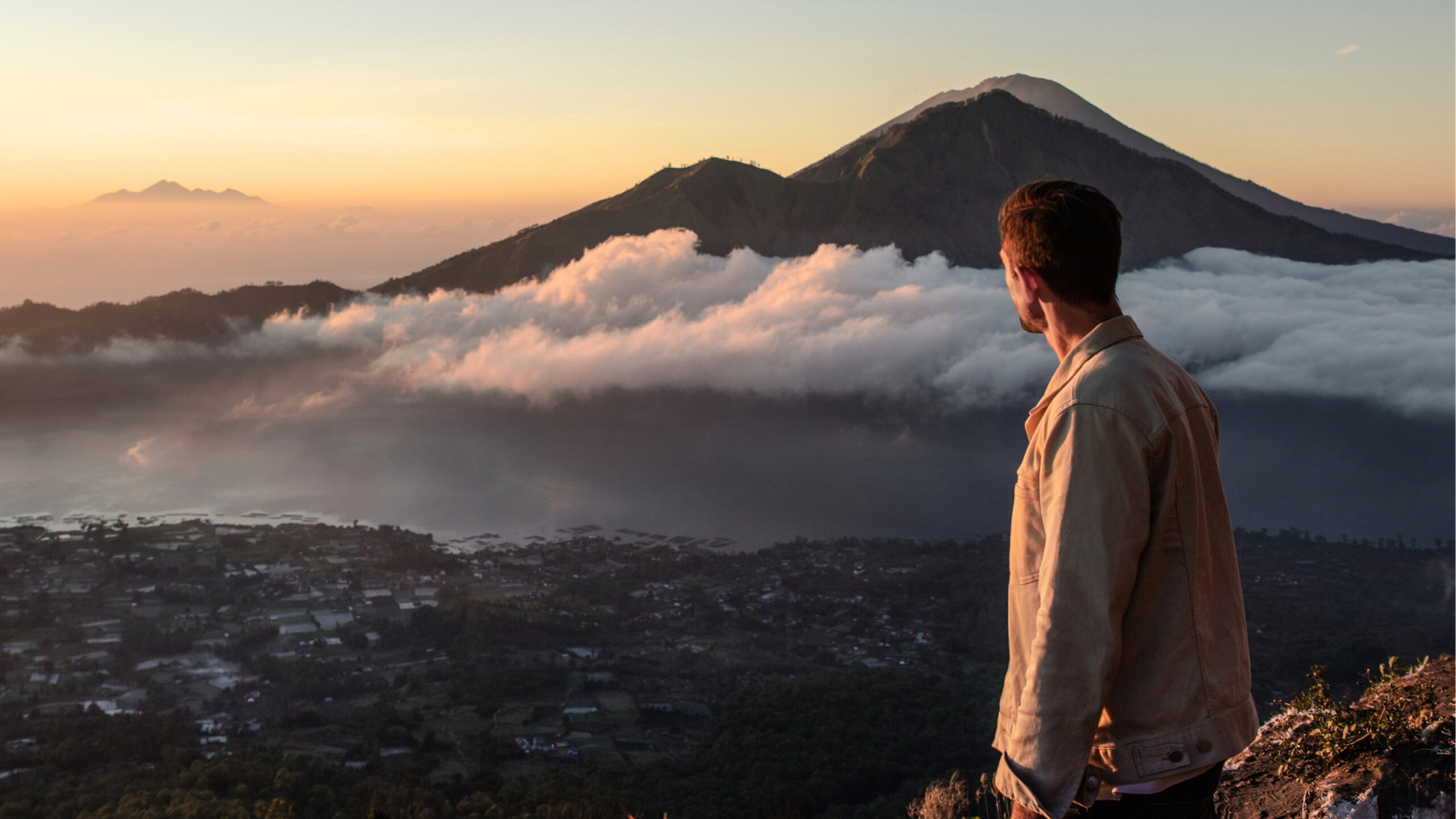
Indonesia offers outstanding adventure across land and sea, from volcano trekking and overland journeys in Flores to world-class diving in North Sulawesi. These experiences suit active travellers who enjoy exploration paired with strong natural landscapes.
Romantic couples:
Remote islands, private villas and intimate lodges create a naturally romantic atmosphere. Slow-paced itineraries, sunset cruises and secluded settings make Indonesia ideal for honeymoons and couples looking to disconnect.
Families & multigenerational groups:
Bali and select eco-lodges provide accessible activities, cultural workshops and nature-based learning that appeal across age groups. Gentle adventures, village visits and hands-on experiences keep journeys engaging for both children and adults.
Cultural travellers:
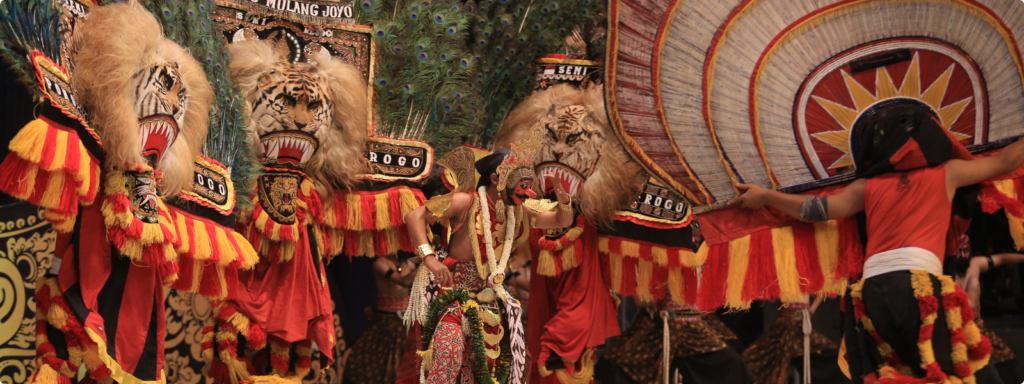
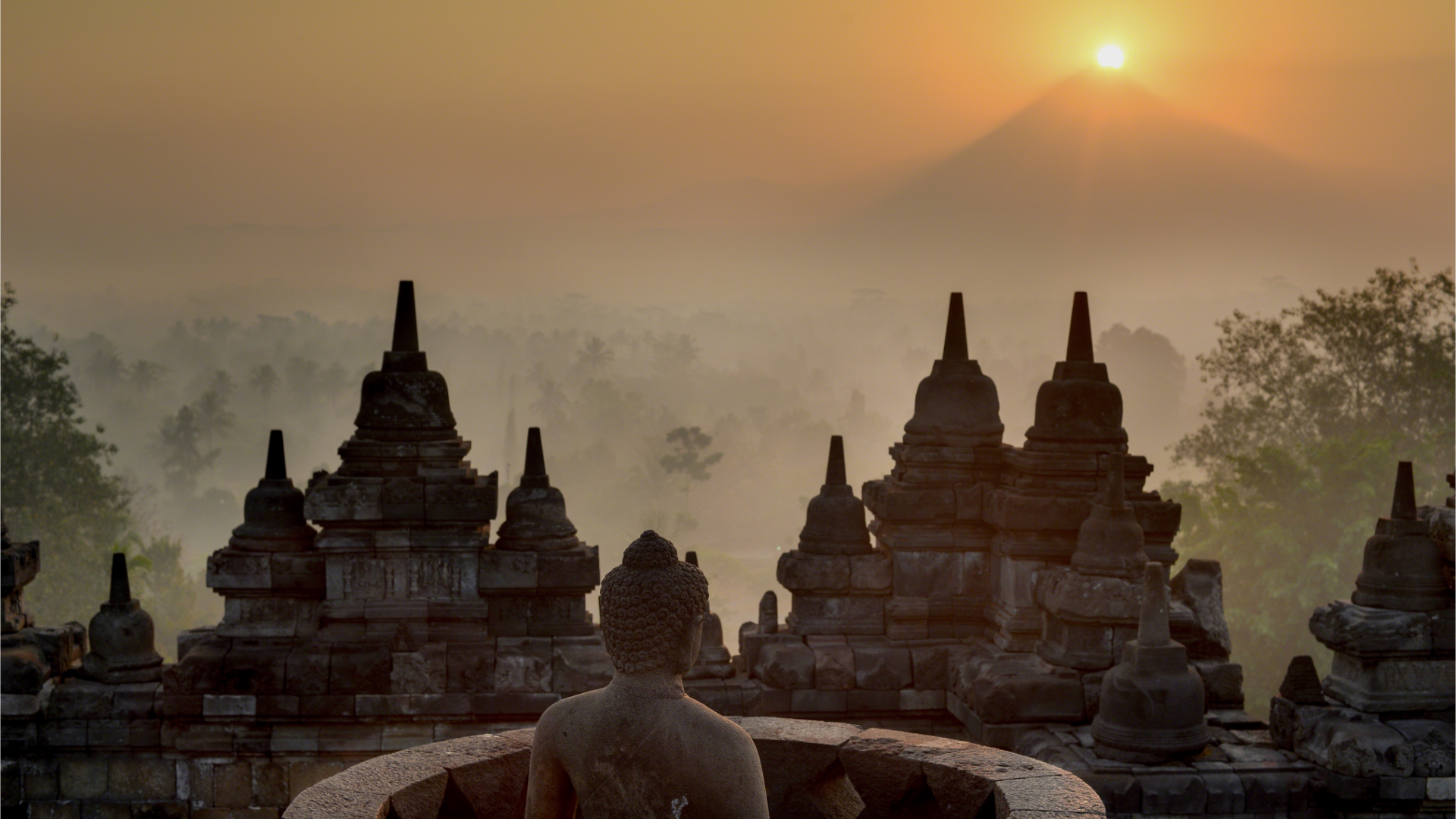
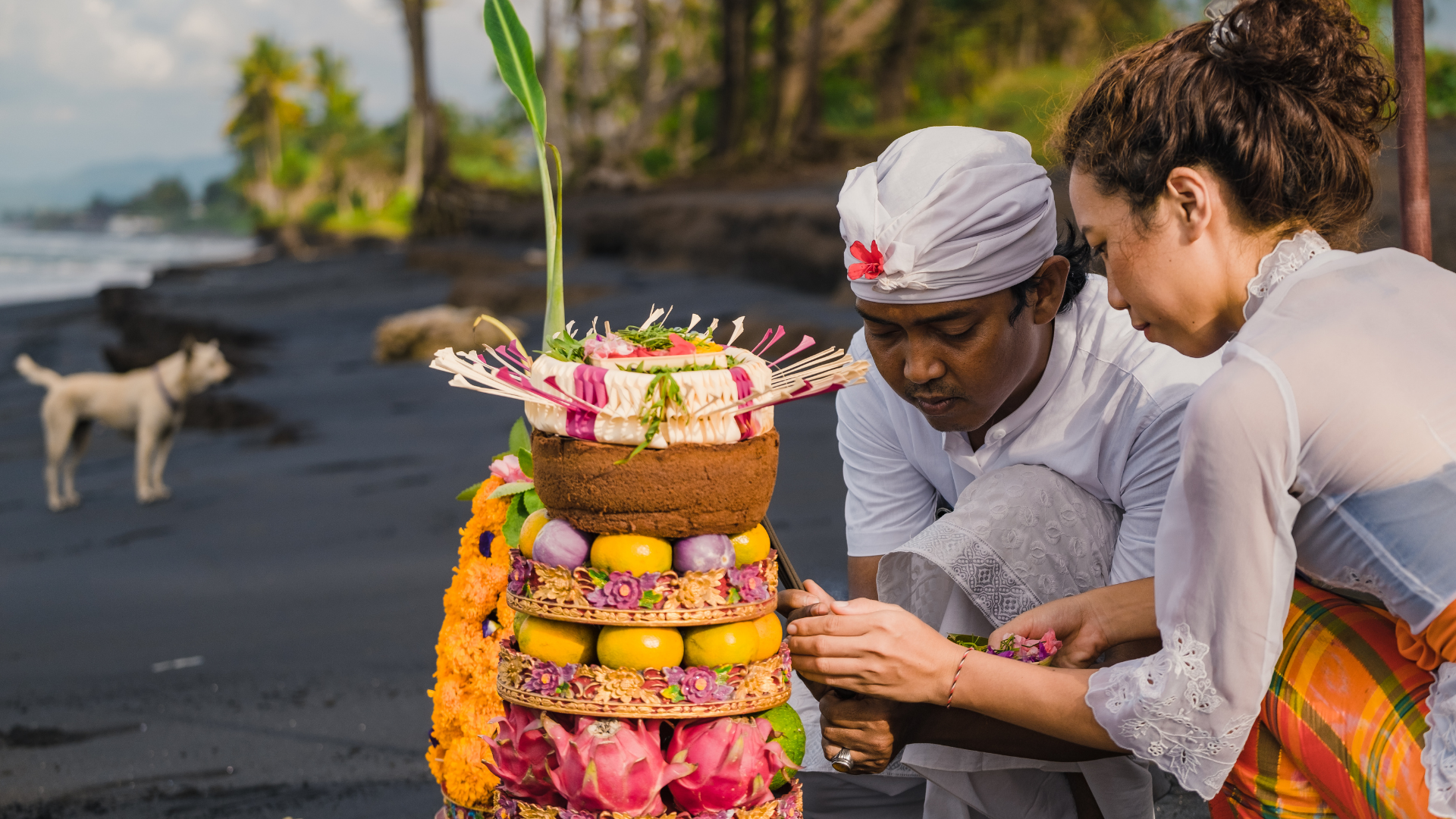
Indonesia’s living traditions are a major draw, from ancestral villages and ceremonial rituals to craft, music and belief systems that vary by island. Travellers seeking meaningful cultural immersion will find depth well beyond the usual highlights.
Nature & marine enthusiasts:
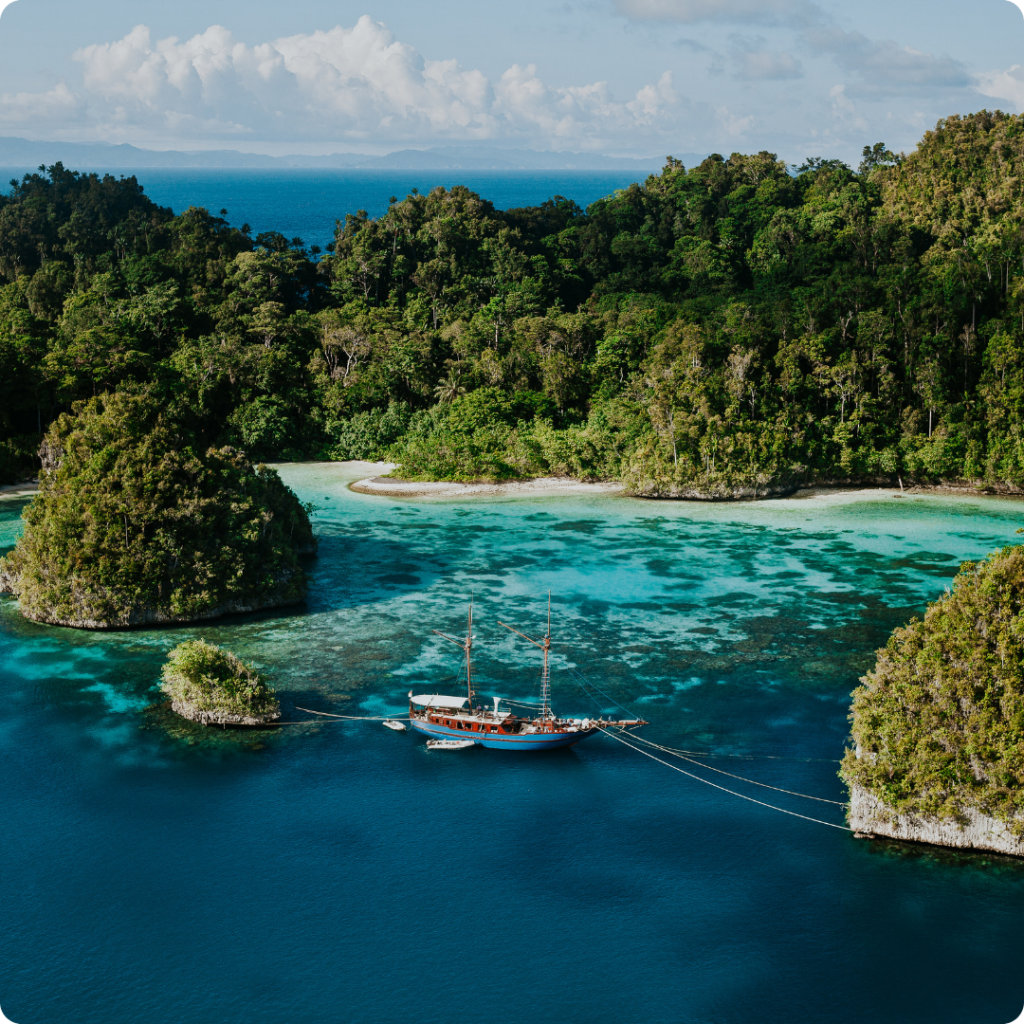
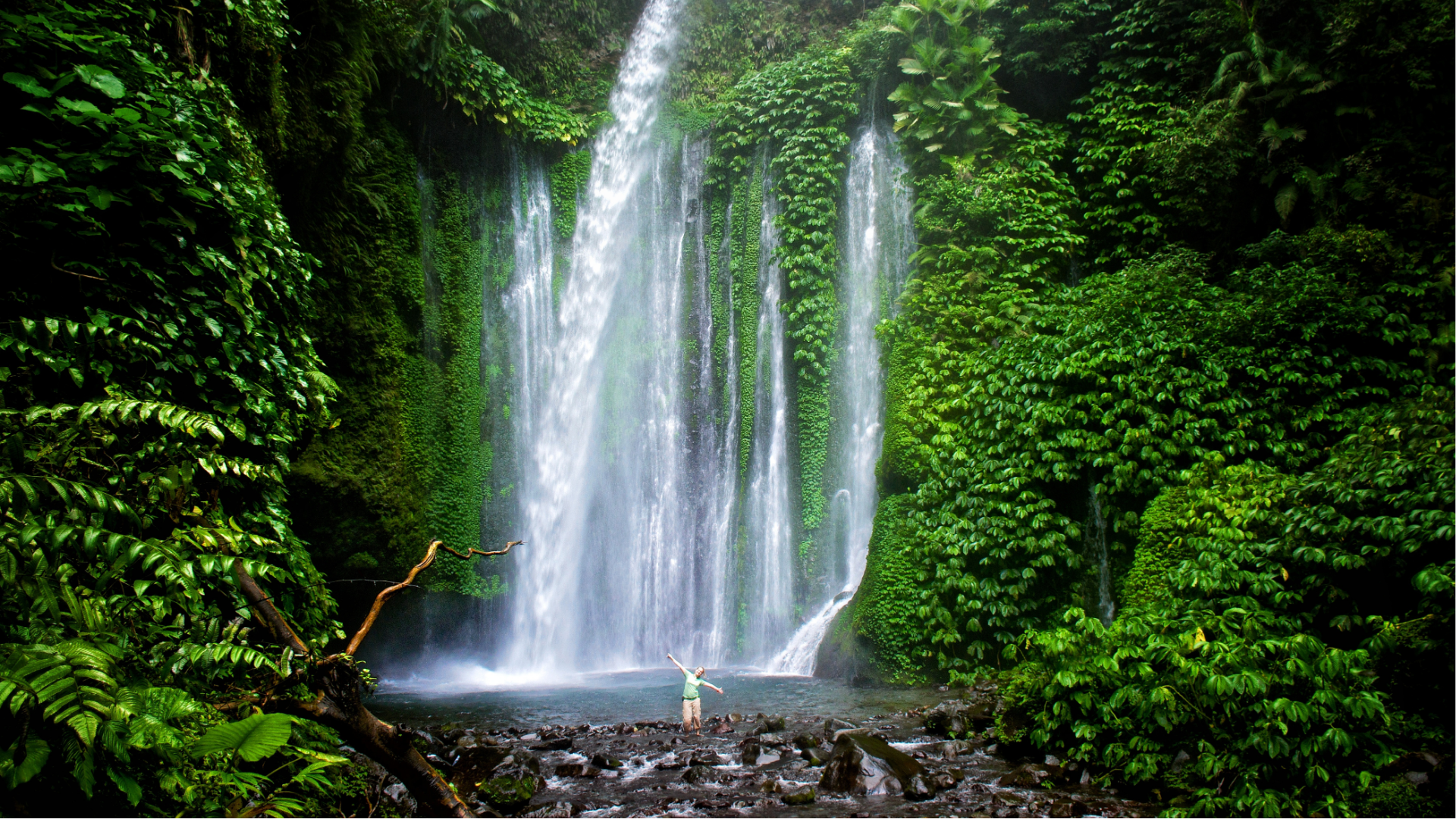
With rainforests, coral reefs and endemic wildlife, Indonesia is one of the world’s most biodiverse destinations. Diving, snorkelling and conservation-led experiences make it especially compelling for nature-focused clients.
Repeat or slow travellers:
Encourage clients to look beyond Bali and spend more time in lesser-visited regions such as Sumba, Flores or Maluku. Longer stays allow for deeper cultural connection and a more rewarding sense of discovery.

Responsible travel & local impact

Community-Based Tourism: Indonesia has a growing network of village-led tourism, including homestays, craft cooperatives and community-run trekking. These experiences support rural livelihoods, preserve traditional knowledge and spread tourism benefits locally.
Nature & Wildlife Protection: As one of the world’s most biodiverse countries, Indonesia prioritises conservation. Encourage ethical marine operators, conservation-led lodges and responsible wildlife experiences, and avoid attractions involving captive or exploitative animal practices.
Heritage Protection: Many temples, villages and ceremonial sites remain active cultural spaces. Travellers should respect local customs by dressing appropriately, avoiding climbing on structures and following guidance during ceremonies.
Logistics & ground realities
Tour timings: Early mornings suit outdoor activities, cultural sites and wildlife encounters. Mid-day heat can be intense, making it ideal for relaxing and spending time at the spa or beach.
Guides: Licensed local guides are recommended for cultural touring, trekking, diving and village visits to ensure context and respectful engagement.
Currency: The Indonesian Rupiah (IDR) is used nationwide, with cash still important outside major cities and resorts.
Connectivity: 4G is widely available, though coverage may be limited in remote islands and rural areas. Local SIM cards and pocket Wi-Fi can be arranged.
Healthcare & safety: International-standard hospitals are available in Jakarta, Bali and major cities; bottled or filtered water is recommended.
Accessibility: Accessibility varies widely; major hotels offer good facilities, while cultural sites and rural areas may involve uneven terrain. Confirm mobility needs in advance.
Final tips for travel designers:
- Clarify client priorities early, as Indonesia holds plenty of options for many different kinds of travellers.
- Design region-specific journeys rather than trying to cover too much ground.
- Plan carefully around seasonality and sea conditions.
- Balance iconic highlights with lesser-known regions.
- Use EXO’s on-the-ground expertise for seamless logistics, insider access and responsible experiences.
Indonesia FAQ
How many days do travellers need in Indonesia?
Indonesia is best explored with a slower, focused approach. A minimum of 7–10 days works well for one or two regions, while 12–16 days allows for deeper exploration across multiple islands.
How easy is it to travel between islands?
Flights are the most efficient option. Boat travel is common in marine regions, but schedules and sea conditions vary seasonally.
Is Indonesia safe?
Very safe for tourists. Advise standard travel awareness and attention to local guidance, particularly during outdoor or marine activities.
What about dietary needs?
Vegetarian food is widely available, and halal cuisine is common across most regions. Gluten-free meals can be arranged with advance notice, though options are more limited outside major centres.
Is Indonesia family-friendly?
Yes, especially in Bali and select eco-lodges offering nature-based learning, cultural workshops and gentle adventure suitable for children.
What should clients pack?
Lightweight, breathable clothing, modest attire for religious sites, comfortable walking shoes, reef-safe sunscreen, insect repellent and a reusable water bottle.
Can Indonesia be combined with other destinations?
Yes, Indonesia pairs well with Singapore, Malaysia or Thailand, depending on routing and client interests.

 " alt="">
  " alt="">
  " alt="">
  " alt="">
  " alt="">
  " alt="">
  " alt="">