

Getting started:
Laos in a nutshell
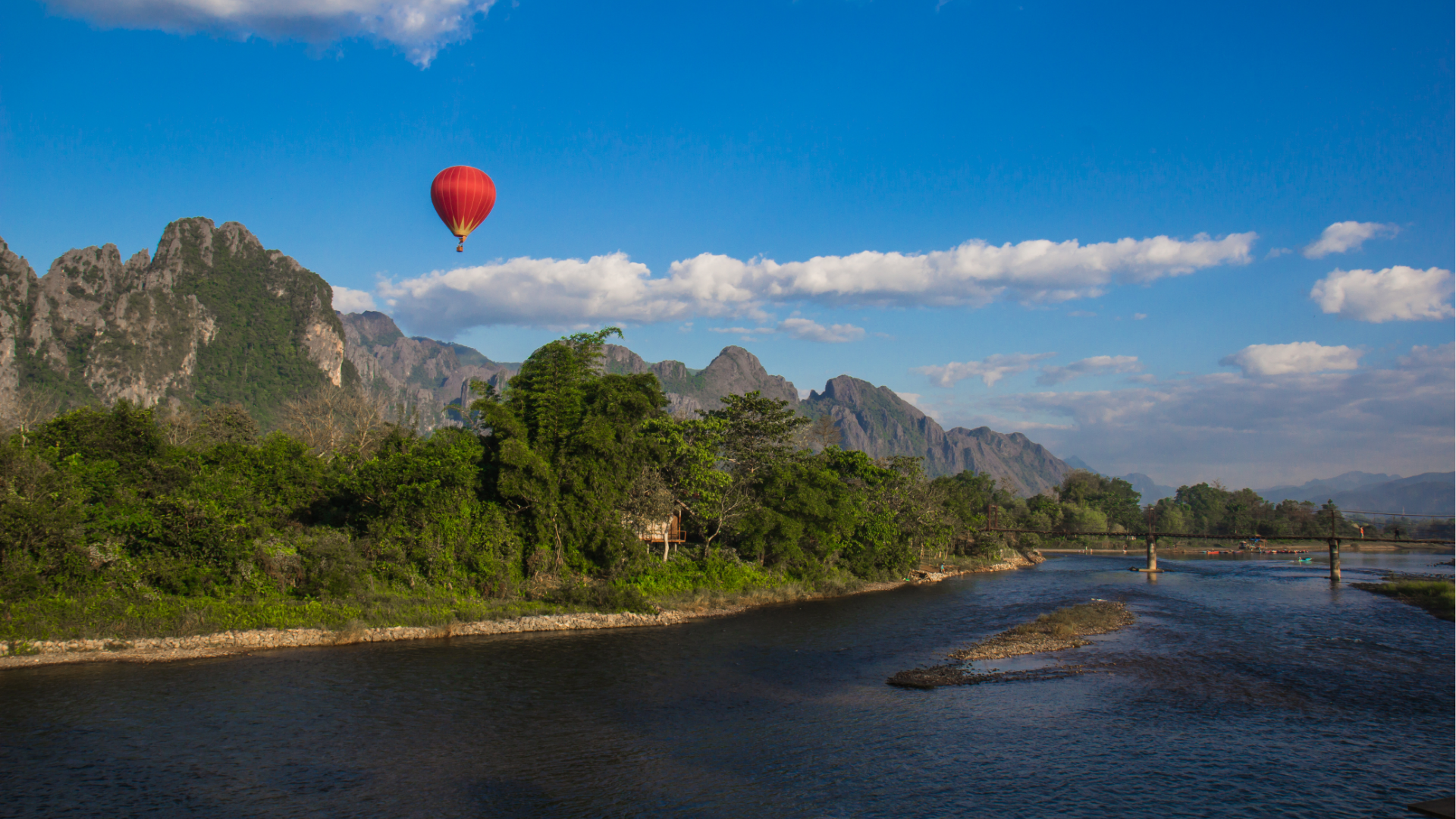
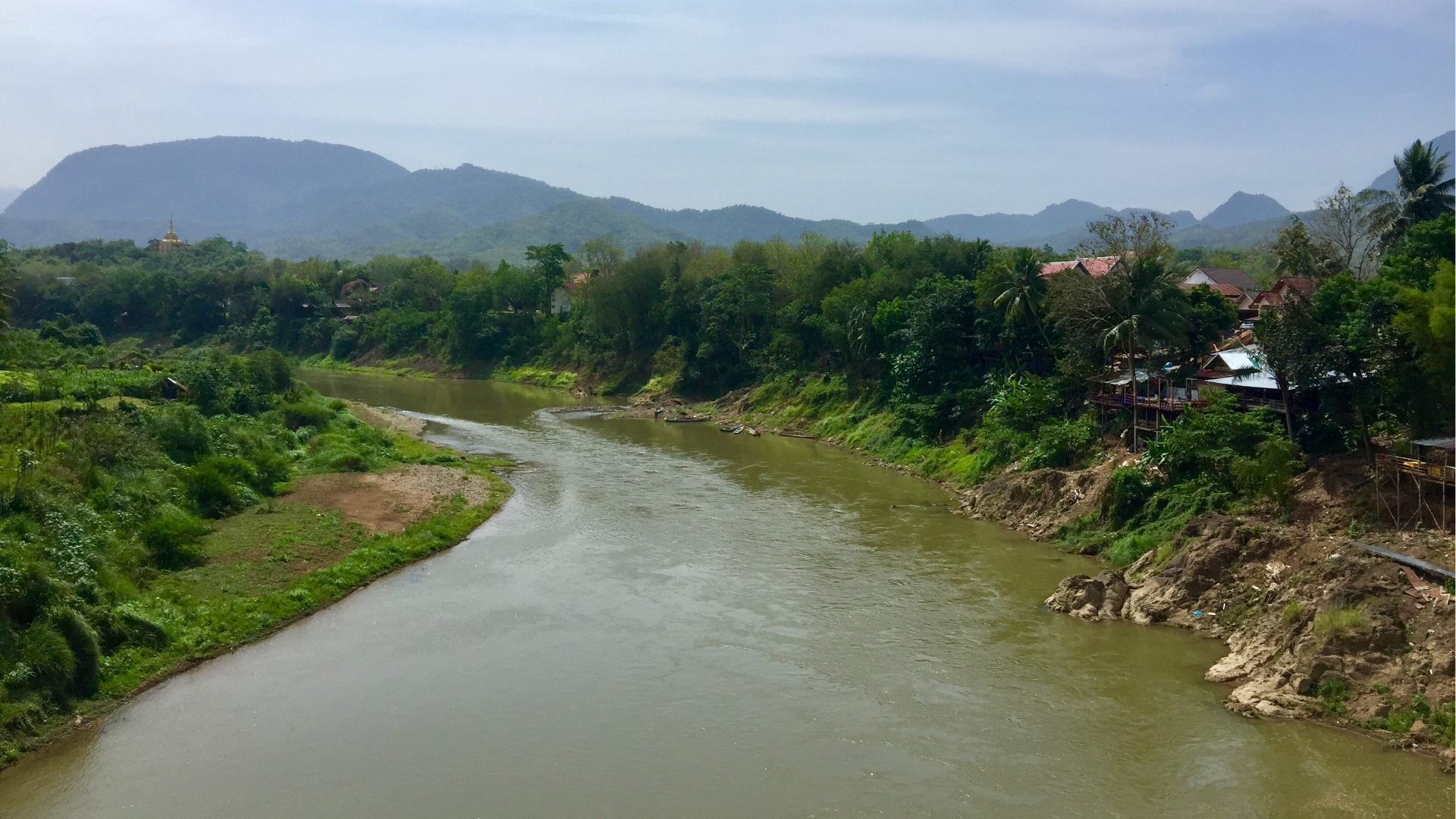
Laos stands apart for its sense of calm and, while neighbouring countries may feel faster or more urbanised, Laos retains an authenticity that feels increasingly rare. Travellers encounter ancient Buddhist rituals, dramatic karst scenery, relaxed riverside towns and warm hospitality that reflects the country’s understated charm.
The ease of travelling here often surprises first-time visitors. Boutique hotels, responsible tourism initiatives and improved domestic connections such as the high-speed rail linking Luang Prabang, Vang Vieng and Vientiane make Laos both comfortable and rewarding. Journeys that once required long road transfers can now be completed quickly and smoothly, allowing travellers to experience more of the country within a well-paced itinerary.
Days are shaped by gentle exploration such as slow boat journeys, quiet temple visits, local markets and natural wonders, all experienced without crowds. What captivates most visitors is the feeling of stepping into a quieter, more contemplative side of Southeast Asian life, where every experience feels personal and unforced.
This guide outlines the essential knowledge for positioning Laos confidently in conversations with your clients.
Laos’ top-selling regions:

Best times to visit Laos
Laos is great to visit all year-round, though some seasons can shape a traveller’s desired experience:
November to February: Cool and dry, ideal for most travellers and perfect for river journeys and visiting mountain regions.
March to May: The year’s warmest stretch, bringing the vibrant energy of Lao New Year to towns and villages across the country. A rewarding period for cultural immersion, often with fewer crowds.
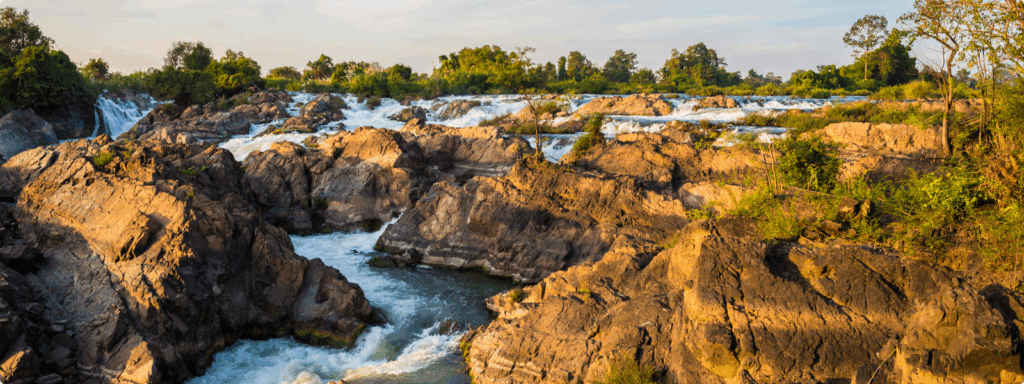
June to October: Green season, bringing short rains, lush landscapes and excellent photography conditions. Waterfalls across the country are at their most impressive.
Regional variations:
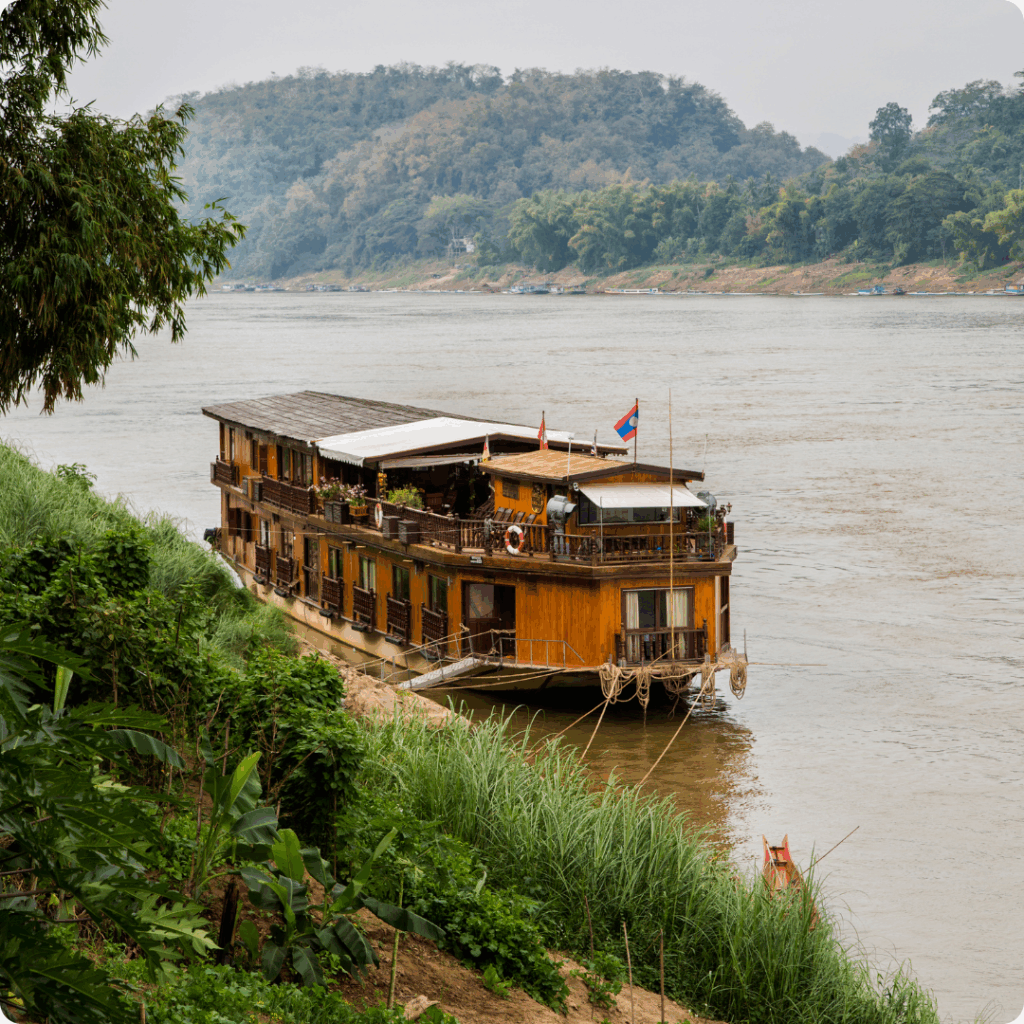
Cruises along the Upper Mekong and Nam Ou River are most reliable from October to March, while land-based rural travel is smoothest outside the wettest months of July to September.
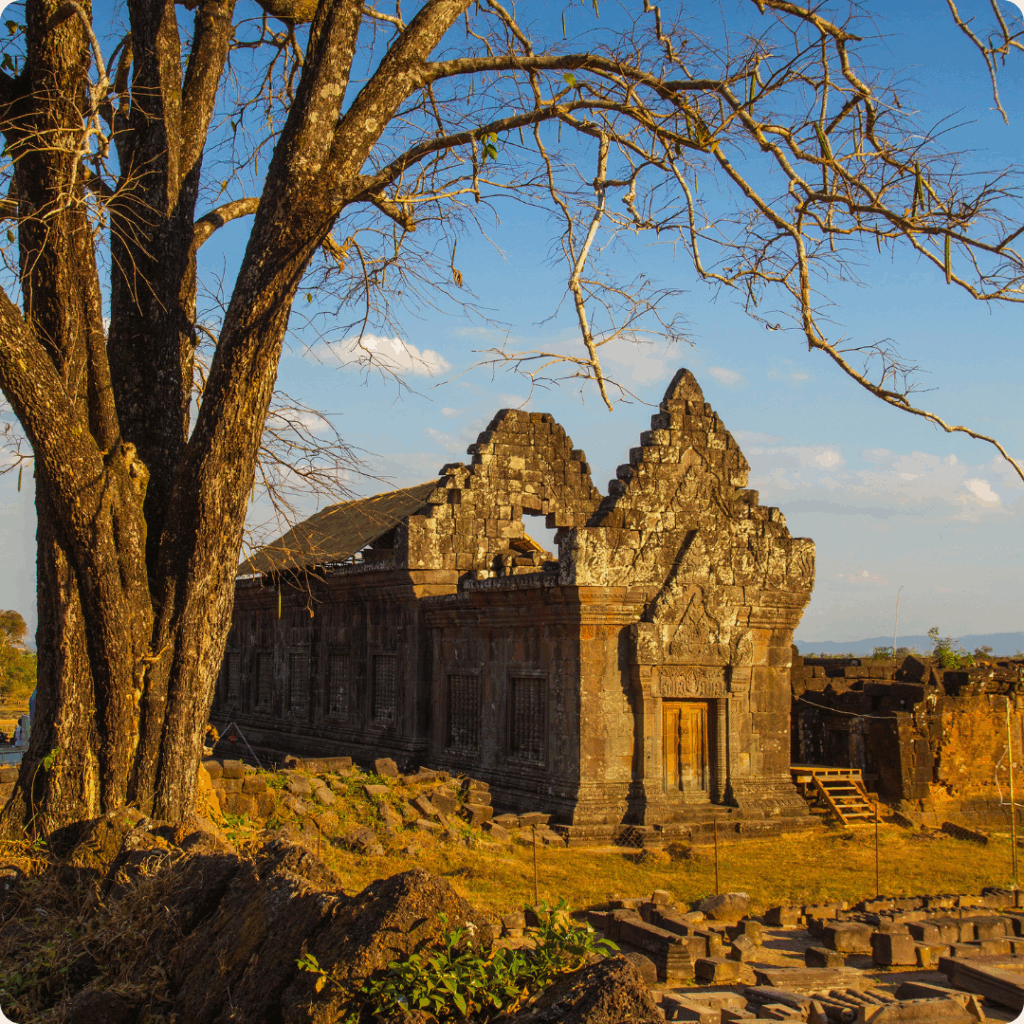
Laos culture & etiquette
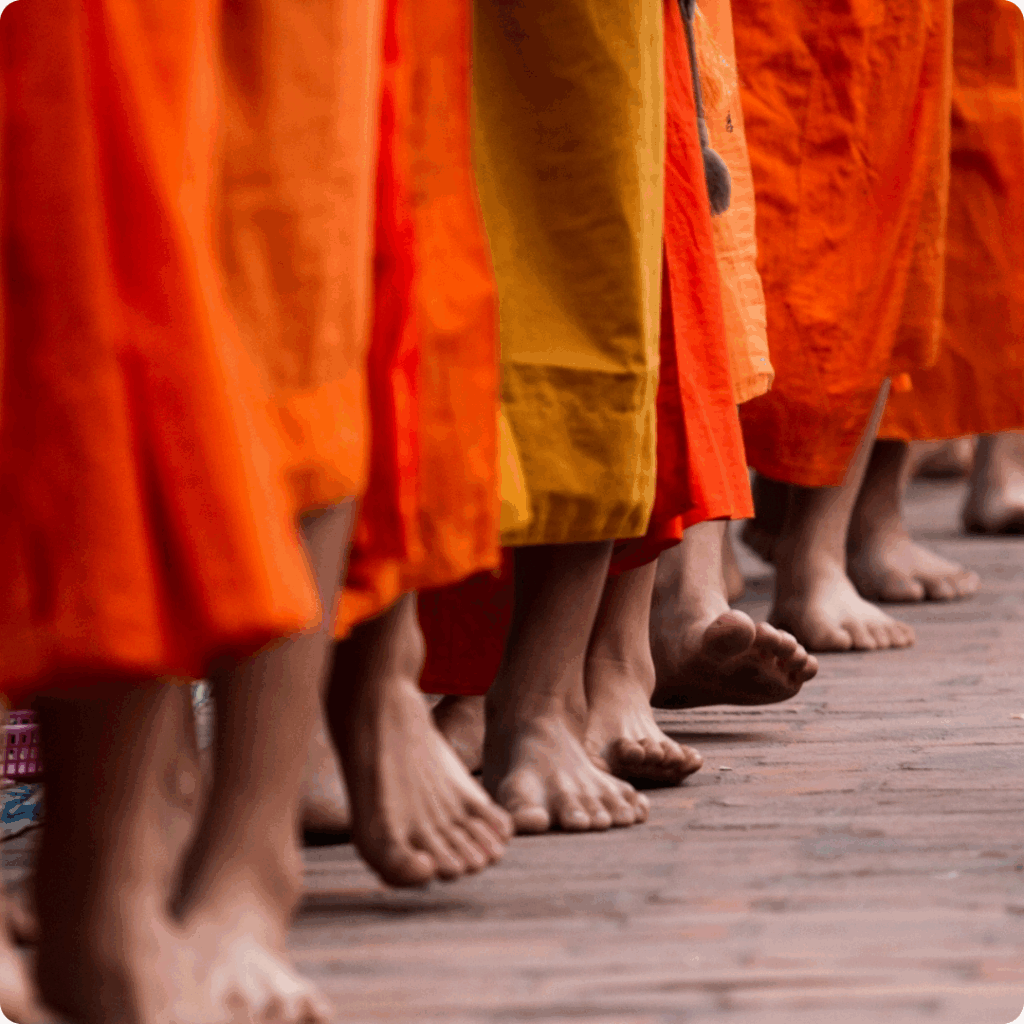
Dress:
Laos is relatively relaxed about clothing, although shoulders and knees should be covered when visiting temples. Modest attire is appreciated in rural areas and when observing religious rituals..
Photography:
It is polite to ask permission before photographing monks or rural communities. Certain temples and ceremonies may restrict photography.
Tipping:
Not obligatory but appreciated. Small gratuities for guides, drivers and service staff are customary.
Social norms:
Laotians value calm, gentle communication and a sense of harmony. The nop (hands pressed together with a slight bow) is used as a respectful greeting or thank-you.
Accommodation insights
Boutique & Heritage Hotels:
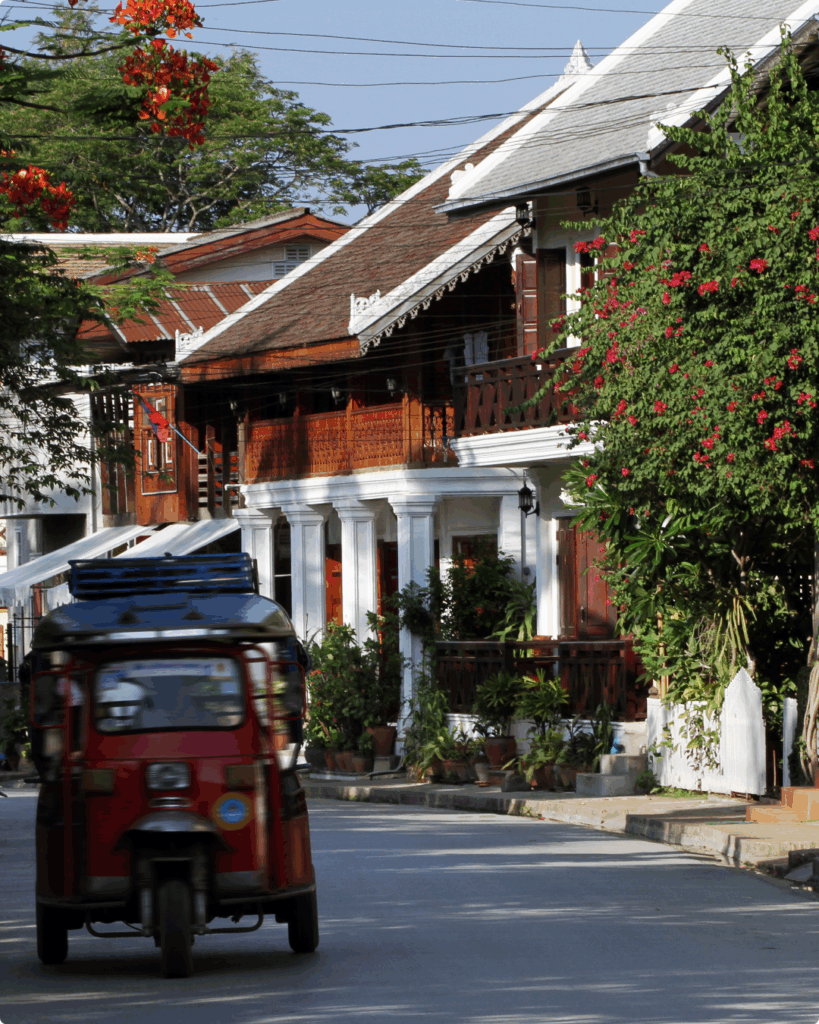
Luang Prabang offers beautifully restored villas, riverside suites and boutique properties with French-Indochine character and warm service.
Eco-Lodges & Nature Retreats:
Northern and southern Laos feature excellent eco-stays, from forest lodges in Nam Et–Phou Louey to riverside cabins in Nong Khiaw or Champasak.
Riverside & Mekong Stays:
Mekong-facing hotels and lodges provide peaceful sunset views, easy river access and an ideal base for slow travel.
Adventure & Mountain Lodges:
Vang Vieng, Luang Namtha and Bolaven Plateau offer nature-focused retreats suited to trekking, kayaking and exploration.
Family-Friendly Options:
Luang Prabang and Vang Vieng host comfortable boutique hotels with pools and family rooms, ideal for easy-paced stays.
Dining & Cuisine
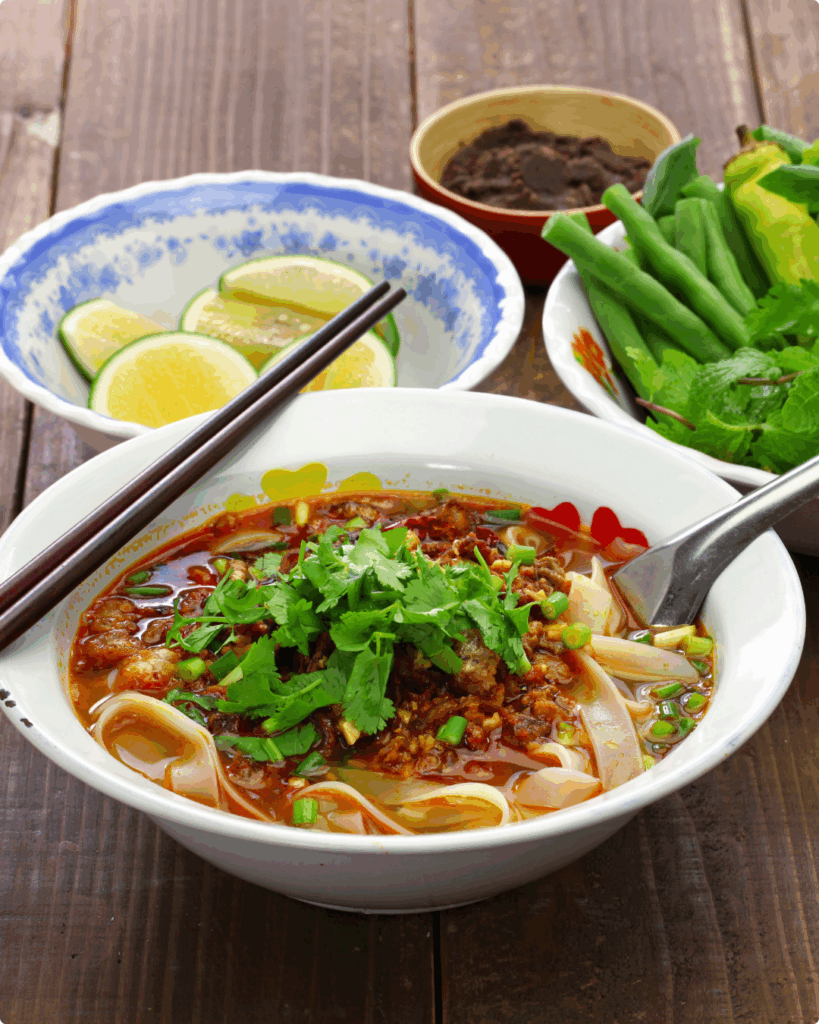
Lao Flavours:
Lao cuisine is herb-driven, fragrant and less spicy than its regional neighbours. Sticky rice is a staple, typically paired with dishes like larb (minced meat with herbs) or mok pa (steamed fish in banana leaf).
Local & Immersive Food Experiences:
Morning markets in Luang Prabang and Vientiane offer an authentic window into daily life. Village meals (often shared family-style) introduce travellers to regional ingredients and traditional cooking methods.
Riverside & Mekong Dining:
The Mekong and Nam Ou Rivers shape much of Laos’ cuisine. Riverside restaurants and simple riverbank grills create memorable settings for relaxed, local meals.
Café & Coffee Culture:
Laos is known for excellent coffee from the Bolaven Plateau, with plantation visits, local roasters and specialty cafés becoming a highlight for many travellers.
Dietary Requests:
Vegetarian and gluten-free meals can usually be arranged in major towns with advance notice, though rural areas may have fewer options.
Getting in and out of Laos
Airports: Luang Prabang and Vientiane are the main international gateways; Pakse is the primary point of entry for southern Laos.
Flight Connectivity: Easy links with Thailand, Vietnam, Cambodia, Singapore and Korea.
Visas: Many nationalities receive visas on arrival or e-visas; always confirm ahead.
Domestic Travel: Short flights, private transfers and scenic river journeys remain common, while the high-speed rail now provides a fast, comfortable alternative between northern and central Laos, significantly reducing travel times and enabling multi-region itineraries with greater ease.
Boats: Popular on the Mekong and Nam Ou; water levels vary seasonally.
Arrival Tips: Fast-track services can expedite immigration during peak times.

Matching Laos with your clients
Laos’ gentle pace, strong cultural identity and pristine natural landscapes make it highly adaptable to different traveller profiles. Here’s how to position the destination for various types of clients:
Luxury travellers:
Luang Prabang offers elegant heritage properties, riverside suites and boutique retreats with refined service. Recommend private Mekong cruises, exclusive temple visits or curated craft experiences for added depth.
Adventurers & active travellers:
Laos excels in soft adventure, from trekking in the northern highlands to kayaking on the Nam Ou or ziplining in Bokeo’s Gibbon Experience. EXO can arrange specialist guides and responsible wildlife encounters in protected areas.
Romantic couples:
The serene atmosphere of Luang Prabang, riverfront lodges and quiet countryside stays create a naturally romantic setting. Sunset Mekong cruises and private alms-giving experiences add memorable intimate moments.
Families & multigenerational groups:
Laos’ welcoming culture and relaxed rhythm suit families well. Children enjoy craft workshops, gentle cycling, waterfall visits and village encounters that offer safe, hands-on learning.
Foodies:
Lao cuisine is aromatic and herb-driven. Recommend food-focused walks in Luang Prabang, noodle soup tastings at morning markets, cooking classes or visits to local coffee roasters on the Bolaven Plateau.
Cultural travellers:
Laos is ideal for travellers seeking thoughtful cultural immersion. Buddhist rituals, weaving cooperatives, storytelling villages and UNESCO-listed Luang Prabang provide rich opportunities for engagement.
Wellness seekers:
Nature-focused retreats, riverside yoga platforms and boutique resorts offering meditation or spa therapies make Laos appealing for slow, restorative travel. Countryside walks and quiet river journeys further enhance wellness itineraries.
Repeat or slow travellers:
Encourage extended time in the North, the 4000 Islands or the rural stretches along the Nam Ou for guests wanting deeper immersion. Multi-night stays, Mekong cruises and community-led experiences suit those seeking a slower, reflective pace.
Responsible travel & local impact
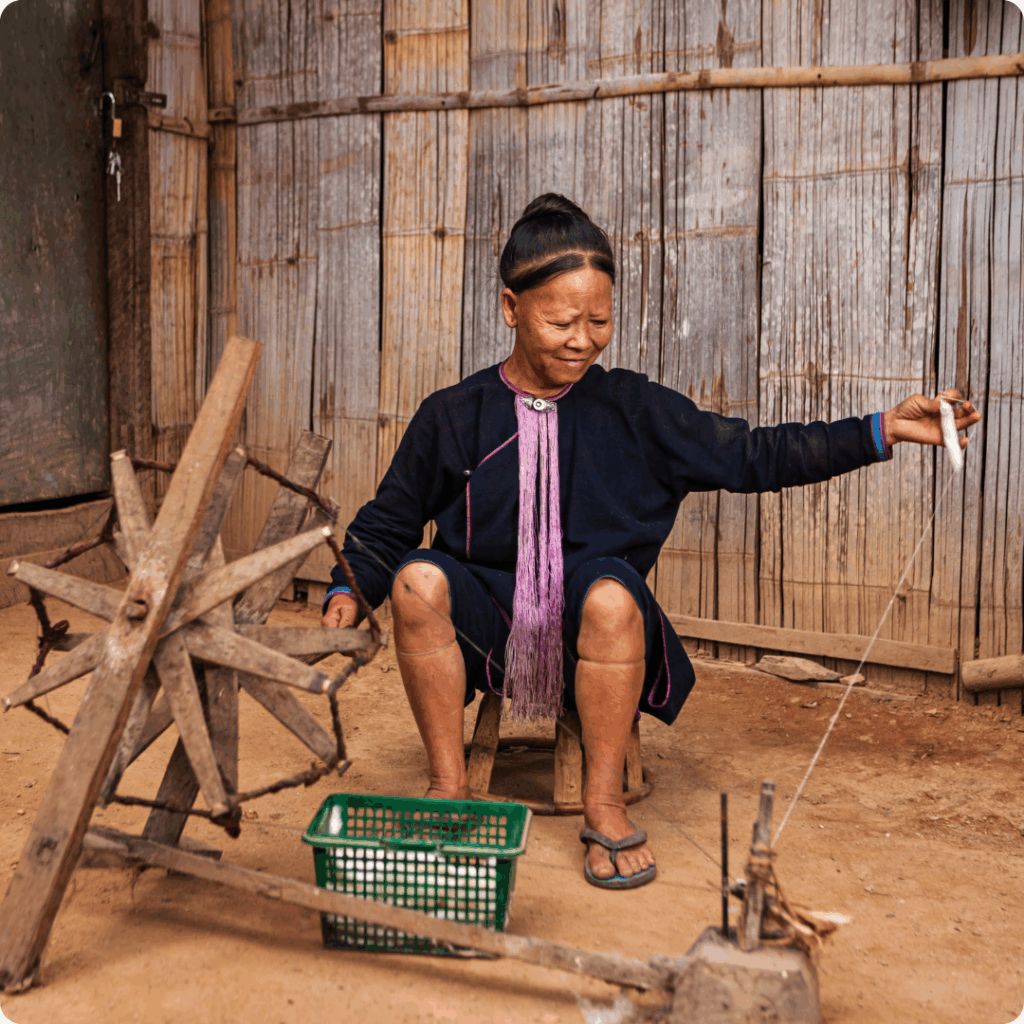
Community-Based Tourism: Laos has a strong tradition of village-based tourism, from weaving cooperatives to homestays and community-led trekking. Choosing these experiences directly supports rural livelihoods and helps preserve traditional crafts and local knowledge.
Nature & Wildlife Protection: Laos is home to important conservation areas, including Nam Et–Phou Louey and Bokeo’s Gibbon Experience. Travellers should avoid exploitative wildlife attractions and instead support organisations focused on habitat protection, gibbon conservation and responsible elephant welfare.
Heritage Protection: Historic temples, stupas and cultural sites are sensitive spaces. Visitors should avoid climbing on structures and follow designated paths to help safeguard these important landmarks.
Eco-Practices: Encourage the use of refillable water bottles, reduced single-use plastics and stays at properties with strong sustainability commitments.
Logistics & ground realities
- Transport: Private transfers and boats are the most reliable way to move between regions. Between northern and central Laos, the high-speed train ensures swift and comfortable journeys.
- Tour Timings: Early mornings and late afternoons work best for temples, markets and outdoor touring.
- Guides: Licensed guides enhance cultural understanding and handle regional nuances.
- Currency: The Lao Kip (LAK) is used widely; cash remains important outside cities.
- Connectivity: Wi-Fi is common in major towns; rural areas may have limited connectivity.
- Healthcare & Safety: Laos is generally safe; advise normal precautions and bottled/filtered water.
- Accessibility: Rural terrain and heritage sites can be challenging for travellers with mobility needs.
Laos FAQ
Final tips for travel designers:
- Clarify your clients’ goals. Laos most suits heritage, nature, wellness and slow travel.
- Design with seasonality in mind, as river levels and rural road conditions vary.
- Balance key highlights with lesser-known areas for deeper cultural insight.
- Recommend two to three nights in Luang Prabang for a well-rounded experience.
- Use EXO’s on-the-ground expertise for seamless logistics, insider access and responsible experiences.
How many days do travellers need for Laos?
A minimum of 5–7 days works well, though 10–12 days allows time to combine Luang Prabang, Vang Vieng and the South at a comfortable pace.
Can Laos be combined with Thailand, Cambodia or Vietnam?
Yes — Luang Prabang and Vientiane offer excellent regional connections.
Are private guides recommended?
Highly recommended for cultural sites, trekking, and village visits.
Is Laos safe?
Very safe when using standard travel awareness.
Are dietary needs easy to accommodate?
Generally yes in major towns; rural areas need advance planning.
Is Laos suitable for LGBT travellers?
Accepting in cities and tourist areas; discretion is advised in rural communities.
Is Laos good for children?
Yes — gentle activities, calm environments and friendly locals make it suitable for families.
What should clients pack?
Breathable clothing, modest attire for temples, comfortable shoes, sun protection, insect repellent and a reusable water bottle.


 " alt="">
  " alt="">
 " alt="">


