

Getting started:
Cambodia in a nutshell
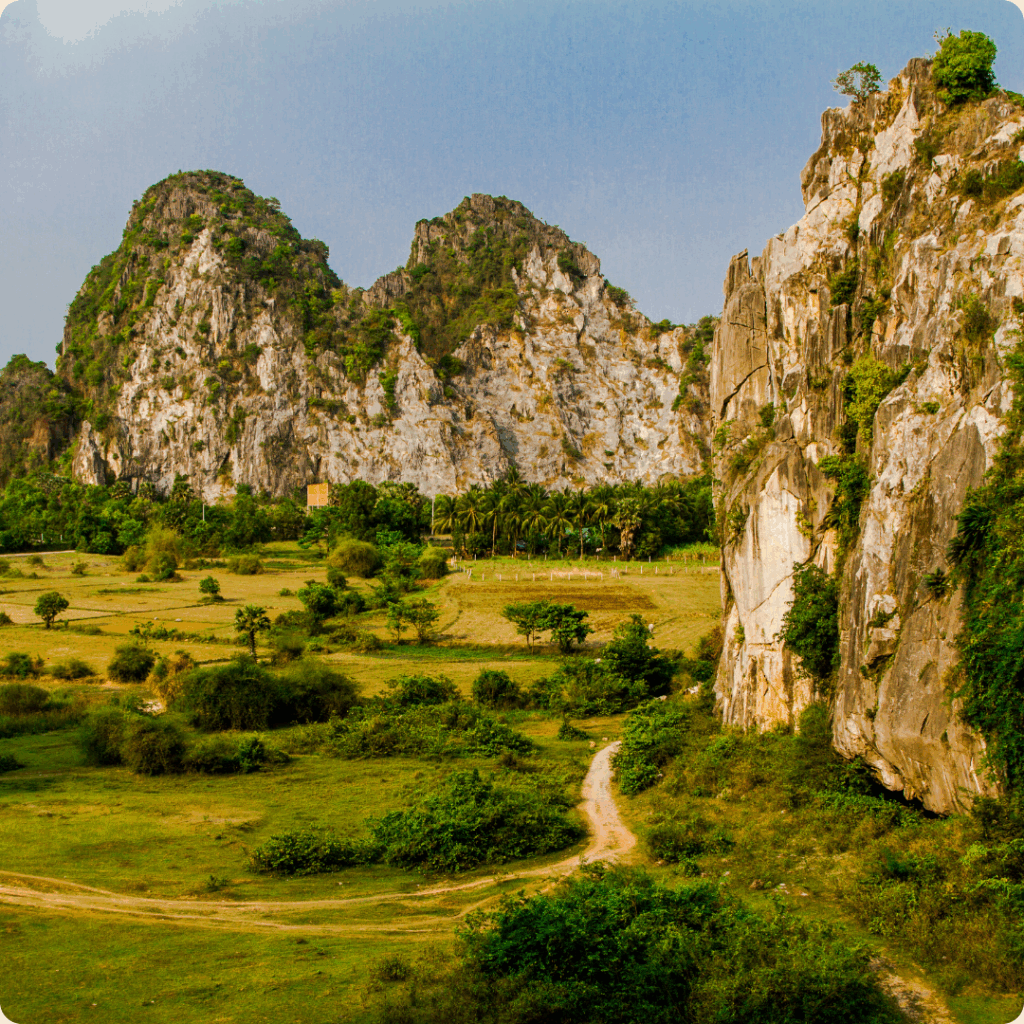
Cambodia has long been a remarkable destination for history enthusiasts, with the temples of Angkor crowned by iconic Angkor Wat continuing to astonish travellers from around the world. Yet its appeal stretches far beyond these ancient wonders. Phnom Penh is seeing exciting growth, with its colonial quarters and riverside charm now sitting alongside fast-developing neighbourhoods and a new international airport that reflects the capital’s growing energy and ambition. A creative cultural revival is unfolding in design studios, galleries and cafés, while rural landscapes reveal a slower rhythm of life still deeply tied to nature and tradition. Along the southern coast, quiet bays, offshore islands and a handful of stylish beach retreats offer a laid-back alternative to Asia’s better-known beach hotspots.
Travelling here is surprisingly straightforward, with good connectivity between major regions and an expanding selection of boutique hotels, eco-lodges and high-end retreats. What truly sets Cambodia apart is the warmth of its people and the sense of intimacy in its experiences. From sunrise over Angkor Wat to evenings on the Mekong or unhurried days by the sea, Cambodia offers an emotional resonance that few destinations can match.
Cambodia’s top-selling regions:

Best times to visit Cambodia
Cambodia is largely a year-round destination, with the cool dry season (November to April) considered the most comfortable for classic itineraries. This period is ideal for temple exploration, river cruises and urban touring. The green season (May to October) brings afternoon showers, vibrant landscapes and fewer crowds. Travellers visiting during these months often enjoy softer light at Angkor, better value and lush scenery in rural regions.
Temperature and rainfall vary slightly by region, but in general:
- Cool-dry (Nov–Feb): Best for most visitors
- Hot-dry (Mar–Apr): Ideal for coastal extensions
- Rainy (May–Oct): Great for slow travel. Lush green scenery with less travellers, making it more peaceful and affordable.
Cambodia culture & etiquette
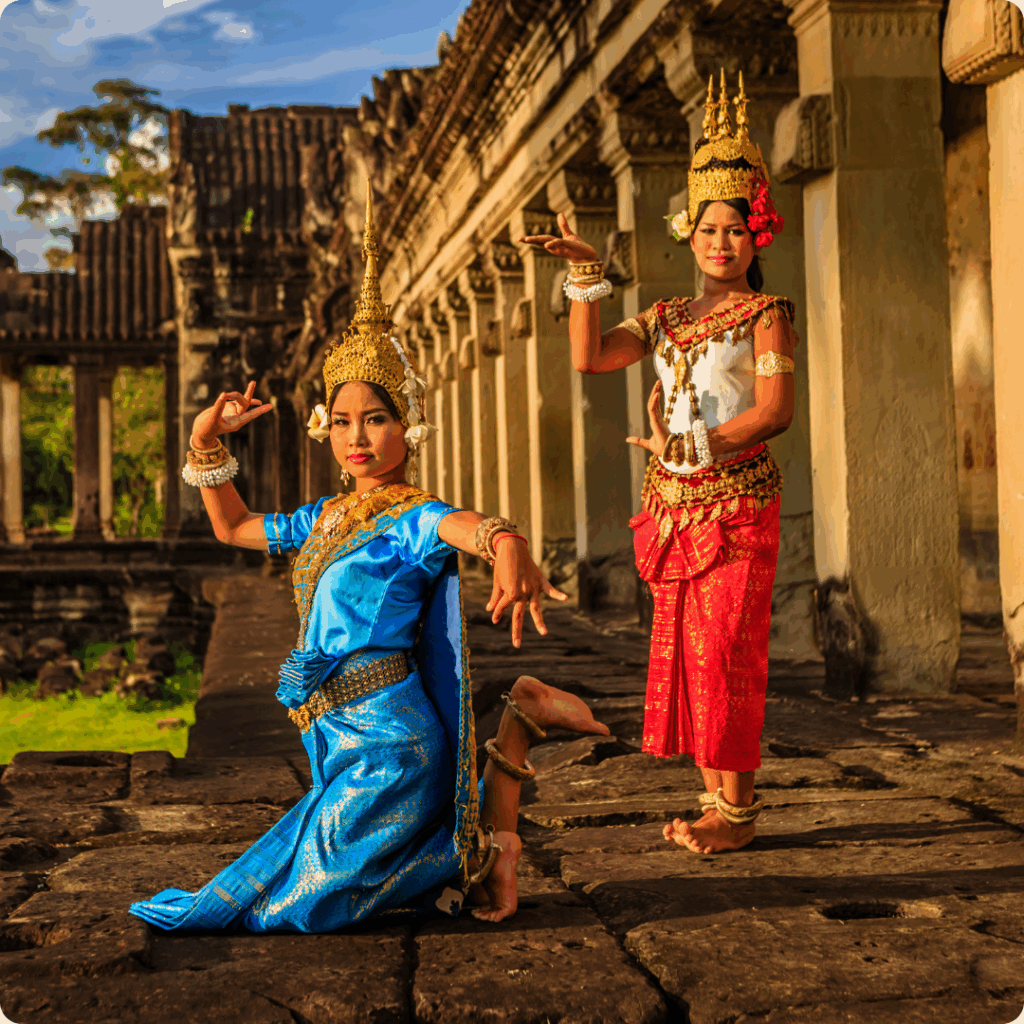
Religious sites:
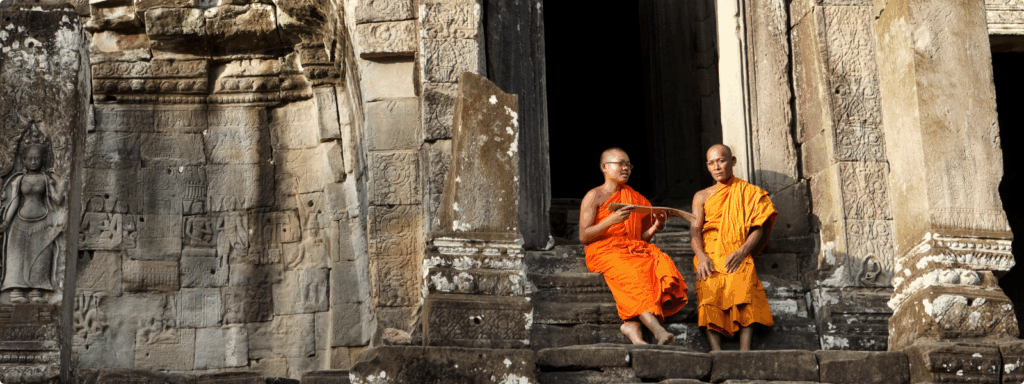
Angkor and Cambodia’s other temples are delicate historic sites. Travellers should avoid climbing on structures and behave respectfully, particularly during prayers and ceremonies.
Dress:
Cambodia is generally relaxed about clothing, though shoulders and knees should be covered when visiting temples, the Royal Palace and memorial sites such as the Tuol Sleng Genocide Museum and Killing Fields.
Photography:
Seek permission before photographing monks or rural communities. At Khmer Rouge memorial sites, photography should be discreet and respectful.
Tipping:
Not required but appreciated. Small gratuities for guides, drivers and service staff are customary.
Social norms:
The sampeah, a slight bow with hands pressed together, is used to greet, thank or show respect.
Accommodation insights
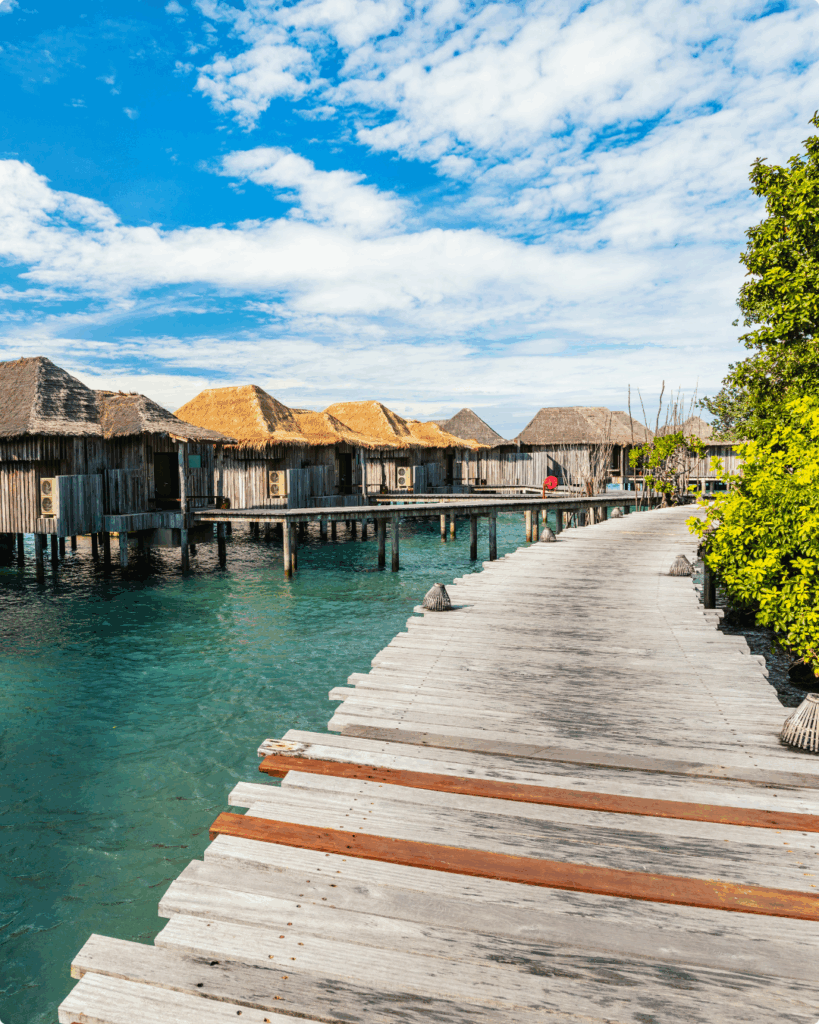
Cambodia’s accommodation landscape is evolving quickly, with an exciting mix of established favourites and up-and-coming properties. In Siem Reap and Phnom Penh, travellers can choose from beautifully restored colonial villas, contemporary Khmer-inspired boutiques and intimate heritage hotels offering warm, personalised service. High-end resorts, whether in Siem Reap, on the islands off Sihanoukville, or in select jungle areas, provide exceptional privacy, spa programmes and immersive natural surroundings for guests seeking elevated comfort.
For nature-focused travellers, Cambodia’s eco-lodges in the Cardamom Mountains, Mondulkiri, the Kratie region and the Siem Pang Wildlife Sanctuary offer standout wildlife experiences, conservation-led activities and meaningful community engagement. Riverside stays along the Mekong and Tonle Sap add a slower rhythm, with floating and stilted lodges giving travellers front-row views of river life. Families also have strong options in Siem Reap and along the southern coast, where mid-range resorts offer pools, family rooms and easy access to child-friendly activities.
Dining & Cuisine
Regional flavours:
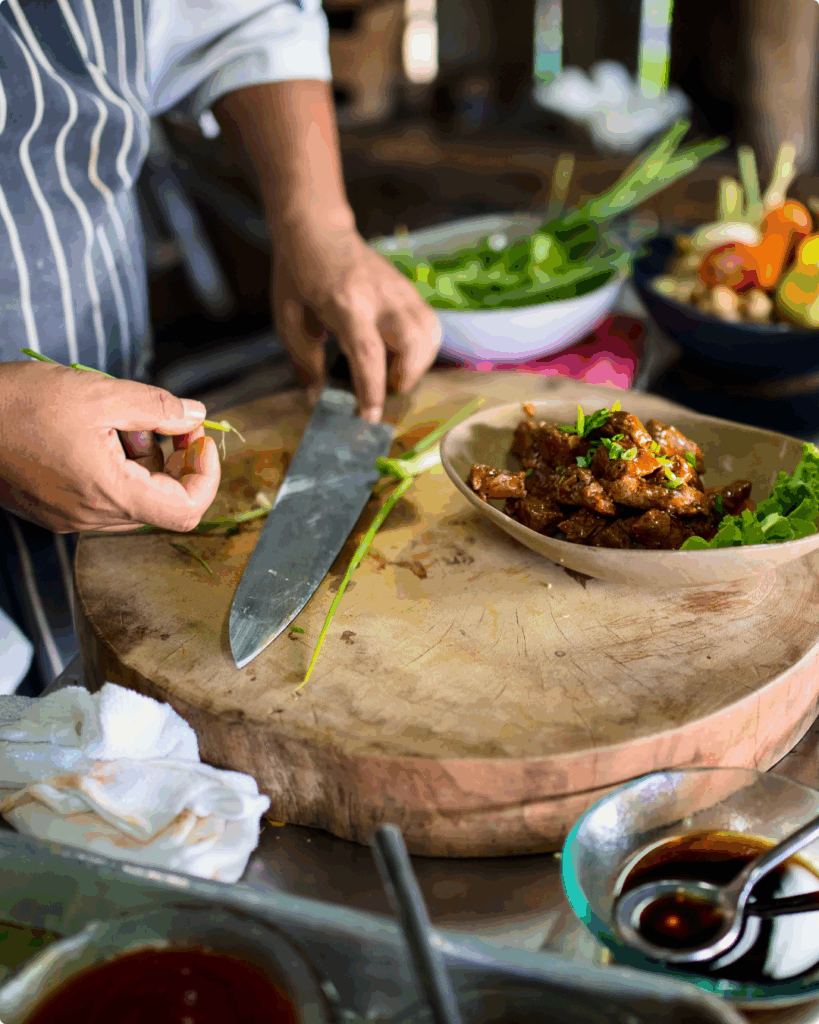
Cambodian cuisine is subtle, aromatic and often less spicy than its neighbours, relying on fresh herbs, fermented pastes and balanced flavours.
Immersive dining opportunities:
Morning markets are central to Cambodian daily life, with street food being generally safe when cooked fresh. Rural lunches, family-style dining and community-based food experiences are also great for engaging with the local culture.
Riverside & lakeside dining:
Tonle Sap and the Mekong strongly shape Cambodia’s cuisine, forming the backbone of many traditional dishes. Lakeside stilt villages and floating communities offer memorable meal experiences.
Contemporary Cambodian cuisine:
Phnom Penh and Siem Reap now host a growing wave of modern Khmer restaurants, tasting menus and innovative chefs reviving heritage recipes.
Dietary requests:
Vegetarian and gluten-free meals can usually be arranged with advance notice at hotels and higher-end restaurants, though rural areas may have more limited options. Some restaurants offer halal food, though availability becomes less likely outside major cities.
Getting in and out of Cambodia
- Airports: Phnom Penh Techo International Airport (KTI) and Siem Reap Angkor International Airport (SAI) serve as the main gateways.
- Flight connectivity: Strong regional links with Thailand, Vietnam, Singapore, Malaysia and other Asian hubs.
- Visas: Most nationalities can obtain an e-visa or visa-on-arrival; always verify before travel.
- Domestic travel: Flights connect the major cities; drivers and private transfers are common for regional travel.
- Ferries: Used for island transfers around Koh Rong and nearby islands. River cruises operate on the Mekong, and travellers can also arrive via the Chau Doc–Phnom Penh fast boat from Vietnam.
- Arrival tips: Fast-track services in Siem Reap and Phnom Penh can expedite immigration during peak times.

Matching Cambodia with your clients
Cambodia’s blend of culture, nature and gentle hospitality allows it to be tailored to a wide range of traveller profiles. Here’s how to position the destination for different clients:
Luxury travellers:
High-end properties in Siem Reap, the southern islands, Siem Pang Wildlife Sanctuary and the Cardamoms offer privacy, refined service and curated cultural access. Suggest exclusive temple touring, private blessings or in-depth heritage experiences.
Adventurers & active travellers:
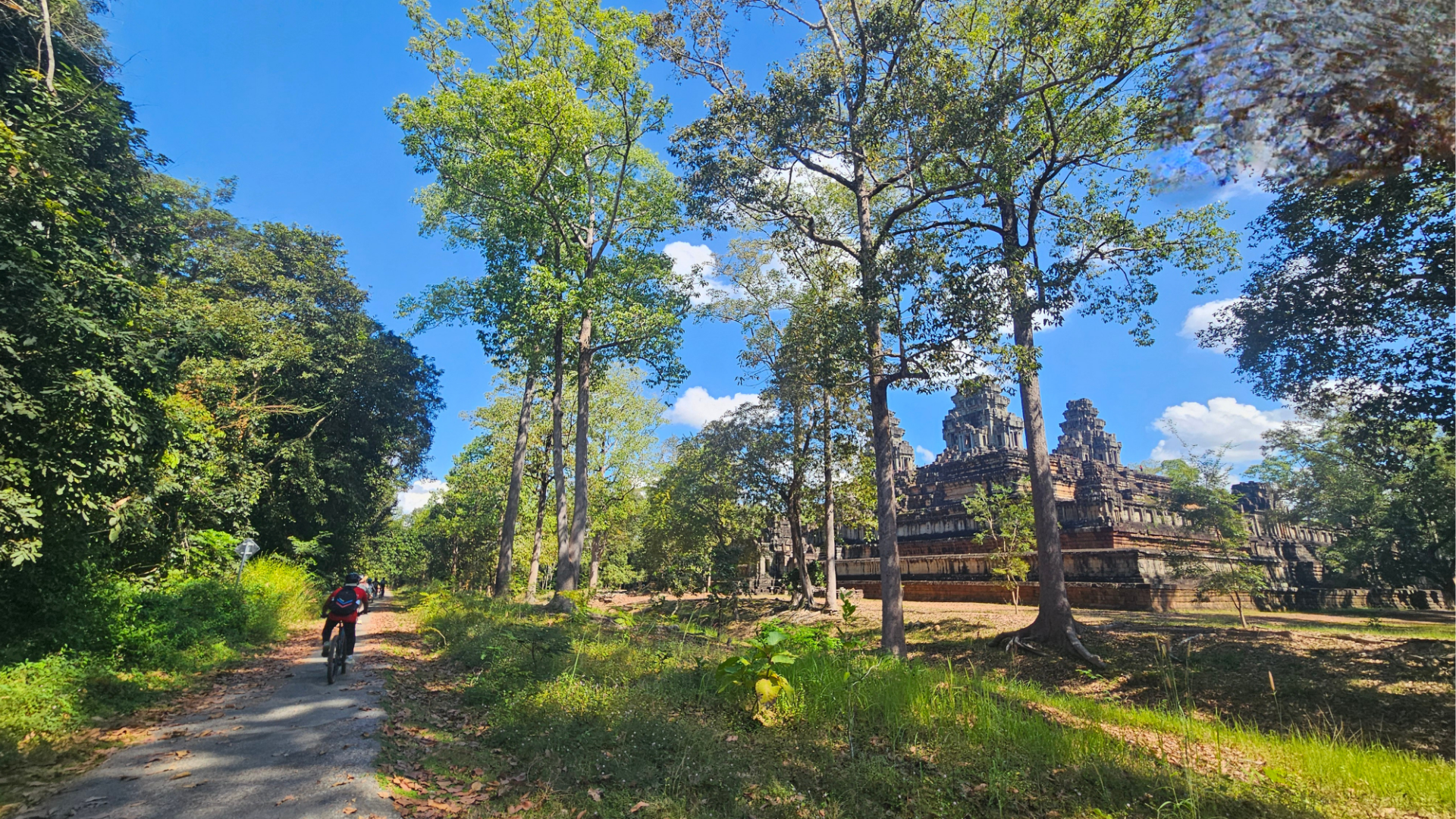
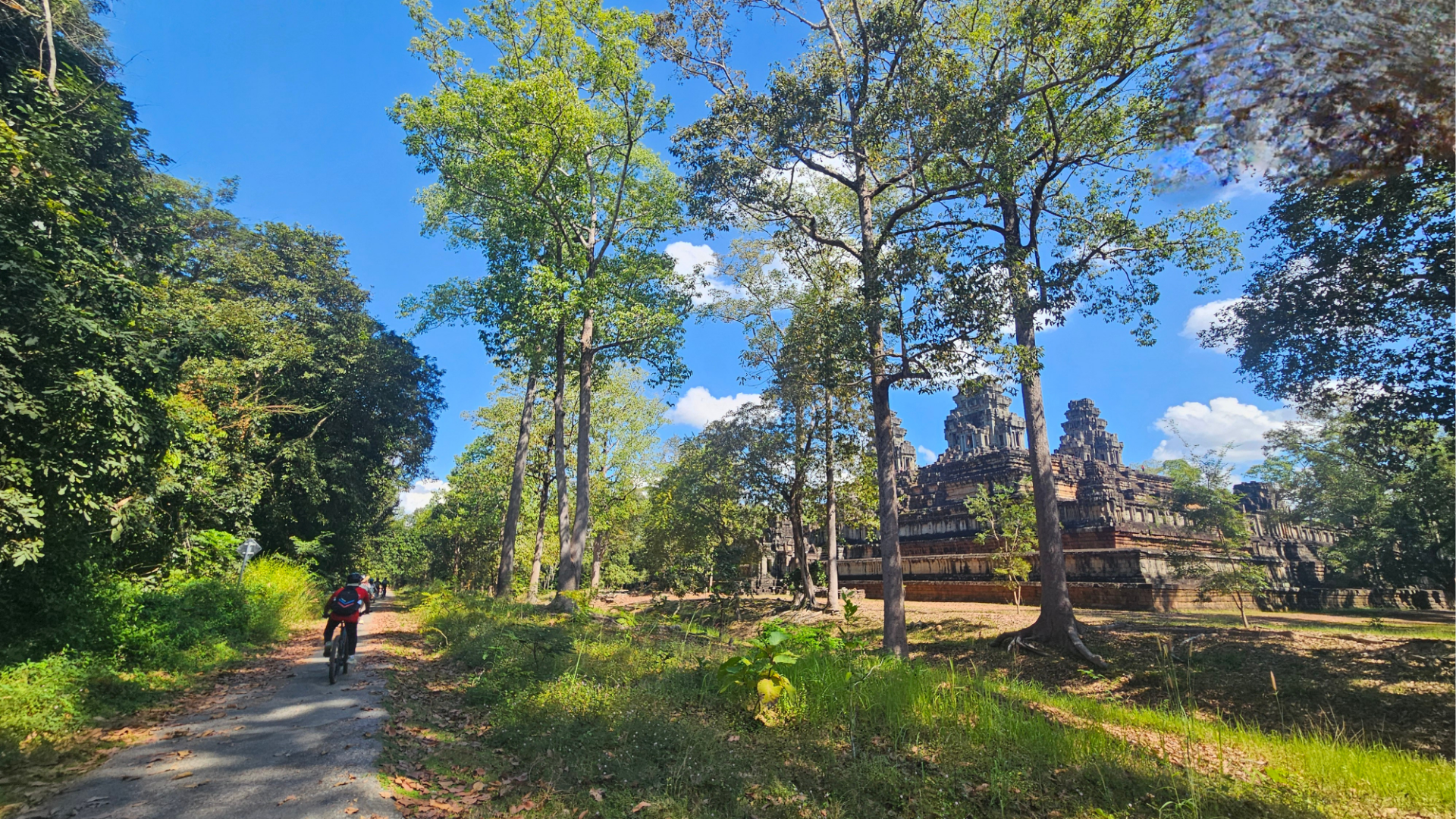
From trekking in Mondulkiri to kayaking in the Cardamoms or cycling around Angkor, Cambodia offers active experiences with varied landscapes. EXO can arrange specialist guides and ethical wildlife encounters, including gibbon viewing or river conservation excursions.
Romantic couples:
Cambodia’s peaceful riverside lodges and remote island retreats create a romantic backdrop. Sunset boat trips on the Tonle Sap can be a great addition to the itinerary for couples.
Families & multigenerational groups:
The welcoming culture, accessible activities and relaxed cities make Cambodia great for families. Kids enjoy village interactions, cooking classes, gentle cycling routes and wildlife watching in Kratie or Mondulkiri.
Foodies:
Cambodia’s cuisine is subtle and distinctive, offering fish amok, kampot pepper dishes, market tastings and contemporary Khmer restaurants. Chef-led classes and street-food tours in Phnom Penh or Siem Reap enrich culinary-focused itineraries.
Cultural travellers:
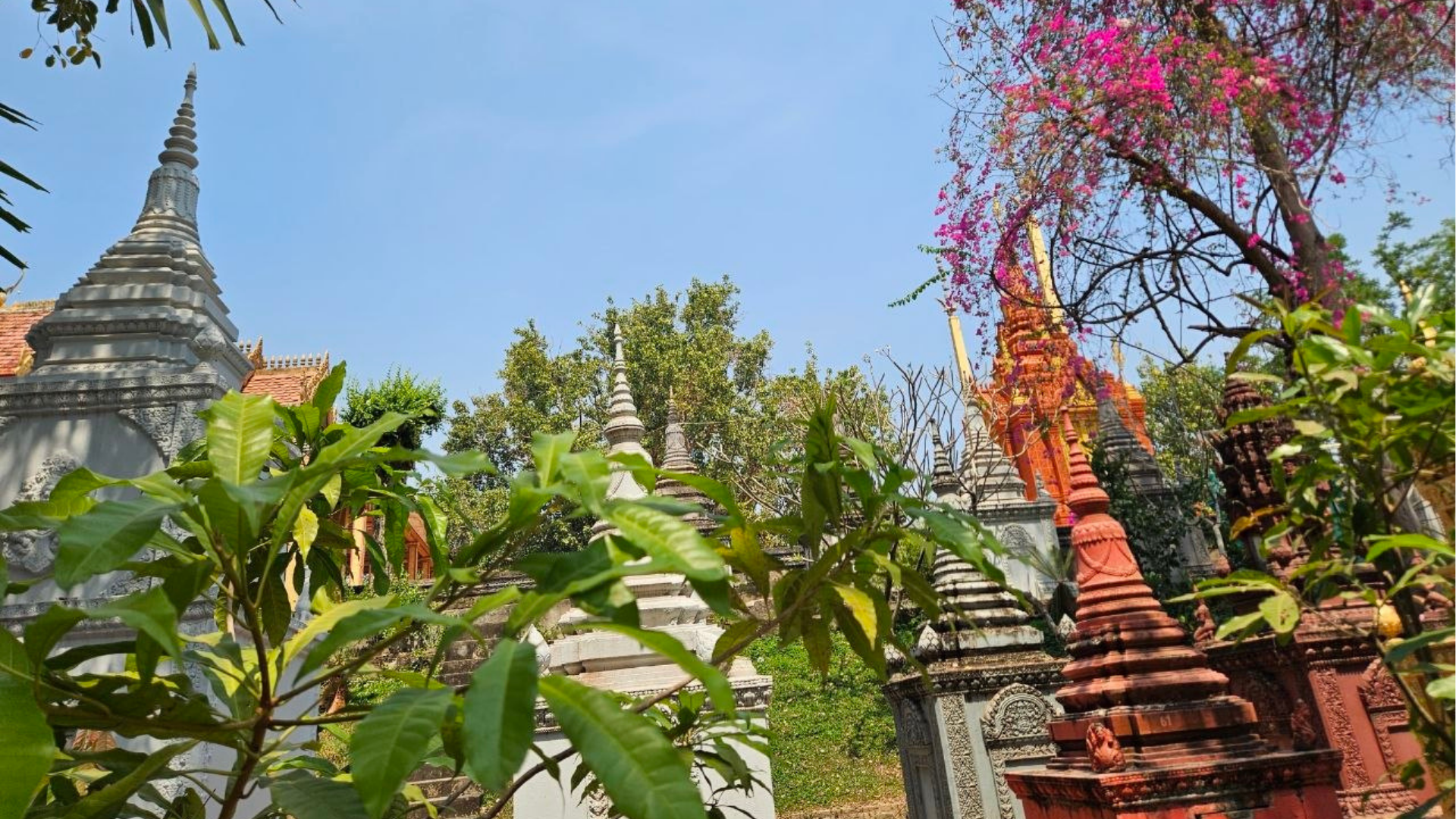
From Angkor to lesser-visited temples, stilted lakeside communities and Khmer arts revival projects, Cambodia is ideal for travellers who want meaningful cultural immersion. Artisans and silk farms provide hands-on experiences.
Wellness seekers:
Jungle lodges, island retreats and boutique hotels often include spa programmes, yoga platforms and nature-based relaxation. Meditation sessions, countryside walks and slow-paced river life appeal to wellness-focused clients.
Repeat or slow travellers:
Encourage longer stays in Battambang, Kratie or the northeast for deeper immersion. Multi-night stays at eco-lodges, community-based tourism and slow Mekong journeys suit travellers seeking a quieter, more reflective pace.
Beach seekers & island escape clients:
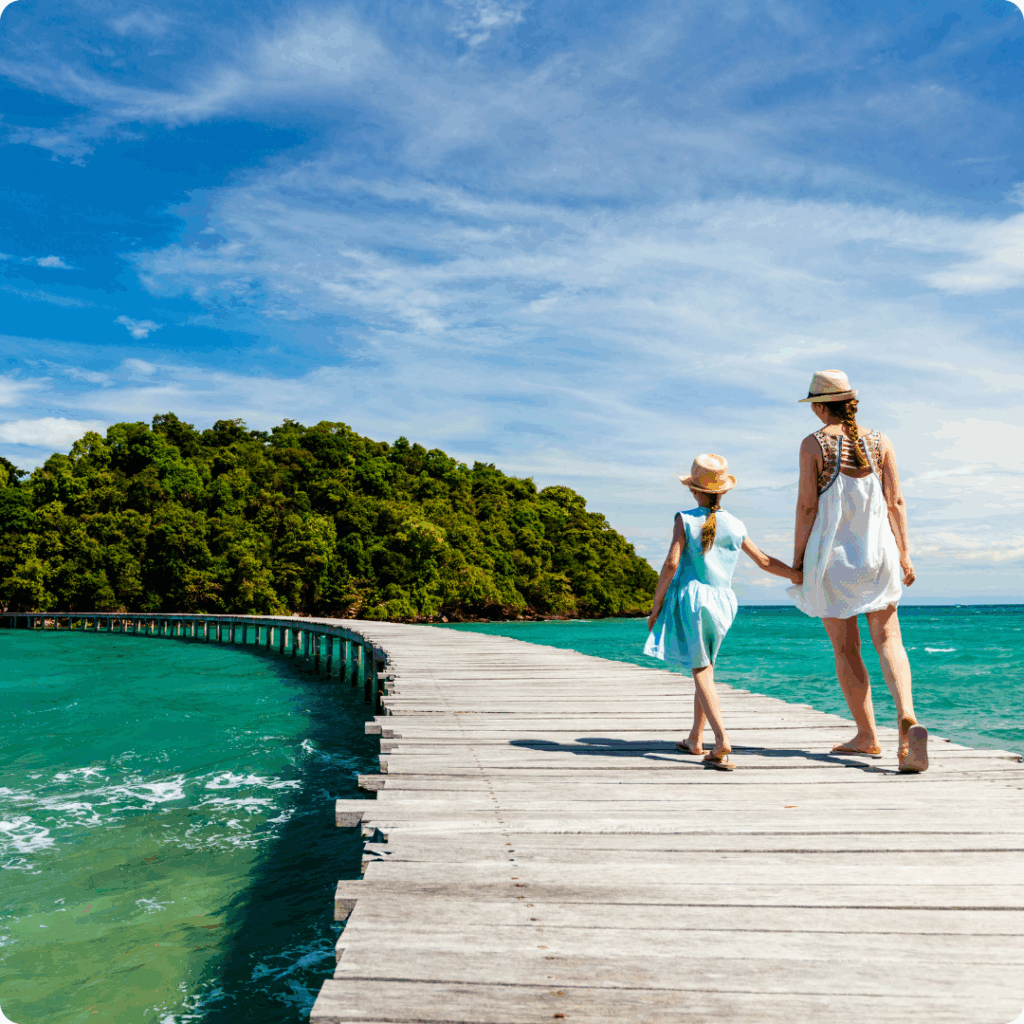
Cambodia’s southern coast and islands offer uncrowded beaches, relaxed seaside towns and a growing number of intimate resorts. Position them as a quieter alternative to regional beach hubs, ideal for clients who want a laid-back coastal stay that still feels a little off the beaten track and pairs easily with time in Angkor or Phnom Penh.
Responsible travel & local impact

Community Based Tourism: Choose homestays, village-led craft workshops and community-run tourism initiatives that directly benefit rural families.
Nature & Wildlife Protection: Cambodia is home to several conservation initiatives. Avoid exploitative wildlife attractions and instead support organisations focused on gibbon rehabilitation, elephant conservation and river dolphin protection.
Heritage Protection: Temples and historical sites are fragile; visitors should avoid climbing on structures and follow designated paths to help preserve these areas.
Eco-Practices: Promote plastic reduction, refillable water, reef-safe products for island stays and lodges with strong sustainability credentials.
Philanthropy: Travellers wishing to contribute further can support any of the numerous vetted NGOs and community development programmes that focus on education, conservation and long-term empowerment.
Logistics & ground realities
Transport: Private transfers are the most reliable way to travel between regions.
Tour timings: Angkor is best visited early morning or late afternoon to avoid heat and crowds; midday suits lunch or museum visits.
Guides: Licensed guides provide essential cultural context and smooth logistics, especially at Angkor.
Currency: Cambodia is shifting toward greater use of the riel (KHR). Small purchases often require riel, while larger hotels may accept USD.
Connectivity: 4G WIFI available throughout the country. Pocket WIFI can be provided upon request.
Healthcare & safety: International-standard clinics and hospitals are available in Phnom Penh and Siem Reap; bottled or filtered water is recommended. Cambodia is generally safe with normal precautions.
Accessibility: Major hotels offer good access, though temples and rural areas often have uneven terrain. Confirm mobility needs in advance.
Final tips for travel designers:
- Cambodia works well alone or in combination with Vietnam and Laos. If clients are looking for a varied holiday, designing a multi-country journey is easy.
- Plan with seasonality in mind, since Tonle Sap water levels, temple crowds and northeastern road conditions vary throughout the year.
- Pair Angkor with lesser-known regions such as Battambang, the Cardamoms or the northeast for a more balanced itinerary.
- For a better experience, a balanced visit between temples and local life/workshop experiences is preferred, allowing time to truly enjoy each sight and giving breaks from the high temperature and humidity.
- Ending a trip to Cambodia at one of the islands for a tranquil, rejuvenating beach escape.
- Use EXO’s on-the-ground expertise for seamless logistics, insider access and responsible experiences.
Cambodia FAQ
Can Cambodia be combined with Vietnam, Laos or Thailand?
Yes, Phnom Penh and Siem Reap have excellent regional flight links, making multi-country itineraries smooth and efficient.
Do travellers need private guides and drivers?
Highly recommended, especially for Angkor, rural provinces and longer overland journeys. Guides unlock cultural understanding and ensure seamless logistics.
Is Cambodia safe for tourists?
Yes, very safe when practising normal precautions.
What are the visa requirements?
Many nationalities can obtain an e-visa or visa on arrival. Advisors should confirm requirements before travelling, as regulations can change.
How easy is it to accommodate dietary requests?
Quite easy in Phnom Penh, Siem Reap and major hotels. Rural areas may have limited options, so advance arrangements are important.
Is Cambodia suitable for LGBT travellers?
Yes, Cambodia is generally accepting, especially in cities. Public affection is discouraged, particularly near religious sites.
Is Cambodia child-friendly?
Absolutely. Families enjoy Angkor’s wide open spaces, wildlife encounters, gentle cycling, cooking classes and village activities.
What should clients pack?
Light, breathable clothing; a scarf for temple visits; comfortable walking shoes; sun protection; insect repellent; and a refillable water bottle. Modest attire is required for Angkor and pagodas.

 " alt="">
  " alt="">
 " alt="">


