

From encounters with samurais to towering robots, hands-on cooking classes to walks amid beguiling landscapes, this two-week Japan family holiday packs a lot of punch. Be immersed in the local culture and discover Japan’s incredible history with guided excursions sure to please both kids and adults.

Itinerary
📍 Narita International Airport (NRT) to Central Tokyo: 1.5 h Haneda International Airport (HND) to Central Tokyo: 50 min
Upon arrival to Tokyo’s airport, one of our representatives will be waiting to assist the family with transport into the city. After reaching the hotel and checking in, the remainder of the day is free at leisure.
Overnight in Tokyo
Inclusions:
📍 Start (guided tour): 09:00 Duration: 8 h
This morning, depart alongside the guide to Asakusa, one of Tokyo’s shitamachi (old towns) where a traditional atmosphere still lingers in the air.
The first stop is Senso-ji, the most famous temple in Tokyo. The guide will explain some basic temple customs, from purifying the hands to praying and paying respect to ancestors. In the small stalls nearby, get a chance to try some Japanese snacks before moving onto the next destination.
A short walk from the temple is Kappabashi, the so-called Kitchenware Town lined with dozens of specialized stores for knives, Japanese tableware, and even food replicas. Try the art of crafting plastic replica food in one of the specialty shops, an interesting souvenir to take home!
Around noon, stop by one of the local restaurants for lunch. Although there’s a variety of food to choose from, Asakusa is particularly known for its delicious tempura.
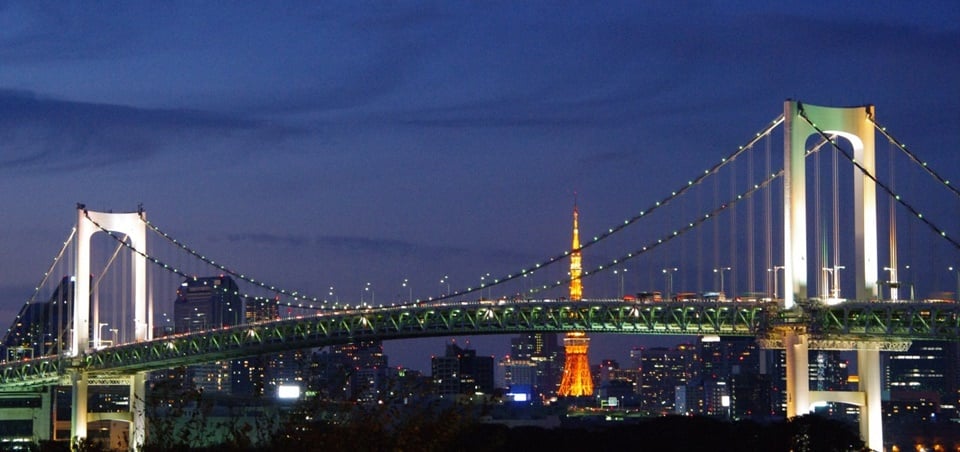
In the afternoon, take the automatic train passing through the skyscrapers and reach Odaiba, a man-made island with a stunning view of the city and its futuristic buildings.
Overnight in Tokyo
Inclusions:
☕ Breakfast, 🥘 Lunch
Today is a self-guided day.
Suggested Self-Guided Itinerary:
There are plenty of kid-friendly venues in Tokyo, such Miraikan (National Museum of Science and Innovation). Other suggestions for families include Tokyo Disneyland and Disneysea.
Note: Tickets to Ghibli Museum and Tokyo Disney Resort need to be arranged in advance (subject to availability).
Optional Activity (1): Samurai Sword Lesson
Learn how to fight with a samurai sword from some of Japan’s most famous sword choreographers at Tetsuro Shimaguchi’s Kamui Sword Artists.
Shimaguchi is the leading member of Kamui, a Japanese sword performance troupe whose unique fighting style and technique are breathtaking to watch. They often collaborate with artists from different backgrounds and genres, always offering impressive performances.
The day’s lesson will cover the basic movements of sword fighting, including drawing, posing and swinging. Then, visitors will have the chance to try out their new found skills by pairing off for some practice swordplay.
Time:
Duration: 90 min
Optional Activity (2): Cool Tokyo Cycling Tour
Today’s tour starts at 9:00 or 14:00. Meet the guide, who is sometimes accompanied by his adorable dog “Jack-san,” at Sasazuka Station, and head together to the cycling studio for a bicycle and helmet fitting. On the way, listen to some fascinating insights and entertaining anecdotes about the local neighbourhood, and get some useful explanations from the guide about Tokyo’s cycling etiquette and today’s itinerary.
When everything is ready, depart for today’s cycling tour. Leave Sasazuka with the guide, and cycle to the first location, enjoying the best of Tokyo’s urban design and natural environment on the way. Depending on the season, enjoy the surrounding foliage, which is especially beautiful in the spring when the plum and cherry blossoms bloom, and in the autumn, when the trees are a blaze of colour. There will be several cultural and architectural design stops along the way, where the guide will share interesting information and allow some time for photos.
Bike through Tokyo’s backstreets, local shotengai (small commercial streets) in hip neighbourhoods such as Shimo-Kitazawa, and some little-known parks, seeing the guide’s favourite areas and shops, and stopping for a break at a charming café.
Finally, enjoy the ride back to Sasazuka where the bicycles will be returned to the guide.
Time:
Start: 9:00 or 14:00
Duration: 3 h to 4 h
Journey: 10 km (mostly cycling, a bit of walking and light sightseeing also involved).
Optional Activity (3): Manga Drawing in Tokyo
Manga has been an integral part of Japanese arts and culture with roots dating as far back as the 12th century. Today, manga can be found in different types of publication, with varying genres ranging from comedy to action.
Get to know some basics of manga drawing with the guidance of a Japanese teacher. The class will take place in a Japanese school in Central Nakano, the district in Tokyo famous for anime and otaku (die-hard fans). During the 2-hour class, learn the history of manga and how to create this uniquely Japanese art form.
Time:
Duration: 2 h
Overnight in Tokyo
Inclusions:
☕ Breakfast
📍 JR Tokyo Station to JR Yokohama Station: 30 minTime: Start (guided tour): 09:30 Duration: 8 h
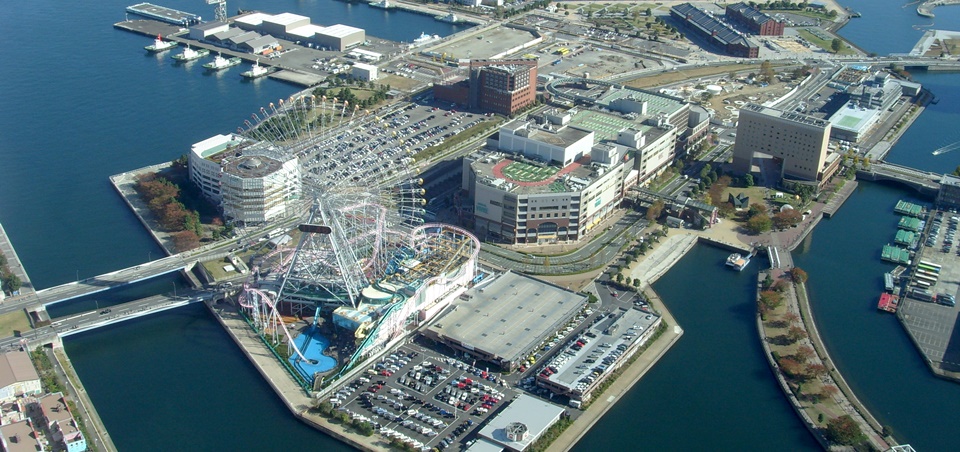
Travel to the international port city of Yokohama, a popular out-of-town destination from Tokyo for its proximity and laidback atmosphere.
Visit Hara Model Railway Museum, home of the largest model train collection in the world. Model trains are fascinating to kids of all ages, and a visit to this museum is like a miniature trip around the world.
Next on the list is the Cup Noodle Museum, revealing the unique history behind this Japanese invention known around the world. There are fun and interactive workshops, including the Cup Noodle Factory where kids can create their own cup noodle.
For lunch, head to the Noodles Bazaar and try the noodles from eight different countries.
Within walking distance from the museum is Yamashita Park, the first seaside park in Japan that opened in 1930. Take a stroll to nearby Osanbashi Pier, a beautiful open space where the kids can run freely surrounded by views of Yokohama.
End today’s tour on a short boat ride from the park to Yokohama Station, taking the train back to Tokyo.
Overnight in Tokyo
Inclusions:
☕ Breakfast, 🥘 Lunch
📍 JR Tokyo Station to JR Kanazawa Station: 3 h
Today is a self-guided day.
Today is free at leisure to explore Tokyo until the included afternoon train journey to Kanazawa via shinkansen (bullet train).
Overnight in Kanazawa
Inclusions:
☕ Breakfast
📍 Start (guided tour): 09:00 Duration: 8 h
Alongside our local guide, explore Kanazawa, the castle town that thrived as the center for culture and the arts in the 17th century.
Start with the pristine Kenroku-en Garden, which is ranked as one of Japan’s top three gardens. The garden is home to the oldest water fountain in the country, a couple of teahouses, and a large villa that used to be the retirement home of one of the richest clans in Kanazawa. Adjacent to the garden is Kanazawa Castle, easily accessed through the Ishikawa-mon Gate.
Lunch will be inside Omicho Market, known throughout Japan for its fresh seafood and fine sushi. The guide will introduce a local restaurant where some fine local cuisine can be sampled.
After lunch, the children might be craving for something sweet, so head to Morihachi, an artisan sweets shop that has been around for almost four centuries. Learn how to use wooden molds in making traditional Japanese sweets that are usually served in tea ceremonies.
Finally, head across town to the old Samurai district of Kanazawa and visit Nomura House, a restored residence of a high ranked samurai family. Freshly made green tea can be enjoyed on the second floor while viewing the small Japanese garden below.
Overnight in Kanazawa
Inclusions:
☕ Breakfast, 🥘 Lunch
📍 Time: 11:30 – 13:00
Temari Sushi are bite-size sushi made with rice shaped into a small ball and decorated with various toppings.
As a city famous for high quality seafood, there is no better place to make sushi than Kanazawa. For those who prefer veggies to fish, fear not as a varied platter of ingredients will be available to create beautiful looking sushi. This activity takes place in a beautifully renovated traditional Kanazawa machiya house, where all five senses will be stimulated in this delightful experience.
Today’s experience begins at 11:30. Upon arriving at a beautifully restored machiya house, tour the building with the resident chef and learn about the painstaking restoration process. With a tasteful mix of traditional carpentry and modern kitchen amenities, this is an ideal spot to cook with an expert.
Begin by preparing the sushi rice and learning how to shape it into perfectly sized round balls. Next, select toppings from an assortment of seafood, meat, and vegetables. The chef will provide commentary on combining these ingredients to achieve ideal tastes and professional presentation. Temari sushi is much more colourful and cute than regular sushi, so the finished product is perfect for Instagrammers and foodies alike.
After working up an appetite, sit down for a filling lunch of temari sushi. Enjoy local tea paired with the meal to finish off the experience.
Say goodbye to the chef and feel free to continue exploring the area independently.
Suggested Self-Guided Itinerary:
The rest of the day is free at leisure. Enjoy shopping for some souvenirs or visit a couple more places in Kanazawa, such as:
21st Century Museum of Contemporary Art
The museum known for its progressive architecture and ever-changing exhibits. One of the permanent artworks in the museum is Leandro Erlich’s “Swimming Pool,” a pool wherein people can enter and appear as if they are underwater.
Old Town of Higashi Chaya District
One of the three, well-preserved chaya districts in Kanazawa. A “chaya” (teahouse) was where Geishas used to entertain their guests with a song or a dance. Higashi Chaya has several artisan shops, including Hakuza, a specialized store that sells gold leaf products and features a tearoom covered in gold.
Overnight in Kanazawa
Inclusions:
☕ Breakfast, 🥘 Lunch
📍 JR Kanazawa Station to JR Hiroshima Station: 4.5 h
Today is a self-guided day.
This morning is at leisure until the departure for Hiroshima. After the long train journey, check into the hotel and rest or start exploring this amazing city.
Overnight in Hiroshima
Inclusions:
☕ Breakfast
Today is a self-guided day.
Suggested Self-Guided Itinerary:
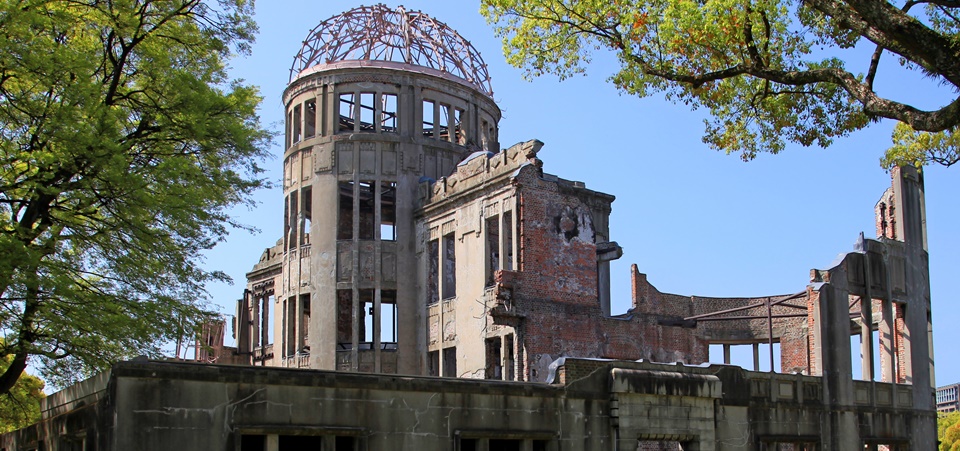
We suggest heading to Genbaku Dome-mae, the nearest station to the heart-rending A-Bomb Dome, the ruins of the former Industrial Promotion Hall of Hiroshima. From the dome, crossover Motoyasu Bridge and stop by the Children’s Peace Monument that features a statue of a young girl and a number of booths filled with colorful paper cranes.
Heading towards the museum, pass by the Cenotaph for the A-Bomb Victims, designed by the 1987 Pritzker Prize winner, Kenzo Tange. Below the arch-shaped stone is a chest that holds the registry of those who perished from the bombing.
Conclude the tour with a visit to the Peace Memorial Museum, which displays the history of Hiroshima before the bombing and exhibits a moving collection of articles, from the personal belongings left by the victims to the damages caused by the bombing.
Near the park are some local restaurants where you can have lunch. We highly recommend okonomiyaki, or “Japanese pancake” with cabbage, pork, ginger, nori, and a special sauce.
After lunch, head to Hiroshima Castle, a good example of hirajiro or a castle that was built on a plain rather than on top of a hill.
Before heading back to the hotel, visit Shukkei-en, a garden with miniature representations of mountains, valleys and forests. Take a break at Sensuitei for some green tea and Japanese confectionery.
Overnight in Hiroshima
Inclusions:
☕ Breakfast
📍 Start (guided tour): 10:00 Duration: 8 h
From mainland Hiroshima, a short ferry ride will head to Miyajima, a small sacred island located in the Seto Inland Sea.
Together with the guide, visit a couple of shrines and temples and sample some local delicacies like oysters, saltwater eel, and maple leaf-shaped cakes. The port is also famous for its large number of tame deer wandering the area.
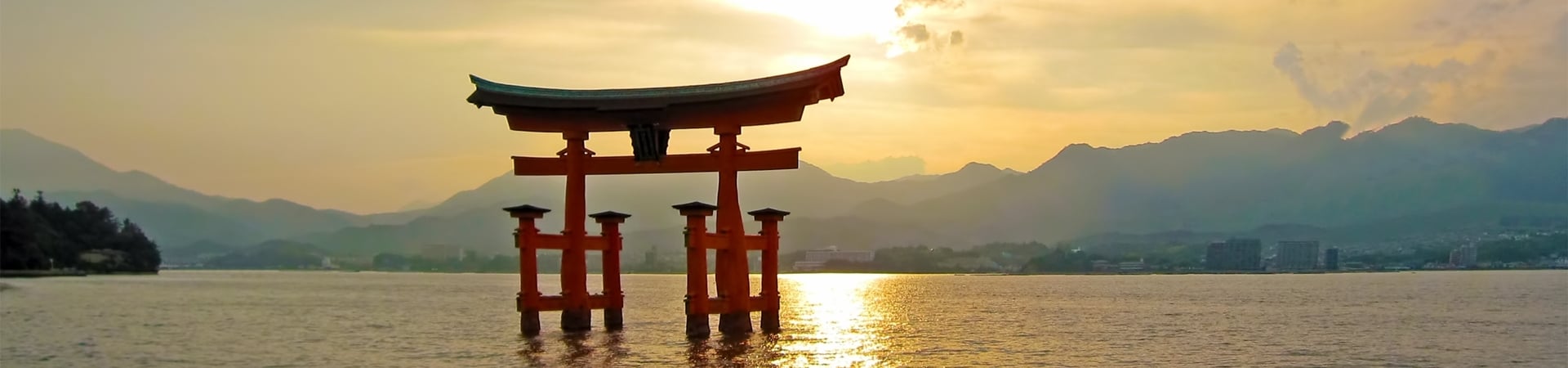
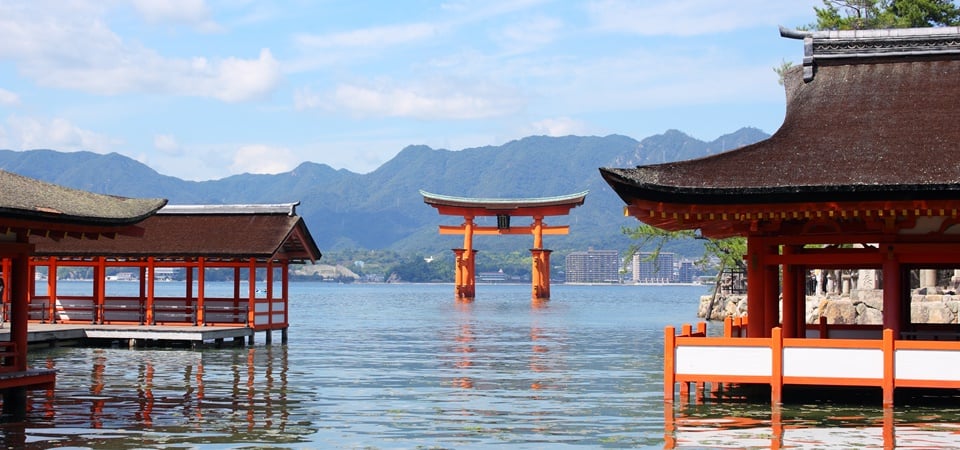
Start with Itsukushima Shrine, designated as one of Japan’s three most beautiful views. The shrine is designed in a pier-like structure and dates back to 6th century. Its huge, red o-torii gate seems to be floating in the water during high tide.
Walk towards the mountain to visit Daisho-in, the most visited Buddhist temple on the island located at the foot of Mt. Misen. Along the stairs, find a row of spinning sutras that lead up to the main hall.
There will also be an option to hike up Mt. Misen to see spectacular views of the surrounding islands.
After a nice day spent outdoors, the guide will provide an escort back to Hiroshima and to the hotel.
Optional Activity: Kayaking in Miyajima
Another scenic option to travel from the mainland to Miyajima is via kayak.
The instructor will provide a briefing on the day’s course, and there will be a chance to get comfortable in the kayaks on the beach before entering the sea. It is possible to kayak all the way out to the Floating Torii Gate- a fantastic photo opportunity.
After snapping some photos, take a break on the shore of Miyajima. Wander through the local stores and pick up some souvenirs before paddling back across the Inland Sea.
Time:
Start: 09:30 or 13:00
Duration: 3 h
Overnight in Hiroshima
Inclusions:
☕ Breakfast, 🥘 Lunch
📍 JR Hiroshima Station to JR Kyoto Station: 2 h
Today is a self-guided day.
Today’s destination is Kyoto, the reigning cultural capital of Japan, home to around 2,000 shrines and temples and 17 UNESCO World Heritage Sites.
Suggested Self-Guided Itinerary:
There are plenty of family-friendly activities in Kyoto. Some afternoon recommendations include the Kyoto International Manga Museum and Toei Kyoto Studio Park.
Overnight in Kyoto
Inclusions:
☕ Breakfast
📍 Time: Start (guided tour): 09:00 Duration: 8 h *including pick-up/drop-off and transit times
Today’s tour starts with a visit to one of Kyoto’s most iconic sites: the Fushimi Inari Shinto Shrine. A lavishly decorated building houses the goddess of rice, and thousands of orange torii gates stretch up the mountainside in long tunnels. Unlike any other shrine in Japan, this is an ideal spot to understand how Shintoism is tied to respect for nature.
Board a train to Sanjusangendo, a stunning Buddhist temple often overlooked by tourists. A mesmerizing display of 1001 life-sized golden Buddhist statues awaits inside the world’s longest wooden building, sure to be one of the most memorable sights of the entire trip.
Take a taxi to the entrance of Nishiki Market, a long covered street of shops and stalls often called “Kyoto’s kitchen.” From traditional to sellers of tofu, fish, and pickles to shops showcasing knives and handicrafts, there is a tantalizing amount of things to see and taste here.
Don’t get too full snacking in the market, as lunch is next at a nearby restaurant. The guide will suggest locations based on the guests’ preferences (guests should notify guide of dietary restrictions at the start of the tour).
After lunch, travel to Nijo Castle, an ornamental palace built for the shogun in the early 1600s. The beautiful building is known for its finely painted walls and “chirping nightingale” floors that squeak under the feet of intruders. Walk the halls, see the audience chambers, and experience what it was like to visit the military ruler of Japan in the classic era of samurai.
Hop aboard the subway for a short ride to the eastern foothills of Kyoto. The final location of today is Nanzenji Zen Temple, a quiet retreat where monks have lived in peaceful repose since 1291. See the famous Zen rock garden whose meaning is left up to the viewer. Is it meant to be islands in a calm ocean, or a depiction of wild animals crossing a raging river?
After a full day of sightseeing, part ways with the guide and return to the hotel or continue to explore independently.
Part ways with the guide and continue exploring the city independently.
Overnight in Kyoto
Inclusions:
☕ Breakfast
Uncover the traditions and customs of Japan’s famous samurai sword fighters. Don a traditional costume and learn the art of kenbu sword dancing. Mimic the graceful movements of the masters, partaking in a unique ritual that dates back more than one thousand years.
Depending on the day it takes place, today’s activity can start at 10:00 or 11:20. Experience one of Japan’s deeply rooted traditions by joining a local expert for an introduction to samurai culture.
Don a traditional outfit, similar in style to the ones worn by samurai soldiers centuries ago. The instructor will then give a brief introduction of the history of these members of the military nobility and their ways of life. Learn the basic etiquette of the samurai before getting a lesson in kenbu. Meaning ‘sword dance’, this series of ceremonial sword movements was developed as a way to enhance concentration and bring out confidence in battles. These days it is performed as a form of entertainment, but is still deeply entrenched in the local culture.
Follow the kenbu master as he demonstrates the graceful movements of the sword. Continue to practise, focusing on the sword and blocking out other distractions as the samurai did long ago. After the lesson, sit back and watch a kenbu performance by masters and apprentices, appreciating the expert skills they have acquired over the years.
While still in traditional costume, take photos with the masters then depart with a ‘samurai certificate’ in hand, a lasting memory of this unique experience.
Time: 10:00, 11:20
Duration: 1.5h
Departure: Daily, except Saturdays, Sundays and public holidays.
Optional Activity: HD Traditional Cooking in Kyoto
Today’s cooking class will start at 14:00. Get a true ‘taste’ of Japan with a fun, half-day cooking class in Kyoto. Meet with the cook at a central Kyoto location and let the culinary adventure begin!
Join the local food expert to prepare a traditional Japanese meal. The cook will share techniques used to prepare the ingredients to create truly authentic dishes. Listen as the cook tells personal stories about food and explains more about the nuances of Japan’s culinary culture. This provides a great glimpse into the often-misunderstood traditions and gestures that accompany a Japanese dining experience.
This afternoon lesson focuses on izakaya cuisine, the food found at popular Japanese-style pubs. Intended to accompany beer, the dishes include steamed egg custard and steamed rice with fish broth.
Once the dishes are ready, sit down for a hearty meal. Share stories while savouring the flavours of authentic, home-cooked Japanese cuisine. The Kyoto cooking class concludes after the meal, bidding farewell to the cook and returning to the hotel.
Time:
Start: 14:00
Duration: 3h
Overnight in Kyoto
Inclusions:
☕ Breakfast
📍 Central Kyoto to Kansai International Airport (KIX): 2 h
The rest of the day is free at leisure until the scheduled transfer by shared shuttle van to Kansai International Airport.
Inclusions:
☕ Breakfast
You might also like...
Here is a selection of products that may also fit the needs of your client.
Become a partnerYou might also like...
Here is a selection of products that may also fit the needs of your client.
Become a partner
Get in touch
Our sales team is on hand to ensure that the process of working with us is as smooth as possible. If you should have any questions, feel free to reach out to them.

Sophie Rowley
Sales Director - EuropeEXO Sales Team

Amanda Pilar
Director of Sales - Americas & ANZSales

Maya Caspary
Sales Manager - Germany, Austria, SwitzerlandEXO Sales Team

Vicky Sampson
EXO Sales Team

Rubby Alvarez
Sales Manager - Latin AmericaEXO Sales Team

Nick Ghosh
Chief Commercial OfficerEXO Sales Team

Alex Shaw
Sales Manager - Northern EuropeEXO Sales Team
Pantanida Jantsakool Pitz
General Manager - German MarketEXO Sales Team

Kate Winslow
Sales Manager - North AmericaEXO Sales Team