
At a glance
Malaysia enjoys a warm equatorial climate year-round, with temperatures generally ranging from 24°C to 32°C. What changes more significantly is rainfall. Because the country stretches across the Malay Peninsula and northern Borneo, different regions experience their wettest and driest periods at different times, making seasonality less about choosing whether to visit and more about choosing where to go when.
For planning purposes, it is useful to think of Malaysia in three broad areas. The Peninsula West Coast, including Kuala Lumpur, Penang, Malacca and Langkawi, follows a different rainfall pattern from the Peninsula East Coast and islands, including Terengganu, Kelantan, Tioman and the Perhentians. Malaysian Borneo, encompassing Sabah and Sarawak, has its own tropical rhythm, with rainfall influencing trekking, wildlife viewing and time in the rainforest.
The advantage for advisors is flexibility. When one coast is experiencing heavier rain, another part of Malaysia can often provide better conditions. This makes it possible to shape journeys around the strongest region for the travel window, whether clients are looking for beaches, wildlife, rainforest, heritage, food or a combination of several.

Planning by holiday period
March to May: Rainforests and quieter adventures
March to May is a transitional period as Malaysia moves between monsoon systems. Conditions remain warm and humid across the country, with showers and occasional thunderstorms, but rainfall rarely dominates the entire day. As the season progresses, conditions improve particularly along the Peninsula East Coast, while Malaysian Borneo generally experiences less rain than during the wetter months at the beginning and end of the year.
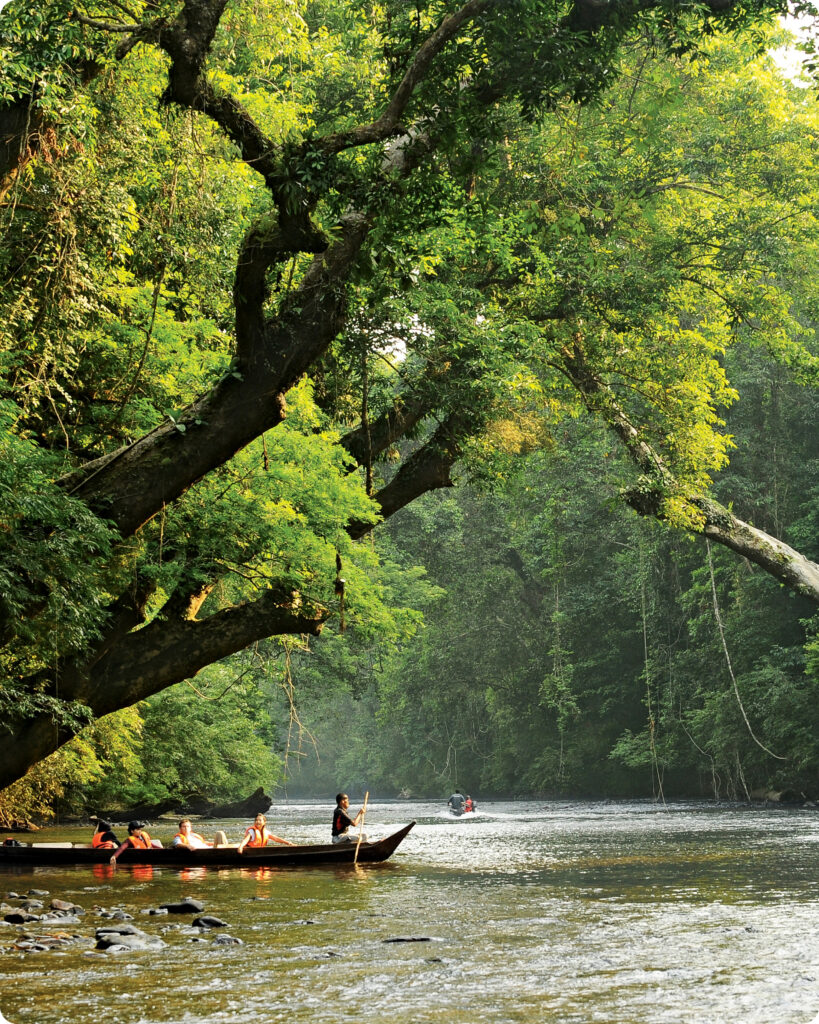
This can be an especially rewarding period for rainforest-focused journeys. Taman Negara and Belum Rainforest see fewer visitors than during the June-to-August peak, allowing for a quieter experience in landscapes that remain intensely green. By April and May, the east coast also becomes increasingly attractive as rainfall eases, creating opportunities to begin combining cultural touring with island time.
Works especially well for: Rainforest journeys, nature-focused travel, quieter touring, active travellers, shoulder-season itineraries
Set expectations around: Humidity, intermittent showers, heavier rain possible in March and changing conditions during the monsoon transition
June to August: Malaysia in full swing
June to August is Malaysia’s principal peak travel period, with generally dry, sunny conditions across much of the country. It is one of the easiest times to combine different regions, but stronger demand means hotels, guides and other services can book up well in advance. Lead times vary by destination: Borneo lodges and island stays typically require booking 12 to 18 months ahead, while Peninsular Malaysia generally requires 6 to 12 months, depending on accommodation availability and the exclusivity of the experience.
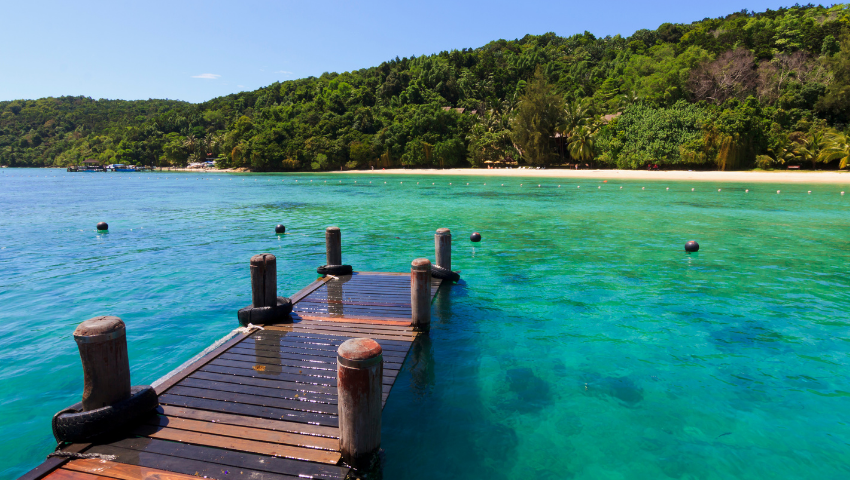
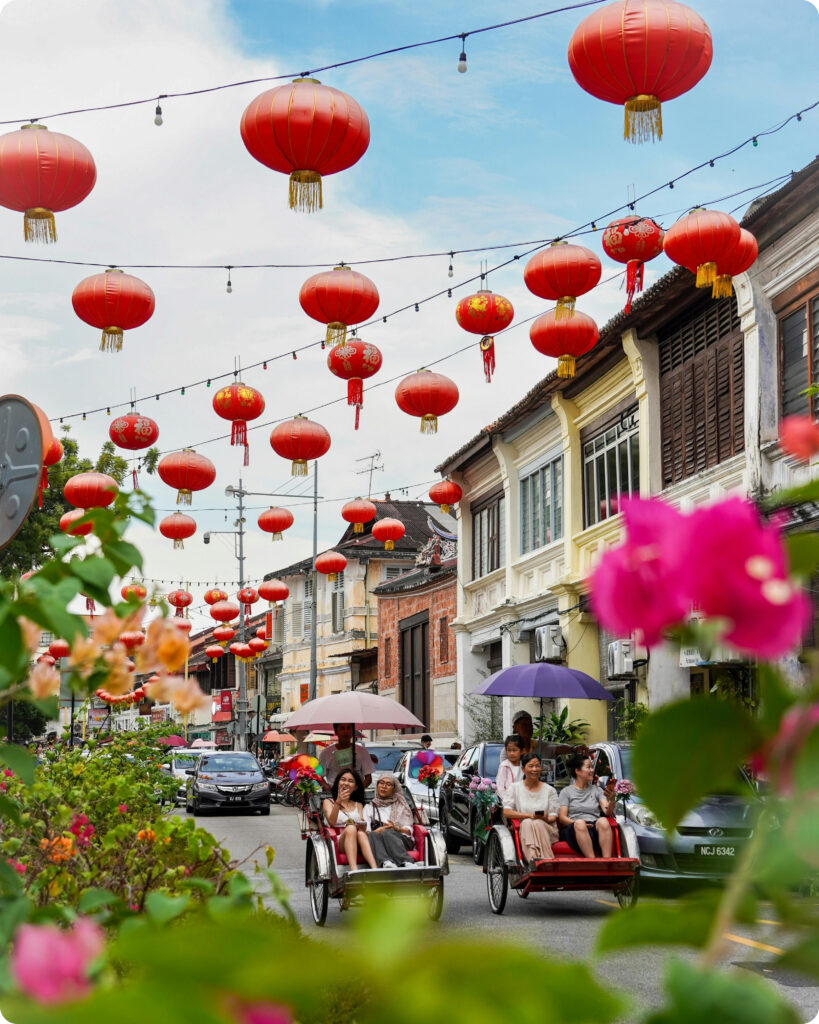
The east coast of Peninsular Malaysia is especially appealing, with warm weather and calm seas ideal for islands such as Redang. Penang also offers a strong mix of food, art, culture and heritage. In Malaysian Borneo, July and August are typically among the better months for trekking, making destinations such as the Kinabatangan River and Danum Valley especially compelling. For wildlife expectations during this period, please see the FAQ section below.
Works especially well for: Island stays, wildlife journeys, Borneo, first-time visitors, families, cultural touring, multi-region itineraries
Set expectations around: Peak-season demand, guide shortages, fuller hotels, high humidity and the importance of booking well ahead
September to November: A quieter season to explore
September to November is often overlooked, but it can be a strong shoulder-season window for Peninsula Malaysia. Temperatures remain warm, peak-season crowds begin to thin and rainfall gradually increases as the monsoon patterns shift. September is generally the easiest month for wider regional combinations, while conditions become progressively wetter toward November.
The Peninsula West Coast is a great option during this period, with Ipoh, Belum Rainforest and Pangkor Laut offering a good mix of heritage, nature and beach time. Taman Negara can also work well earlier in the season before heavier rains arrive. The east coast and Borneo become less reliable as the Northeast Monsoon approaches, with October and November seeing heavier bursts of rain.
Works especially well for: Heritage journeys, rainforest stays, quieter itineraries, west coast combinations, couples, repeat visitors
Set expectations around: Increasing rainfall, wetter conditions later in the season, reduced reliability on the east coast and the need for flexibility with outdoor plans
December to February: West coast island escapes
December to February is where understanding Malaysia’s geography becomes especially important. Much of the country sees increased rainfall, but the conditions vary considerably by region. The Peninsula West Coast becomes the strongest focus, with rainfall beginning to ease through January and increasingly clear skies arriving by mid to late February.
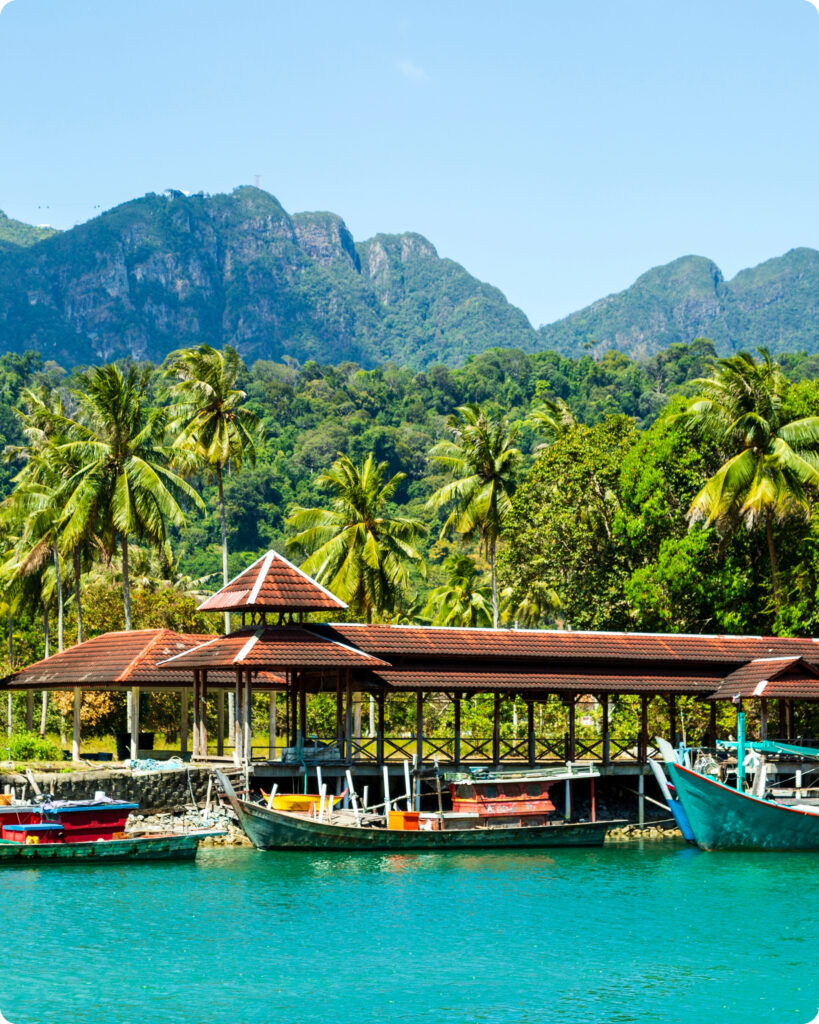
Langkawi is particularly great during this time of year, as it receives less rain than many other west coast areas and can remain a viable beach option throughout much of this period. Penang is another strong choice for clients seeking food, heritage and culture alongside warmer weather. The Peninsula East Coast and Borneo, by contrast, are best avoided in December and January because of heavy rain and potentially rough sea conditions, although February begins to see improvement.
Works especially well for: West coast journeys, Langkawi beach stays, Penang, cultural touring, winter escapes
Set expectations around: Heavy rain on the east coast and in Borneo, limited access to some jungle lodges and stronger regional differences than at other times of year

Seasons by client type
Families: Malaysia can work well for families year-round when the route follows the strongest region for the season. June to August is particularly straightforward for school-holiday travel, with favourable conditions for islands, Penang and Borneo. December to February can also work well when journeys stay focused on the west coast.
Honeymooners: Honeymoon planning should be led by the beach season. June to August is ideal for couples drawn to the islands of the east coast, while December to February shifts the focus toward Langkawi and the Peninsula West Coast. Shoulder periods can also appeal to clients who prioritise privacy and fewer crowds over perfectly dry conditions.
First-time visitors: First-time travellers are easiest to plan between June and August, when the country offers the greatest flexibility for combining cities, heritage, beaches, rainforest and Borneo. Other periods remain very rewarding, but advisors should be more selective about regional combinations.
Luxury travellers: Luxury travellers can be planned throughout the year by pairing the strongest seasonal region with well-paced touring. Peak summer works particularly well for multi-region journeys, while the quieter spring and autumn periods can offer a more relaxed atmosphere in rainforest areas and selected west coast destinations.
Active travellers: March to May and June to August are particularly useful for active clients. The former offers quieter rainforest experiences in Taman Negara and Belum, while summer brings some of the strongest conditions for trekking and wildlife exploration in Malaysian Borneo.
Quick tips
- Think region first, season second. Malaysia’s east coast, west coast and Borneo experience different rainfall patterns, so there is rarely one simple nationwide answer to when clients should travel.
- Book early for June to August. This is the strongest overall travel period, but hotels, guides and services can become limited as demand increases.
- Use the two coasts strategically. The Peninsula East Coast is strongest during the middle of the year, while the west coast becomes particularly useful during the northern hemisphere winter.
- Do not dismiss the greener months. March to May and September to November can bring fewer crowds and rewarding rainforest conditions, particularly when the route is designed around the most suitable regions.
- Keep Borneo seasonality in mind. Summer is generally strongest for trekking and wildlife exploration, while heavy rains in January and February can affect activities and lead some jungle lodges to close.
Frequently asked questions
How far in advance should agents book Malaysia during peak periods?
For peak travel periods such as June to August, Chinese New Year and other major holiday windows, agents should book well in advance. Borneo lodges and island stays typically require 12–18 months’ notice, while Peninsular Malaysia generally requires 6–12 months, depending on accommodation availability and the exclusivity of the destination. Booking early also allows greater flexibility with preferred room types, flights and multi-region itineraries.
How much should rain influence the itinerary?
Rain is part of Malaysia’s tropical climate and does not necessarily mean a day of travel will be lost. Showers can be intense but relatively short, particularly outside the main monsoon periods, so itineraries can often continue with some flexibility. Agents should be more cautious where rain affects sea conditions, boat transfers, trekking or access to remote areas rather than treating any forecast of rain as a reason to avoid a destination.
What should agents consider when planning wildlife experiences in Borneo?
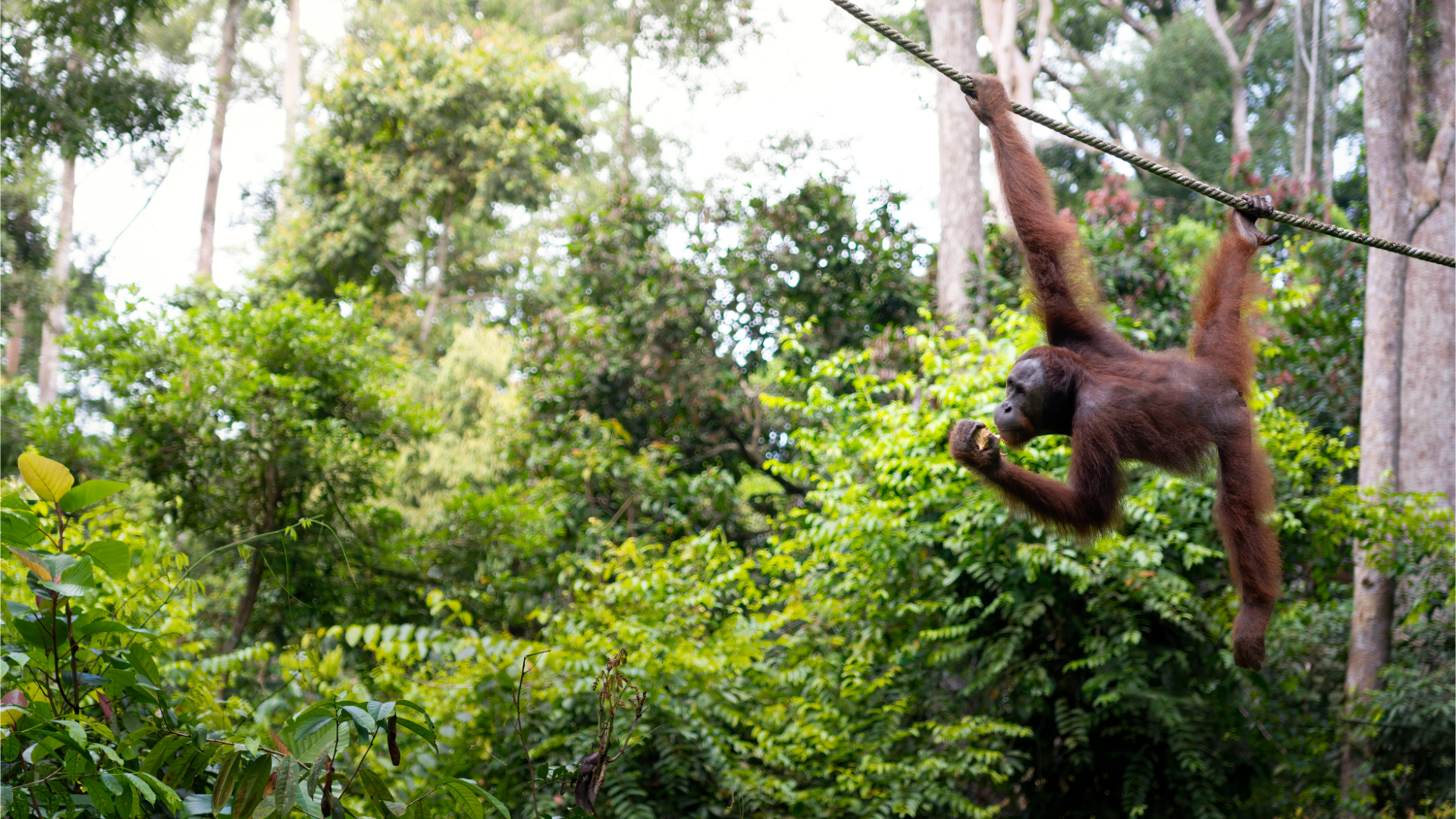
Wildlife journeys should be planned with flexibility and realistic expectations. Rainfall can affect trails, river conditions and outdoor activities, while wildlife sightings – whether at rehabilitation centres such as Sepilok and Semenggoh or in the wild – are never guaranteed. Fruiting seasons (Sabah: April–August; Sarawak: December–April) can also reduce sightings at feeding platforms as orangutans have more abundant natural food available. Any encounter should therefore be considered a special privilege rather than a certainty.
How does Ramadan affect travel in Malaysia?
Ramadan can influence the daily rhythm of travel, particularly in more predominantly Muslim areas. Some locally run businesses may adjust operating hours, while restaurants and public spaces can become especially lively after sunset. It rarely prevents travel, but agents should check operating schedules and allow some flexibility when planning meals and activities.
Which major holidays can affect availability and domestic travel?
Hari Raya Aidilfitri brings significant domestic movement as families travel home and gather for celebrations, which can increase demand for transport and accommodation. Chinese New Year and Deepavali can also bring busier travel periods, closures or altered operating hours. As dates change from year to year, agents should check the calendar before confirming itineraries around major celebrations. For more information on Malaysia’s public holidays, click here.

 " alt="">
  " alt="">
 " alt="">
  " alt="">
  " alt="">