
After leading two luxury familiarisation journeys through Japan and Vietnam this year, Pantanida Pitz, EXO Travel’s General Manager for the German Market, found the trips reflected many of the priorities already shaping the German luxury market.
On paper, Japan and Vietnam offer very different expressions of Asia, Japan through precision, ritual and design; Vietnam through landscape, heritage and everyday warmth. Yet across both journeys, the same themes kept emerging: travellers want deeper cultural connection, distinctive places to stay and experiences that feel personal rather than prescribed.
‘Luxury travel isn’t becoming more extravagant, it’s becoming more meaningful,’ Pantanida shared. ‘The hotels may be spectacular, but it’s the people we meet, the stories we hear and the places we discover beyond the obvious that create the journeys we remember most. The greatest luxury isn’t simply seeing a destination, it’s leaving with a genuine connection to it.’
For the German luxury market, this shift creates an opportunity to design journeys with greater depth and intention. The classic highlights still matter, but it’s the moments that move beyond sightseeing, the ones that feel personal and truly connected to a place, that leave the strongest impression.

Authenticity as the new luxury
Pantanida shared that some of the trip’s most memorable moments were not necessarily the grandest ones, but those rooted in a strong sense of place.
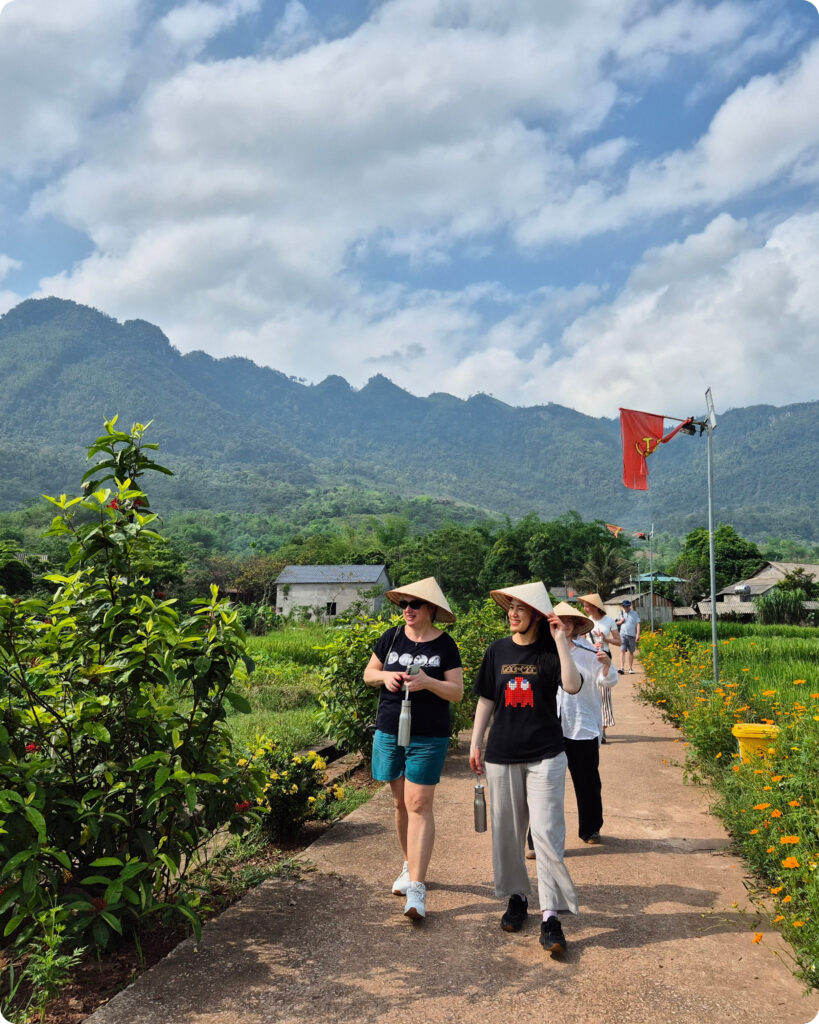
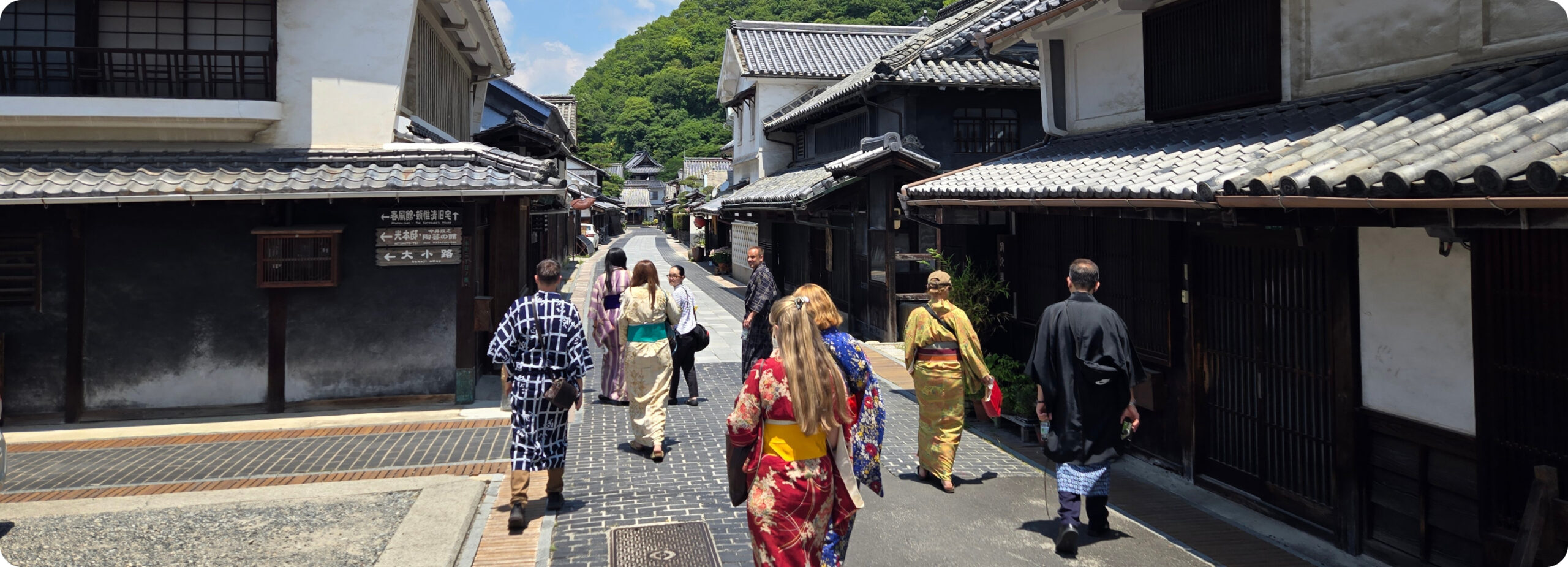
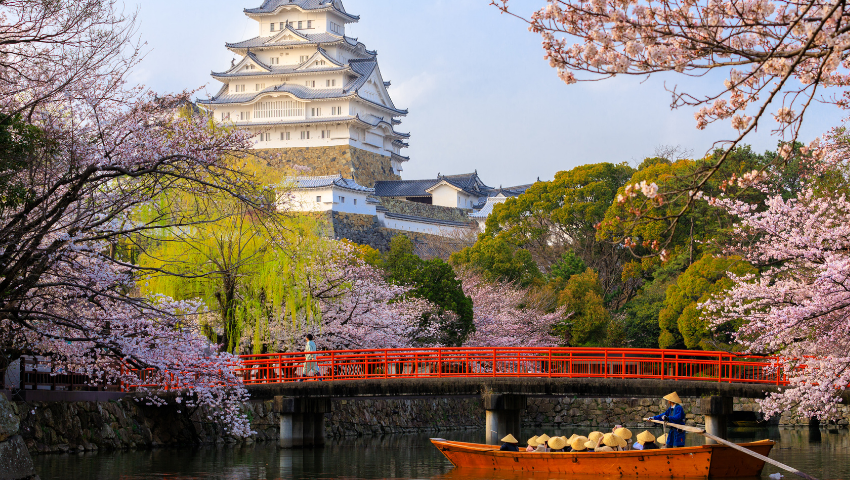
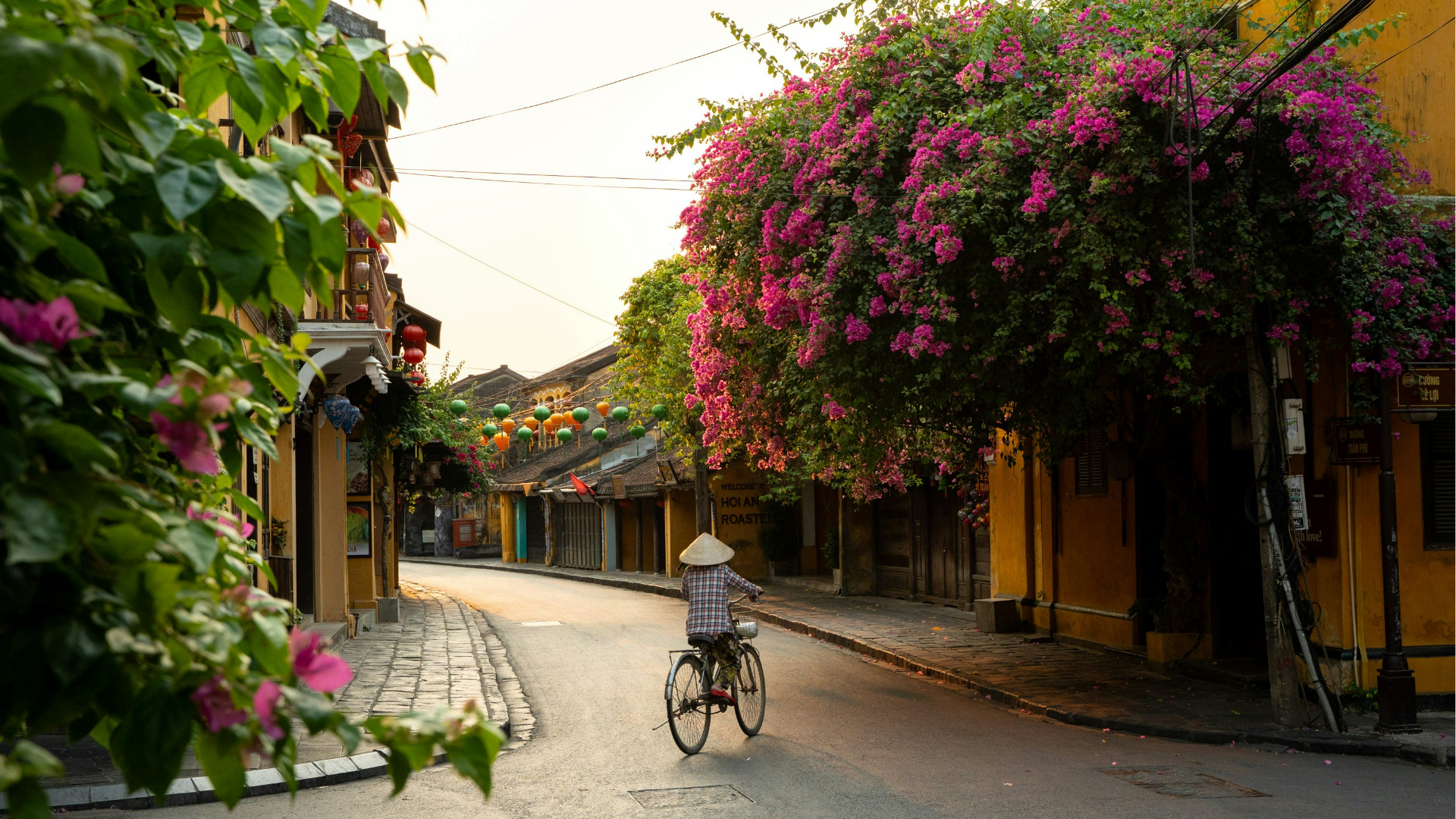
‘In Japan, it was wandering through the quiet streets of Takehara after dark,’ she said. ‘With the town almost entirely to ourselves, it felt like stepping back in time and discovering a side of Japan that remains untouched by mass tourism. In Vietnam, it was strolling through the beautiful villages of Mai Chau, observing daily life and being welcomed into a local family’s home.’
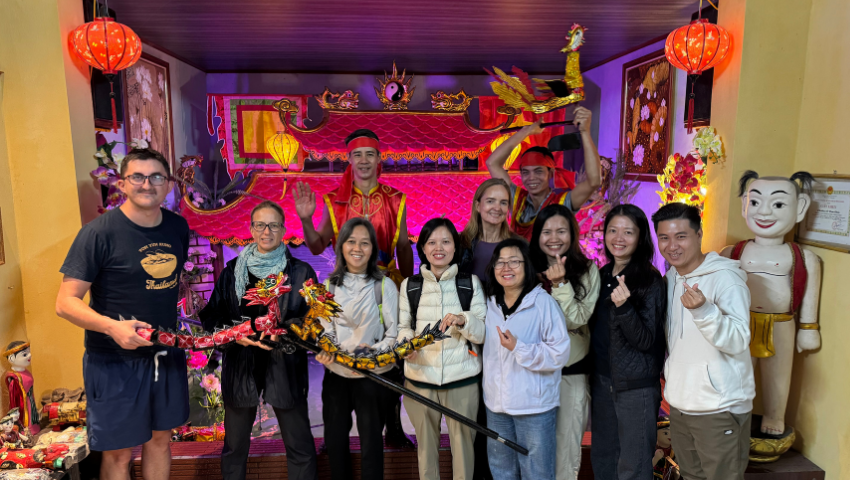
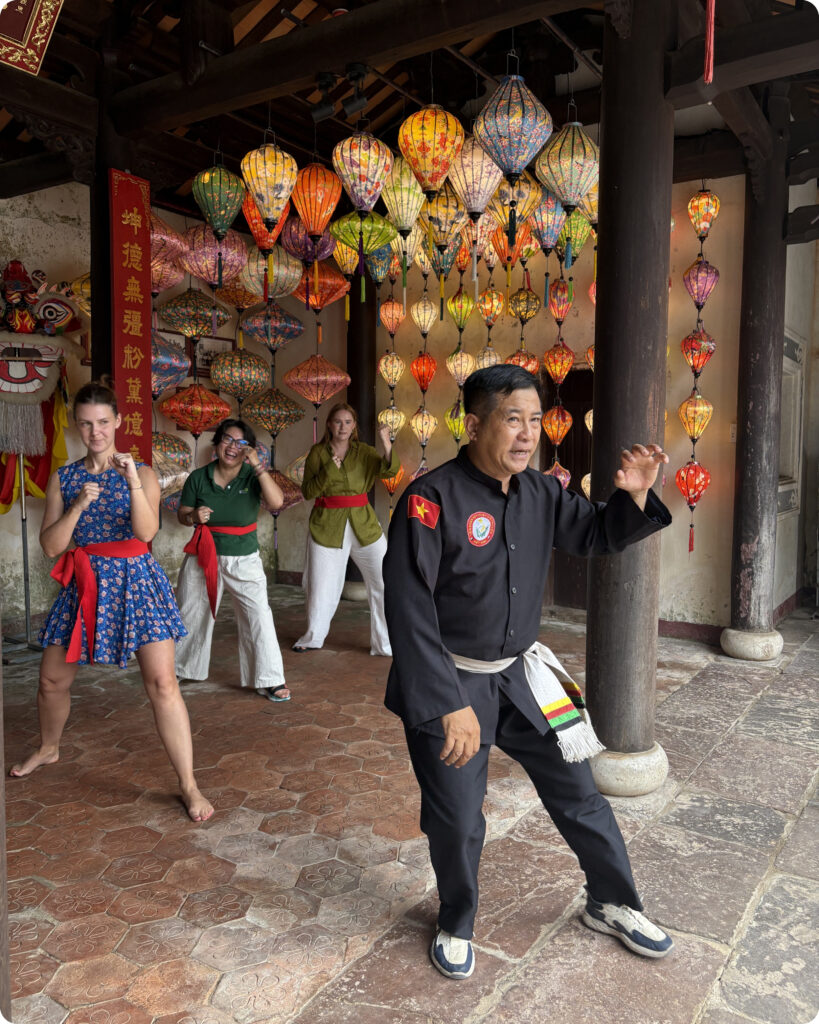
People-led experiences stood out just as much: a private geisha dinner in Kagurazaka, a ninja workshop led by a descendant of the Musashi Samurai family, a tea ceremony with a local master, a family-run healing practice in Hoi An. Each offered a personal way to engage with local culture, creating genuine moments of exchange.
Beyond the classic route
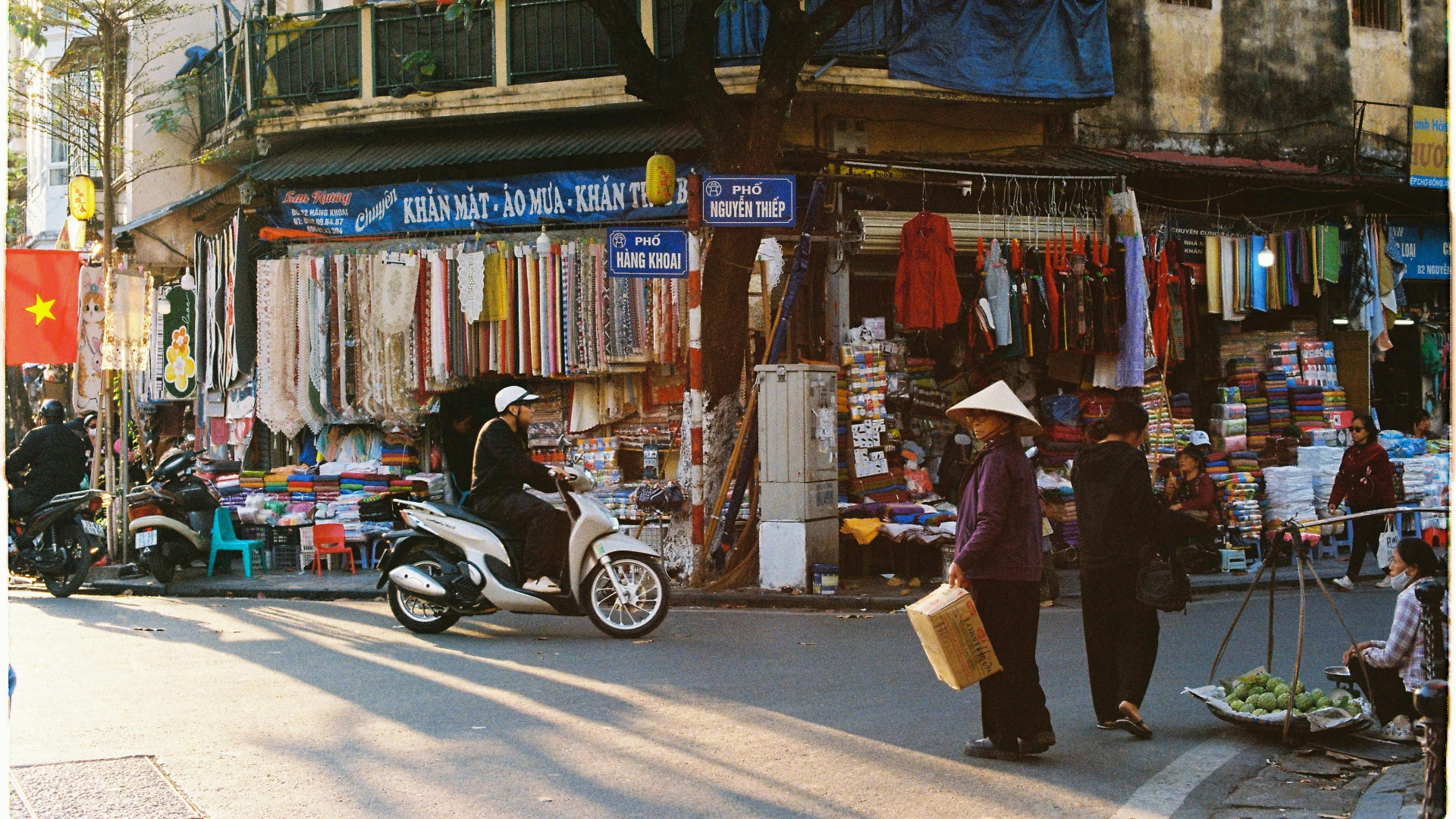
Tokyo, Kyoto, Hanoi, Halong or Hoi An will always remain essential highlights, but Pantanida shared that travellers are increasingly looking beyond the well-known routes.
For tour operators, destinations such as Takehara, Mai Chau and Quy Nhon show how a familiar itinerary can be given more individuality. Takehara offers a slower, heritage-rich contrast to Japan’s major tourist centres. Mai Chau brings a peaceful rural chapter to Vietnam, while Quy Nhon is emerging as a tranquil beach hideaway for travellers seeking privacy, relaxation and understated luxury.
‘These places offer something increasingly valuable: space, authenticity and the feeling of discovering somewhere that still feels off the beaten path,‘ Pantanida says. ‘More often than not, they become the highlight of the journey.’
The luxury of slowing down
Sustainability is becoming a more important part of the luxury conversation, particularly when it is presented not as a restriction or sacrificing comfort, but as a more thoughtful way to travel.
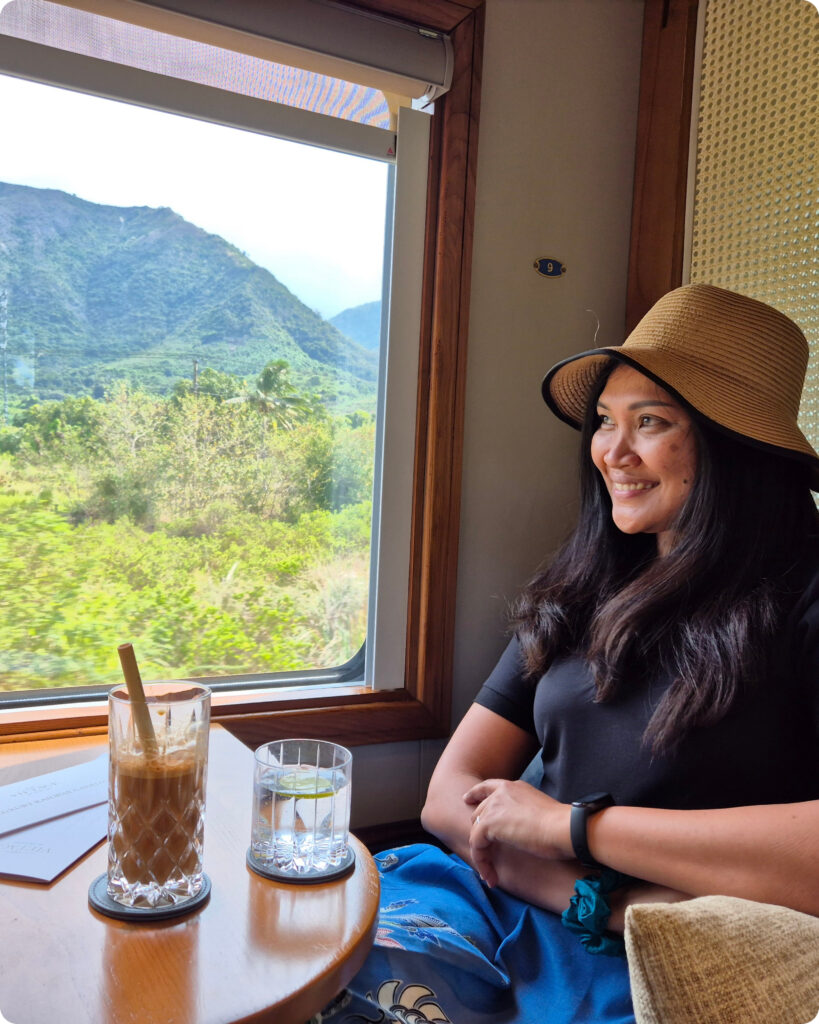
One standout was travelling aboard The Vietage between Nha Trang and Da Nang, where the train itself became part of and enhanced the experience. Across both countries, some of the most rewarding moments came from walking tours, local guides and community-based experiences that encouraged deeper engagement with each destination.
‘When luxury travel is designed with care, it not only creates richer experiences for guests but also brings meaningful benefits to the communities that make those experiences possible,’ Pantanida said, ‘That’s what responsible luxury travel should aspire to.’
Luxury and boutique, together
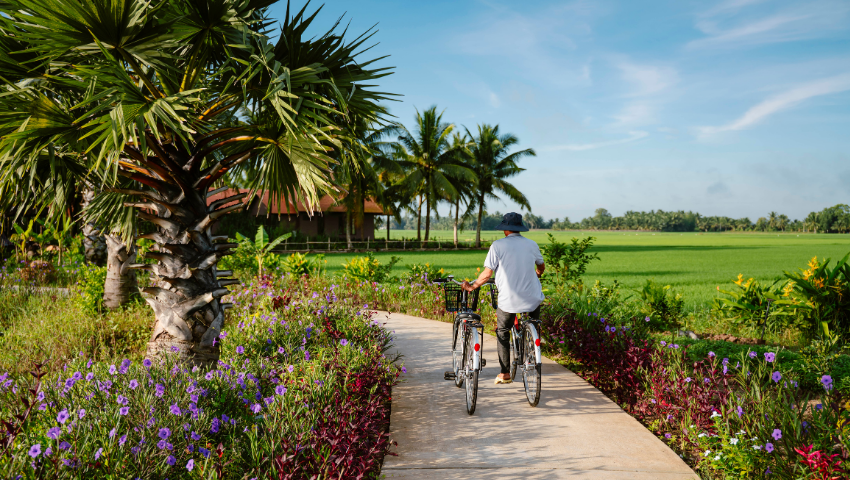
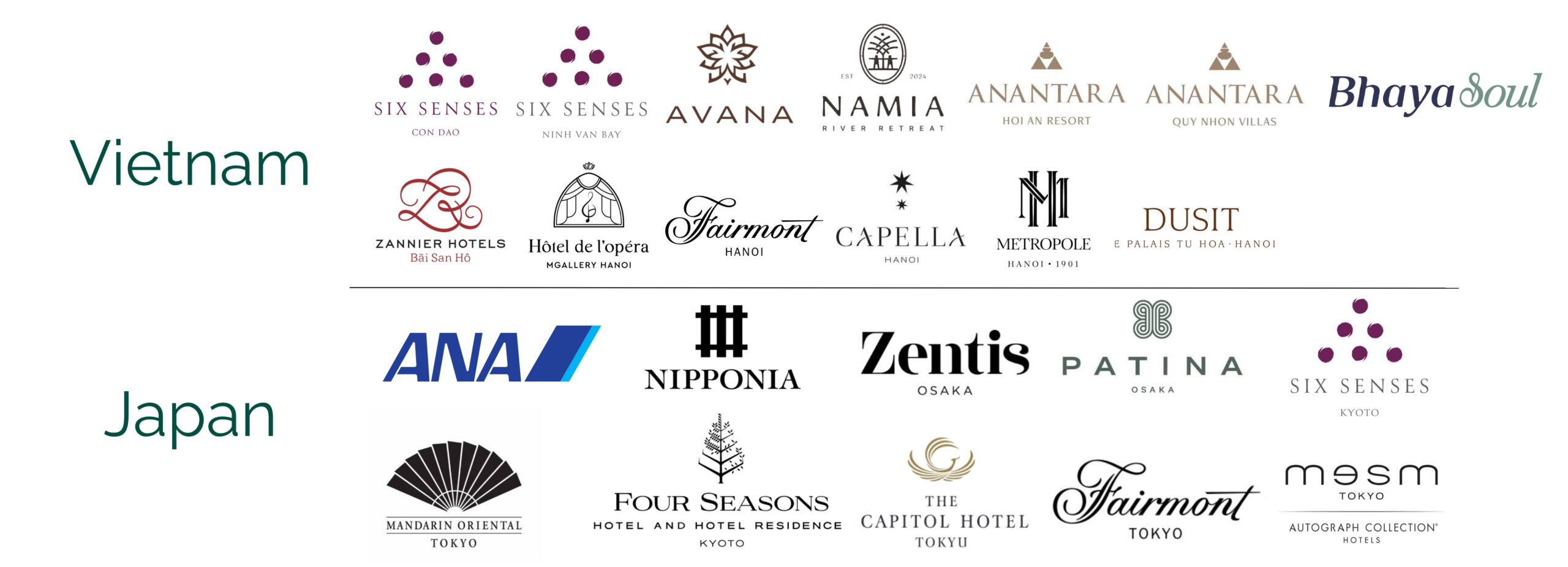
Exceptional hotels remain an essential part of luxury travel, and both Japan and Vietnam are home to some truly remarkable properties. From the breathtaking setting of Six Senses Ninh Van Bay, the beachfront elegance of Anantara Villas Quy Nhon and the tranquil atmosphere of Zannier Bai San Ho in Vietnam, to the newly opened Fairmont Tokyo, the serene Six Senses Kyoto and the spectacular Patina Osaka in Japan, each property offers its own interpretation of luxury while remaining deeply connected to its surroundings.
At the same time, Pantanida shared that some of the most memorable stays were at smaller boutique properties with a genuine sense of place. Avana Retreat in Mai Chau blends seamlessly into its natural surroundings and local culture, while Nipponia Takehara allows guests to stay in beautifully restored historic buildings scattered throughout the old town, becoming part of the local community rather than simply checking into a hotel.
‘To me, that is what makes a truly memorable journey: combining iconic luxury hotels with distinctive boutique experiences,” Pantanida explains. ‘Together, they create an itinerary that offers both exceptional comfort and an authentic connection to the destination.’
A heartfelt thank you goes to our valued hotel partners, whose generous support and warm hospitality helped make familiarisation journeys like these possible.
From firsthand experience to more personal selling
For the German tour operators who took part, the value went far beyond hotel inspections. Travelling as guests let them feel the rhythm of each itinerary, understand every property in context, and experience the small moments that often become the strongest selling points.
Dennis, from edeltravel, reflected on the Japan trip: ‘It was a very important and enlightening trip for me, one that really brought Japan close to my heart. It wasn’t just about the standard hotel inspections; there were also various activities and moments that will not only remain fond memories but also enable us to sell Japan in a much more personal way.’
Ready to create more meaningful luxury journeys in Asia? Join our upcoming Luxury Vietnam webinar, hosted by Andrea Koch, Regional German Product Manager for Indochina.

 " alt="">
  " alt="">
  " alt="">
  " alt="">
  " alt="">
  " alt="">
 " alt="">
  " alt="">
  " alt="">
  " alt="">
  " alt="">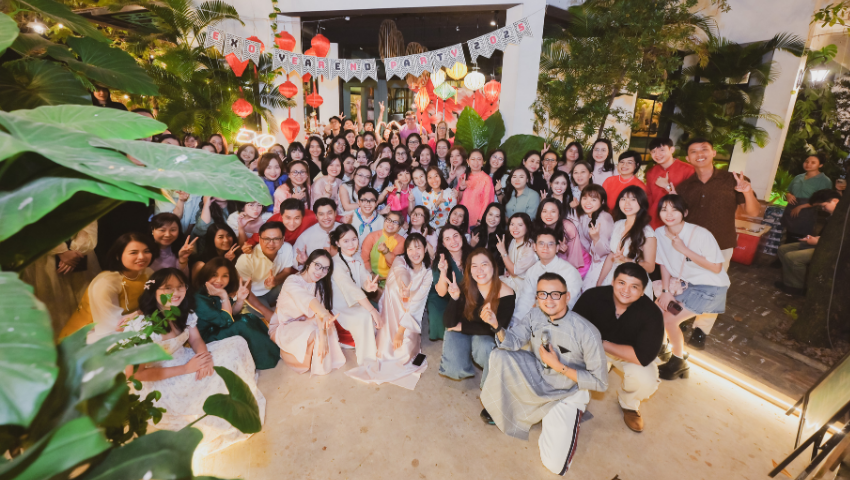
 " alt="">
  " alt="">