
Getting started:
Malaysia in a nutshell
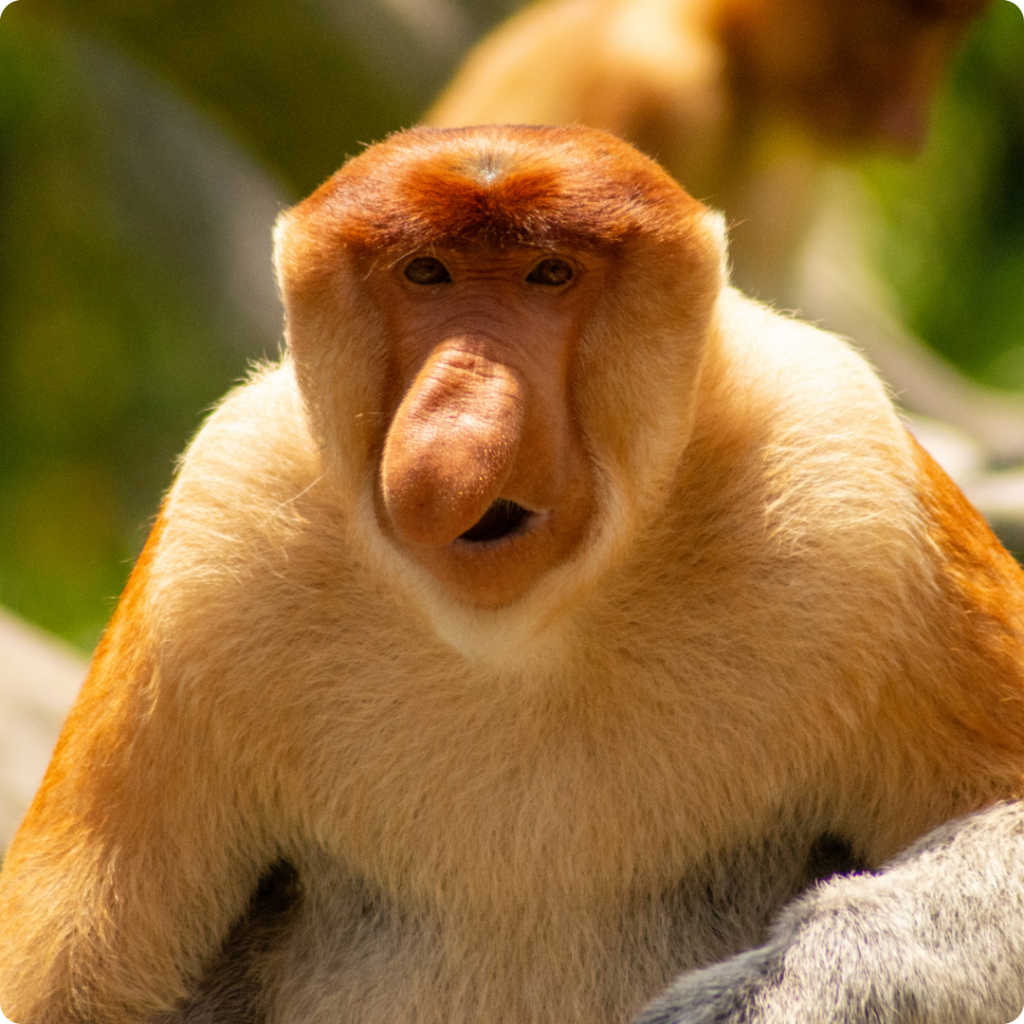
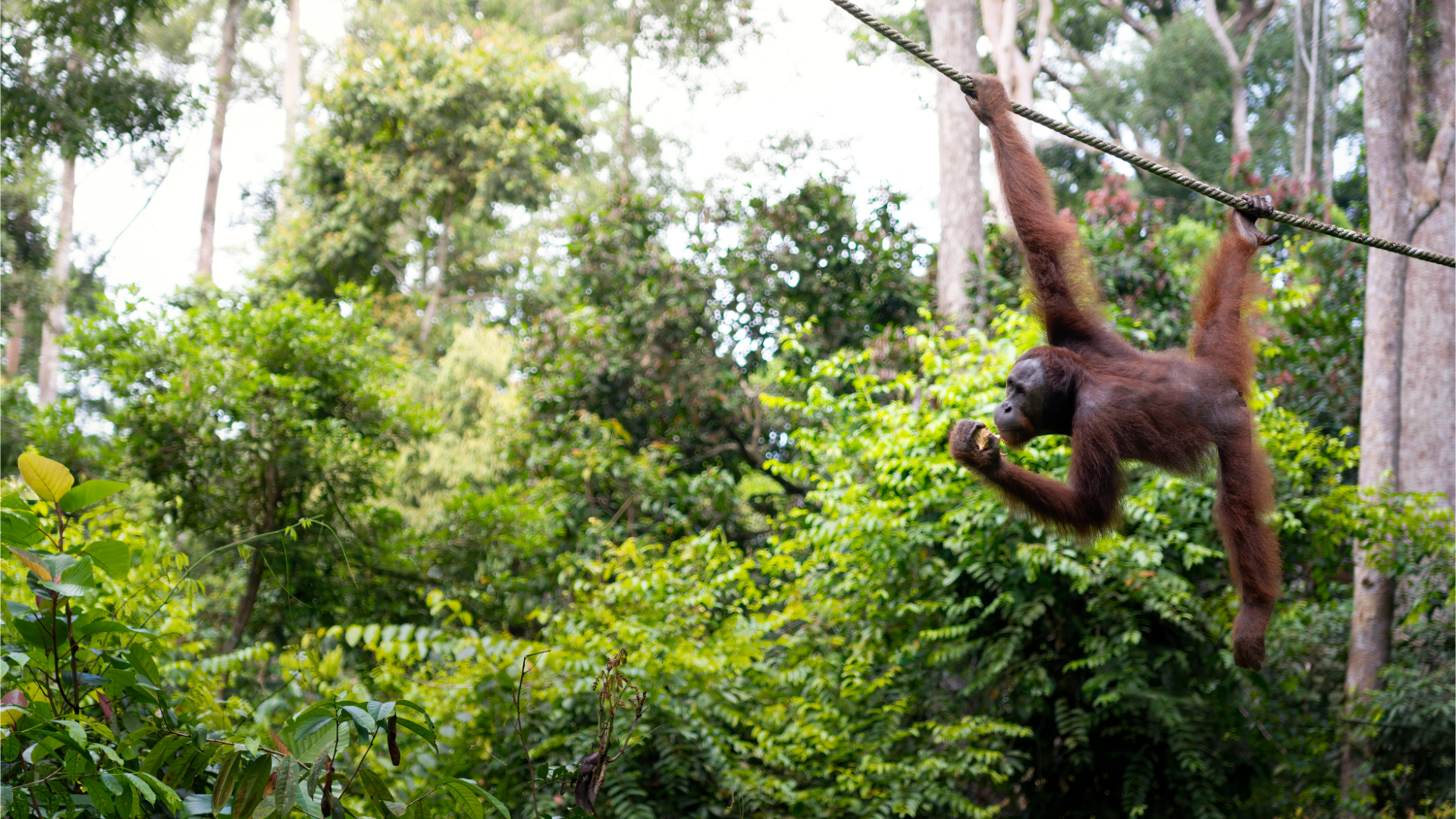
Malaysia is a country that is best understood through its wide diversity, culturally, geographically and experientially. Travellers encounter Malay, Chinese, Indian and Indigenous traditions intertwined in daily life, resulting in remarkable cuisine, colourful festivals and vibrant neighbourhoods. Beyond its cities, Malaysia is home to some of Southeast Asia’s last great rainforests, where proboscis monkeys, pygmy elephants and rare birdlife thrive.
Despite this variety, Malaysia remains very approachable. Domestic travel is seamless, and the range of boutique hotels, eco-lodges and luxurious beach resorts allows itineraries to be tailored to any traveller type. Most importantly, the atmosphere is relaxed and welcoming, with experiences that feel authentic without being overwhelming. From heritage towns to jungle rivers, Malaysia offers an immersive journey with the comfort and reliability travellers appreciate.
This guide outlines the key knowledge needed for selling Malaysia with confidence in conversations with your clients.
Malaysia’s top-selling regions:

Best times to visit Malaysia
Malaysia is a year-round destination, though weather varies by region.
December to March:
Generally favourable across most of the country, particularly on the west coast and in cities. Good conditions for cultural touring and wildlife travel in Borneo.
April to October:
Warmer months with intermittent rainfall. East Malaysia (Borneo) remains excellent for rainforest and river experiences, while Langkawi enjoys relatively drier conditions compared to the east coast.
Seasonal considerations:
Rainfall is usually short and intense rather than constant. Wildlife viewing in Borneo can be excellent year-round, though river levels and weather conditions may influence activity timing.
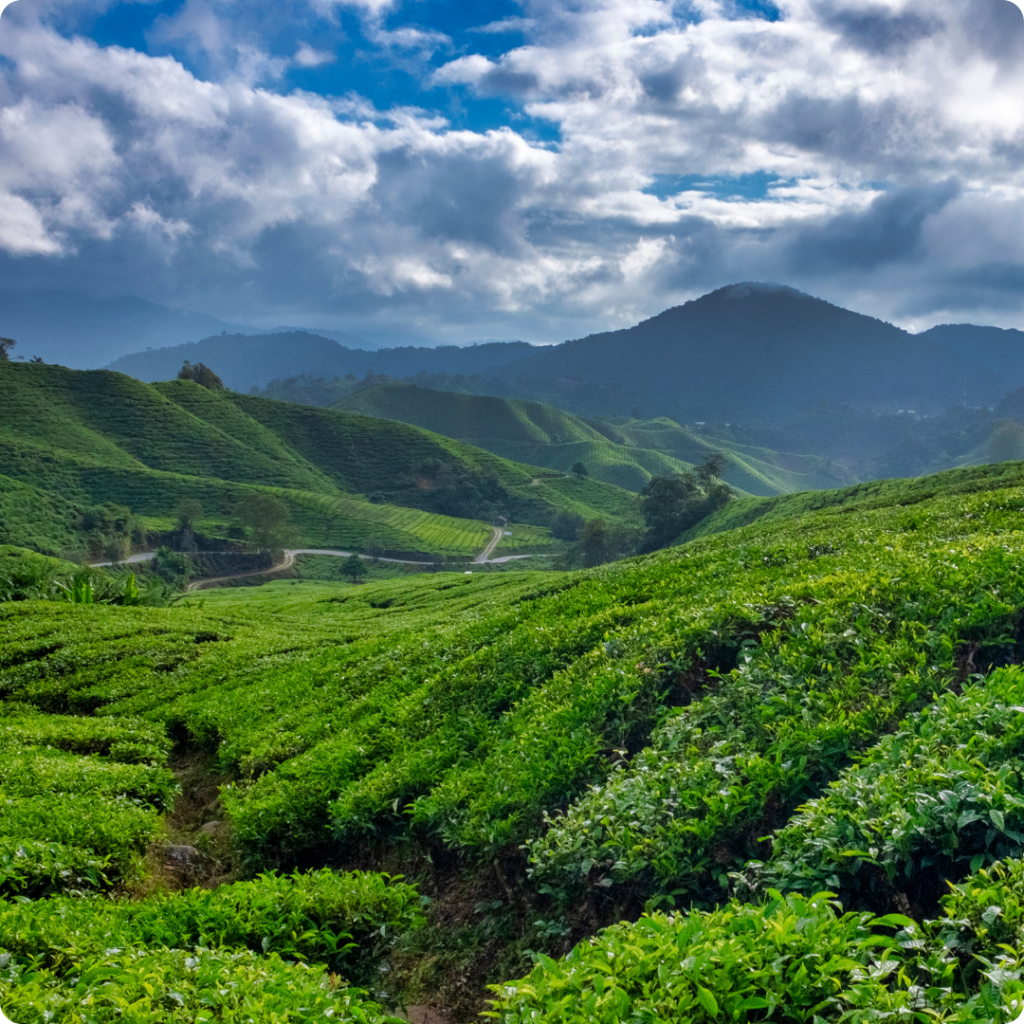
Malaysia culture & etiquette
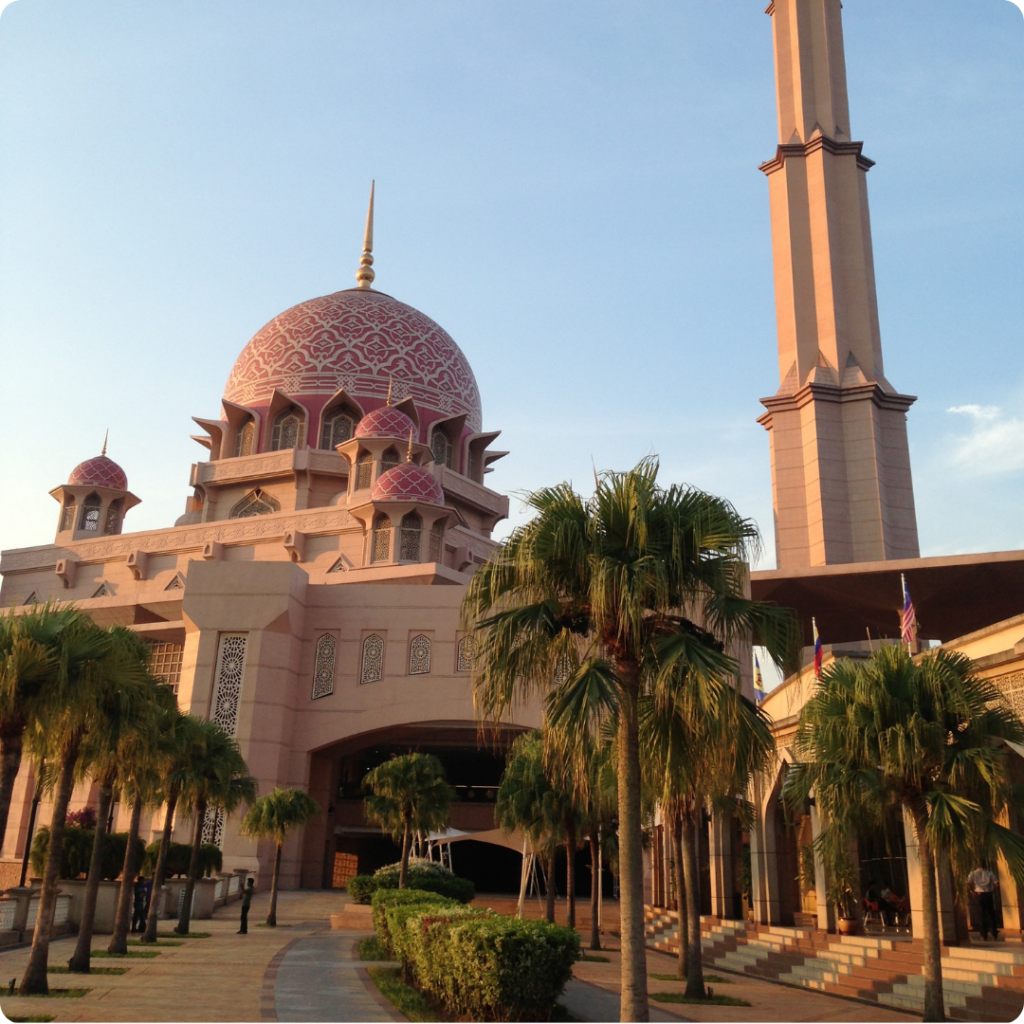
Dress:
Dress expectations in Malaysia vary by setting. Urban areas lean more modern and casual, while modest clothing covering shoulders and knees is expected at religious buildings and in rural areas. Robes or head coverings are often provided at mosques.
Religious awareness:
As Malaysia is a majority Muslim country, travellers should be mindful of prayer times, especially on Fridays, and aware that during major religious periods business hours and daily rhythms may change.
Food & dining customs:
Halal practices shape much of Malaysia’s dining culture. Alcohol is widely available in hotels and tourist zones. However, it is less commonly found in rural areas or Malay-majority states such as Terengganu or Kelantan. In these regions, we advise guests to consume alcohol discreetly within licensed venues or their private accommodations.
Accommodation insights
Malaysia offers a wide range of accommodation, from international luxury brands and boutique heritage hotels to immersive jungle lodges set within protected landscapes. The variety of stays makes it easy to balance city time with nature, without compromising on comfort.
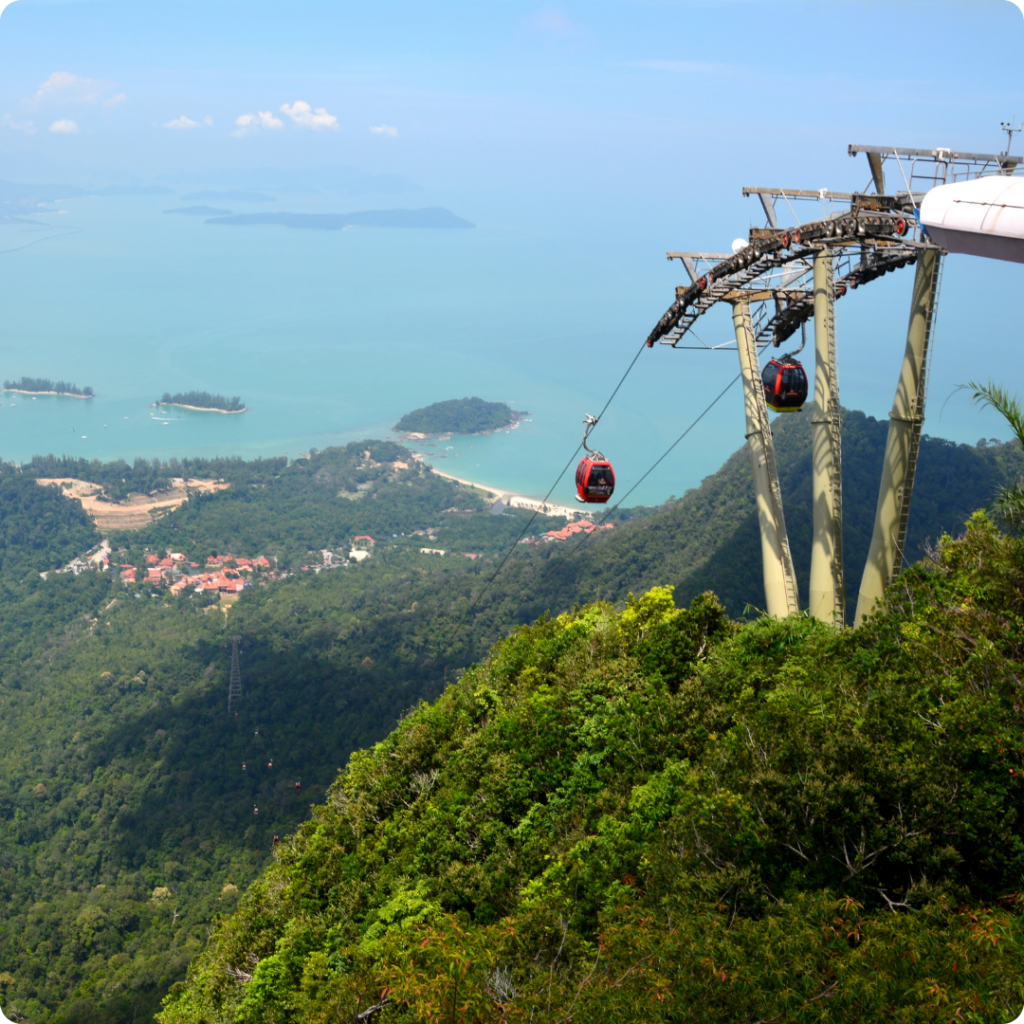
In Kuala Lumpur and George Town, options include high-end hotels, restored heritage properties and contemporary boutiques well placed for culture, dining and sightseeing. Langkawi is known for relaxed beach resorts and private villas, many with wellness programmes and easy access to mangroves and surrounding islands.
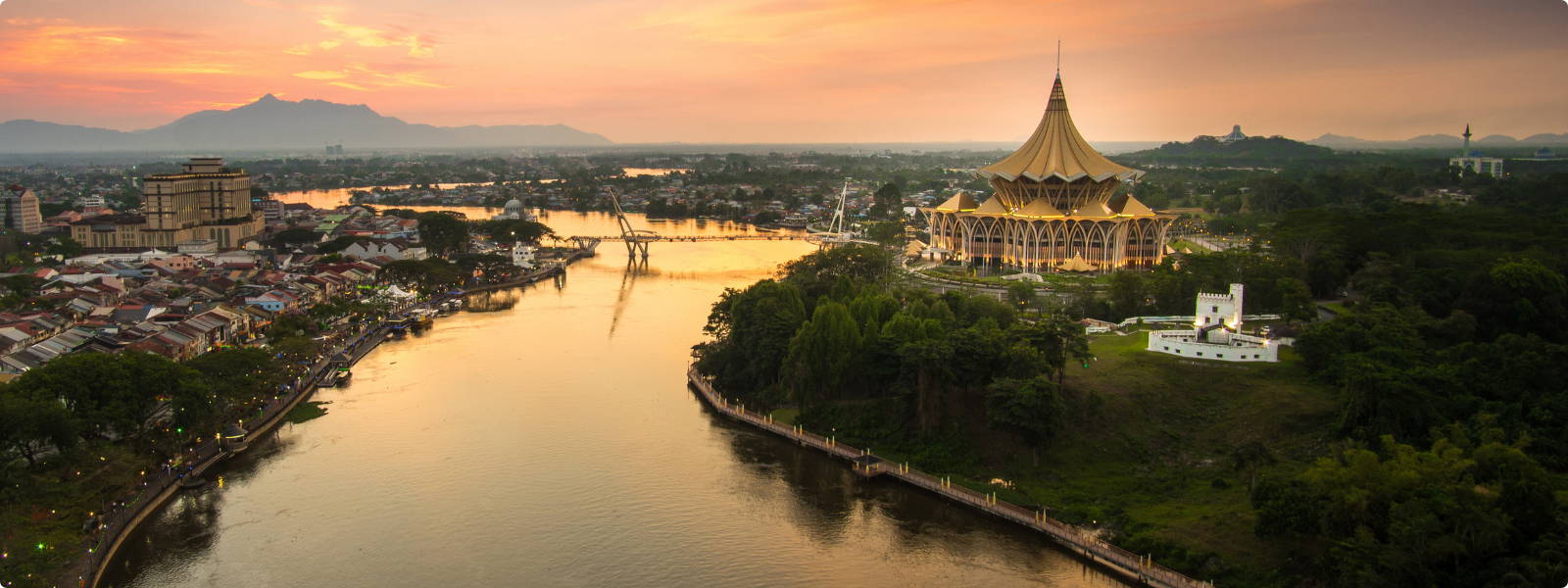
In Borneo, accommodation can be shaped around two distinct styles of discovery. Sabah is typically lodge-led, with river stays along the Kinabatangan and rainforest lodges in Danum Valley designed around wildlife viewing, conservation and guided exploration. Sarawak, by contrast, offers a more off-the-beaten-track angle with community-led longhouse stays and village-based experiences that prioritise cultural immersion and connection.
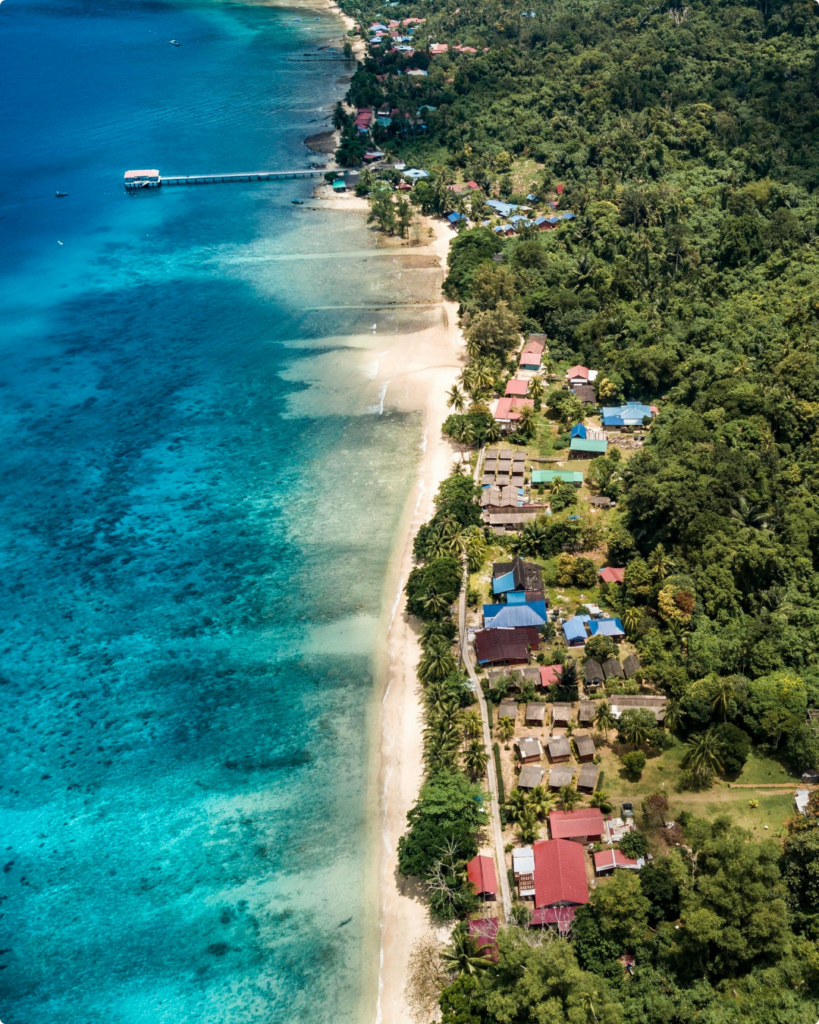
Dining & cuisine
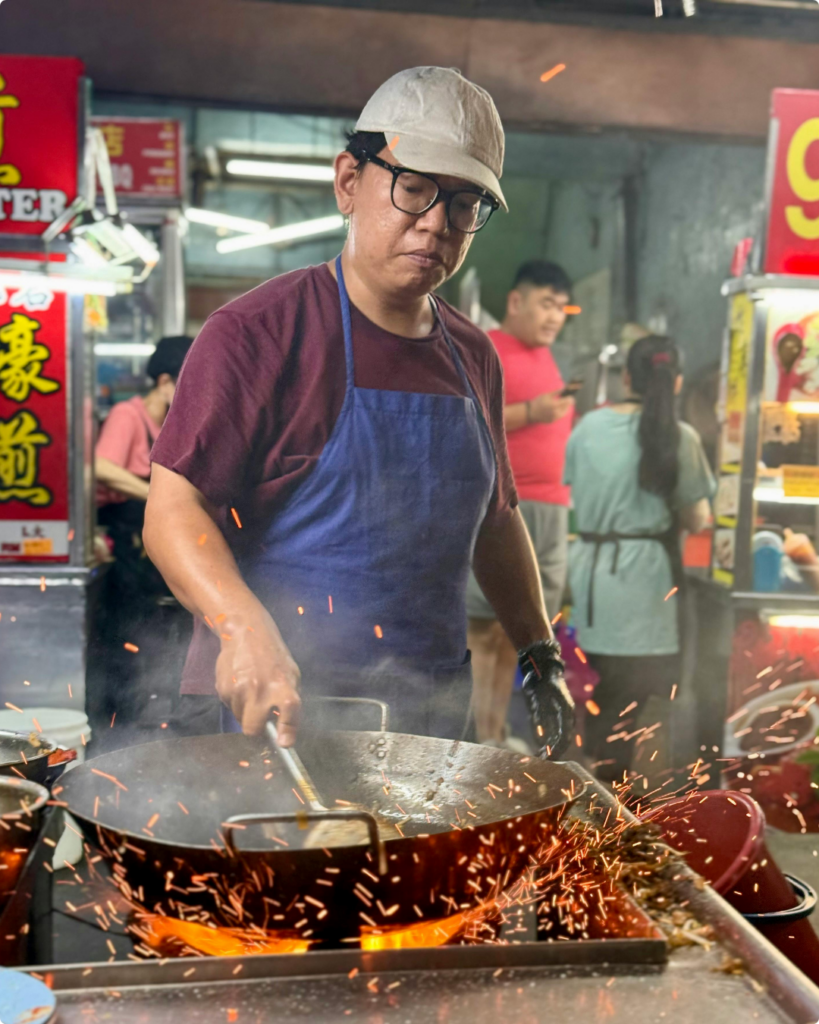
Cultural Diversity:
Malaysian cuisine reflects its multicultural society, blending Malay, Chinese, Indian and Peranakan influences into one of Southeast Asia’s most varied food scenes.
Local & Immersive Dining:
Street food centres, night markets and hawker stalls are central to daily life, particularly in Penang and Kuala Lumpur.
Regional Highlights:
Penang is famed for its hawker cuisine, Malacca for Peranakan dishes, and Borneo for indigenous flavours using forest ingredients and freshwater fish.
Contemporary Dining:
Major cities feature modern Malaysian restaurants, chef-driven concepts and international dining alongside traditional fare.
Dietary Requests:
Halal food is widely available. Vegetarian options are common, while gluten-free meals can be arranged with advance notice in major centres.
Getting in and out of Malaysia
Airports: Kuala Lumpur International Airport (KUL) is the main hub, with regional airports in Penang, Langkawi, Kota Kinabalu and Kuching.
Flight Connectivity: Excellent links across Asia, the Middle East, Australia and Europe.
Visas: Many nationalities enjoy visa-free entry; always verify before travel.
Domestic Travel: Efficient flights, trains and private transfers make multi-region itineraries easy.
Matching Malaysia with your clients
Malaysia’s diversity allows it to suit a broad range of traveller profiles, combining cultural depth, comfort and ease of movement across regions.
Luxury travellers:
High-end city hotels in Kuala Lumpur, beachfront resorts in Langkawi and exclusive jungle lodges in Borneo offer refined comfort paired with strong experiential value. Position Malaysia for luxury clients who appreciate understated elegance, excellent service and access to culture or wildlife without sacrificing ease.
Adventurers & active travellers:
Caving in Mulu, river safaris along the Kinabatangan and rainforest trekking in Danum Valley appeal to travellers drawn to nature and exploration. These experiences work best with specialist guides and lodge-based stays that prioritise access to protected environments. For active travelers, we also offer guided cycling tours across Peninsular Malaysia and Borneo, ranging from leisurely back-road explorations to multi-day challenges.
Romantic couples:
Heritage hotels in George Town or Malacca, secluded beach resorts in Langkawi and intimate jungle lodges create relaxed, atmospheric settings for couples. Sunset cruises, private dining and slow-paced itineraries add to the romantic appeal.
Families & multigenerational groups:
Malaysia’s safety, infrastructure and range of activities make it particularly family-friendly. Kuala Lumpur, Penang and Langkawi offer a balance of cultural sights, easy transport, wildlife experiences and comfortable accommodation suited to different age groups.
Foodies:
Malaysia is a standout culinary destination, shaped by Malay, Chinese, Indian and Peranakan influences. Street food tours, market visits, hawker centres in Penang and heritage dining experiences in Malacca are highlights for food-focused itineraries.
Cultural travellers:
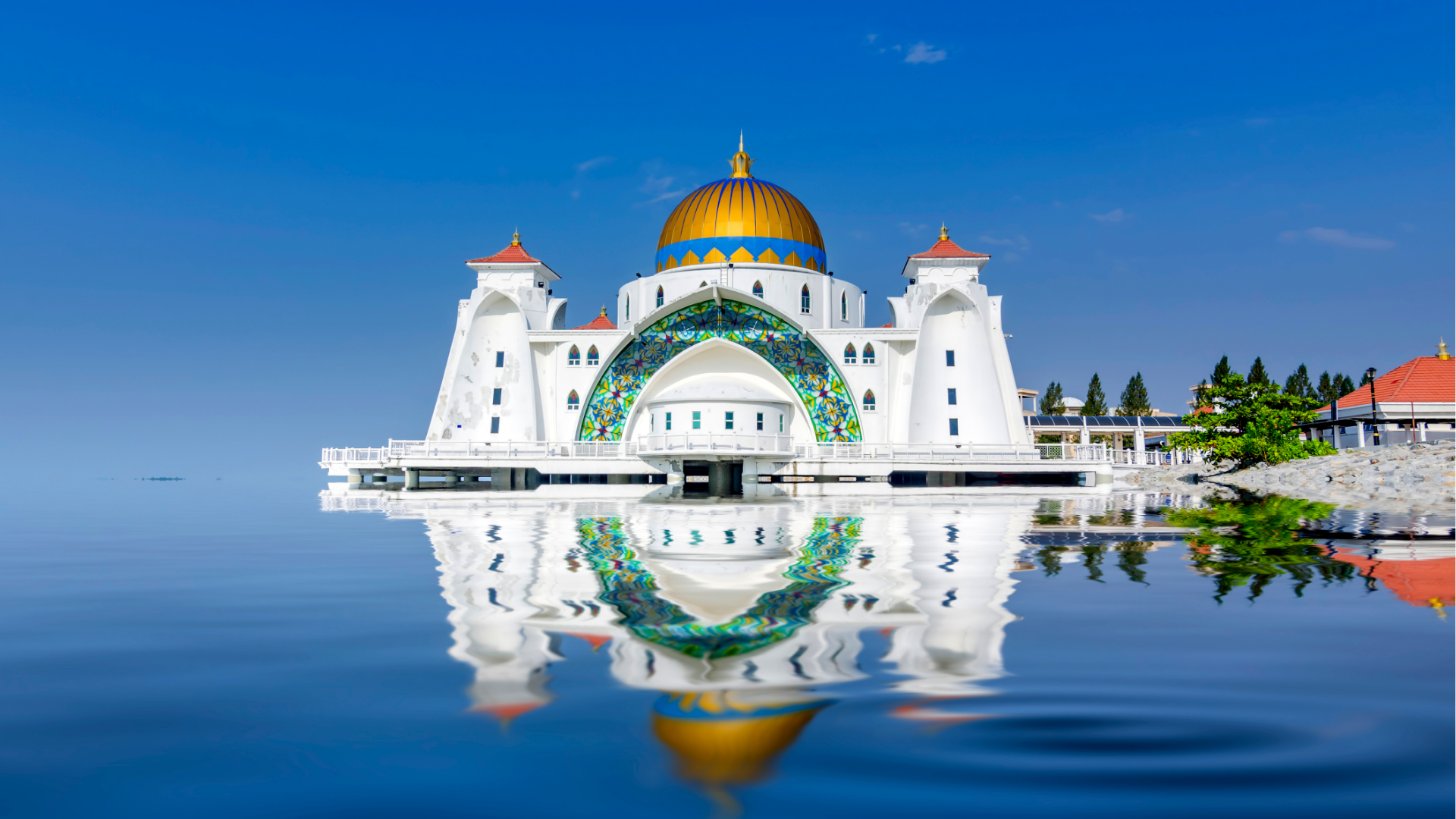
Historic trading cities, religious diversity and layered colonial history make cultural exploration accessible and engaging. UNESCO-listed sites, clan houses, temples and mosques offer insight into Malaysia’s multicultural identity.
Repeat or slow travellers:
Encourage deeper exploration beyond the main cities, with extended stays in George Town, time in Borneo’s wildlife regions or combining lesser-visited areas for a more immersive, unhurried journey.

Responsible travel & local impact
Community-based tourism
Malaysia has a strong base of community-led tourism, particularly in Sabah and Sarawak, where village stays and Indigenous-run experiences directly support local livelihoods. In Penang and Malacca, heritage-led businesses and cultural organisations help preserve historic neighbourhoods and traditions.
Nature & wildlife protection
Malaysia plays a key role in regional conservation, especially in Borneo. Ethical river safaris along the Kinabatangan and conservation-focused lodges in Danum Valley and Mulu prioritise habitat protection and responsible wildlife viewing. Clients should be guided away from captive wildlife attractions.
Heritage protection
Many cultural sites are living places of worship or community spaces. Travellers should dress appropriately, follow local guidance and respect religious practices, particularly in historic areas such as George Town and Malacca.
Logistics & ground realities
Transport: Flights and private transfers are the most efficient way to move between regions; cities have reliable public transport.
Tour timings: Early mornings suit wildlife and outdoor activities; cities are comfortable throughout the day.
Guides: Local guides add valuable cultural and environmental context, particularly in Borneo.
Currency: Malaysian Ringgit (MYR); cards are widely accepted, though cash is useful in rural areas.
Connectivity: Strong 4G coverage nationwide, including in many remote areas.
Healthcare & safety: High-quality healthcare is widely available; Malaysia is considered very safe with normal precautions.
Accessibility: Good accessibility in cities and major hotels; rainforest areas may be more challenging.
Final tips for travel designers:
- Clarify whether clients prioritise culture, food, nature or relaxation.
- Combine urban and natural regions for balanced itineraries.
- Allow sufficient time in Borneo for wildlife-focused journeys.
- Use Malaysia’s strong infrastructure to design smooth, multi-region trips.
- Utilise EXO’s local expertise for responsible, well-paced itineraries.
Malaysia FAQ
Is Malaysia suitable for first-time visitors to Southeast Asia?
Yes. Malaysia is often one of the easiest entry points into Southeast Asia thanks to its strong infrastructure, high service standards and widespread use of English, making it comfortable and accessible for first-time travellers.
Can Malaysia be combined with other destinations?
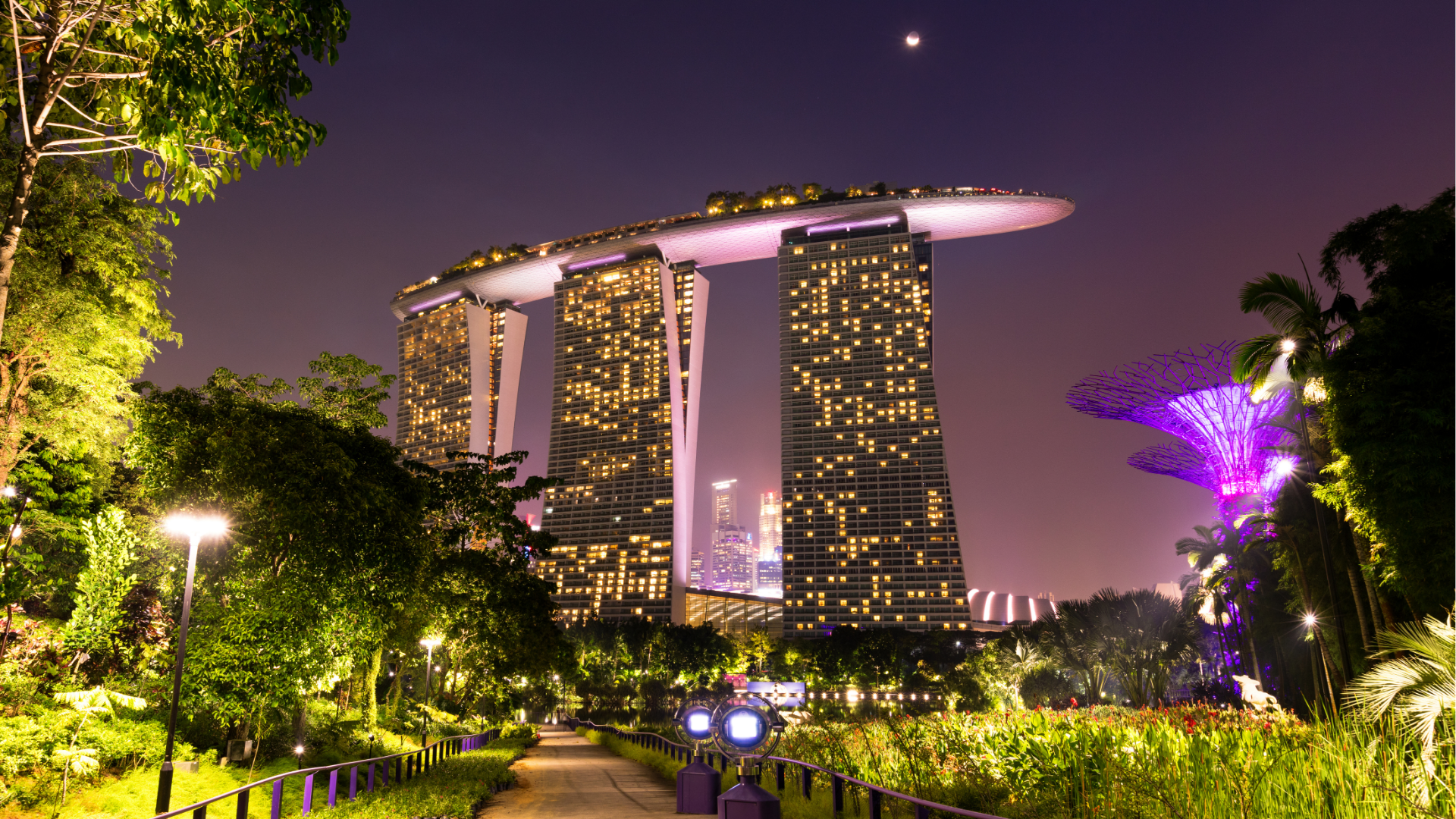
Very easily. Kuala Lumpur is a major regional hub with direct connections across Southeast Asia, making Malaysia simple to pair with Thailand, Singapore, Indonesia or Vietnam within a single itinerary.
Is Malaysia safe for travellers?
Malaysia is considered very safe, with low levels of violent crime and good healthcare in major cities. Normal travel precautions apply, particularly in busy urban areas.
What is the best way to travel within Malaysia?
Domestic flights connect key regions efficiently, especially between Peninsular Malaysia and Borneo. Private transfers and trains work well for shorter routes, while river boats are used in wildlife regions such as the Kinabatangan.
Is Malaysia suitable for families?
Yes. Malaysia is family-friendly, with safe cities, wildlife experiences, beaches and accommodation that cater well to multigenerational travel.
How conservative is Malaysia for dress and behaviour?
Urban areas are modern and relaxed, but modest dress is expected at mosques, temples and in rural communities. Being mindful of religious practices and festivals is appreciated.

 " alt="">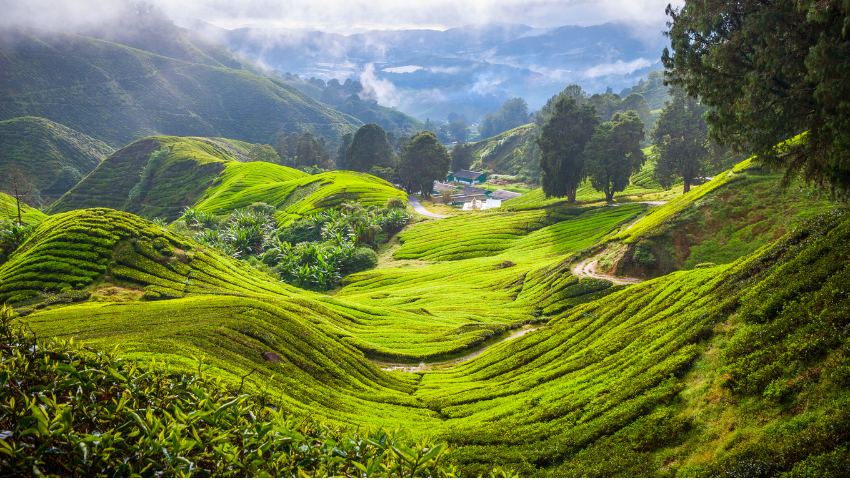
 " alt="">
 " alt="">
  " alt="">