
At a glance
Warm, welcoming and rich in experiences, Thailand is an easy destination to sell year-round, but the timing still shapes the details of how each journey can feel. Thailand’s seasonality is usually understood through three distinct periods: the dry season from November to February, the hot season from March to May and the green season from June to October. The south adds another layer of nuance, as Thailand’s beaches are shaped by two different climate systems, bringing tropical rains at different times of year and allowing the right coastline to shine in different seasons.
For agents, the opportunity is not only to understand when the weather is most favourable, but to know what each period makes possible. Some periods are best for broad first-time routes and classic combinations, while others are better suited to southern beach stays, greener inland journeys, quieter cultural experiences or lesser-known regions that help avoid the busiest circuits. The sections below break this down by key holiday period, with practical guidance on what works especially well and what expectations to set with clients.

Planning by holiday period
Spring break (March to April)
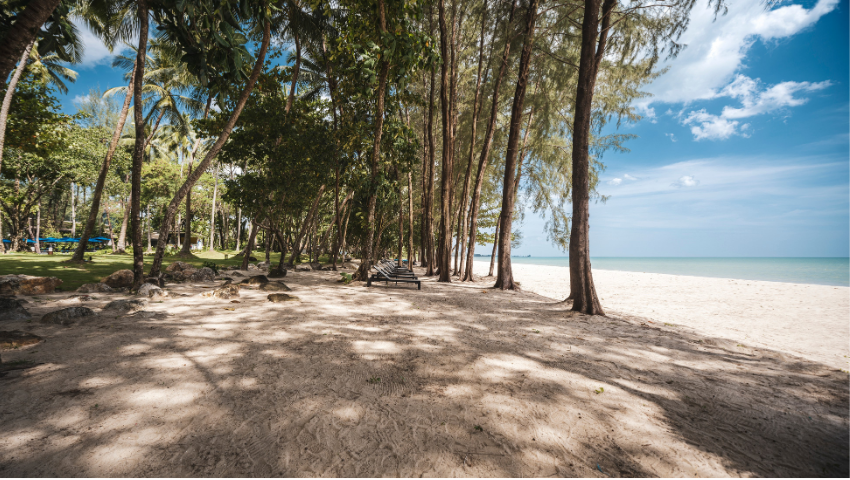
Spring break falls during Thailand’s hot season, when strong sunshine and rising temperatures begin to shape the rhythm of each day. Bangkok and central Thailand remain great to explore, but itineraries work best with early starts, lighter afternoons and indoor or shaded experiences during the peak midday heat. Rather than overloading the route with exposed sightseeing, this is a season where pacing becomes part of the value.
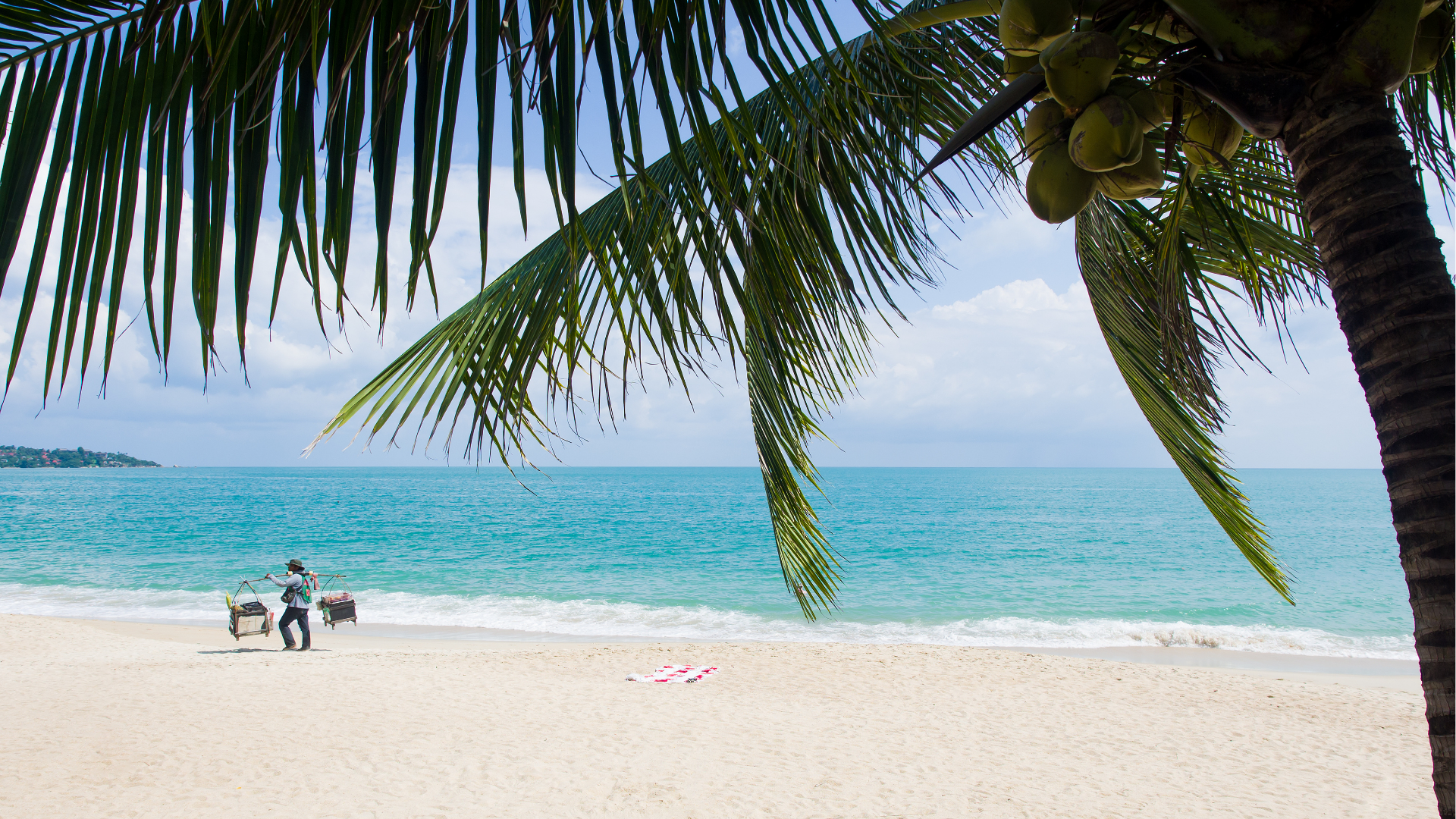
It is also one of the best times to let southern Thailand take a stronger role. A Thailand journey can finish especially well with an adventure in Khao Sok or a beach stay on Koh Samui, where the coast provides a natural change of pace after cultural touring. Songkran in mid-April can also be a memorable cultural highlight for travellers who enjoy a festive, highly local atmosphere.
Works especially well for: Bangkok and southern Thailand combinations, Koh Samui beach stays, Khao Sok, Songkran-focused travel, slower-paced holidays
Set expectations around: Strong heat, early starts, lighter sightseeing days and festive movement during Songkran

Summer (June to August)
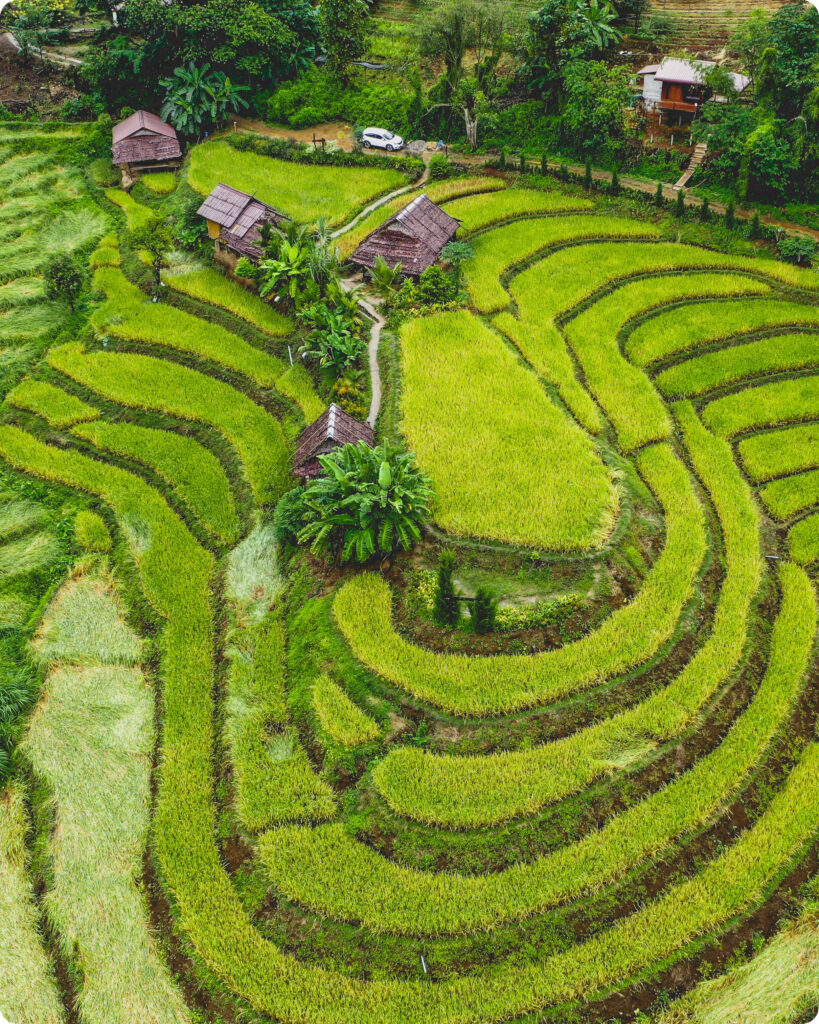
Summer brings Thailand’s green season into focus, and this is where the country’s inland landscapes become especially compelling. Rain often arrives in short, heavy bursts rather than lasting all day, leaving space for rewarding cultural and nature-based travel. Central and northern Thailand feel lush and vivid, with greener countryside, fuller waterfalls and fewer crowds than the peak-season months.
It is a strong period for travellers who are open to a more atmospheric version of Thailand. Chiang Mai, Chiang Rai, Kanchanaburi, Sukhothai and countryside stays can all work well when the itinerary is flexible and not built entirely around beach weather. That said, a beach extension remains very possible during this period, particularly on the Gulf Coast around Koh Samui or Koh Phangan.
Works especially well for: Northern and central Thailand, countryside stays, soft adventure, culture-led routes, families, lower-crowd travel
Set expectations around: Tropical showers, humidity, flexible pacing and careful beach selection
Autumn (September to November)
Autumn is a transition season with a strong finish. September and October can still bring rain, with conditions often feeling close to summer, but the landscapes remain lush and itineraries can work well with a little flexibility built in. Rather than relying too heavily on beach time, this period is best shaped around culture, food, local life and nature, where short tropical showers are easier to absorb into the rhythm of the day.
By November, Thailand begins moving into one of its most comfortable travel periods, but without the full pressure of the festive peak. Bangkok, central Thailand and the north become easier to combine, while beach planning becomes more confident as conditions improve. This makes November especially useful for travellers seeking a strong all-round journey before Christmas and New Year demand tightens availability.
Works especially well for: Lush landscapes, culture-led itineraries, quieter travel, photography, November classic routes
Set expectations around: September and October rain, regional variation and demand building from November onward

Christmas and Winter Sun (December to February)
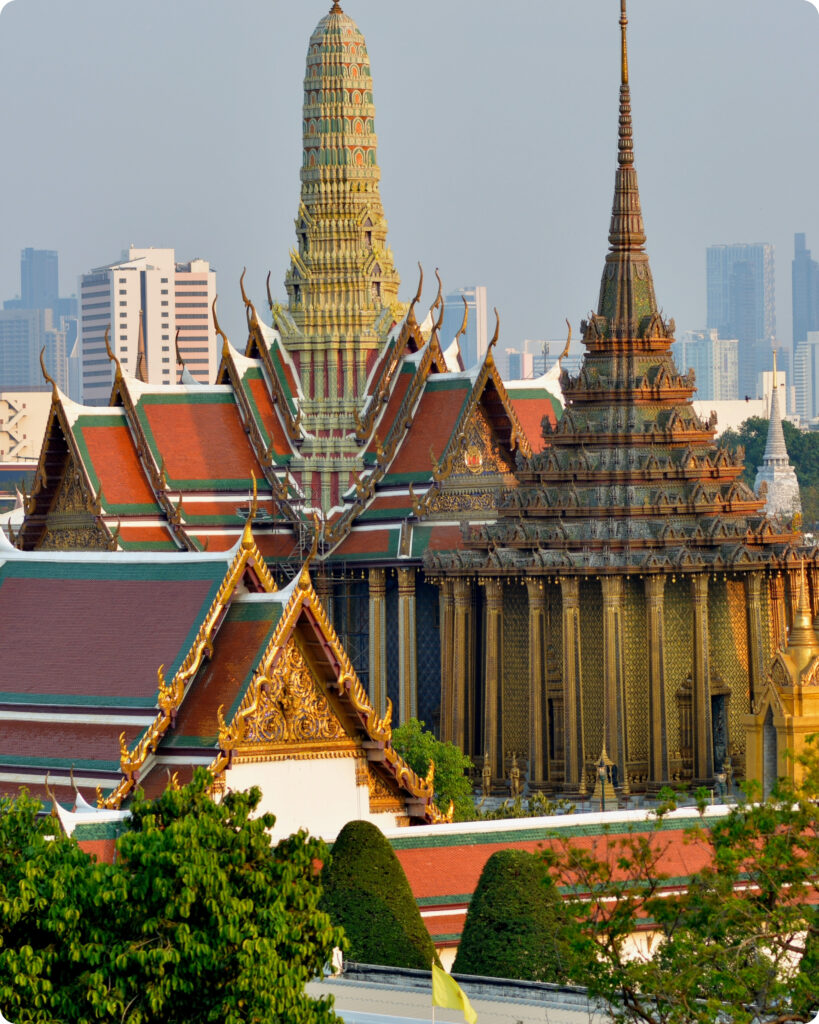
Christmas and Winter Sun fall within Thailand’s cool season, the most comfortable and popular period for broad travel. Bangkok, Ayutthaya, Sukhothai, Chiang Mai, Chiang Rai and the southern beaches can all combine smoothly, making this the easiest window for first-time visitors and multi-region itineraries. Clearer skies, lower humidity and pleasant temperatures allow for more active days and a wider range of experiences.
The trade-off is demand. Hotels, guides, villas, domestic flights and popular beach areas need to be secured early, especially over Christmas and New Year. For clients who want comfort without following the busiest routes, this is also a good time to consider lesser-known regions such as Isaan in the northeast or Nakhon Si Thammarat in the south, both rich in culture, history and natural beauty.
Works especially well for: First-time Thailand journeys, multi-region routes, active touring, beach extensions, lesser-known cultural destinations
Set expectations around: Peak demand, early booking pressure, premium pricing and busier classic routes

Seasons by client type
Families: Families can work well across several school holiday windows, but the route should follow the season. Spring break suits southern Thailand and lighter touring, summer works well for green-season nature and culture, while year-end travel is easiest for broader first-time combinations.
Honeymooners: The cool season offers strong weather, but quieter shoulder periods can feel more private and atmospheric. Spring break can suit villas, spa time and southern stays, while autumn works well for couples who value scenery and fewer crowds.
First-time visitors: First-time visitors are easiest to plan in the cool season, when Bangkok, the north and the beaches combine smoothly. For other periods, the route should still feel complete, but with a clearer focus, such as southern Thailand in the hot season or central and northern landscapes in the green season.
Luxury travellers: Luxury travellers often care as much about privacy, flow and property choice as weather. The cool season gives the widest routing options, but quieter months can be excellent for wellness, food, design-led stays and less crowded experiences when the itinerary is matched carefully to the season.
Active travellers: Active travellers benefit from cooler conditions for longer outdoor days, especially in the north. Green season can also be rewarding for softer adventure, with lush countryside, fuller waterfalls and nature-based routes, while hot-season itineraries should reduce exposed activity and shift the pace south.
Relaxation seekers: Relaxation seekers can travel across much of the year when the coast and rhythm are chosen carefully. The hot season is especially useful for Koh Samui and slower southern stays, while the cool season offers the broadest beach choice. Green-season trips should focus on resorts and regions that do not rely only on perfect sea conditions.
Quick tips
- Lead with what shines in each season. Thailand is not about one best time to visit, but about choosing the right regional focus.
- Book early for the cool season. This is the most popular period, so preferred hotels, guides, villas and services need advance planning.
- Use lesser-known regions during peak months. Isaan and Nakhon Si Thammarat can help avoid crowds while adding cultural depth.
- Match privacy needs to demand. Honeymooners and luxury clients may value quieter periods more than peak-season weather.
Frequently asked questions
Which beach areas work best at different times of year?
As a broad rule, the Andaman Coast, including Phuket, Krabi and Phi Phi, is strongest from November to April. The Gulf Coast, including Koh Samui, Koh Phangan and Koh Tao, is especially useful from the hot season into the European summer period. Beach planning should always be checked by month, as the two coastlines do not follow the same rhythm.
What should agents know about Songkran?
Songkran can be a major highlight for the right client, especially those interested in local culture and festive atmosphere. However, it should be positioned carefully for travellers who dislike crowds, water celebrations or disrupted movement. Private transfers, hotel choice and the daily schedule become especially important.
How should agents position northern Thailand in March and April?
March and April can be more sensitive for northern Thailand due to heat and seasonal haze, so the region should be positioned carefully. Rather than making it the centre of the journey, agents may want to shift emphasis towards southern Thailand, wellness, beach stays or lighter Bangkok-based experiences during this period.
When is Khao Sok a strong addition to a Thailand itinerary?
Khao Sok works especially well in the hot season as a scenic, adventurous counterpoint to city touring and beach time. It can also be rewarding in greener months, when the rainforest feels especially alive, but expectations should be set around rain, humidity and a more nature-led rhythm.
Which periods are best for avoiding crowds in Thailand?
The green season and shoulder periods can be especially useful for travellers who want fewer crowds, softer pricing and a quieter rhythm. Rather than positioning these months as a compromise, agents can lead with lush landscapes, more atmospheric inland travel and greater breathing room at popular cultural sites.
How should agents sell Thailand when clients are worried about rain?
Explain that rain often comes in short, heavy bursts rather than all-day washouts, especially in central and northern regions. The strongest approach is to build flexibility into the day and focus on inland scenery and culture.

 " alt="">
  " alt="">
  " alt="">
  " alt="">
 " alt="">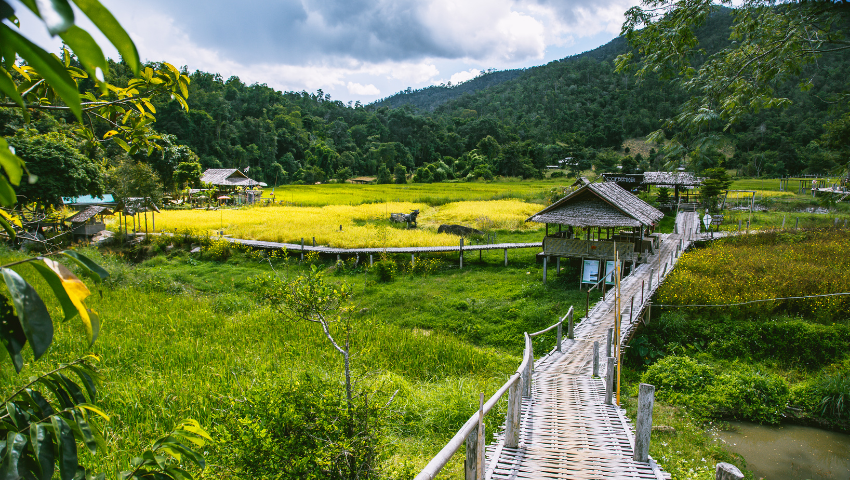
 " alt="">