
Each year, Bali pauses for Nyepi, a unique Hindu celebration marking the Balinese New Year. Known as the island’s ‘Day of Silence’, this important cultural and spiritual occasion brings Bali to a complete standstill for 24 hours.
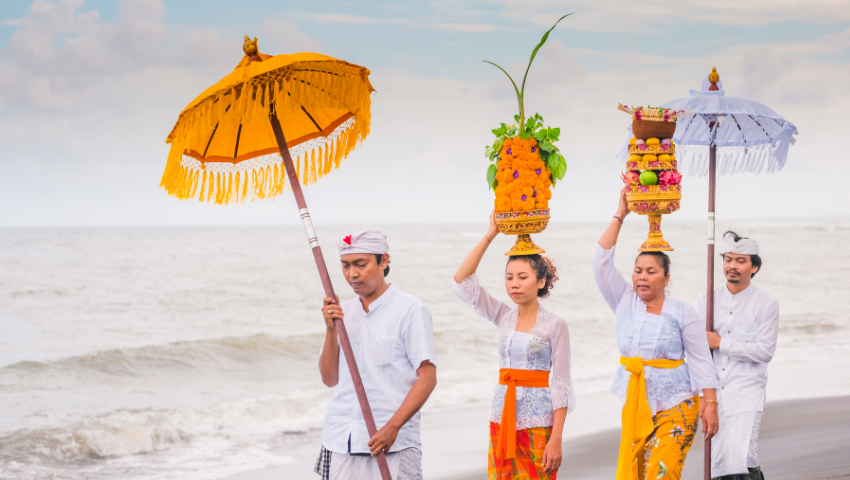
While the day itself is defined by stillness and reflection, the days leading up to Nyepi are vibrant and ceremonial. Communities gather for purification rituals, colourful temple processions and the famous Ogoh-Ogoh parades, during which elaborate effigies representing negative spirits are carried through the streets accompanied by music and ceremony.
For travellers visiting Bali during this time, Nyepi offers a fascinating insight into local traditions. However, it is also important to understand how the day impacts travel across the island. Despite these restrictions, many travellers find Nyepi to be a memorable and meaningful part of their journey, offering a rare opportunity to experience Bali in complete quiet.

What happens on Nyepi?
From 6am on Nyepi until 6am the following morning, the island observes four traditional restrictions known as Catur Brata Penyepian: no fire or lights, no work, no travel and no entertainment.
During this time roads remain empty, shops and attractions close and flights do not operate. Travellers staying on the island are expected to remain within their accommodation and respect the spirit of the day.
The intention is to create a moment of stillness for reflection and spiritual balance before the new year begins.
The night before: Ogoh-Ogoh celebrations
While Nyepi itself is quiet, the evening before is anything but.
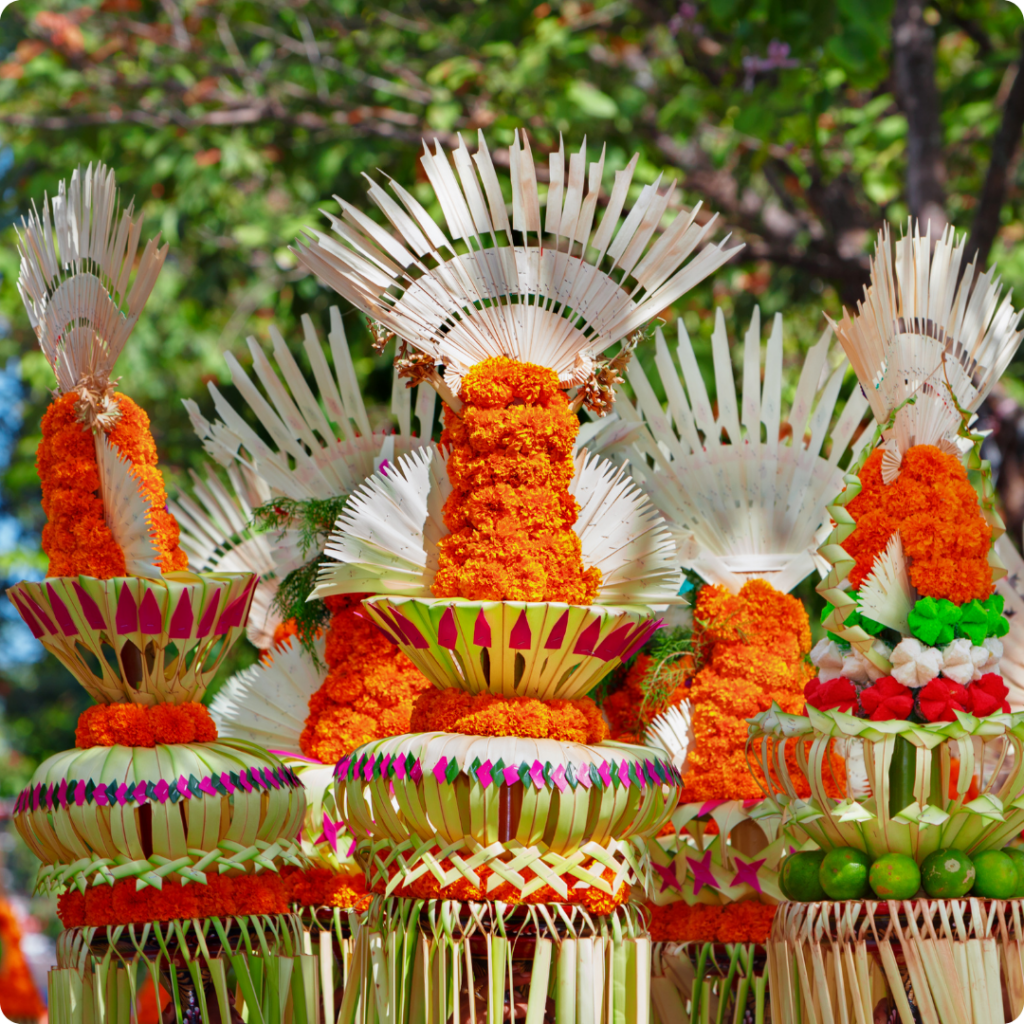
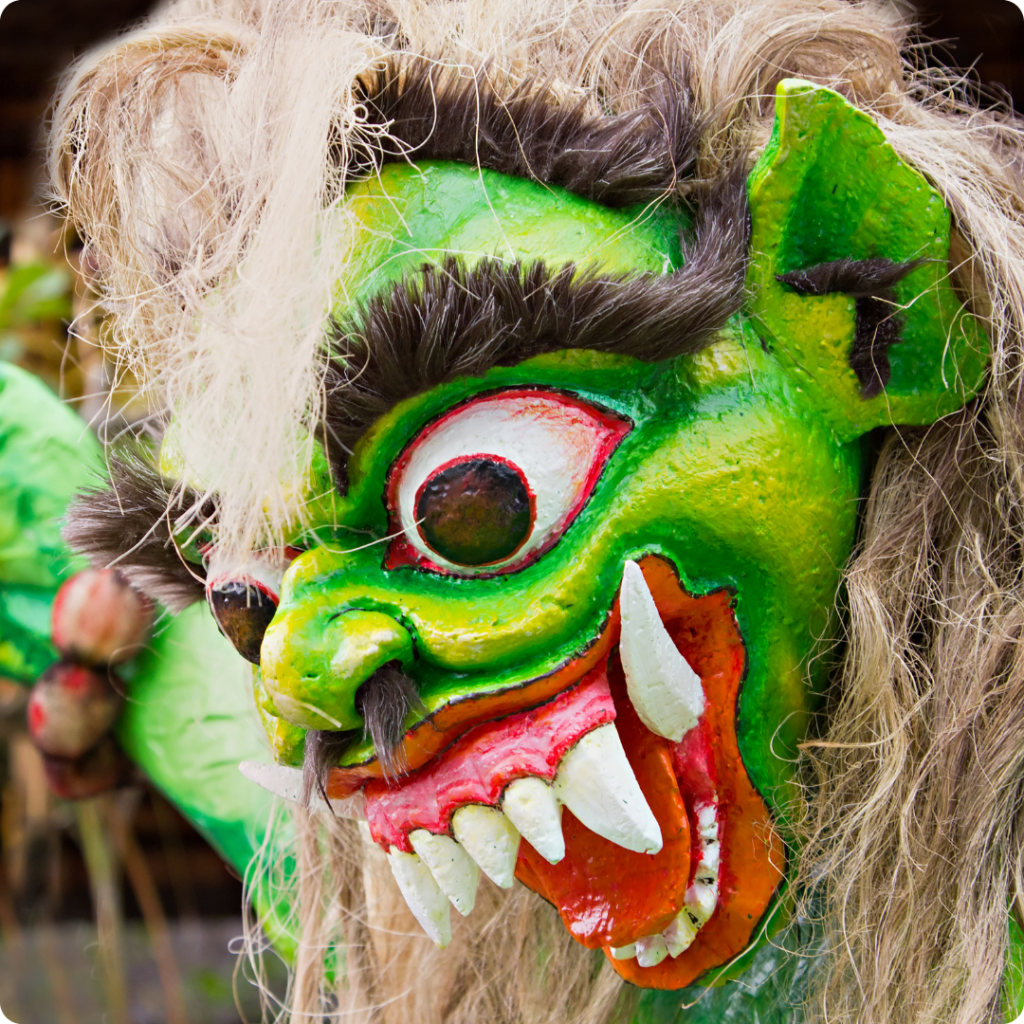
Across villages and towns, large papier-mâché statues known as Ogoh-Ogoh are paraded through the streets. These elaborate figures represent negative forces or disruptive spirits and are accompanied by music, chanting and energetic processions.
After the parade, many of the statues are symbolically destroyed or burned, representing the cleansing of negative energy before the day of silence begins.
For travellers, this is often one of the most visually striking cultural events in Bali and an excellent moment to witness local traditions in action.
What travellers can expect
On Nyepi itself, Bali’s rules apply to everyone on the island, including visitors. Travellers are asked to remain within their accommodation, as roads, shops, restaurants and attractions close and Bali’s airport suspends operations for the day.
Most hotels continue operating with limited services, allowing guests to spend the day enjoying resort facilities such as pools, gardens, spa treatments and meals within the property. While movement around the island pauses, the atmosphere becomes unusually peaceful.
With no traffic, music or nightlife, Bali settles into complete stillness. As evening falls and lighting is kept to a minimum, the absence of light pollution often reveals remarkably clear night skies. Rather than a day of sightseeing, Nyepi becomes a rare opportunity to slow down, relax and experience the island at rest.
A rare perspective on Bali
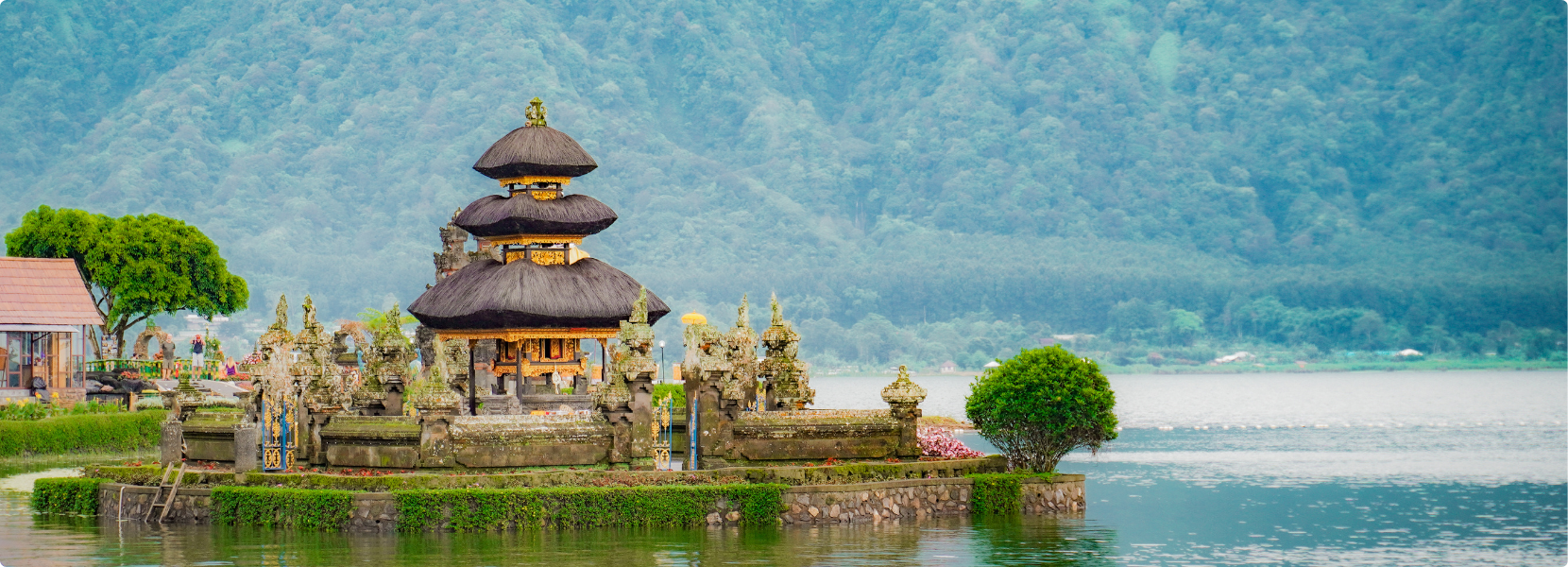
Nyepi offers something increasingly rare in modern travel: an entire destination choosing stillness. For travellers willing to embrace the experience, it provides a deeper appreciation of Bali’s spiritual traditions and a peaceful pause within the journey.
With thoughtful planning, Nyepi can become one of the most memorable moments of a visit to the island.

 " alt="">
 " alt="">